Is Capitol Hill Parks worth your trip?
Capitol Hill Parks presents a collection of 59 urban green spaces, not a singular park unit.
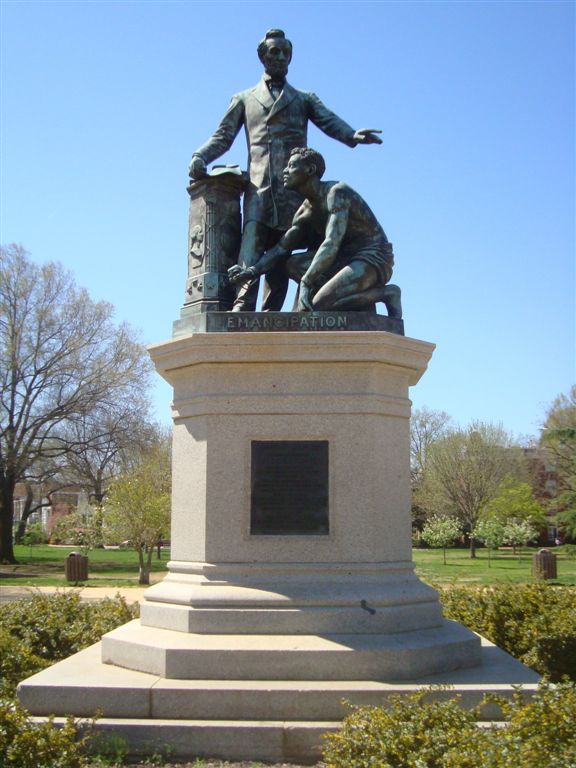
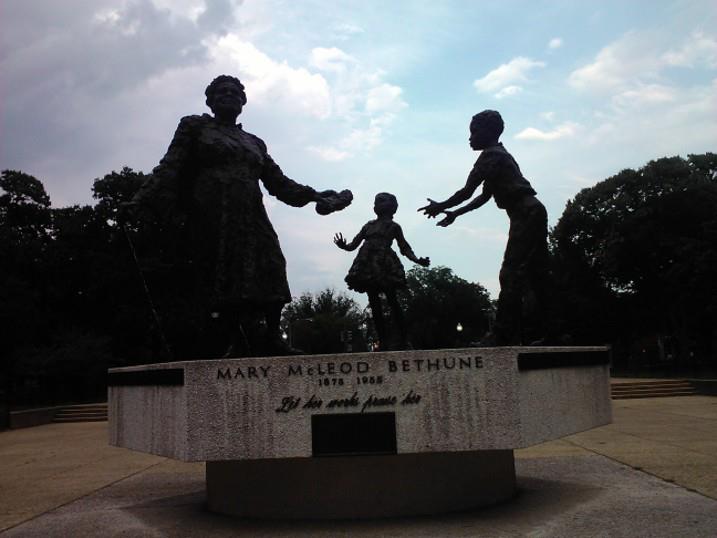
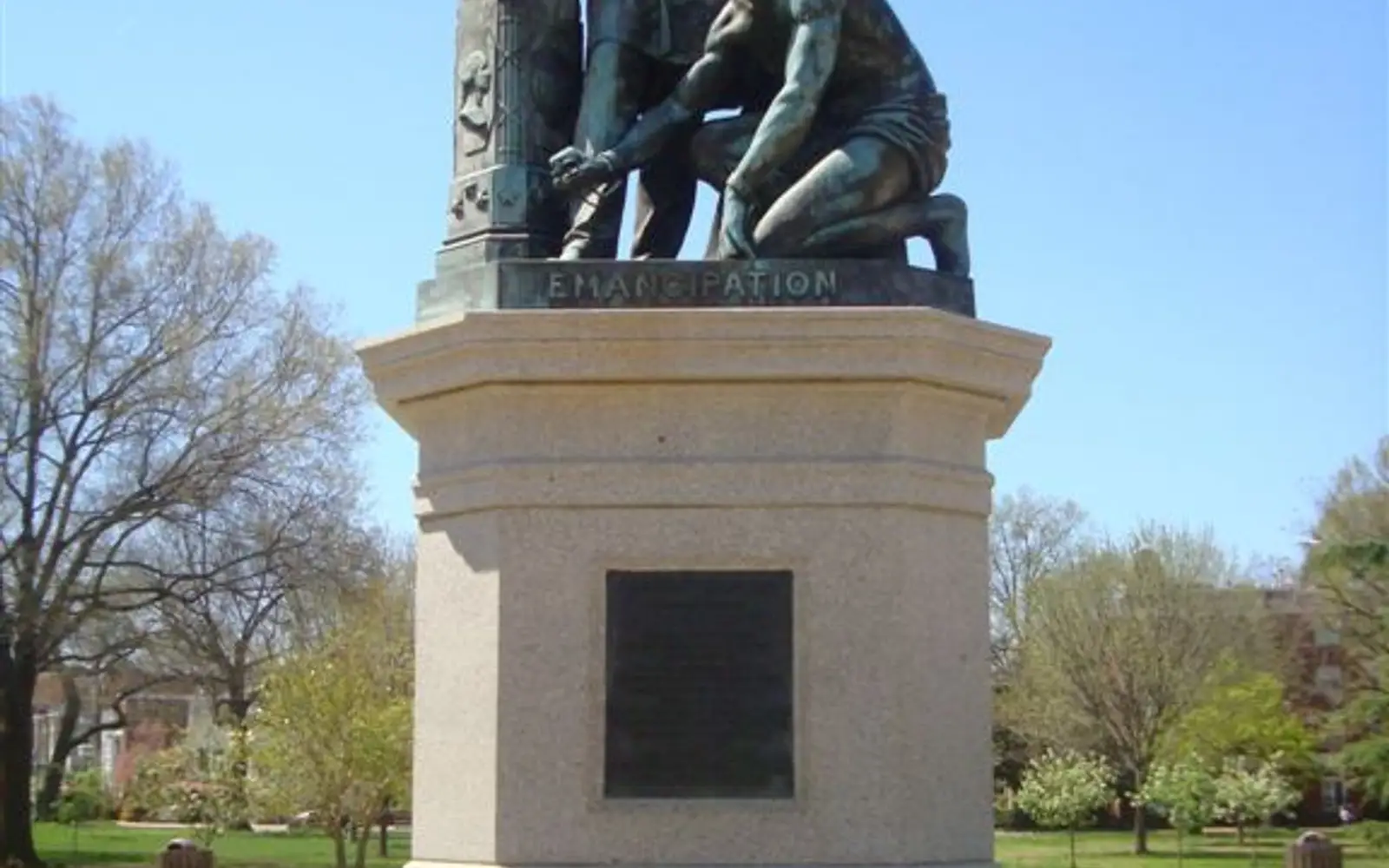
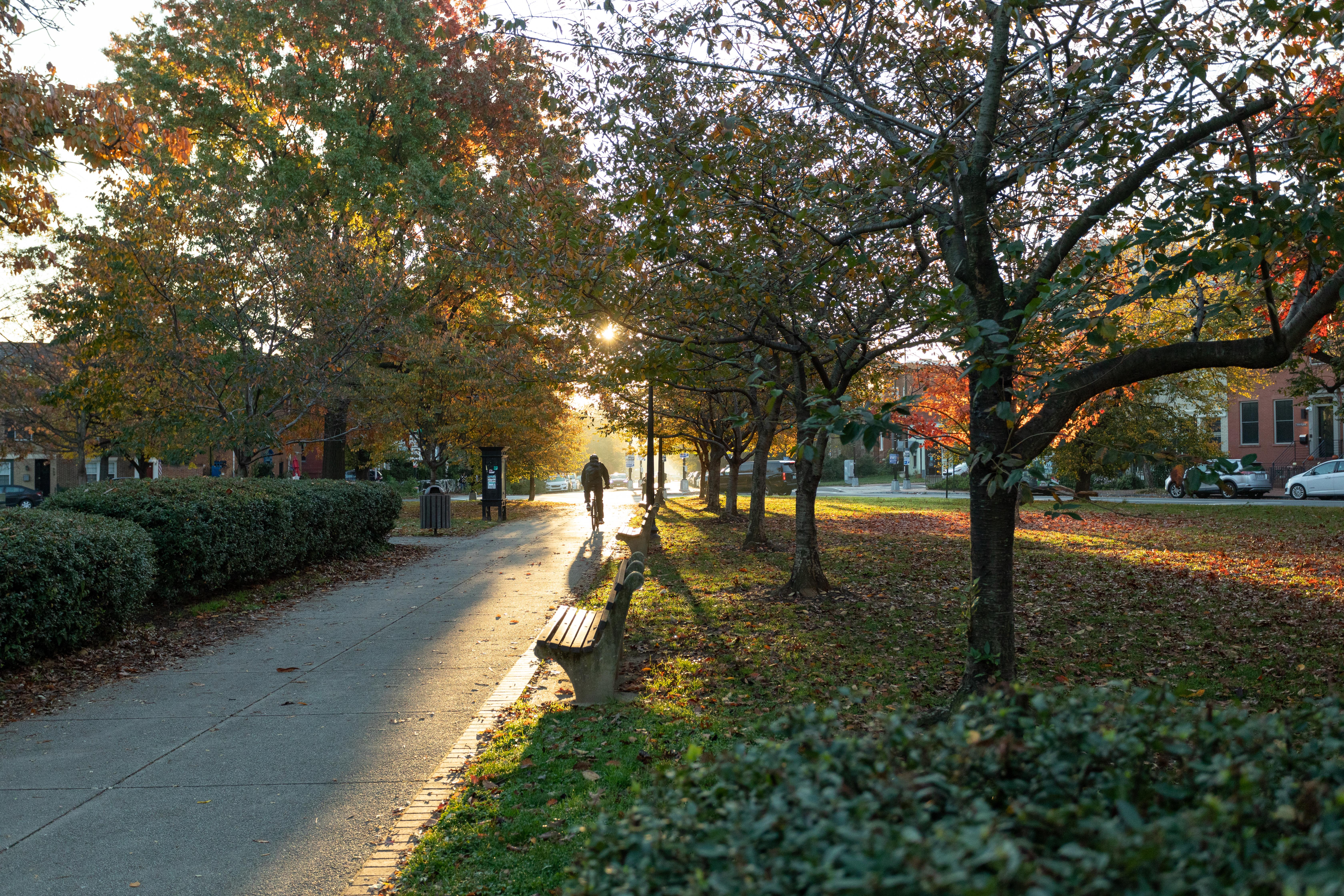
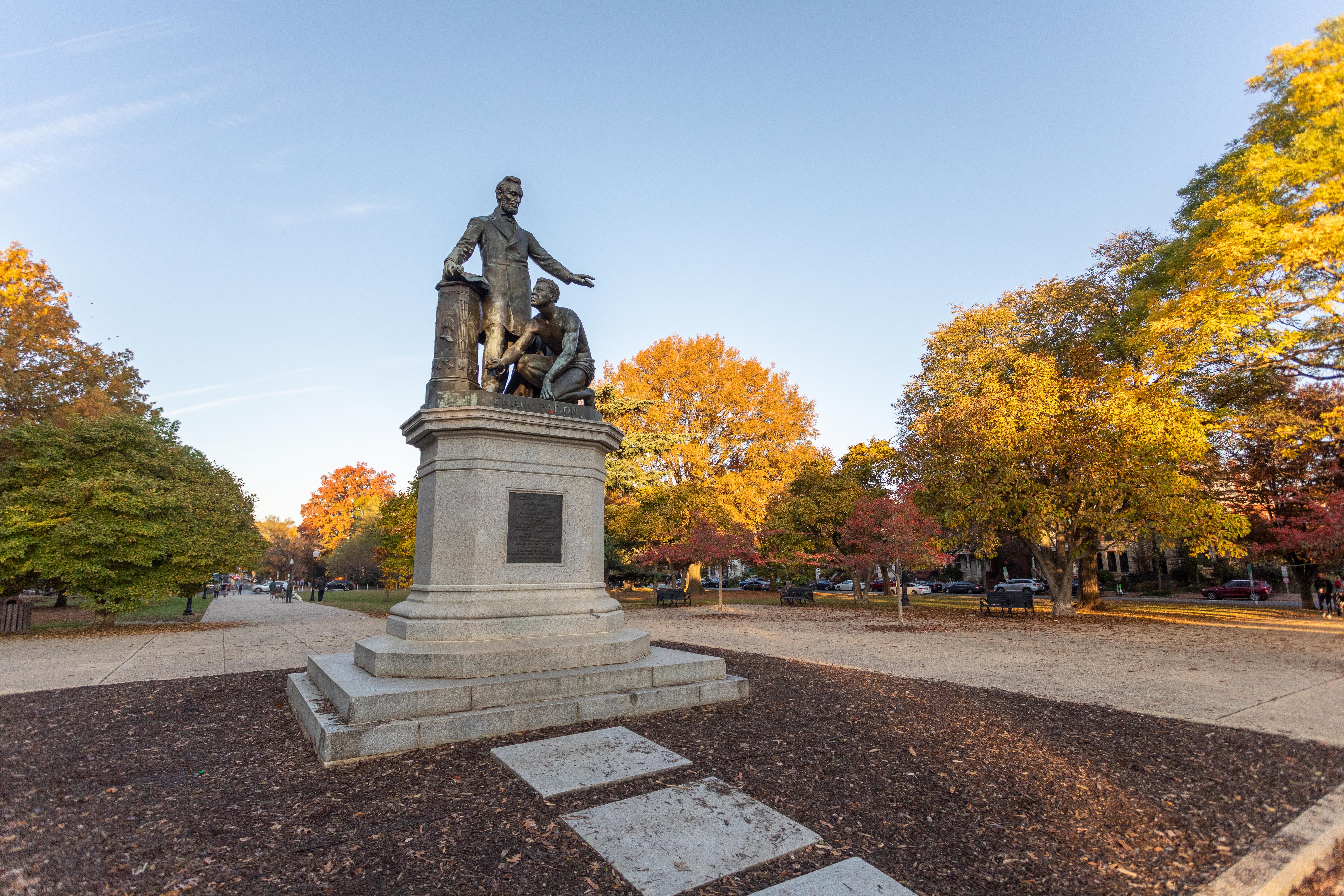
These are neighborhood squares, grassy medians, and pocket parks, dispersed across residential areas east of the U.S. Capitol. The offering is low-key: benches, open lawns, and playgrounds characterize most locations. Lincoln Park stands out with notable statuary. The National Park Service maintains these sites, providing accessible green space within a dense urban environment. Entry is free. These parks function as a logical extension to a Washington DC itinerary, rather than a primary destination. They suit families, cyclists, and visitors seeking a slower, residential perspective on DC, away from monument-focused tourism.
Why go
This collection of park units offers a tranquil counterpoint to more heavily trafficked urban areas. Engaging with several parks by foot or bicycle reveals a distinct facet of the city. Consider picnicking in a large square. Guided tours offer historical context. For families, the Junior Ranger Program encourages deeper engagement. Children can enjoy playgrounds, offering adults a chance to decompress. Eastern Market is a recommended destination for food. Cyclists will find the network of squares and medians integrates well with the city's broader bike infrastructure. This creates an ideal urban riding environment.
Best for
This park caters to families with young children, offering casual cycling opportunities and a neighborhood texture appealing to visitors beyond monuments. History and architecture enthusiasts will find value in guided tours of the Capitol Hill streetscape. However, those seeking dramatic scenery or a singular immersive outdoor experience should consider alternatives. The park prioritizes accessibility and historical context over raw wilderness.
Best season
The optimal time to visit is spring, from April through early June. Temperatures remain mild, and the city squares offer a lively atmosphere without the oppressive summer humidity. Fall provides a similar experience. Summer visits are possible, but July and August bring genuinely punishing humidity; visitors should plan morning excursions and utilize the visitor center's water fountain. Winter offers quiet, uncrowded conditions, though picnicking opportunities are limited.
The high points
- Lincoln Park, the largest and most historically significant of the squares, with notable statuary
- Guided walking and bus tours that frame the neighborhood's Congressional and residential history
- Playground facilities suited to families with younger children
- Biking through the connected squares and medians as a low-traffic urban ride
- Picnicking in the named parks, especially in spring and fall
- Proximity to Eastern Market for a food stop that rounds out a half-day visit
Know before you go
These urban spaces, open daily from 6 a.m. to 10 p.m., offer free admission. Visitors should plan a walking or biking route given the dispersed nature of the park units. Parking in Capitol Hill is limited. The most reliable access is via the Eastern Market and Potomac Avenue Metro stations. Guided tours, when available, may require advance booking directly through the National Park Service.
One more thingCapitol Hill Parks presents a unique logistical challenge. With no central hub, tour departures are neighborhood-based, often from Metro stations rather than a visitor center. Prospective visitors on a guided tour should confirm their departure point carefully.