Is Cape Krusenstern National Monument worth your trip?
Cape Krusenstern is one of the most remote and genuinely wild units in the entire National Park System.
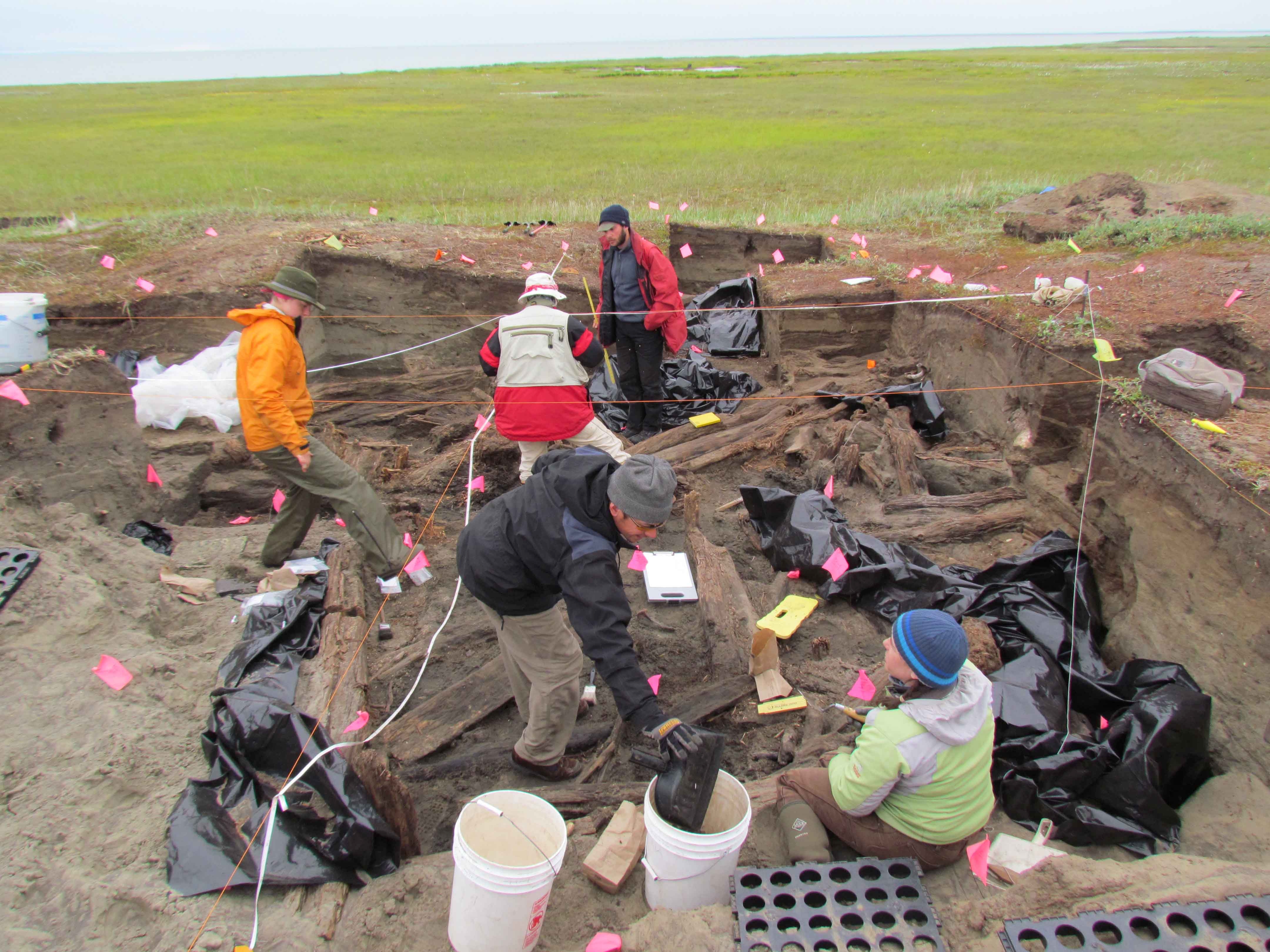
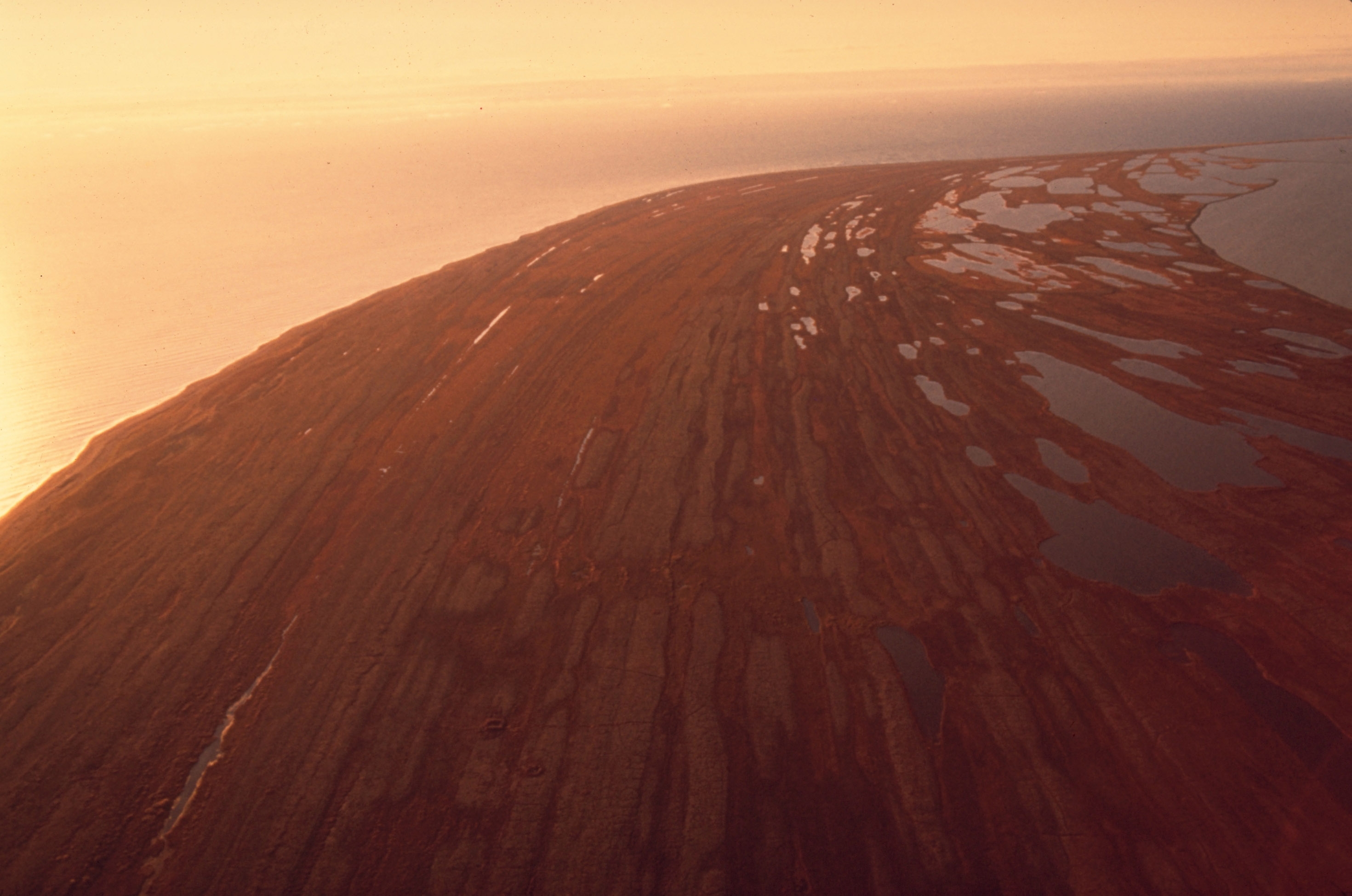
There are no roads in. You fly in by charter air taxi from Kotzebue, Alaska, and you are on your own in 560,000 acres of Arctic coastal and upland terrain. The 114 successive beach ridges here represent one of the most significant archaeological records of human habitation in the Arctic, documenting over 5,000 years of Inupiaq presence. This is not a park you wander into on a road trip. It rewards serious backcountry campers, birders, wildlife watchers, and anyone drawn to Arctic landscapes and Indigenous cultural history. The experience score of 82 reflects genuine breadth, but that breadth is only accessible to visitors who are prepared, properly equipped, and comfortable with logistical complexity and real wilderness risk.
Why go
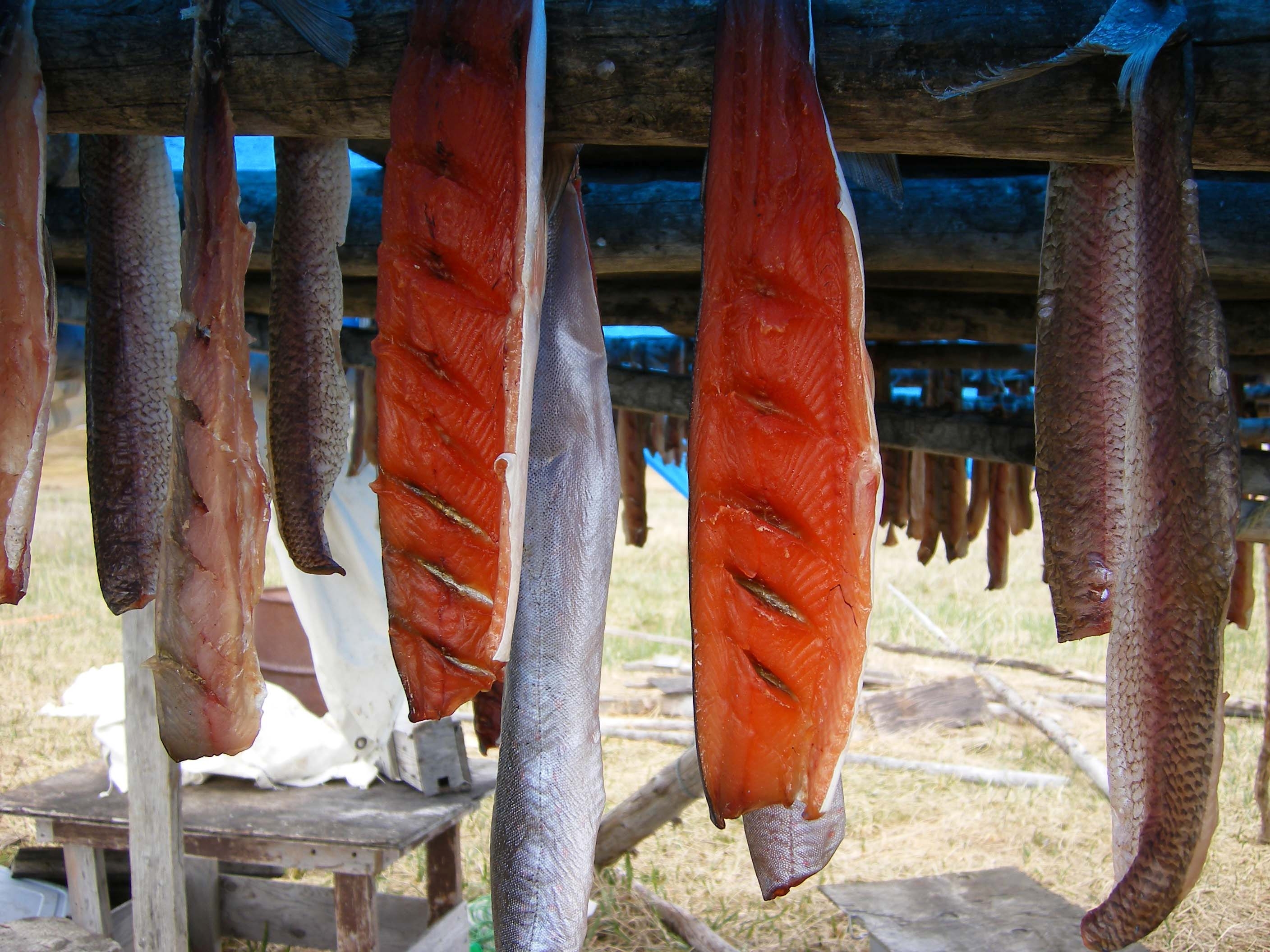
This destination offers an experience genuinely distinct from other parks in the lower 48 states or much of Alaska. Its landscape reflects millennia of Inupiaq subsistence culture; beach ridges serve as the archaeological record. Wildlife and birdwatching opportunities are exceptional in this Arctic coastal habitat. Unhindered access sets it apart from more crowded parks. Backcountry camping along the coast provides a profound connection to a pristine Arctic environment. Before venturing out, the Northwest Arctic Heritage Center in Kotzebue is indispensable. It offers museum exhibits, a bookstore, hands-on programming, and Junior Ranger activities. This center provides vital cultural and historical context, enhancing any field experience.
Best for
This park is built for self-sufficient backcountry campers, serious birders, Arctic wildlife enthusiasts, and travelers with a genuine interest in Inupiaq cultural history. It is not for anyone expecting visitor infrastructure, marked trails, or easy access. If your vacation time is limited and you need reliable amenities, skip this and visit a more developed Alaska unit.
Best season
Late June through August offers peak accessibility and extended daylight, presenting the best conditions for coastal wildlife and birdwatching. However, snow, rain, and freezing temperatures remain a year-round possibility. Hypothermia poses a genuine risk even in summer during wet, windy conditions. Planning must account for air taxi availability from Kotzebue, and visitors should always integrate buffer days for weather contingencies.
The high points
- Flying into a roadless 560,000-acre Arctic monument via charter air taxi from Kotzebue
- The 114 sequential beach ridges, one of North America's most layered archaeological records of continuous human habitation
- Backcountry camping in intact Arctic coastal and upland ecosystems with minimal human impact
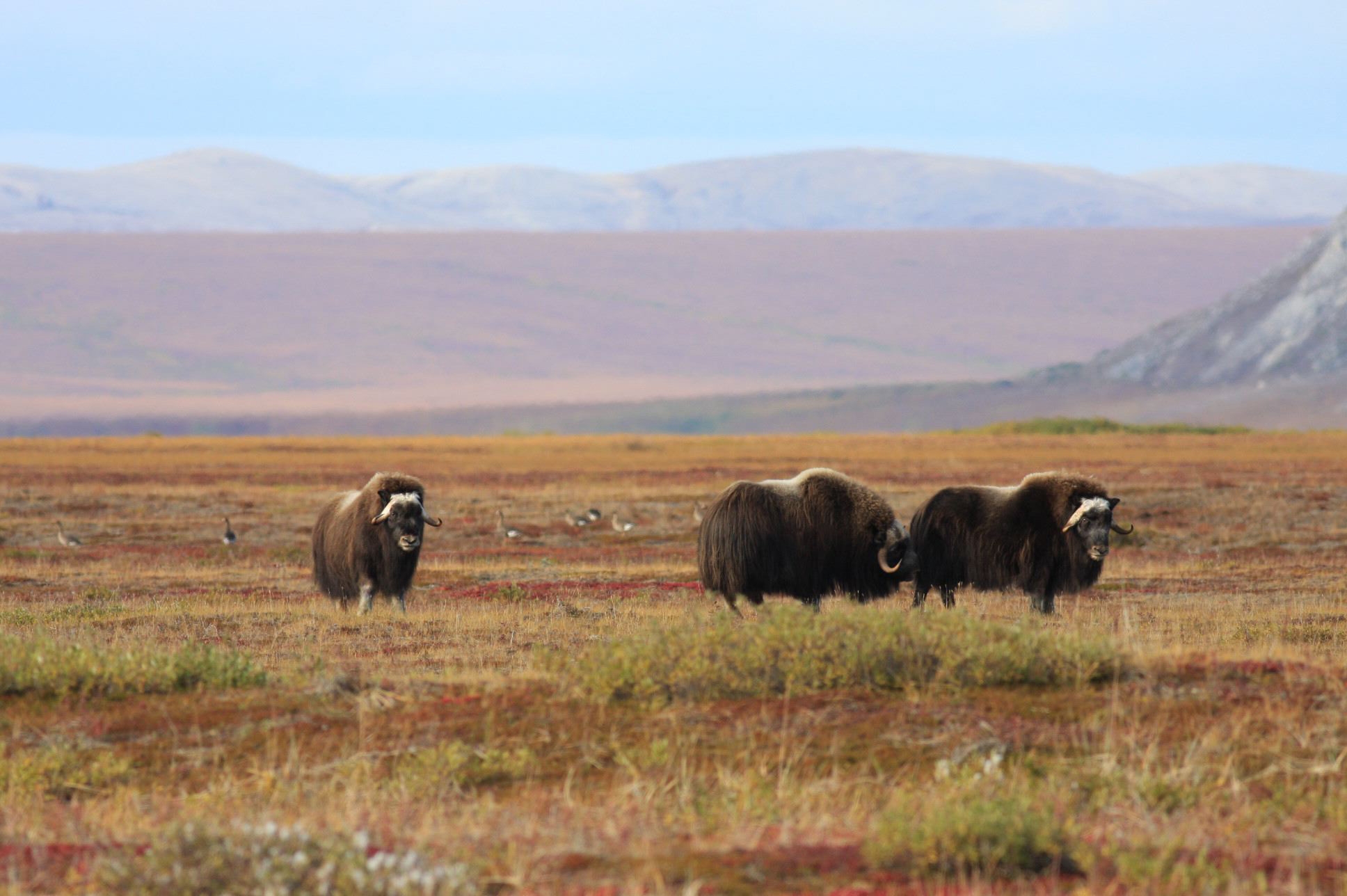
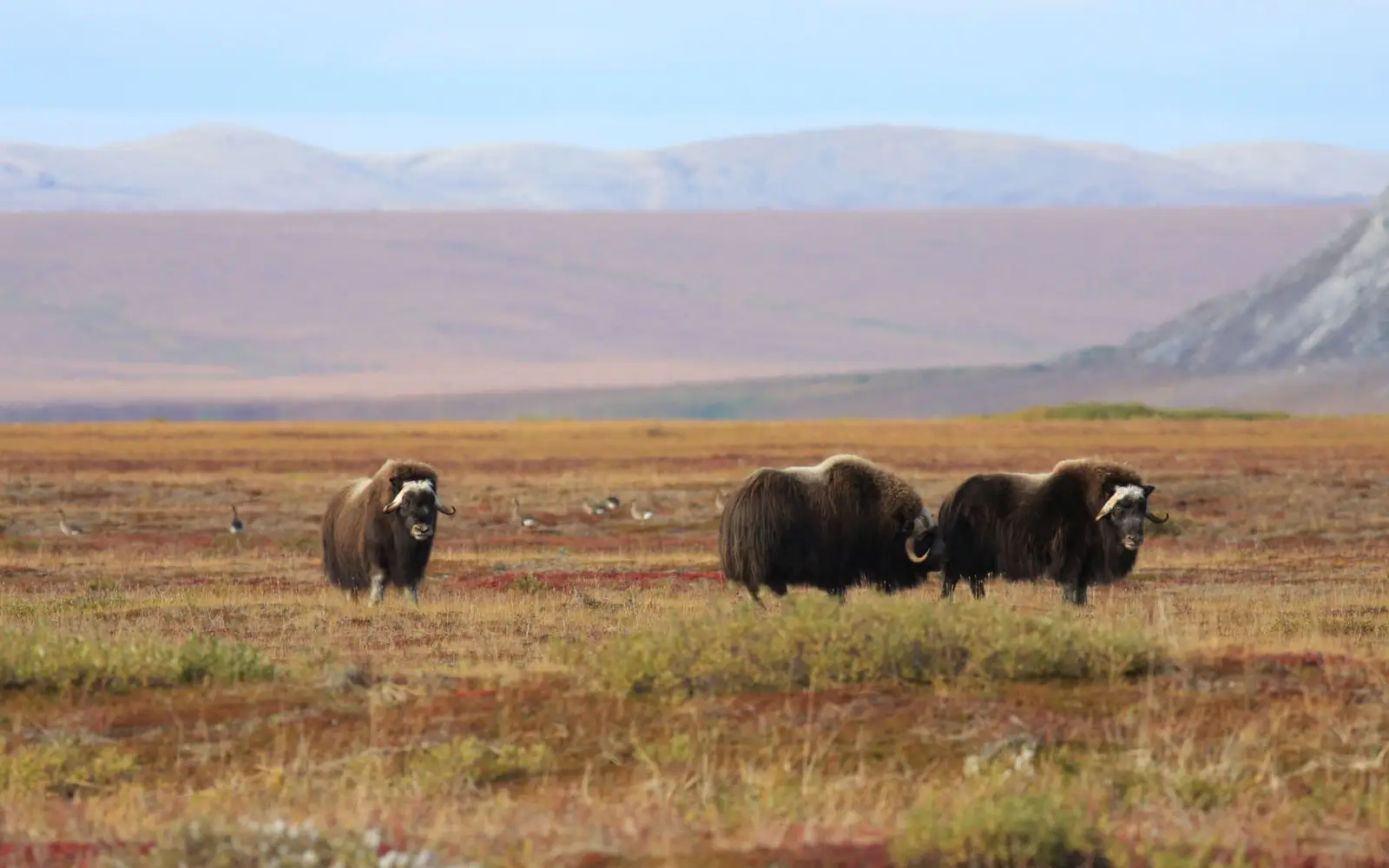
- Wildlife watching and birdwatching in undisturbed Arctic habitat
- Museum exhibits and hands-on cultural programming at the Northwest Arctic Heritage Center in Kotzebue
- Junior Ranger program available at the heritage center, making the cultural history accessible for kids before entering the backcountry
Know before you go
Entry is free. However, visitors must budget and book charter air taxi service from Kotzebue well in advance. The Northwest Arctic Heritage Center in Kotzebue serves as the visitor center, not the monument itself. Inside the monument, there are no maintained trails, facilities, or emergency services. Visitors must arrive fully self-sufficient.
One more thingThe Northwest Arctic Heritage Center in Kotzebue merits at least a half-day visit. Its exhibits contextualize Inupiaq history and beach ridge archaeology, providing essential background for coastal exploration. Center staff also offer current, localized conditions, information unlikely to be found online. This preparation is critical for understanding the landscape.