Should you visit Canaveral National Seashore?
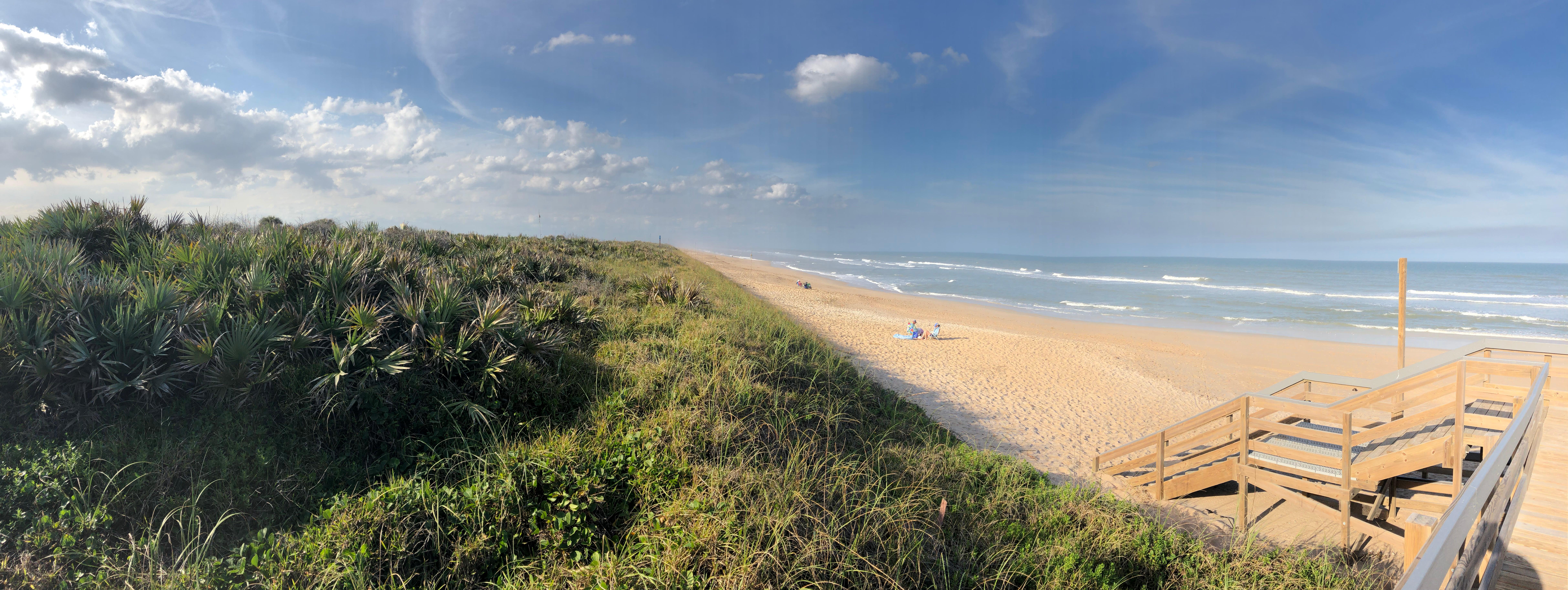
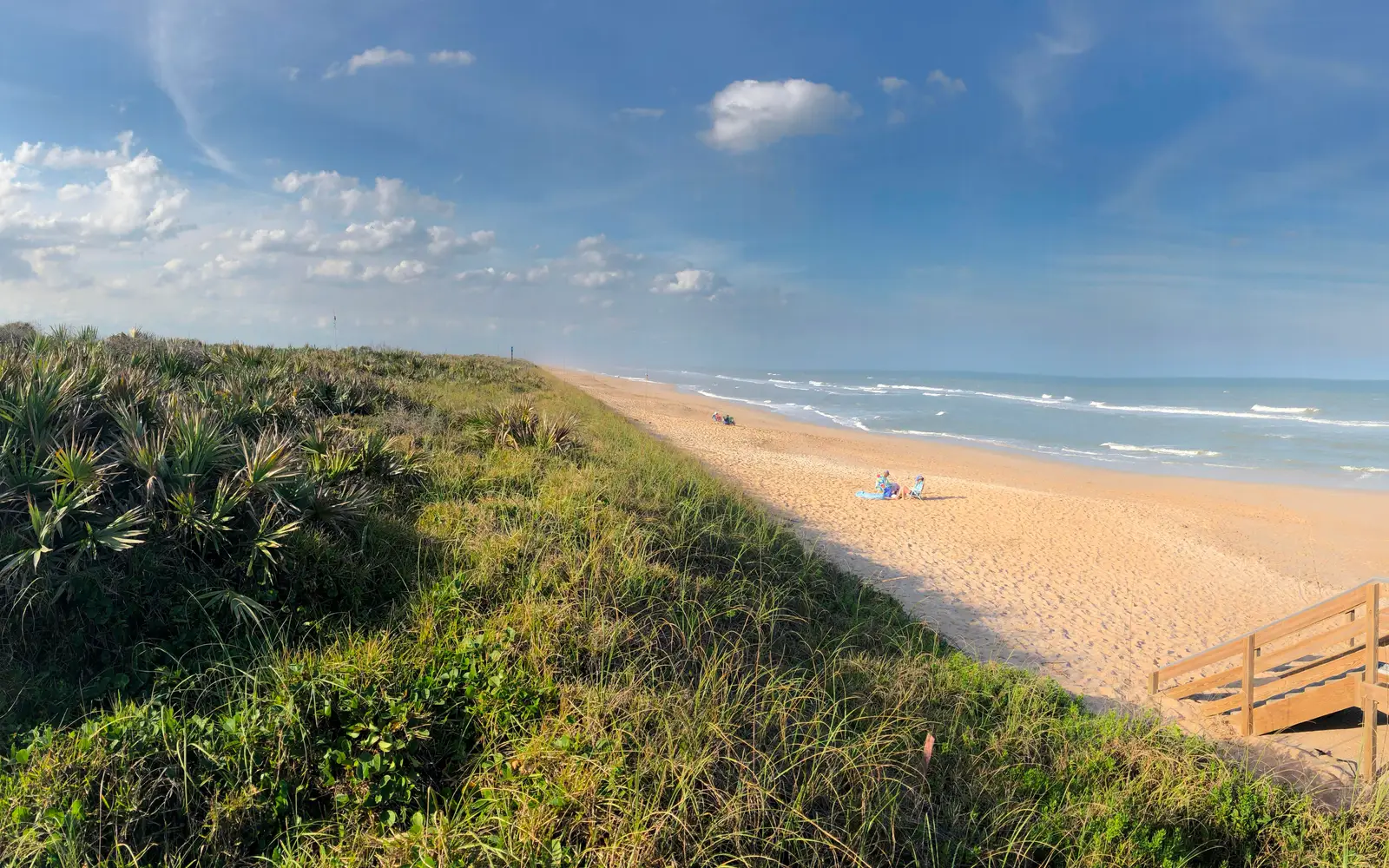
Canaveral National Seashore protects 24 miles of undeveloped Atlantic barrier island coastline in central Florida, just north of Kennedy Space Center.
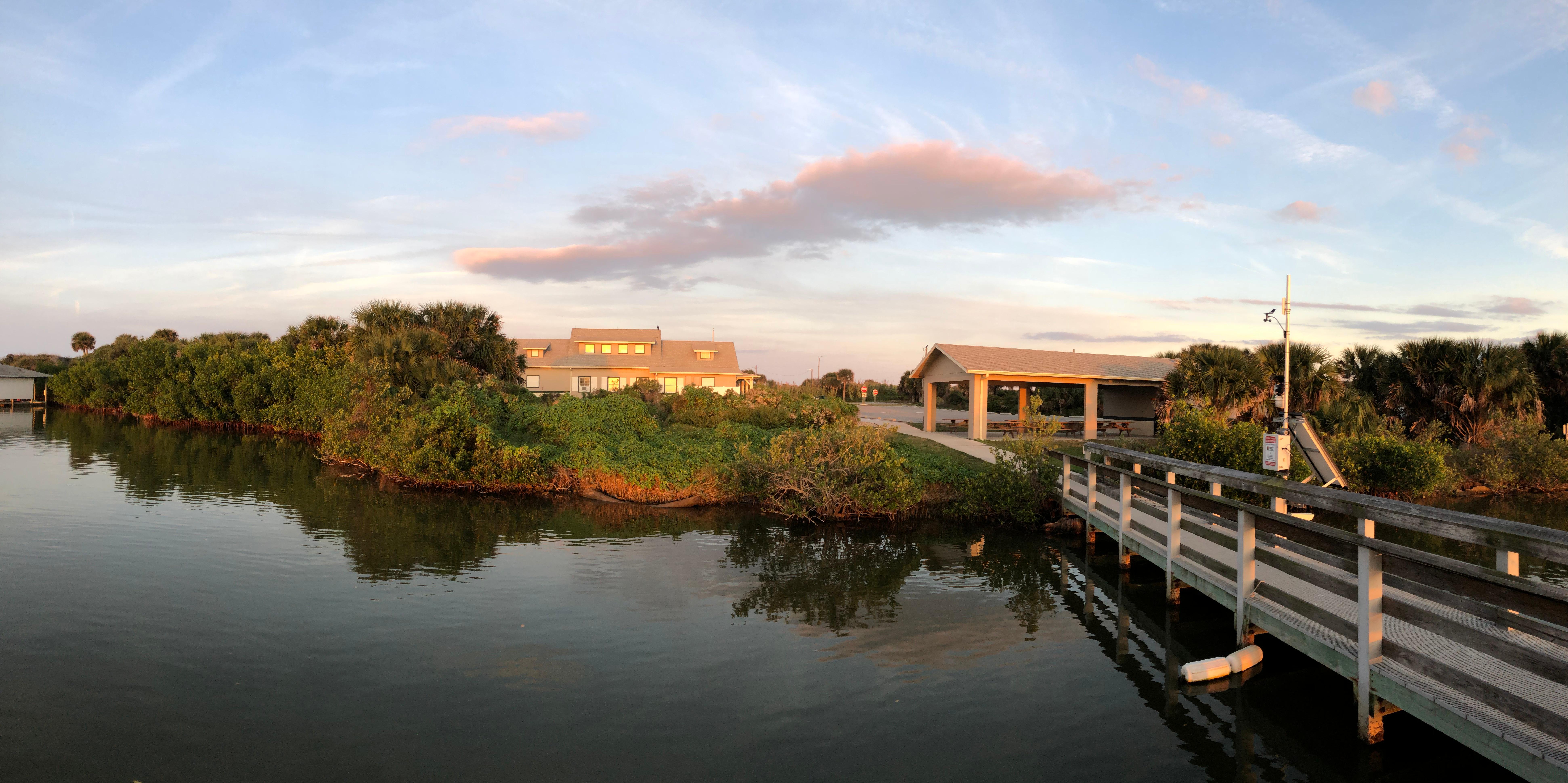
This preserves one of Florida's longest untouched east coast beaches, a significant rarity. The experience here is notably wild: open beach, coastal hammocks, expansive Mosquito Lagoon paddling opportunities, and Timucua shell mounds dating back millennia. With a score of 75, Canaveral is not a niche destination. It offers a substantial menu of activities, from surfing and horseback riding to backcountry camping and ranger-guided tours. However, summer presents a considerable challenge; heat, humidity, and biting insects are a serious deterrent. Winter and spring offer the most favorable conditions. For those seeking an unspoiled Florida beach with genuine ecological and historical depth, Canaveral National Seashore earns its place as a worthy detour.
What makes it worth it
This barrier island park delivers on variety. Its Atlantic shore features documented surf breaks and ample beach access, including a rare opportunity for horseback riding. For those interested in estuarial ecosystems, Mosquito Lagoon offers premier birdwatching and fishing in one of the East Coast's most productive habitats. History enthusiasts will appreciate the accessible, ancient Timucua shell mounds. Overnight stays are limited to backcountry or group sites, preserving a development-free island experience. While casual visitors can enjoy educational films and the Junior Ranger program before hitting the beach, a full appreciation requires active engagement. The $15 entry fee is justified by the breadth of activities.
Who should go
This park offers distinct appeal for paddlers, birders, and those with an interest in history alongside their beach experience. Families seeking active engagement beyond typical beach leisure will find suitable options. Specific draws exist for backcountry campers and surf fishermen. Those seeking resort amenities, shade structures, or a highly manicured environment should consider other destinations. Pure sunbathers may find the undeveloped facilities underserviced.
When to go
The data makes the case for a visit between late October and April. Winter temperatures, ranging from 40 to 70 degrees, are ideal for hiking, paddling, and beach walking. Insect populations are significantly reduced. Spring brings migratory birds to the lagoon. Those sensitive to heat or insects should avoid June through September. Hurricane season, with peak risk from August through October, runs from June through November.
Highlights
- Paddling Mosquito Lagoon, a rich estuary that rewards birders and anglers equally
- Ancient Timucua shell mounds offering a direct connection to thousands of years of human history
- Horseback riding on an undeveloped Atlantic barrier island beach
- Backcountry and canoe or kayak camping options for overnight wilderness stays
- Surfing along the Atlantic-facing shoreline with no resort development in the backdrop
- Guided tours that unlock context around the seashore's ecology and archaeological sites
Plan ahead
Entry requires a $15 per vehicle fee. The seashore maintains hours from 6:00 am; last entry is at 7:00 pm, with gates closing at 8:00 pm. This necessitates careful planning for any sunset or evening visits. The park features two distinct access points on opposing ends of the seashore. These points do not connect via any internal road network. Visitors must therefore confirm the correct entrance for their intended activities before travel.
Editor's tipFor visitors prioritizing birdwatching or fishing on Mosquito Lagoon, a 6:00 am arrival is essential. The lagoon's surface is most tranquil at this hour. Peak bird activity occurs in the initial two hours of daylight. This timing avoids both the intense summer heat and weekend boat traffic.