Is Campbell Tract Special Recreation Management Area worth your trip?
Campbell Tract, a 730-acre BLM recreation area, functions as Anchorage, Alaska's urban outdoor activity hub.
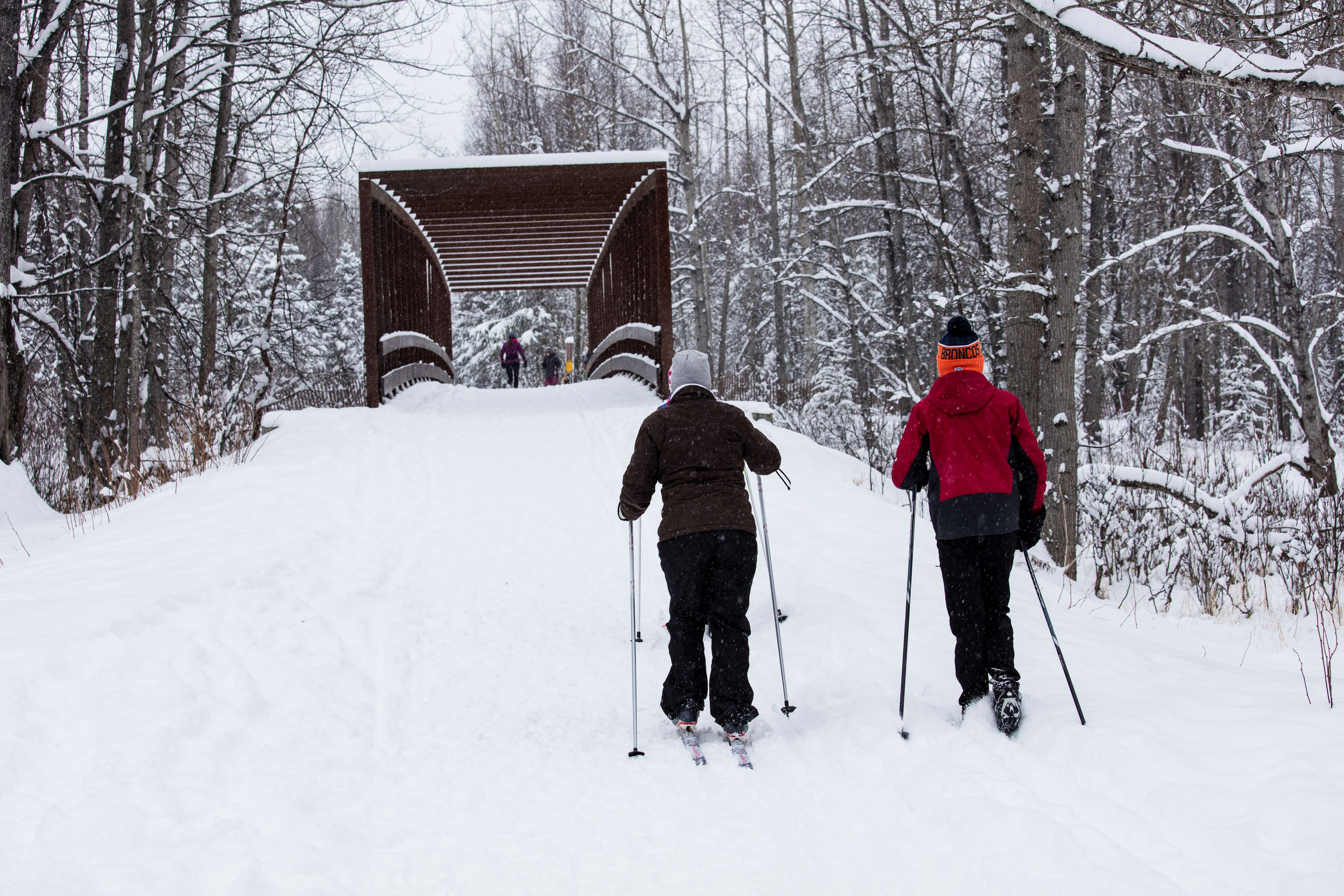
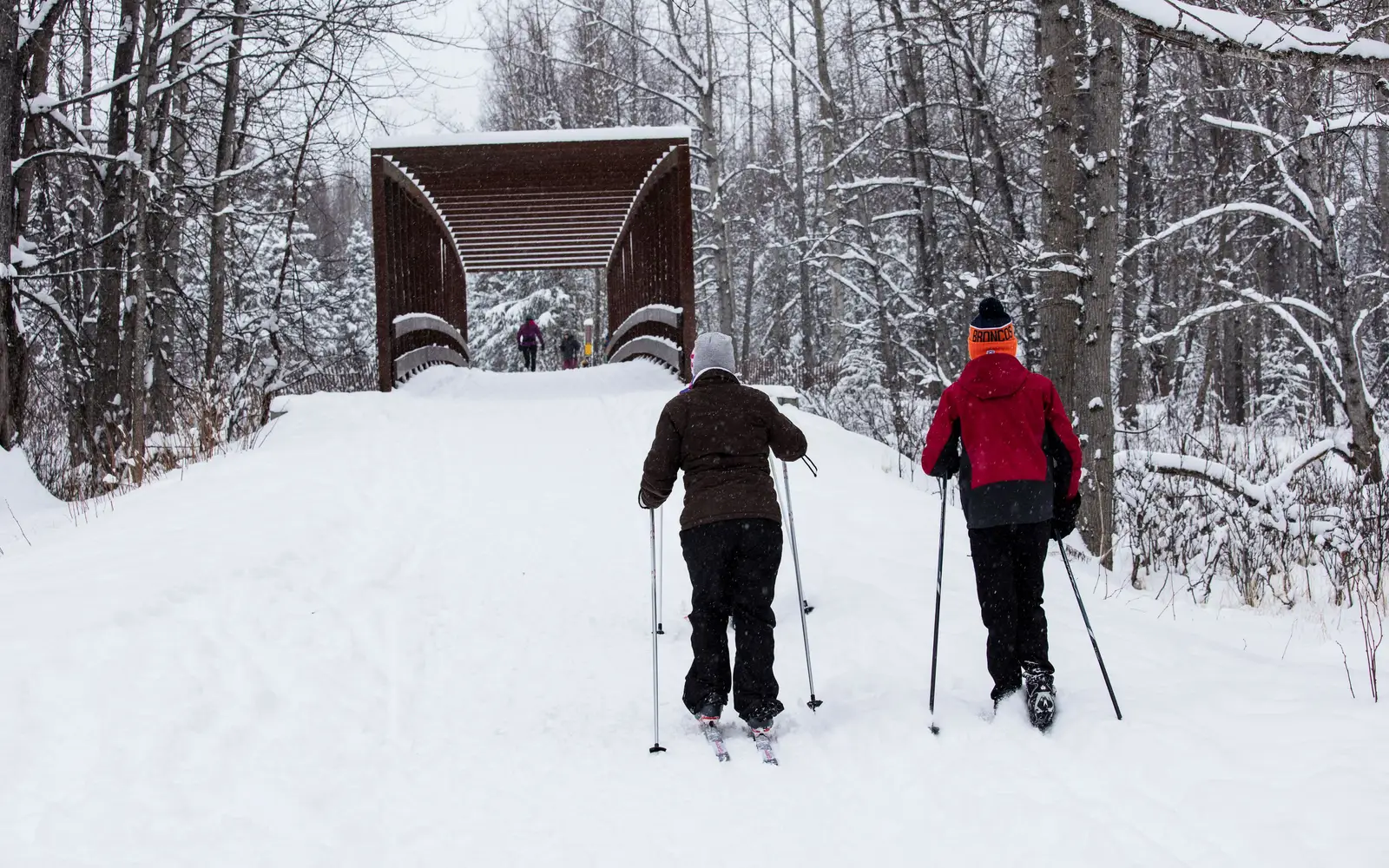
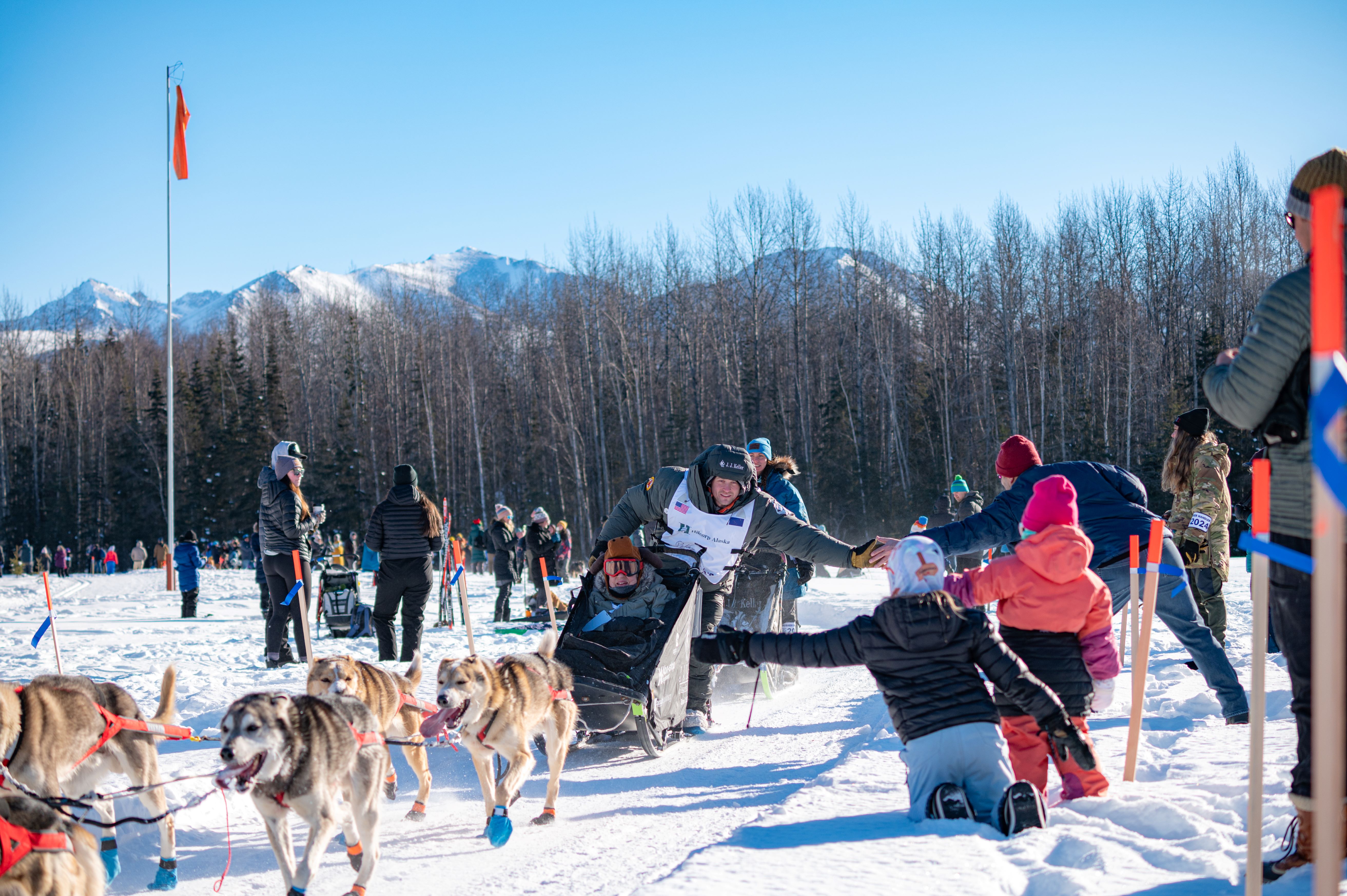
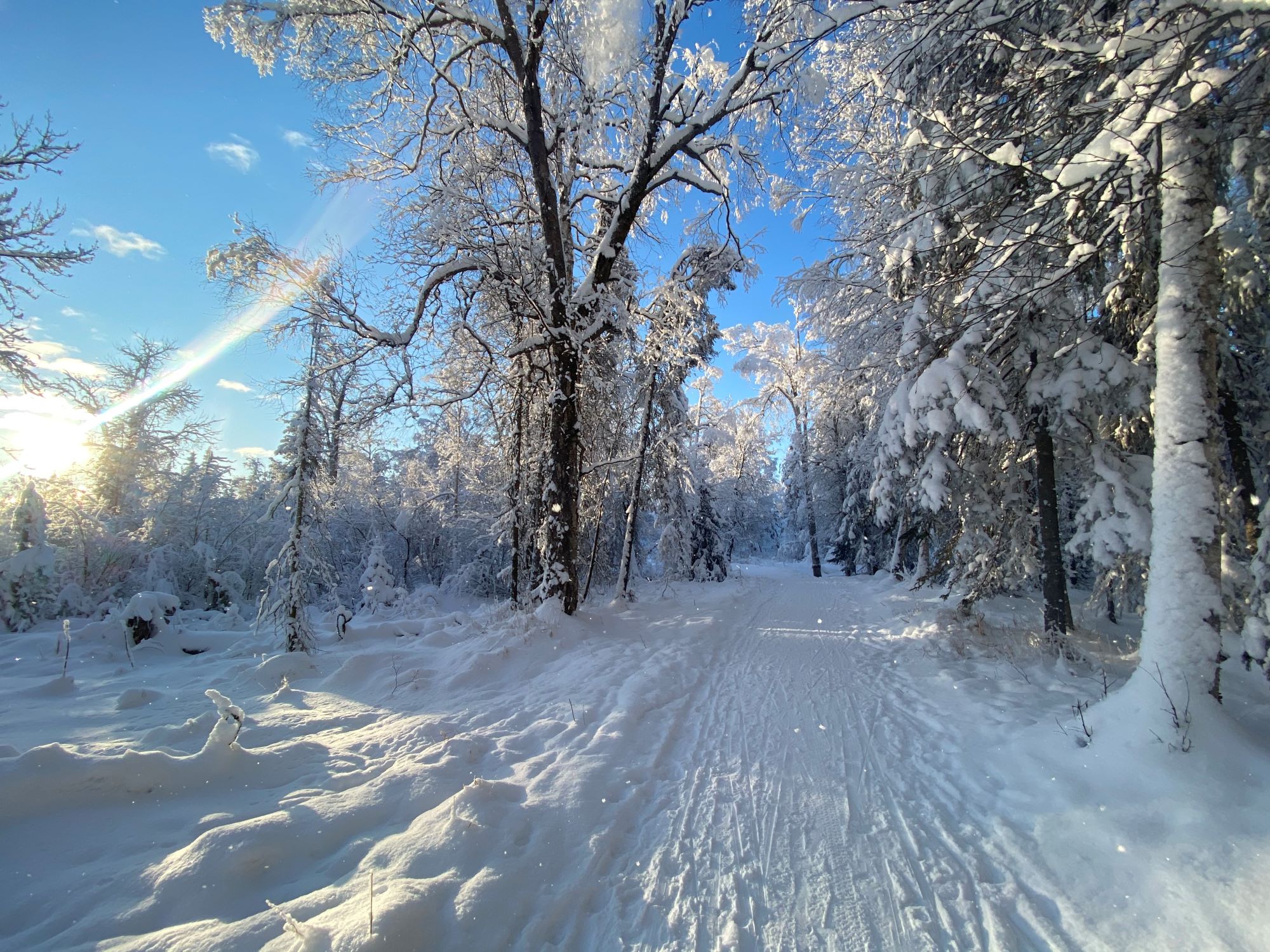
It is not a wilderness park. The documented 25-mile non-motorized trail network draws over 500,000 annual visits, primarily from local users. Its direct connection to the expansive Far North Bicentennial Park significantly extends recreational options. For visitors to Anchorage, Campbell Tract offers immediate outdoor access without requiring extensive travel to remote areas. During winter months, the tract's capacity for groomed Nordic skiing, fat tire biking, dog mushing, skijoring, and snowshoeing within a free, accessible urban setting is a distinct asset. This combination presents a valuable opportunity for active engagement.
Why go
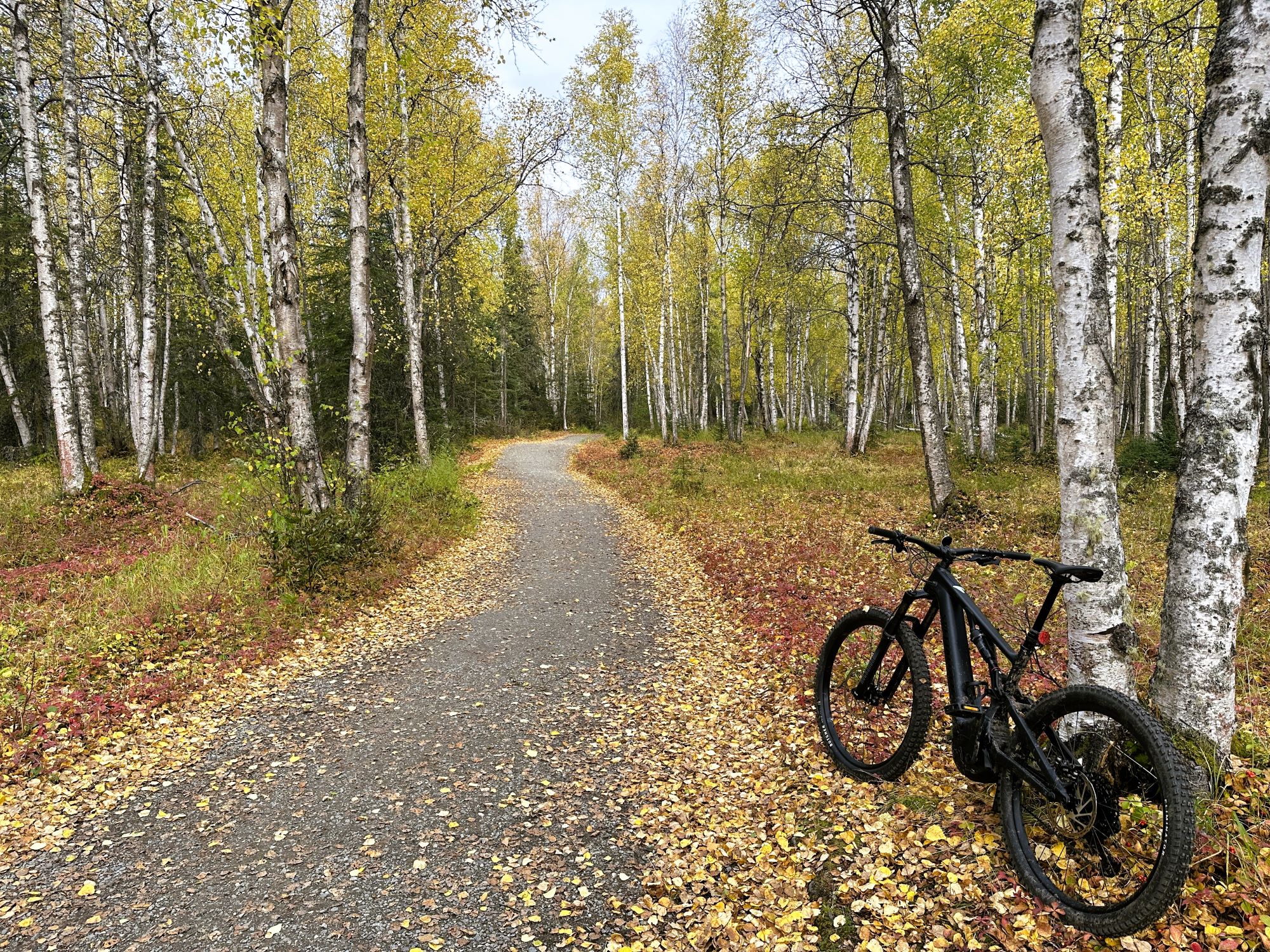
Campbell Tract presents a compelling case for active, self-propelled recreation, particularly for Anchorage residents. Its winter offerings are exceptional: skate skiing, skijoring, snowshoeing, fat tire biking, and dog mushing all operate on a groomed, non-motorized, cost-free trail system. This breadth of winter access is rare. Summer transitions the network to trail running, mountain biking, and horseback riding. The wooded terrain offers documented moose viewing opportunities. Direct connection to Far North Bicentennial Park extends potential mileage for experienced users. Accessible facilities broaden its appeal across various ability levels. For the right user, Campbell Tract delivers significant value. Those seeking a developed visitor experience or amenities beyond trails should adjust expectations.
Best for
This is a park for Anchorage locals and active travelers. Nordic skiers, fat tire bikers, and trail runners will find extensive opportunities. It also accommodates visitors with dogs or horses. However, it does not deliver the Alaska wilderness solitude, dramatic scenery, or backcountry challenge found elsewhere. Those with limited time and plans for Denali or Kenai Fjords should prioritize those destinations.
Best season
Winter, from November through March, defines the Campbell Tract experience. Groomed trails support a distinctive range of activities, including uncommon pursuits like skijoring. The widest and most unique activity mix is found here in winter. Summer, May through September, offers good conditions for biking, running, and wildlife viewing. Spring and fall present unpredictable trail surfaces and mud.
The high points
- 25-mile non-motorized trail network connecting to the larger Far North Bicentennial Park system
- Winter grooming that supports skate skiing, skijoring, snowshoeing, and fat tire biking simultaneously
- Dog mushing access, a culturally specific Alaska activity unavailable at most Lower 48 recreation areas
- Free entry with accessible facilities, making it viable for a broad range of visitors and ability levels
- Urban wildlife viewing in a wooded setting within Anchorage city limits
- Horseback riding permitted on trails, an uncommon allowance for an urban public land unit
Know before you go
This park's accessibility within Anchorage is a considerable asset, eliminating travel time for visitors. Before a winter visit, verify current trail grooming schedules. Federal regulations require all dogs to remain
One more thingFor winter visitors, skijoring is expressly permitted, a rare allowance among public lands. Trail conditions consistently support this activity. Renting equipment beforehand allows for an early morning session. This offers a unique experience.