Should you visit Camp Nelson National Monument?
Camp Nelson National Monument offers a concise yet profoundly significant historical experience.
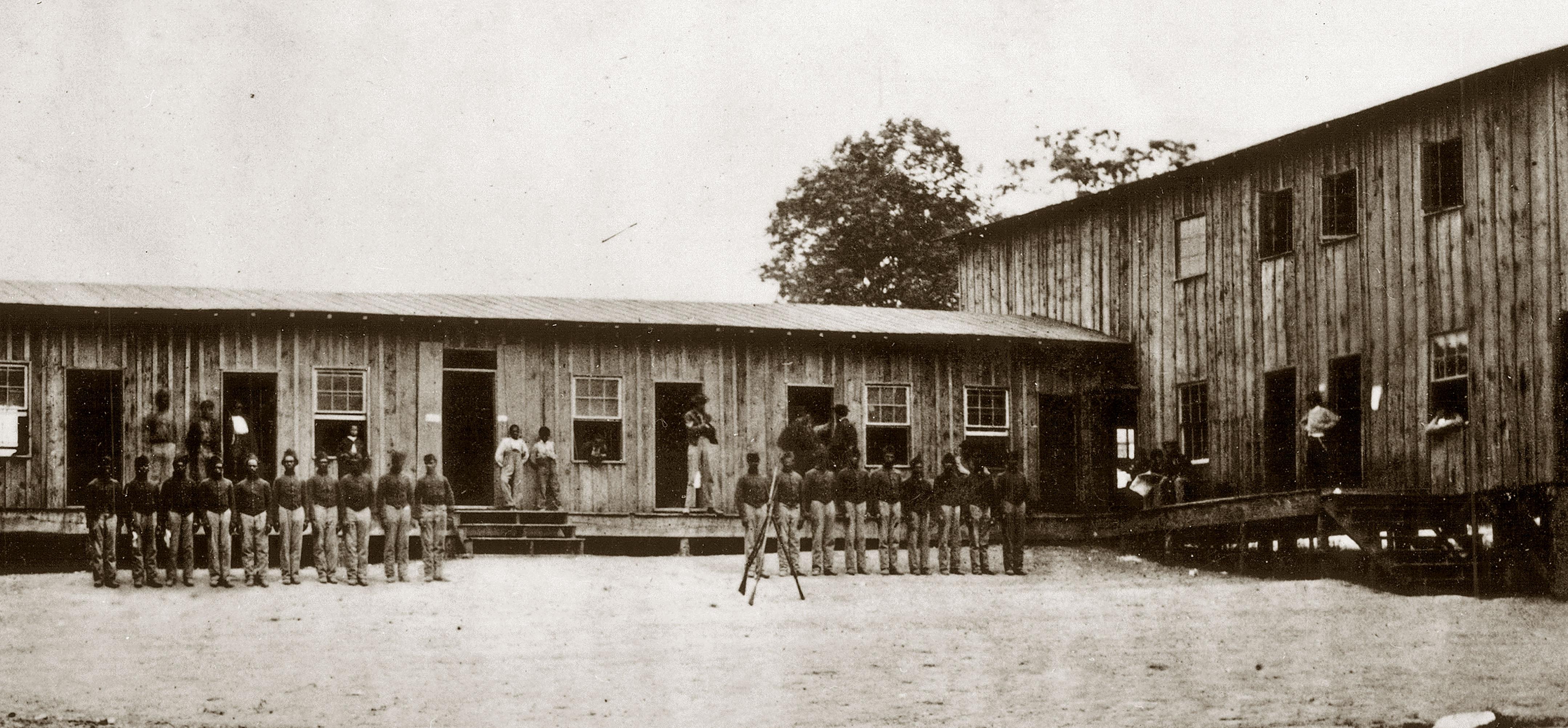
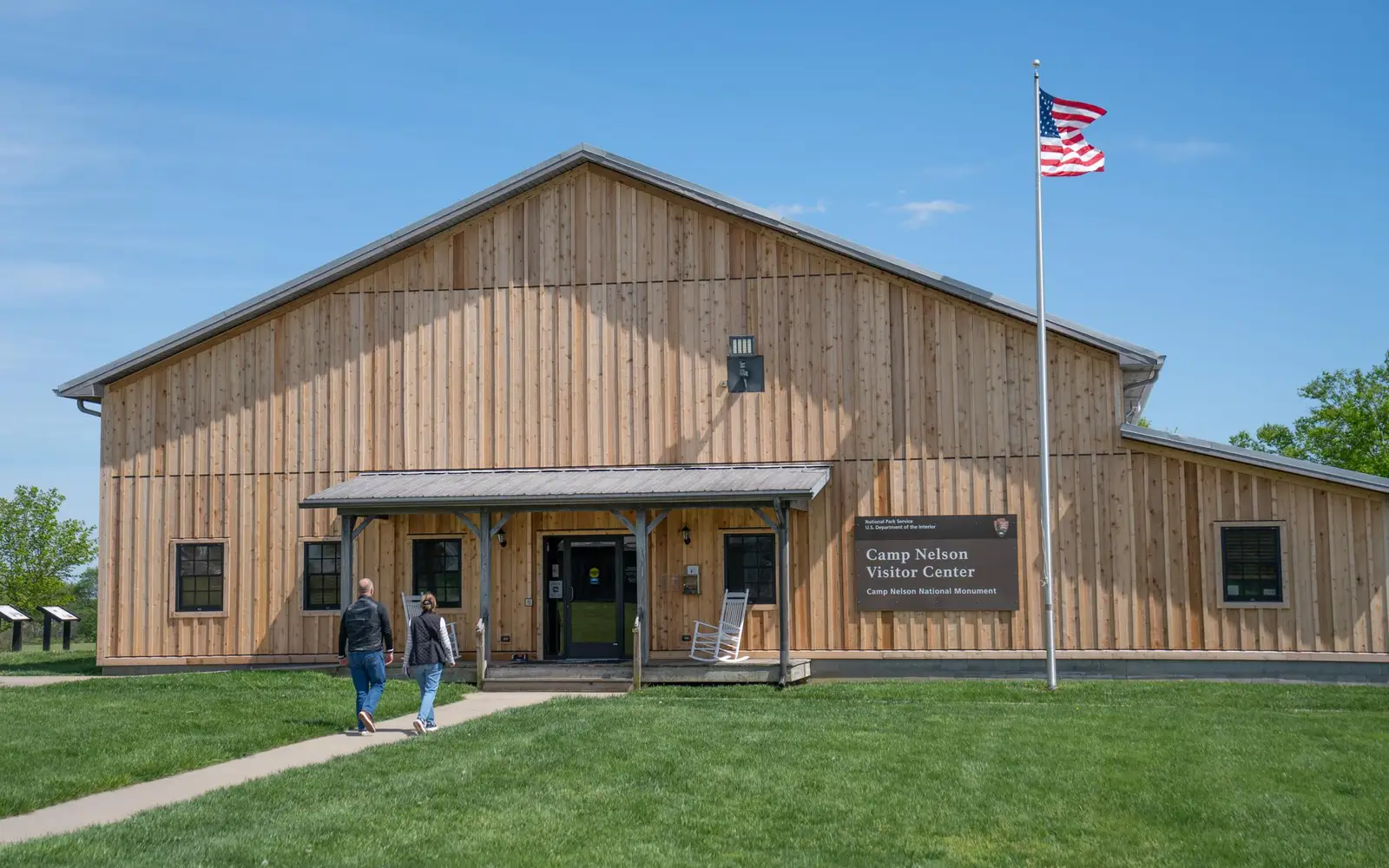
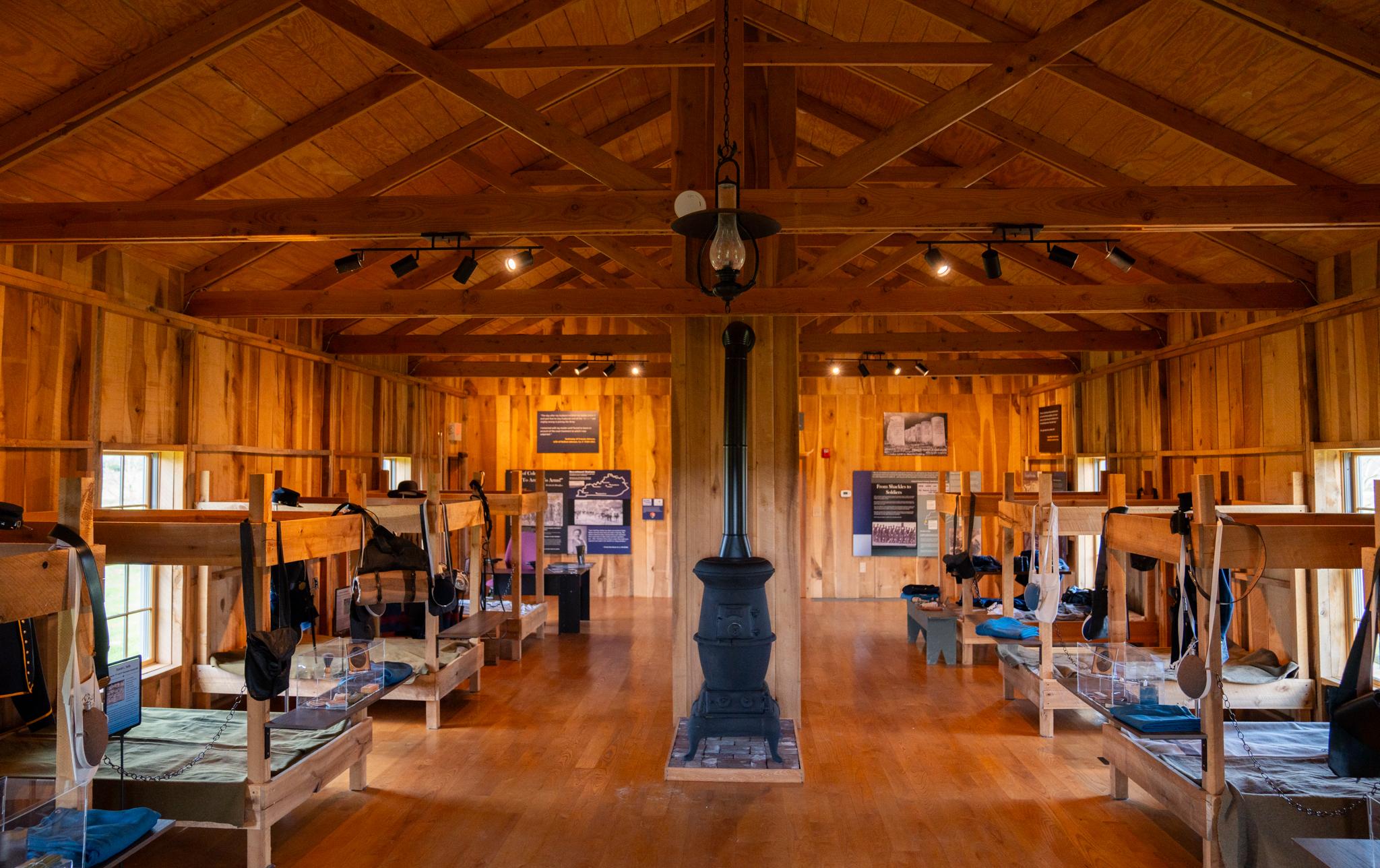
This is not a destination for scenic vistas or wildlife viewing. Instead, its focus is sharp and compelling: the critical role of the United States Colored Troops and the fight for freedom waged by formerly enslaved people during the Civil War. The monument encompasses nearly five miles of unpaved trails. These paths link wayside exhibits across the very grounds where liberation was sought between 1863 and 1865. A visitor center provides foundational context with museum exhibits and a park film. The Experience Score of 52 reflects a modest breadth of activities. However, the site's historical gravity is undeniable. For those invested in Civil War history, the narrative of Black soldiers, or the complex intersection of race and wartime freedom, this monument provides essential understanding.
What makes it worth it
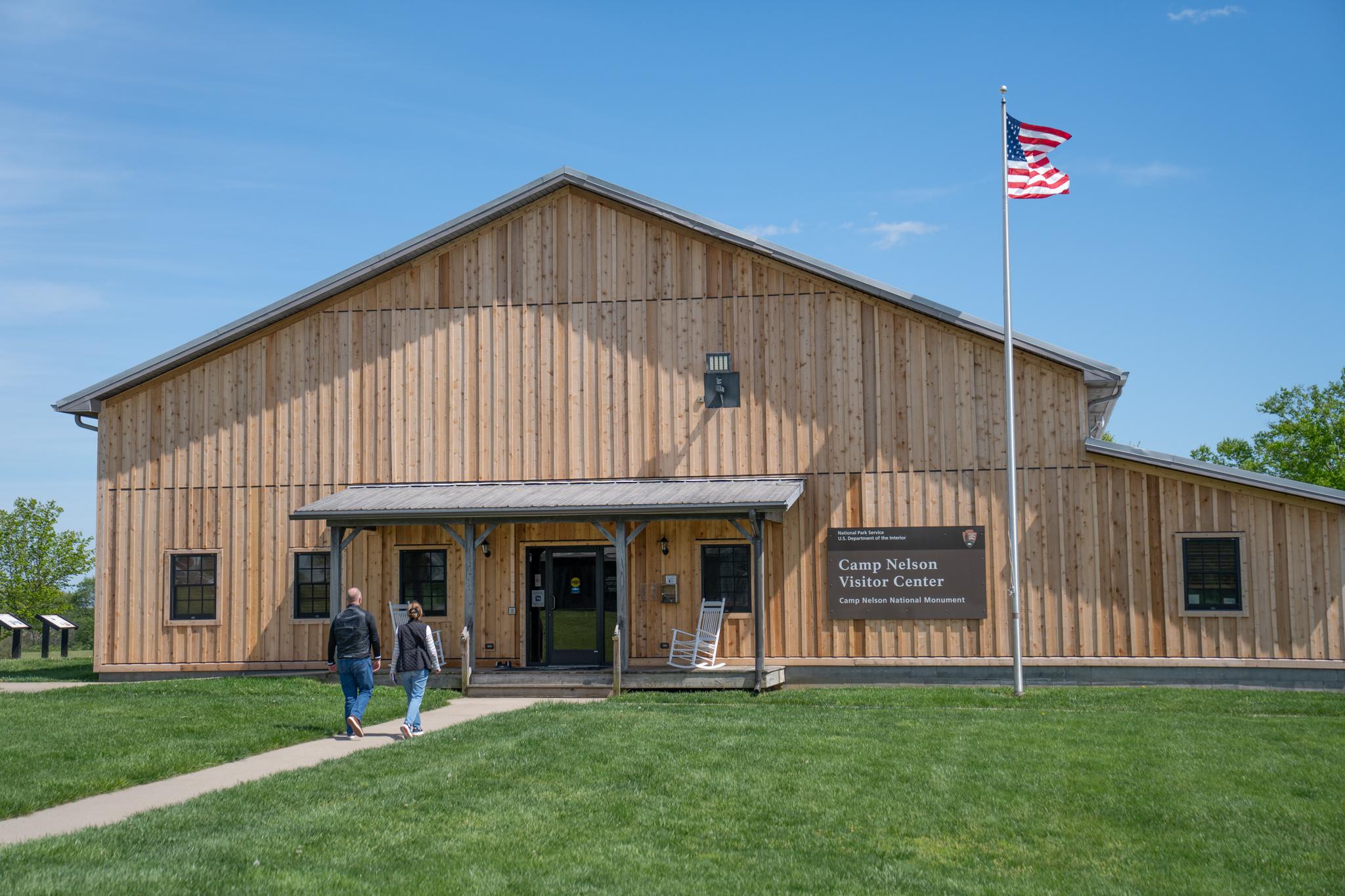
Camp Nelson offers a singular historical immersion. The visitor center and its museum exhibits contextualize a pivotal story: thousands of Black soldiers enlisted here, and thousands of their family members sought refuge. Their struggles with brutal conditions and policy debates are central. Nearly five miles of unpaved front-country trails allow exploration of the grounds. Wayside exhibits effectively integrate the landscape into the historical narrative. This is a genuinely walkable history experience. The Junior Ranger program provides a structured activity for families. Entry is free.
Who should go
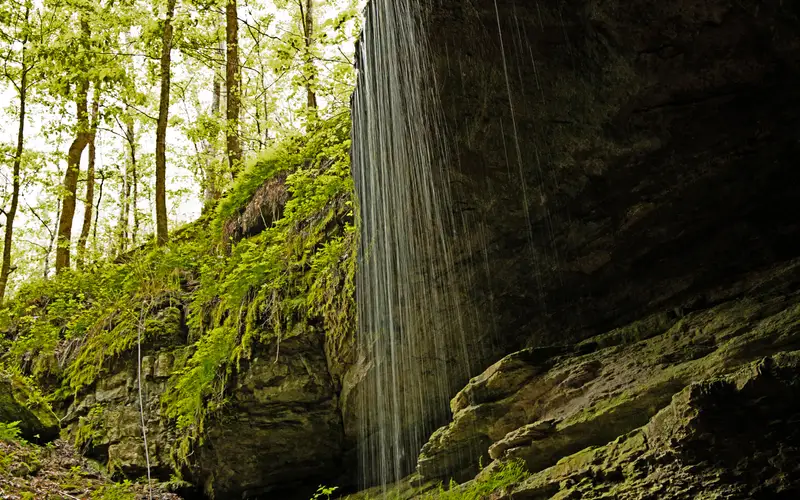
This monument is a strong recommendation for history enthusiasts, educators, and families with inquisitive children. It excels at presenting Civil War narratives often overlooked, focusing on themes of race, freedom, and military contributions. It is not designed for those prioritizing dramatic vistas, challenging outdoor activities, or extensive, multi-day exploration. Visitors seeking scenic trails should consider other Kentucky destinations.
When to go
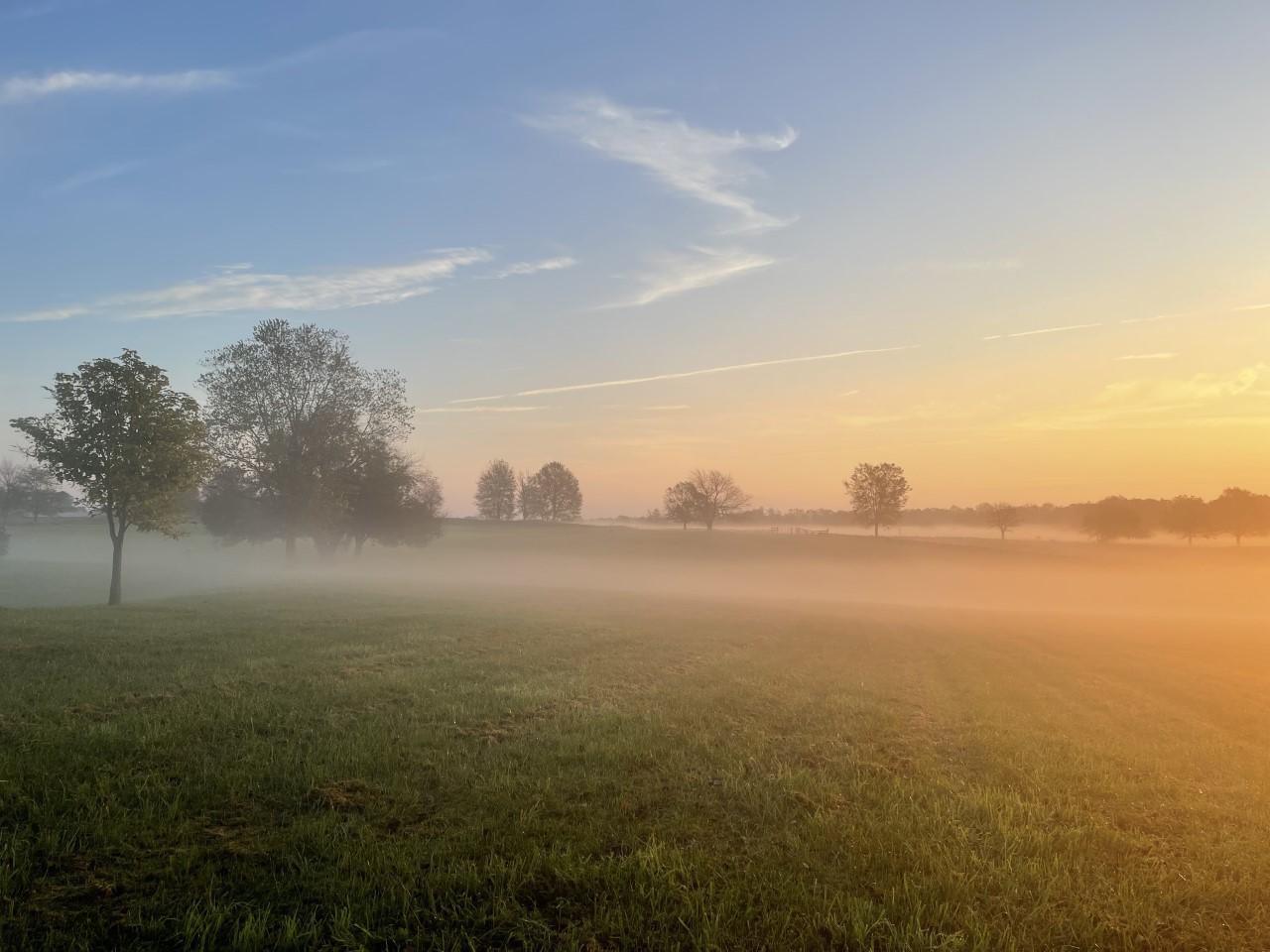
Optimal conditions for traversing the unpaved trails are found in late spring and early fall. Kentucky summers present substantial humidity, with temperatures frequently reaching the upper 80s. This renders exposed trail sections genuinely uncomfortable during midday hours from June through August. The period from March through July also records the highest precipitation, averaging four inches monthly, increasing the likelihood of muddy, wet trails. October and early November typically offer drier, cooler weather.
Highlights
- Museum exhibits documenting the recruitment and training of United States Colored Troops at one of the war's major USCT centers
- Park film providing essential context before heading out onto the grounds
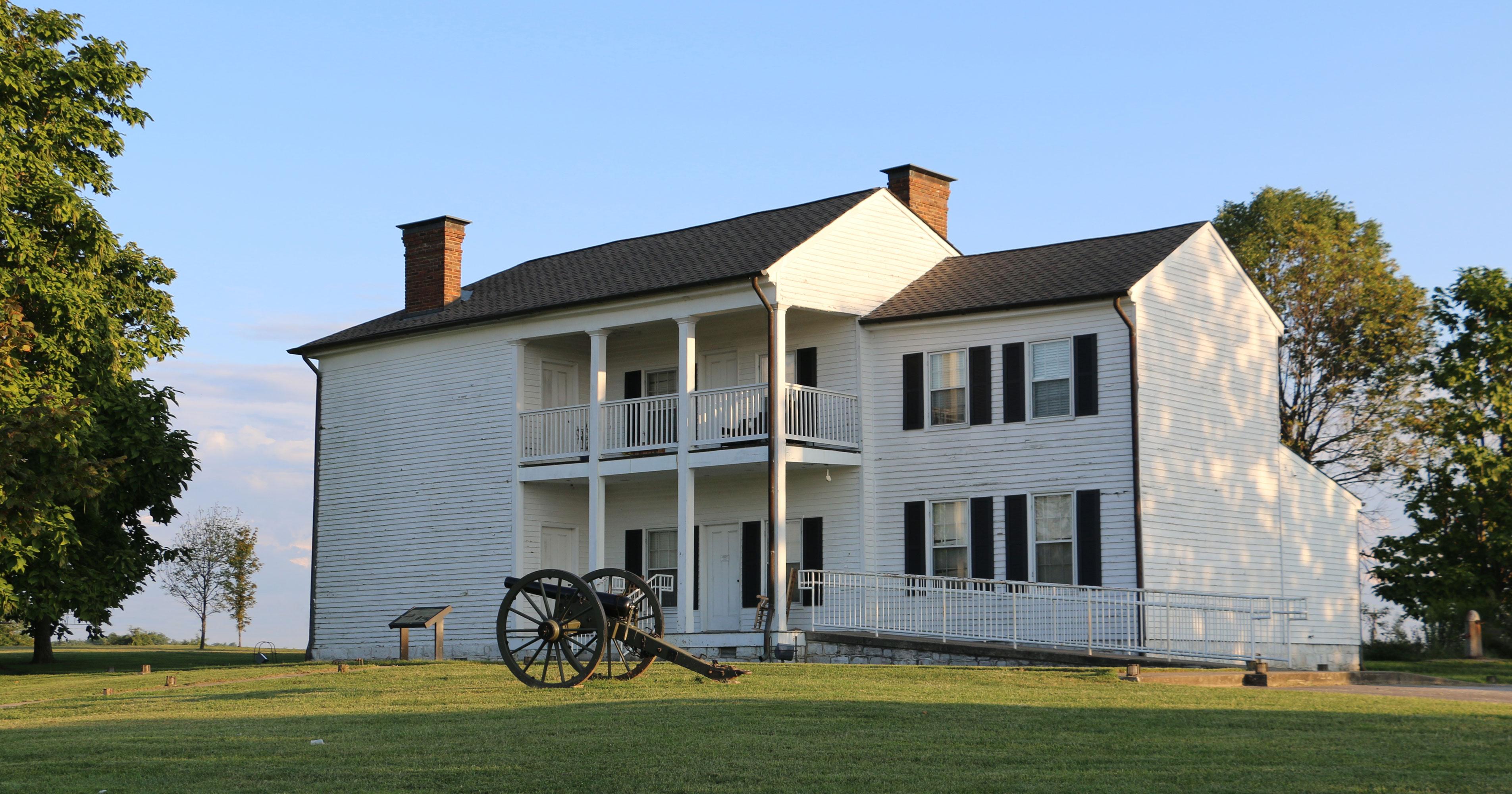
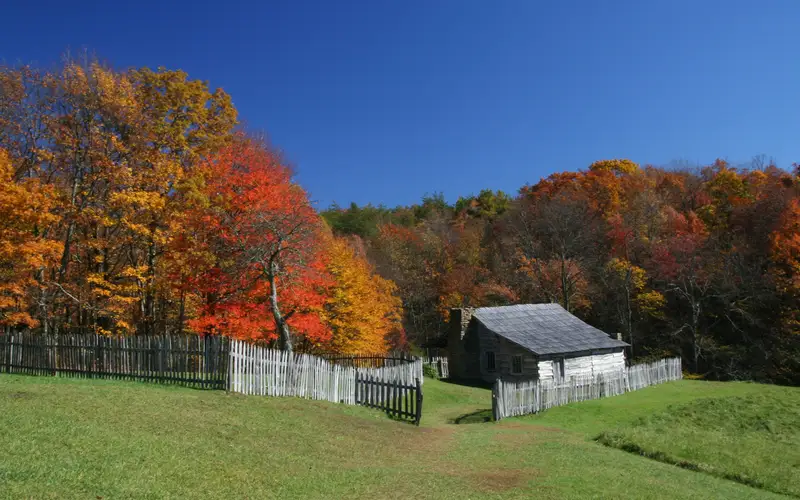
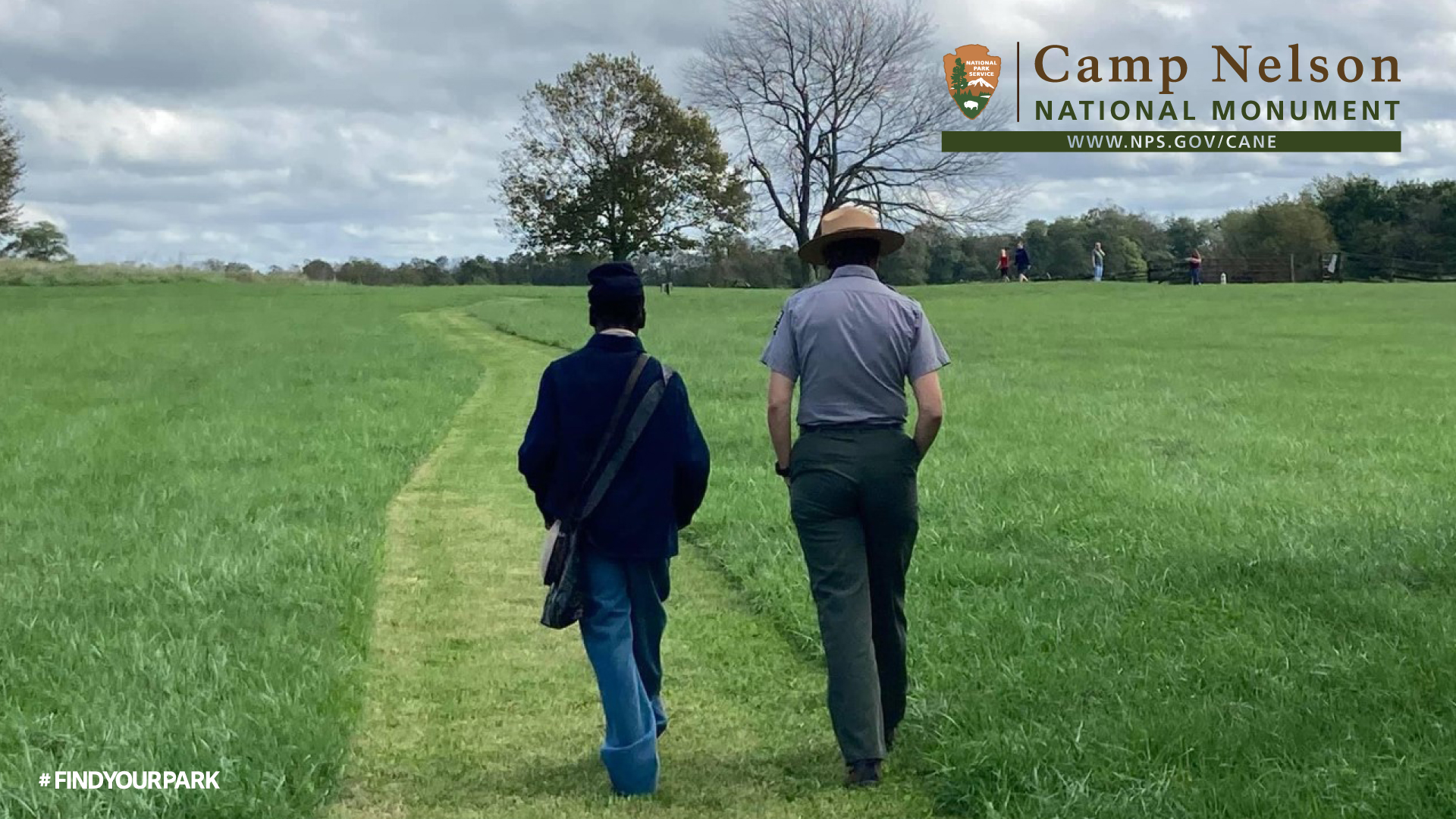
- Nearly five miles of unpaved front-country trails connecting historically significant locations across the actual site
- Dozens of wayside exhibits that turn the landscape into a layered, self-guided history experience
- Junior Ranger program offering structured engagement for families with children
- Free admission with grounds open sunrise to sunset seven days a week, making spontaneous or budget visits easy
Plan ahead
Entry is free, though the visitor center operates on a separate schedule from the grounds; consult the NPS site for film and exhibit hours. The unpaved trail system mandates appropriate footwear for dirt paths. Expect mud, particularly from March through July. This unit offers no overnight facilities.
Editor's tipTo fully grasp Camp Nelson's historical significance, engage with the wayside exhibits sequentially. The narrative unfolds deliberately, charting its transformation from a military supply depot to a USCT training ground and finally to a refugee crisis point. The exhibits are positioned to guide visitors through this progression across the landscape. Viewing them as a continuous story, not isolated signs, significantly deepens the experience.