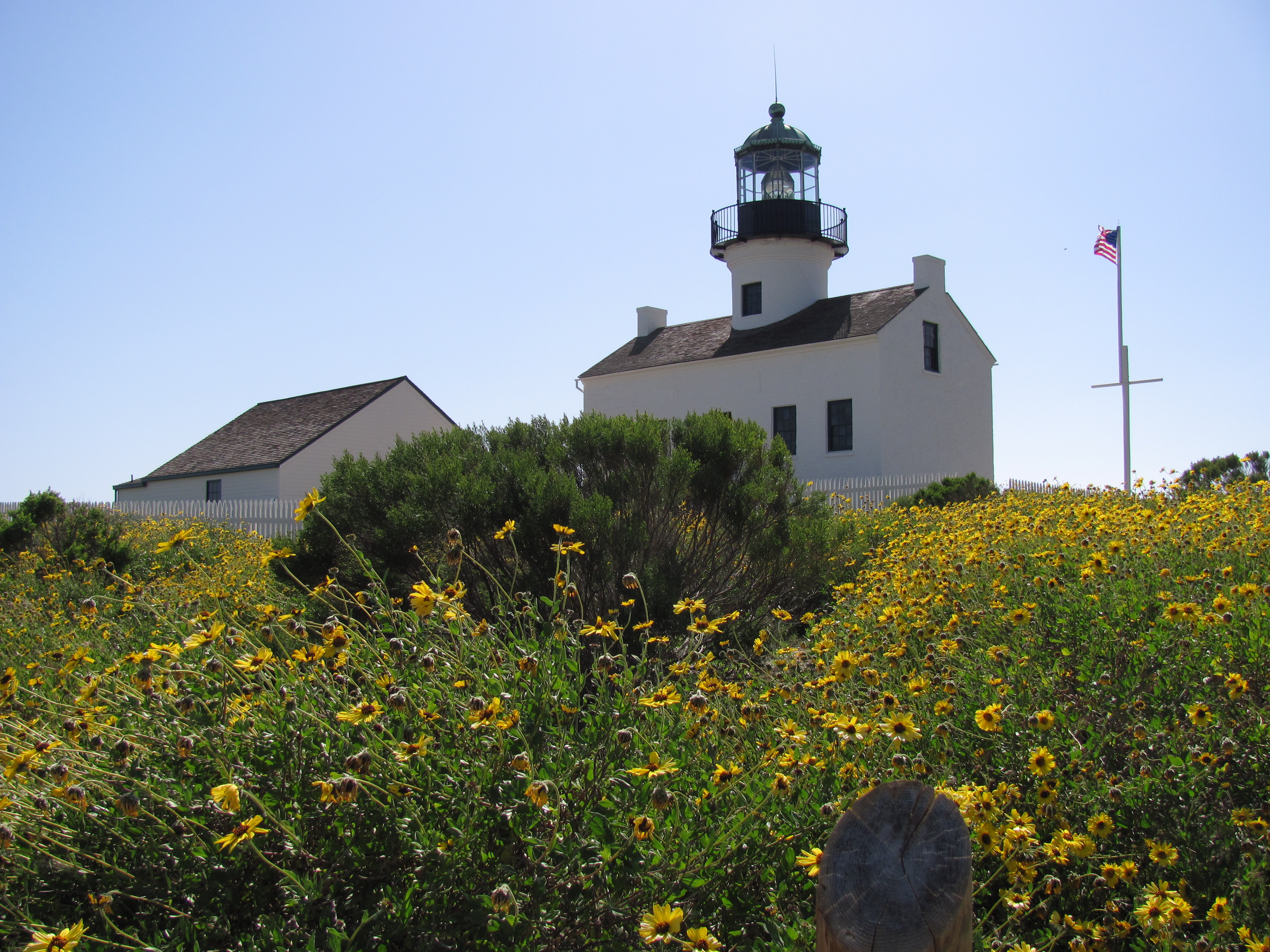
Cabrillo National Monument: our verdict
Cabrillo National Monument, situated on San Diego's Point Loma peninsula, offers a surprisingly rich experience given its compact size.
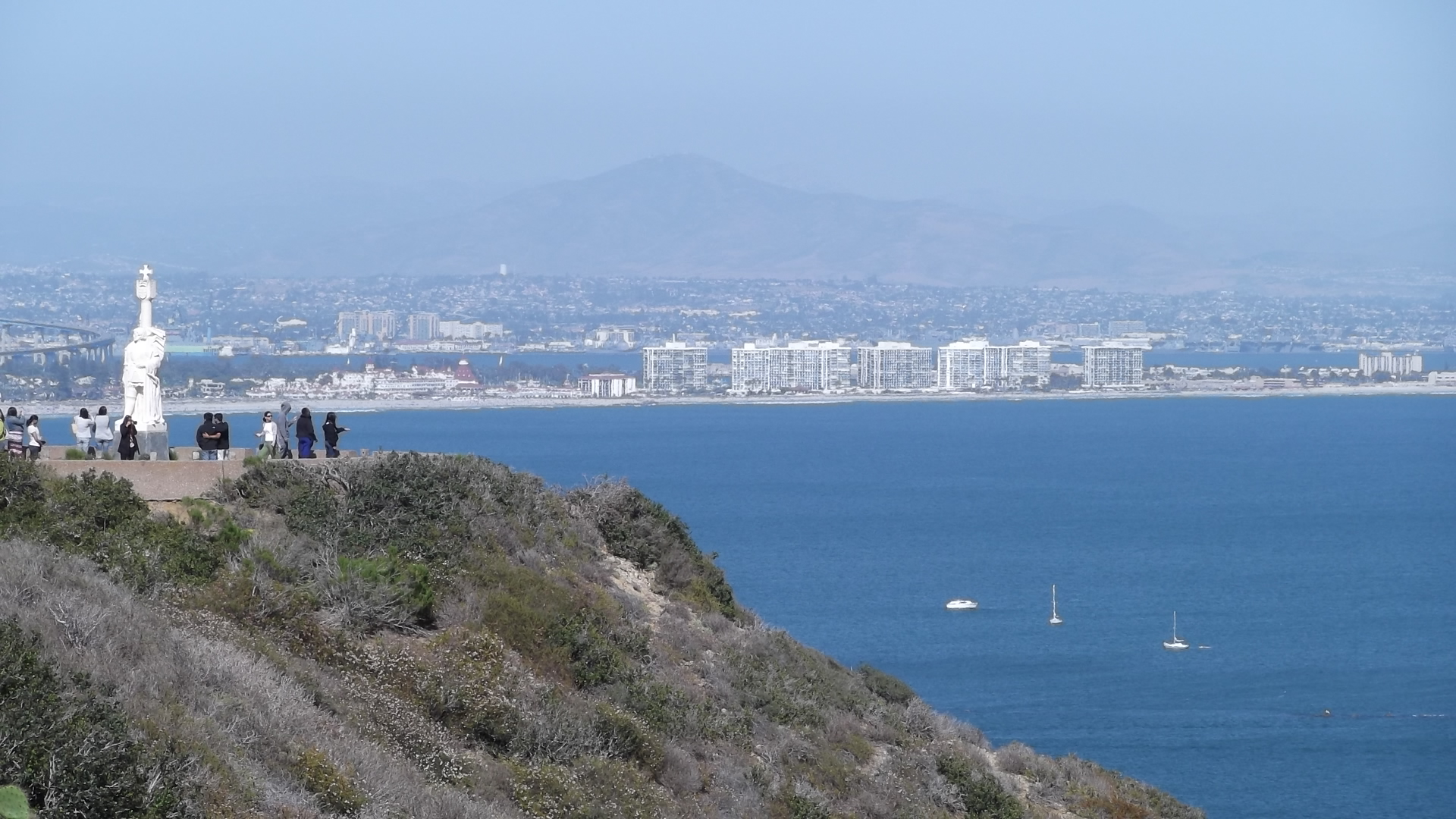
It marks the precise 1542 landing site of Juan Rodriguez Cabrillo, the first European to reach the West Coast. The monument delivers more than just historical significance. Views across San Diego Bay and the Pacific are dramatic on clear days. Its tidepools are among Southern California's most accessible. Living history programs, museum exhibits, and wildlife watching further enhance the visit. With an experience score of 66 out of 100, this is not a wilderness park. It shines as an urban destination. For a half-day or full-day visit, few NPS units in California provide such variety within such a small footprint.
Why visit
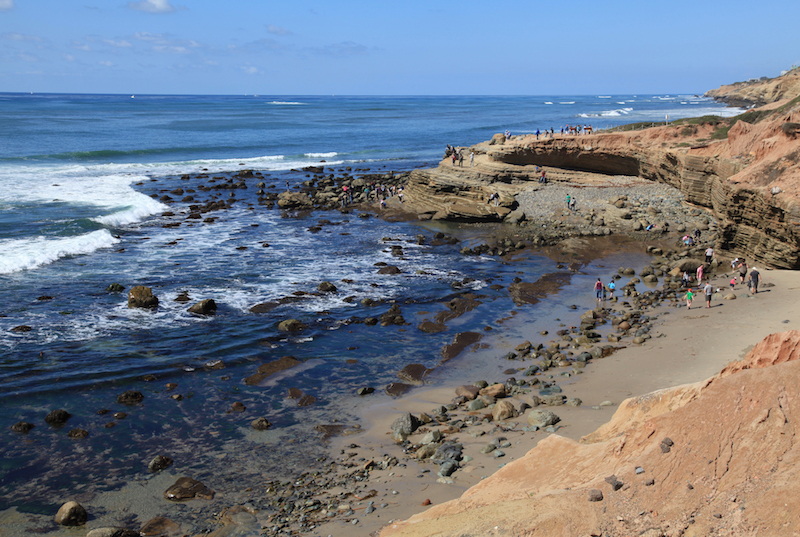
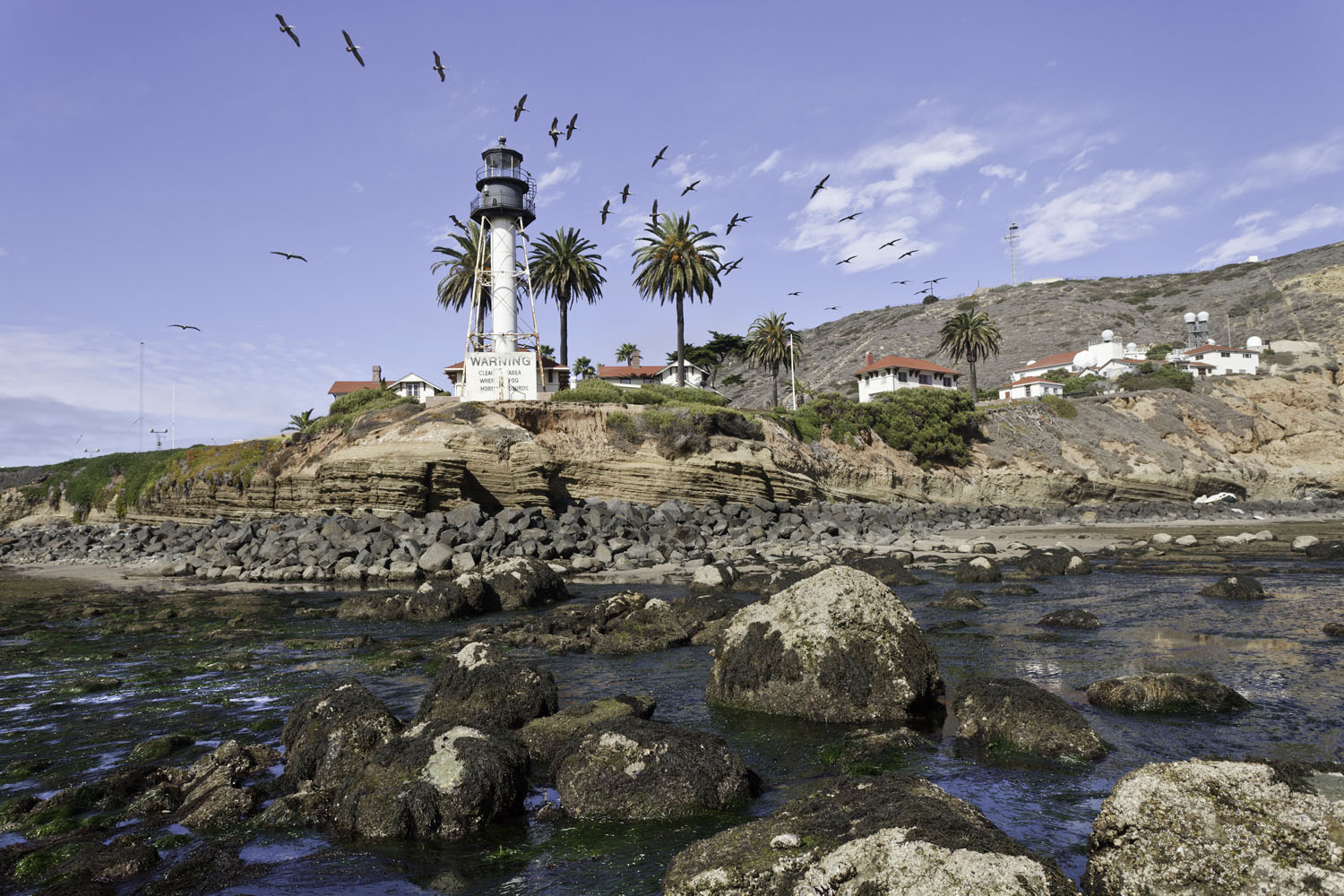
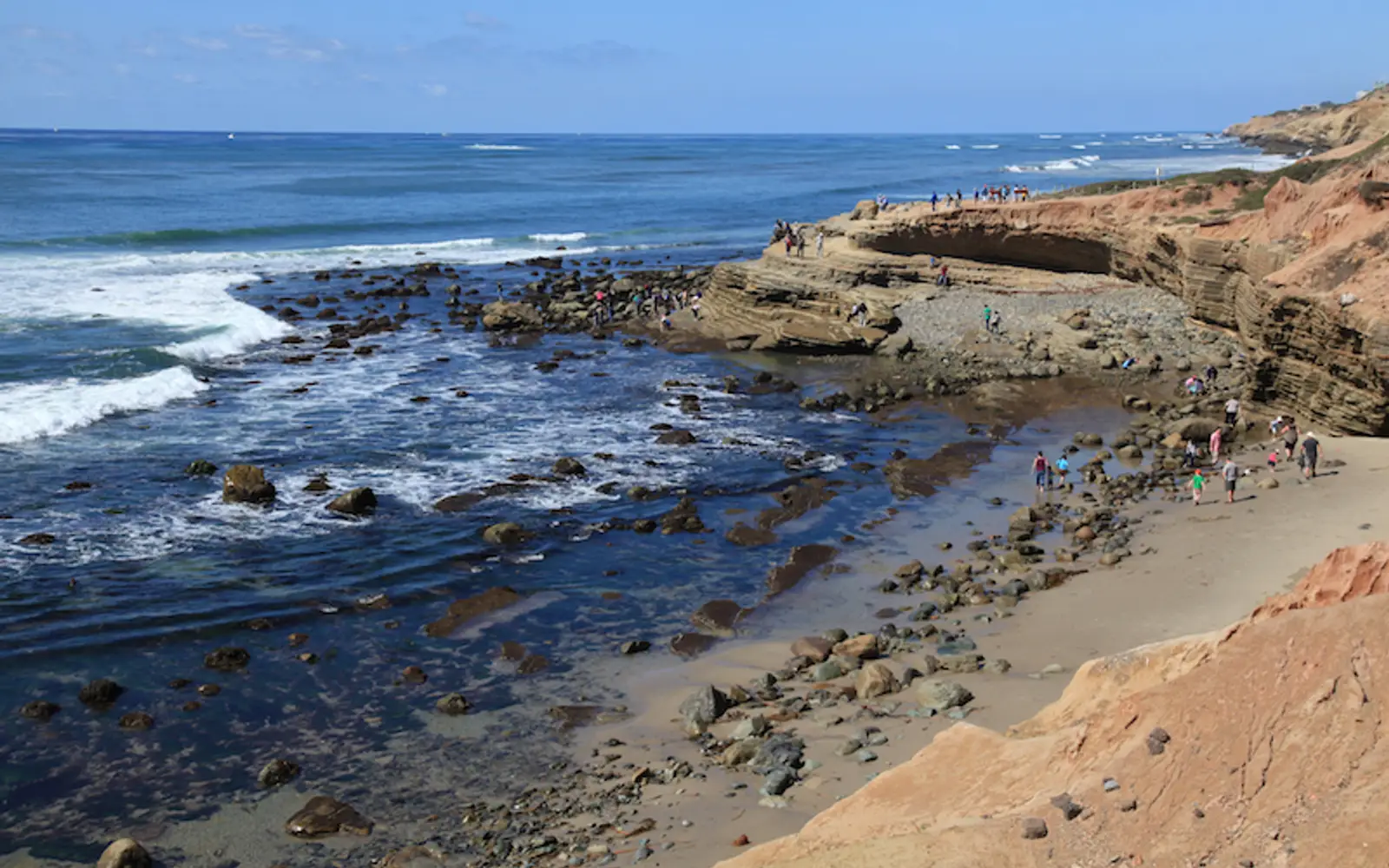
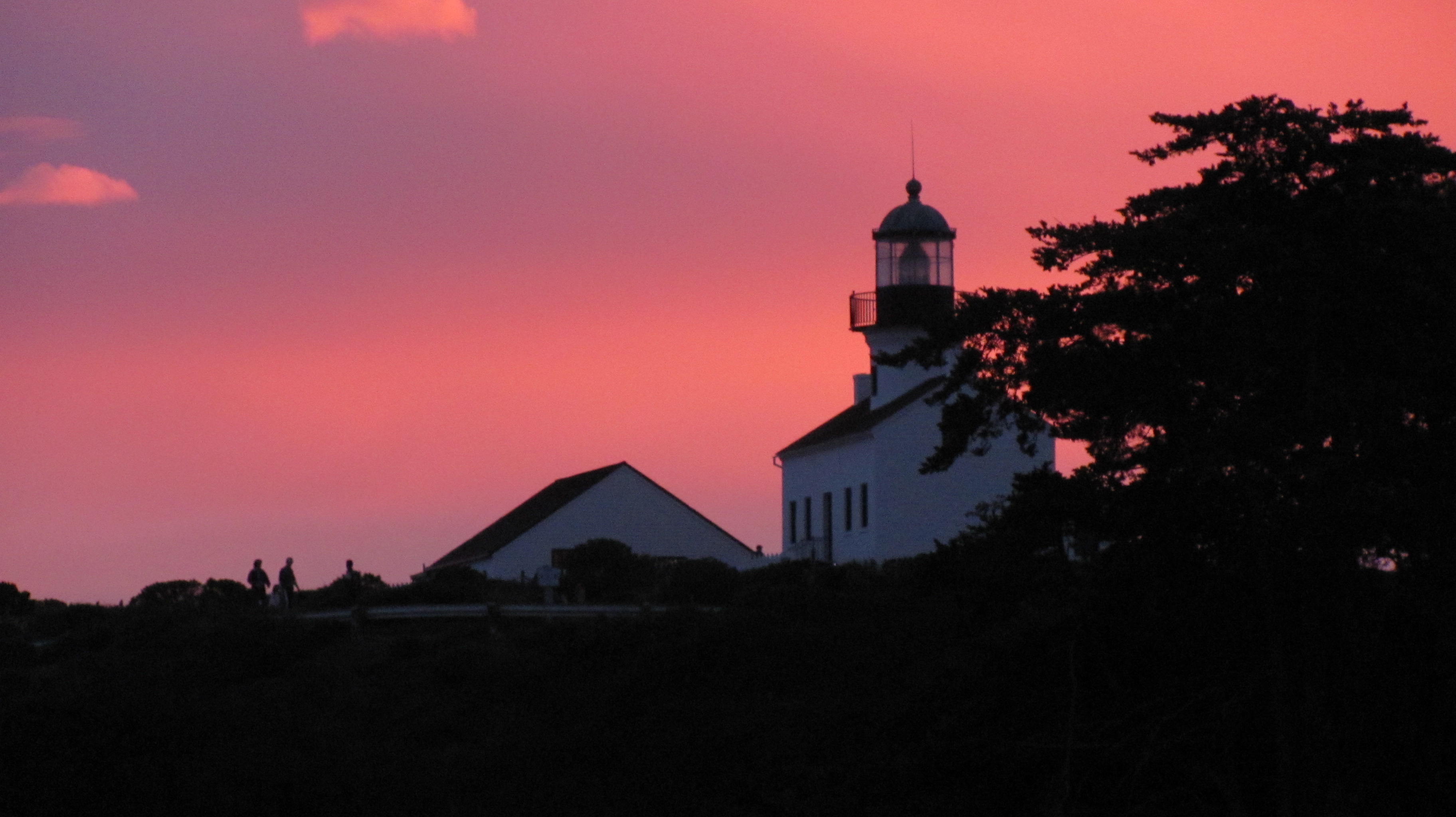
This park rewards a visitor keen on varied experiences over extensive ground covered. Begin at the Old Point Loma Lighthouse and its museum exhibits for the historical context of Cabrillo's 1542 expedition and Point Loma's military past. Living history reenactments or historic weapons demonstrations may further enrich this. Transition to nature on the Bayside Trail or Coastal Trail. Low tide reveals the oceanside tidepools, a significant draw for their visible intertidal life. Birdwatchers will find the peninsula active, particularly during migration periods. Road cyclists can integrate the monument into a larger Point Loma circuit. A thorough visit spans four to five hours, offering a full, unhurried appreciation.
Who it suits
Cabrillo suits specific visitor types. History enthusiasts, families engaged by living history demonstrations or Junior Ranger programs, birdwatchers, and tidepool explorers will find ample offerings. It stands as a solid choice for San Diego tourists seeking a concentrated National Park Service experience. However, those pursuing full-day backcountry trails or remote wilderness should consider other destinations.
Timing your visit
This park unit offers year-round accessibility. Summer provides warm, dry conditions and clear bay vistas, but concentrates visitor traffic. The winter months, December through March, offer fewer crowds and prime birdwatching during migration, despite occasional rain. For tidepool exploration, consulting tide charts remains essential in any season; only low tides reveal the fullest extent of marine life.
What stands out
- Oceanside tidepools with accessible intertidal wildlife during low tide
- Old Point Loma Lighthouse and its 19th-century keeper history
- Living history reenactments and historic weapons demonstrations
- Bayside Trail and Coastal Trail with bay and Pacific views
- Birdwatching along the Point Loma peninsula, strong during migration seasons
- Museum exhibits documenting Cabrillo's 1542 European first landfall on the West Coast
Good to know
The park charges $10 per vehicle. It maintains daily hours from 9 am to 5 pm year-round. However, trail access is more restricted. The Bayside and Oceanside Trails close at 4 pm. The tidepools and Coastal Trail close at 4:30 pm. Full access requires a midmorning arrival. Be aware that parking at the tip of Point Loma can be severely limited on busy weekends. This location demands planning for optimal enjoyment.
Insider tipCareful timing is paramount for a rewarding visit. Consult a NOAA tide chart for La Jolla or San Diego Bay to align your arrival with low tide. High tide renders the tidepools indistinguishable from bare rock; their distinct ecosystems emerge only when the water recedes. This requires planning.