Should you visit César E. Chávez National Monument?
César E.
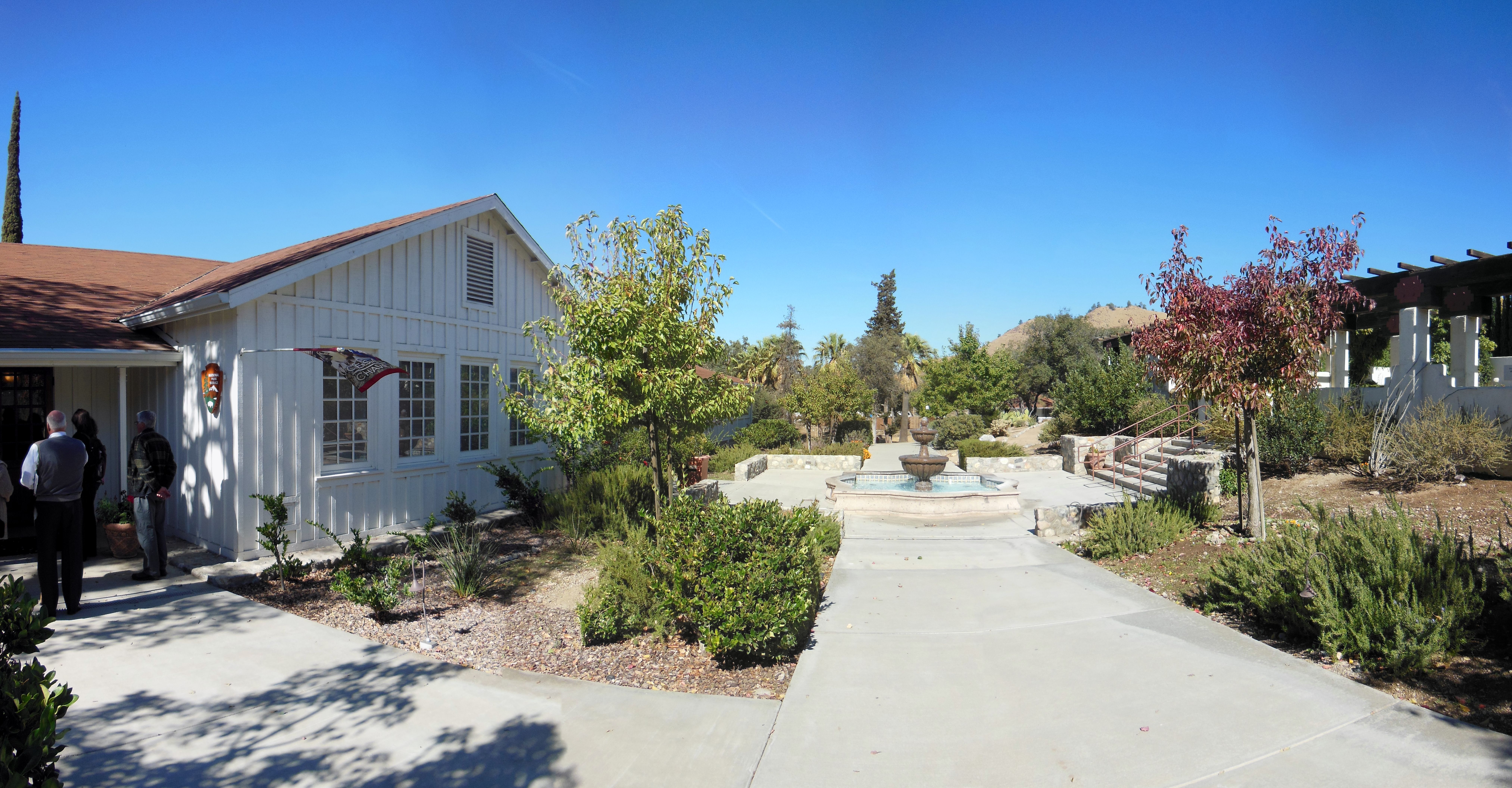
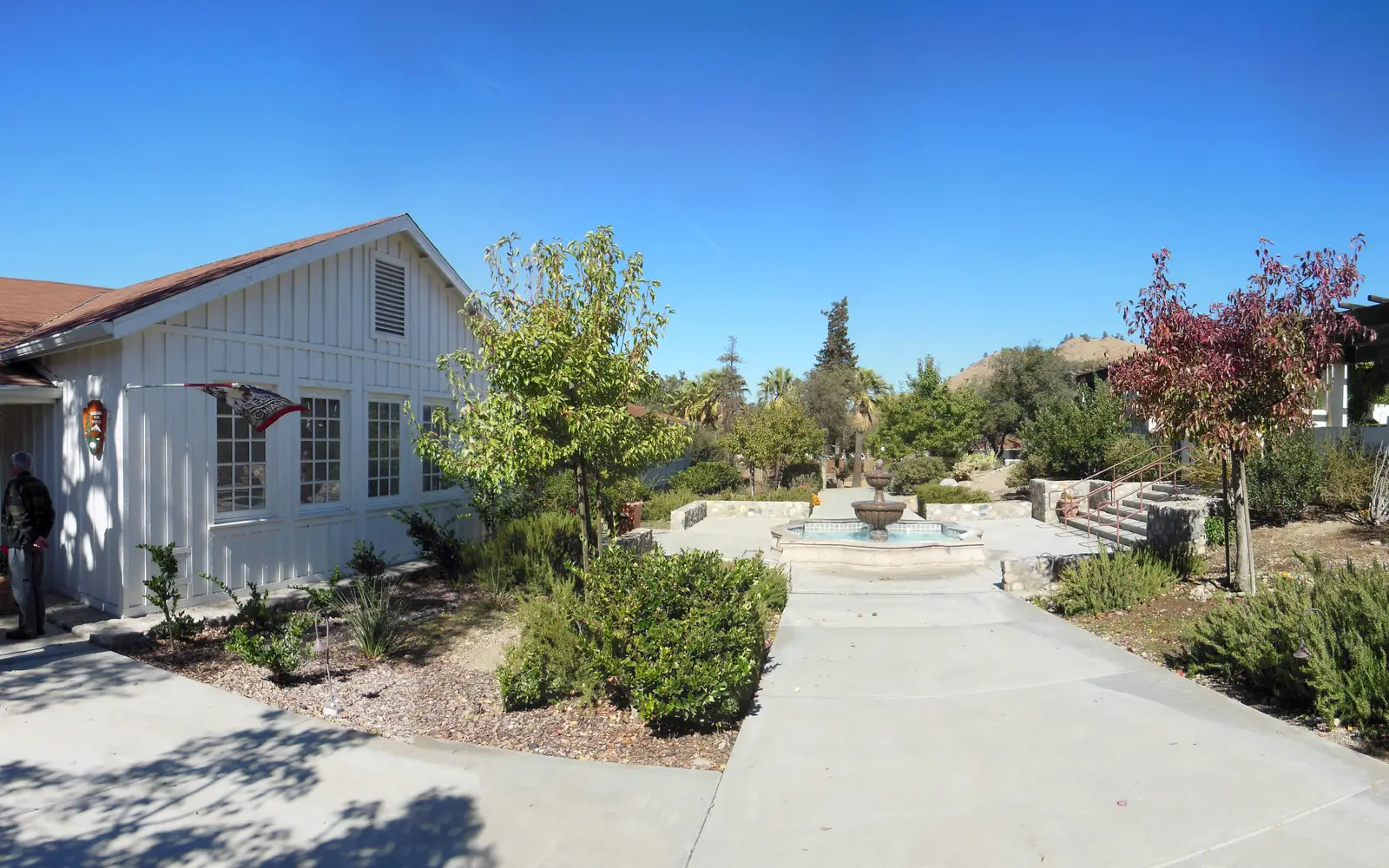
Chávez National Monument sits at La Paz, the former headquarters of the United Farm Workers in Keene, California, a small community tucked into the Tehachapi Mountains southeast of Bakersfield. This is a focused, intentional place of pilgrimage and education rather than a sprawling outdoor destination. The site preserves the actual working compound where Chávez lived, organized, and is buried alongside his wife Helen. A visit runs roughly two to three hours and centers on the museum exhibits and guided tours of the grounds. The experience score of 52 reflects that honest reality: there is no hiking, no wildlife viewing, no camping. What is here carries genuine weight. For anyone serious about American labor history, civil rights, or the Latino experience in the twentieth century, this is one of the most historically charged sites in the entire National Park system.
What makes it worth it
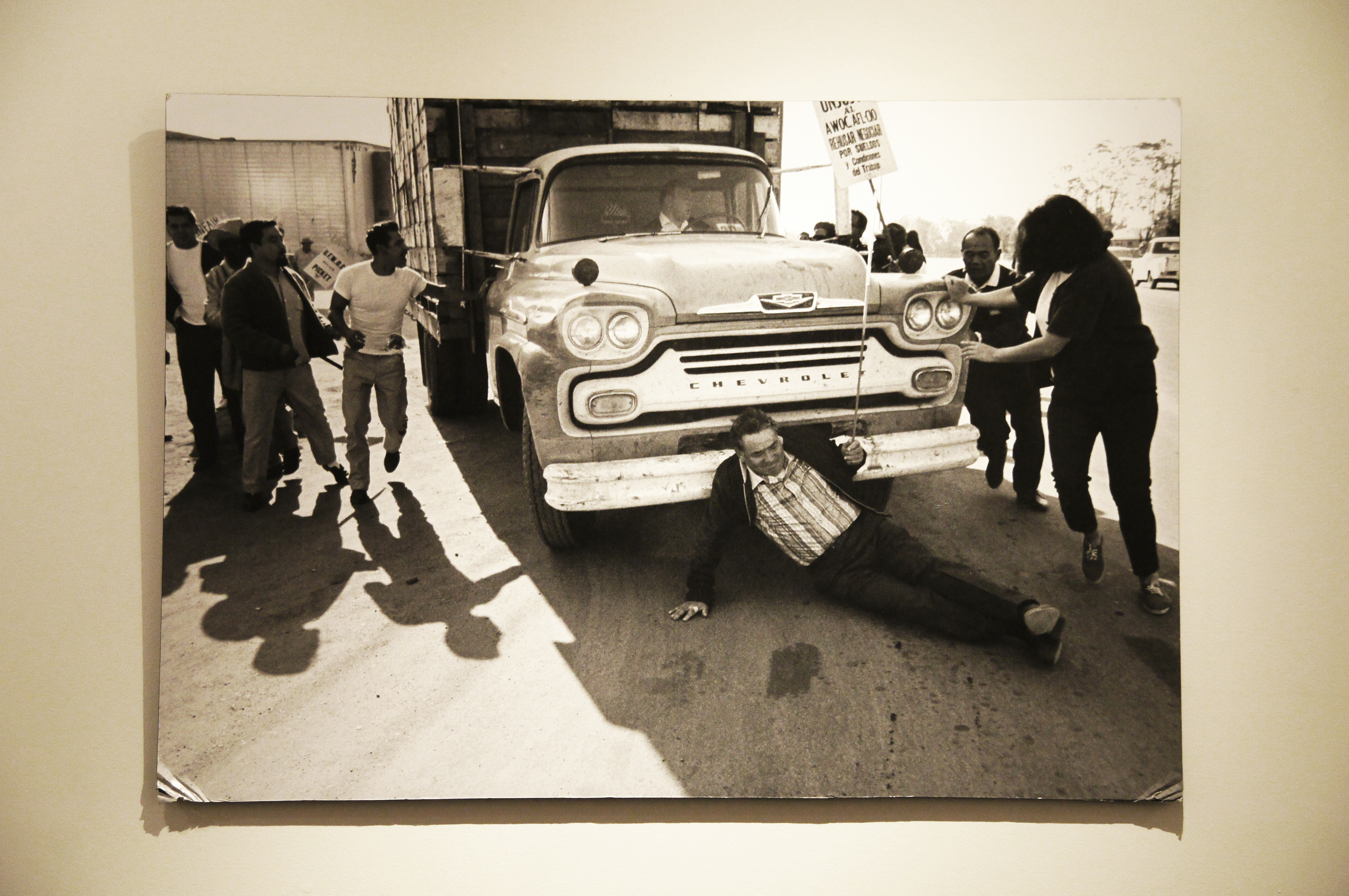
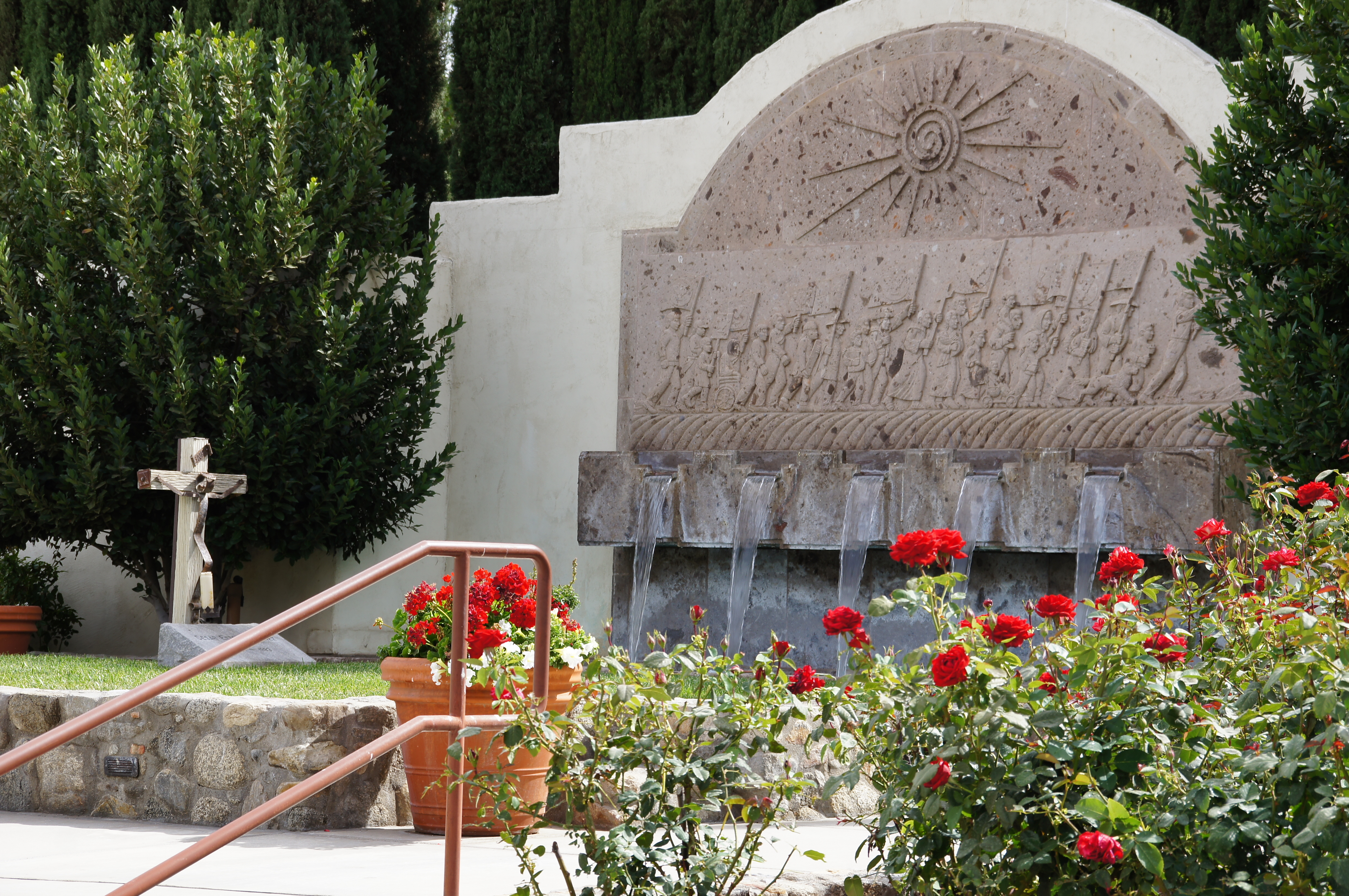
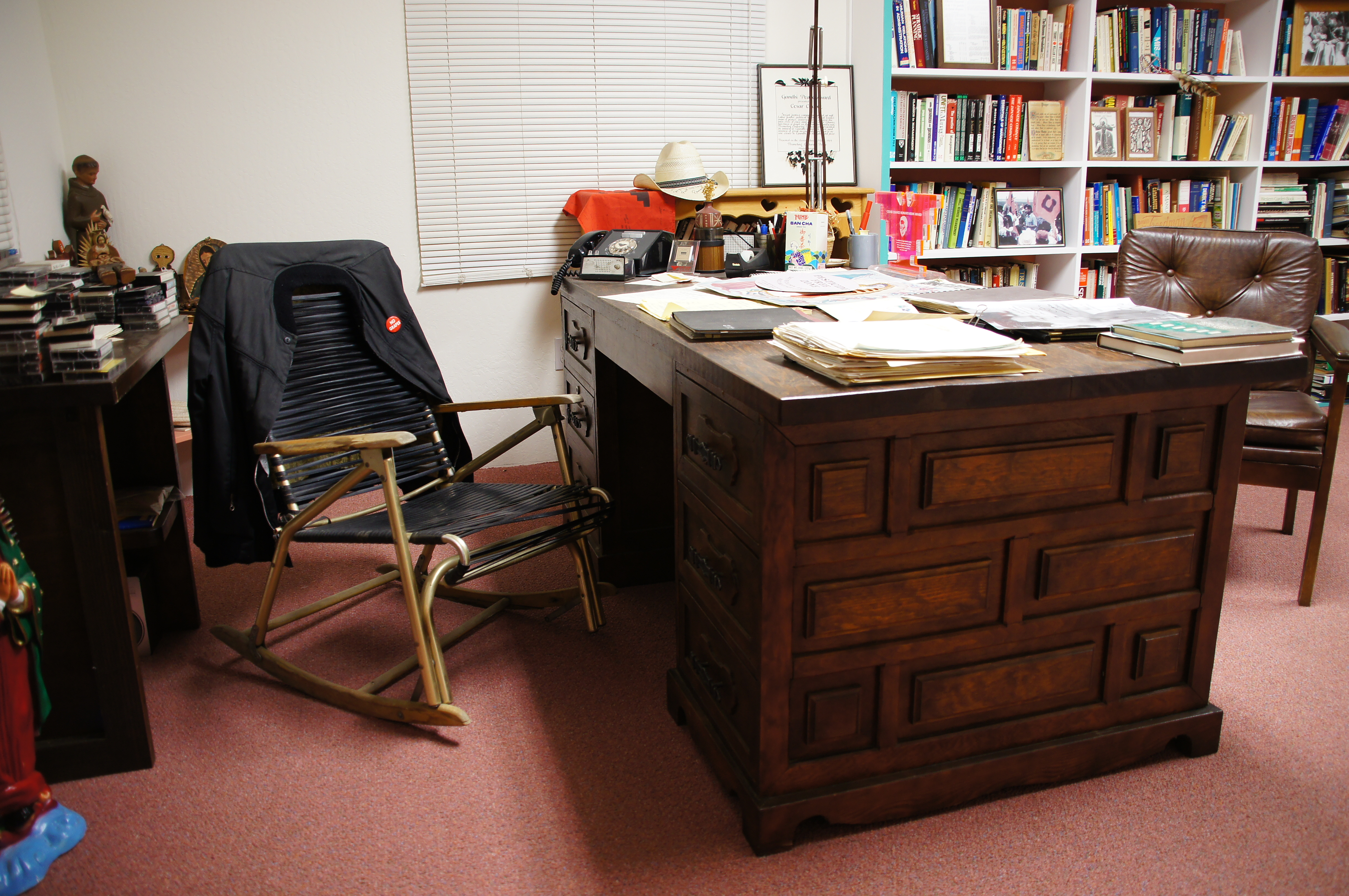
This national monument primarily serves as a historical and educational site. The core experience centers on a guided tour, detailing buildings central to the UFW's organizing efforts, including boycotts, strikes, and negotiations that reshaped federal labor policy. Museum exhibits provide substantial context on nonviolent resistance, the grape and lettuce boycotts, and the working conditions of Central Valley farmworkers. A self-guided auto tour offers independent exploration of the compound. The grave, a simple and moving site, is often noted by visitors. Educational materials are available in the gift shop. This monument is best suited for those interested in labor history, civil rights, and agricultural workers' movements. Combining the visit with a drive through the San Joaquin Valley’s agricultural landscape offers relevant real-world context. Casual sightseers should look elsewhere.
Who should go
This monument is ideal for those with a serious interest in labor or civil rights, American twentieth-century politics, or historical education. Families with older children who can engage with the history will find it rewarding. Casual sightseers should look elsewhere. Outdoor recreation is not the draw here.
When to go
Optimal visiting conditions occur in spring and fall, with mild temperatures enhancing the outdoor experience. Summer presents a challenge; July temperatures can exceed 100 degrees F, impacting comfort during outdoor exploration. Winter mornings are frosty. Given the monument's operational hours of 10 am to 4 pm, a mid-morning arrival is advisable year-round.
Highlights
- Guided tours of the actual UFW organizing compound at La Paz
- Museum exhibits documenting the farmworker movement and Chávez's life
- The grave site of César and Helen Chávez on the property
- Self-guided auto tour of the historic grounds
- Gift shop with books and materials on labor history and the UFW
Plan ahead
Admission to this monument is free. Its daily hours are 10 AM to 4 PM, with closures on Thanksgiving, Christmas, and New Year's. Located approximately 35 miles southeast of Bakersfield via Highway 58, the approach through the Tehachapi Mountains offers scenic value. There is no food service on site; visitors should bring their own water and snacks, a critical consideration during summer months.
Editor's tipPlanning is essential here. The monument closes at 4 PM, and tours require advance confirmation. Check the NPS site for availability and timing before traveling to Keene. Arriving at opening provides the best opportunity to experience a full tour.