Bryce Canyon National Park: our verdict
Bryce Canyon presents one of the American West's most visually distinct landscapes.
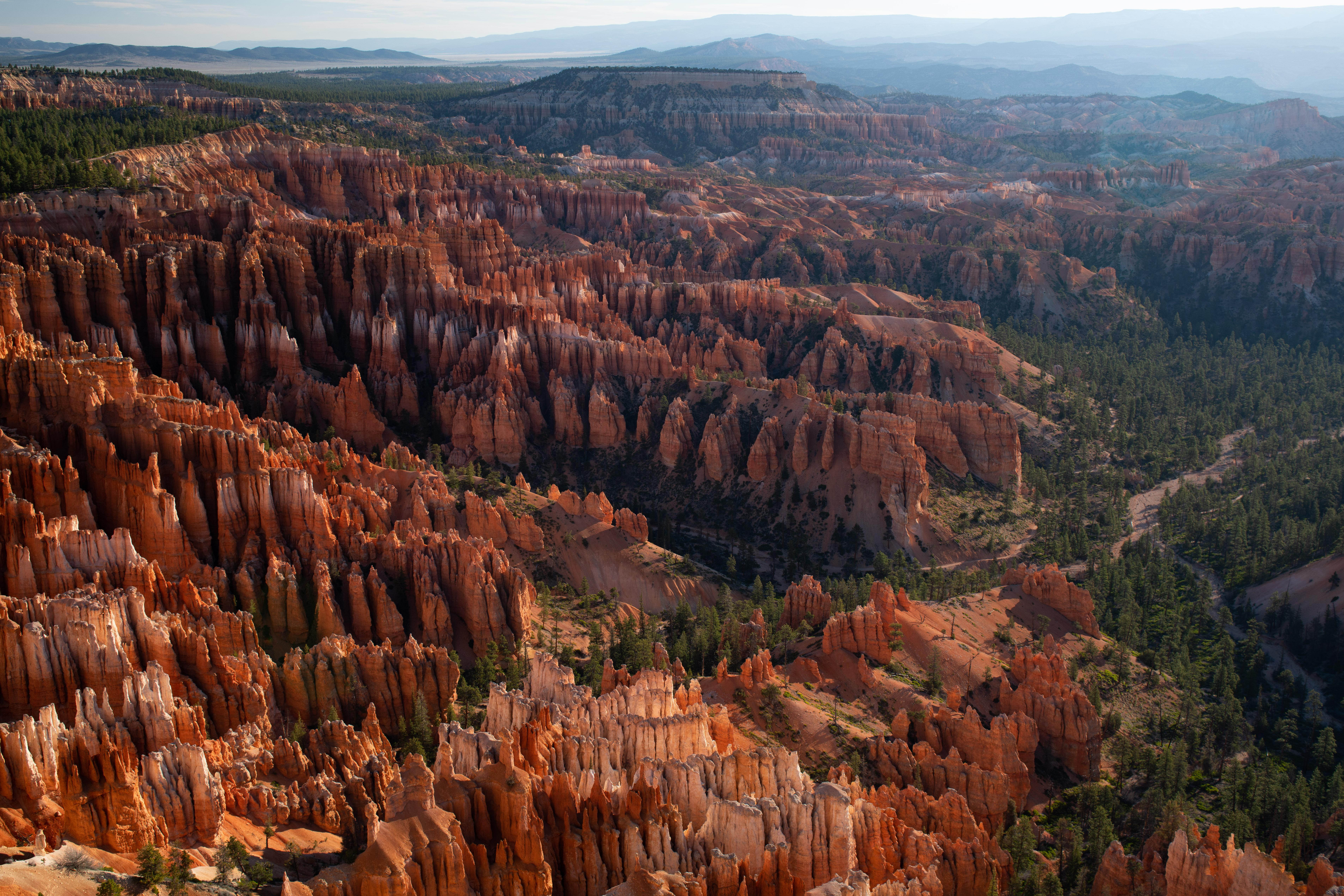
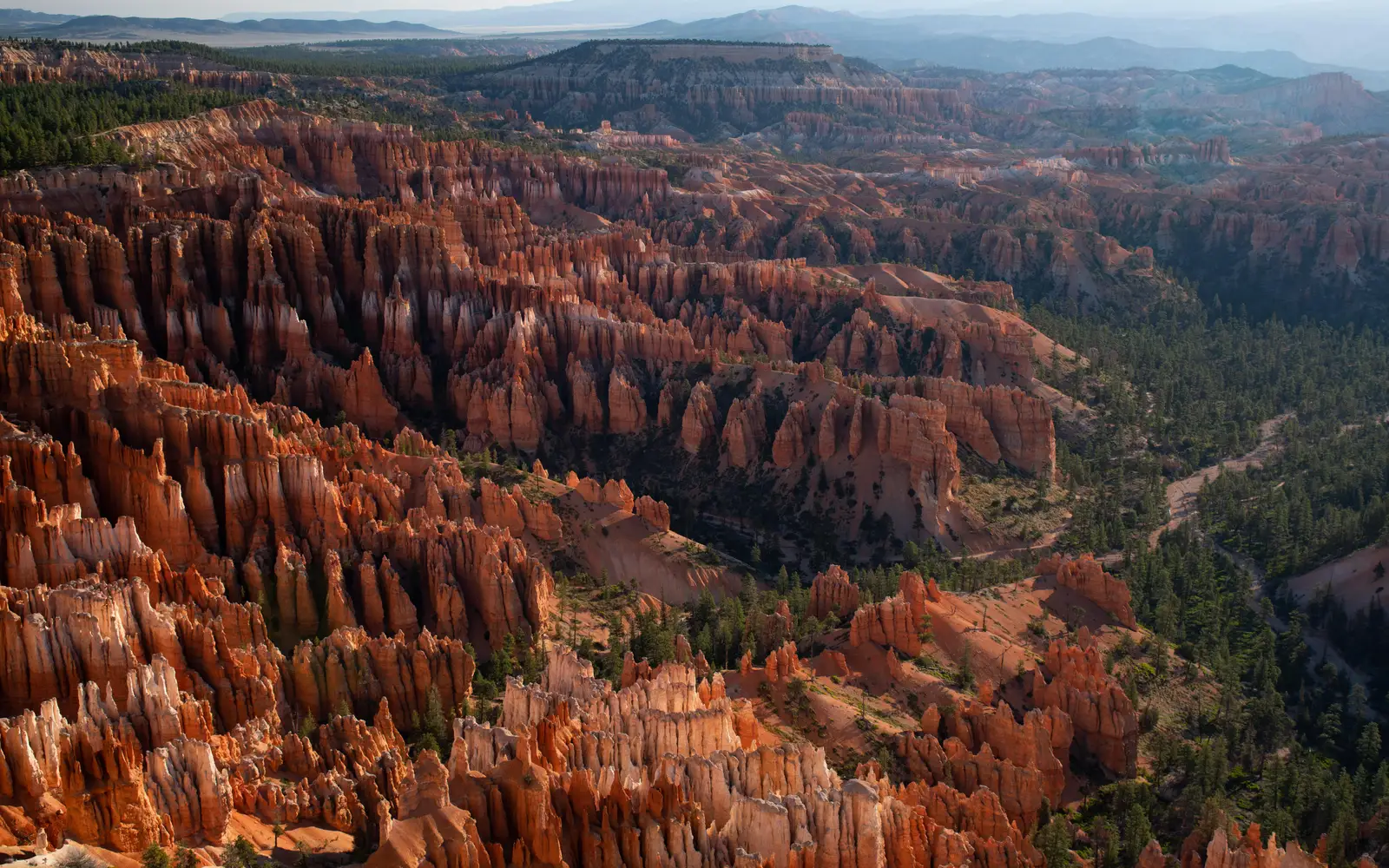
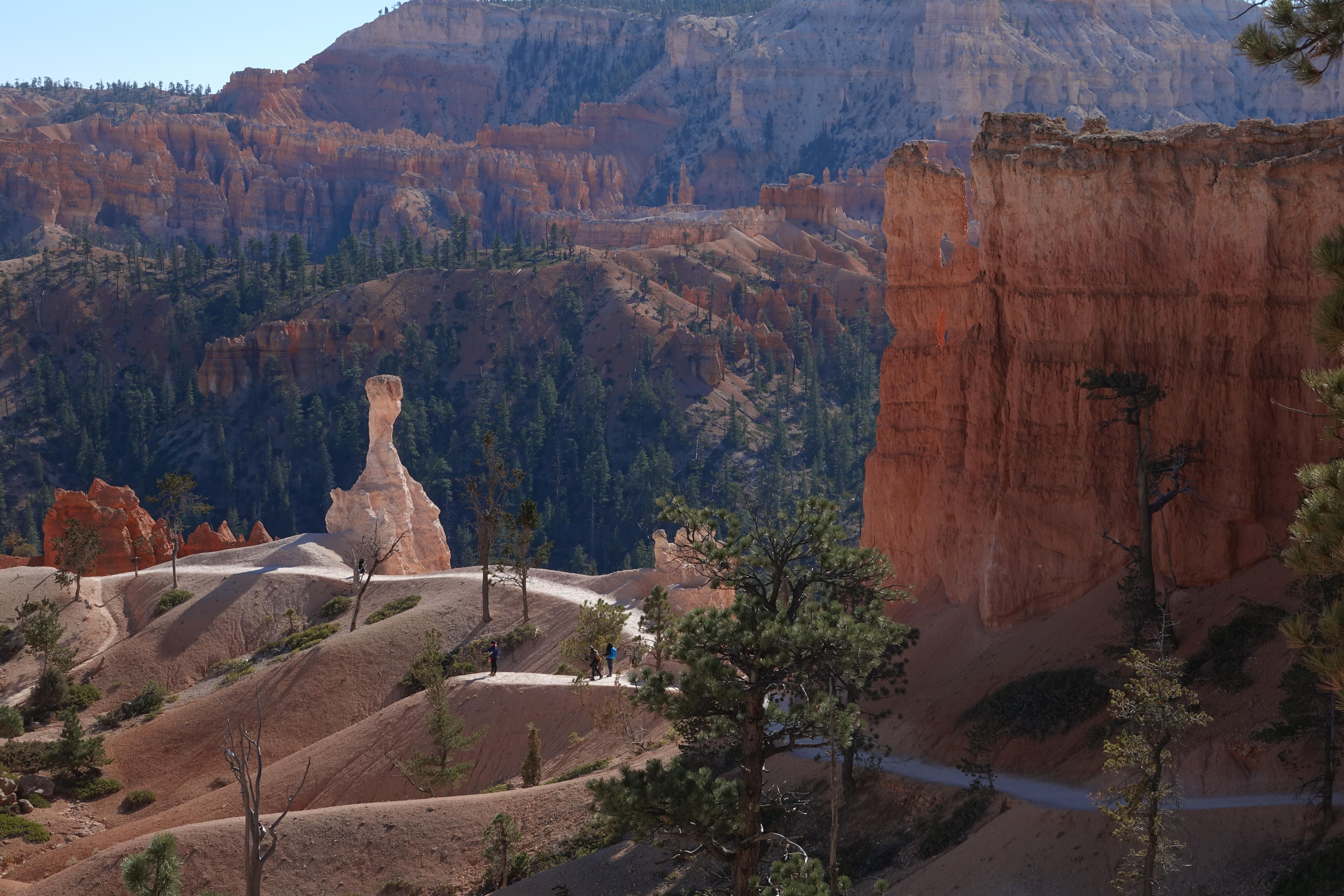
It centers on the world's densest concentration of hoodoos: spire-shaped rock columns transforming the amphitheaters below the rim into something truly otherworldly. With an experience score of 90, this is a full-service park offering serious depth. Visitors can hike among the formations or ride horses through them. Winter brings opportunities for skiing across the plateau. The park also provides some of the darkest night skies in the continental United States. At a $20 entry fee, it stands as a strong value within the national park system. The primary caveat remains that iconic views draw heavy visitation, particularly during summer. The park distinctly rewards those who venture below the rim and stay past sunset more than those who merely drive the scenic road, take a photo, and depart. Here, effort directly correlates with a superior experience.
Why visit
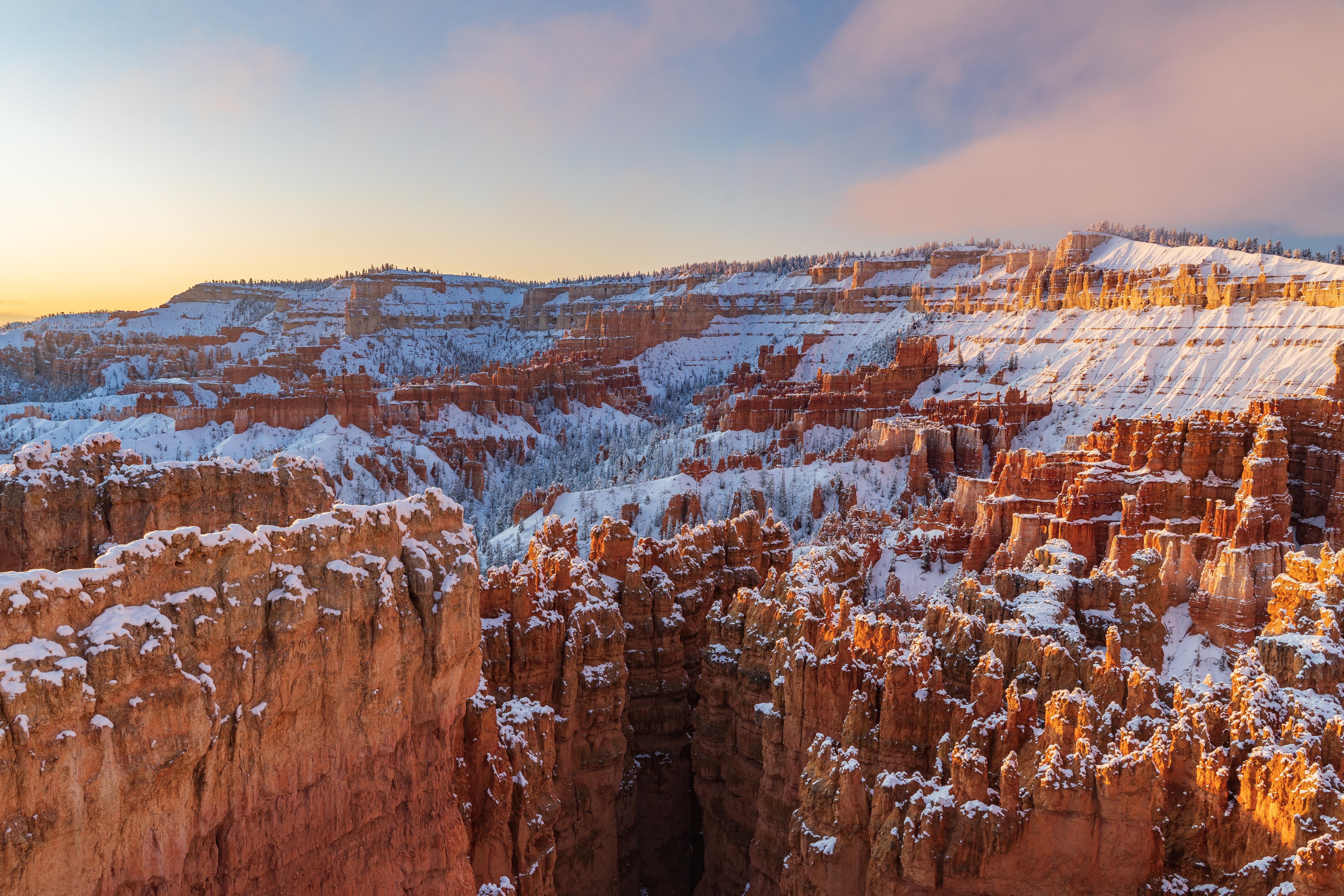
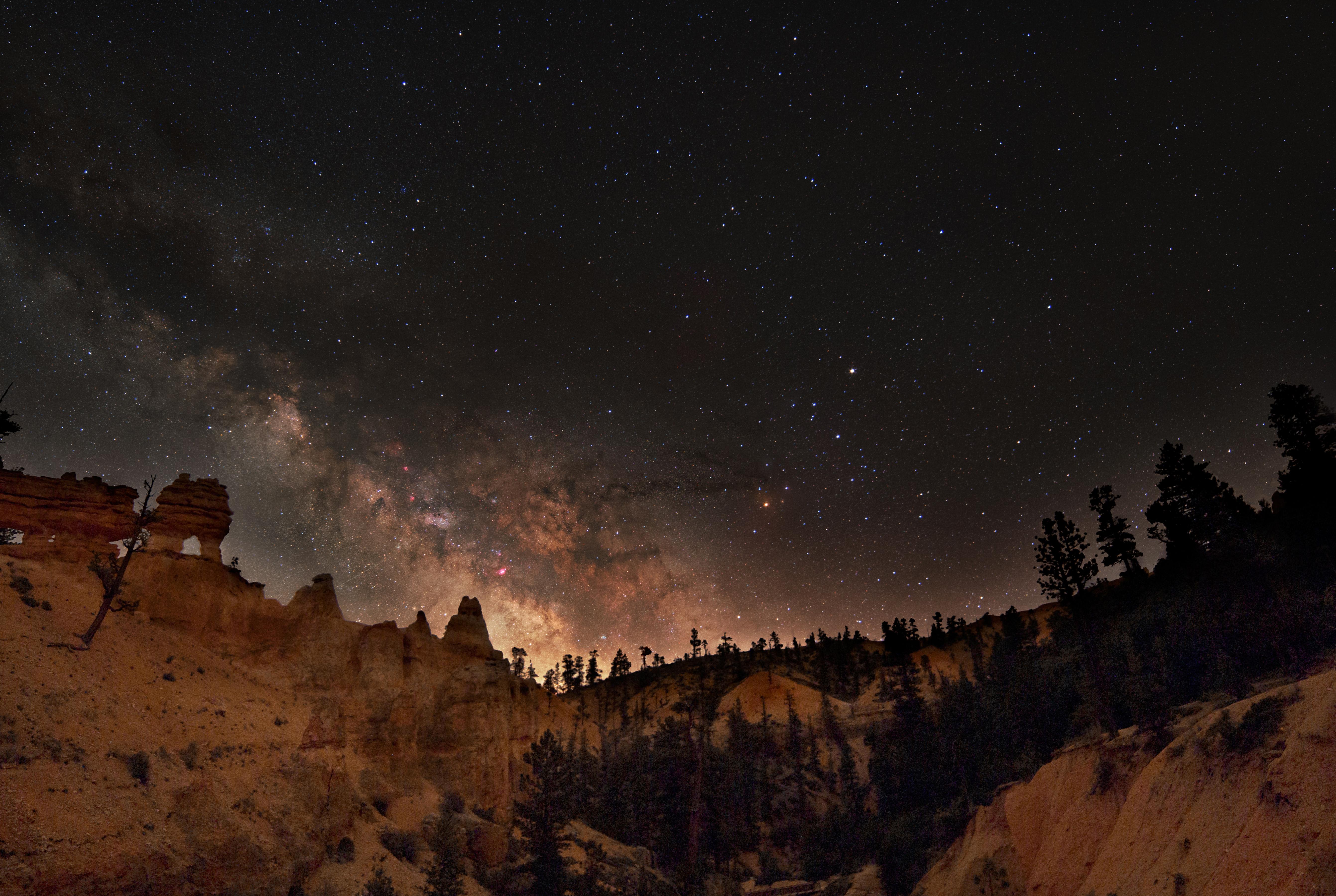
Bryce Canyon delivers on its promise of immersion. The true scale and color of its hoodoo amphitheaters reveal themselves best from below the rim. For active visitors, the park offers extensive front-country and backcountry hiking. Horse trekking provides guided access without the footwork, while a scenic auto tour offers a broader overview of the plateau. After dark, Bryce Canyon becomes an astronomy destination, owing to its high elevation and remote location, with ranger-led stargazing programs enhancing the experience. Winter transforms the park; snowshoeing and cross-country skiing through snow-dusted hoodoos presents an underrated experience, marked by significantly smaller crowds than the peak summer season.
Who it suits
This destination offers substantial rewards for a range of visitors. All hikers, from casual to committed, will find rewarding options, from short rim walks to multi-day backcountry routes. Families with children will appreciate the Junior Ranger program and accessible overlooks. Off-season, the park provides compelling draws for astronomy enthusiasts and winter sports participants. However, those whose interest is limited to a quick scenic drive from their vehicle may find their experience incomplete. This is a place that rewards engagement.
Timing your visit
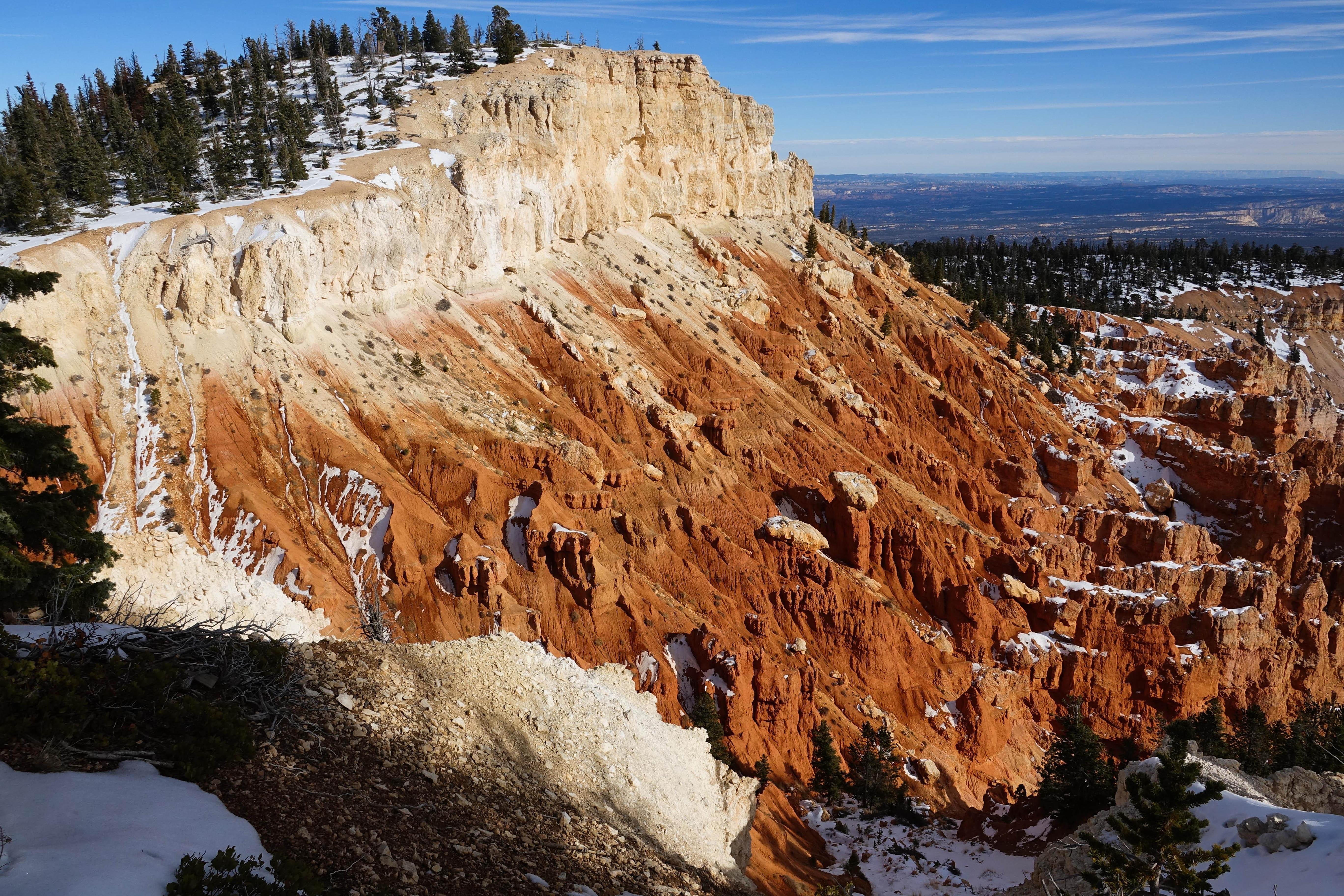
Optimal visitation periods span late spring (May to early June) and early fall (September to October), balancing moderate temperatures with fewer visitors. Summer experiences peak attendance and frequent afternoon thunderstorms. Winter delivers a cold, snowy landscape, ideal for snowshoeing and skiing on uncrowded trails. Be prepared: overnight temperatures consistently fall below freezing from October through May. Layered clothing is essential, even on clear days.
What stands out
- Hiking into the hoodoo amphitheaters below the rim for close-up views of the formations
- Ranger-led astronomy and stargazing programs under some of the darkest skies in the U.S.
- Cross-country skiing and snowshoeing through snow-covered hoodoo terrain in winter
- Guided horse trekking through the canyon landscape
- Scenic auto tour along the high plateau with multiple overlooks
- Backcountry camping for multi-night immersion in the geology and night skies
Good to know
At $20 per vehicle, this park offers continuous access year-round, 24 hours a day. Its high elevation, ranging from 8,000 to 9,000 feet, presents significant challenges. Visitors must be prepared for thinner air and sudden weather shifts; extra layers and ample water are essential even for brief excursions. Summer campground availability is tight. Secure reservations far ahead if an in-park stay is desired. This destination demands preparation.
Insider tipFor those able to commit to an overnight stay, the park's ranger-led stargazing programs are a distinct highlight. High elevation and low light pollution combine to offer an exceptional celestial viewing experience. This is a rare offering.