Browns Canyon National Monument: our verdict
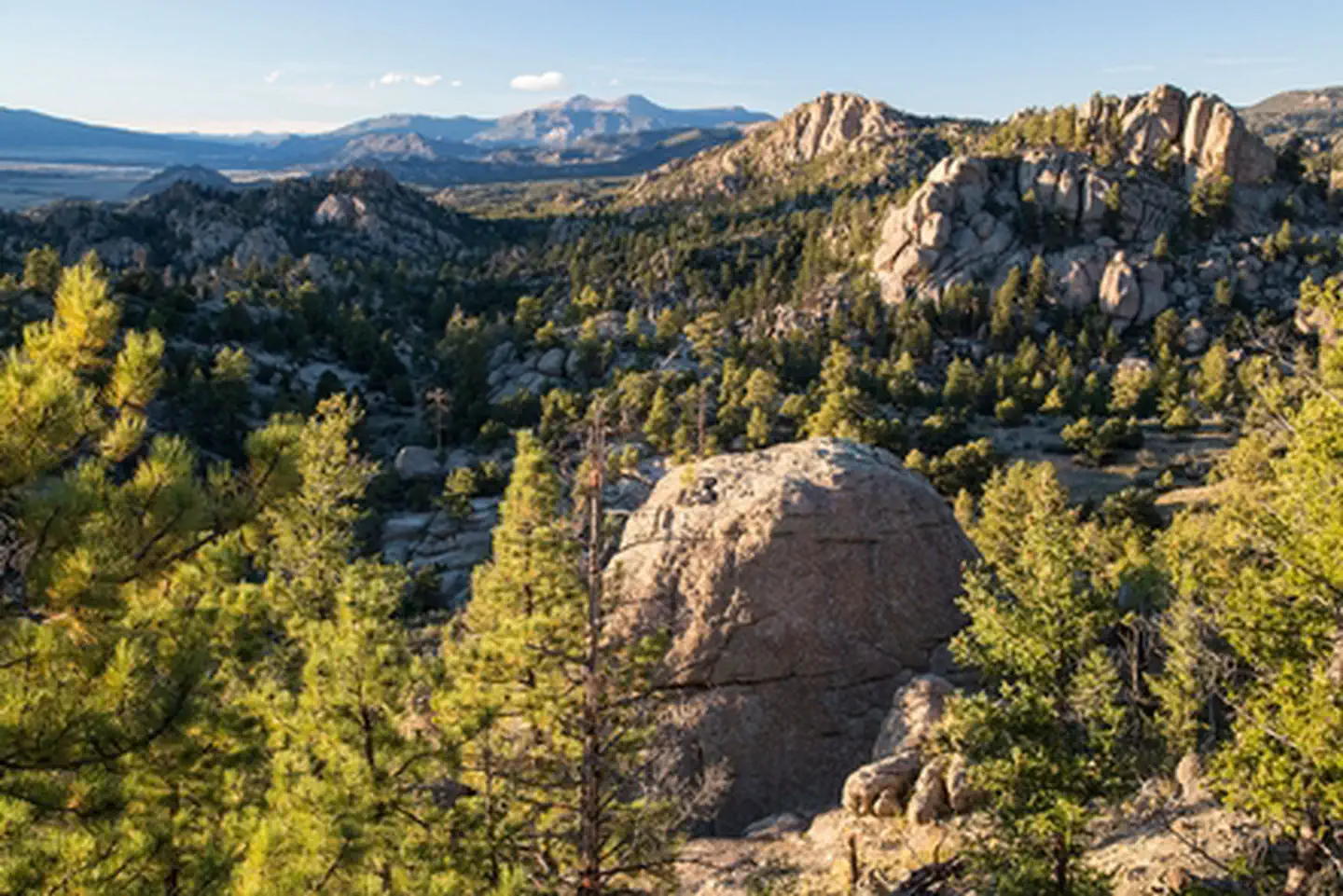
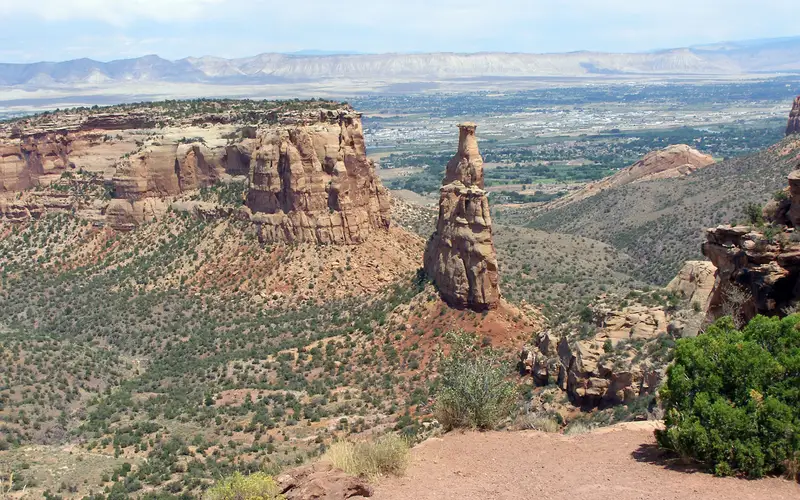
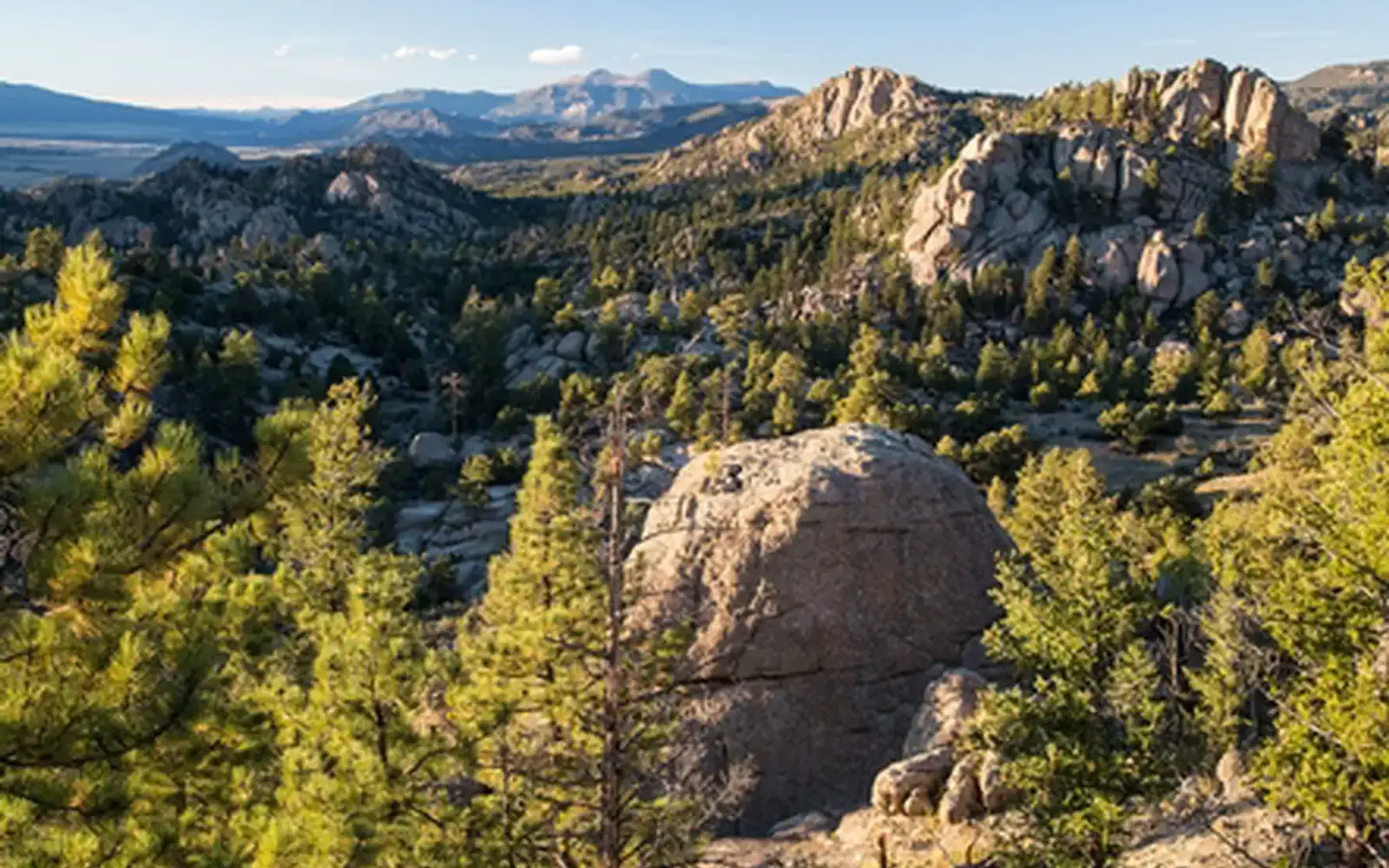
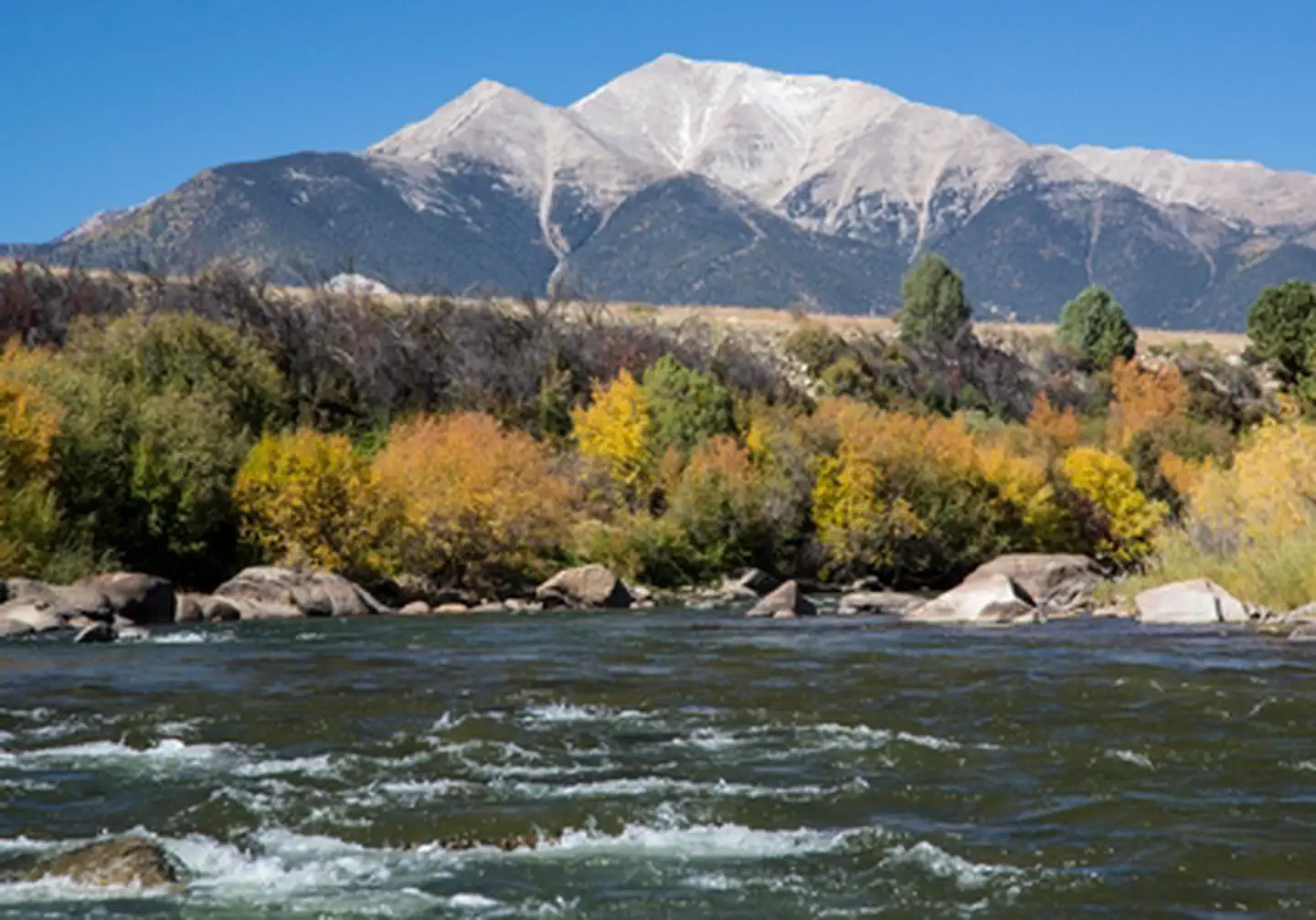
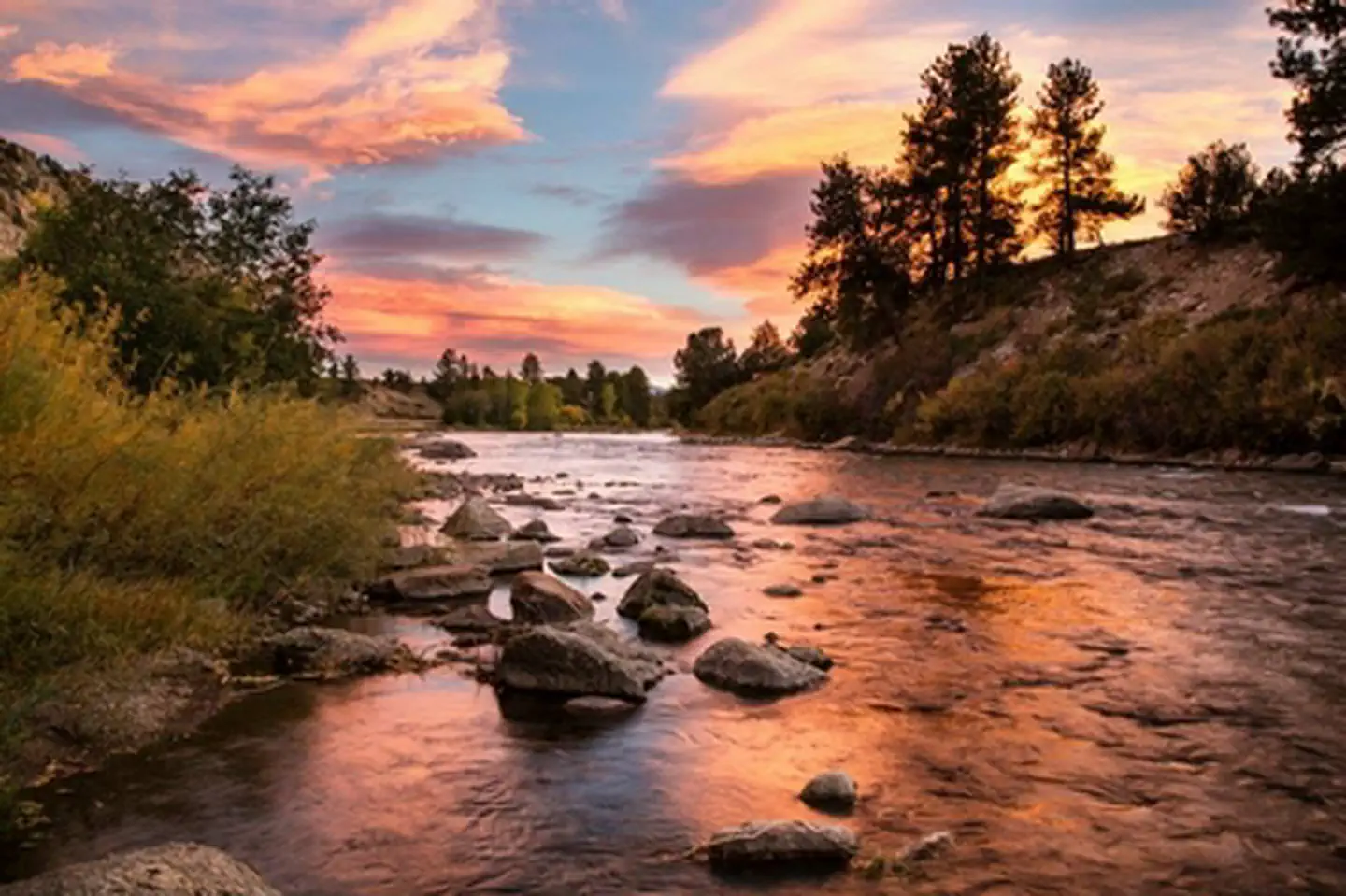
Browns Canyon National Monument, a rugged 21,000-acre preserve in central Colorado, features the Arkansas River cutting through granite cliffs and colorful rock formations.
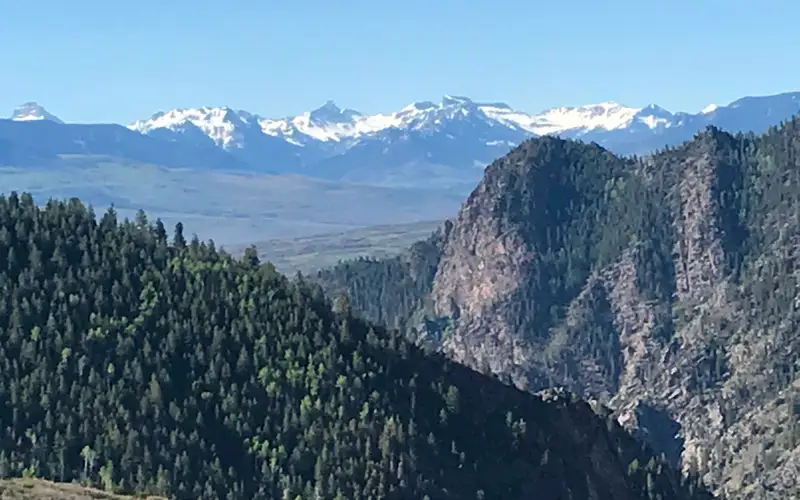
The river corridor is a nationally recognized whitewater rafting destination. Surrounding uplands offer hiking, wildlife viewing, and horseback riding with significant solitude. There are no paved roads in the interior. This is not a drive-through scenic park. Views are earned on foot, by horseback, or on the water. Free entrance and a low national profile help ensure breathing room, even in peak season. For active outdoor travelers seeking canyon scenery without crowds, Browns Canyon delivers substantial value.
Why visit
This monument delivers an authentic wilderness experience. The Arkansas River segment provides a whitewater rafting run through genuine canyon walls. On land, hiking reveals granite formations, riparian cottonwood zones, and open shrubland supporting mule deer, bighorn sheep, and raptors. Anglers find trout in the Arkansas. The setting feels remote. Camping extends the experience into dark skies, away from light pollution. Hunters access the uplands in season. This combination of water, trail, and wildlife, all within a free monument, is a rare offering.
Who it suits
This park primarily serves whitewater enthusiasts, fly fishers, hikers accustomed to challenging terrain, and wildlife photographers seeking canyon vistas. Horseback riders gain access to true backcountry. Its character is rugged and uncurated, a working landscape. Casual sightseers, or those expecting paved roads and interpretive facilities, will find little here. This park is not for a structured visitor experience.
Timing your visit
The prime season for experiencing peak whitewater rafting on the Arkansas River runs from late spring through early summer, specifically May and June, driven by snowmelt. Later in the season, from late summer into fall, the river offers lower, more technical water, which is better suited for fishing. These shoulder seasons also provide cooler hiking temperatures and enhanced opportunities for wildlife viewing. Those seeking solitude should avoid peak summer holiday weekends; the river corridor experiences significant commercial rafting traffic during these times.
What stands out
- Whitewater rafting through a granite canyon corridor with genuine wilderness character
- Fly fishing on the Arkansas River within a protected monument boundary
- Hiking among dramatic rock outcroppings with roughly 3,000 feet of elevation range across the monument
- Wildlife viewing for bighorn sheep, mule deer, and raptors in riparian and upland zones
- Backcountry horseback riding access through canyon and shrubland terrain
- Free entrance with camping options for multi-day stays under dark skies
Good to know
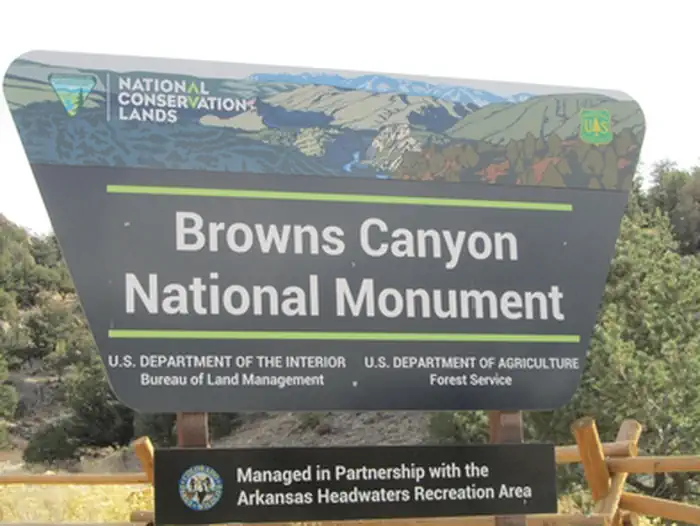
This monument offers free access, jointly managed by the Bureau of Land Management and the Forest Service. Visitors should consult BLM Colorado for current camping and access information. Cell service within the canyon is limited. For river access without personal gear, commercial rafting outfitters in Salida and Buena Vista are a practical option.
Insider tipSalida, Colorado, presents itself as the practical basecamp for exploring the monument. Situated approximately 10 miles from the core, it offers necessary amenities for visitors. The town supports legitimate gear shops and outfitters, providing current river condition updates critical for safe navigation. Its infrastructure is sufficient for multi-day trip planning. Salida avoids the elevated pricing often associated with more prominent Colorado mountain towns.