Boston National Historical Park: our verdict
Boston National Historical Park offers a distinctive urban historical experience.
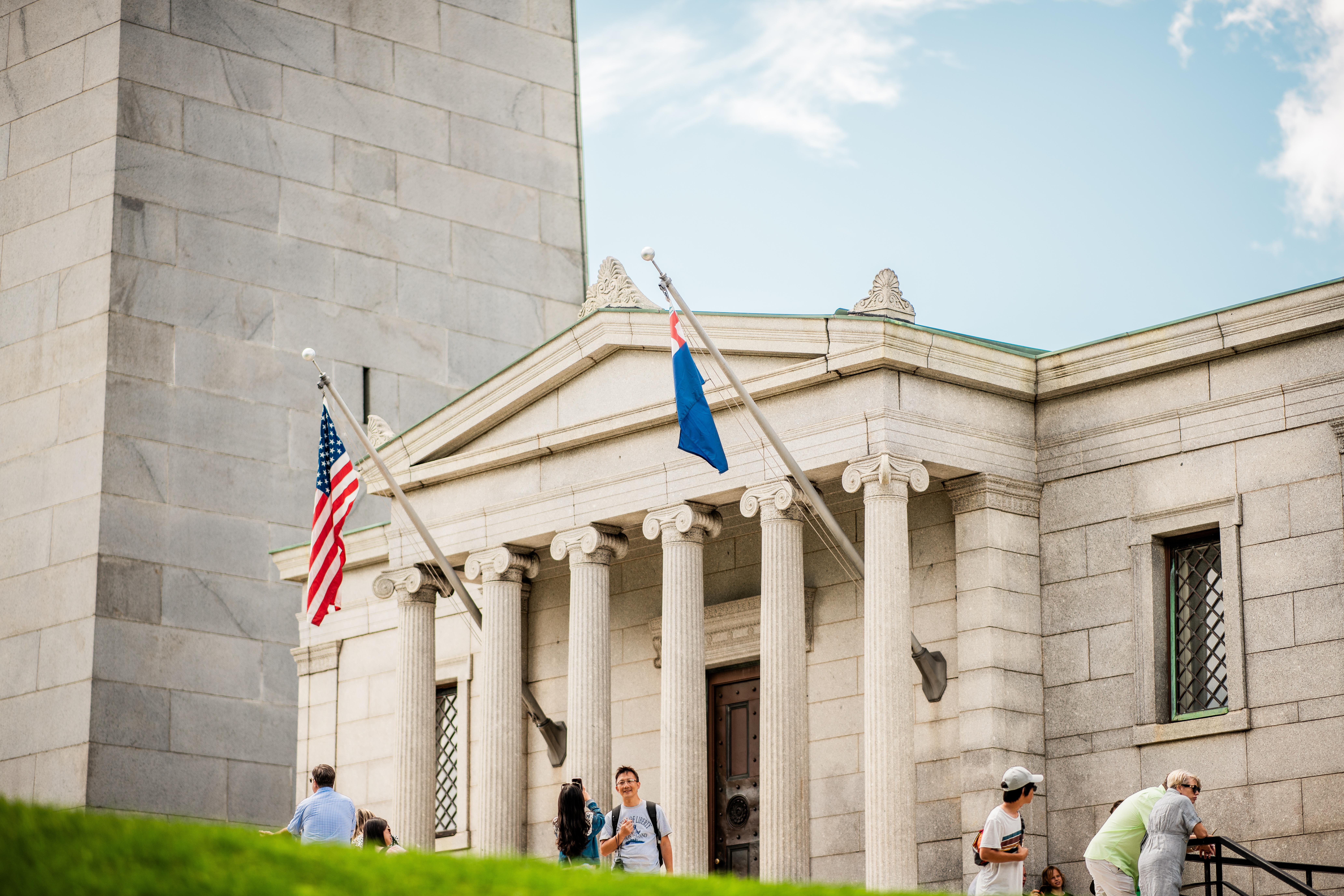
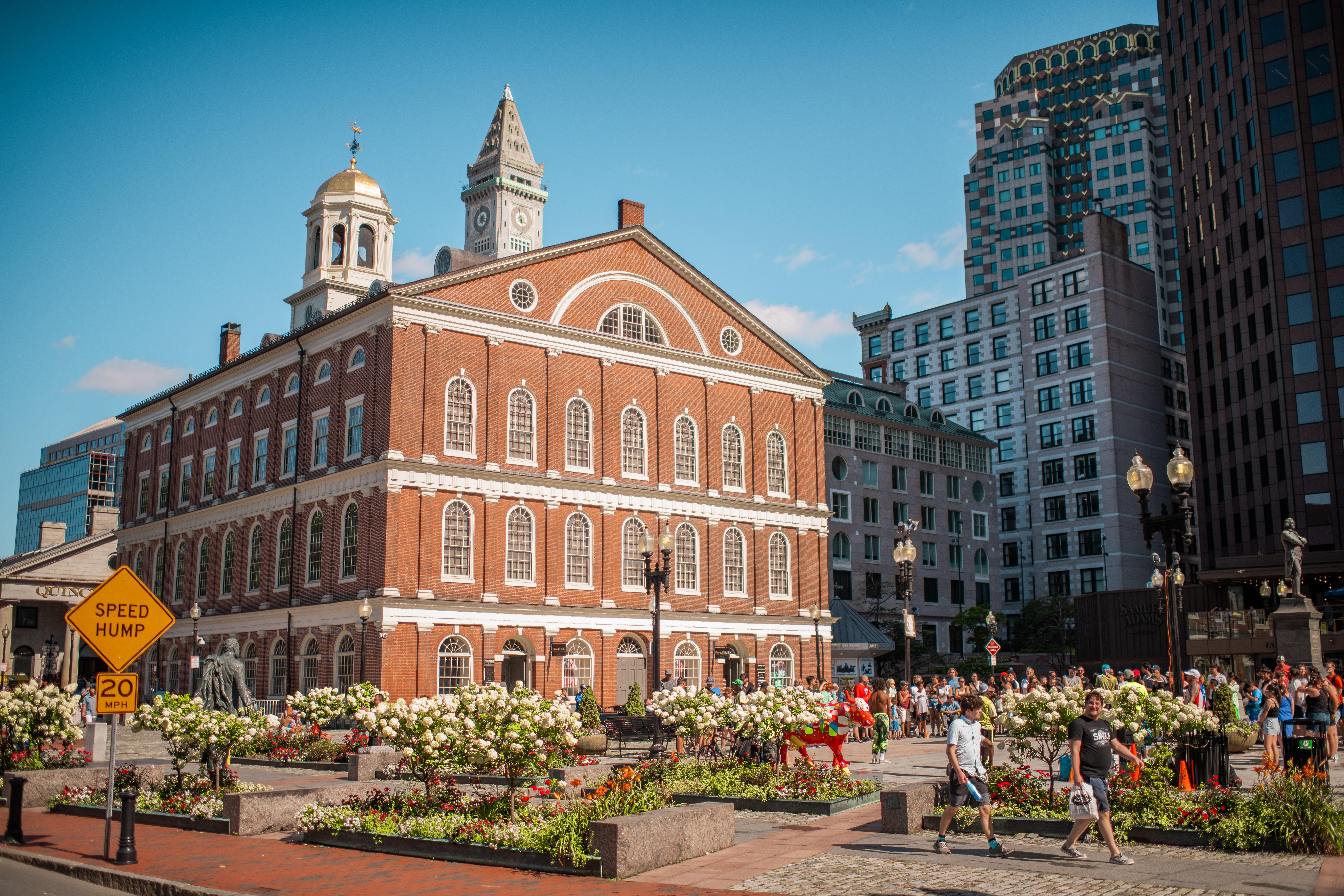
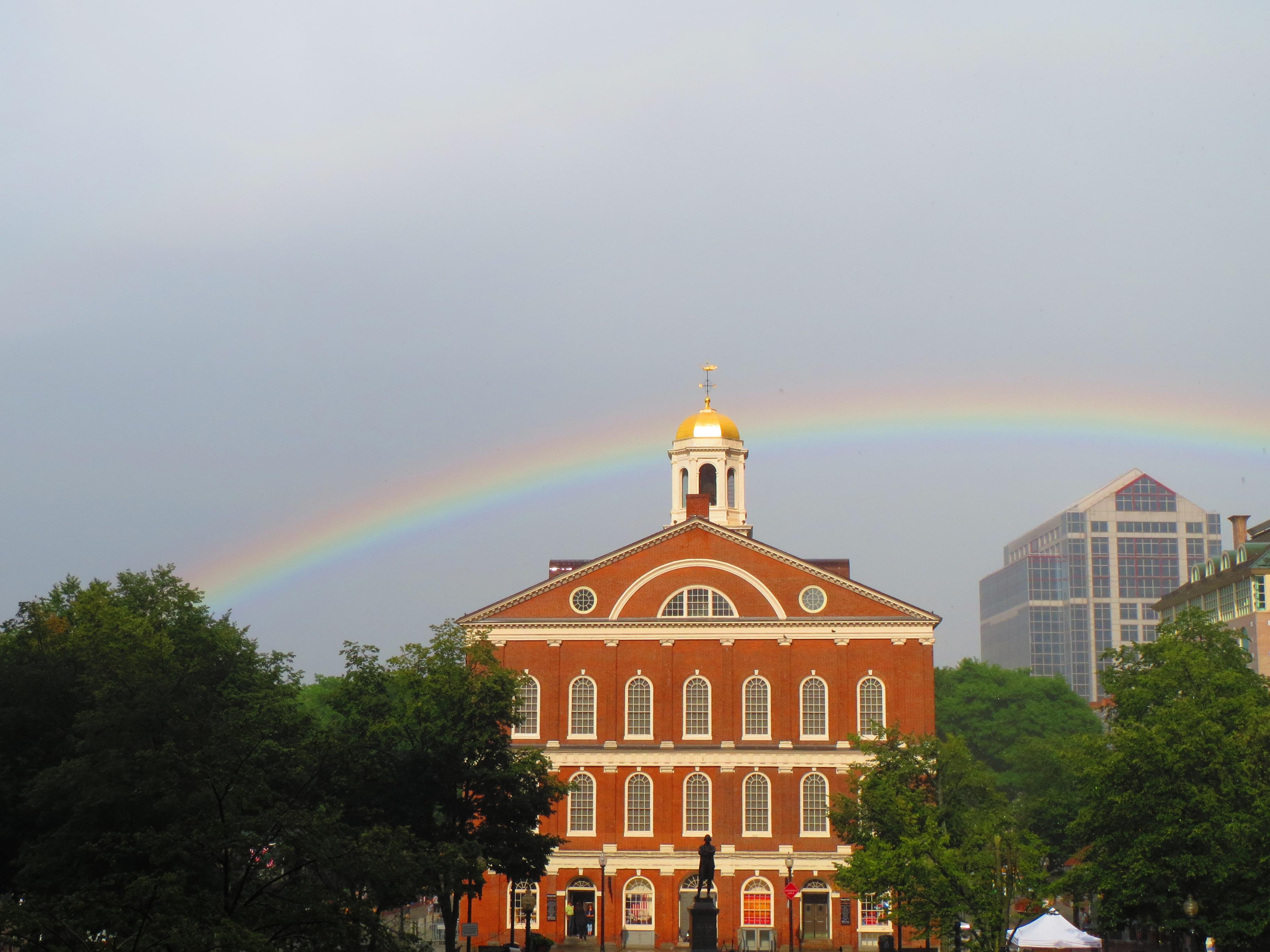
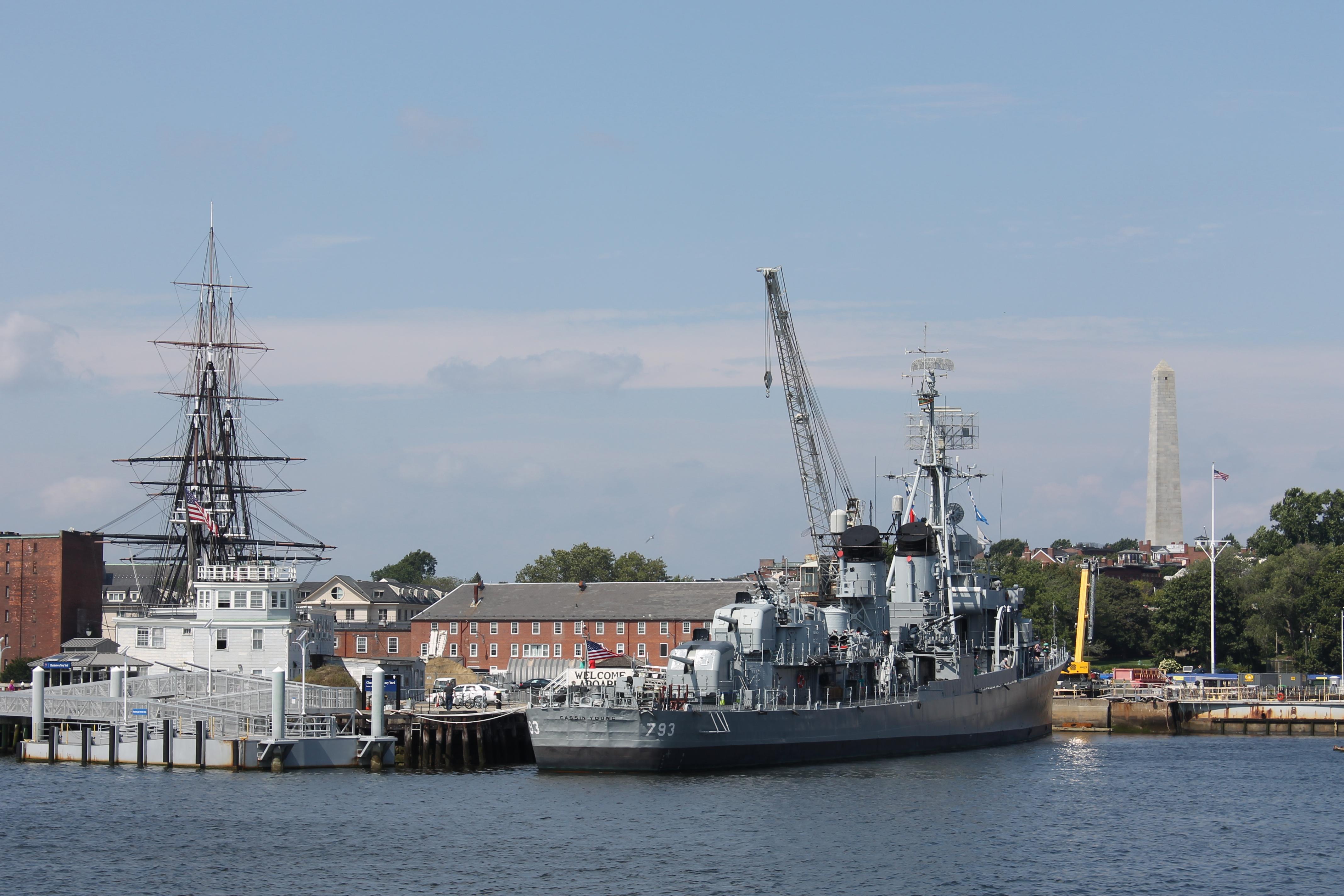
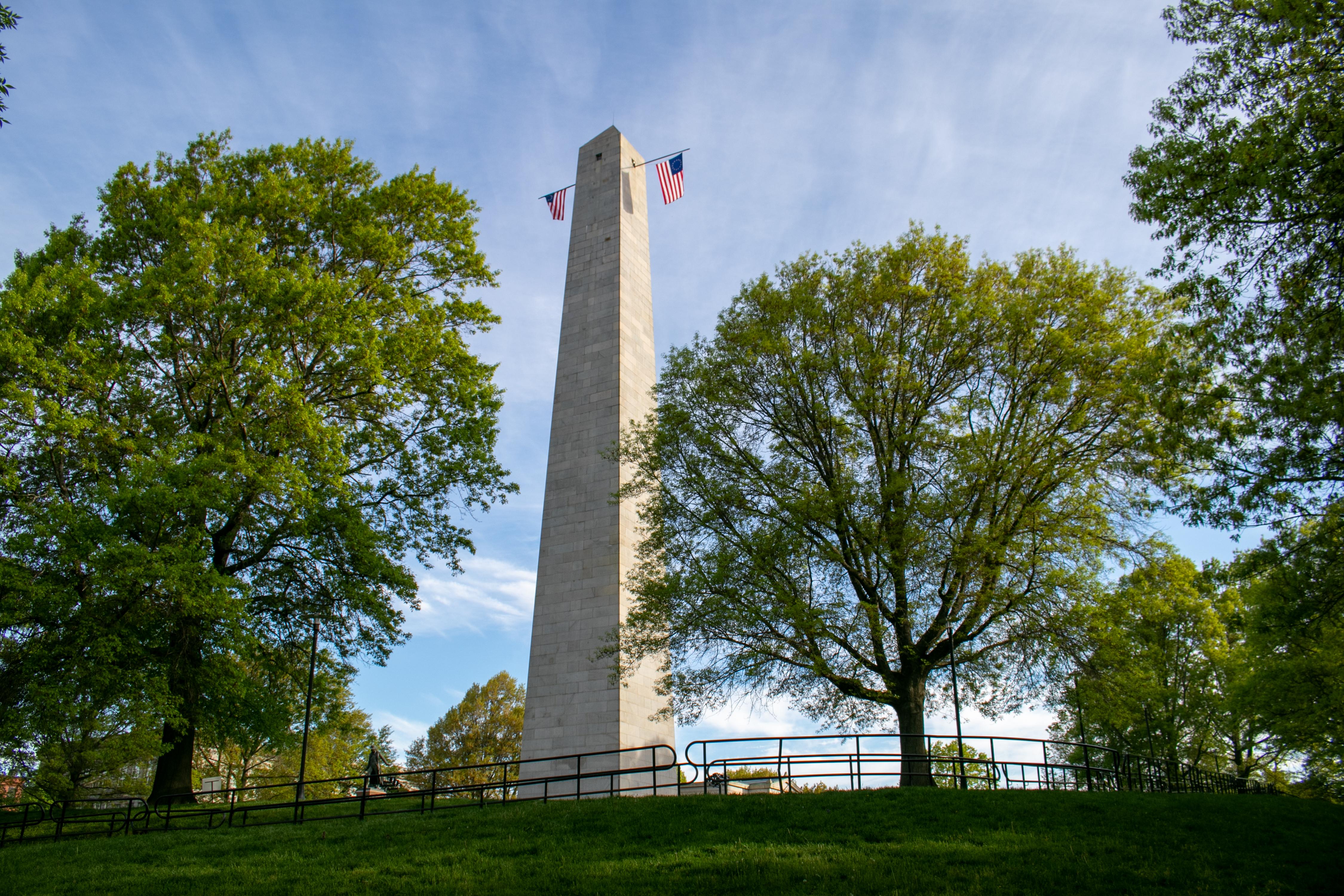
Not a single park, it comprises a network of sites across the city, centered on the Freedom Trail. Key landmarks include the Bunker Hill Monument, the USS Constitution, and the Charlestown Navy Yard. The park prioritizes civic history, providing direct engagement with the locales of the American Revolution. This is a walking experience. It brings visitors directly to the contested ground where the nation's founding unfolded. However, the urban setting means competition with city distractions. The Bunker Hill Monument itself imposes a capacity limit of 25 visitors at any given time. This requires patience from those wishing to enter. This destination is ideal for those seeking a tangible connection to early American history, understanding it as a complex, street-level argument within a specific urban environment.
Why visit
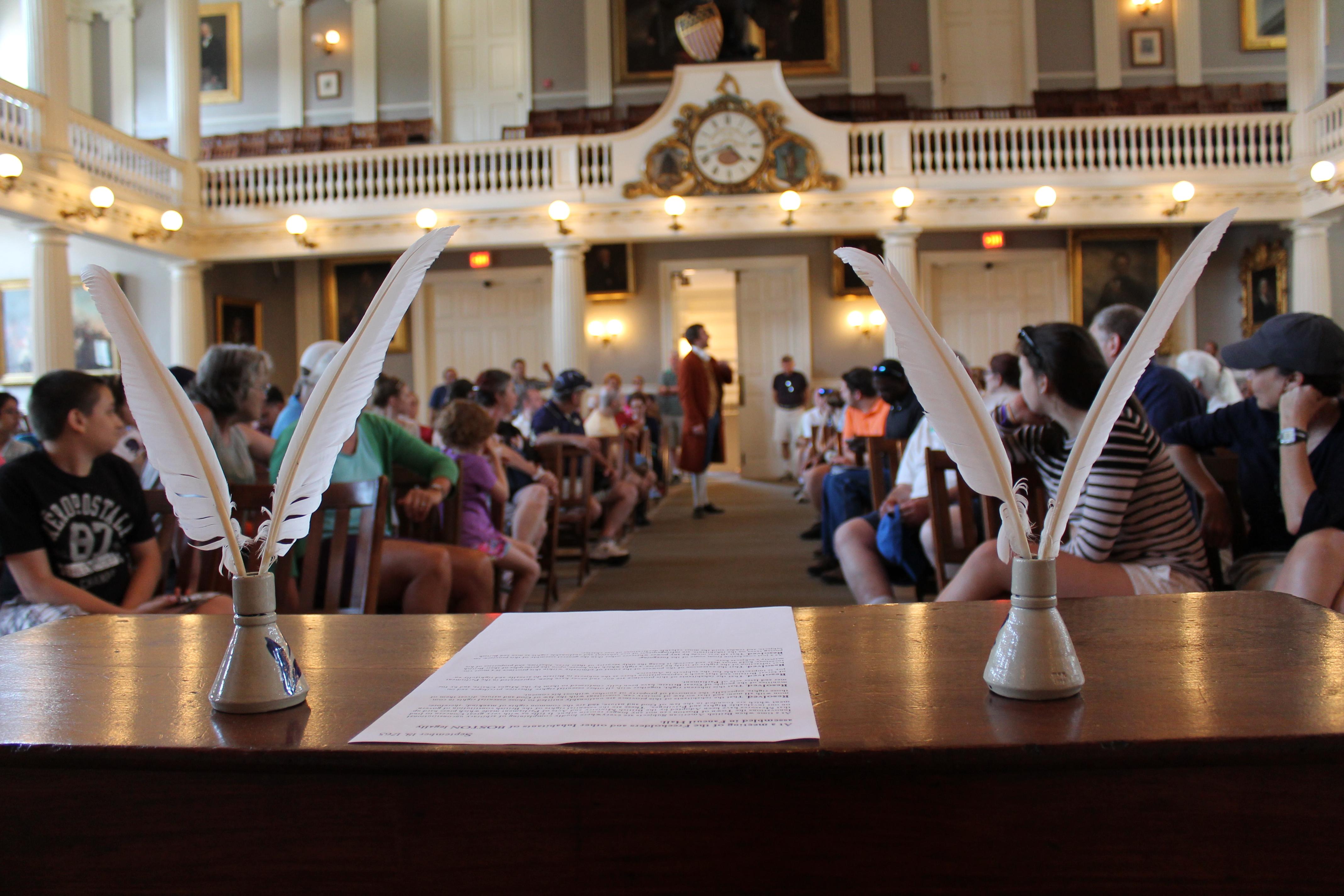
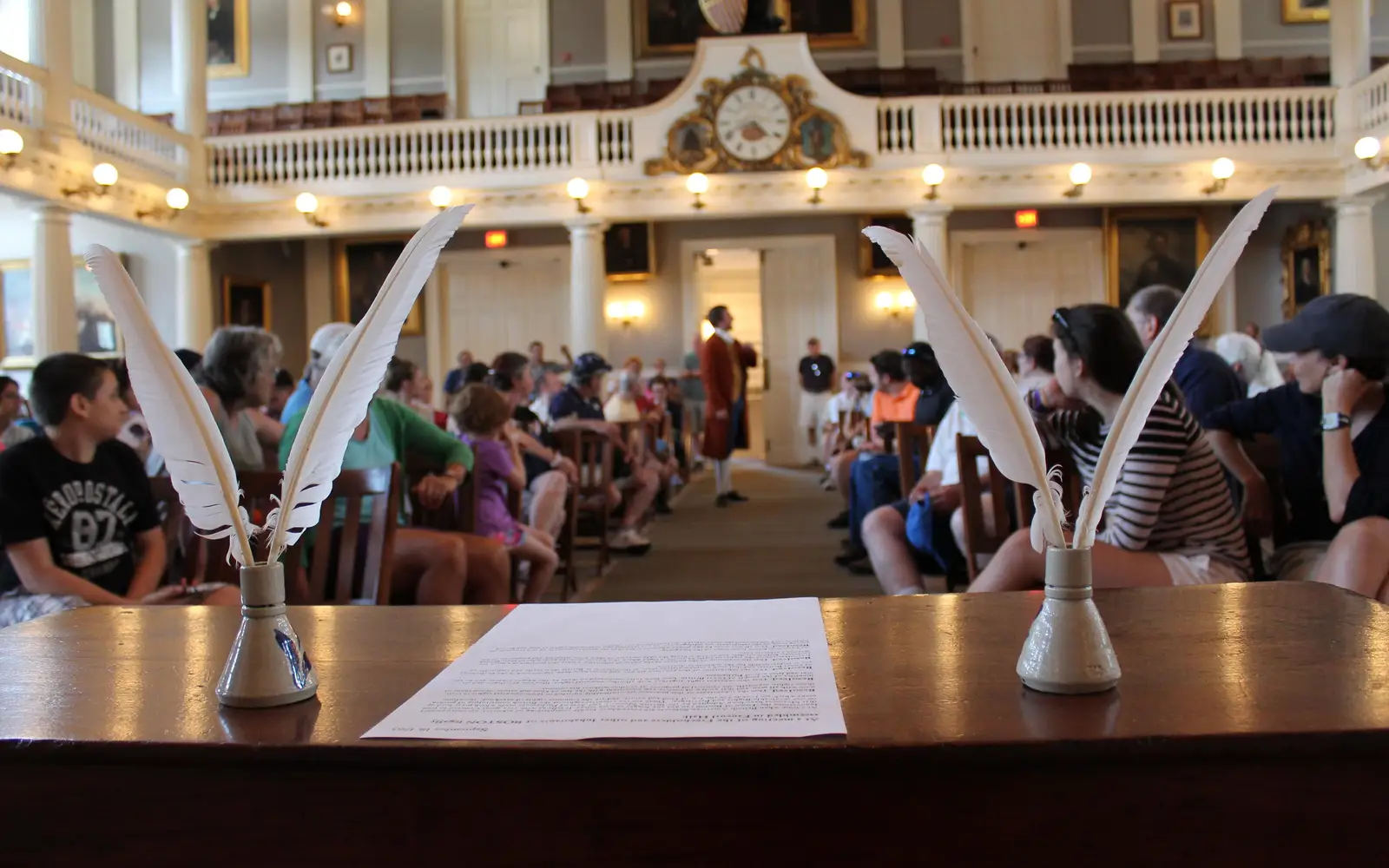
A good day here is built around the Freedom Trail, a self-guided walking route that strings the park's sites together through the fabric of downtown Boston and Charlestown. You can pick up a ranger-led guided tour to get context that a sign simply cannot deliver, or move at your own pace through museum exhibits that go beyond the textbook version of events. The climb to the top of the Bunker Hill Monument rewards the effort with a sweeping view over Boston Harbor. The waterfront setting also opens up fishing as a quieter, unhurried option. The Junior Ranger program gives kids a structured reason to engage rather than just trail along behind adults. The combination of walking, history, and harbor access makes for a full, layered day without spending a cent on admission.
Who it suits
This unit delivers for history enthusiasts. Those drawn to the actual ground of the American Revolution will find it genuinely rewarding. It is a poor fit for visitors seeking solitude, scenery, or outdoor recreation. Nature seekers will find better options elsewhere. This is a city park in every sense; casual sightseers should look elsewhere.
Timing your visit
The window for optimal visitation is clearly defined. Late spring through early fall presents the most agreeable walking conditions, with increased ranger program availability. Summer introduces crowds and humidity, a significant factor for extended foot travel. Fall emerges as the prime season, offering cooler temperatures and diminished crowds post-Labor Day. While winter visits are feasible, expect reduced programming and potential weather-related closures for the monument climb.
What stands out
- Climbing the Bunker Hill Monument, with the strict 25-person cap making early arrival worthwhile
- Ranger-guided tours that reframe the Revolution as a genuinely contested local struggle, not a foregone conclusion
- Self-guided walking along the Freedom Trail, connecting multiple sites through living city neighborhoods
- Museum exhibits that go beyond the standard patriotic narrative to address who was included and excluded from the founding ideals
- Waterfront access along the Charlestown Navy Yard, with fishing available at the harbor edge
- Junior Ranger program that gives younger visitors a concrete, active role in exploring the sites
Good to know
Access to all park sites remains free. The Bunker Hill Monument presents the primary logistical challenge: a 25-person capacity and a final ascent 30 minutes prior to closing. Unannounced closures due to weather or safety are possible. Early arrival is essential for those prioritizing the climb. Parking in Charlestown and downtown Boston is both limited and costly. Public transit is thus the recommended access method.
Insider tipThe monument climb presents a distinct challenge. Timed entry pressure is markedly reduced at opening and in the hour before closure. During these periods, ranger availability for discussion also improves.