Is Booker T Washington National Monument worth your trip?
Booker T.
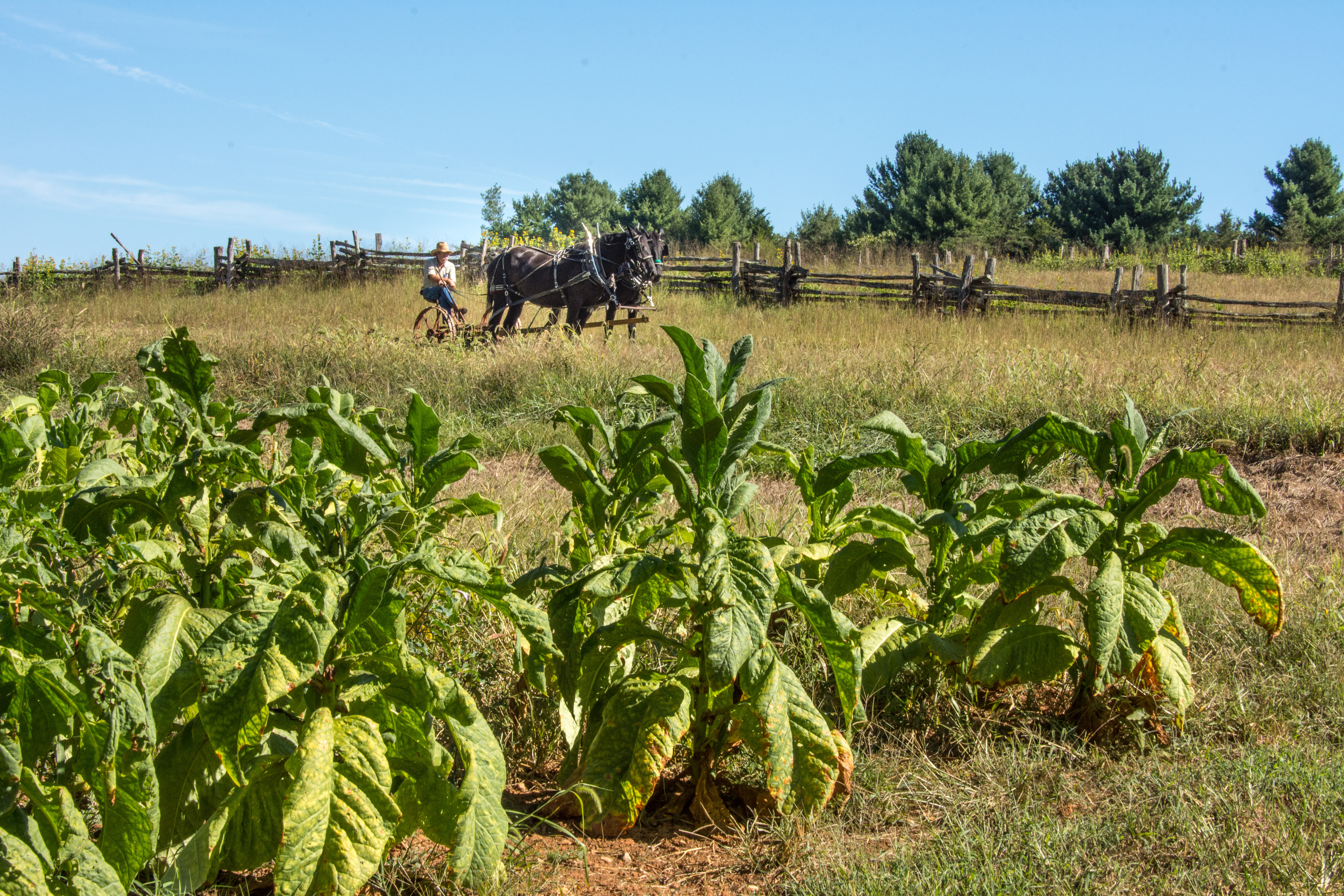
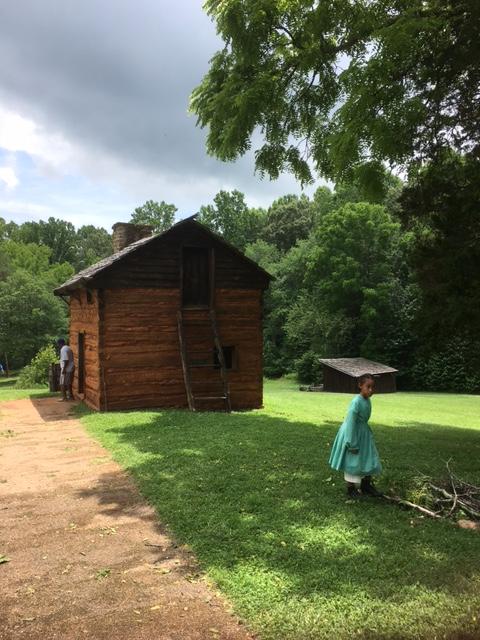
Washington National Monument offers a focused historical experience, preserving the 200-acre Virginia farm where Washington was born into slavery in 1856. This site stands as one of the few National Park Service units dedicated to a Black American whose narrative spans from bondage to national prominence. Its relatively small footprint belies a substantial interpretive program. Visitors engage beyond static displays, with craft demonstrations, guided tours, and living history reenactments available on select days. These programs illuminate the landscape of Washington's early life. The experience score of 74 reflects this programmatic depth, not extensive wilderness access. This monument functions best as a half-day cultural and historical destination. It pairs well with broader travel through southwest Virginia. For those invested in American history, the detour is warranted.
Why go
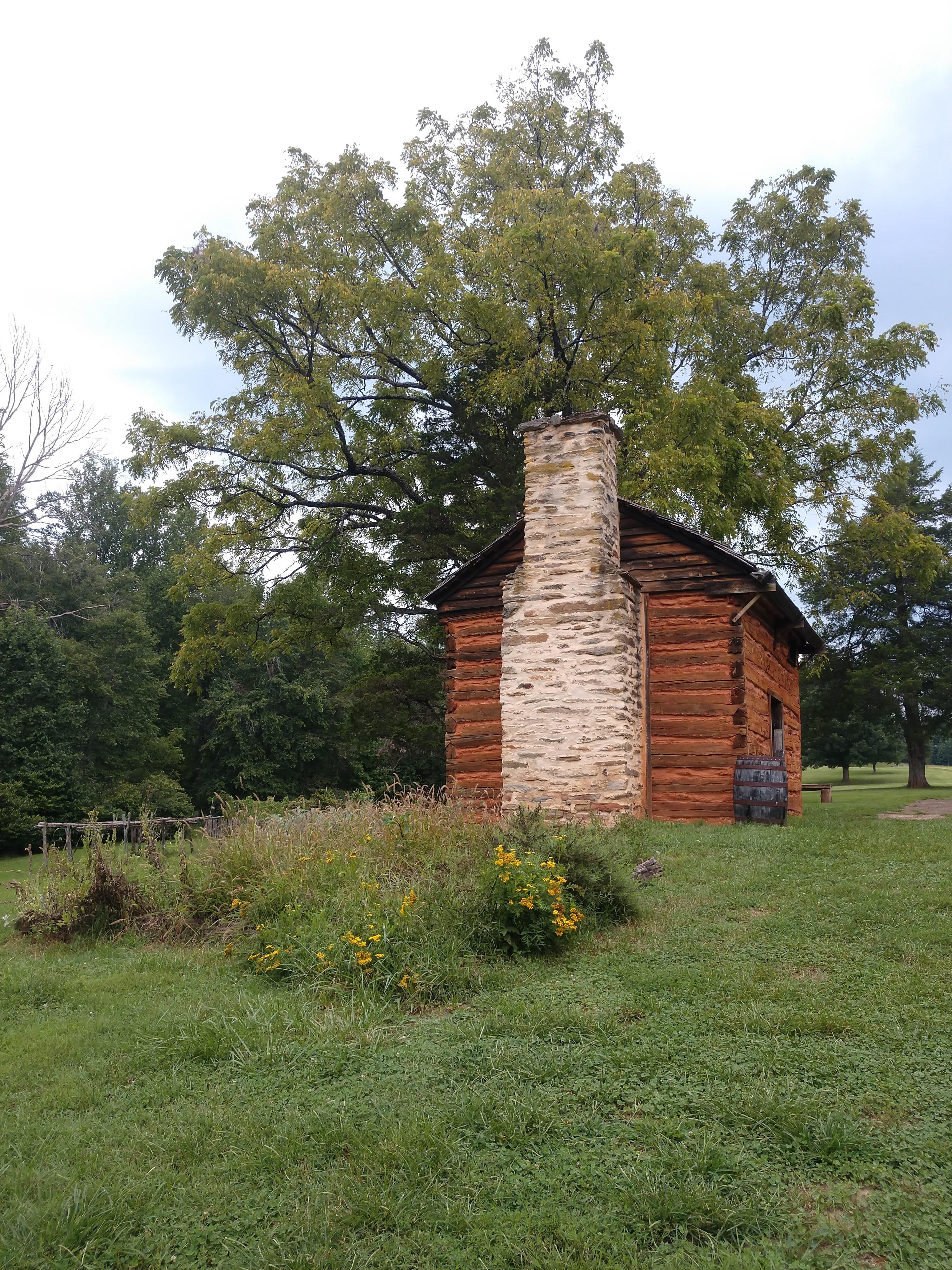
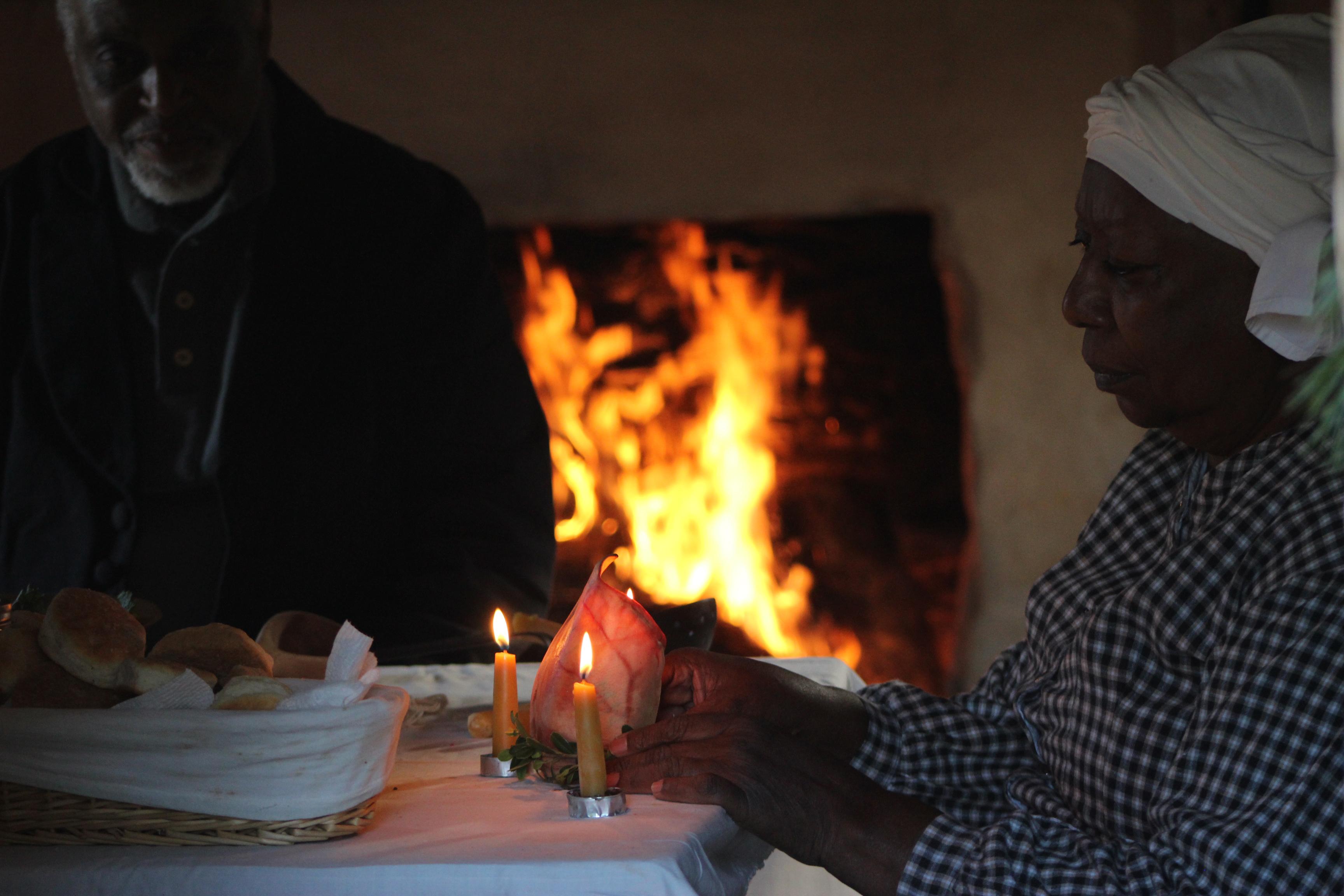
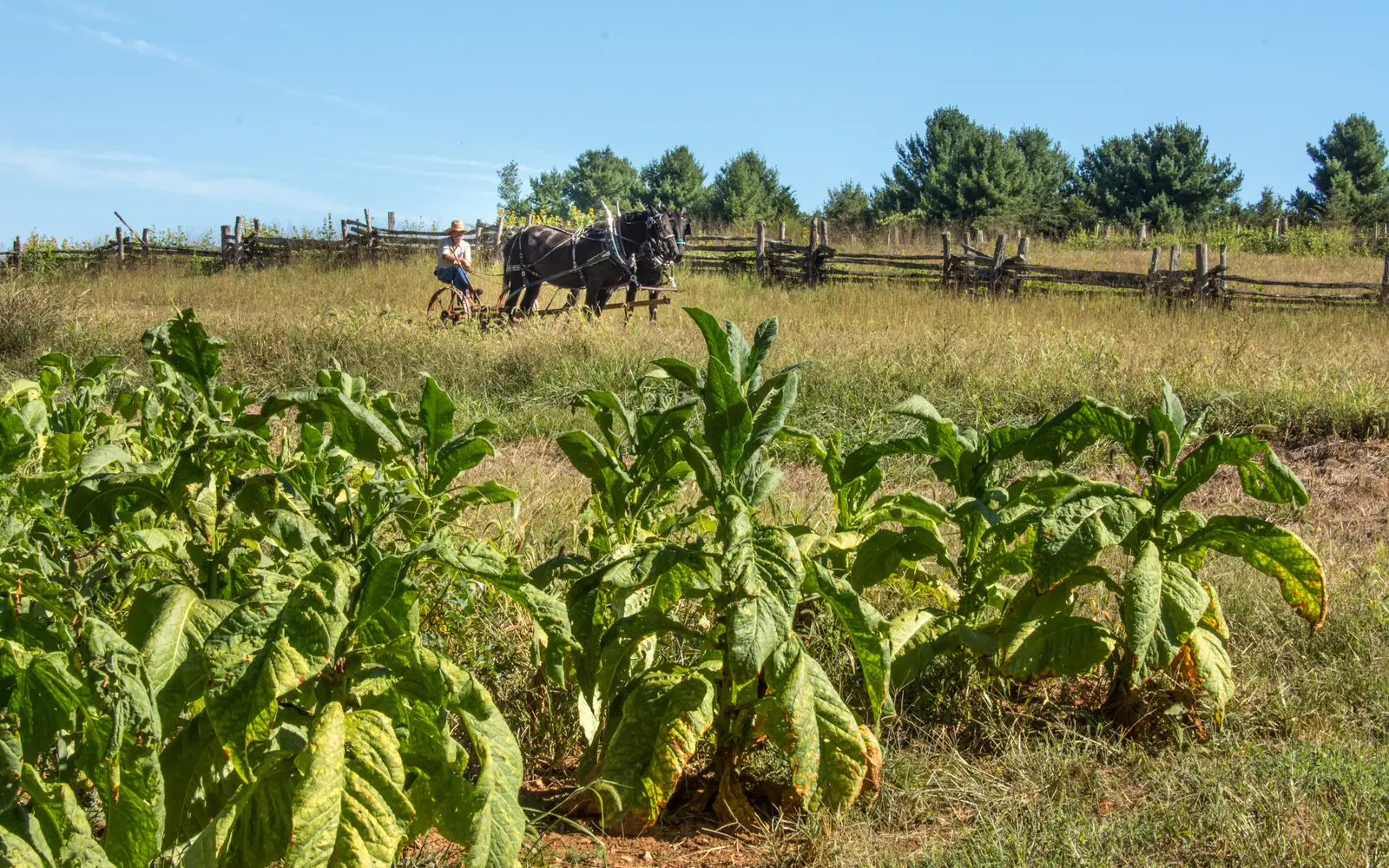
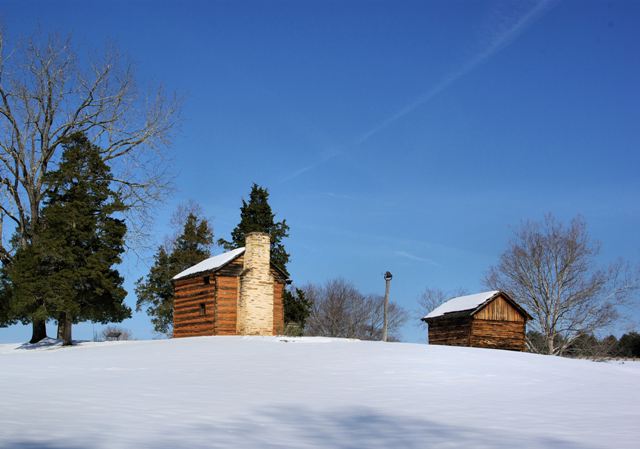
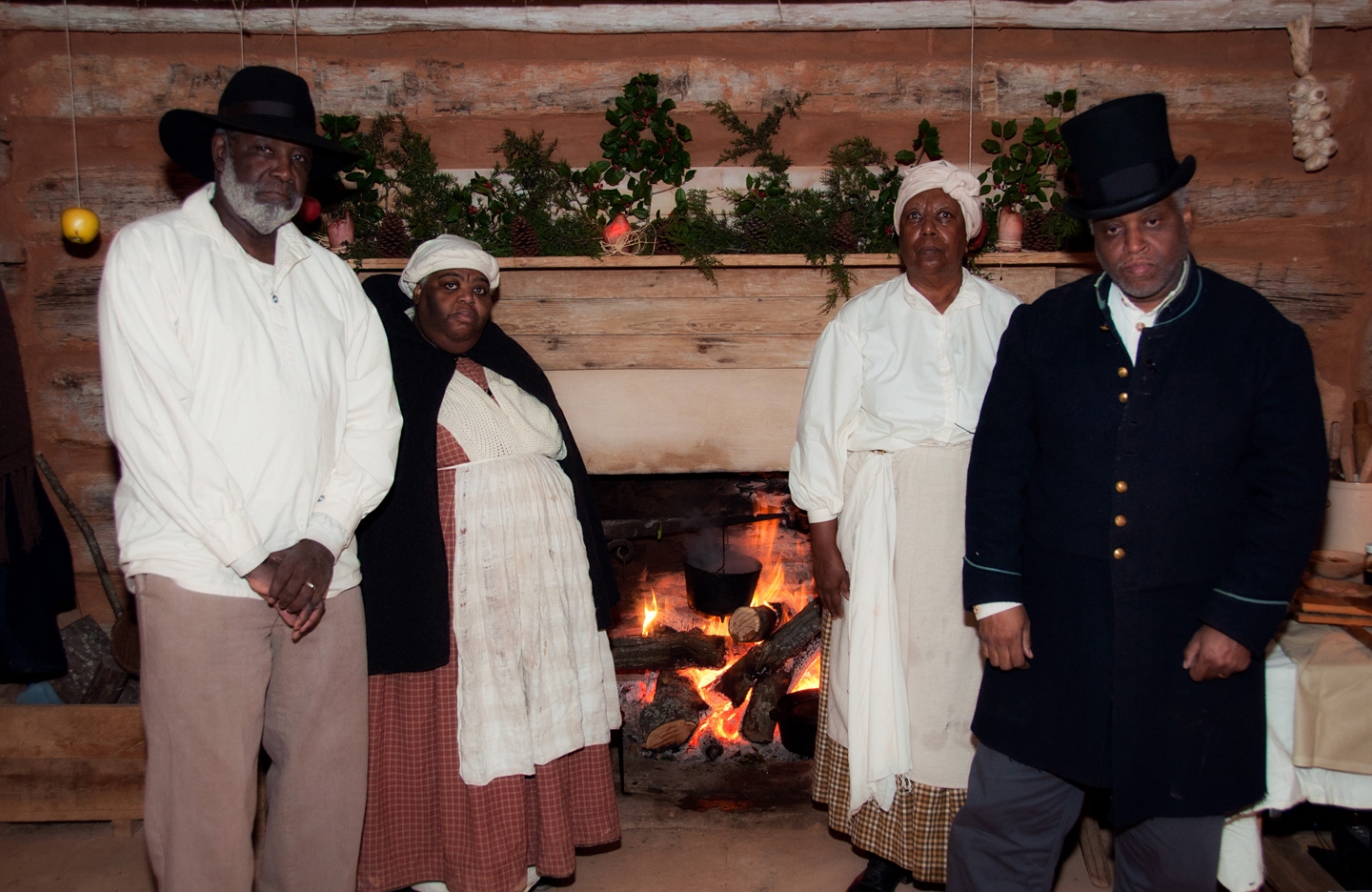
This unit functions as a focused historical preserve. A good visit begins at the Visitor Center, open Wednesday through Sunday, where exhibits and a park film chronicle Washington's life from the Burroughs farm to national prominence. Self-guided routes explore reconstructed farm buildings, illustrating antebellum agriculture. For full immersion, consult the schedule for living history and reenactment programming, which features demonstrators of period crafts and daily farm life. Guided tours offer interpretive depth beyond static signage. The Junior Ranger program supports family visits. Picnic facilities encourage extended stays. Admission is free. This site delivers a concentrated historical experience; those uninterested in its specific focus will find limited appeal.
Best for
This destination is genuinely rewarding for history enthusiasts, educators, families with school-age children, and those tracing African American heritage sites in the South. It is less suited to visitors seeking strenuous outdoor recreation; the hiking here is light and secondary to the cultural mission. Casual sightseers should look elsewhere.
Best season
This site offers its fullest interpretive depth from Wednesday through Sunday, particularly in summer when the living history and demonstration schedule is most active. Those seeking comfortable walking temperatures for the outdoor farm grounds should plan for spring or fall. Summer's full calendar is appealing, but midday Virginia humidity can be a considerable factor. The Visitor Center maintains a year-round Monday and Tuesday closure; adjust travel plans accordingly. Always contact the park directly for conditions during winter or inclement weather before visiting.
The high points
- Living history reenactments and craft demonstrations rooted in 1850s Virginia farm life
- Museum exhibits tracing Washington's journey from slavery to national influence
- Park film providing essential biographical and historical context before the grounds tour
- Self-guided walking tour through reconstructed antebellum farm structures
- Guided tours that add interpretive depth beyond the signage
- Junior Ranger program making the visit structured and engaging for kids
Know before you go
Free admission is a welcome feature, but the limited visitor center hours warrant attention. Operating Wednesday through Sunday, 10 am to 4 pm, means film screenings, exhibits, and guided tours are unavailable for Monday and Tuesday arrivals. Grounds and restrooms maintain more consistent accessibility, open daily from 9 am to 5 pm. Bad weather may impact programming and access; confirm status by calling 540-682-0173. Plan your visit carefully to align with available amenities.
One more thingConsult the park's event calendar before a visit. Scheduled demonstrations and living history days offer a richer experience than a self-guided walk. These dates are not consistently predictable from standard hours listings.