Black Hills Back Country Byway: our verdict
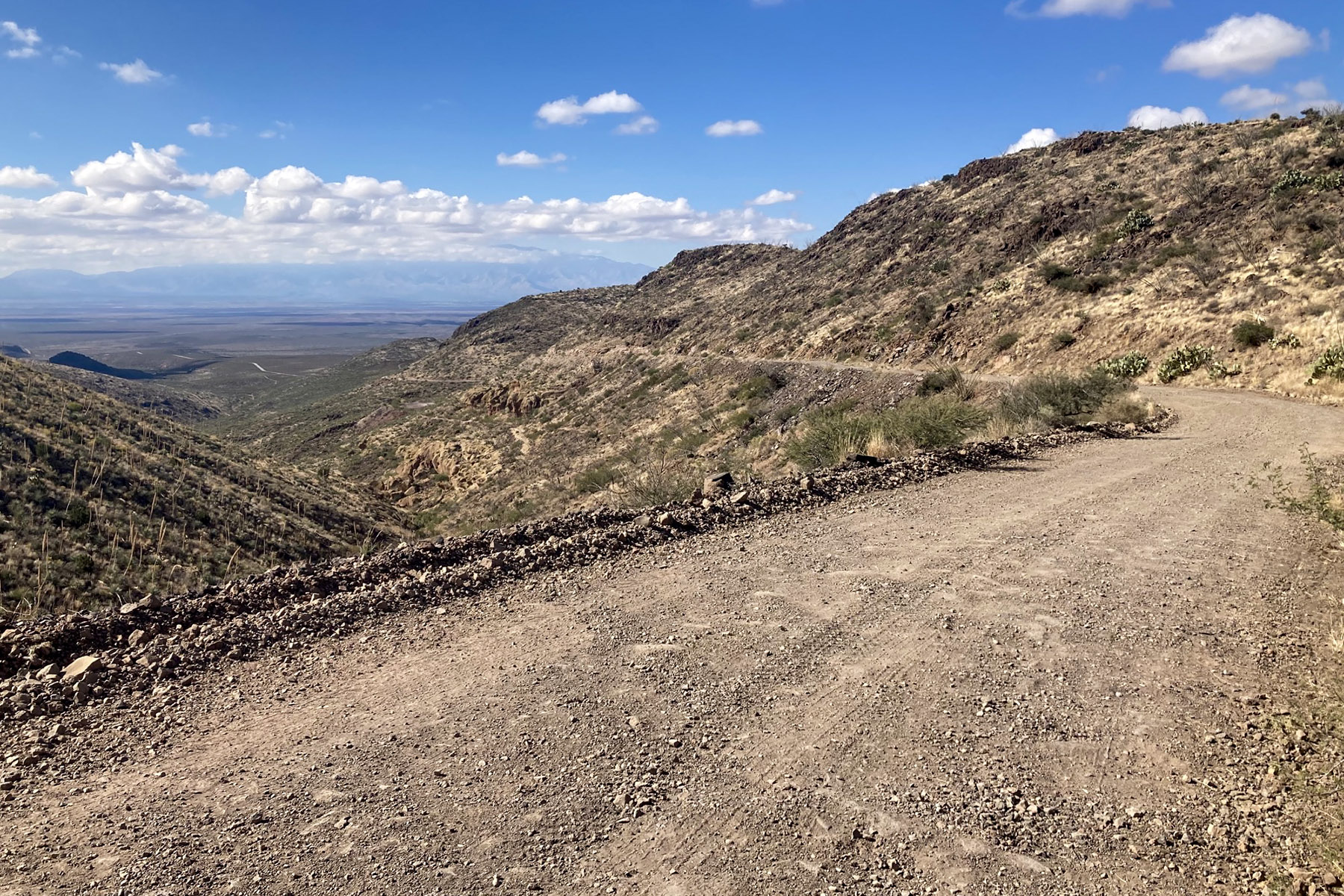
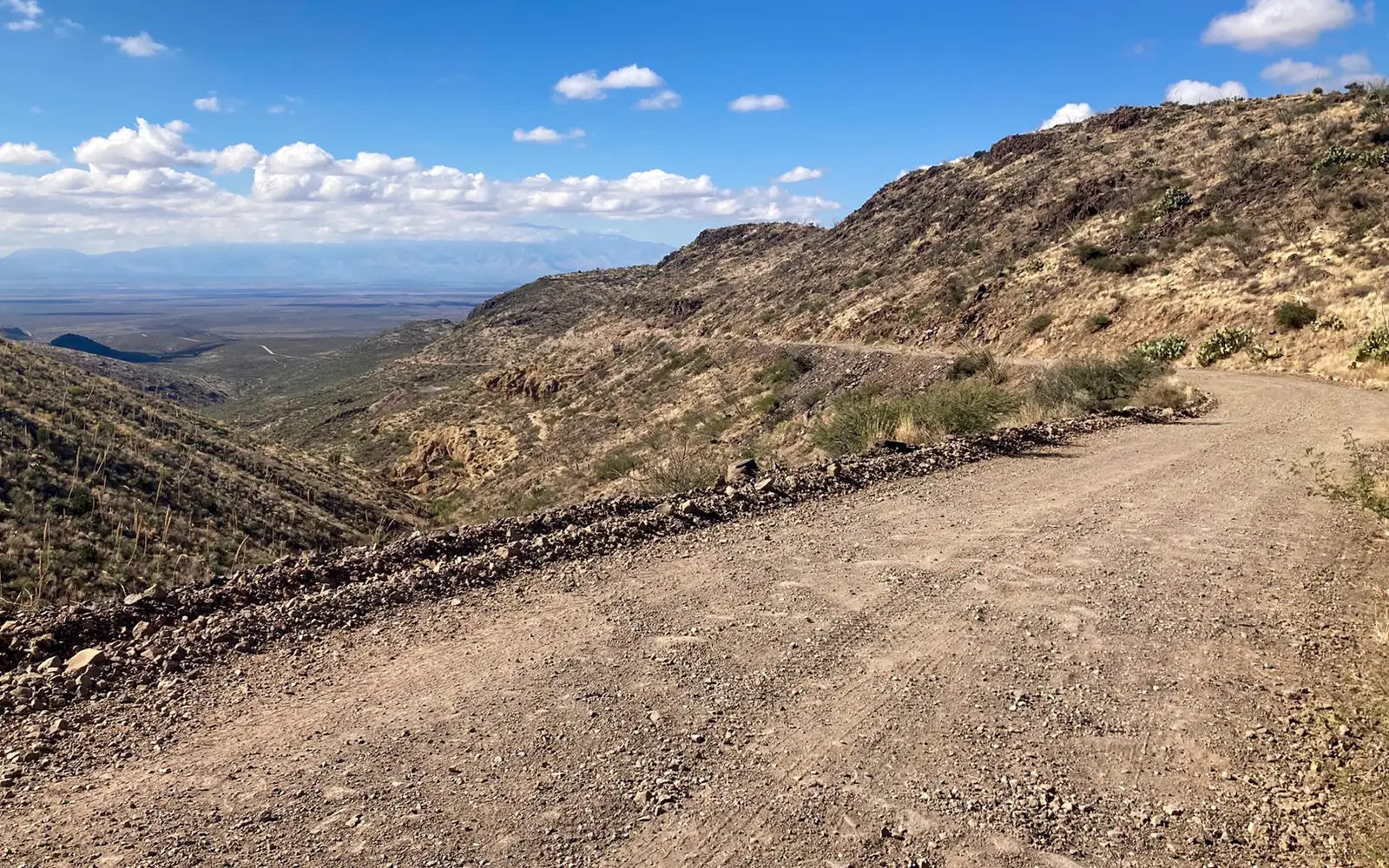
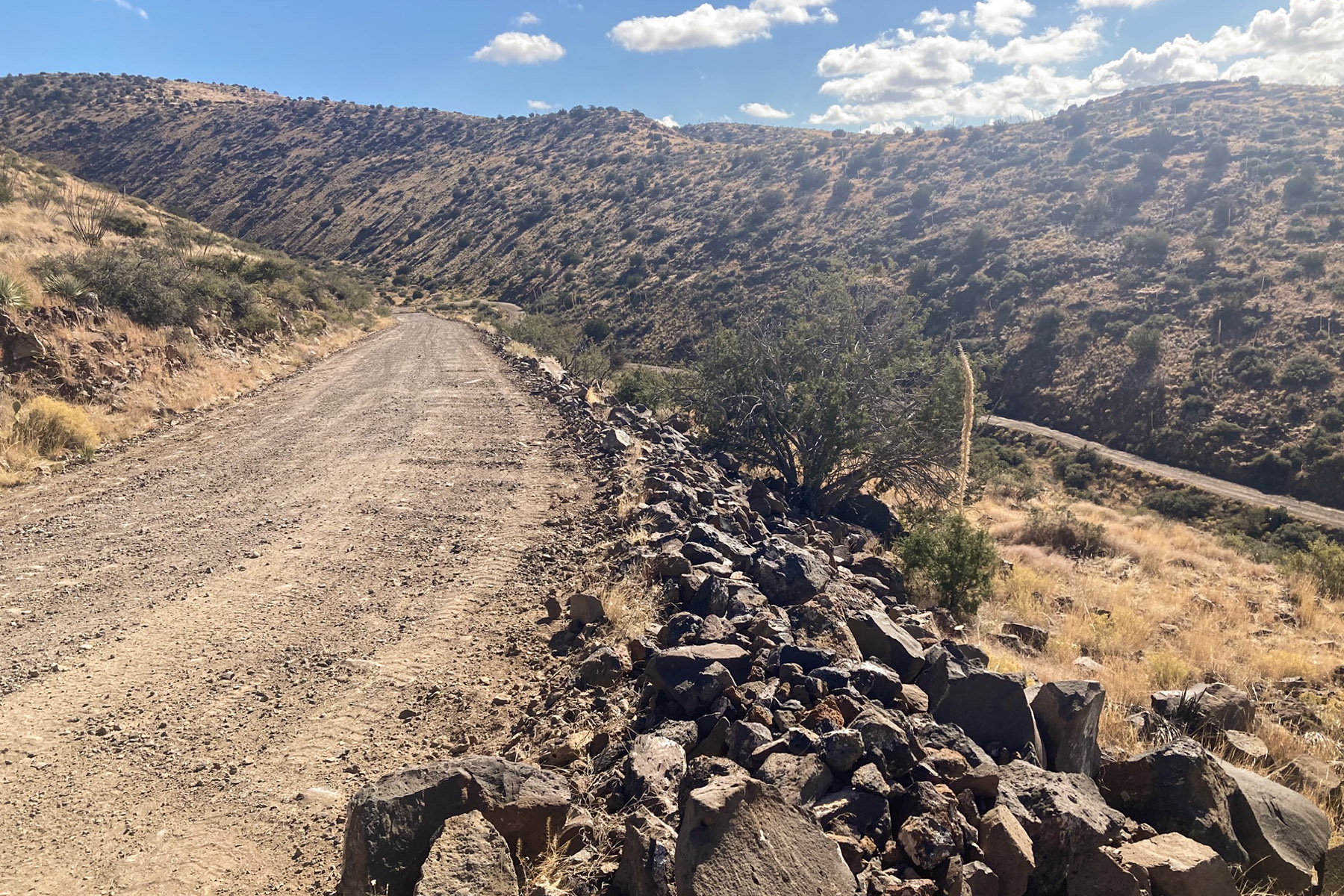
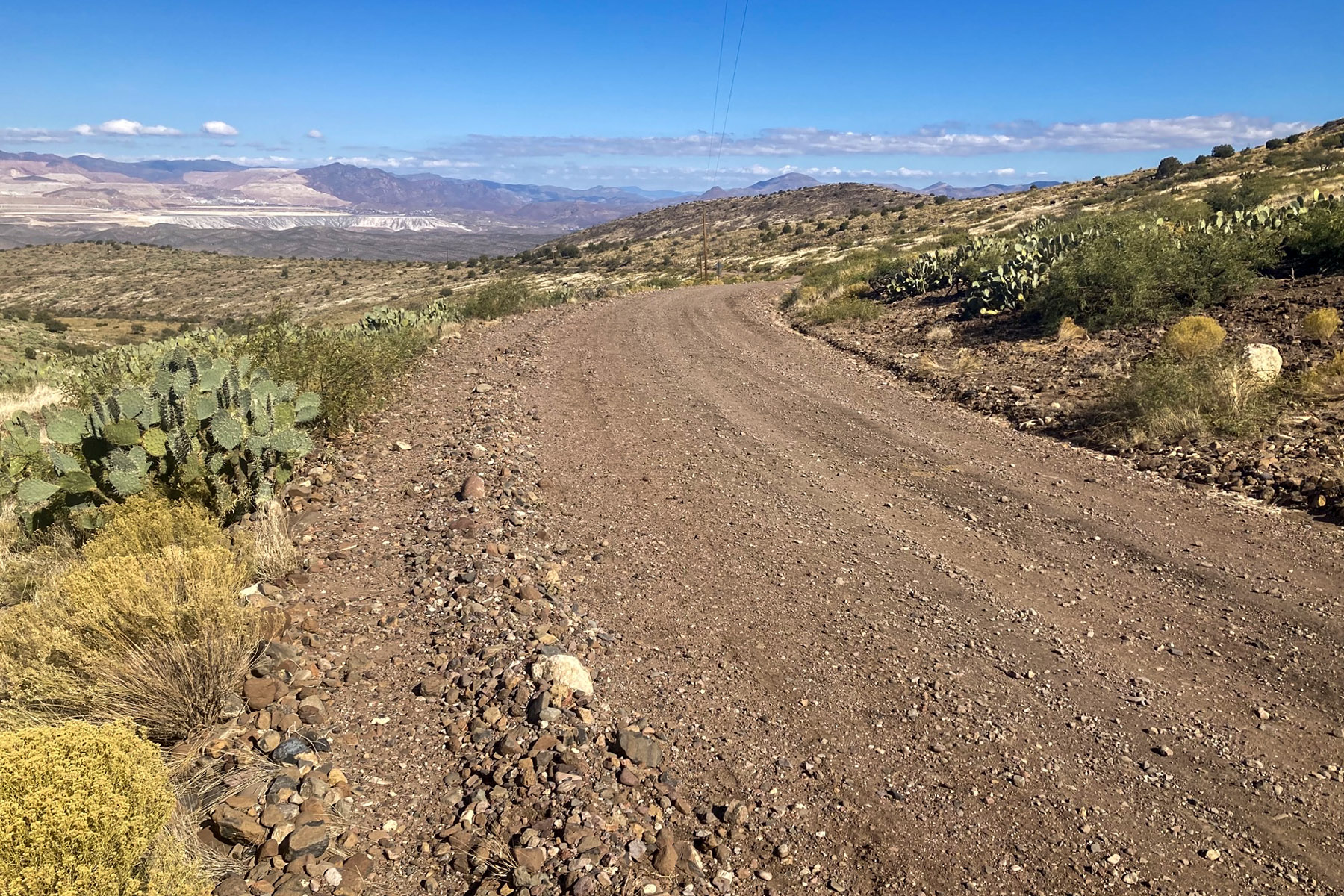
The Black Hills Back Country Byway offers a 21-mile unpaved journey through western Arizona.
This scenic corridor emphasizes solitude, rugged desert, and frontier history over developed amenities. No visitor centers or interpretive signs are present. Instead, visitors find a remote drive, remnants of mining operations, and dark skies ideal for stargazing. Primitive camping and day-use areas are available. With an experience score of 86, the byway supports hiking, rockhounding, stargazing, hunting, and historic exploration. This destination suits self-directed outdoor travelers. A high-clearance vehicle is essential. Plan accordingly.
Why visit
This 21-mile Black Hills Back Country Byway loop rewards visitors ready for an unpaved adventure. A high-clearance vehicle is essential. The route provides access to dispersed 19th-century mining remnants, offering authentic, untamed history. Rockhounds can freely explore the landscape. Primitive camping areas allow for extended stays, taking advantage of Arizona's clear desert skies for stargazing. OHV enthusiasts will find a network of primitive side roads for additional exploration. This byway offers a rugged, self-guided experience for those seeking isolation and undeveloped historical access.
Who it suits
This park caters to a specific, adventurous visitor. High-clearance vehicles are a must; standard sedans will struggle. It's ideal for OHV enthusiasts, rockhounds, and those drawn to frontier mining history. The uncrowded setting offers exceptional dark-sky stargazing. Casual visitors seeking accessible facilities or ranger-led programs should look elsewhere.
Timing your visit
Optimal visits occur in fall and spring, when moderate desert temperatures prevail. The unpaved access road is also less prone to compromise from summer monsoons or winter mud. While summer visits are possible, extreme heat makes extended hiking or rockhounding difficult. Winter nights bring cold temperatures, but also exceptional stargazing.
What stands out
- A full 21-mile unpaved backcountry drive accessible to high-clearance two-wheel-drive vehicles
- Remnants of historic 19th-century mining operations visible along the route
- Primitive camping with access to some of Arizona's darkest and most open night skies
- Documented rockhounding opportunities in open desert terrain
- OHV access on primitive side roads branching off the main byway
- Free entry with no reservation system - genuine off-the-beaten-path access
Good to know
The absence of an entrance fee belies the practical cost of access. A high-clearance vehicle is mandatory; standard passenger cars cannot pass. Two-wheel drive is otherwise sufficient. This is a unit for the prepared. Visitors must arrive with all necessary water, food, and fuel, as no services exist along the byway. Cell service is unreliable or absent entirely. Always check road conditions following any rain. Casual sightseers should look elsewhere.
Insider tipOvernight stays are essential. The byway's true value emerges after sunset, offering solitude and exceptional dark skies. These qualities vanish for day visitors.