parkverdict
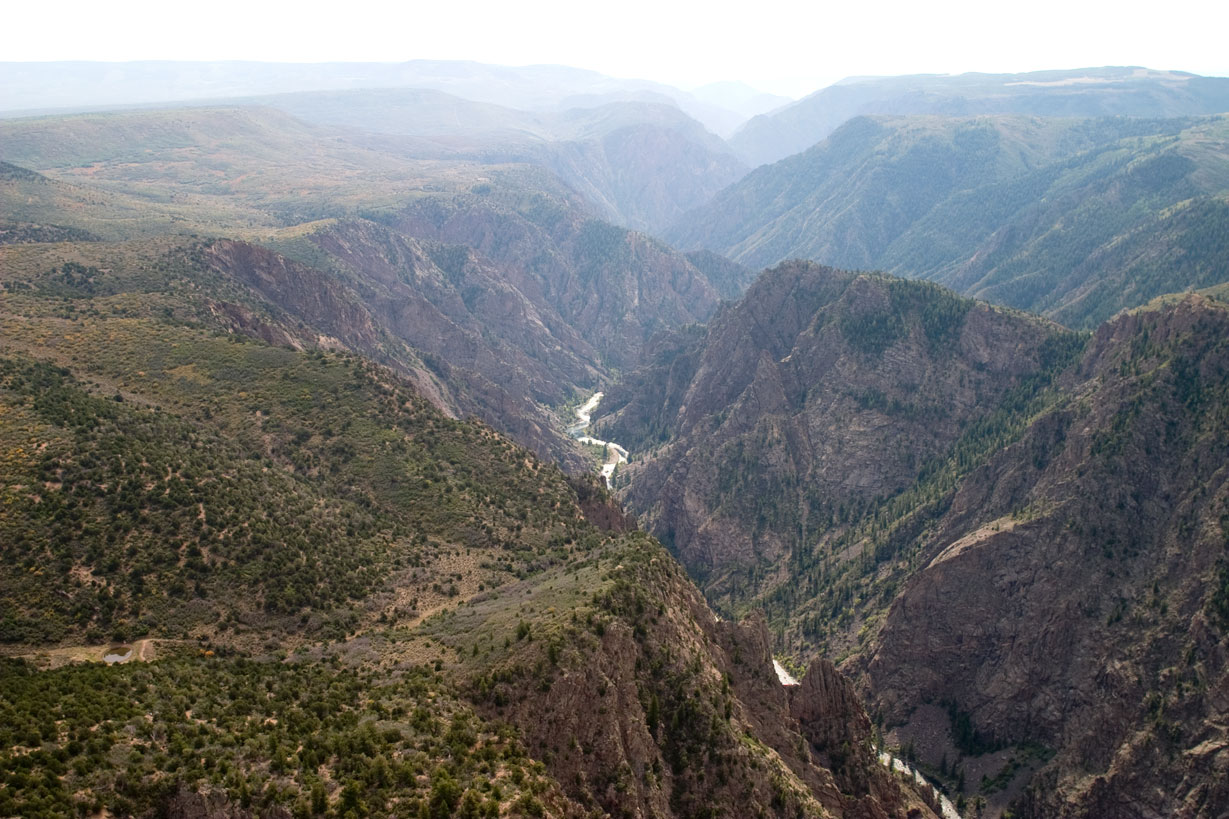
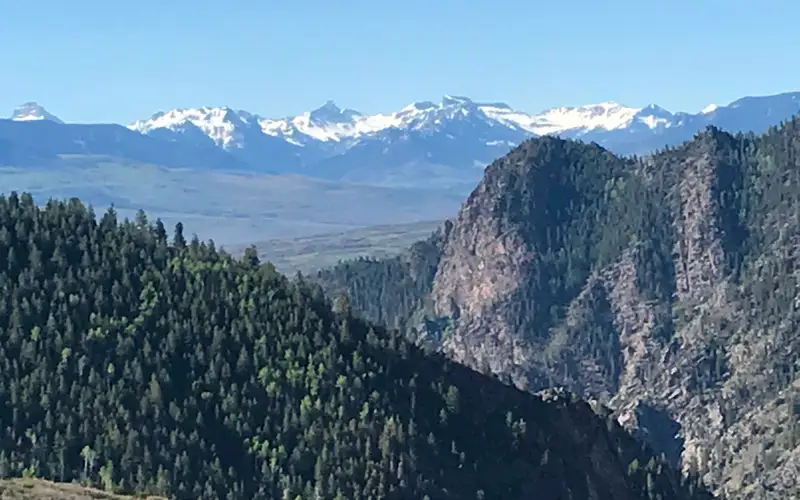
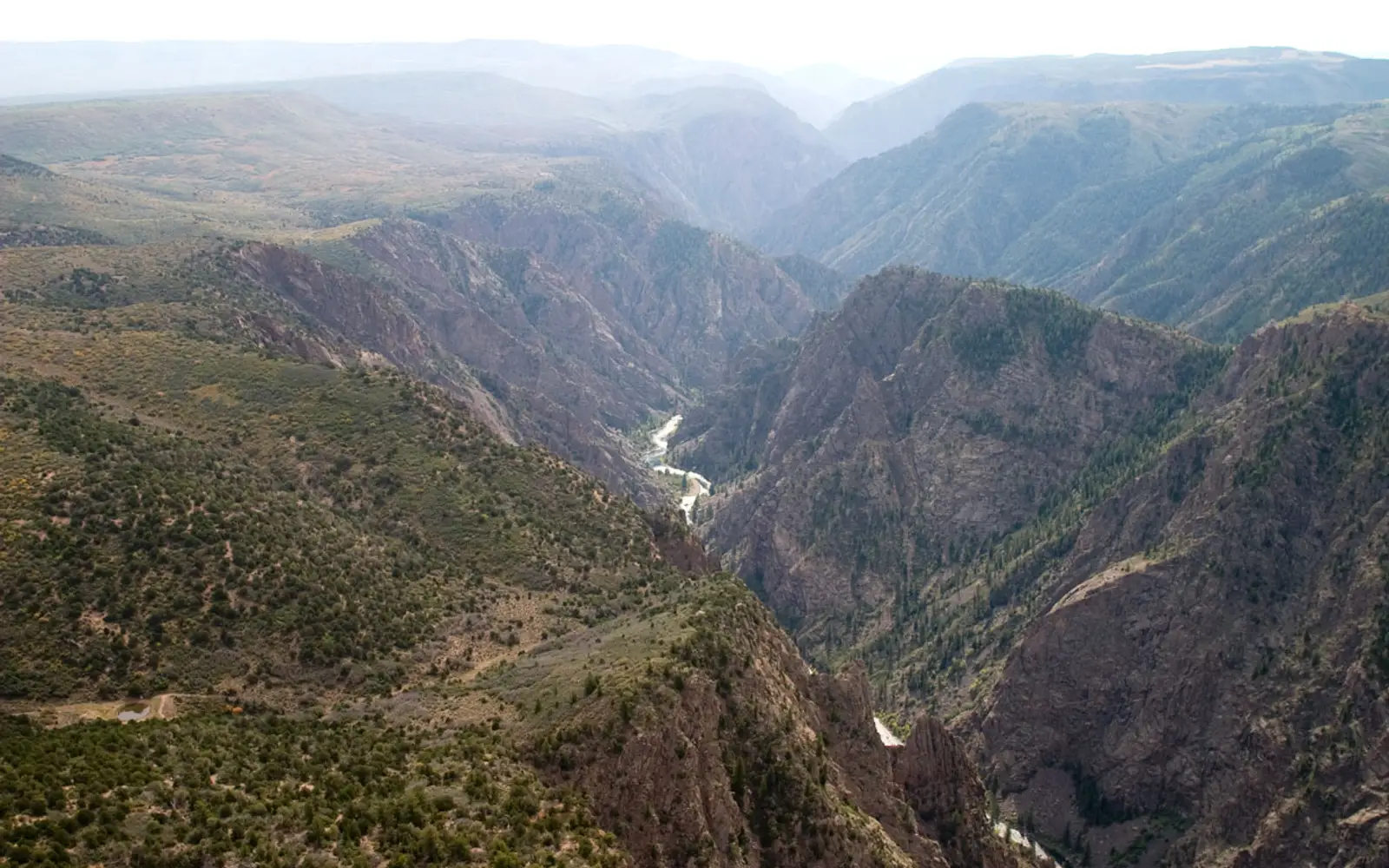
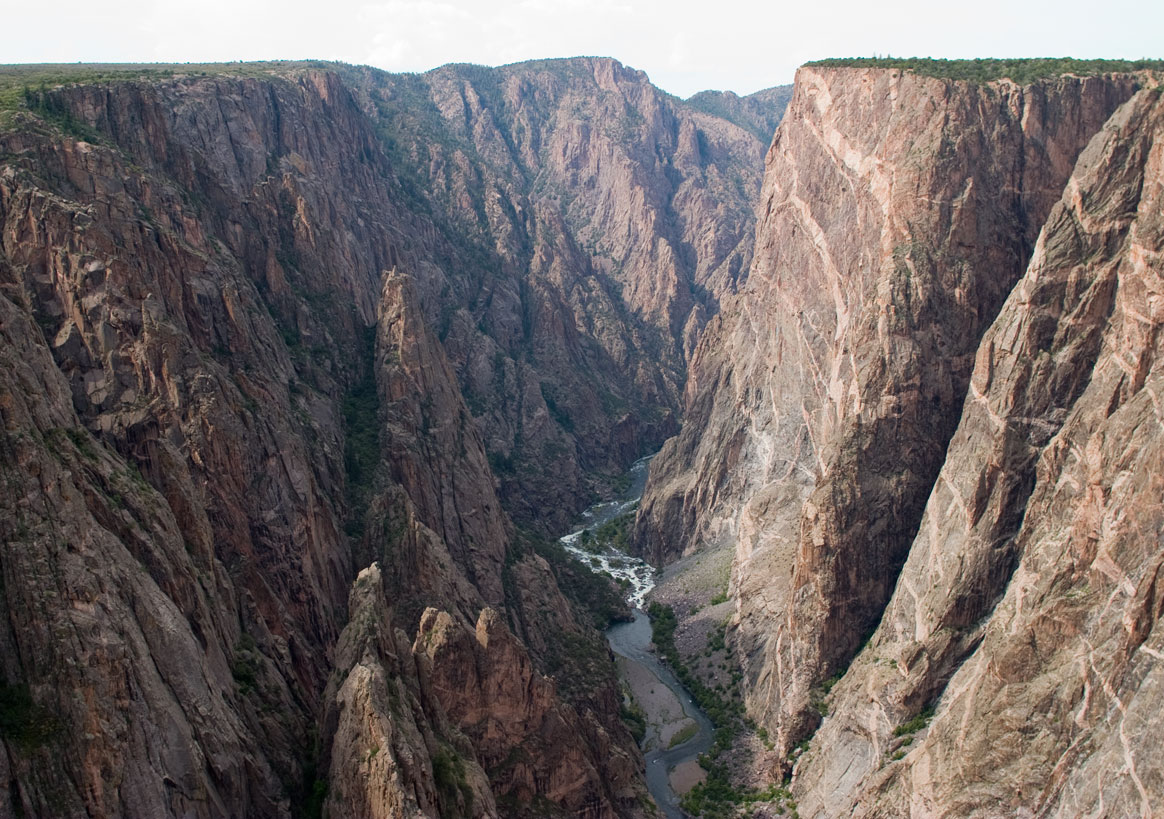
Black Canyon near Tomichi PointBlack Canyon near Painted Wall
National ParkCO

Black Canyon Of The Gunnison National Park

NPS / NPS Photo/Lynch
82/ 100WIDE RANGE
parkverdict Experience ScoreIndependent, not sponsored

82 of 100. Our independent breadth-and-access index. How we score

Worth it?

Is Black Canyon Of The Gunnison National Park worth it?

Few national parks in the American West match Black Canyon of the Gunnison for sheer geological drama, and fewer still fly this far under the radar.

The Gunnison River has spent millions of years carving a gorge so narrow and deep that some sections get less than 30 minutes of direct sunlight per day, with Precambrian rock walls dropping nearly 2,700 feet in places. There are no paved loops here, no gift-shop scenery. The park is built for people who want real exposure to geological extremes, serious hiking, technical climbing, and some of the darkest skies in Colorado. The South Rim stays open 24 hours, which makes it a genuine destination for stargazers rather than a checkbox stop. At $15 entry and an Experience Score of 82, it delivers well above what that price and its relative obscurity would suggest. Active, independent travelers will get the most out of it. Casual sightseers tend to find the rim views striking but move through quickly. Anyone willing to descend into the canyon itself tends to carry it with them for a long time afterward.

The case for it

A good day begins on the South Rim at sunrise, when low-angle light rakes the canyon walls and the colors move from gray to rust to gold. No technical skill required to walk the rim, just a willingness to keep pulling over at overlooks and staring straight down. Below, the Gold Medal stretch of the Gunnison River brings in fly anglers hunting trophy brown and rainbow trout. Climbers show up specifically for the Painted Wall, the tallest cliff face in Colorado. Once it gets dark, the park's Dark Sky designation puts it among the better spots in the Rockies for naked-eye stargazing. In winter, the South Rim road stays partially open, which leaves room for cross-country skiing and snowshoeing along the canyon edge. That combination of scenery and quiet is genuinely hard to come by anywhere else.

Who it is for

Hikers, fly fishers, rock climbers, and serious stargazers will feel right at home. Families with older kids who can handle exposed trails tend to leave with strong memories of the place. If you prefer flat, paved paths with interpretive signage at every turn, though, the park can feel a little thin, and Yellowstone or Rocky Mountain National Park will probably serve you better.

Best time to visit

Late May through early October is your best window for trail access and comfortable conditions on the rim. Summer days can reach 90F, but nights cool down into the 50s. July and August bring afternoon thunderstorms most days, so starting early matters. Fall temperatures drop and the crowds thin out noticeably. Winter closes some roads, but that trade-off comes with cross-country skiing, snowshoeing, and a park that feels almost entirely yours.

Worth seeing

  • Rim overlooks revealing one of the deepest, narrowest canyons in North America
  • Gold Medal fly fishing on the Gunnison River below the canyon walls
  • Technical rock climbing on the Painted Wall, Colorado's tallest cliff face
  • Designated Dark Sky stargazing and ranger-led astronomy programs
  • Winter cross-country skiing and snowshoeing along the South Rim
  • Backcountry hiking and camping descending into the inner canyon via steep, unmaintained routes

Before you visit

Entrance is $15 per vehicle. The South Rim is open 24 hours and has a campground suitable for tents and RVs. Cell service is unreliable inside the park. Inner canyon backcountry routes are steep, unmarked, and require a free permit, so plan these in advance rather than deciding at the trailhead.

Our tipIf stargazing is important to you, camp on the South Rim instead of driving back from Montrose at night. The canyon's depth and the park's low light pollution make for a far better sky than anything near town, and a 20-mile round trip after dark throws away both of those advantages.

How we scored it

Why Black Canyon Of The Gunnison National Park scores 82

We keep the math boring on purpose. The same handful of public-data inputs, capped so none of them dominates, decide every score. What they measure is breadth and access, not beauty and not crowd levels. For Black Canyon Of The Gunnison National Park, they shook out like this:

  • Activity breadth26 documented activities
  • Topic breadth18 topics
  • Official imagery2 public-domain images
  • Camping on sitedocumented
  • Entry cost$15

No number is hand-adjusted and no unit pays for placement. The full weights, the floor at 18 and a worked example are on how we score.

The honest limits

What the score cannot tell you

A quick honest note. The score tracks how much a place has going on and how easy it is to reach, both pulled from public records. What it cannot see is the stuff that often makes or breaks a day: whether the views stop you cold, how packed it gets in season, what the trails are like after rain, or whether you catch a great ranger talk. A small, single-focus site can land below a sprawling park here and still be the better call for your trip. Use the number to compare what places offer on paper, and the verdict up top to tell if it is your kind of place.

Background

The short version

Some canyons look impressive from a highway pullout and leave it at that. This one stays with you. The cliffs rank among the steepest in North America, the rock among the oldest, and the spires are as craggy as anything on the continent. Over two million years, the Gunnison River cut this place down to its bones, leaving behind sheer walls, rushing water, and open sky.

On documented breadth and access, Black Canyon Of The Gunnison National Park ranks 8th of 22 park and public-land units we score in Colorado.

What the seasons are like

Today's Weather: http://www.weather.com/weather/today/l/NPBLCA:13:US CLIMATE Weather shifts considerably throughout the day. Summer daytime temperatures run between 55 and 90F (13 to 32C), with nights cooling to 45 to 60F (7 to 16C). In winter, daytime highs reach 15 to 40F (-9 to 4C), and nights drop to 10 to 20F (-12 to -6C). Thunderstorms show up most afternoons during summer.

What you can do

Activities

AstronomyStargazingCampingBackcountry CampingCar or Front Country CampingRV CampingClimbingRock ClimbingFishingFly FishingHikingBackcountry HikingFront-Country HikingHorse TrekkingHorseback RidingPaddlingKayakingJunior Ranger Program
Common questions

Black Canyon Of The Gunnison National Park: quick answers

Is Black Canyon Of The Gunnison National Park worth visiting?

Few national parks in the American West match Black Canyon of the Gunnison for sheer geological drama, and fewer still fly this far under the radar.

Is Black Canyon Of The Gunnison National Park free to visit?

Not free. Getting in runs about $15.

What is Black Canyon Of The Gunnison National Park best for?

It leans hardest toward stargazing, hiking, camping, good with kids, going by the 26 activities it actually documents.

When is the best time to visit Black Canyon Of The Gunnison National Park?

Late May through early October is your best window for trail access and comfortable conditions on the rim.

How is the Experience Score for Black Canyon Of The Gunnison National Park calculated?

The 82 comes straight from public data on how much the place documents and how easy it is to reach, things like activities, topics, photos, camping and whether entry is free. It says nothing about scenery or how busy it gets.