Big Stone National Wildlife Refuge: our verdict
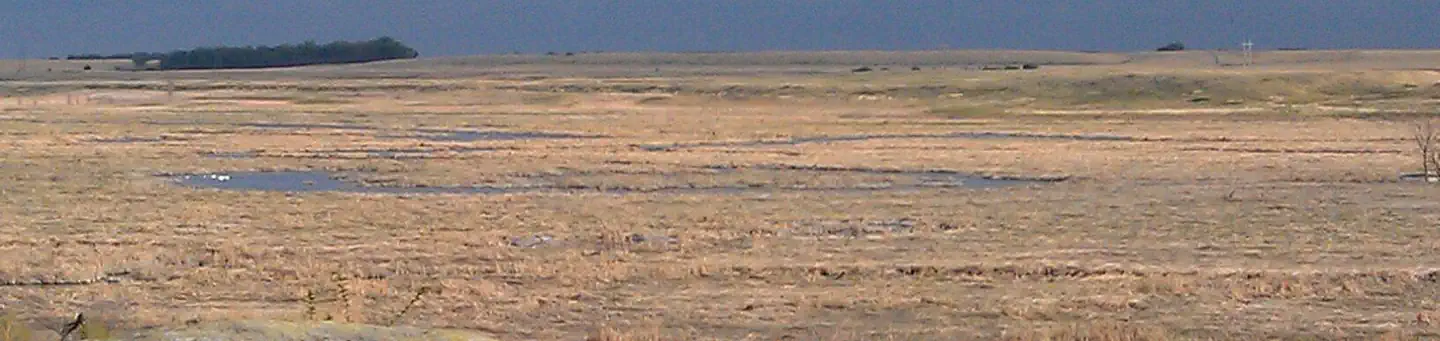
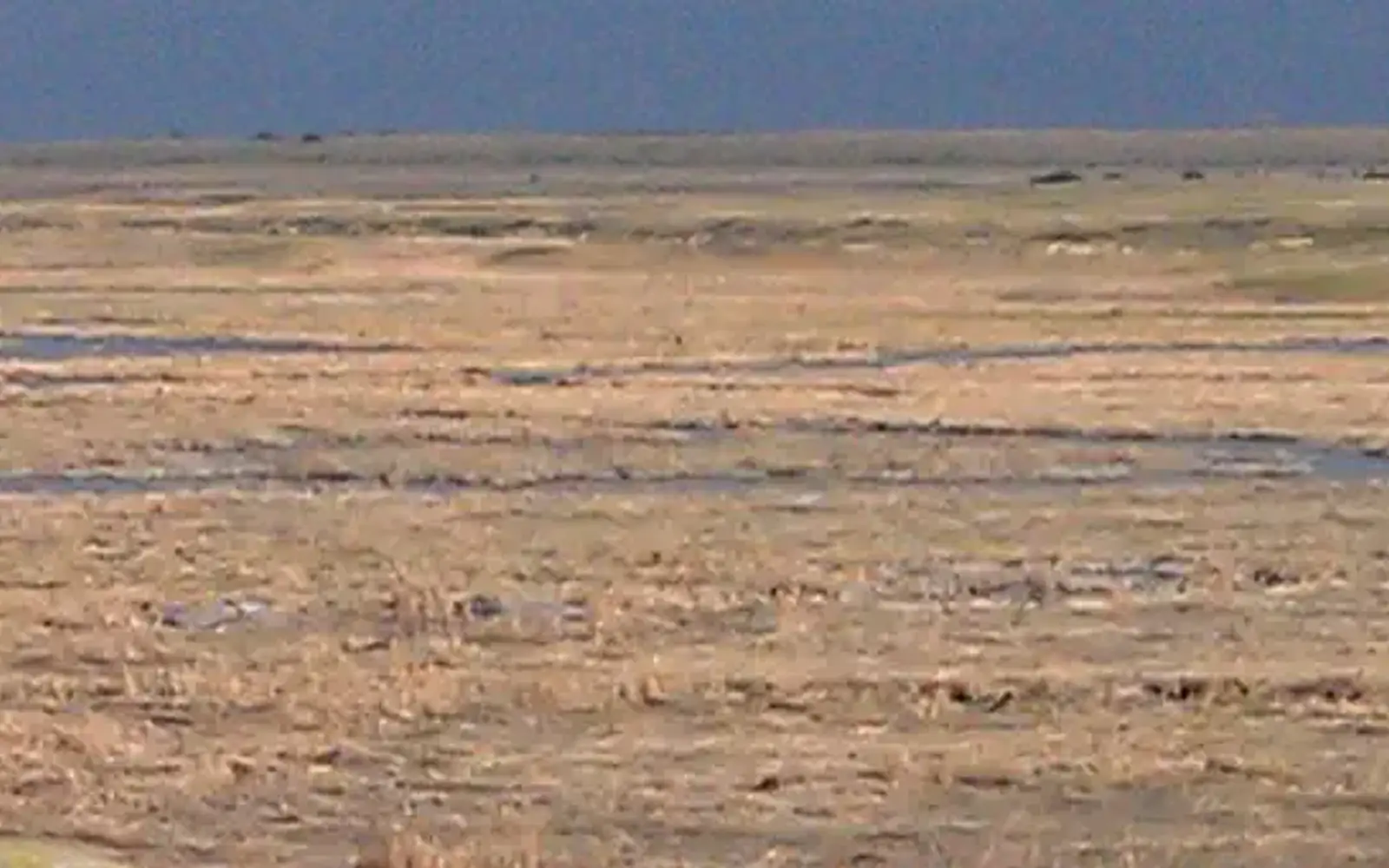
Big Stone National Wildlife Refuge is a 11,586-acre wetland and grassland complex straddling Big Stone and Lac qui Parle counties in far western Minnesota, built around the confluence of the Minnesota River and the redirected Whetstone River.
This is fundamentally a working wildlife refuge, engineered for migratory bird habitat and flood control, and it delivers on that original mission in ways that reward patient naturalists. The experience here is quiet, unhurried, and genuinely wild-feeling without being remote or difficult to access. Auto touring routes, non-motorized boating, and a trail network give visitors multiple ways to engage the wetlands and grasslands. Free entry and a solid four-season activity list push the score up, but this is not a destination with dramatic scenery or iconic landmarks. It earns its visit from birders, hunters, anglers, and anyone who finds deep satisfaction in a well-managed migratory flyway refuge.
Why visit
A good day at Big Stone looks like this: drive the auto tour route in the early morning when waterfowl are most active on the impoundments, then launch a canoe or kayak onto the water units to get closer to nesting and staging birds than you ever could on foot. Anglers find fishing opportunities in the refuge waters, and the trail system opens the grassland and wetland edges to hikers, birders, and photographers chasing shorebirds, ducks, and grassland songbirds. In winter, those same trails convert to cross-country skiing and snowshoeing routes through a landscape that feels genuinely remote. The refuge sits along the Central Flyway, so spring and fall migration windows can produce impressive concentrations of waterfowl and shorebirds that justify the drive from anywhere in the Upper Midwest.
Who it suits
Big Stone offers unique appeal for specific visitors. Birders, waterfowl hunters, anglers, and wildlife photographers will find rich opportunities. Families comfortable with independent outdoor exploration will also enjoy it. Cyclists benefit from low-traffic scenic routes. However, those expecting interpretive centers, concessions, or dramatic landscapes will be disappointed. This refuge rewards quiet observation and self-sufficiency.
Timing your visit
For those focused on avian activity, spring migration (April to May) and fall migration (September to October) present the best opportunities to observe waterfowl and shorebirds on the Central Flyway. Summer brings nesting birds and fishing. Winter provides viable options for cross-country skiing and snowshoeing, though conditions fluctuate annually in western Minnesota. Prioritize spring and fall for wildlife viewing; avoid midsummer.
What stands out
- Auto touring route through wetland impoundments and grassland units - the backbone of a wildlife-viewing visit
- Non-motorized boating access that puts you directly into the heart of the waterfowl habitat
- Central Flyway migration corridor producing strong spring and fall waterfowl and shorebird concentrations
- Year-round trail use including cross-country skiing and snowshoeing in winter
- Free entry across all 11,586 acres with multiple documented access points
- Documented hunting and fishing opportunities managed within the refuge framework
Good to know
Entry is free. The refuge operates under the U.S. Fish and Wildlife Service, not the National Park Service. This management difference means facilities are minimal. Visitors must bring their own water, snacks, and a physical or downloaded map. Hunting seasons significantly impact access to specific units. Those primarily seeking wildlife viewing in the fall should consult the refuge's hunting schedule in advance.
Insider tipThe optimal time for an auto tour is the first hour after sunrise during spring or fall migration. Low light conditions are ideal for photography. Waterfowl actively feed on the impoundments before prairie winds increase.