Big Jacks Creek Wild and Scenic River: our verdict
Big Jacks Creek is a remote wild and scenic river corridor within the Birds of Prey National Conservation Area in southwestern Idaho.
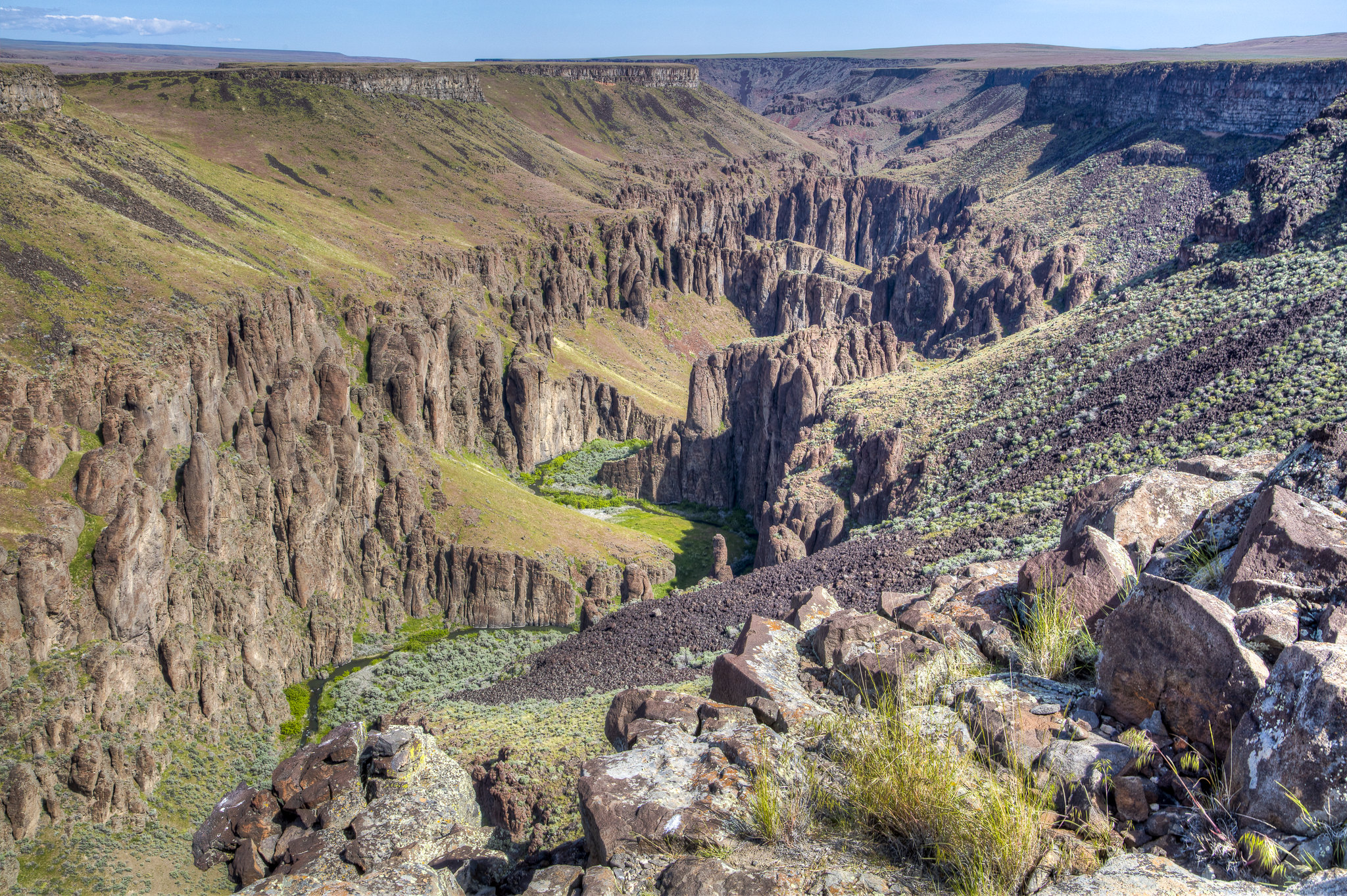
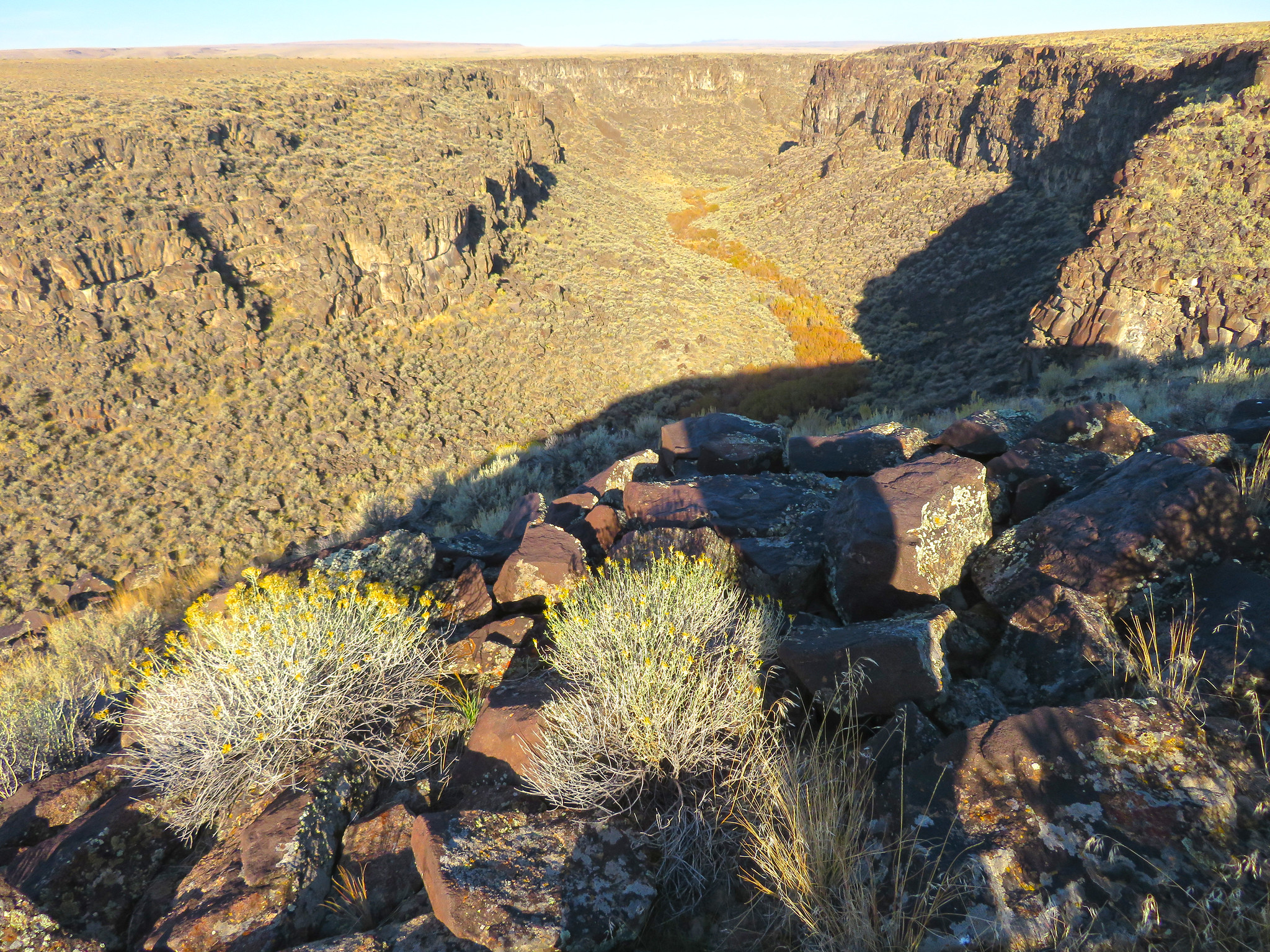
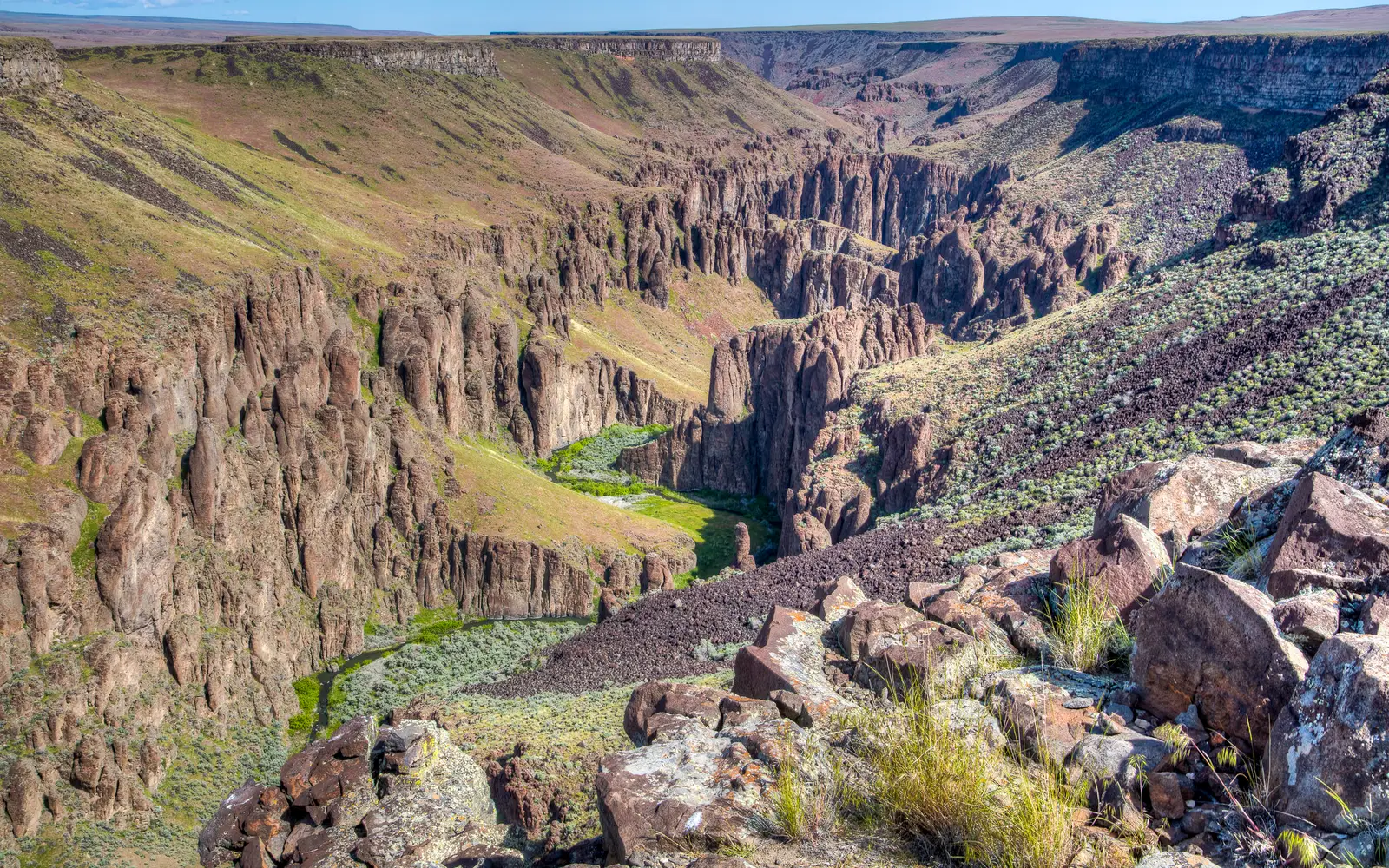
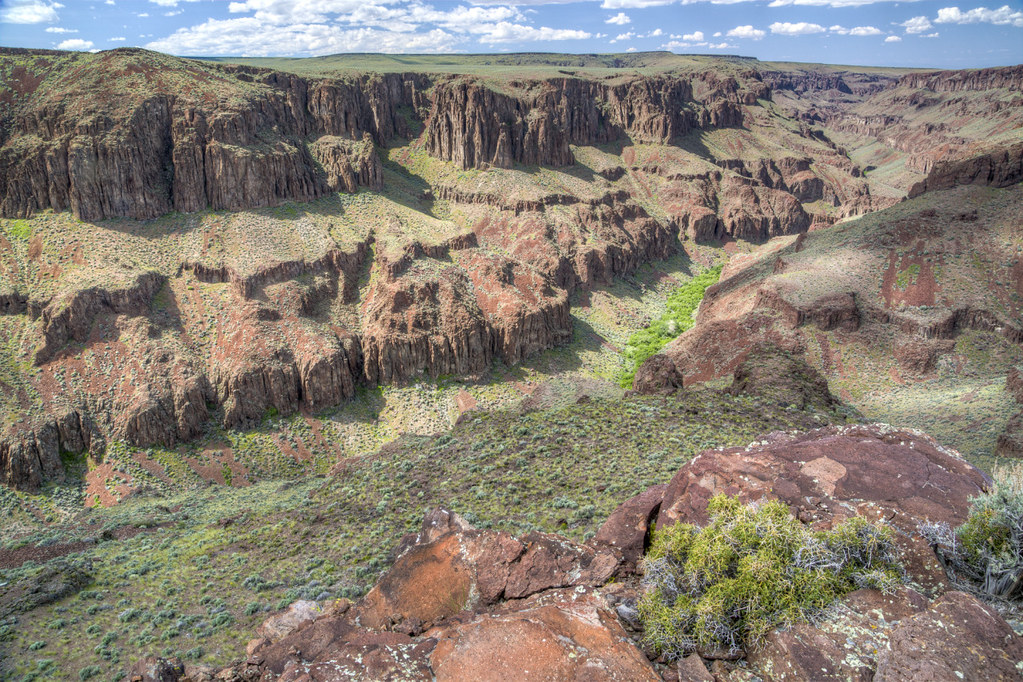
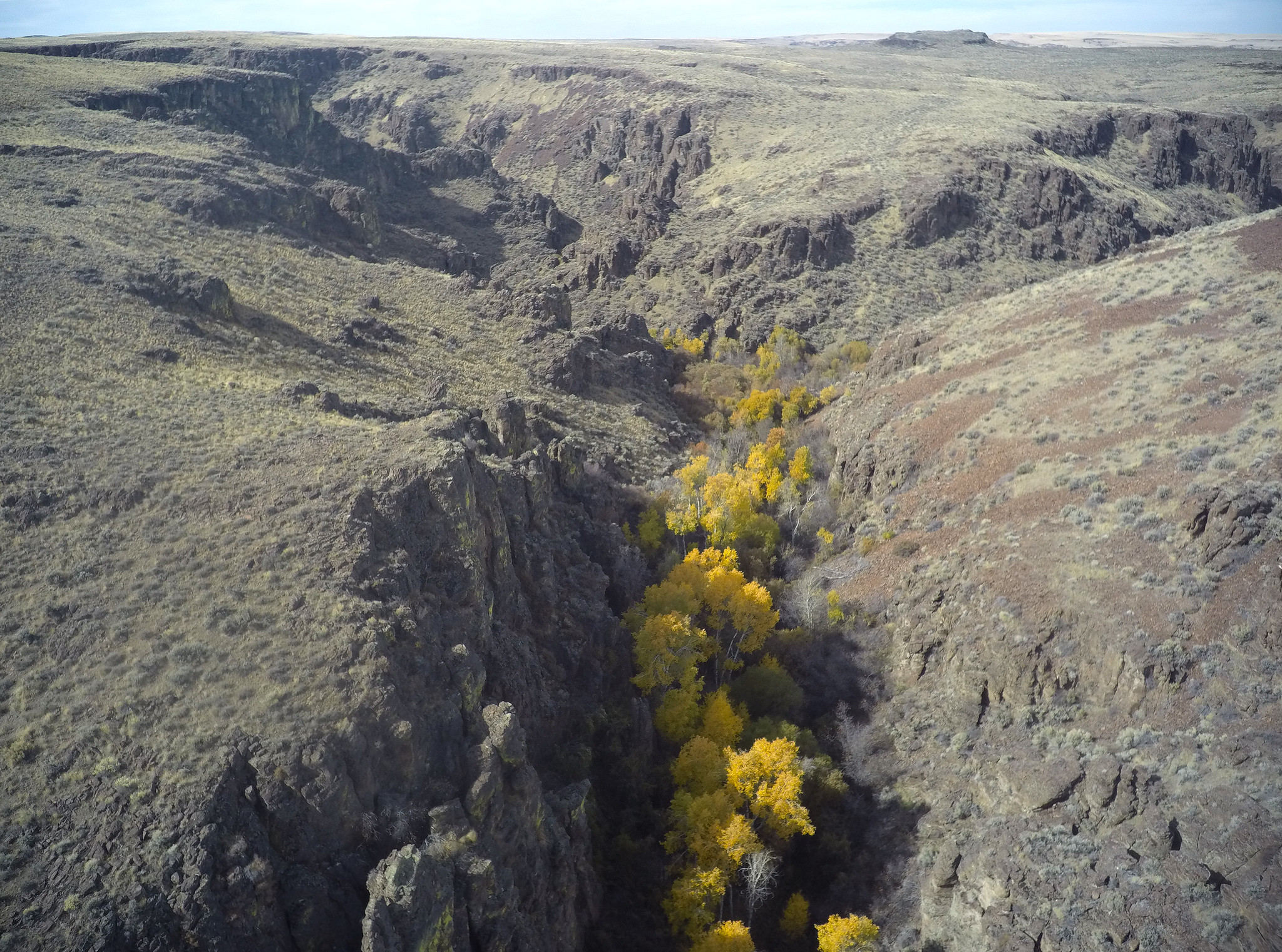
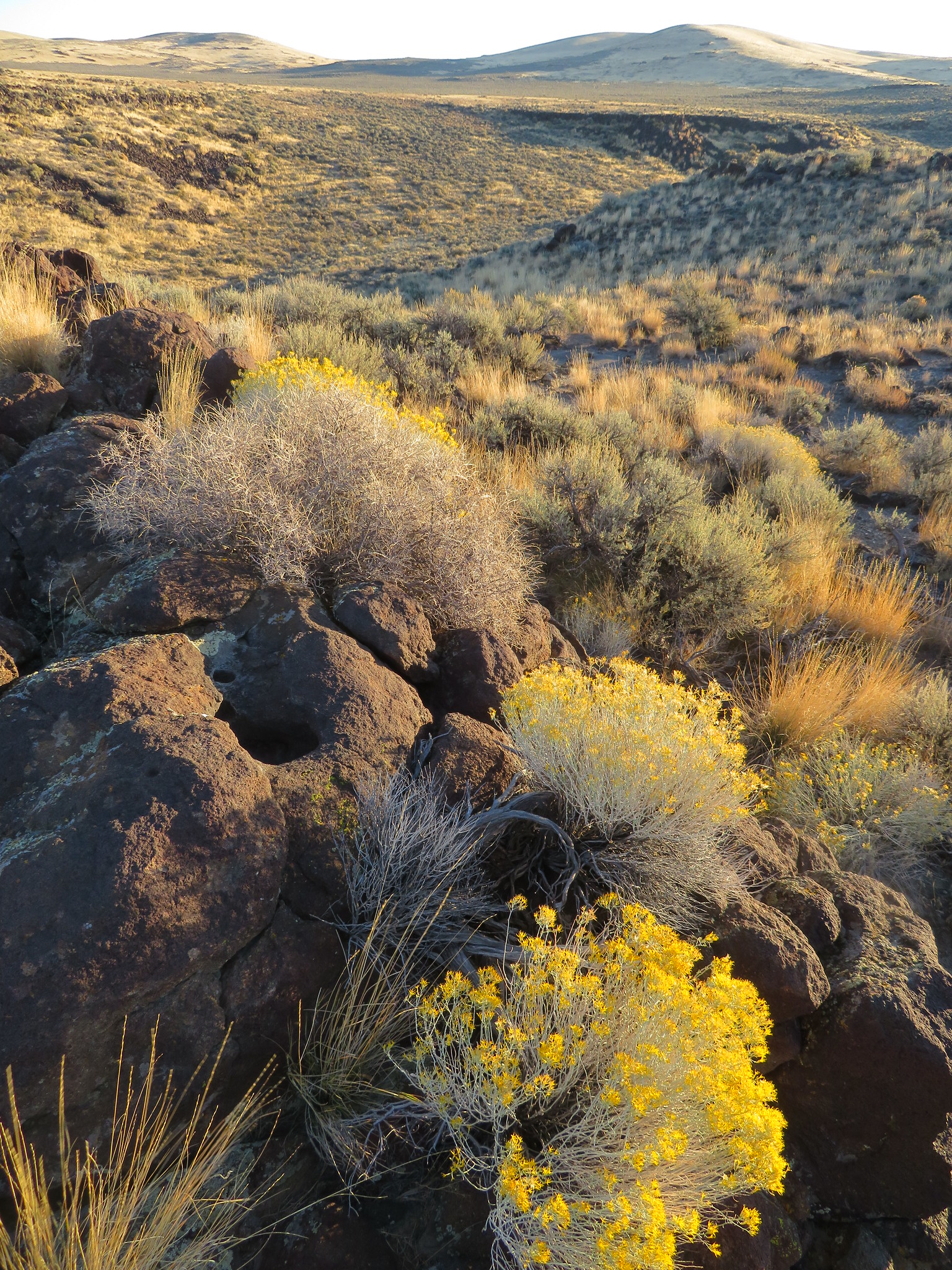
This free recreation area presents a sheer-walled canyon, a striking contrast to the surrounding sagebrush plateau. Redband trout and bighorn sheep offer compelling wildlife viewing and angling opportunities. Note that despite its "boating" designation, the NPS confirms this stretch is not floatable. Water engagement is limited to fishing and swimming. Accessing the canyon is challenging; trails are few. This is a niche, backcountry destination. It caters to self-sufficient visitors who prioritize solitude and unspoiled high-desert canyon scenery over developed amenities. Casual sightseers should look elsewhere.
Why visit
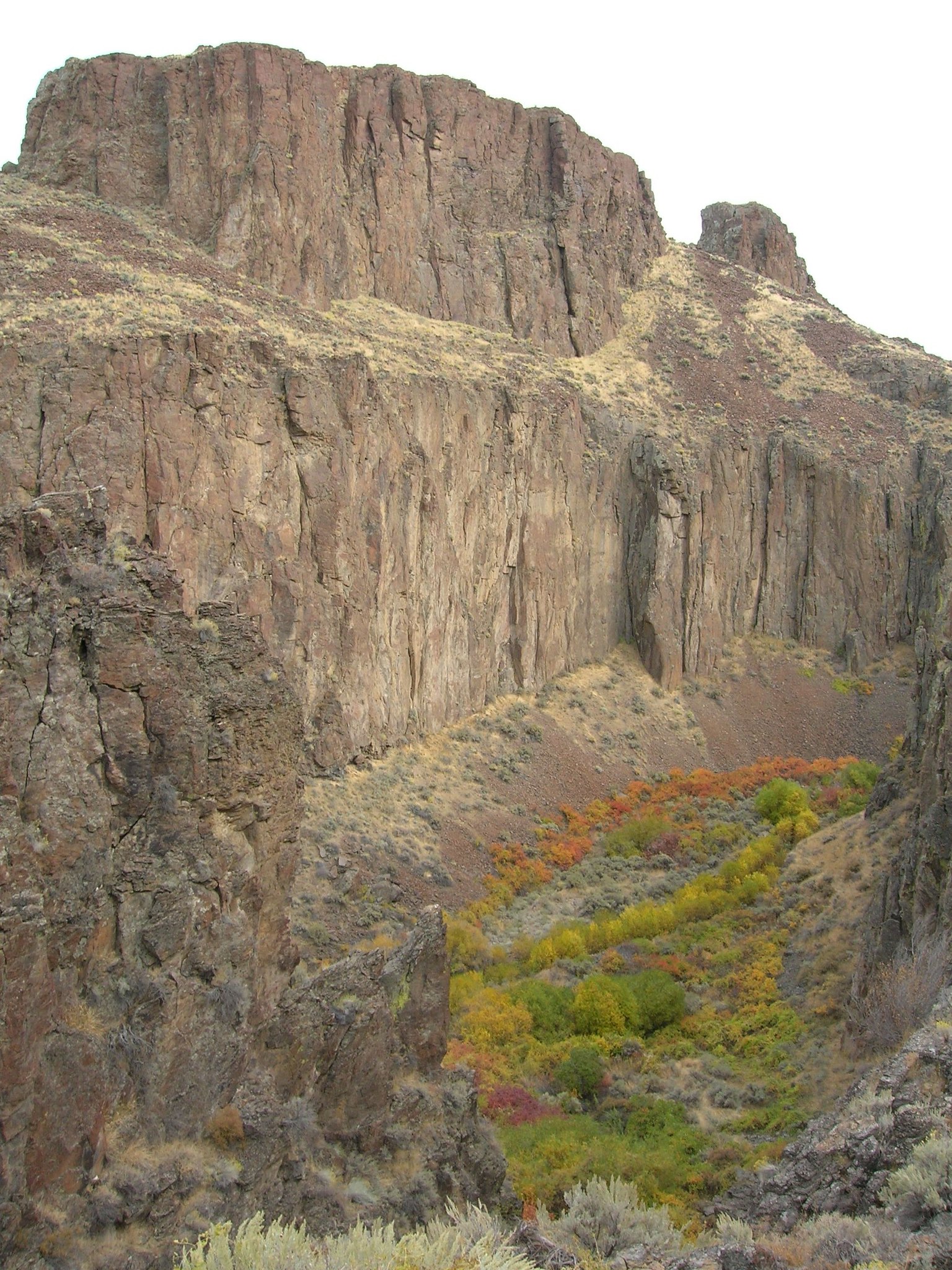
This park unit excels as a destination for the self-sufficient outdoor enthusiast. A descent into the canyon forms the core experience, revealing cooler temperatures and denser creek-side vegetation. The canyon walls rise steeply, creating a sense of immersion. Anglers will find a specific draw in fishing for native Idaho redband trout. Early mornings increase chances for wildlife viewers to spot bighorn sheep on canyon terraces. For a truly immersive experience, overnight camping provides wind-blocked sites, the sound of the creek, and exceptional night sky viewing. Seasonal hunting also occurs in the area. The combination of canyon hiking, creek access, and potential bighorn sightings offers significant appeal, despite modest trail infrastructure. Casual sightseers should look elsewhere.
Who it suits
This unit caters to a specific, self-sufficient visitor. Anglers will value the native redband trout. Backcountry campers can find canyon solitude without fees. Wildlife photographers have opportunities for bighorn sheep in dramatic landscapes. Hunters familiar with Idaho regulations will also find suitable challenges. However, those seeking developed facilities, extensive boating, or marked trails will be disappointed. Casual sightseers should look elsewhere.
Timing your visit
Optimal access runs from late spring through early fall. During this period, creek levels favor fishing, and the canyon is largely clear of snow for hiking. Summer mornings present the best wildlife viewing opportunities before heat impacts visibility. Spring runoff, however, can complicate creek crossings. Fall introduces hunting season activity, though cooler temperatures enhance camping comfort.
What stands out
- Fishing for redband trout, a native Idaho subspecies, in a protected wild and scenic river corridor
- Bighorn sheep inhabiting the canyon walls and terraces, offering genuine wildlife viewing opportunities
- Sheer and terraced canyon walls creating dramatic high-desert scenery distinct from the surrounding plateau
- Free dispersed camping inside a remote canyon with riparian vegetation and creek access
- Swimming in a protected creek corridor far from developed recreation crowds
- Photography of canyon geology, riparian habitat, and wildlife in a largely undisturbed setting
Good to know
Entry to this remote southwestern Idaho unit is free. However, its lack of infrastructure demands thorough preparation. Visitors must carry detailed maps and ample water for the approach; cell service is nonexistent. The creek is not navigable, so boating is not an option. Those planning to fish or hunt must consult Idaho Fish and Game regulations, as standard state licenses are required. This destination suits self-reliant adventurers; casual sightseers should look elsewhere.
Insider tipEarly mornings offer the best chance to spot bighorn sheep. Look to the upper terraced canyon walls at first light. Heat and hikers will move them to shade later.