Is Bent's Old Fort National Historic Site worth it?
Bent's Old Fort offers a focused historical immersion.
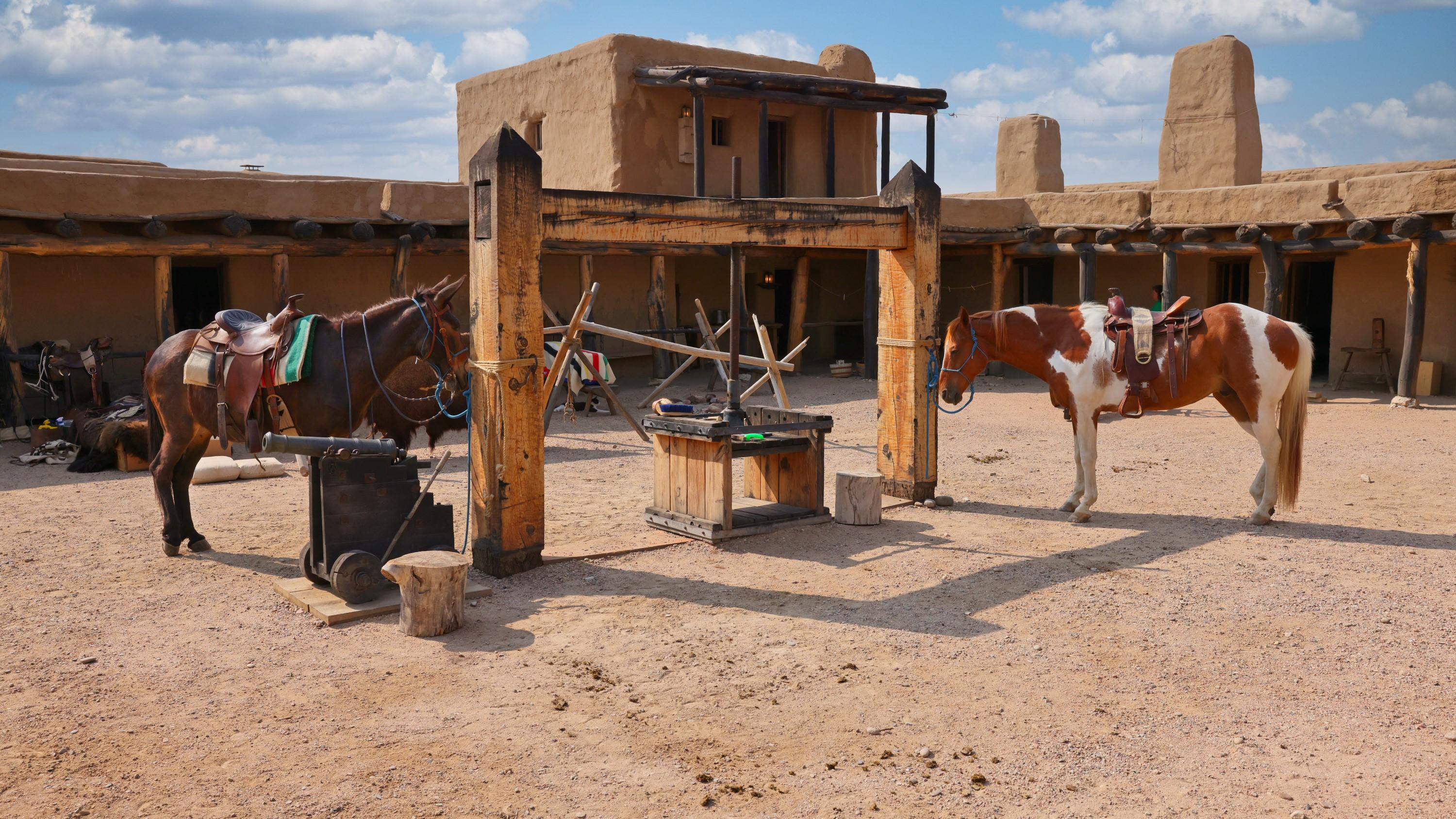
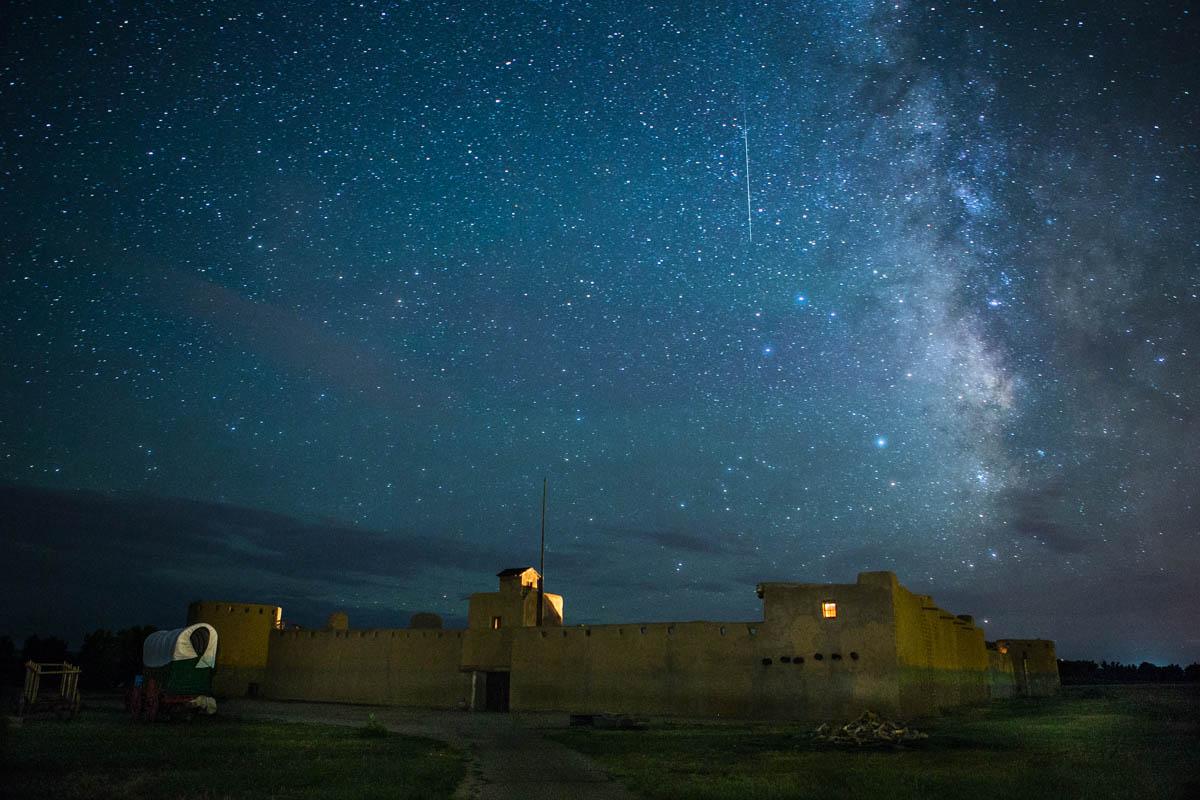
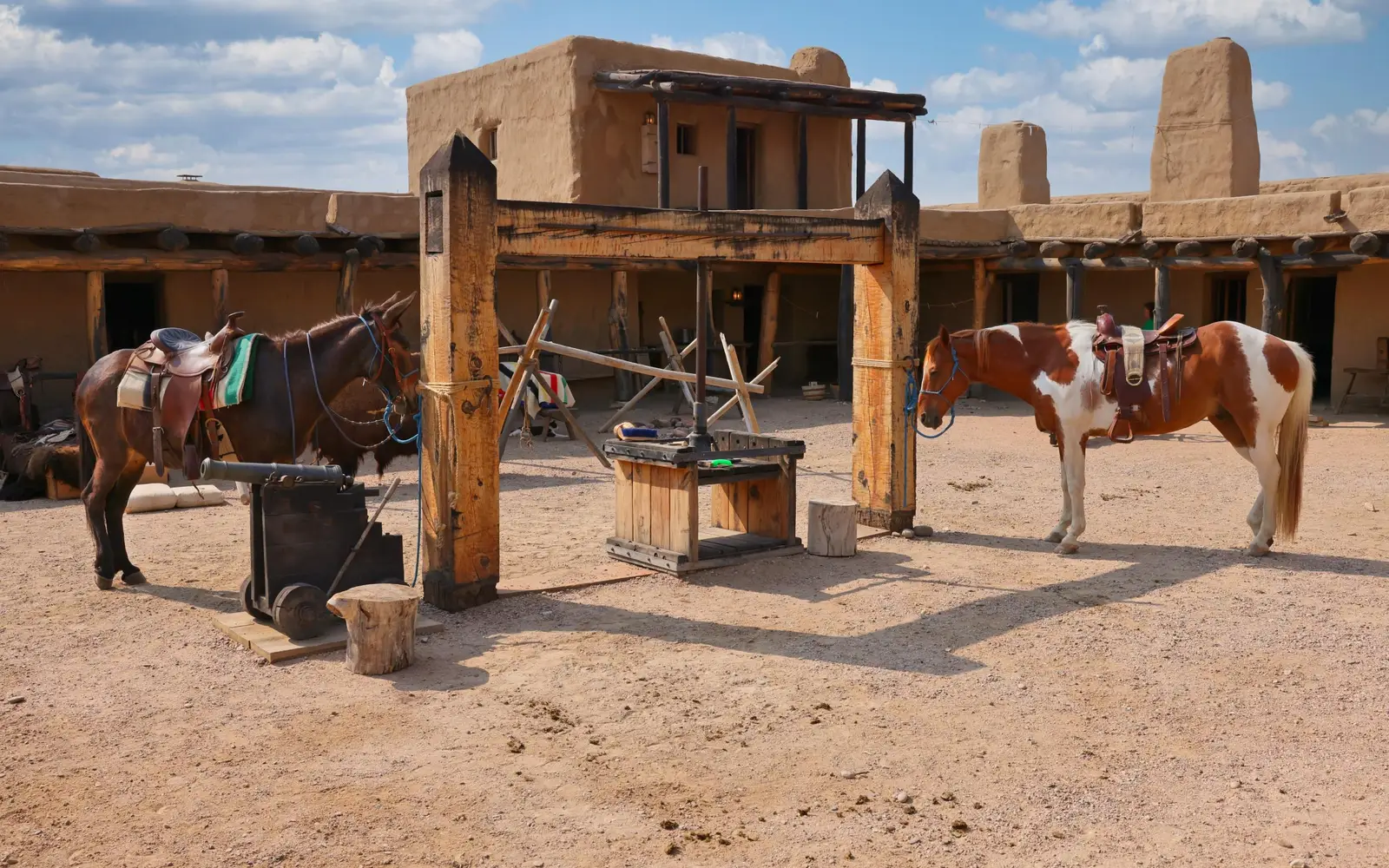
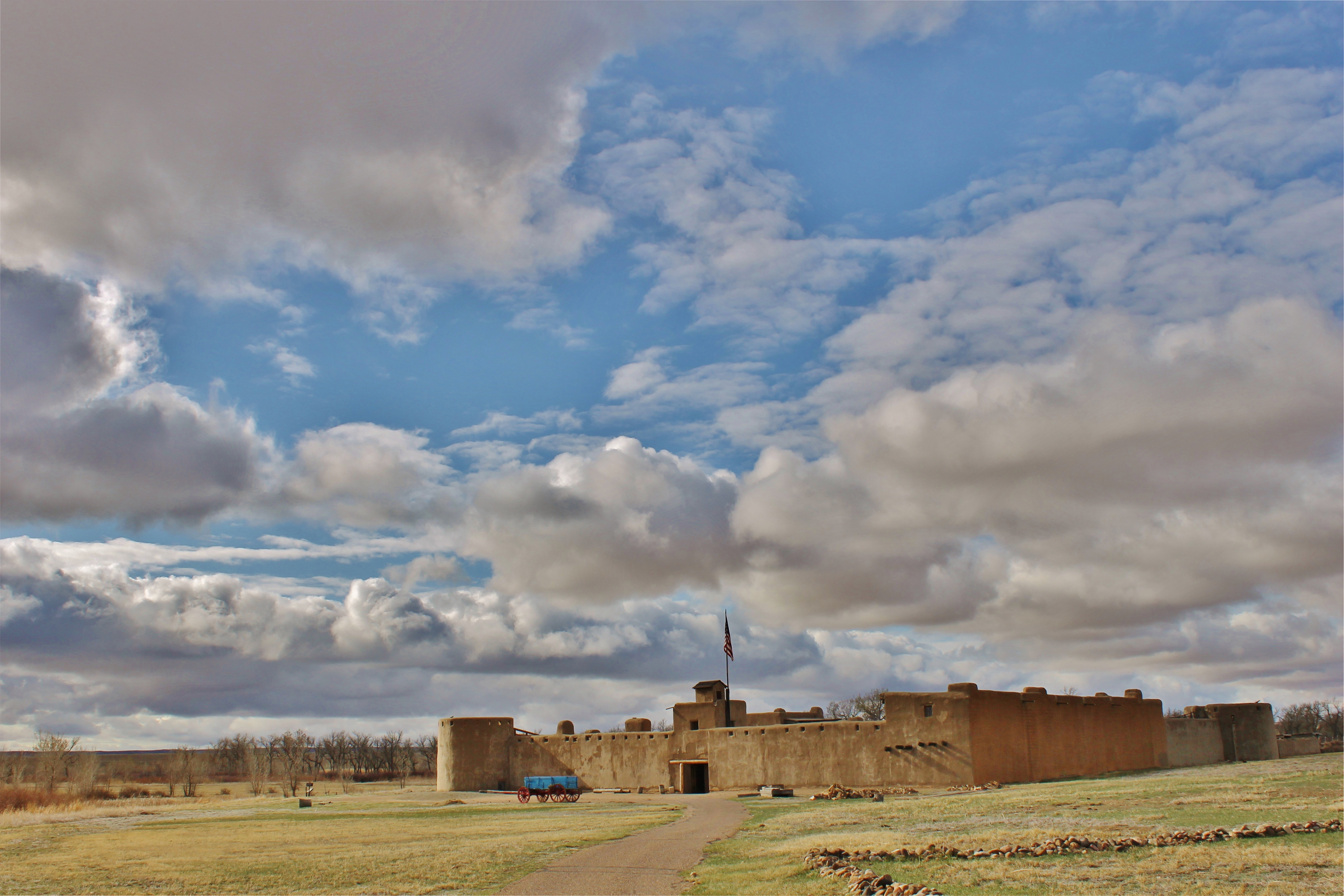
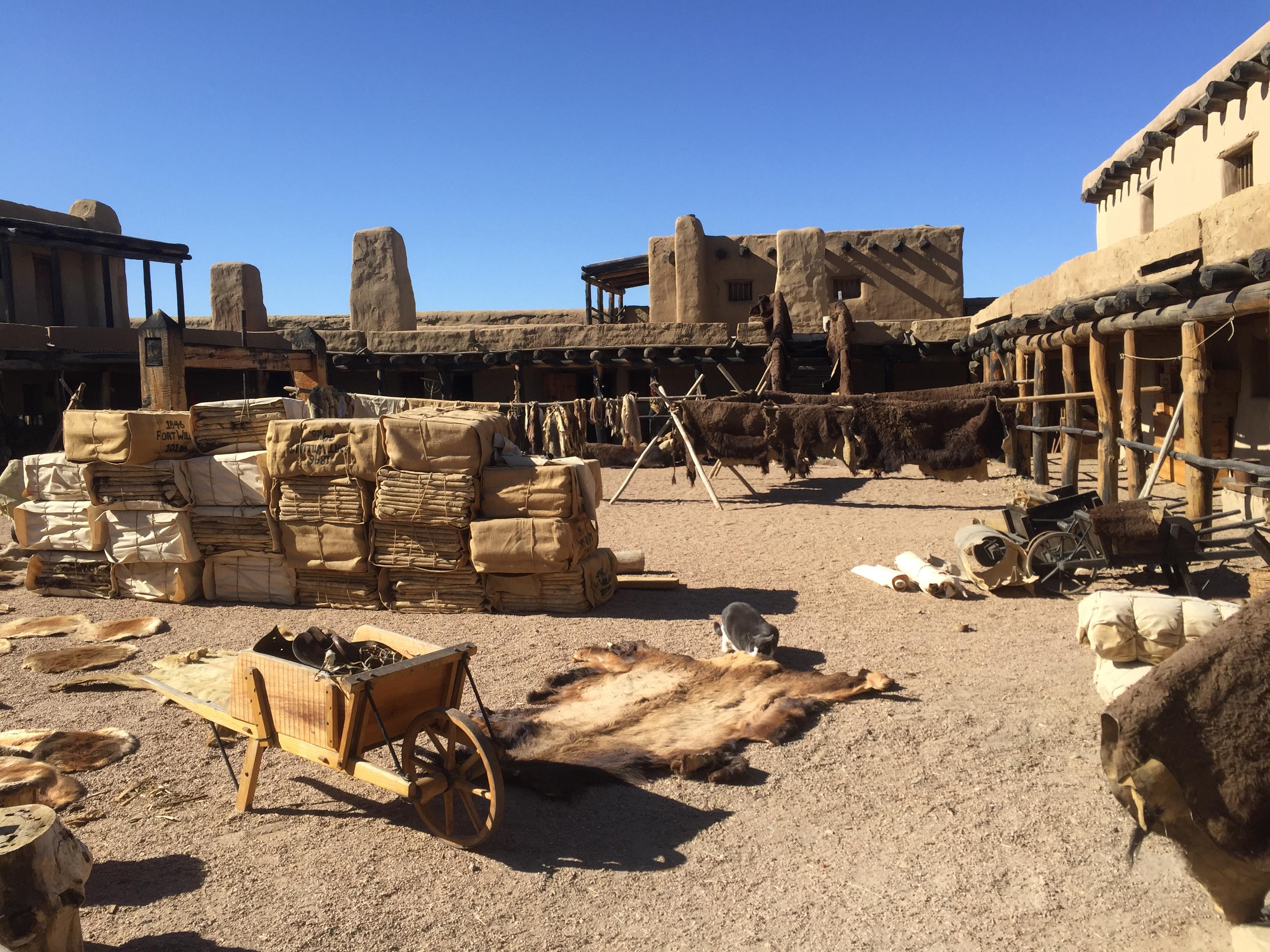
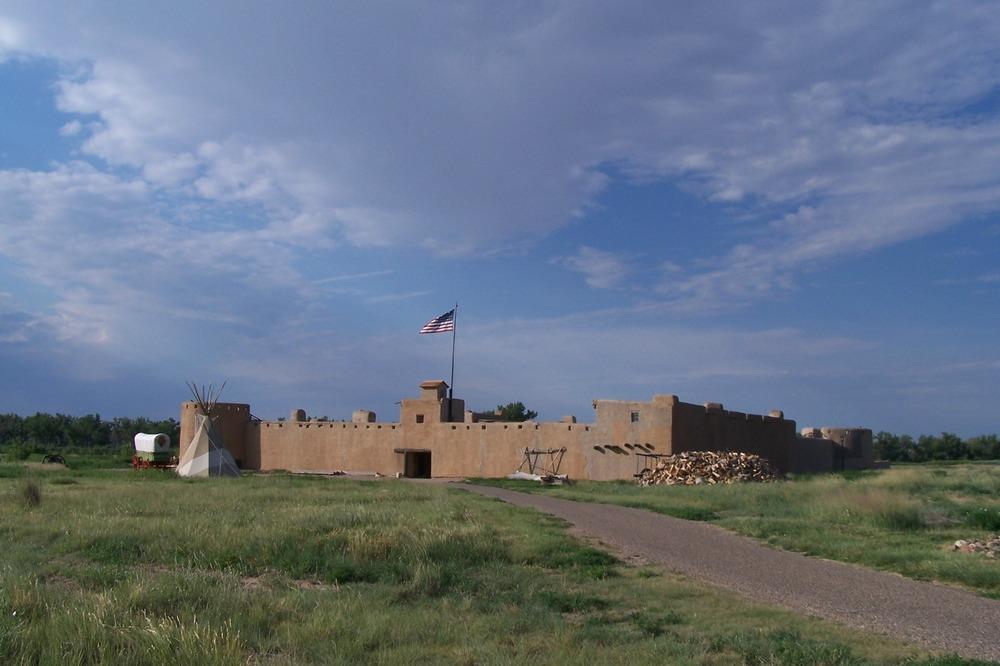
This full-scale replica 1840s adobe trading post on the Arkansas River, once a U.S.-Mexico border site on the Santa Fe Trail, provides a tangible link to the past. Living history interpreters animate the fur trade era within the fort's rooms and courtyard through craft demonstrations. The narrative encompasses Cheyenne, Arapaho, Mexican, and Anglo-American commerce. A typical visit lasts two to three hours. It serves history enthusiasts, families, and travelers on U.S. 50 in southeastern Colorado. Wilderness seekers or long-trail hikers will find little here.
The case for it
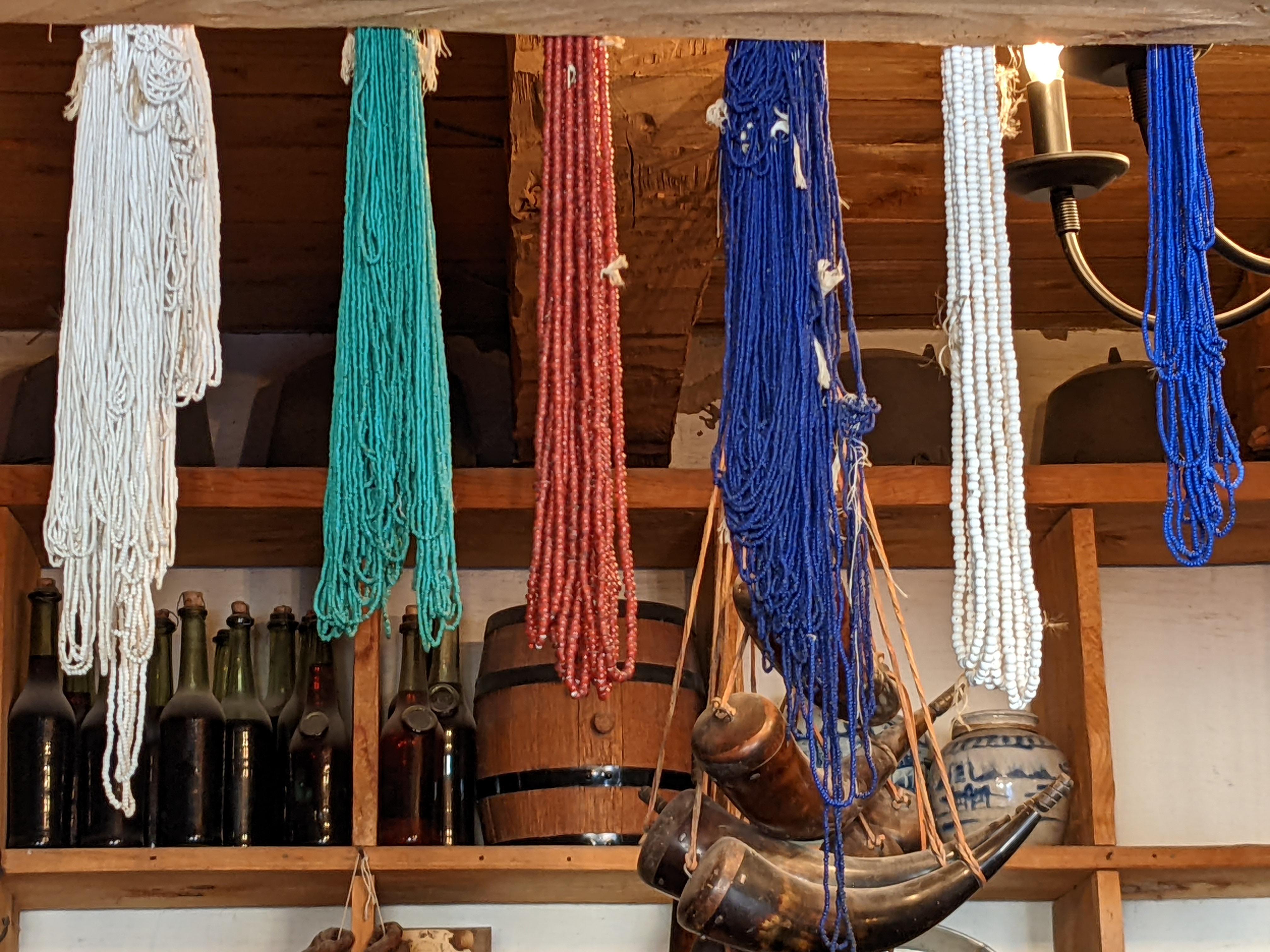
A good day here starts with the free park film to set context, then a self-guided walk through the reconstructed fort rooms, which are furnished and staffed by interpreters demonstrating period crafts like blacksmithing, cooking, and trade goods preparation. Guided tours add depth to the Santa Fe Trail and borderlands history. The grounds along the Arkansas River offer birdwatching and wildlife watching opportunities, and the surrounding landscape gives a genuine sense of the isolation that made this trading post so strategically vital. The Junior Ranger program keeps younger visitors engaged throughout. The bookstore and park store carry substantive regional history titles. Entry is free, making the value proposition straightforward for anyone with even a moderate interest in the American West.
Who it is for
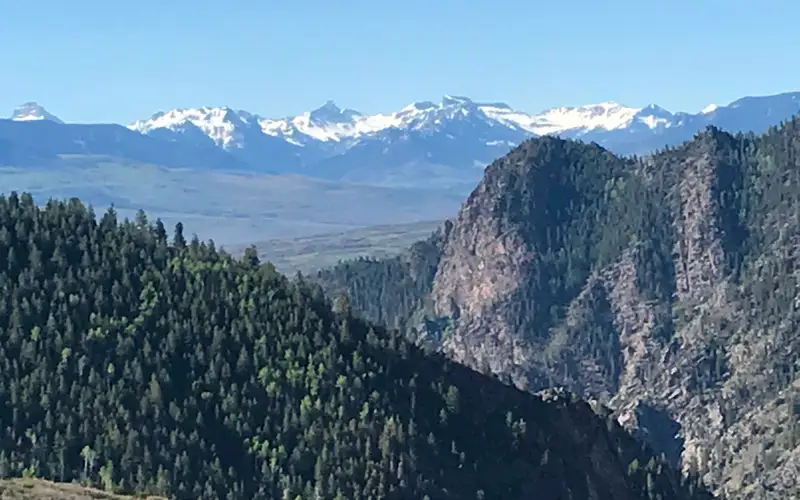
This site primarily caters to history enthusiasts and families. Living history fans will find particular appeal in its offerings. However, those seeking extensive hiking, backcountry access, or dramatic scenic vistas should adjust expectations. This is a compact historic site. It is not a landscape destination.
Best time to visit
Comfortable temperatures make spring and fall the ideal seasons for a visit. Summer brings 100-degree days; the fort's adobe walls offer little relief as the structure is largely unheated or uncooled. Summer visitors should plan early morning trips. Winter hours are reduced from October through March, so confirm operating schedules in advance.
Worth seeing
- Full-scale reconstructed adobe fort with furnished period rooms you can walk through
- Living history interpreters demonstrating 1840s crafts including blacksmithing and frontier cooking
- Guided tours covering Santa Fe Trail history and the Cheyenne and Arapaho trade networks
- Birdwatching and wildlife watching along the Arkansas River corridor
- Free admission with a well-stocked bookstore and park store
- Junior Ranger program that actively engages kids in the fort's trading post story
Before you visit
Entry to the grounds is free. Operating hours are 9 a.m. to 4 p.m. Reduced access prevails from October through March; federal holidays also bring closures. Consult the schedule prior to travel. The fort's location is a rural expanse of southeastern Colorado, near La Junta, distant from any major metropolitan area. Plan for all fuel and food needs in advance.
Our tipTiming a visit to coincide with a living history event weekend significantly enhances the experience. These events provide a dense interpreter presence and continuous craft demonstrations. This transforms a quiet, self-guided walk into an immersive 1840s trading post experience.