Should you visit Audubon National Wildlife Refuge?
Audubon National Wildlife Refuge offers a genuine prairie and wetlands experience, focused on supporting migrating waterfowl and resident wildlife.
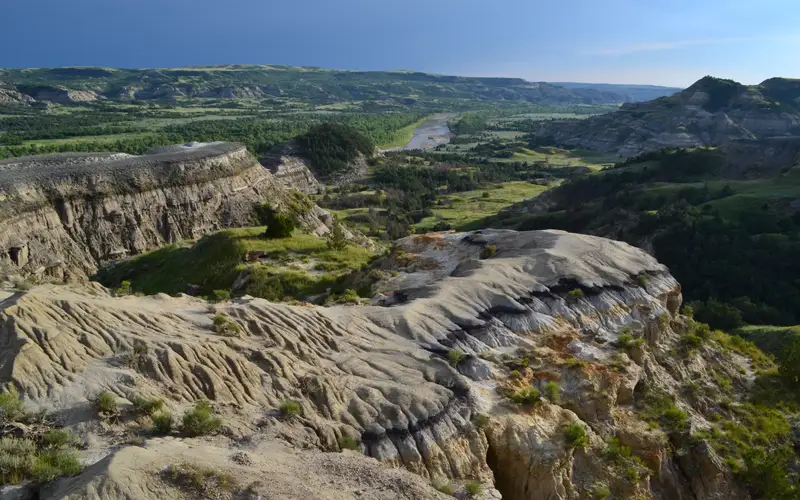
This is not a destination built for spectacle. The landscape features rolling mixed-grass prairie and wetlands surrounding Lake Audubon. Birding can be exceptional during migration seasons. Otherwise, the refuge remains quiet and unhurried. Wildlife viewing requires patience and timing here. Documented activities are surprisingly broad, encompassing auto touring, snowshoeing, archery, and ice fishing. Entry is free. This refuge rewards preparation and timing for the right traveler; casual sightseers should look elsewhere.
What makes it worth it
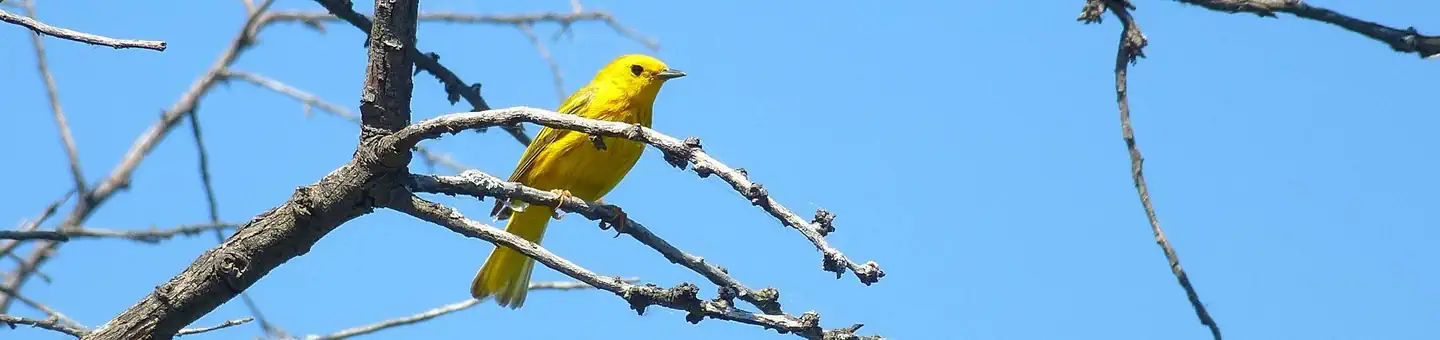
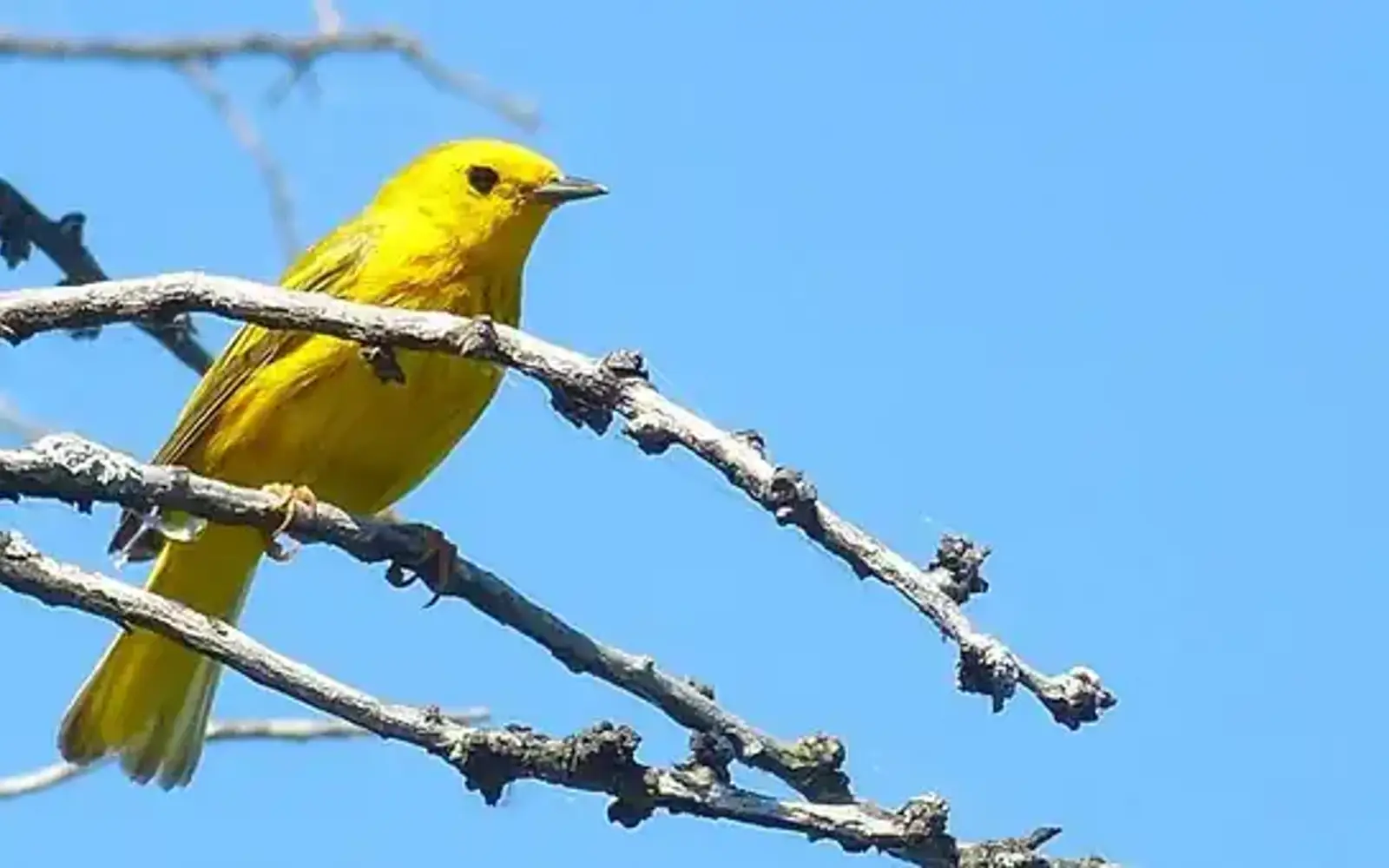
Audubon NWR offers genuinely memorable wildlife encounters, particularly during spring and fall waterfowl migration. Birders can combine the auto tour route with hiking, efficiently covering both prairie and wetland habitats. Photographers will find the open landscape and vast North Dakota sky productive, especially in early morning light. The refuge is a legitimate four-season destination. Winter activities include ice fishing on Lake Audubon and snowshoeing across the prairie. The visitor center provides interpretive grounding, with educational programs adding context to field observations.
Who should go
This refuge offers genuine rewards. Birders, waterfowl hunters, and wildlife photographers will find it particularly appealing. The quiet scale of the northern Great Plains landscape is the primary draw. Families seeking free outdoor programming, easy biking, or picnicking also fit well. Casual sightseers expecting dramatic scenery, dense trail networks, or extensive interpretive infrastructure should look elsewhere.
When to go
This park is a clear recommendation for birders, particularly in spring and fall. These seasons promise substantial waterfowl presence on wetlands and Lake Audubon. Summer shifts the focus to prairie wildlife and offers extended daylight for photography. Winter provides legitimate recreation with ice fishing and snowshoeing, but demands thorough preparation for North Dakota's severe conditions. Birders should plan to avoid midsummer.
Highlights
- Waterfowl migration viewing on the wetlands and Lake Audubon shoreline during spring and fall
- Auto tour route covering mixed-grass prairie and wetland habitats
- Ice fishing on Lake Audubon in winter
- Snowshoeing across the Missouri Coteau prairie landscape
- Visitor center with interpretive programs and educational offerings
- Photography opportunities across open prairie and water under expansive North Dakota skies
Plan ahead
This North Dakota refuge offers free admission. Be prepared for substantial travel; its central location means extended drives from population centers. Cellular service is unreliable here, so offline maps and downloaded refuge information are essential. Non-hunting visitors should consult the refuge website for current hunting schedules, as these may affect access.
Editor's tipOptimal viewing requires planning. Arrive at the wetland edges near Lake Audubon in the first hour after sunrise during migration season. Waterfowl activity diminishes considerably once the morning warms. For this flat terrain, light quality and bird movement both peak in that early window.