Is Arches National Park worth it?
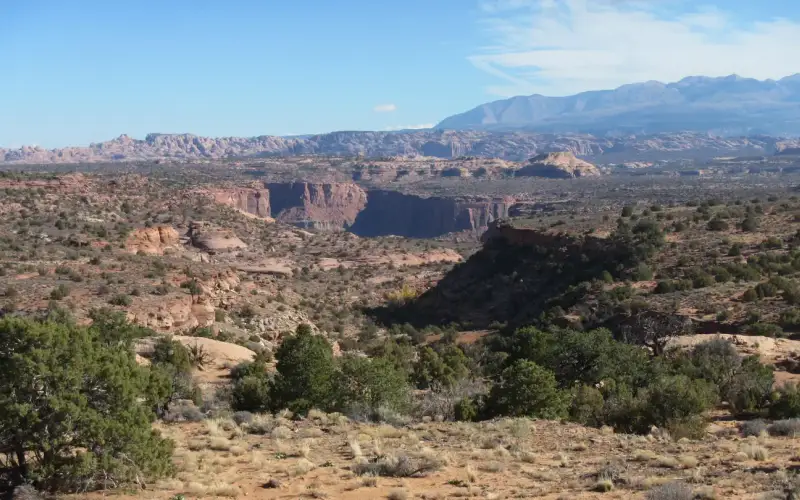
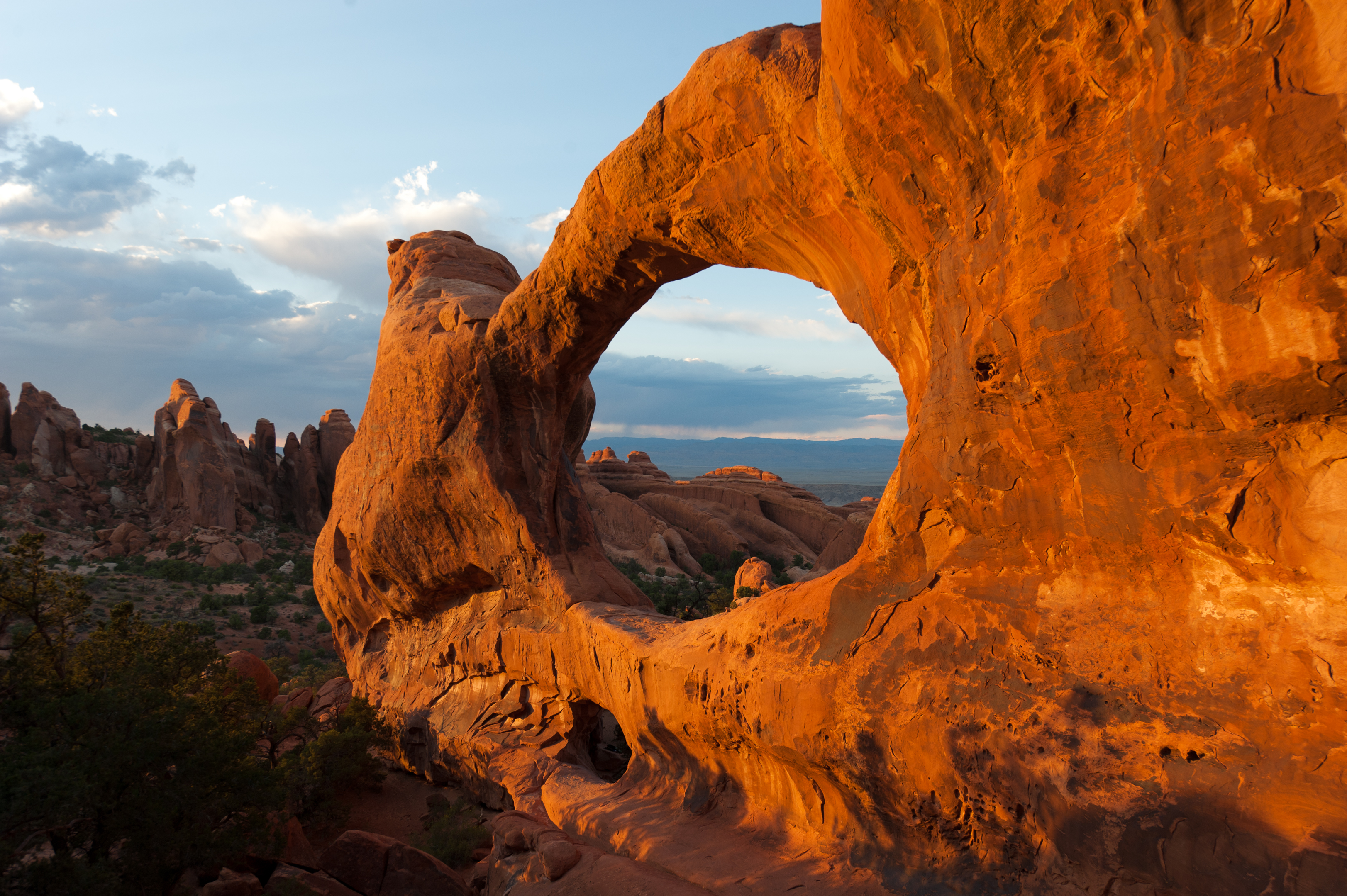
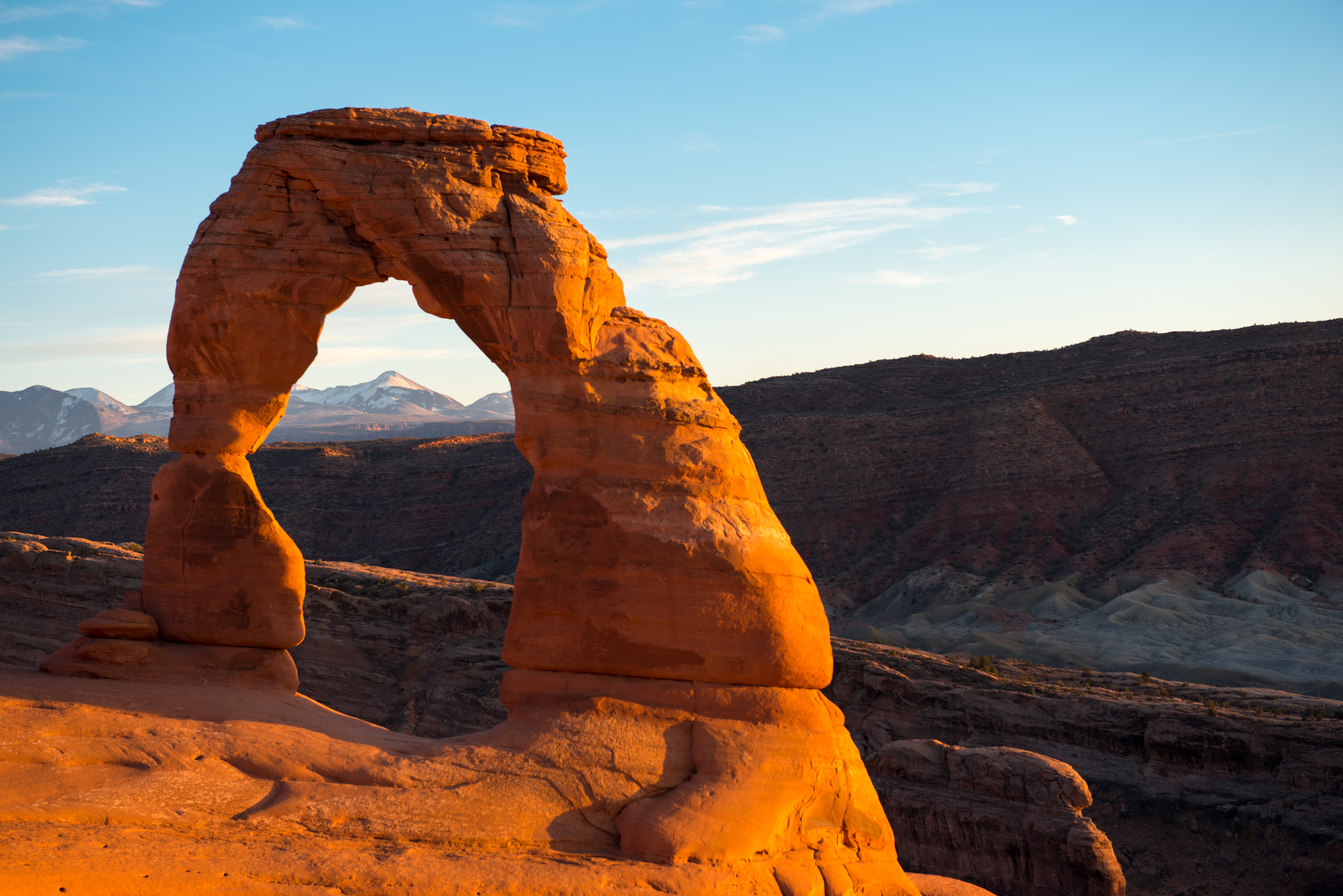
Arches National Park presents one of the American West's most visually concentrated landscapes.
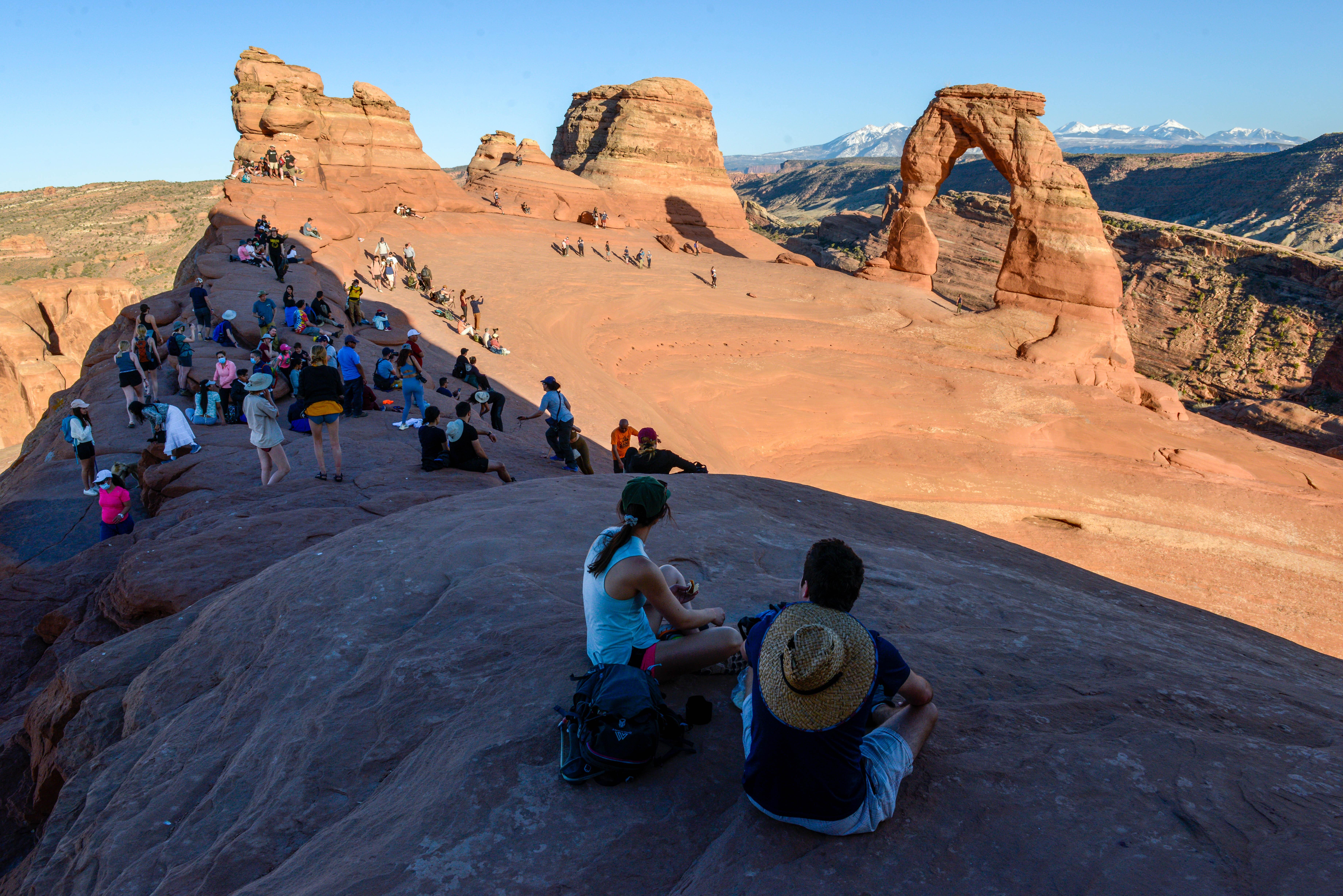
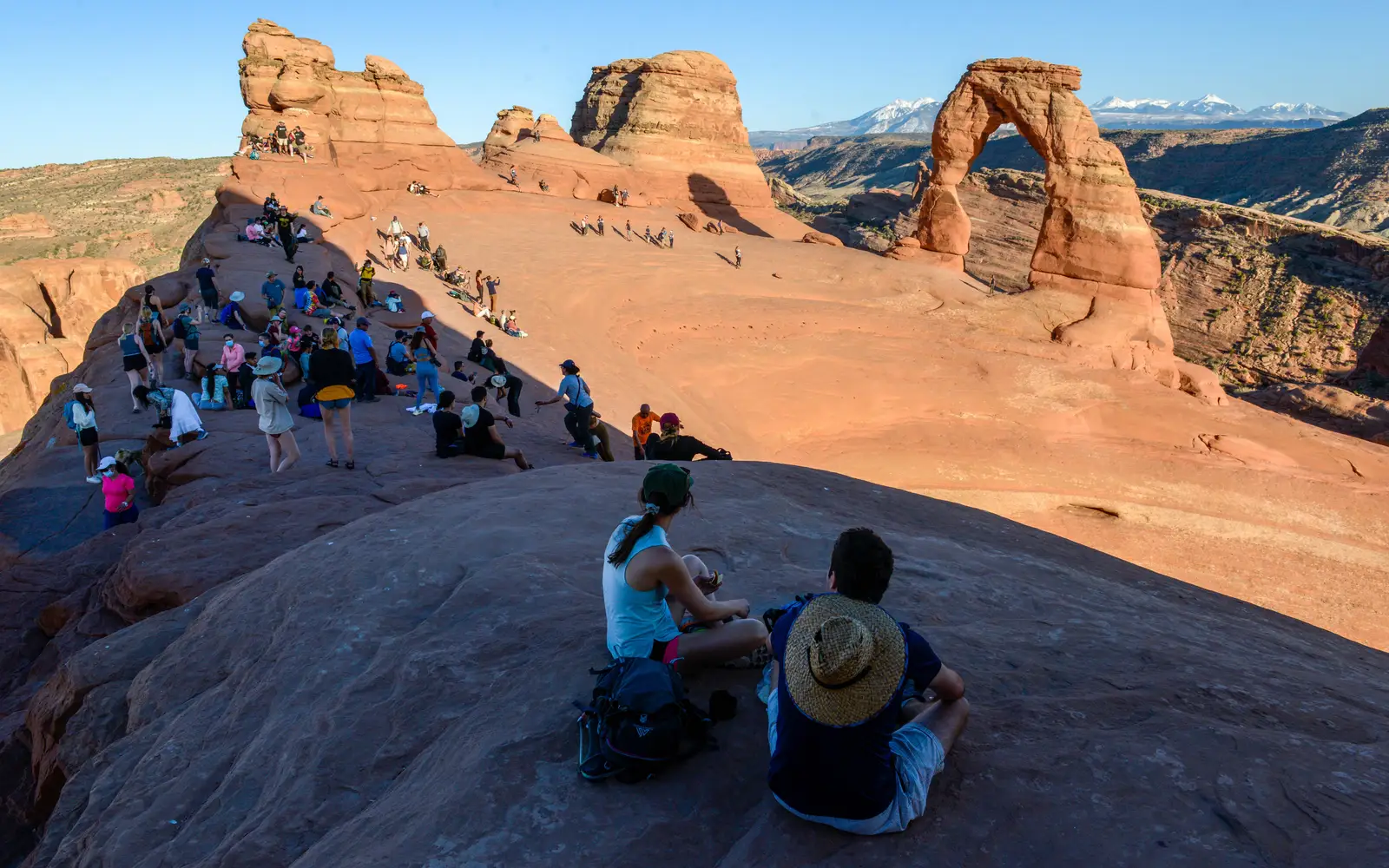
Over 2,000 natural stone arches, alongside fins, pinnacles, and balanced rocks, fill this relatively compact southeastern Utah park. The geology is immediate. An experience score of 84 confirms broad accessibility, allowing engagement from a vehicle, on maintained trails, or deep in the backcountry. This popularity carries a cost. From March through October, the park sees significant crowds, with the main scenic drive often resembling a slow queue by mid-morning. Nevertheless, the sheer density of world-class formations ensures even a half-day visit yields substantial rewards. For hikers, climbers, stargazers, and families, Arches delivers on its reputation.
The case for it
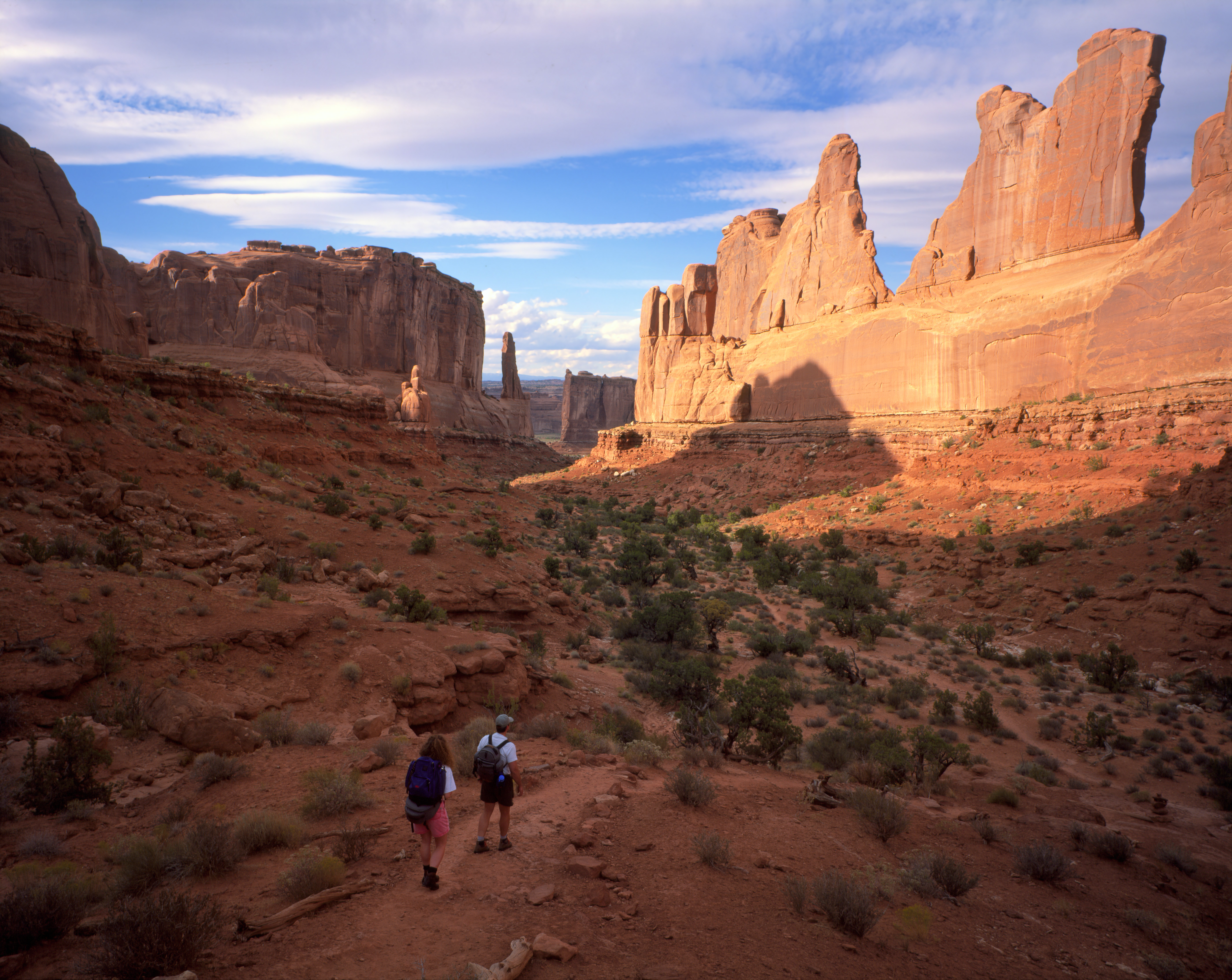
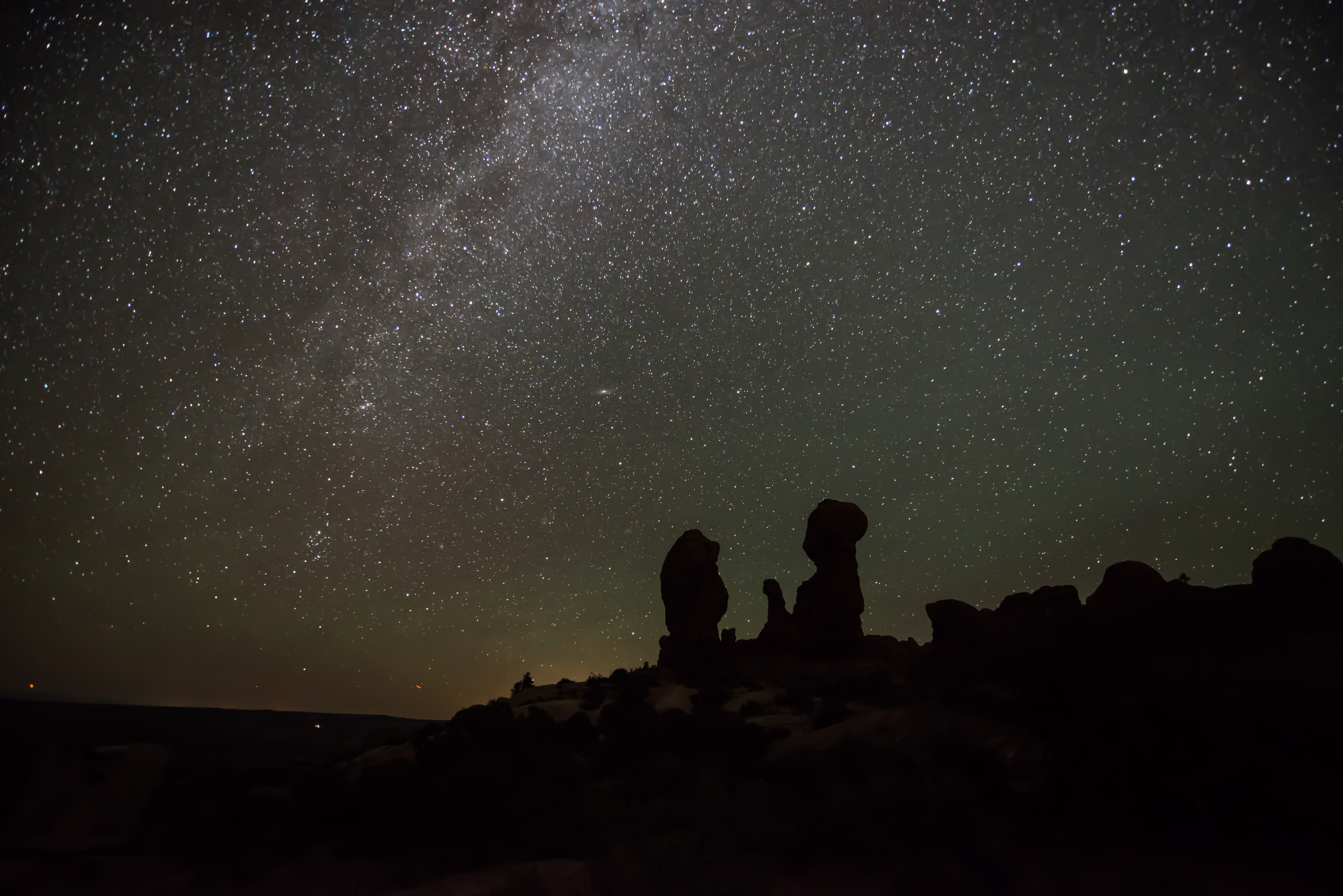
Arches National Park rewards deliberate engagement. Arrive before 8 AM; early morning light transforms the red rock, a profound aesthetic difference from midday viewing. Active visitors have a broad scope of options. Hikers find everything from short, paved paths to strenuous scrambles directly beneath or atop the arches. Climbers and canyoneers will find documented technical terrain available. The park offers legitimate stargazing opportunities after sunset, due to its high-desert skies and distance from urban light pollution. Twenty-four-hour access accommodates night viewing. Campers fortunate enough to secure an in-park site experience the geology from within, a fundamentally different engagement than daily commuters. The Junior Ranger program provides a structured educational activity for families with children.
Who it is for
This park offers specific, rewarding experiences for hikers, geology enthusiasts, photographers, climbers, and families. Stargazers will find particular delight on a clear night. Only visitors for whom crowds are an absolute deterrent should reconsider, especially if unable to visit outside peak hours or seasons. This location does not offer wilderness solitude.
Best time to visit
Ideal visiting conditions prevail in spring and fall. Specifically, April through May, and mid-September through October, offer optimal experiences. Temperatures of 60 to 80 F allow for comfortable hiking and climbing. Crowds during these periods are present but manageable. Summer heat makes midday hiking genuinely dangerous. Winter access is continuous, but cold nights and ice demand careful preparation.
Worth seeing
- Over 2,000 natural stone arches concentrated in a single, drivable park
- Technical rock climbing and canyoneering on documented desert terrain
- Backcountry and front-country camping options that put you inside the landscape overnight
- High-desert stargazing accessible any night with 24-hour park entry
- Guided tours available for visitors who want structured interpretation of the geology
- Junior Ranger Program giving families a concrete, kid-directed way to explore
Before you visit
Entry is $15 per person, or via an America the Beautiful pass. The park maintains 24-hour access year-round. However, the access road and parking areas at popular formations quickly reach capacity from March through October. Arriving before 8 am or after 3 pm is critical for a relaxed visit. Timed entry reservations have been required during peak seasons; consult the NPS site for current regulations.
Our tipAn early start is a distinct advantage for those camping within park boundaries. Pre-sunrise alpenglow on the formations and the quiet before 9 AM day-use visitation offer a unique perspective.