
Should you visit Appomattox Court House National Historical Park?
Appomattox Court House preserves a pivotal site in American history: the village where Robert E.
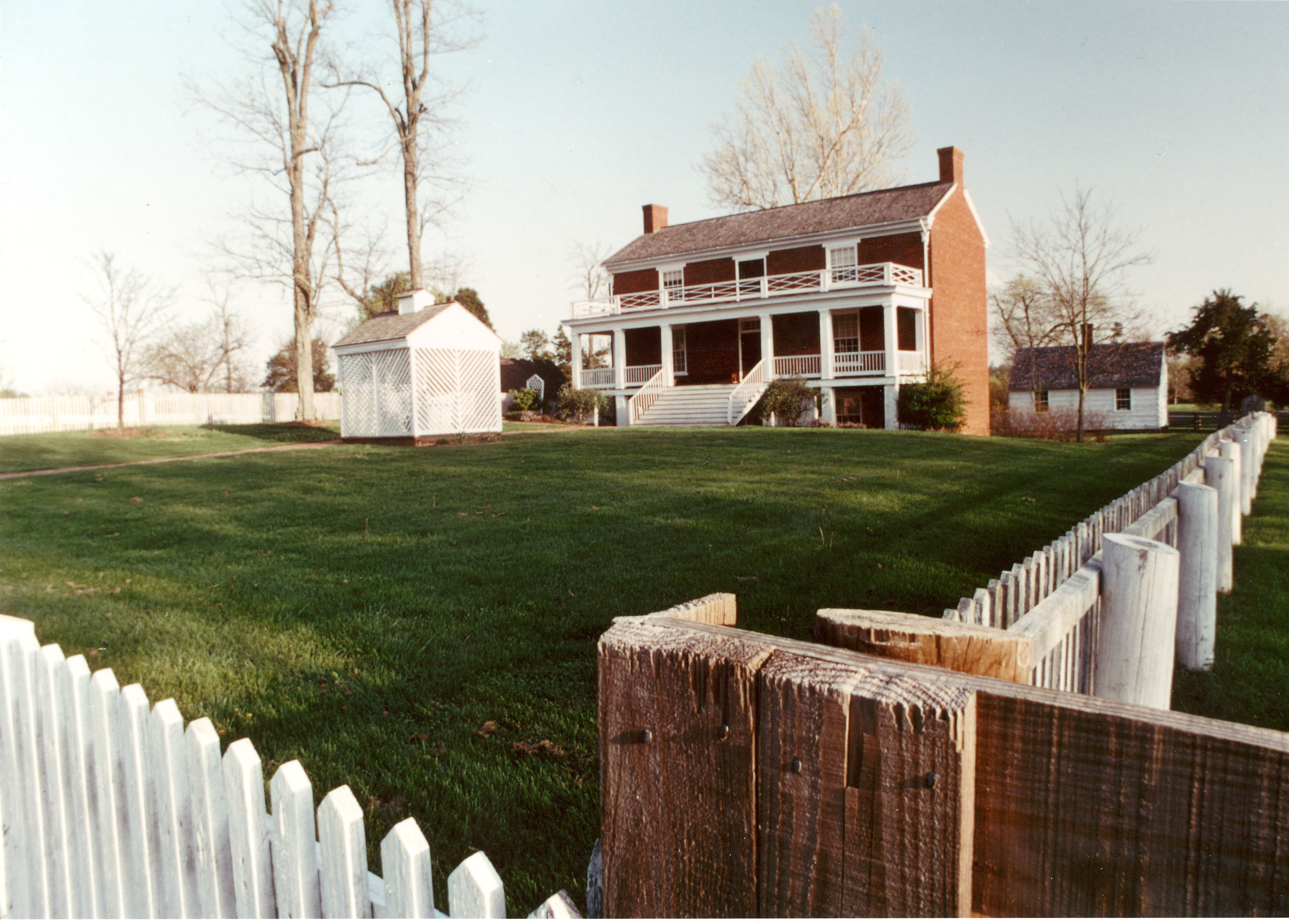
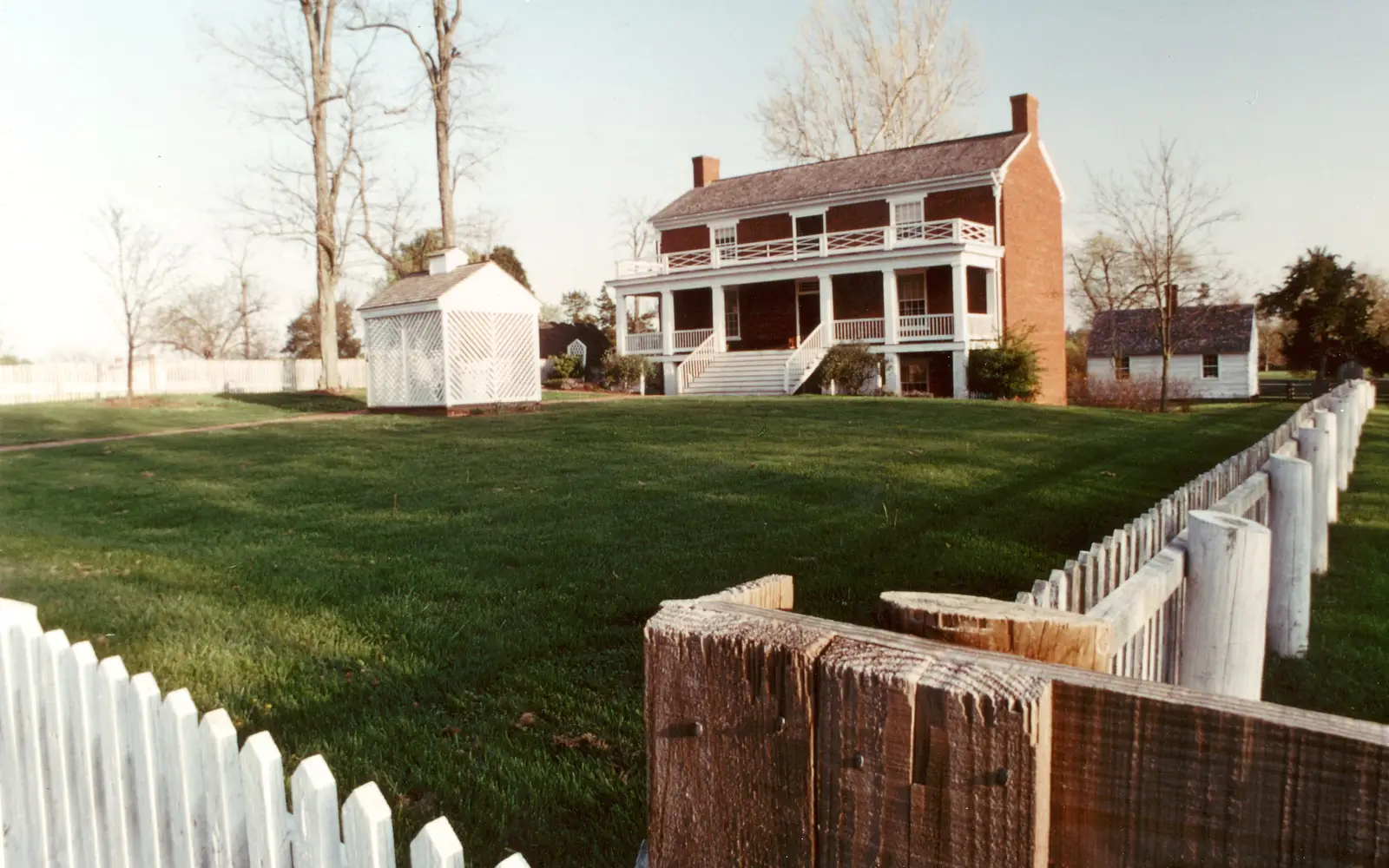
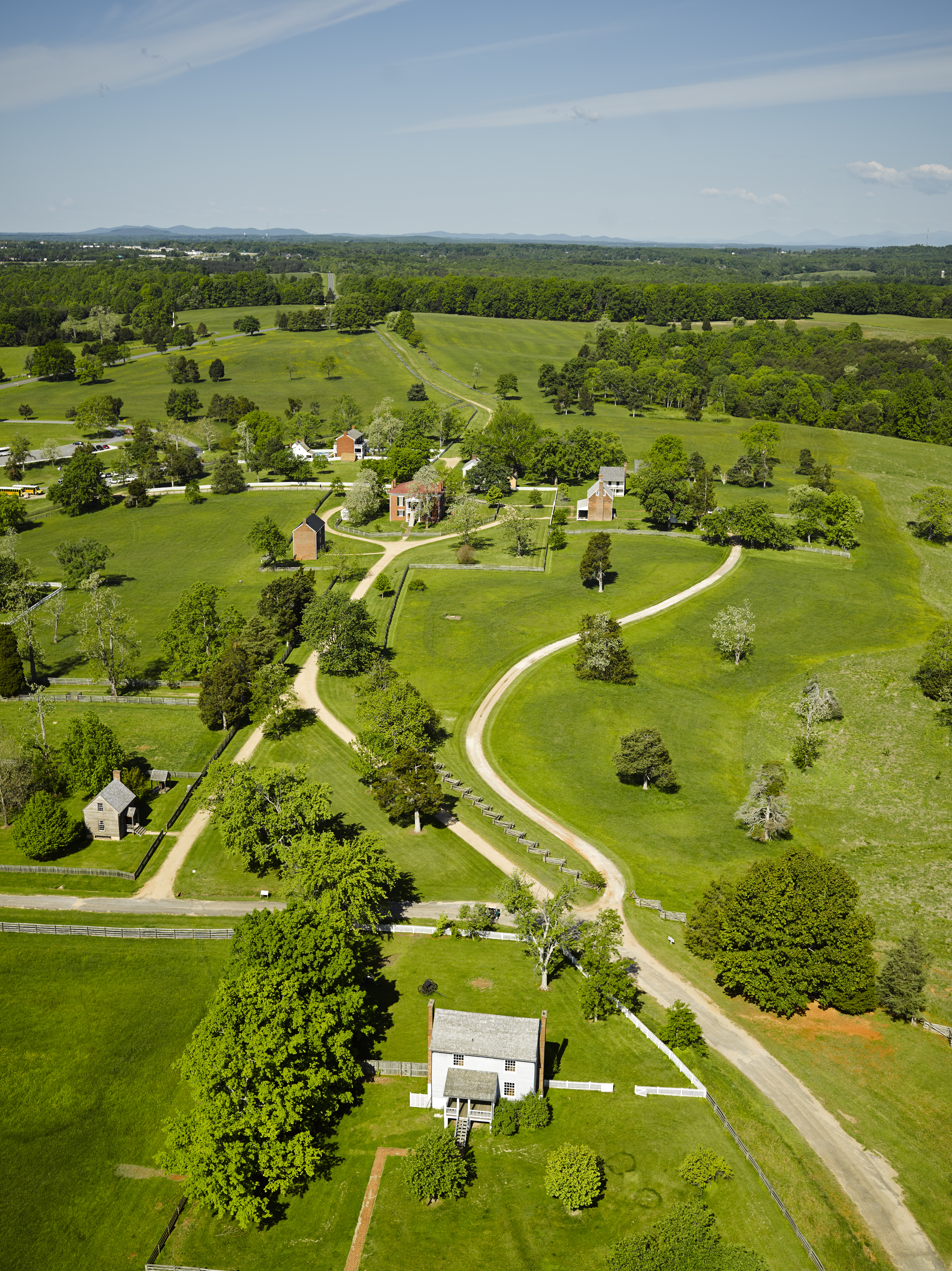
Lee surrendered to Ulysses S. Grant on April 9, 1865. This act effectively ended the Civil War. The park’s Experience Score of 83 reflects a genuinely well-rounded unit, moving beyond a simple monument visit. It features the reconstructed McLean House and a collection of historic 19th-century village buildings.
What makes it worth it
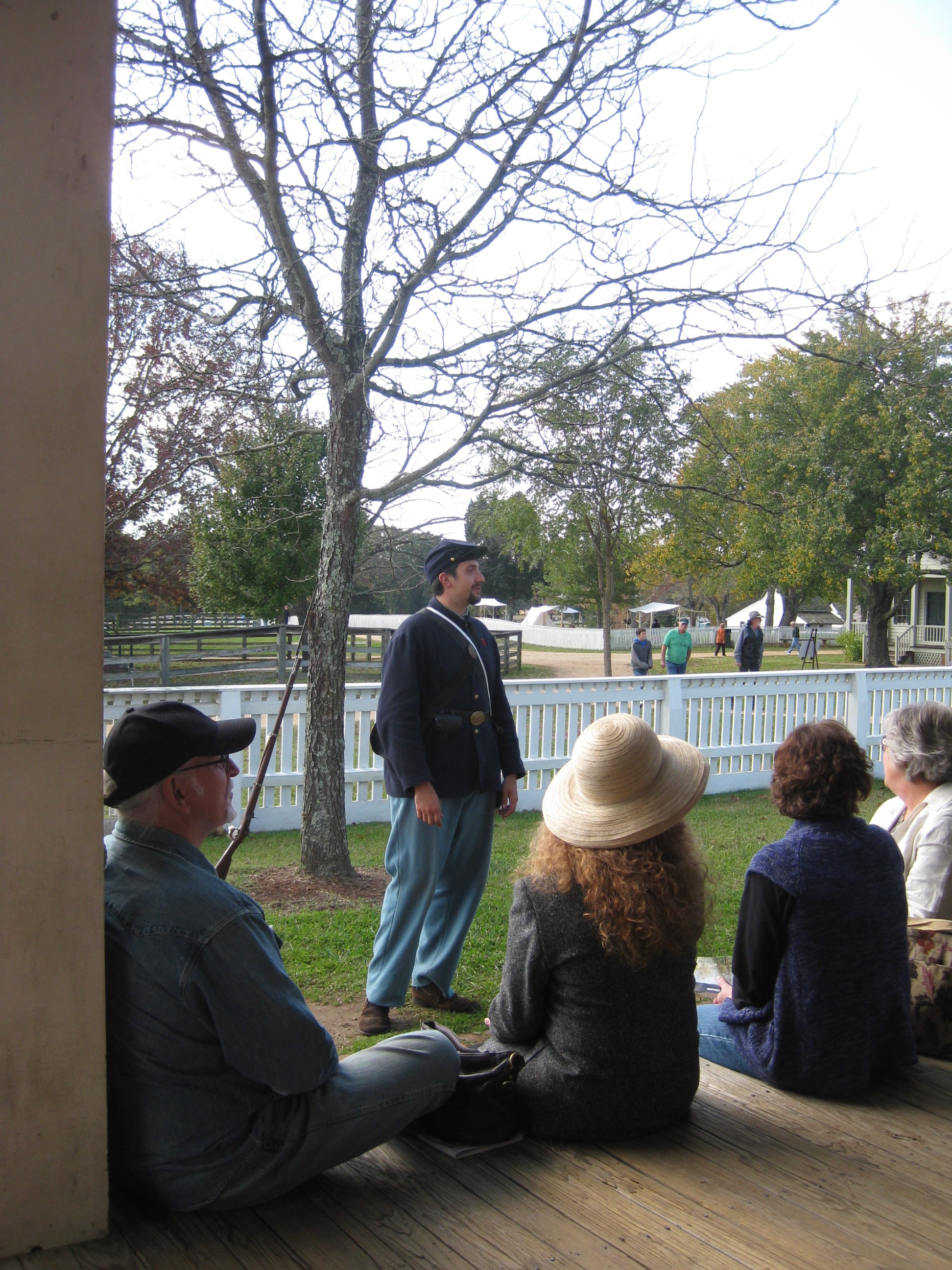
This unit effectively contextualizes a pivotal moment in American history. Start with the park film, which provides essential background on the surrender, emancipation, and Reconstruction. A guided tour of the McLean House offers direct access to the room where the surrender documents were signed. Living history interpreters recreate 1865 village life, expanding beyond the single surrender event. Beyond the historical focus, the park provides hiking trails, birdwatching, and wildlife viewing. The Junior Ranger program makes this a suitable destination for families. Civil War history enthusiasts will appreciate the well-stocked bookstore.
Who should go
This park stands as an essential destination for Civil War history enthusiasts, offering a definitive experience of the era. Its interpretive programming and Junior Ranger activities provide significant educational value for families with school-age children. However, the appeal is primarily historical. Casual sightseers seeking dramatic scenery or extensive outdoor recreation
When to go
For most comfortable exploration, plan a visit between late spring and early fall. The park maintains daily operating hours, 9 to 5, year-round, closing only for major holidays. Winter travel, however, presents a significant risk of snow or ice closures. Before a cold-weather trip, confirm accessibility by calling 434-352-8987 ext. 245. April holds particular historical significance, with special programming typically offered around the April 9 anniversary of the surrender.
Highlights
- McLean House, site of the actual 1865 surrender, accessible via guided tour
- First-person interpretation and living history demonstrations throughout the village
- Historic weapons demonstrations that contextualize Civil War-era military equipment
- Park film providing essential context on surrender, emancipation, and reconstruction
- Hiking trails through the surrounding historic landscape with wildlife and birdwatching opportunities
- Junior Ranger program suited for families with school-age children
Plan ahead
Admission is free. This park maintains exceptional interpretive depth. Operating daily from 9 to 5, the park observes closures on Thanksgiving, Christmas, and New Year's Day. Reduced hours are in effect on December 24. Winter weather can prompt unannounced closures; visitors should call ahead if conditions are uncertain. A central parking area provides walkable access to the village.
Editor's tipTo fully appreciate the historical weight of this park unit, plan an early arrival. Viewing the park film before proceeding to the McLean House is a documented benefit. Visitors who bypass this introductory material often miss the broader historical context. The film clarifies what the surrender resolved, and what it did not, presenting a more complete narrative. This context elevates the experience beyond a simple site visit.