589 units scored Refreshed on a schedule Independent, no sponsored rankings
Recreation AreaFL
Apalachicola National Estuarine Research Reserve
NPS / Apalachicola National Estuarine Research Reserve
57/ 100GOOD RANGE
parkverdict Experience ScoreIndependent, not sponsored
57 of 100. Our independent breadth-and-access index. How we score
The bottom line
Apalachicola National Estuarine Research Reserve: our verdict
Apalachicola, while not a blockbuster destination, offers a rarer experience: a functioning, largely intact estuary on the Florida panhandle.
This reserve provides free entry and focuses on paddling, wildlife viewing, and interpretive programs. Its experience score of 57 reflects genuine limitations in developed amenities. However, for those seeking to understand a place rather than just photograph it, particularly those drawn to coastal ecology and quiet water, this unit performs beyond expectations.
Who it suits
For paddlers, birders, and those with an interest in estuary science, this unit offers genuine substance. Families accustomed to independent outdoor exploration will find it suitable. However, visitors anticipating a beach resort atmosphere or extensive trail systems will need to seek other panhandle destinations.
What stands out
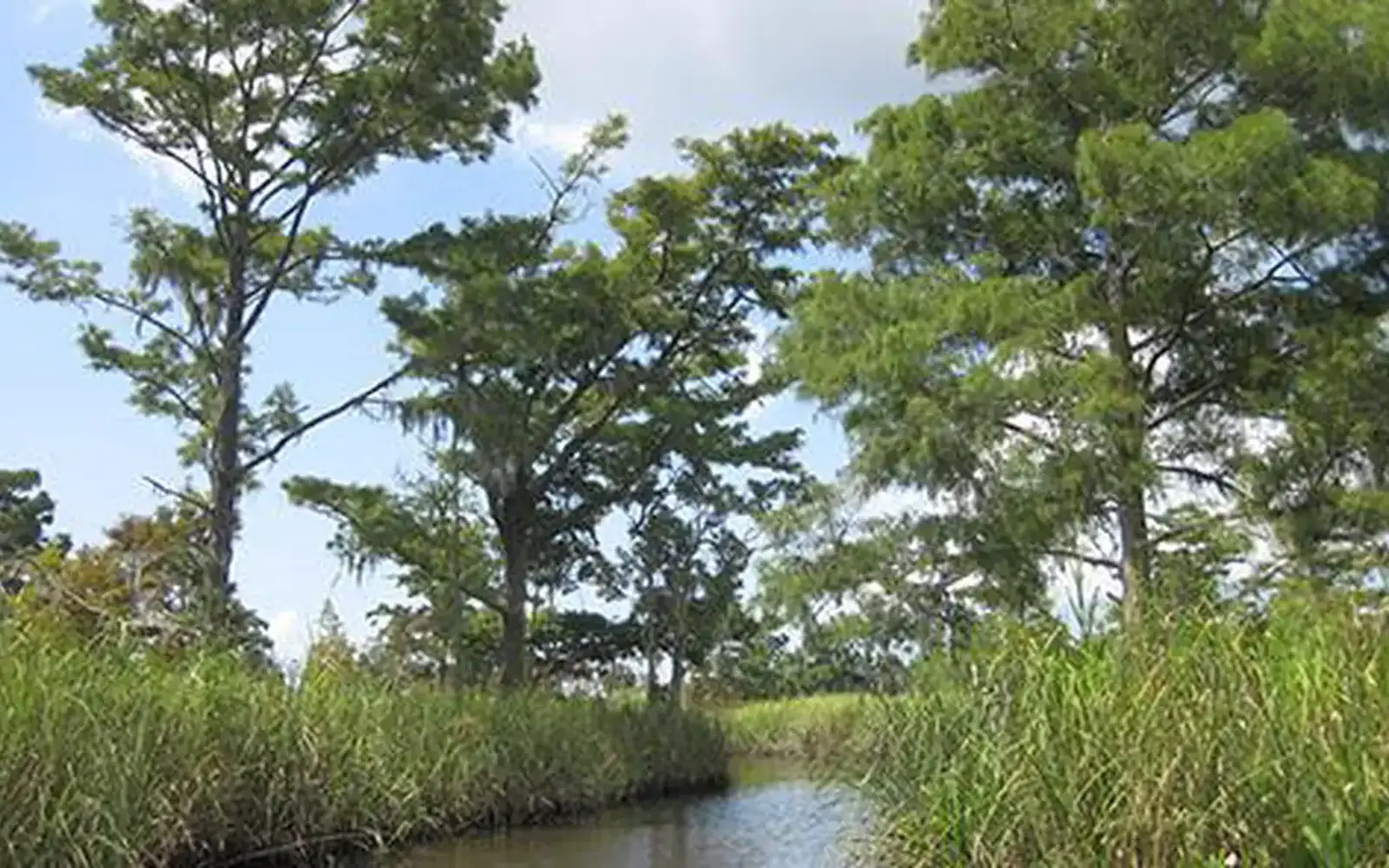
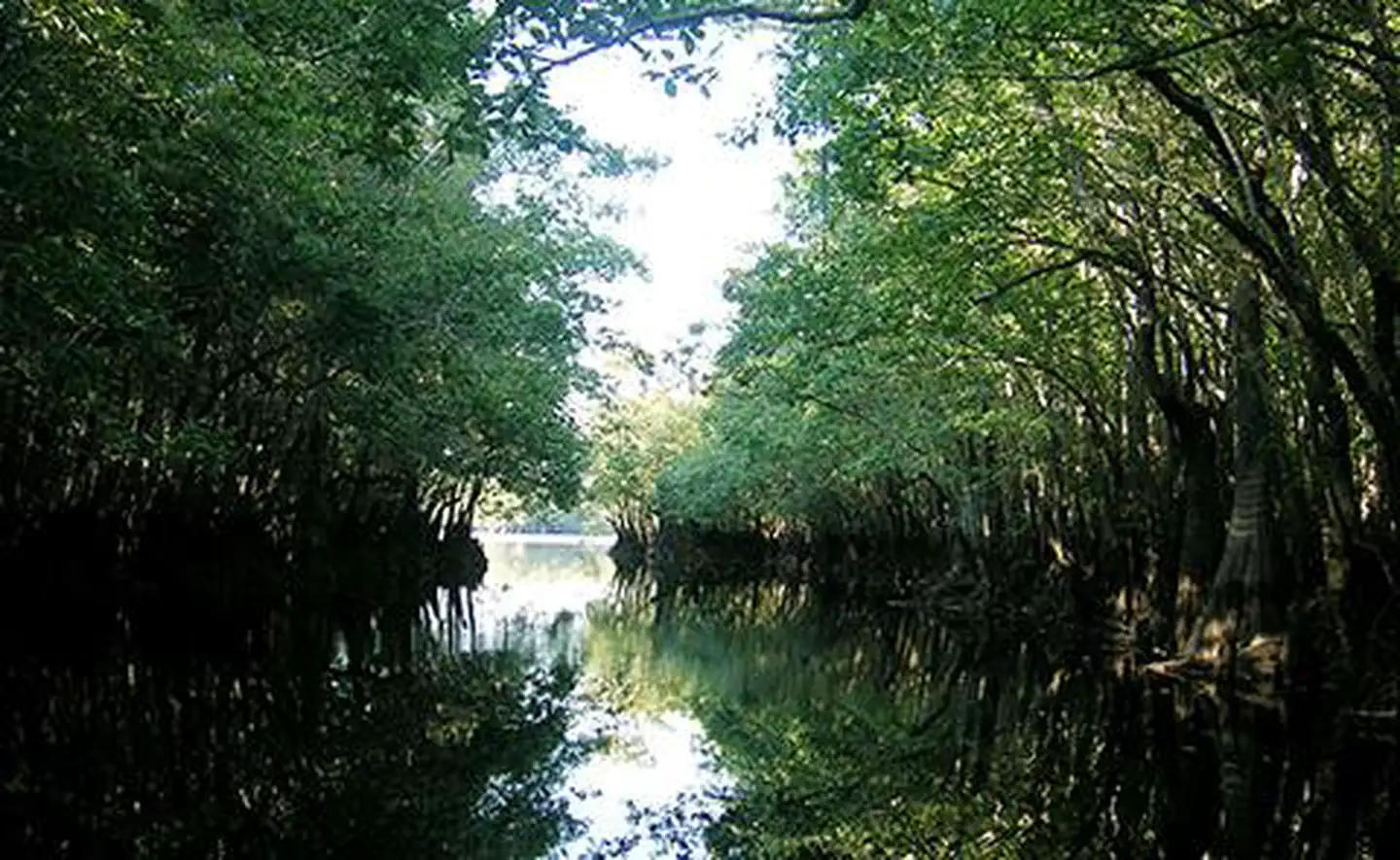
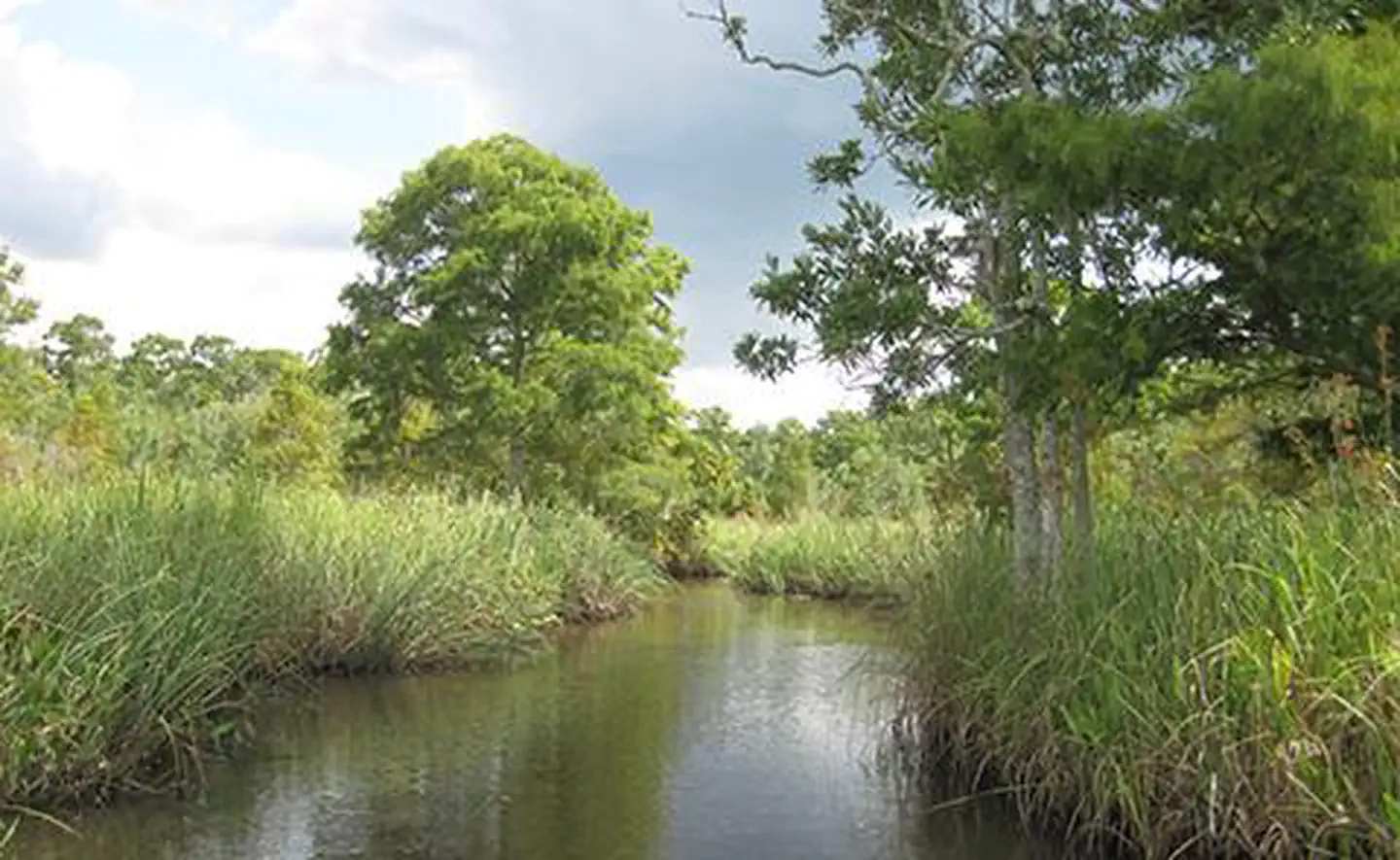
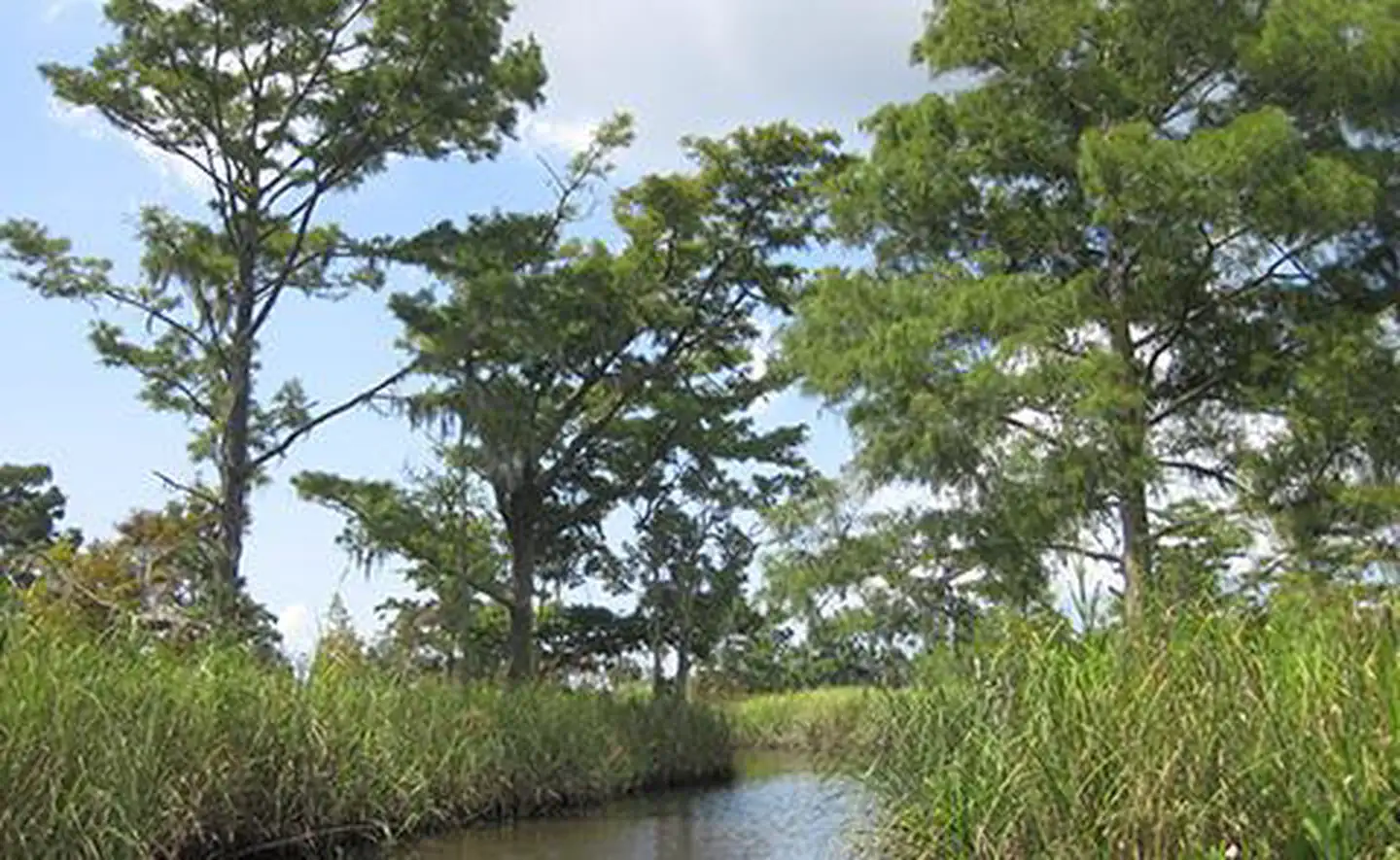
Paddling the lower Apalachicola River system through one of the most productive estuaries in the Northern Hemisphere
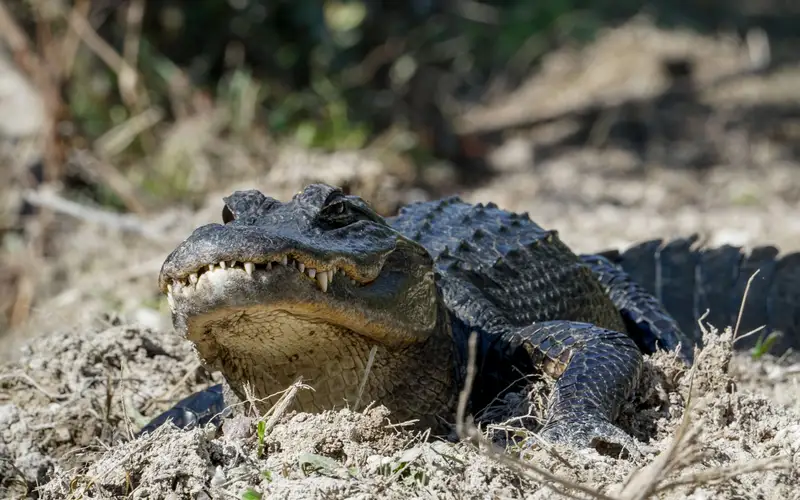
Wildlife viewing focused on trans-gulf migratory birds using the bay as a critical stopover and forage area
Interpretive programs at the visitor center that put the reserve's ecology and conservation stakes in real context
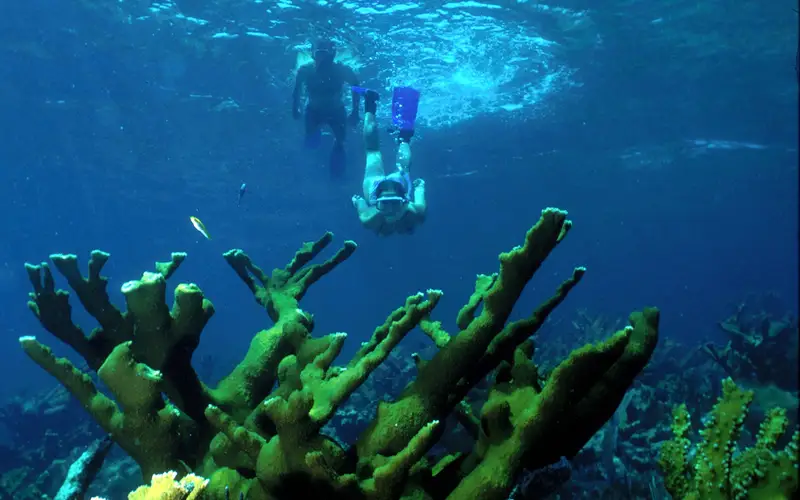
Swimming and photography across barrier island and estuarine settings with no entrance fee
Insider tipOptimal birding aligns with spring or fall migration. Confirm interpretive program schedules in advance, as they vary seasonally. Visitors should bring their own paddlecraft or secure rentals in Apalachicola, prior to arrival.
How we scored it
Why Apalachicola National Estuarine Research Reserve scores 57
We keep the math boring on purpose. The same handful of public-data inputs, capped so none of them dominates, decide every score. What they measure is breadth and access, not beauty and not crowd levels. For Apalachicola National Estuarine Research Reserve, they shook out like this:
Activity breadth6 documented activities
Topic breadth0 topics
Official imagery5 public-domain images
Camping on sitenone recorded
Entry costfree
No number is hand-adjusted and no unit pays for placement. The full weights, the floor at 18 and a worked example are on how we score.
The honest limits
Where the score goes quiet
One limit to keep in mind. Everything here comes from public records on what a unit documents and how reachable it is, so the score cannot judge beauty, crowds, trail conditions, weather, or how good any single program is. That is exactly why a small, specific place can score below a sprawling park and still be your better trip. Take the number as a like-for-like look at what is on paper, and lean on the verdict for the human read.
The Apalachicola Bay Reserve spans 246,000 acres on the Florida panhandle. It lies about 75 miles southeast of Tallahassee and 60 miles east of Panama City. This reserve protects one of the most productive estuarine systems in the Northern Hemisphere. Its natural resources and pristine conditions rely on the region's biological diversity.
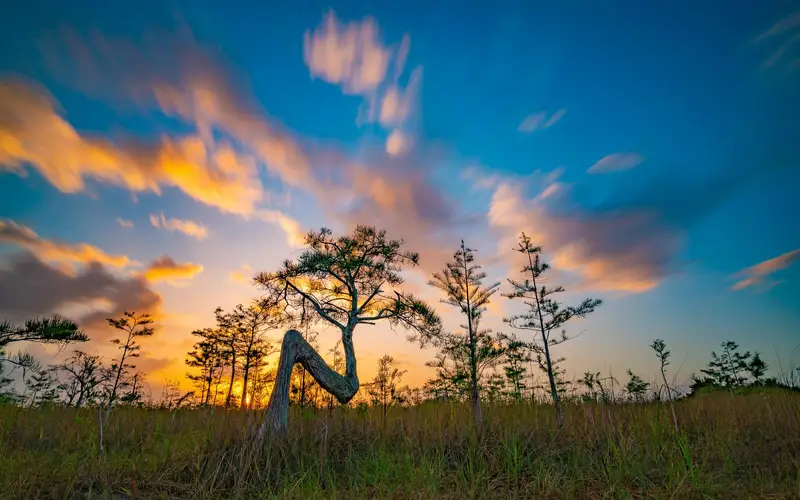
The Reserve's management area includes two barrier islands and part of a third. It also covers the lower 52 miles of the Apalachicola River and its floodplain. Portions of adjoining uplands are part of the reserve, along with the Apalachicola Bay estuarine, riverine, and floodplain systems. Apalachicola Bay is a significant forage area for trans-gulf migratory bird species. The local fishing industry is valued at $14-16 million annually. This industry directly supports up to 85 percent of the local population.
On documented breadth and access, Apalachicola National Estuarine Research Reserve ranks 12th of 17 park and public-land units we score in Florida.
Apalachicola National Estuarine Research Reserve: quick answers
Is Apalachicola National Estuarine Research Reserve worth visiting?
Apalachicola, while not a blockbuster destination, offers a rarer experience: a functioning, largely intact estuary on the Florida panhandle.
Is Apalachicola National Estuarine Research Reserve free to visit?
It is free to get in.
What is Apalachicola National Estuarine Research Reserve best for?
It leans hardest toward water activities, wildlife watching, guided tours, going by the 6 activities it actually documents.
How is the Experience Score for Apalachicola National Estuarine Research Reserve calculated?
The 57 comes straight from public data on how much the place documents and how easy it is to reach, things like activities, topics, photos, camping and whether entry is free. It says nothing about scenery or how busy it gets.
Reviewed by Irene A. Taranina, founding editor/Checked against official public data/Published /Updated /Independent, no sponsored rankings
parkverdict is an independent digital publication. Not affiliated with the National Park Service.