Is Aniakchak National Monument & Preserve worth your trip?
Aniakchak is not a casual destination.
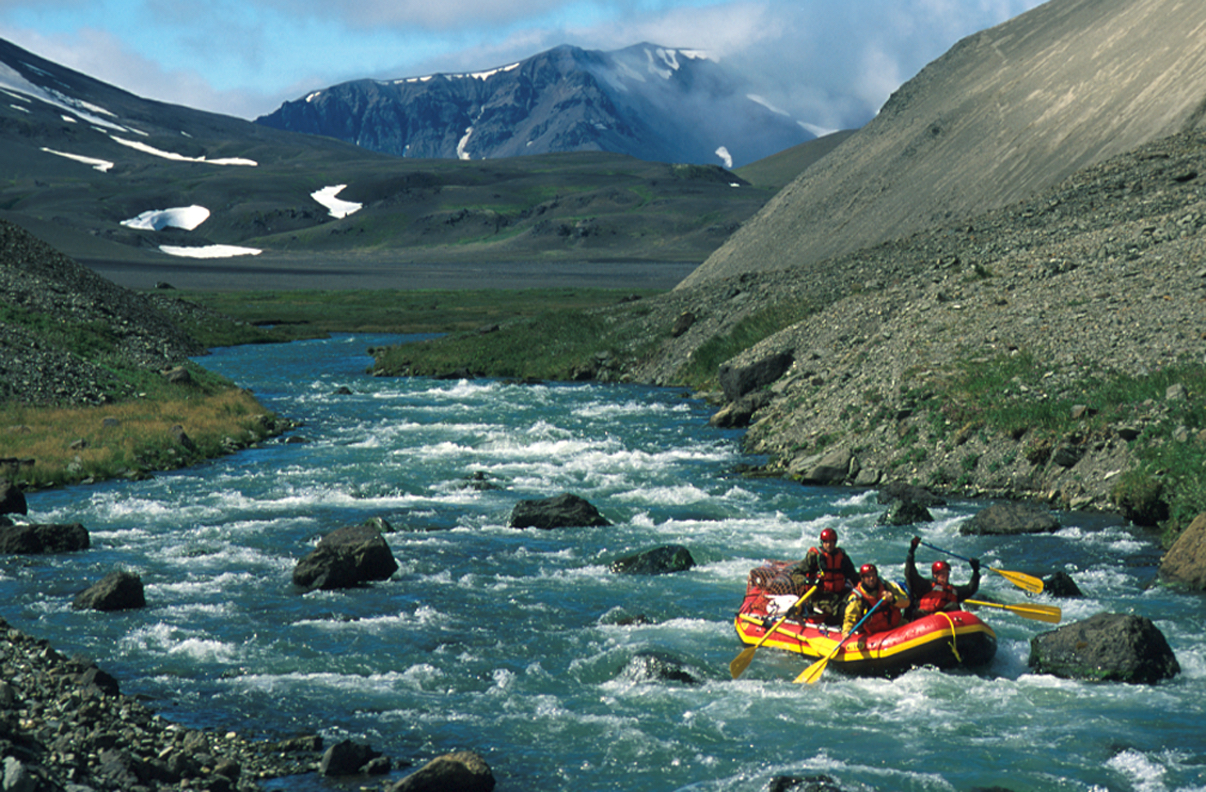
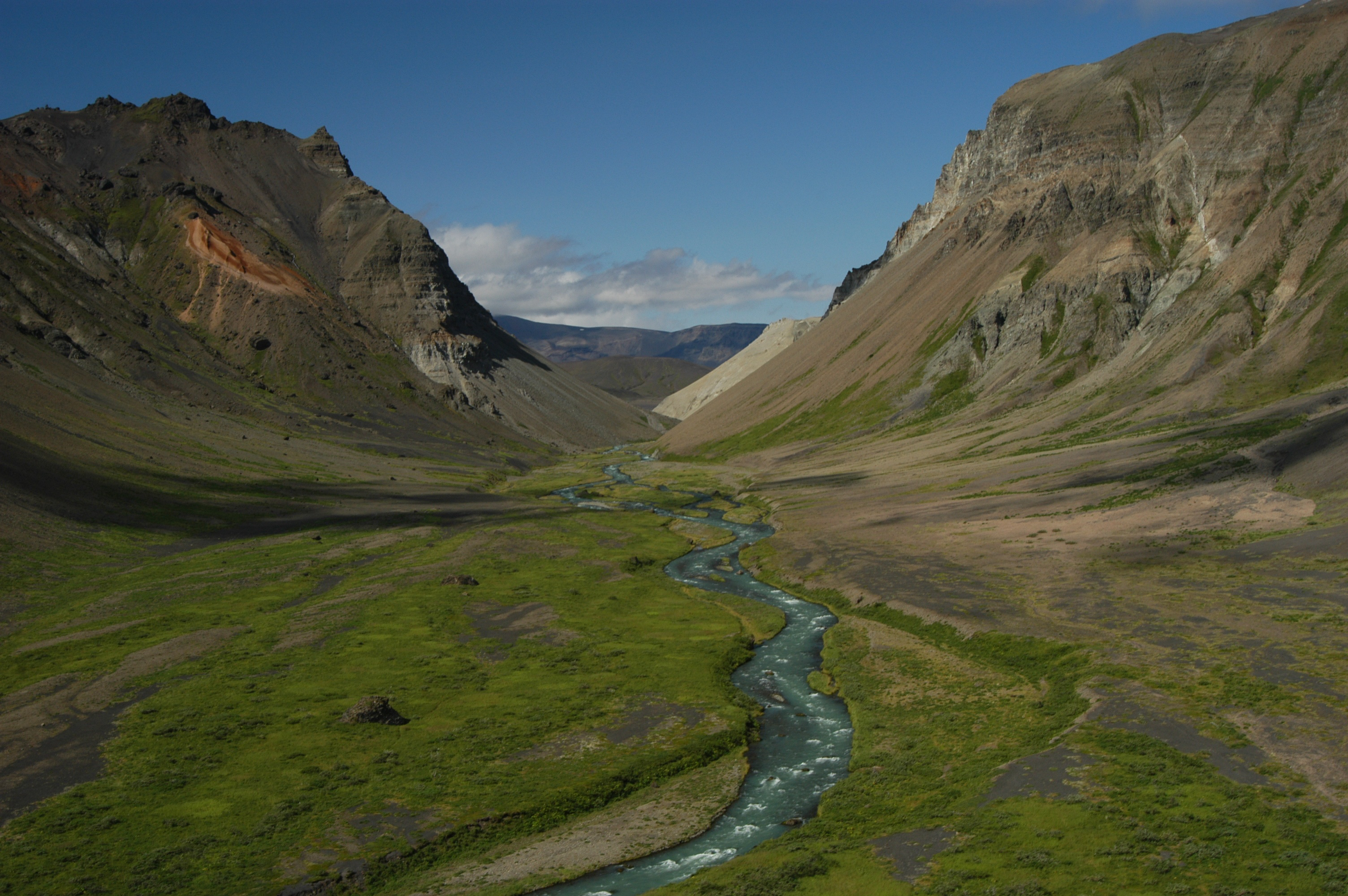
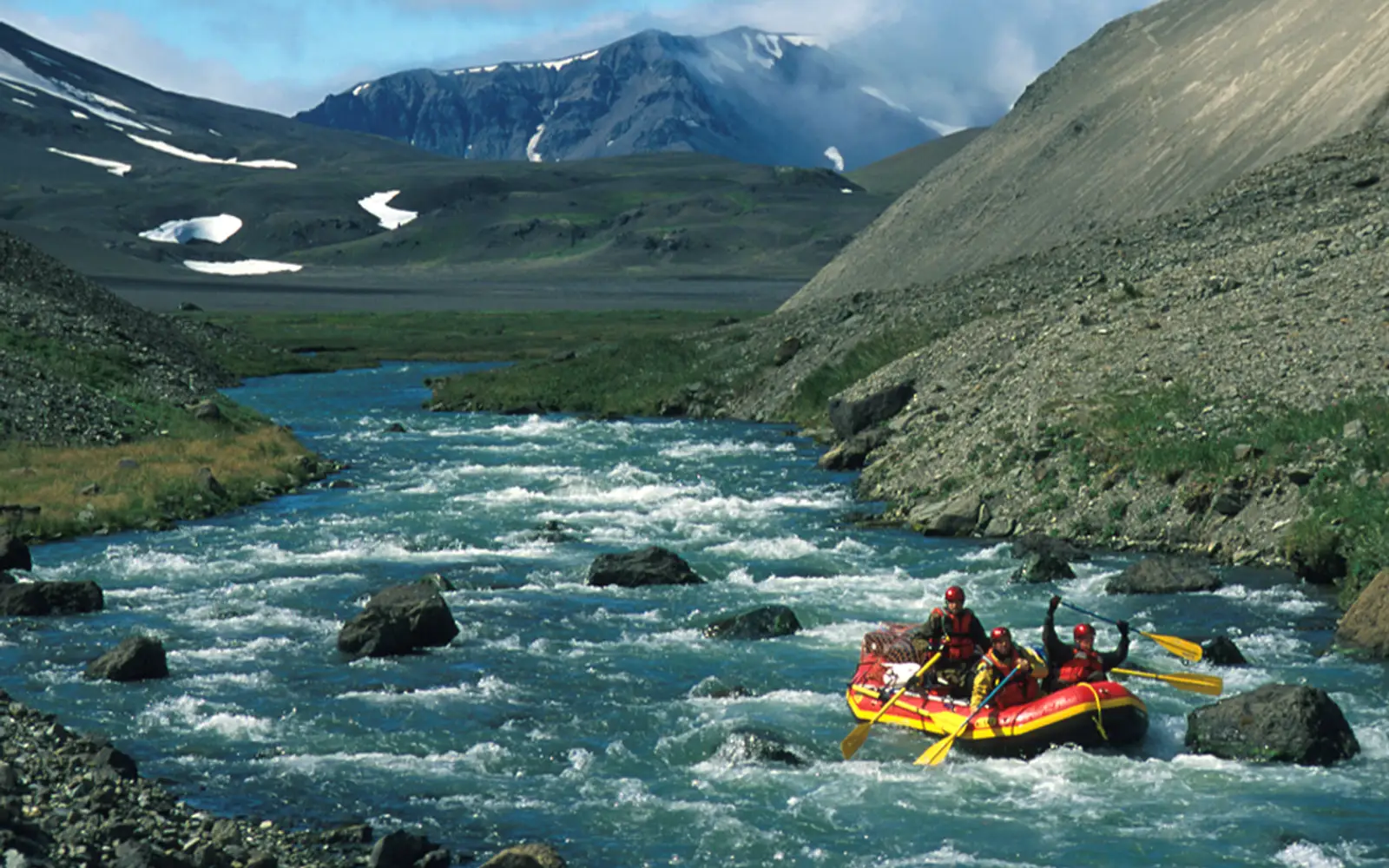
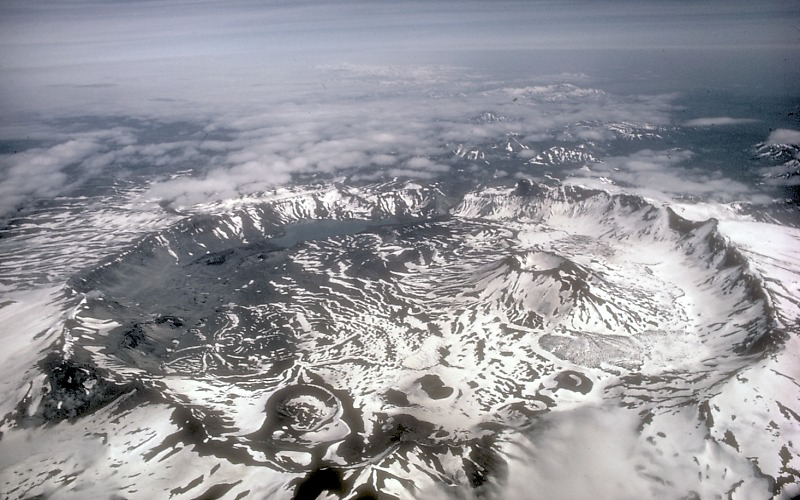
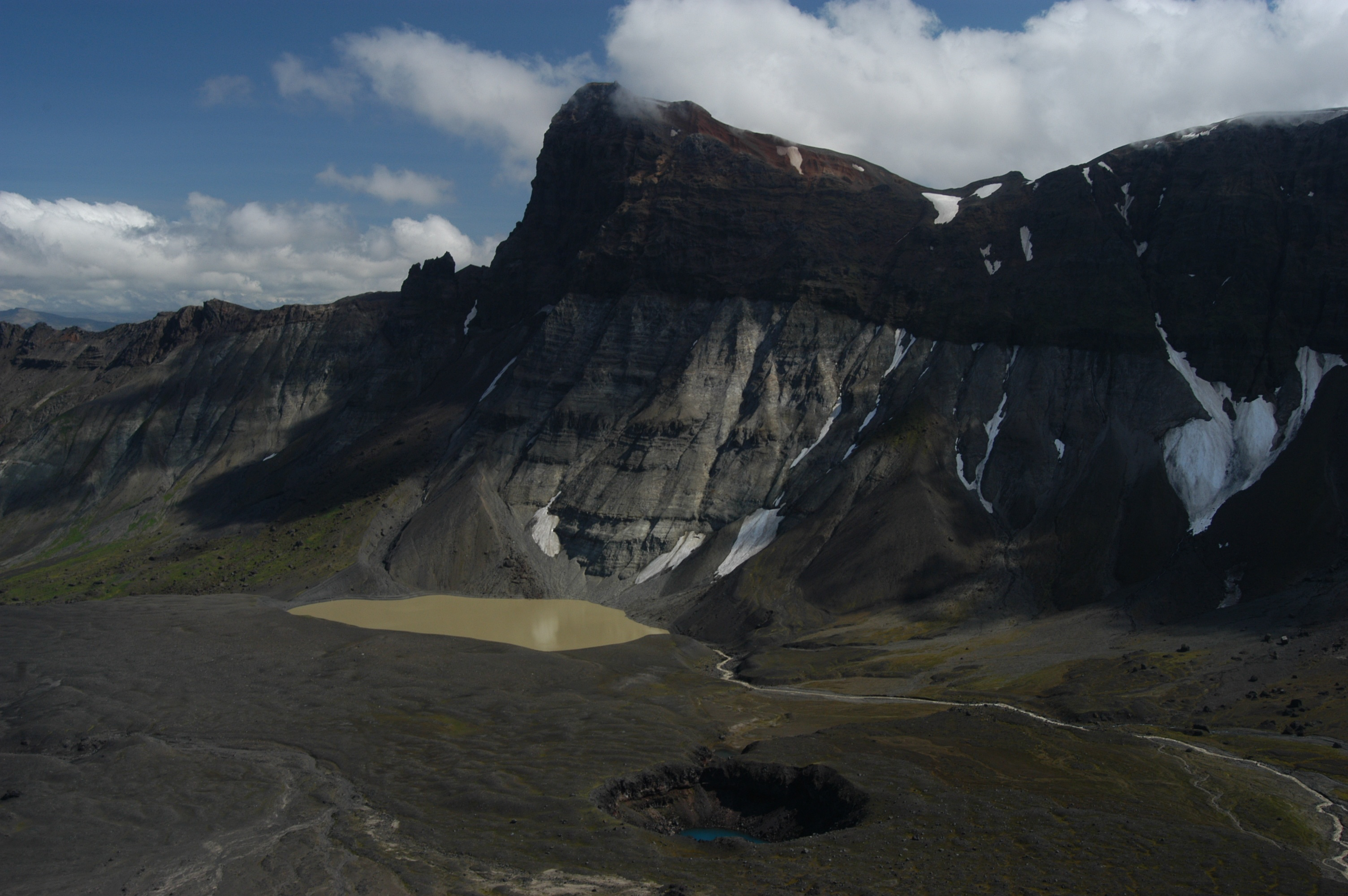
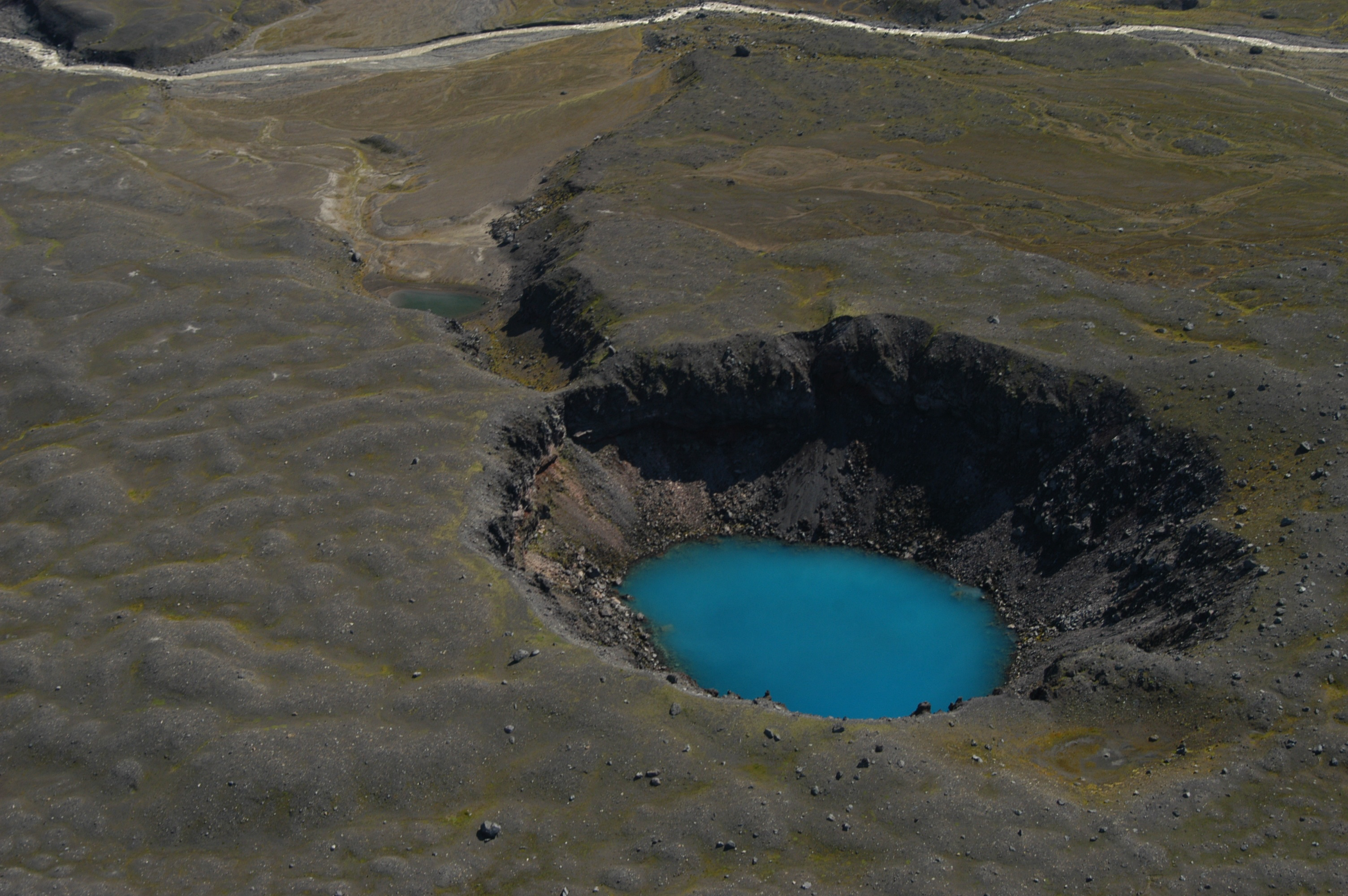
Situated on the Alaska Peninsula, its caldera is reachable only by small aircraft or boat. No roads, maintained trails, or visitor facilities exist within its boundaries. Weather often grounds floatplanes for days. For the prepared, Aniakchak delivers a six-mile-wide volcanic caldera, among the most dramatic landforms in the National Park System. Near-total solitude is guaranteed; annual visitation numbers in the dozens. The Aniakchak River, draining through a caldera wall breach, offers significant paddling and whitewater challenges. This is a landscape few ever witness. Aniakchak suits self-sufficient wilderness travelers who embrace logistical complexities. Others should seek different parks.
Why go
A good trip here is built around the caldera itself, either hiking and camping within its otherworldly interior or running the Aniakchak River from its headwaters inside the caldera down to the coast. Wildlife watching and birdwatching are legitimate draws given the Alaska Peninsula's density of brown bears, waterfowl, and shorebirds. Climbers can explore the volcanic terrain. The complete absence of crowds or infrastructure means every decision is yours. If you have the backcountry skills, the gear, and the flexibility to wait out weather delays, you will experience a volcanic wilderness that has no real equivalent anywhere else in the park system.
Best for
This park is purpose-built for the self-sufficient. Experienced Alaska backcountry travelers comfortable with floatplane logistics and multi-day weather delays will find it genuinely extraordinary. Whitewater paddlers, volcano enthusiasts, and serious wilderness campers are the target audience. The scale is the draw here. This is a formidable landscape. Casual sightseers expecting marked trails, facilities, or reliable access should consider Katmai or Denali instead. Bring a boat.
Best season
The serviceable window for this unit spans late June through August. Snow persists into early summer within the caldera itself, and autumn ushers in swift weather degradation. Even during peak summer months, anticipate a baseline of cold, wet, and windy conditions. Factoring in additional days for floatplane delays, a routine rather than rare occurrence, is essential for any itinerary.
The high points
- Camping inside a six-mile-wide active volcanic caldera
- Paddling and whitewater rafting the Aniakchak River from caldera to coast
- Backcountry hiking through a landscape shaped by a massive eruption 3,500 years ago
- Wildlife watching in one of Alaska's least-disturbed wilderness corridors
- Birdwatching along the Alaska Peninsula with minimal human disturbance
- Total solitude in one of the lowest-visited units in the entire National Park System
Know before you go
This unit demands significant commitment. Entry is free, but access is costly, requiring a chartered floatplane or boat from King Salmon or Port Heiden. There are no maintained facilities. Visitors must pack everything in and out. Prospective travelers should contact the NPS office in King Salmon well in advance to ascertain current access conditions and restrictions. This is a destination for the truly self-sufficient.
One more thingAniakchak is not a casual destination. Its remoteness demands respect, and the weather here is a primary determinant of access. Floatplane access is the only practical entry, and pilots will not fly in unsafe conditions. This makes weather a critical planning factor. Visitors must budget at least two or three buffer days on both ends of their trip. Those who fail to account for this often face significant itinerary disruptions.