Allegheny Portage Railroad National Historic Site: our verdict
Allegheny Portage Railroad National Historic Site preserves an extraordinary feat of 19th-century engineering: a railroad that transported canal boats over the Allegheny Mountains.
This completed the first direct Philadelphia-to-Pittsburgh route in 1834. This is a history-first destination. The grounds, engine house exhibit shelter, and Lemon House offer a tangible sense of how commerce, migration, and even freedom-seeking enslaved people traversed this mountain corridor. It is not a wilderness escape or a dramatic scenic park. For those compelled by industrial heritage and transportation history, or seeking to illustrate a surprising chapter of American infrastructure, this site proves remarkably engaging. Free admission eliminates any barrier to entry.
Why visit
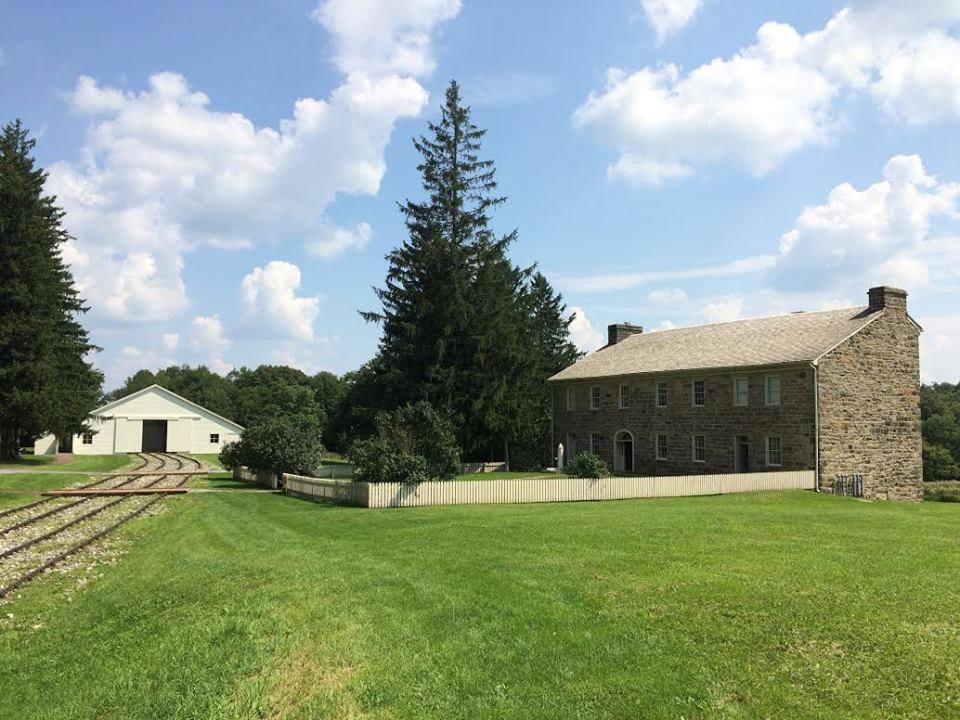
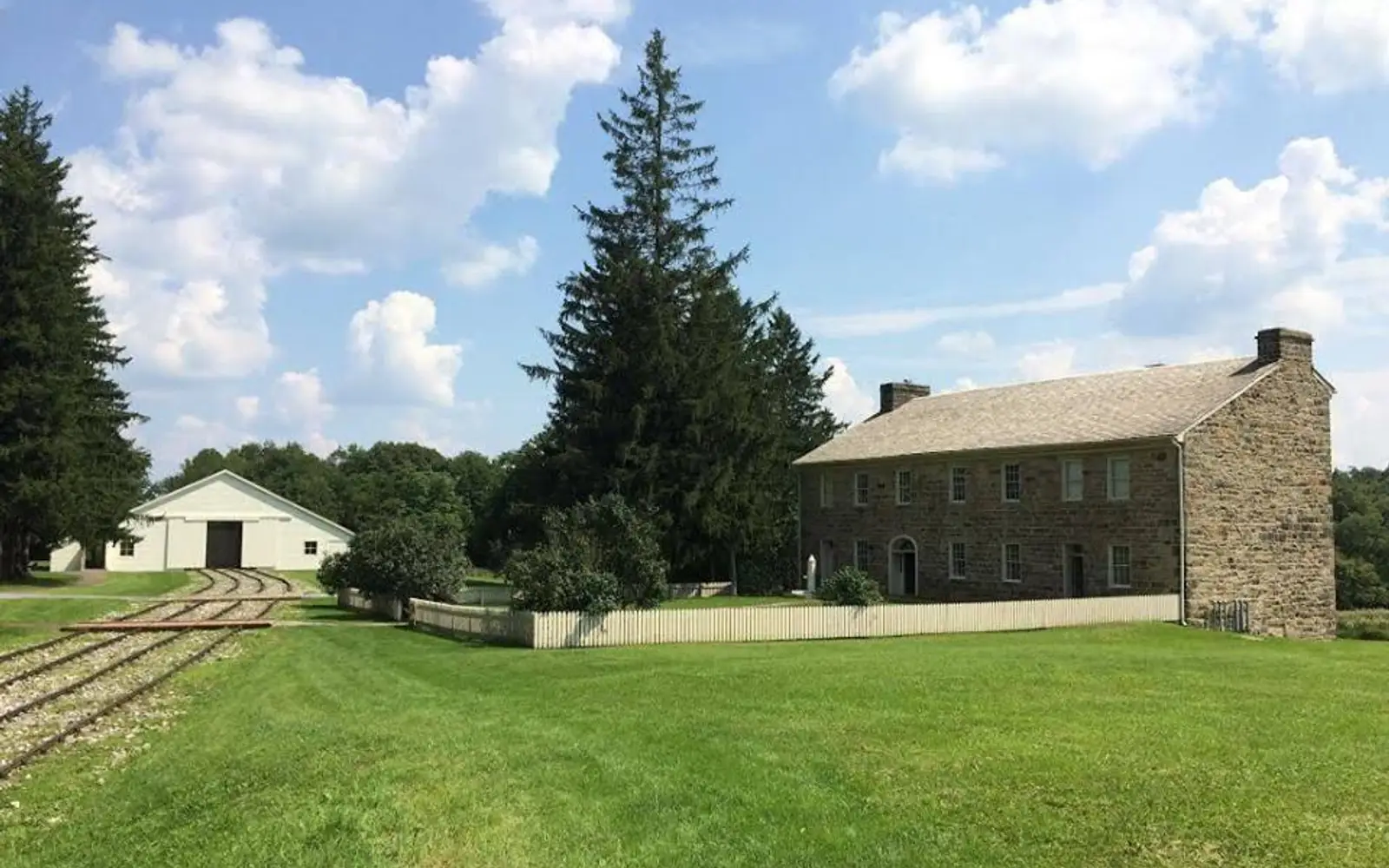
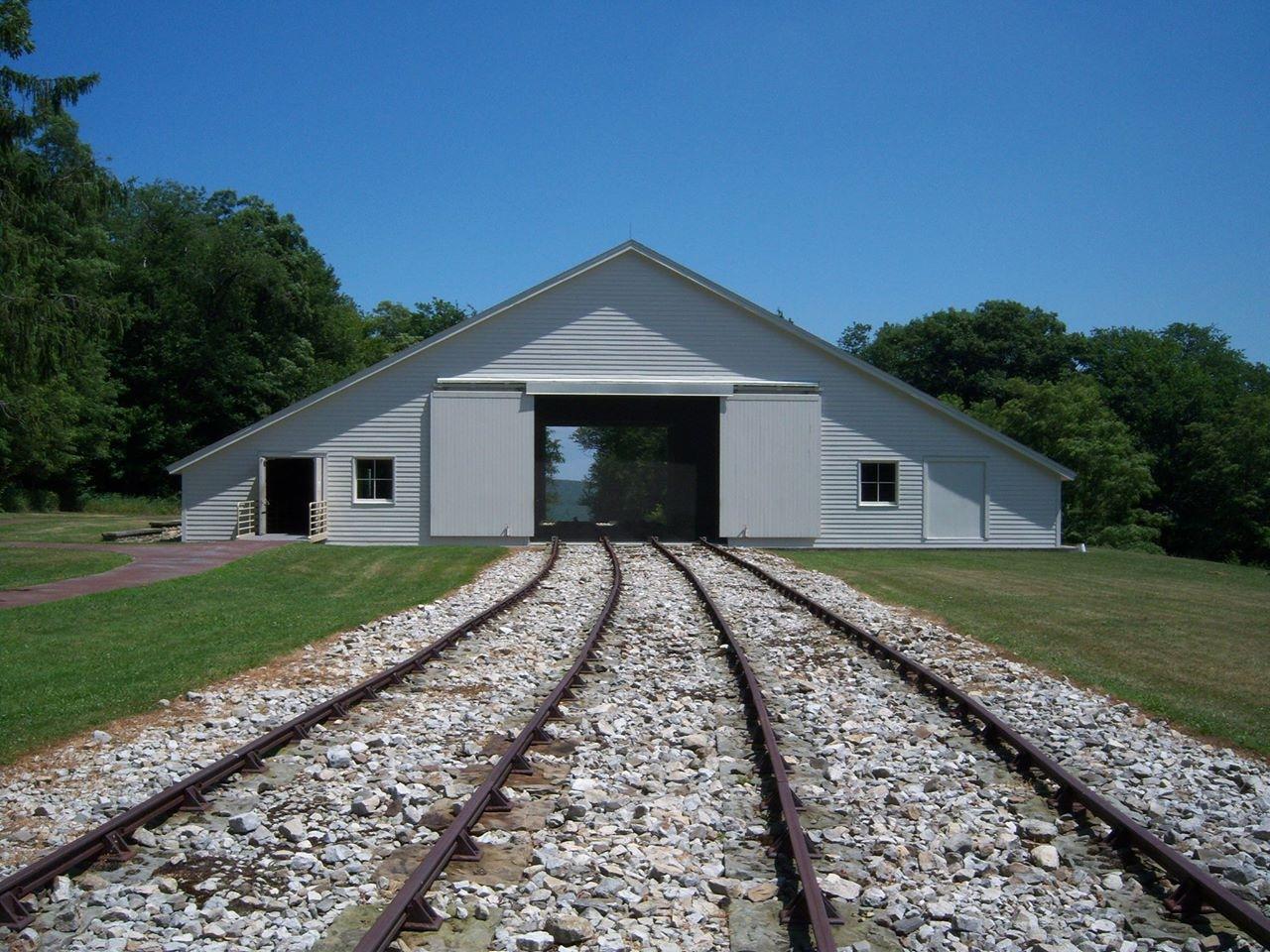
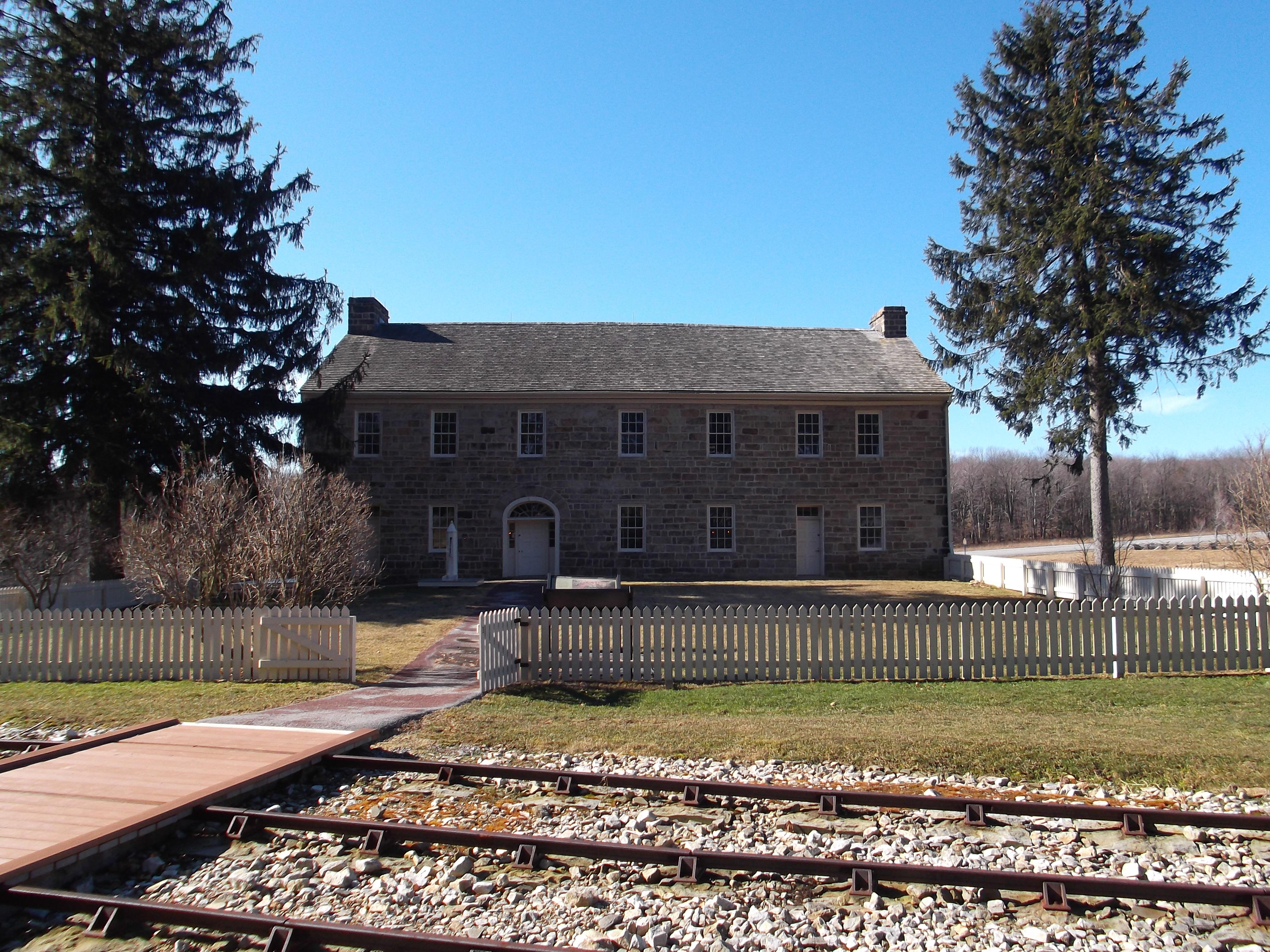
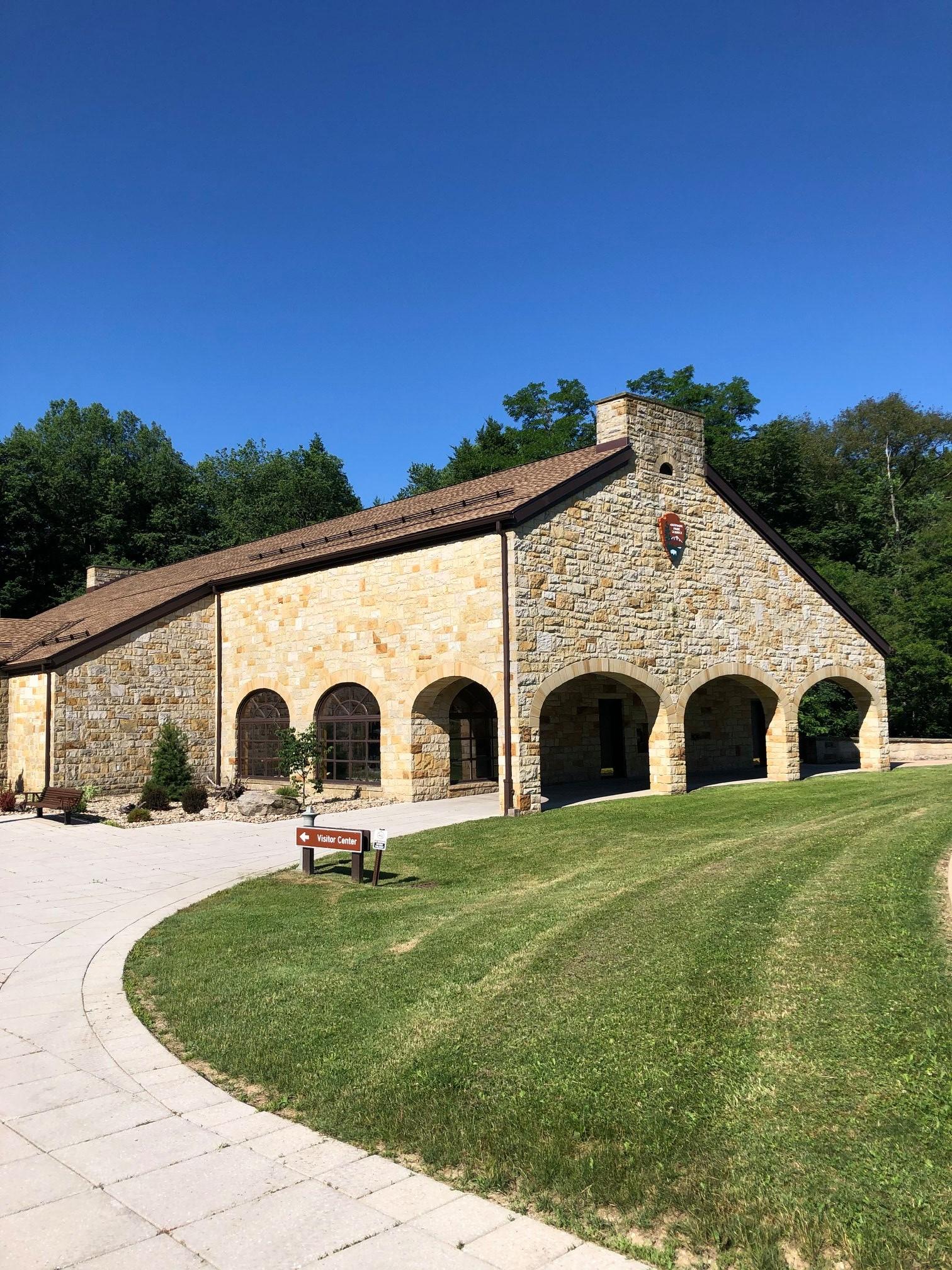
This park prioritizes historical context and immersive education. The visitor center's film establishes the railroad's impact. Engine House No. 6 provides direct engagement with the inclined plane system. Living history demonstrations and first-person interpretation enliven the canal era. The Lemon House offers a glimpse into social history, expanding beyond the mechanical aspects. Self-guided walks allow exploration of the old railroad bed. Families benefit from the Junior Ranger program. The bookstore provides ample resources for history enthusiasts. This unit excels in bringing history to life through direct engagement and educational programming.
Who it suits
This site caters specifically to history enthusiasts and those fascinated by early American industrial feats. Railroad and canal buffs will find ample material for exploration, as will families with inquisitive children. As a complimentary and substantive stop for travelers traversing Pennsylvania, it offers distinct educational value. However, individuals prioritizing scenic vistas, strenuous trails, or wildlife observation will find offerings limited. This is a focused historical unit, not a sprawling outdoor destination.
Timing your visit
Late spring through early fall presents the optimal window for experiencing the park, aligning with reliable facility access and agreeable walking conditions. Situated at the summit of the Allegheny Mountains in Cambria County, the park is prone to significant winter snows and road hazards. These conditions may prompt unannounced facility closures. A pre-visit call is essential for anyone planning to visit between November and March.
What stands out
- Engine House No. 6 exhibit shelter, the physical centerpiece of the inclined plane system
- The restored Lemon House tavern, a window into everyday life along the route
- Living history and first-person interpretation that animates the canal era
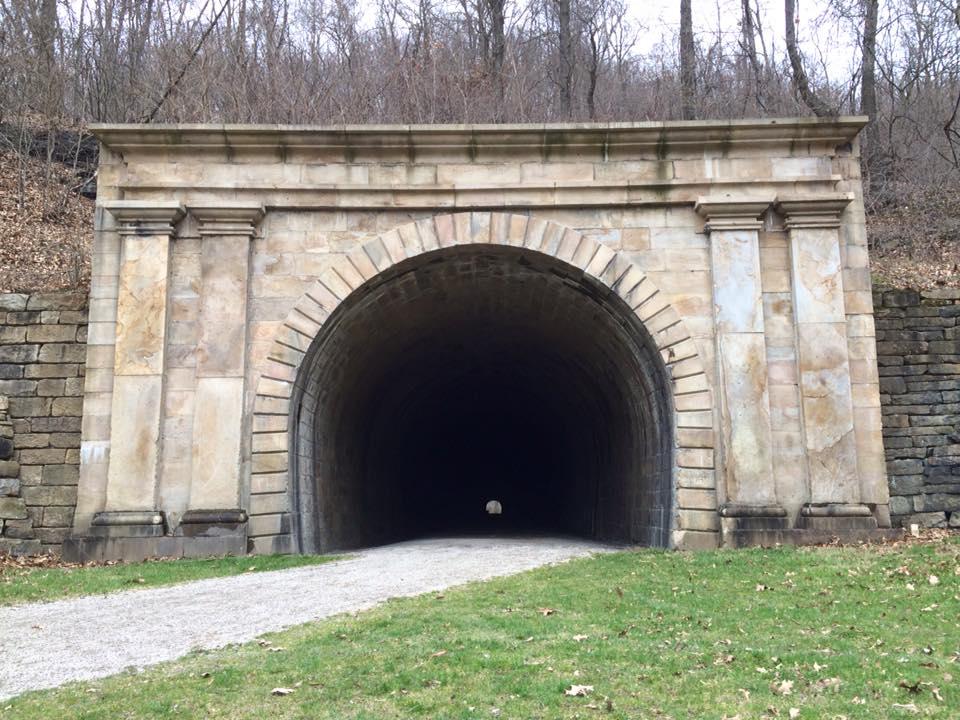
- Self-guided walking along the actual railroad grade
- Historic weapons demonstrations adding a military dimension to the site's story
- Free admission with a well-stocked bookstore and Junior Ranger program for families
Good to know
This park requires planning. While grounds and trails welcome visitors daily from sunrise to sunset, the visitor center, Engine House No. 6, and the Lemon House maintain a limited schedule, closing every Wednesday and Thursday. They operate Friday through Tuesday, 9 a.m. to 5 p.m
Insider tipThe Junior Ranger program enhances visits for families. Download the booklet or acquire it before exploring the grounds. Its activities align with the site's physical layout. Sequential completion improves the overall experience, eliminating the need to return to the visitor center. This forethought makes the program a valuable addition for younger visitors.