Should you visit Aleutian Islands World War II National Historic Area?
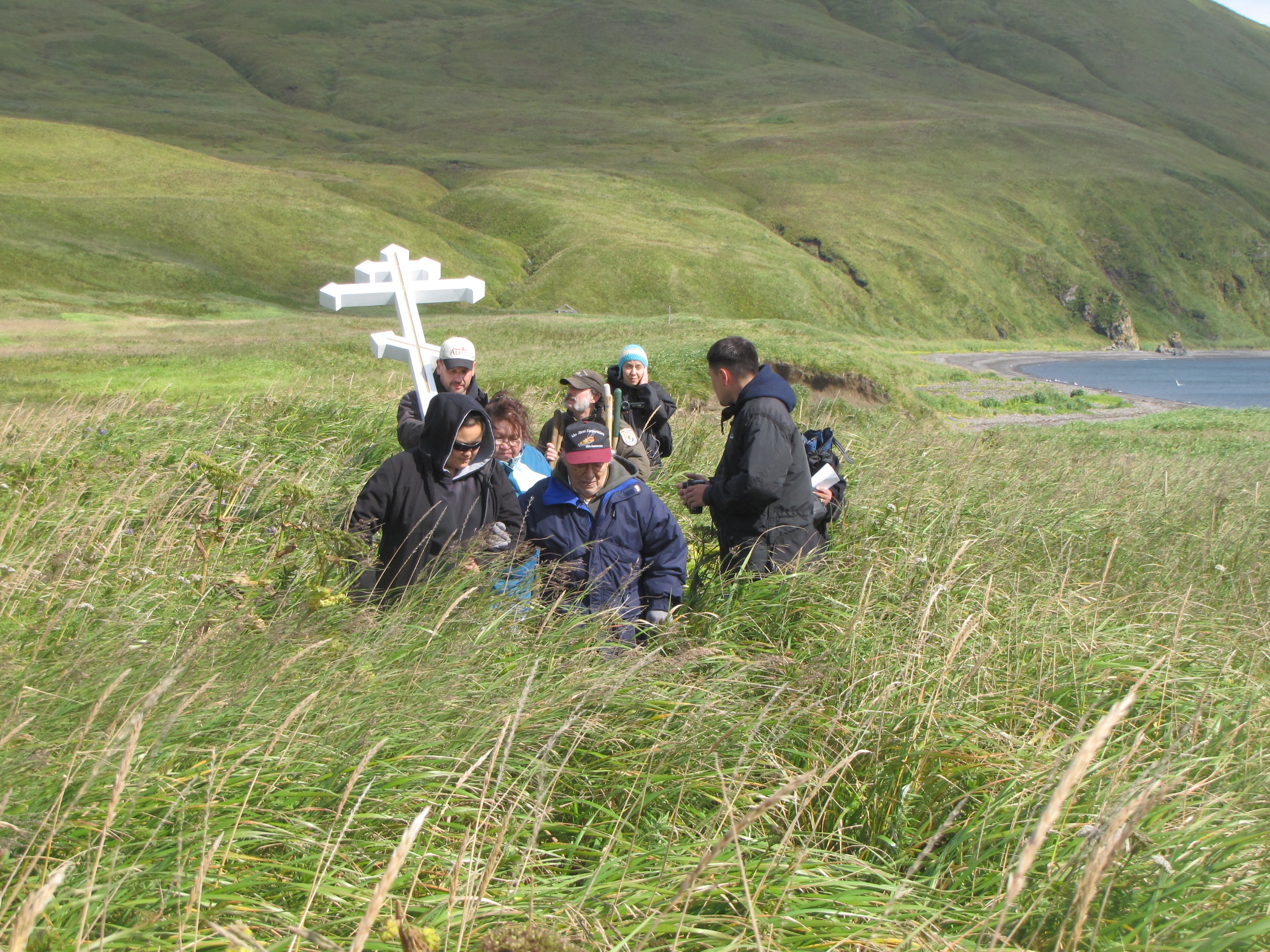
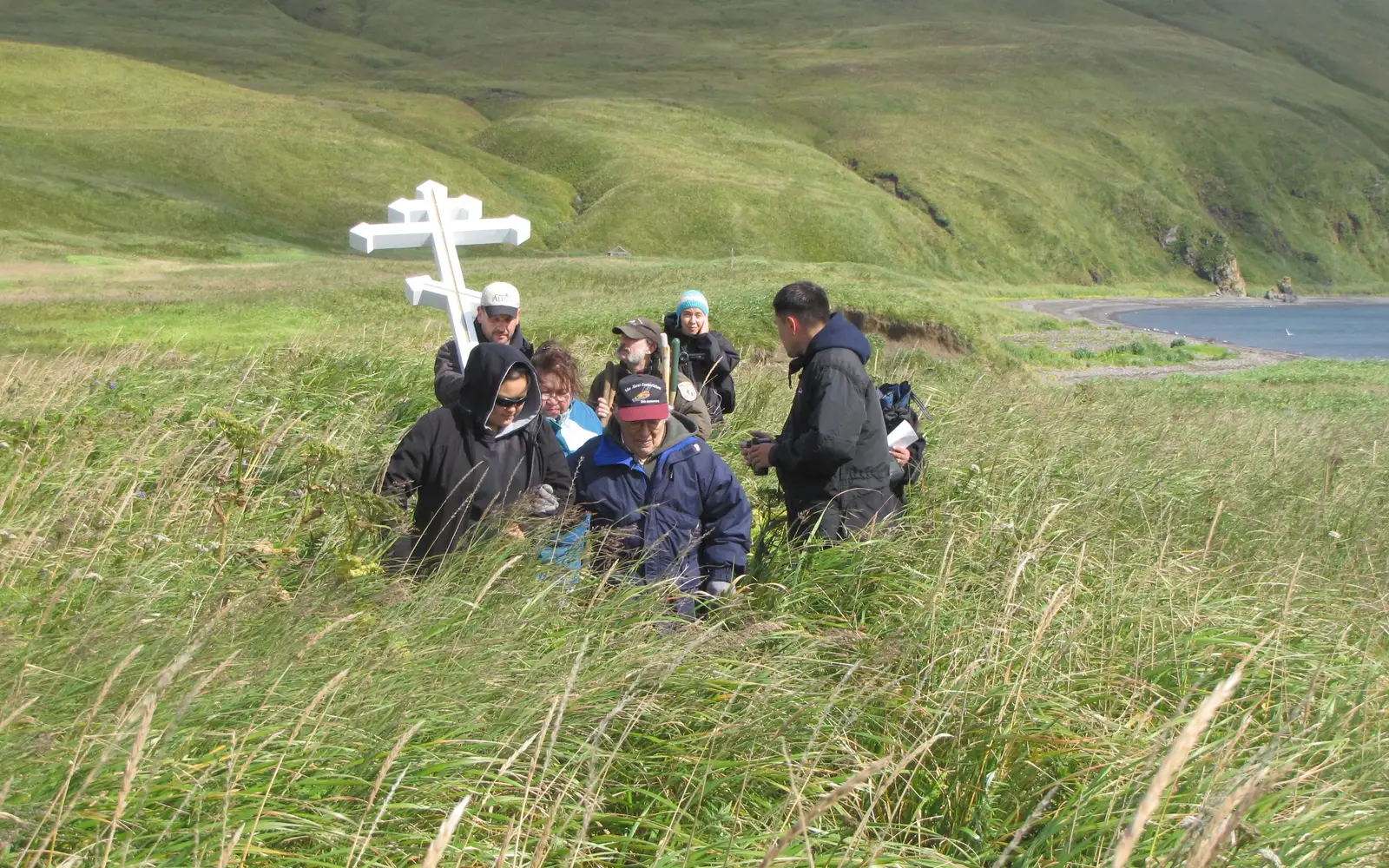
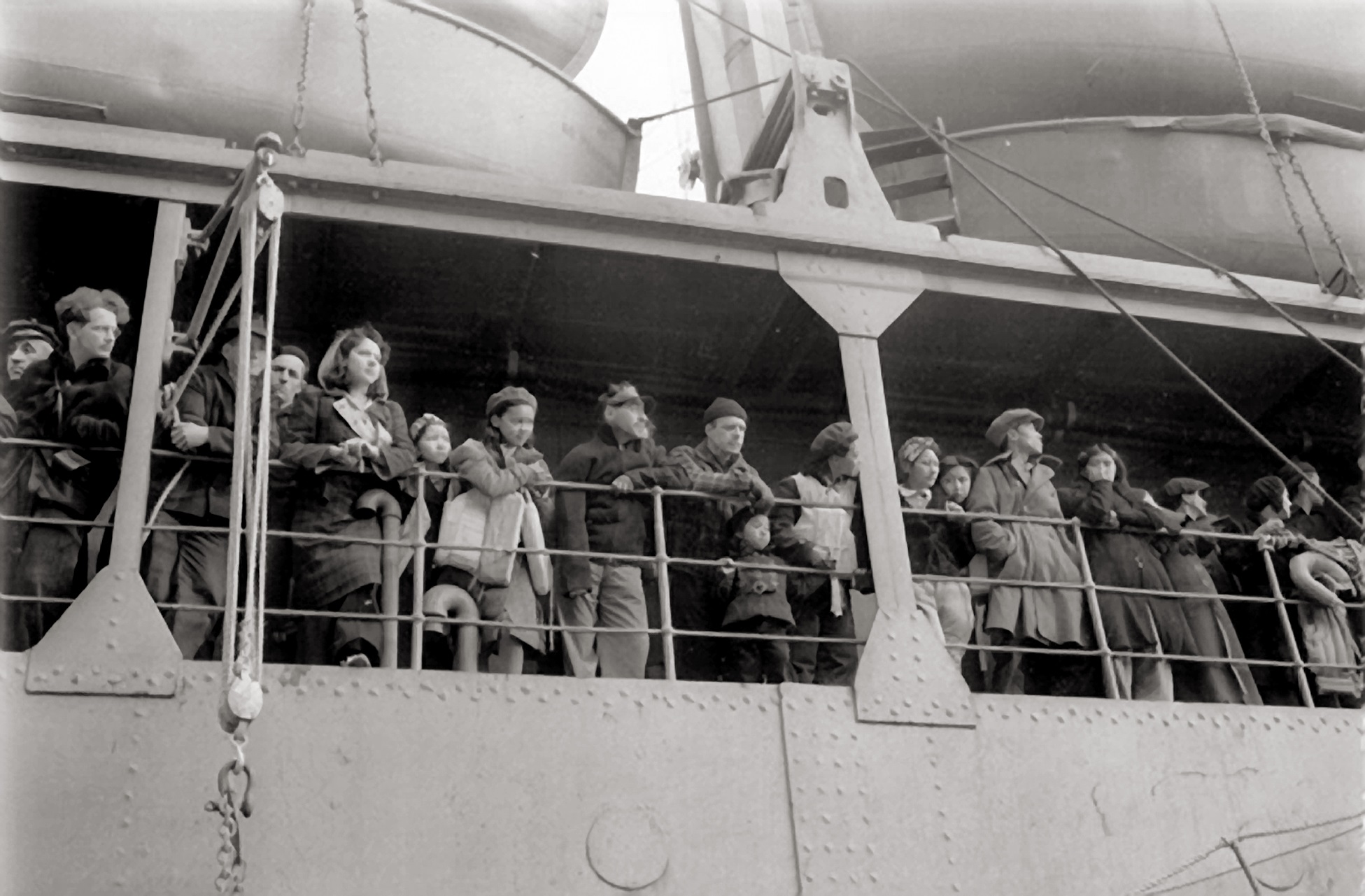
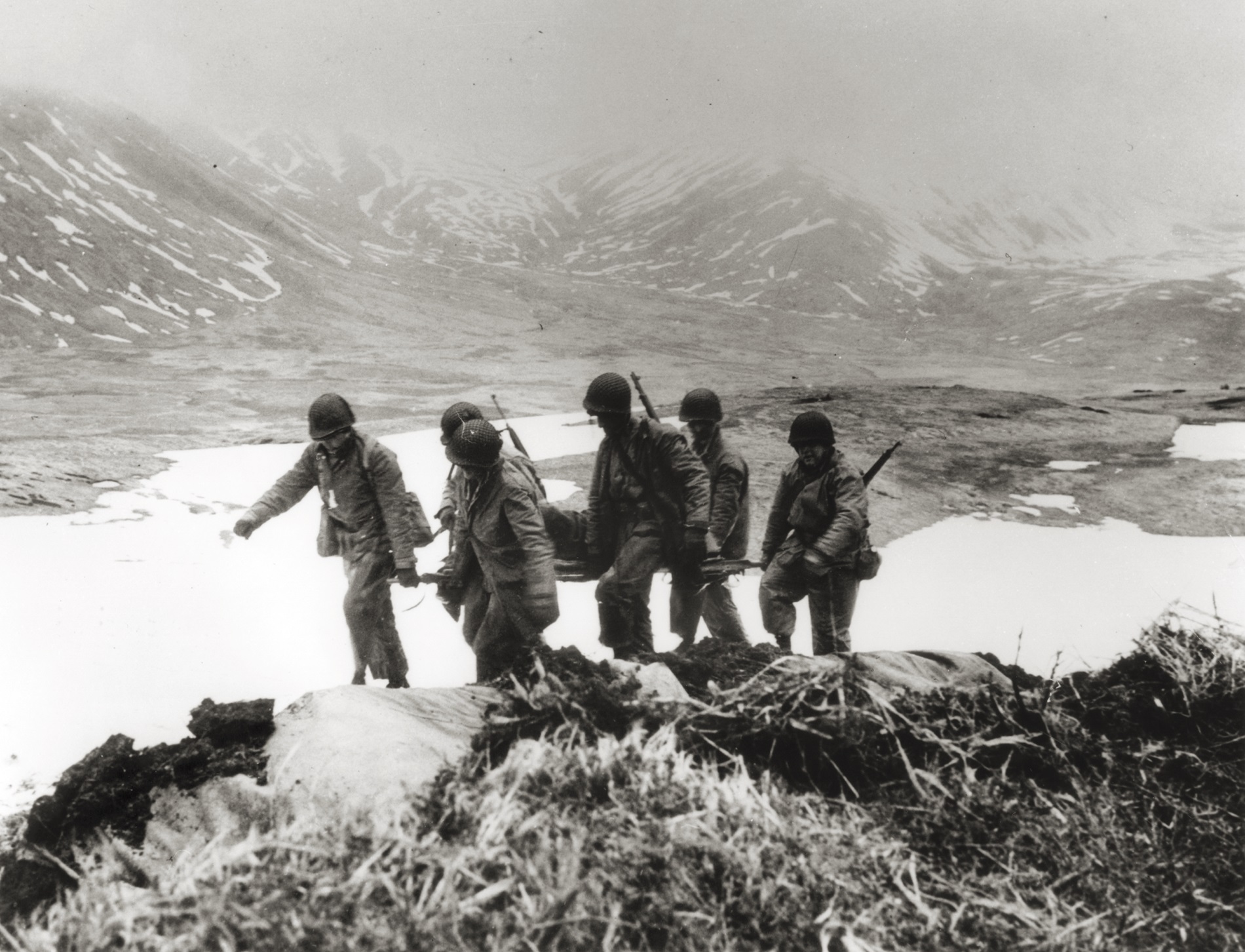
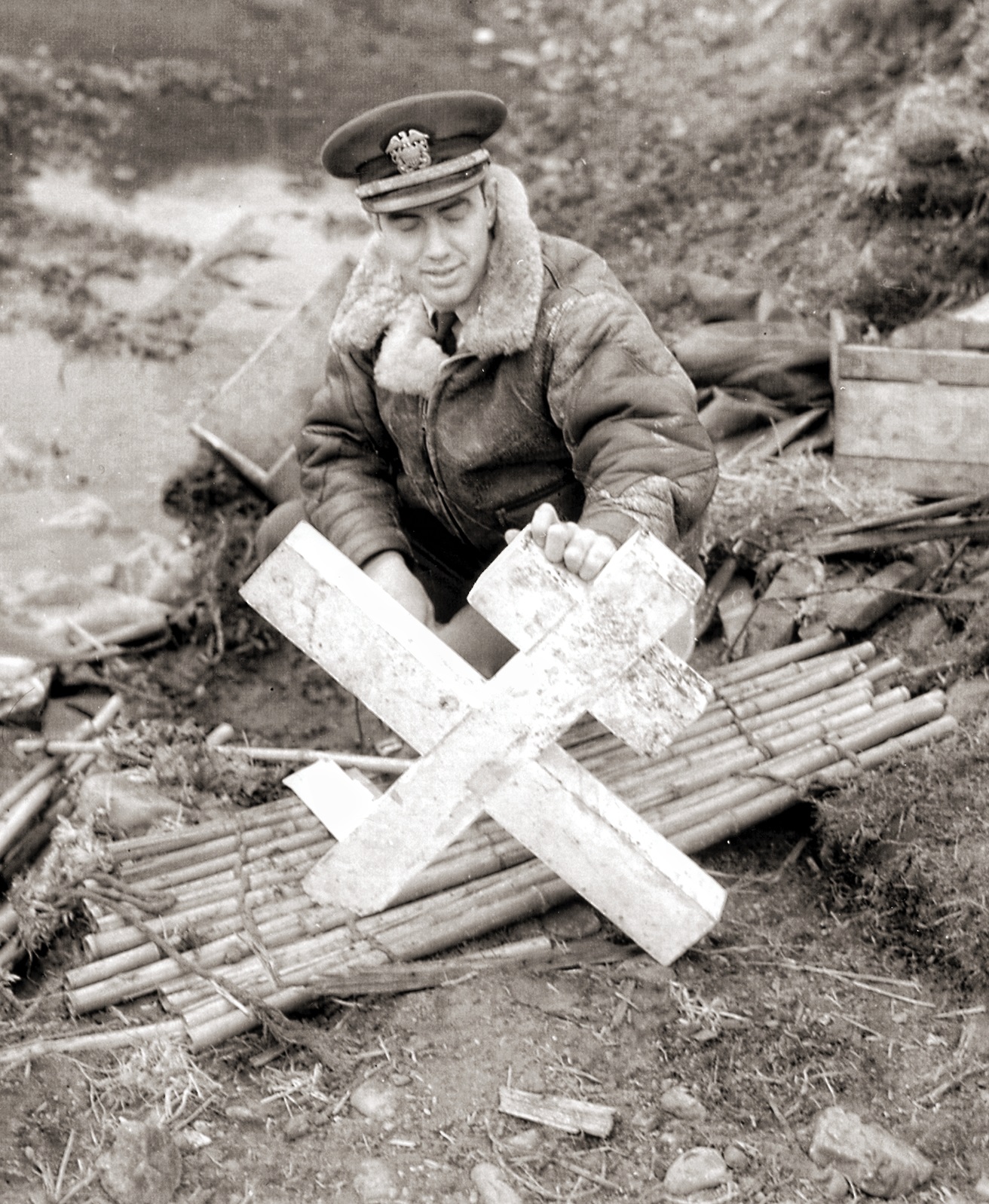
This rare site chronicles one of World War II's least-known American stories: the Japanese occupation of Attu and Kiska, and the forced displacement of the Unangax̂ people.
They had inhabited these islands for over eight millennia. Reaching this unit requires significant logistical planning; the Aleutian Islands are remote in the North Pacific. The experience combines museum exhibits, guided tours, and the raw, windswept landscape. This is not a casual destination. For those with a serious interest in Pacific theater history, Indigenous wartime experience, or remote Alaska, the monument offers something irreplaceable. The pervasive fog, cold, and isolation make the human cost of these events palpable.
What makes it worth it
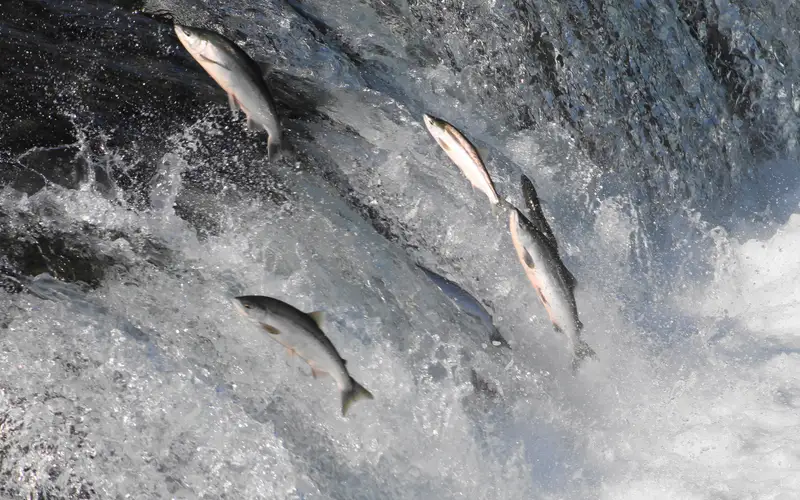
This monument offers a unique and sobering experience. The museum exhibits are central, documenting a critical military campaign and the suffering of the Unangax̂ people. This includes those taken as Japanese POWs and others forcibly evacuated by the U.S. government. Guided tours are strongly recommended. They add interpretive depth beyond self-guided options. The surrounding environment, lying along major Pacific flyways, offers exceptional wildlife and birdwatching. Notable seabird populations are present. The Junior Ranger Program supports families willing to undertake the journey. This unit offers a powerful combination of layered human history and a wild landscape. Expect a strong impression from a focused half-day or full-day visit.
Who should go
This park suits history-focused travelers, particularly those interested in the Pacific theater, Indigenous wartime history, or lesser-known American WWII stories. Birders and wildlife watchers already traveling through the Aleutians will find real added value. Casual park visitors or those needing a wide menu of outdoor recreation should look elsewhere.
When to go
Summer offers the sole practical window for most visitors, but comfort is relative. Expect temperatures between 45 and 65 degrees, with frequent fog, rain, and wind. No season here is reliably comfortable. Packing serious rain gear and layers is essential. Rapid weather changes can affect access; build itinerary flexibility.
Highlights
- Museum exhibits documenting the Japanese occupation of U.S. soil and the Unangax̂ wartime displacement
- Guided tours that contextualize the military and Indigenous history beyond what signage alone conveys
- Birdwatching along one of the Pacific's major avian flyways
- Wildlife watching in a remote, largely undisturbed North Pacific environment
- Self-guided walking and auto tours through landscape that reinforces the isolation central to the history
- Junior Ranger Program for families making the significant journey out
Plan ahead
Entry to the Aleutian Islands is free. However, the logistical complexities and expense of reaching this remote unit are substantial. Flights through Anchorage to hubs like Unalaska/Dutch Harbor are generally required. This is not a destination for the casual sightseer. Thorough advance planning for accommodation and local transport is essential. Confirming current tour operations and exhibit hours is also critical, as services can be limited.
Editor's tipFor visitors seeking a deeper engagement, especially with the nuanced Unangax̂ history, a guided tour is highly recommended. Self-guided options, while available, may not fully convey the depth of the cultural narrative. A knowledgeable guide can significantly enhance understanding and enrich the overall experience.