Is Alcatraz Island worth your trip?
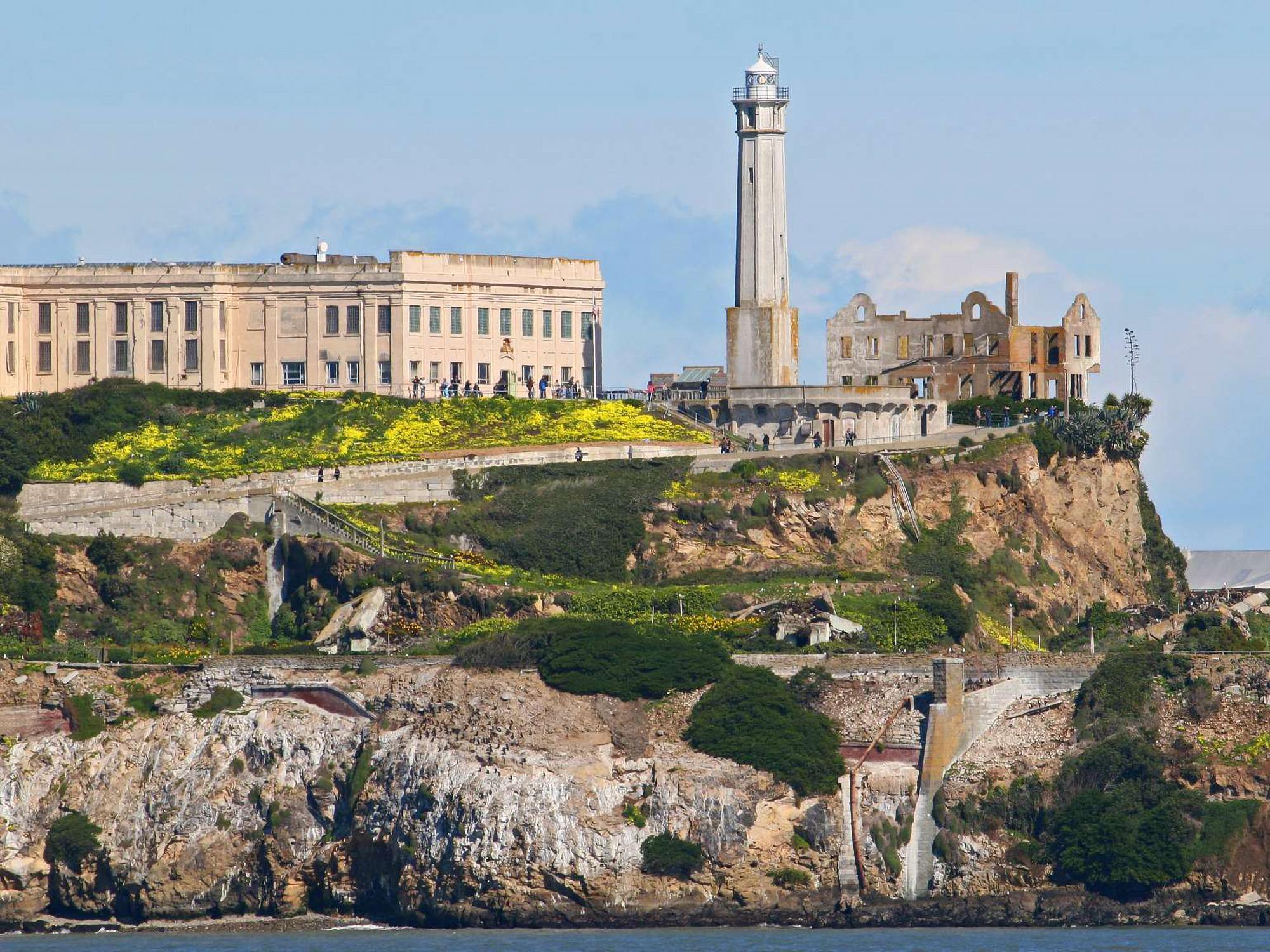
Alcatraz Island presents a unique, multi-layered historical experience.
Its fame, while significant, aligns with the reality more for its rich past than for any expansive outdoor appeal. The experience score of 54 accurately reflects a contained set of activities: primarily museum exhibits, wildlife viewing, birdwatching, and the ferry journey. This is not an adventure destination. The island offers military history, federal penitentiary lore, and the significant 1969 Native American occupation that influenced civil rights. A surprisingly active seabird colony also thrives here. The compact island rewards curiosity. History-minded travelers and urban visitors exploring the Bay Area will find it close to essential. Those expecting wilderness or skipping the audio tour may find its appeal diminished.
Why go
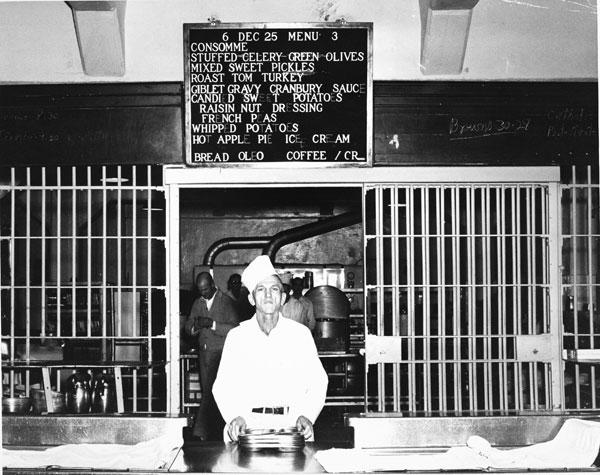
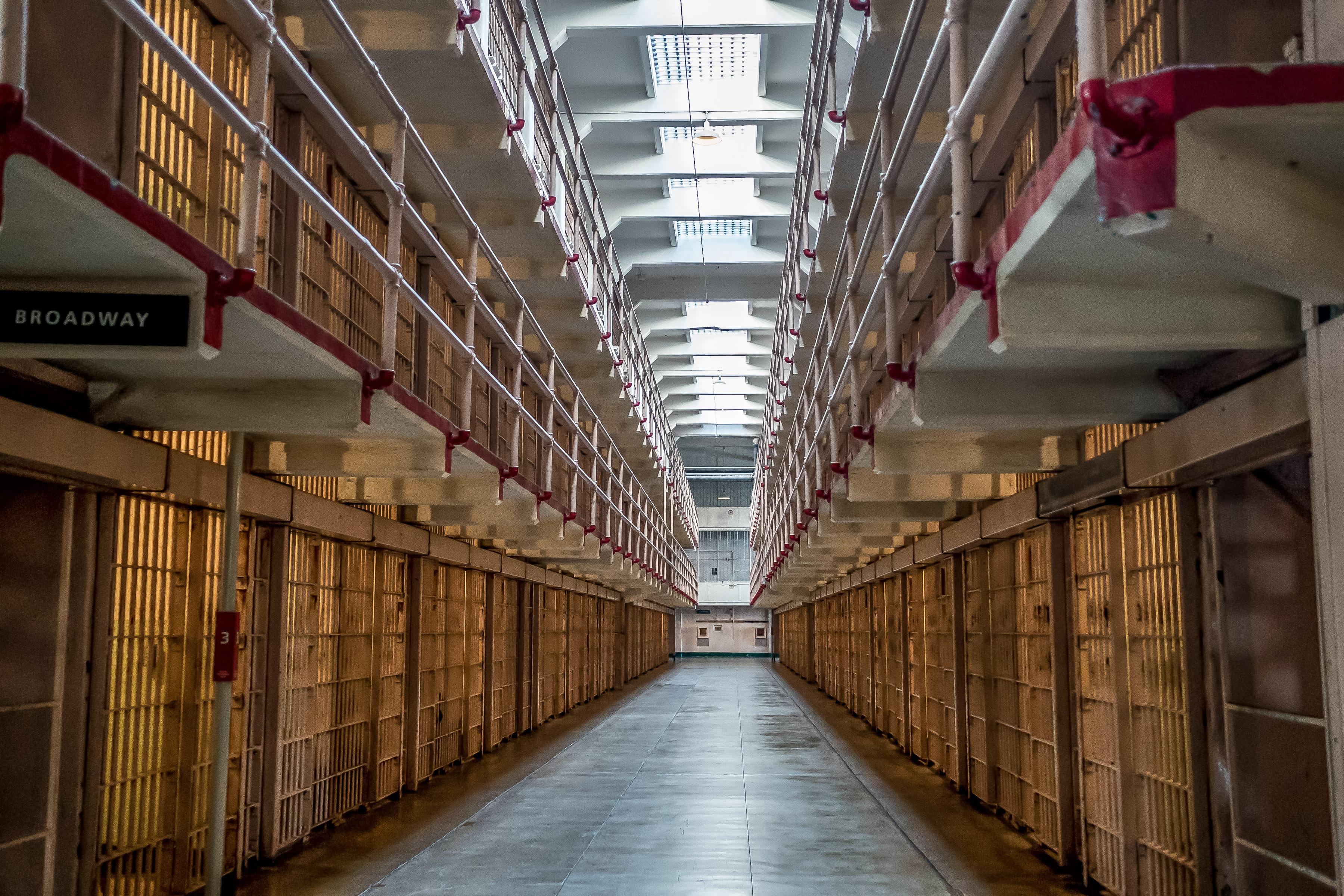
Alcatraz Island presents a potent blend of history and nature, accessible via a short ferry ride from San Francisco. The focal point for most is the cellhouse audio tour. This tour, narrated by former inmates and guards, offers a compelling, authentic experience of the prison's notorious past. Beyond the penitentiary itself, the island delves into broader historical narratives. Museum exhibits detail its military history and the pivotal 1969 Indians of All Tribes occupation, a significant, often overlooked, segment of American civil rights. The island also surprises with its ecological offerings. It supports one of San Francisco Bay's largest nesting seabird colonies, a draw for birdwatchers. Western gulls and black-crowned night-herons are common sightings. The park store and bookstore provide resources for those seeking to explore its layered history further. A typical visit spans two to three hours. For visitors interested in American history, civil rights, or avian wildlife, Alcatraz offers a unique and memorable outing. Those expecting only a prison tour will discover broader dimensions.
Best for
Alcatraz offers a genuinely rewarding experience for history enthusiasts, particularly those focused on American incarceration, Native American civil rights, or military history. Birdwatchers in the Bay Area will find the nesting colony a notable attraction. Families with older children are well-suited to this destination. However, those seeking extensive hiking, backcountry access, or broad outdoor recreation should direct their attention to other units within the Golden Gate National Recreation Area.
Best season
Optimal visiting conditions prevail in spring and fall, with clearer skies and moderate temperatures. Summer presents a challenge, often bringing fog and cool weather to the island. Winter guarantees rain. Ferry schedules fluctuate; advance booking is critical, particularly for peak summer and holiday travel, when tickets can sell out weeks in advance.
The high points
- Cellhouse audio tour narrated by former inmates and correctional officers
- Museum exhibits on the 1969 Indians of All Tribes occupation
- One of San Francisco Bay's largest nesting seabird colonies, active in spring and summer
- Military history exhibits covering the island's pre-prison era
- Scenic ferry crossing with views of the bay and San Francisco skyline
- Bookstore and park store with serious historical and natural history titles
Know before you go
Access to the park is restricted to the commercial ferry operated by Alcatraz City Cruises. While technically free to enter, a ferry ticket is mandatory for all visitors. Reservations are highly advisable, particularly during peak summer months, and can be essential for securing passage. The ferry schedule adjusts seasonally. The island observes closures on Thanksgiving, Christmas, and New Year's Day. Regardless of the prevailing weather, dressing in layers is a practical necessity.
One more thingThe night tour, run by Alcatraz City Cruises, offers an expanded view of the cellhouse, covering areas inaccessible during day visits. It draws on unique historical narratives. Travelers with flexible