589 units scored Refreshed on a schedule Independent, no sponsored rankings
National Wildlife RefugeCO
Alamosa National Wildlife Refuge
NPS / Share the Exeprience, Marlon Ignacio
46/ 100FOCUSED
parkverdict Experience ScoreIndependent, not sponsored
46 of 100. Our independent breadth-and-access index. How we score
Our take
Is Alamosa National Wildlife Refuge worth your trip?
Alamosa National Wildlife Refuge, at 12,026 acres, is a purpose-built wetland in the high desert of the San Luis Valley.
Free to enter, it excels as a migratory bird sanctuary. The refuge is not a hiking destination, nor does it offer scenic overlooks; its experience score of 46 accurately reflects this. Patient wildlife watchers and photographers will find ample reward, particularly during migration seasons. For those with a specific interest in birds, this destination delivers exceptional opportunities.
Best for
This is a highly specialized destination. Birders, wildlife photographers, and hunters will find real purpose here. Anglers and families seeking educational programming have options too. However, hikers, road-trippers chasing dramatic scenery, or visitors wanting a full-day itinerary should look elsewhere in Colorado.
The high points
Over 200 bird species use the refuge, making it one of the most productive birding spots in the San Luis Valley
Free entry with a visitor center that provides context on the wetland and desert habitat management happening across the 12,026 acres
Hunting and fishing access adds utility for sportspeople beyond the typical wildlife refuge visit
Photography of waterfowl and shorebirds against the stark high-desert backdrop offers a compositionally distinctive setting
One more thingThis is a birder's destination, above all else. Visitation during spring and fall migration windows offers the highest bird concentrations. The active management of water levels and habitat conditions means wildlife congregates in different areas seasonally. Always stop at the visitor center first for current information. For what it offers, the serious wildlife viewer will be rewarded. Casual sightseers should look elsewhere.
How we scored it
Why Alamosa National Wildlife Refuge scores 46
We keep the math boring on purpose. The same handful of public-data inputs, capped so none of them dominates, decide every score. What they measure is breadth and access, not beauty and not crowd levels. For Alamosa National Wildlife Refuge, they shook out like this:
Activity breadth6 documented activities
Topic breadth0 topics
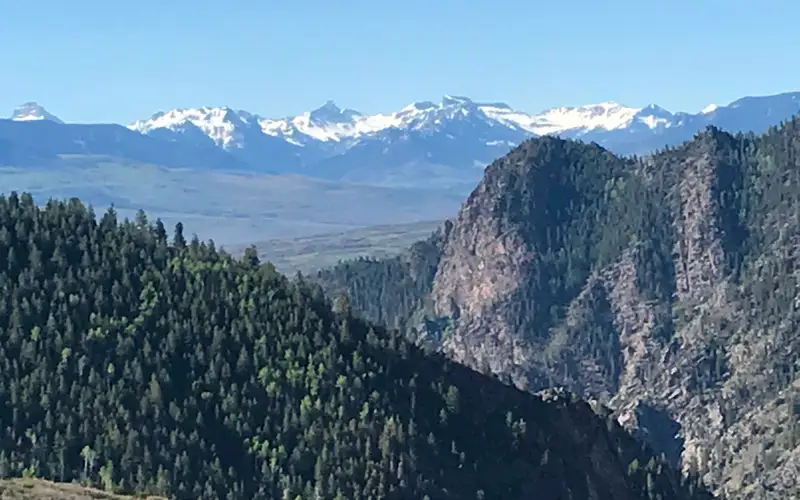
Official imagery2 public-domain images
Camping on sitenone recorded
Entry costfree
No number is hand-adjusted and no unit pays for placement. The full weights, the floor at 18 and a worked example are on how we score.
The honest limits
The honest blind spots
Read the score for what it is. It counts what a place documents and how reachable it is, and stops there. It will not tell you if a sunset floors you, if the crowds thin out by dusk, whether a washout closed your trail, or how a ranger tells the story. Plenty of quiet, focused spots score modestly and still win the weekend. Let the number rank what is on offer; let the verdict speak to the feel.
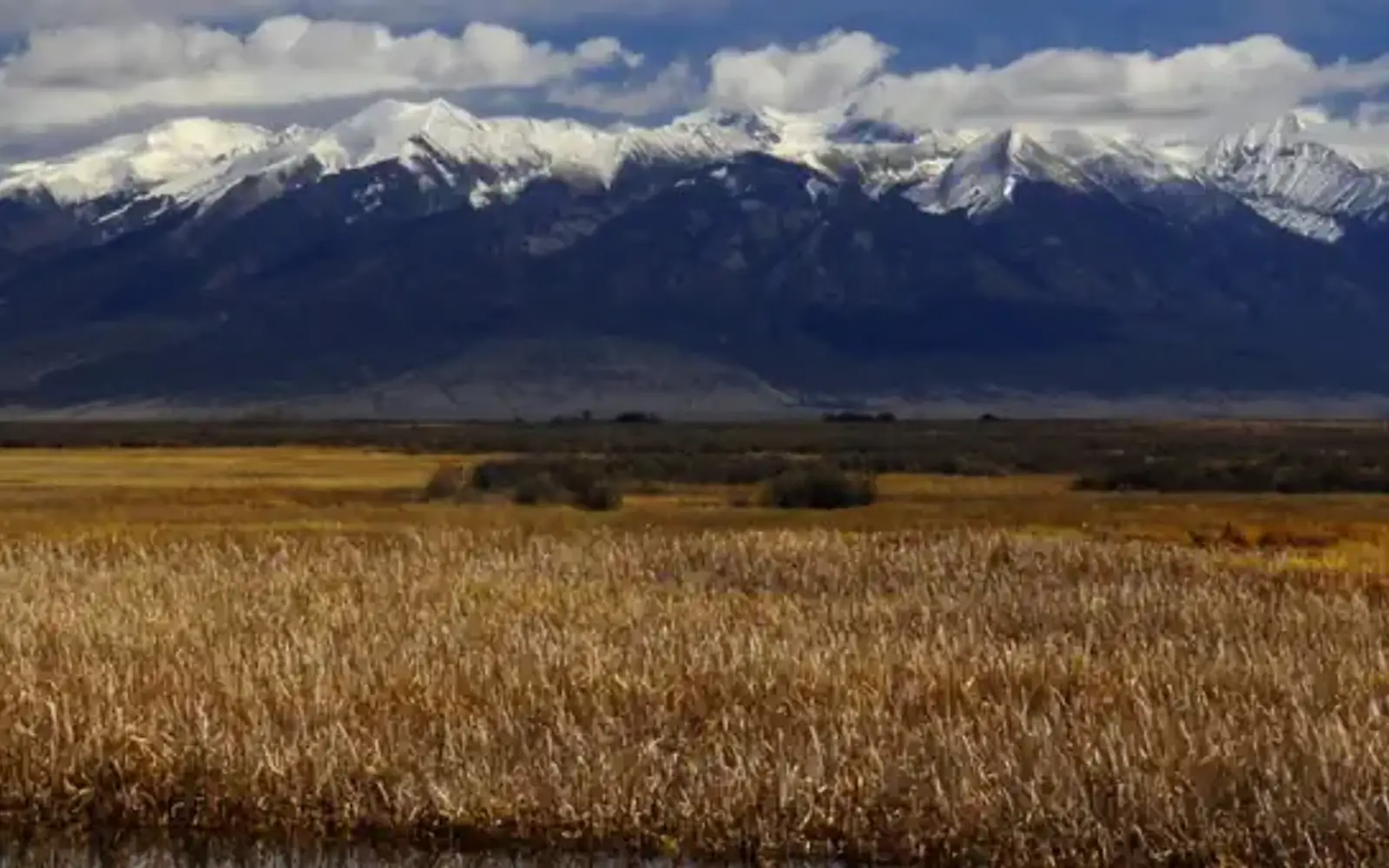
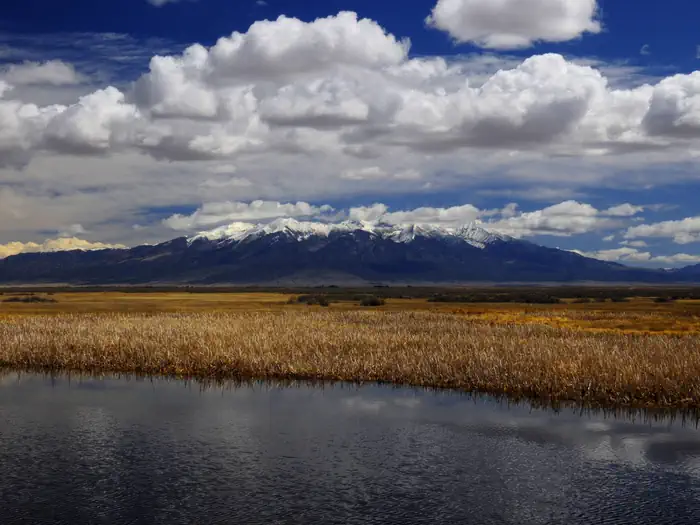
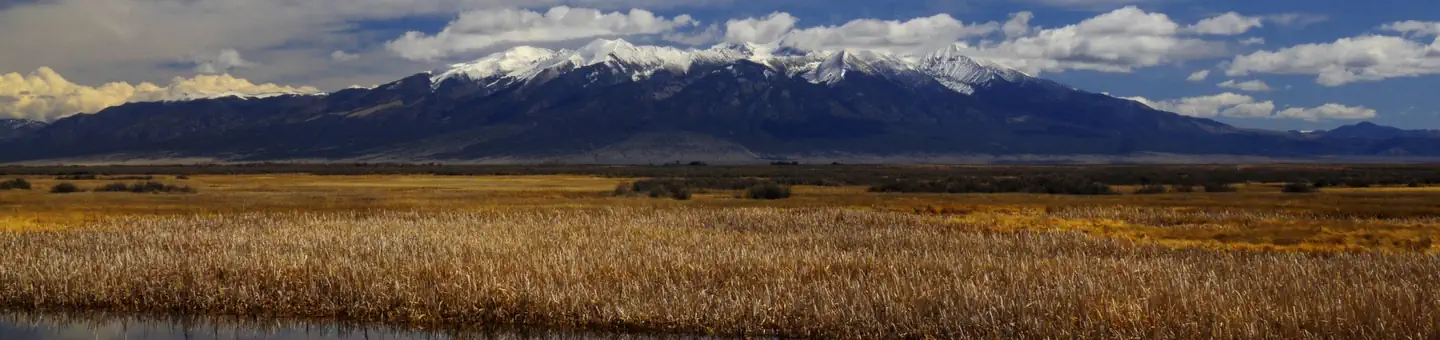
Alamosa National Wildlife Refuge was established in 1963 to provide food, cover, and breeding habitat for migratory birds and resident wildlife. The Refuge conserves and enhances the mixtures of wetland and desert habitats found in the area to accomplish these goals. Habitat management tools used on the Refuge include water and wetland management, weed control, haying, grazing, and prescribed fire. The 12,026 acre Refuge is located at the south end of the San Luis Valley, a high mountain basin in south-central Colorado. It’s one of three national wildlife refuges in the Valley that provide crucial feeding, resting, and breeding habitat for over 200 bird species and other wildlife. The San Luis Valley, sitting at 7,800 feet, extends over 100 miles from north to south and 50 miles from east to west. Three mountain ranges surround it - the Sangre de Christo to the east, the San Juan to the west, and the Saguache to the north. At sunset, the high peaks of the Sangre de Christo take on the blood red glow which inspired the Spanish explorers to name the range “Blood of Christ.” The surrounding mountains feed the arid valley with precious surface water and replenish an underground reservoir. The mountain snow melt and artesian wells provide needed water to the agricultural community and to the rivers, creeks, and wetlands that thread across the valley floor.
On documented breadth and access, Alamosa National Wildlife Refuge ranks 23rd of 23 park and public-land units we score in Colorado.
Is Alamosa National Wildlife Refuge worth visiting?
Alamosa National Wildlife Refuge, at 12,026 acres, is a purpose-built wetland in the high desert of the San Luis Valley.
Is Alamosa National Wildlife Refuge free to visit?
It is free to get in.
What is Alamosa National Wildlife Refuge best for?
It leans hardest toward water activities, wildlife watching, going by the 6 activities it actually documents.
How is the Experience Score for Alamosa National Wildlife Refuge calculated?
The 46 comes straight from public data on how much the place documents and how easy it is to reach, things like activities, topics, photos, camping and whether entry is free. It says nothing about scenery or how busy it gets.
Reviewed by Irene A. Taranina, founding editor/Checked against official public data/Published /Updated /Independent, no sponsored rankings
Published by Mine Marketing LTD, an independent digital publisher. Not affiliated with the National Park Service.