Is Alagnak Wild River worth your trip?
The Alagnak Wild River offers a legitimate Alaskan wilderness experience.
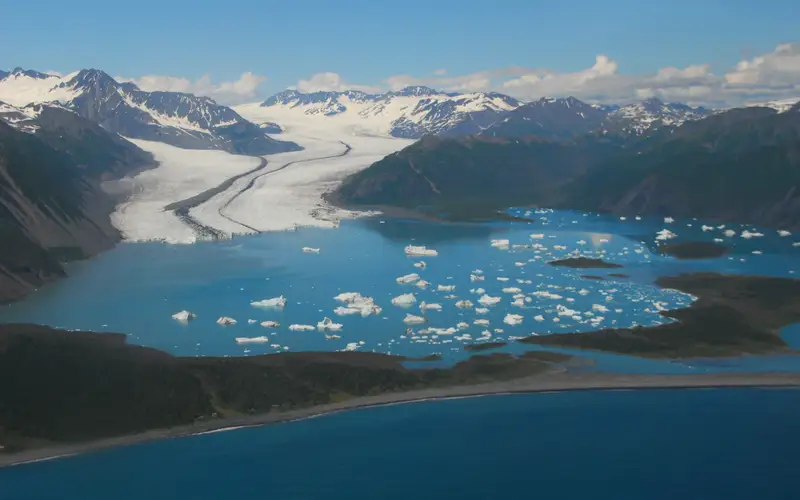
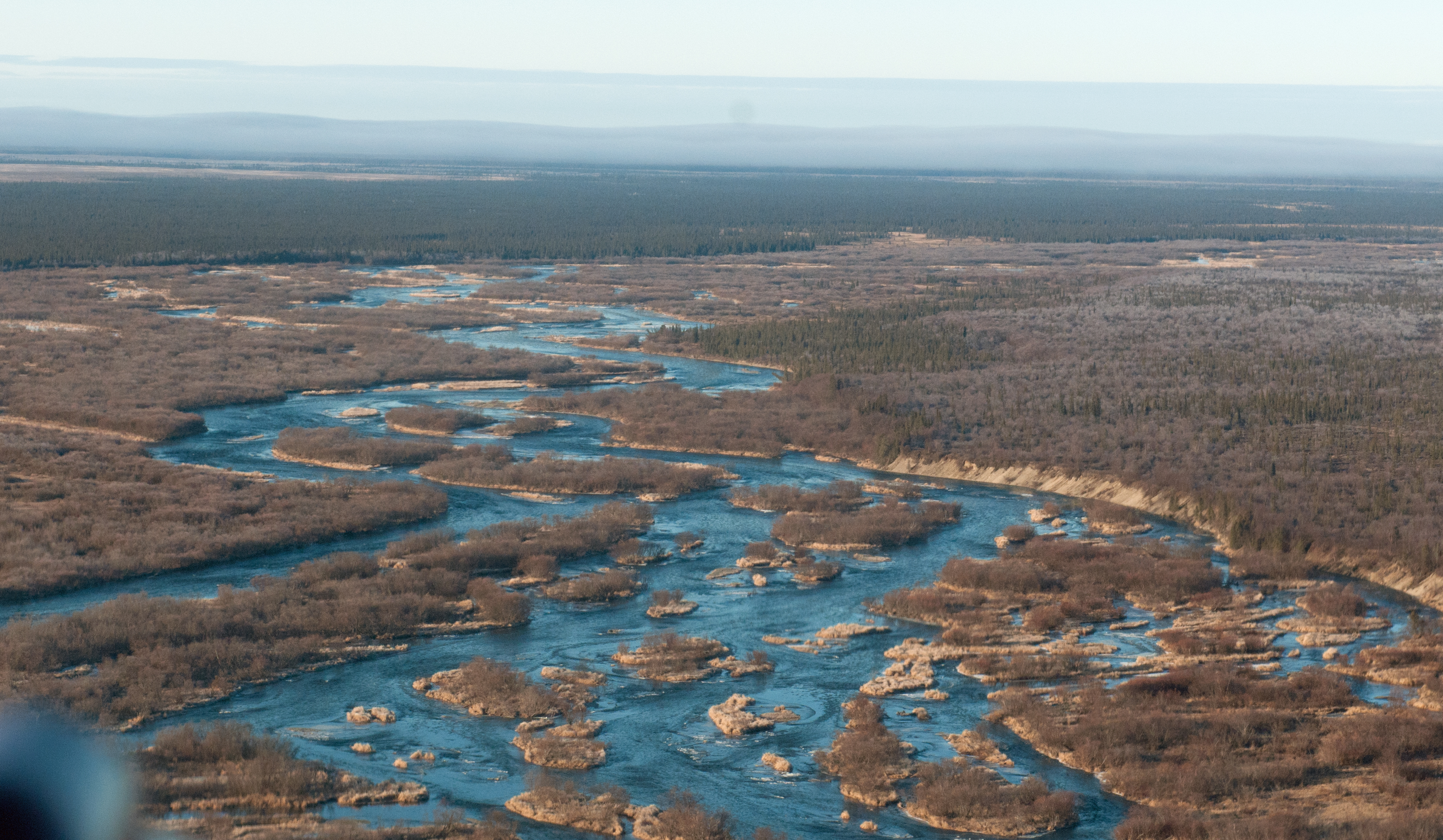
This is not a park for casual visits. Access is the defining challenge. Reaching the river requires a floatplane or boat, setting the stage for a truly remote journey. The river flows west from the Aleutian Range toward Bristol Bay, supporting multi-day float trips for fishing and wildlife observation. Anglers and hunters will find exceptional opportunities for salmon, trout, brown bears, and diverse bird species. The experience score of 73 reflects documented breadth of activities. However, those seeking established trailheads or ranger stations should look elsewhere. For serious wilderness paddlers, anglers, and hunters, the Alagnak provides an extraordinary river adventure.
Why go
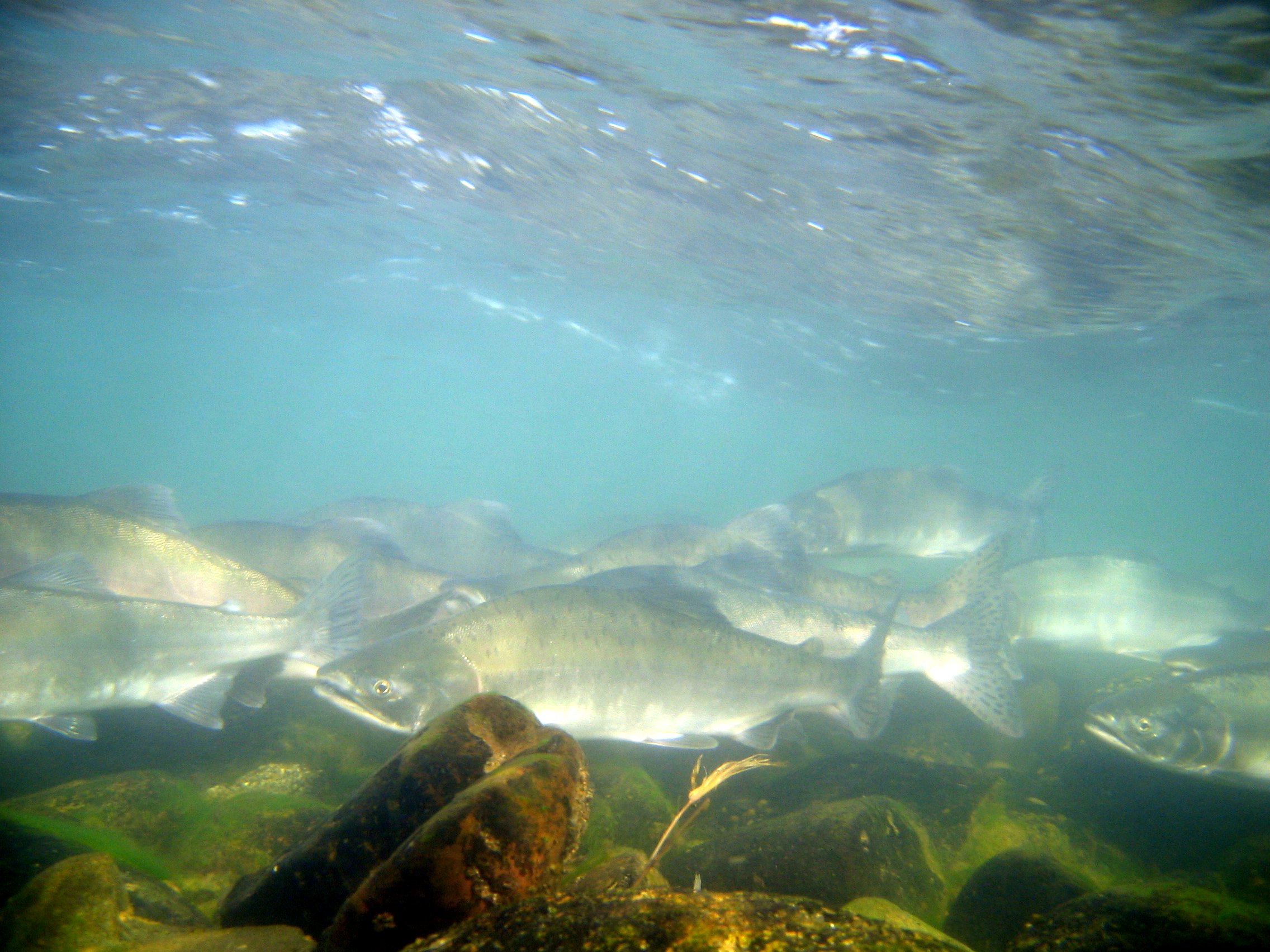
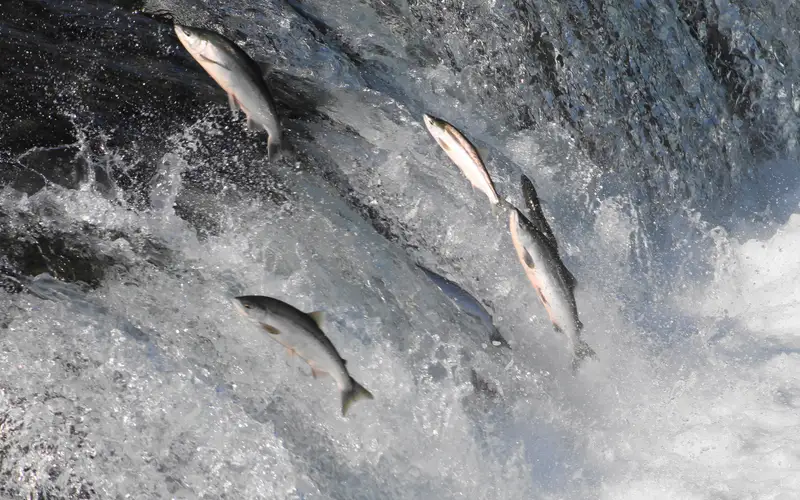
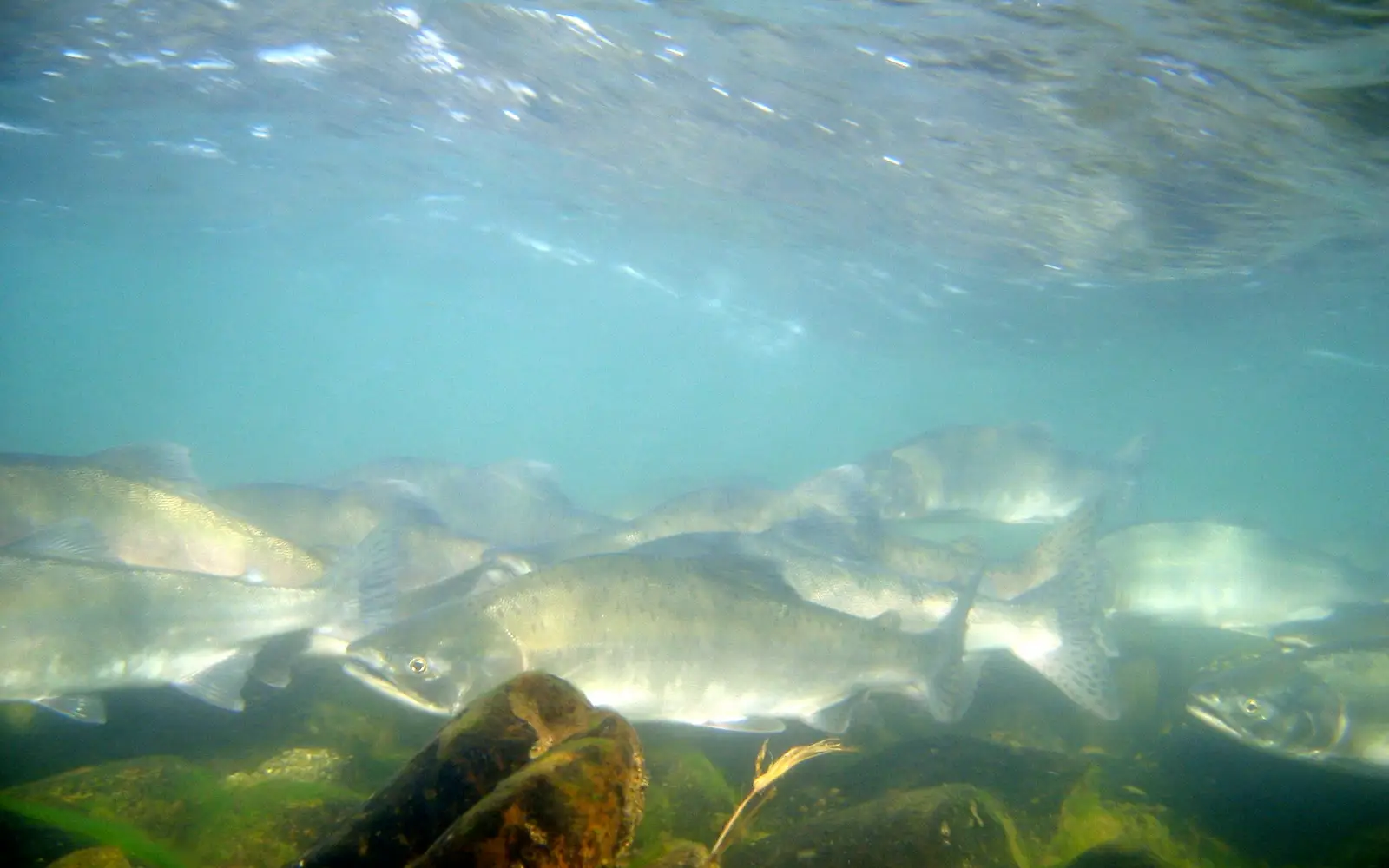
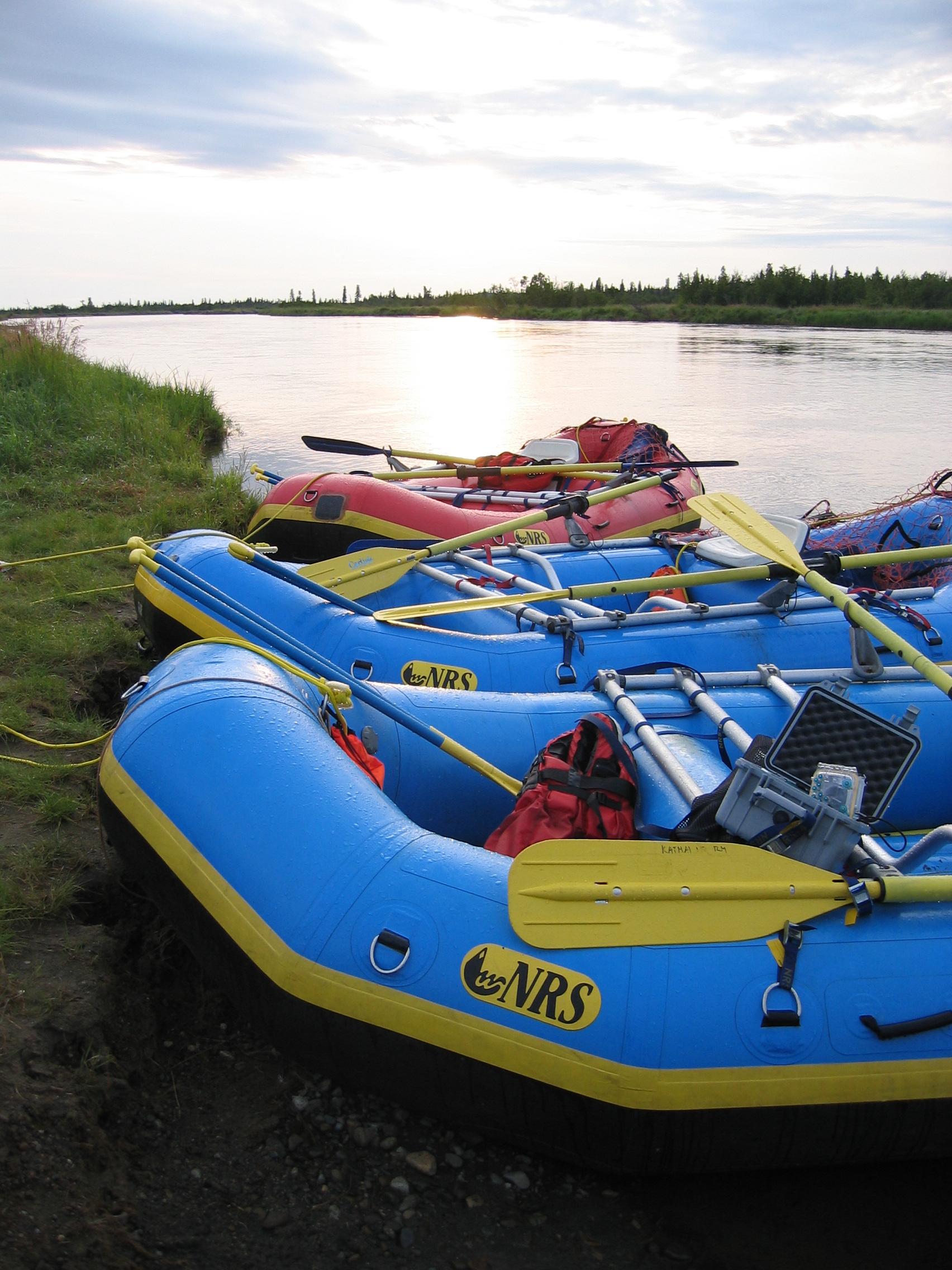
The Alagnak offers a true wilderness float trip experience. Its primary appeal is exceptional sport fishing, supported by Bristol Bay's prolific salmon runs. This makes it one of Alaska's most productive fishing rivers. Beyond fishing, the river corridor provides consistent wildlife viewing opportunities, including brown bears, waterfowl, and migratory birds. Paddlers will find genuine challenge in whitewater sections and tranquility in calmer stretches, all set against the Alaskan Peninsula landscape. Documented hunting and gathering activities reflect a deep subsistence and sport hunting heritage. The Alagnak is designed for multi-day, self-contained travel by raft, canoe, or kayak, with backcountry camping a given. This destination suits those prepared for extensive self-supported river travel. Casual sightseers should look elsewhere.
Best for
This park unit caters to a very specific visitor. Experienced paddlers, serious fly anglers, hunters, and wilderness campers will find it rewarding. Access is primarily by floatplane. Remote self-sufficiency is a must. Visitors should be comfortable with unpredictable subarctic weather. This is not a destination for first-time campers. Families expecting amenities will be disappointed. Day-use visitors
Best season
This unit's practical window for visitation is limited to summer, when salmon runs peak, daylight is longest, and weather is most tolerable. Even then, expect cool temperatures, rain, and wind. The park's position between Pacific and Bering Sea weather systems ensures this. Fall offers fewer visitors and hunting. Winter access is extremely difficult; it is not recommended for most travelers.
The high points
- Multi-day wilderness float trips by raft, canoe, or kayak through a designated Wild River corridor
- World-class salmon and trout fishing tied to the Bristol Bay watershed
- Brown bear and migratory bird wildlife watching from the water
- Backcountry camping in one of the most remote NPS units in the country
- Whitewater paddling sections within a free-flowing, undeveloped river system
- Legal hunting and subsistence gathering in a federally protected wild river unit
Know before you go
This is a park for dedicated, well-prepared adventurers. Free to enter, its remote location requires significant investment; floatplane or boat charter from King Salmon is the only practical access. There are no maintained facilities or ranger stations on the river. Cell service is nonexistent. First-time visitors should strongly consider a float permit or guided outfitter. Pack for rain daily, regardless of the forecast. This unit offers an untamed wilderness experience, demanding self-reliance and preparation.
One more thingFor those considering a visit, advance planning is not merely advisable but essential. Booking floatplane charters and guided outfitters months ahead is critical, particularly during peak salmon season. Limited capacity out of King Salmon, coupled with high angler demand in July, means last-minute arrangements are rarely an option. This is a remote destination. Arriving without confirmed logistics will present significant challenges.