African Burial Ground National Monument: our verdict
African Burial Ground National Monument holds immense historical significance within a compact Lower Manhattan footprint.
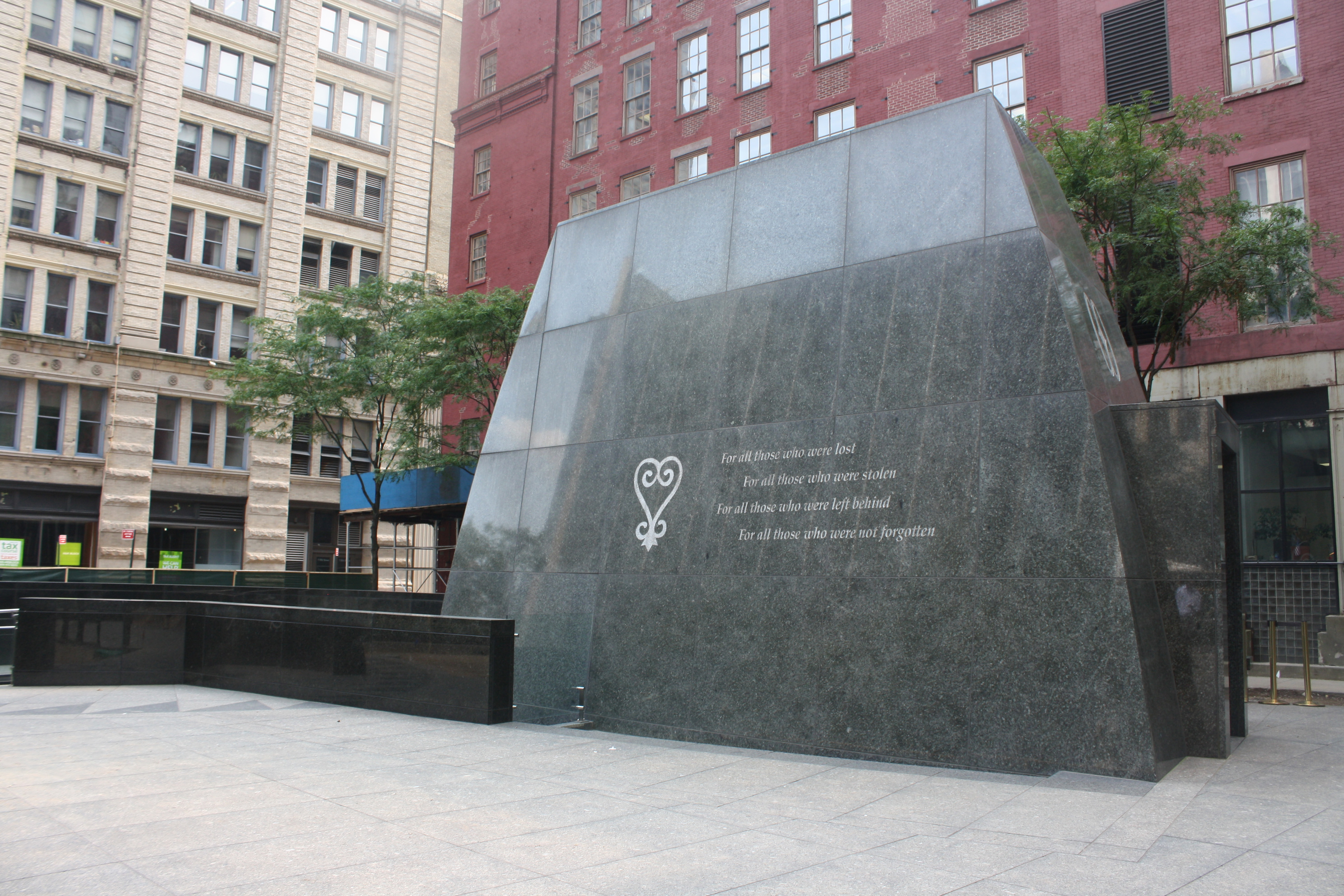
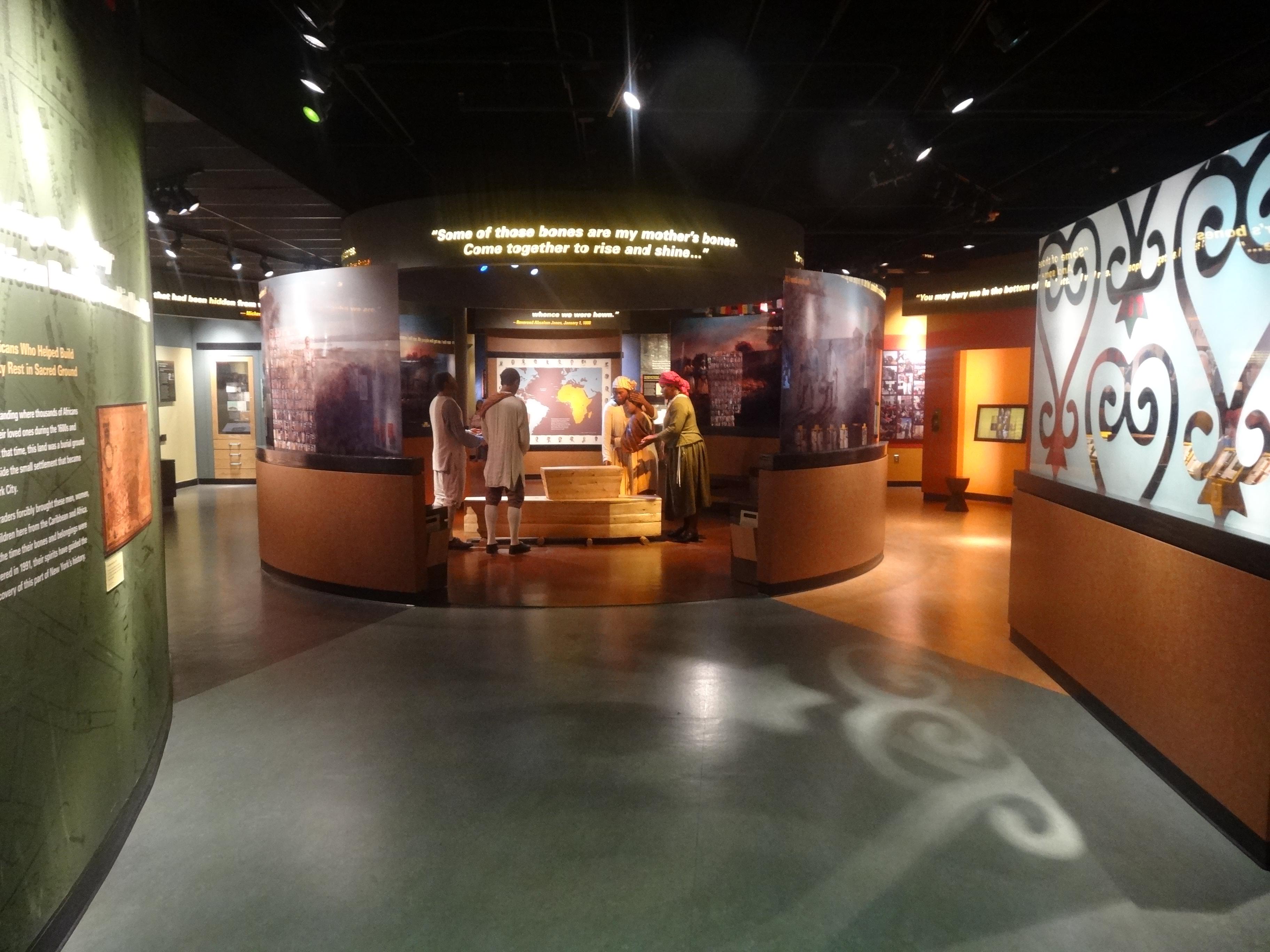
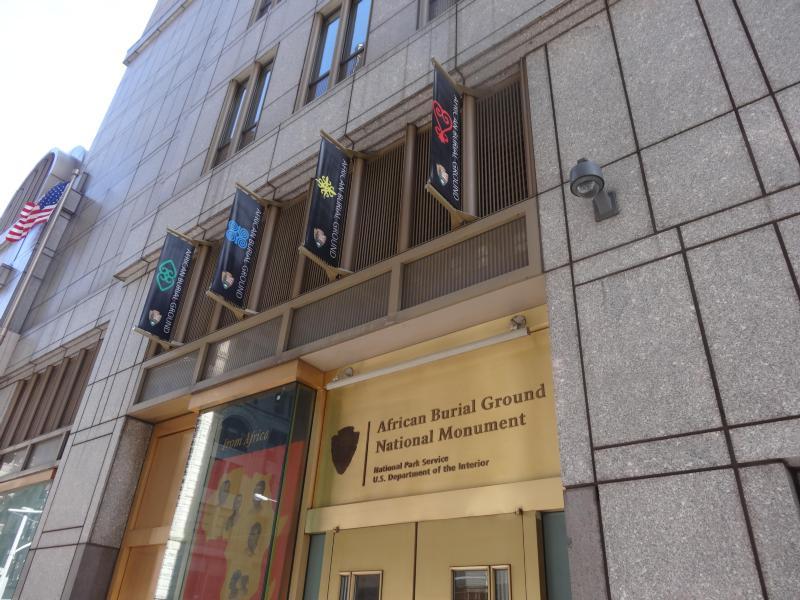
This is not a destination for hikers or scenic views. It functions as an indoor museum and memorial, centered on the oldest and largest known excavated burial ground for free and enslaved Africans in North America. This site was rediscovered in 1991, beneath a federal office building. A typical visit lasts one to two hours, encompassing museum exhibits, a park film, and access to the outdoor memorial. The guided tour significantly deepens the experience. For those dedicated to understanding American history, the history of slavery, or the African diaspora, this monument is an essential New York City stop. Casual park visitors may find the experience brief. However, few National Park Service units offer this profound level of moral and historical weight per square foot.
Why visit
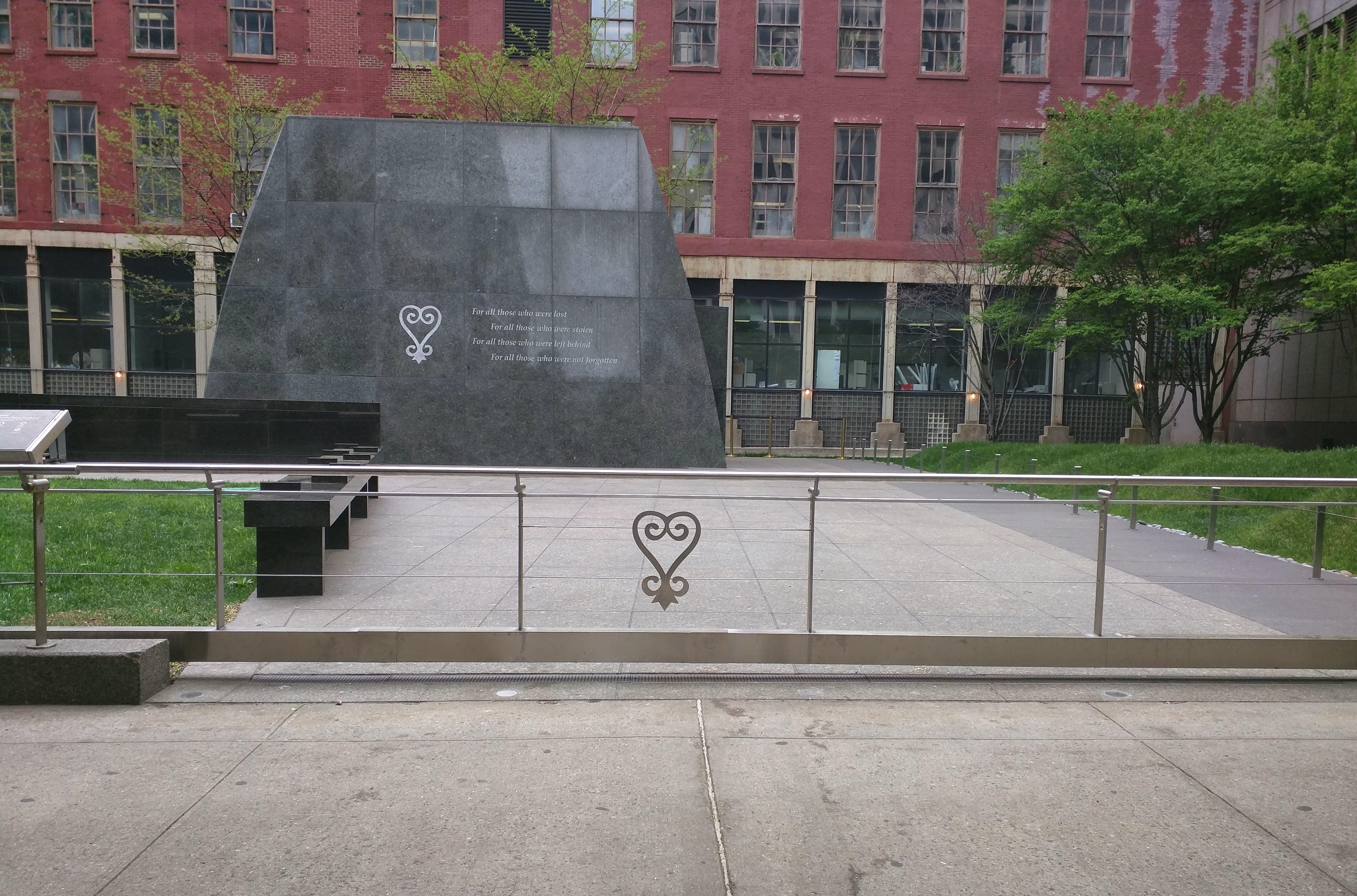
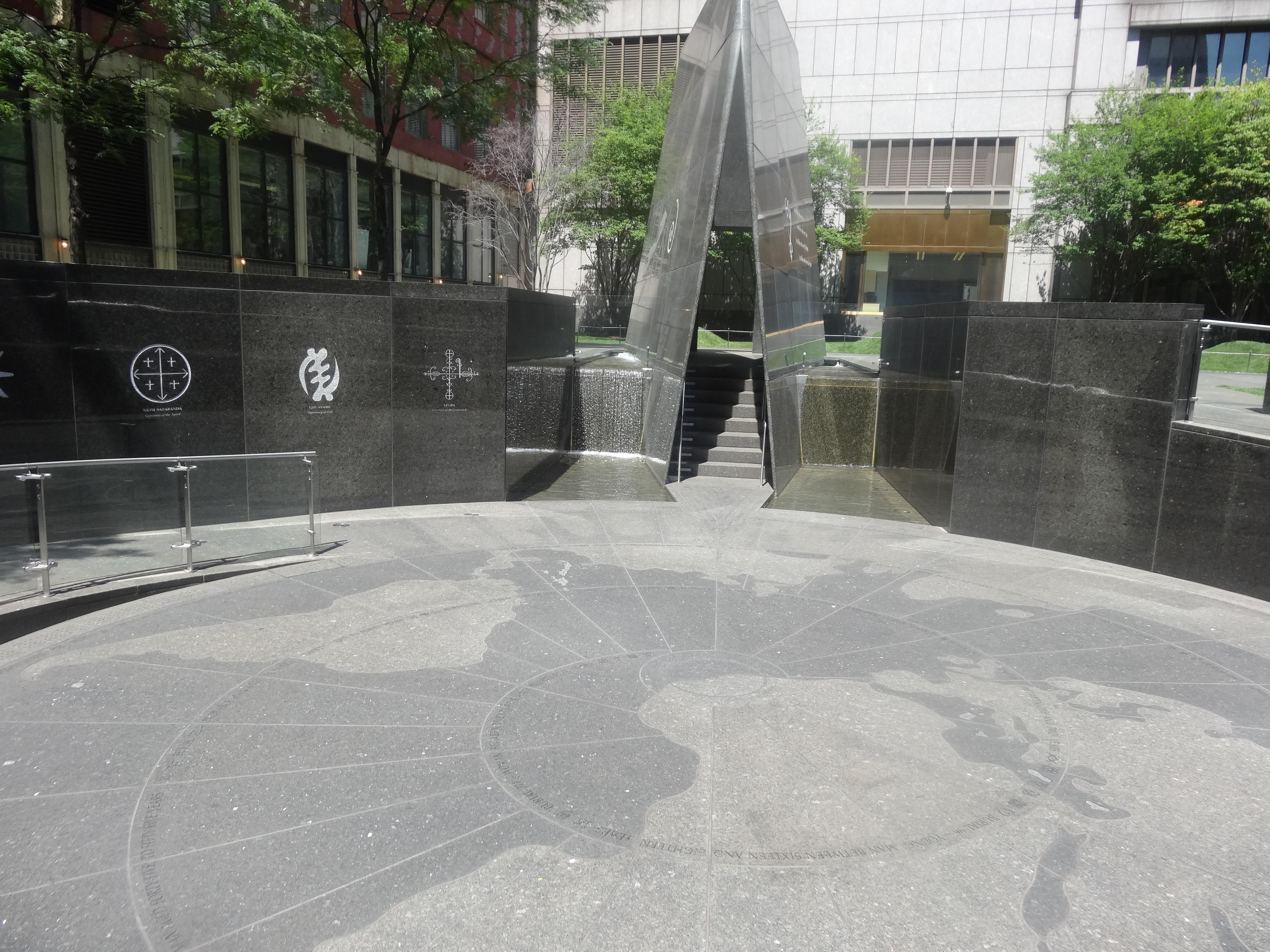
This park unit excels in its interpretive offerings. The park film provides essential context for the burial ground's discovery and the subsequent struggle for its recognition. Inside, the museum undertakes substantial interpretive work, linking the estimated 15,000 interred individuals to the larger narrative of colonial New York and the transatlantic slave trade. A ranger-led tour is the optimal way to engage with this monument; rangers consistently demonstrate personal investment in the material. The outdoor memorial offers a quiet and intentional space for reflection. Its bookstore and park store feature unique titles and materials, avoiding generic souvenir fare. For families, the Junior Ranger program facilitates a structured method for younger visitors to connect with challenging historical themes.
Who it suits
This monument is essential for those interested in African American history, the history of slavery, or New York City's colonial past. The Junior Ranger program is a valuable asset for families willing to engage with difficult history. Visitors seeking trails, wildlife, or scenic vistas will not find them here. This is an education-first experience. It is not an outdoor adventure.
Timing your visit
Seasonality is less critical for this unit than for many outdoor-focused NPS properties. The visitor center remains accessible year-round, offering a consistent option when other New York parks are limited by winter weather. Summer months see increased visitation and tour options. For a more contemplative experience, weekday mornings typically provide greater tranquility.
What stands out
- Ranger-guided tours that bring deep context to the burial ground's discovery and significance
- Museum exhibits documenting the lives of free and enslaved Africans in colonial New York
- A dedicated park film that sets the historical and political stakes before you enter the exhibits
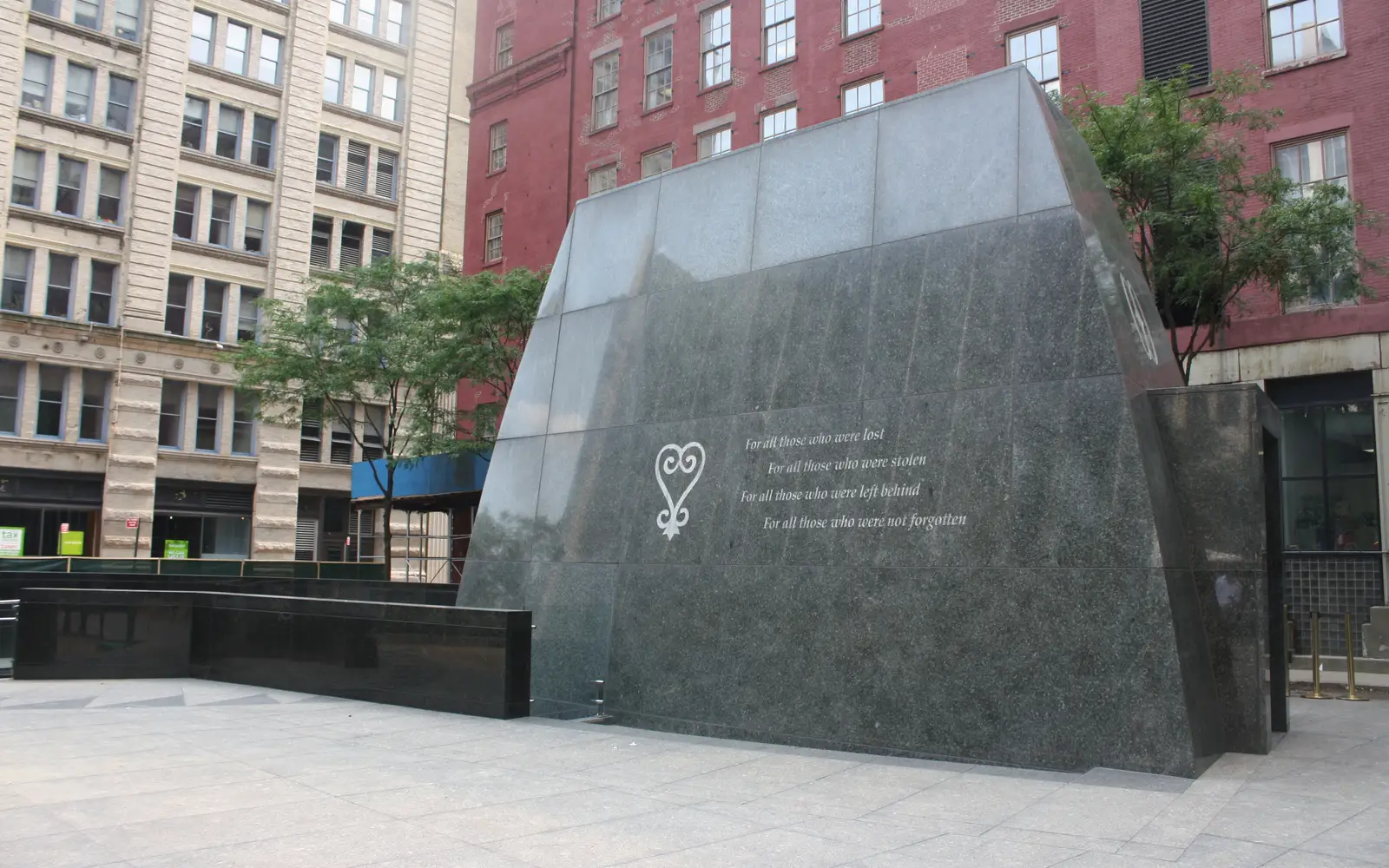
- The outdoor memorial, designed as a space for quiet reflection on a site of enormous scale
- Junior Ranger program structured around one of the most consequential historical sites in the NPS
- A bookstore stocked with focused titles on African American history and the African diaspora
Good to know
This Lower Manhattan monument offers a concise, accessible experience. Admission is free. The indoor visitor center eliminates the need for specialized gear, making it a convenient stop. Located near Foley Square, subway access is straightforward
Insider tipThe 2003 repatriation and reburial process offers a compelling, complex narrative that current exhibits do not fully explore. This significant event involved scientists, activists, and community members in a protracted dispute over the disposition of human remains. Its details are a critical part of the park's history, as vital as the archaeological record. Inquire with a ranger for the full account.