Should you visit Adams National Historical Park?
Adams National Historical Park, located in Quincy, Massachusetts, preserves the homes, gardens, and legacy of four generations of the Adams family.
Its most notable figures are John Adams and John Quincy Adams, the only father-son pair to serve as early American presidents. This is an intimate, historically dense site. Visitors walk through the actual rooms where presidents lived, debated, studied, and died. The experience is structured around guided tours of the historic homes. Self-paced exploration is not an option here. The park registers a 44 on our internal experience scale, reflecting its small footprint and narrow range of activities. However, for those interested in American political and intellectual history, its significance far exceeds that numerical ranking. The houses retain a lived-in authenticity often absent from larger, more polished historical sites. For those deeply engaged with the founding era and early republic, this park offers one of the most genuine experiences on the Eastern Seaboard.
What makes it worth it
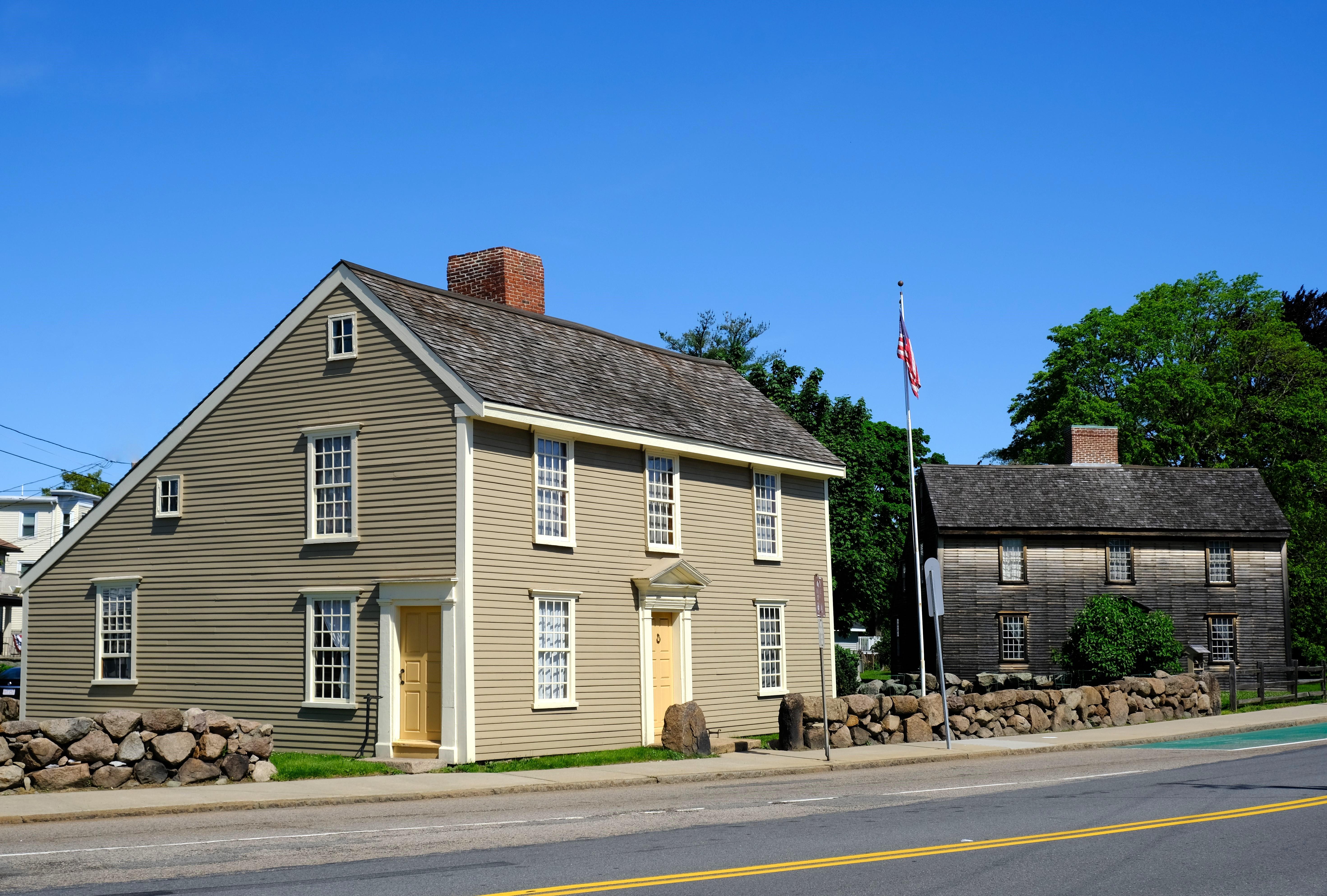
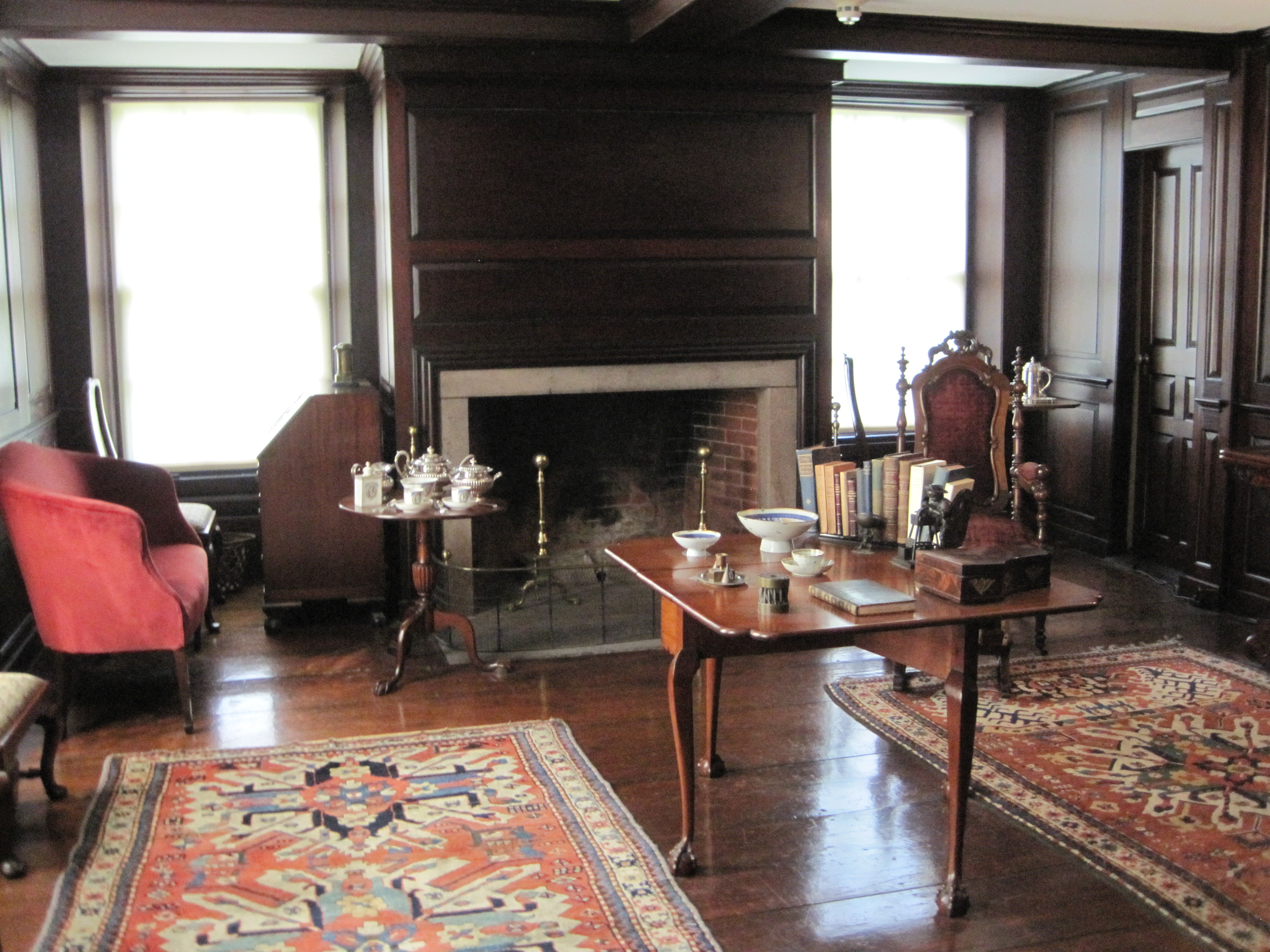
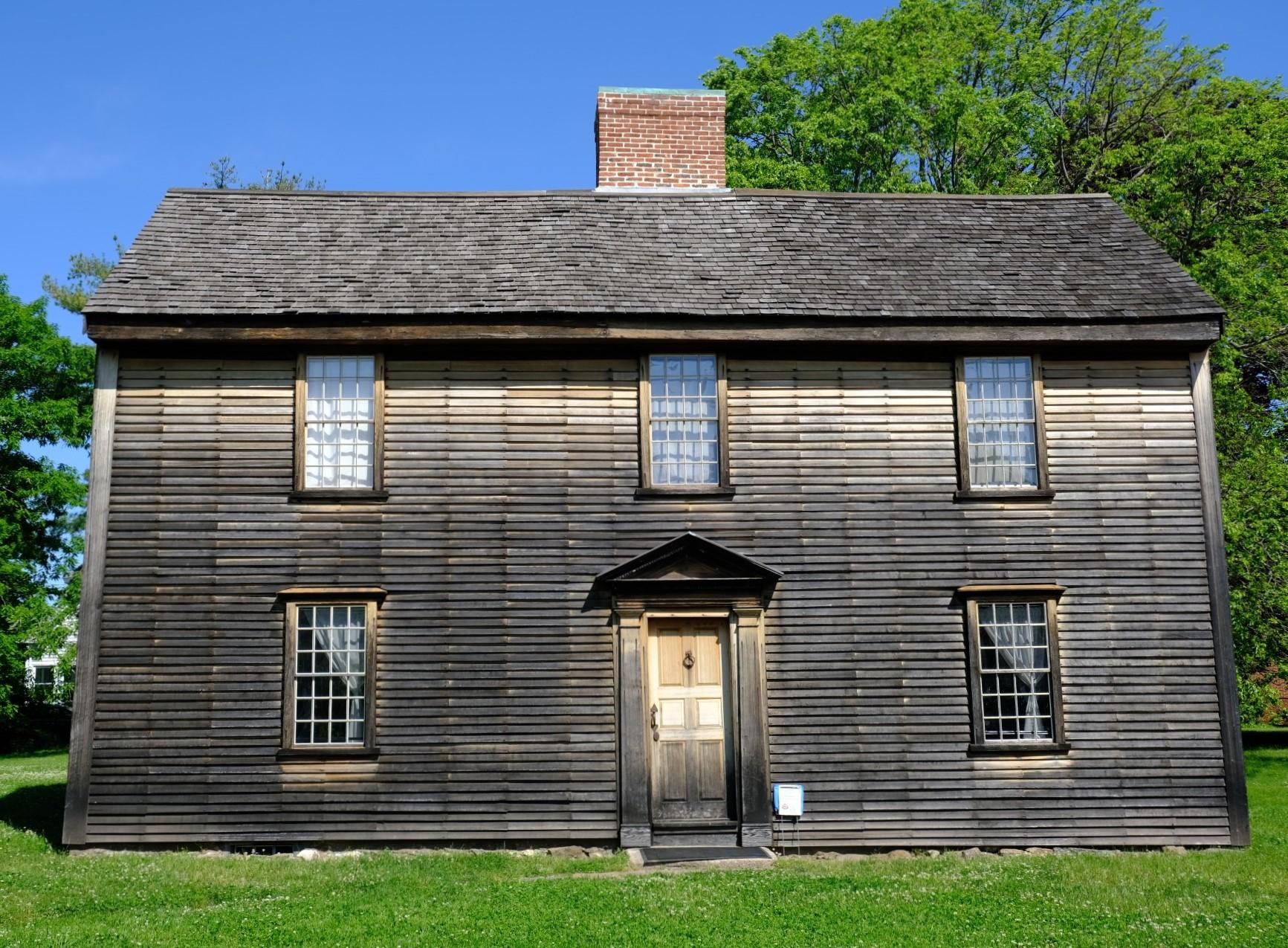
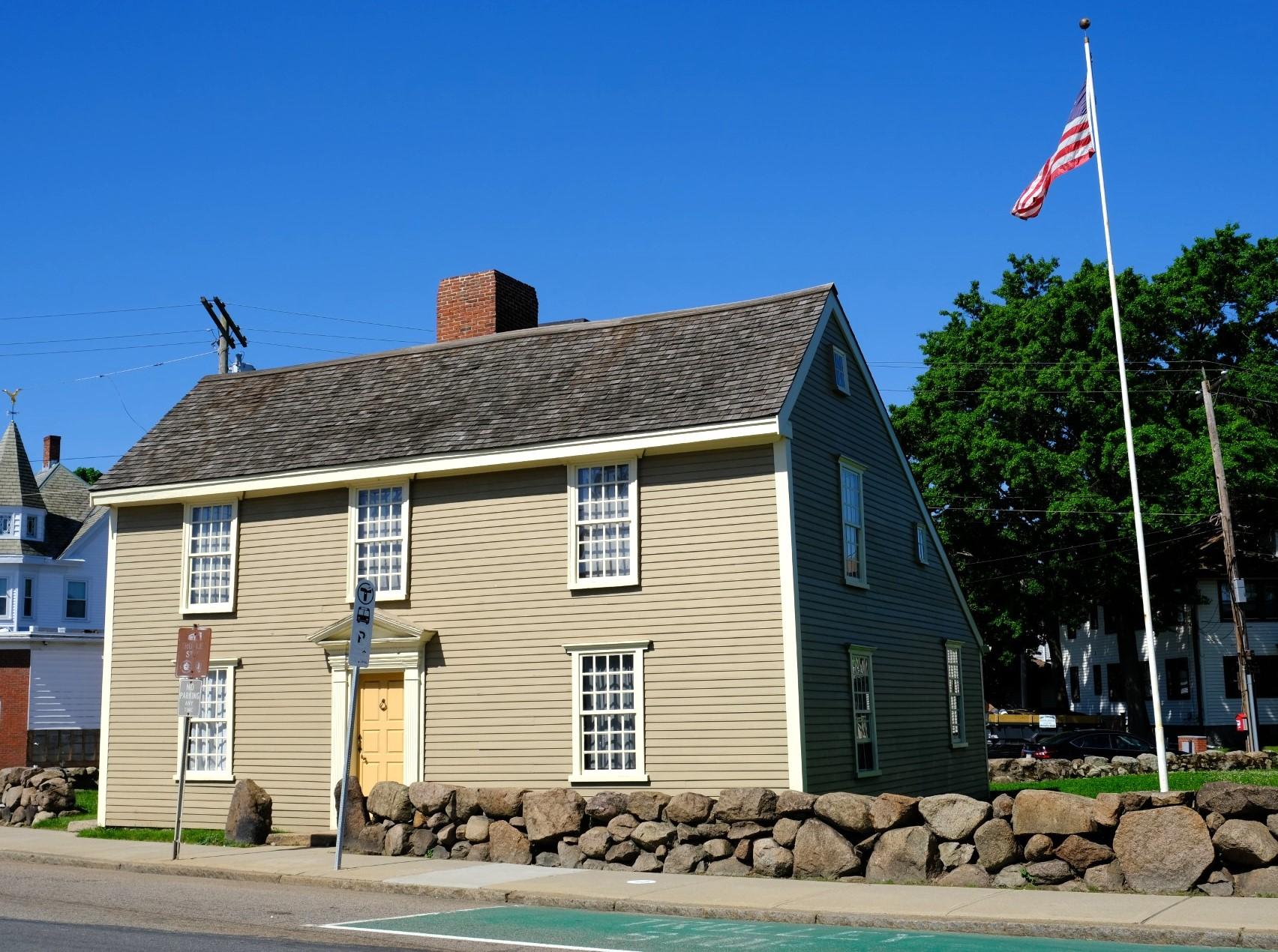
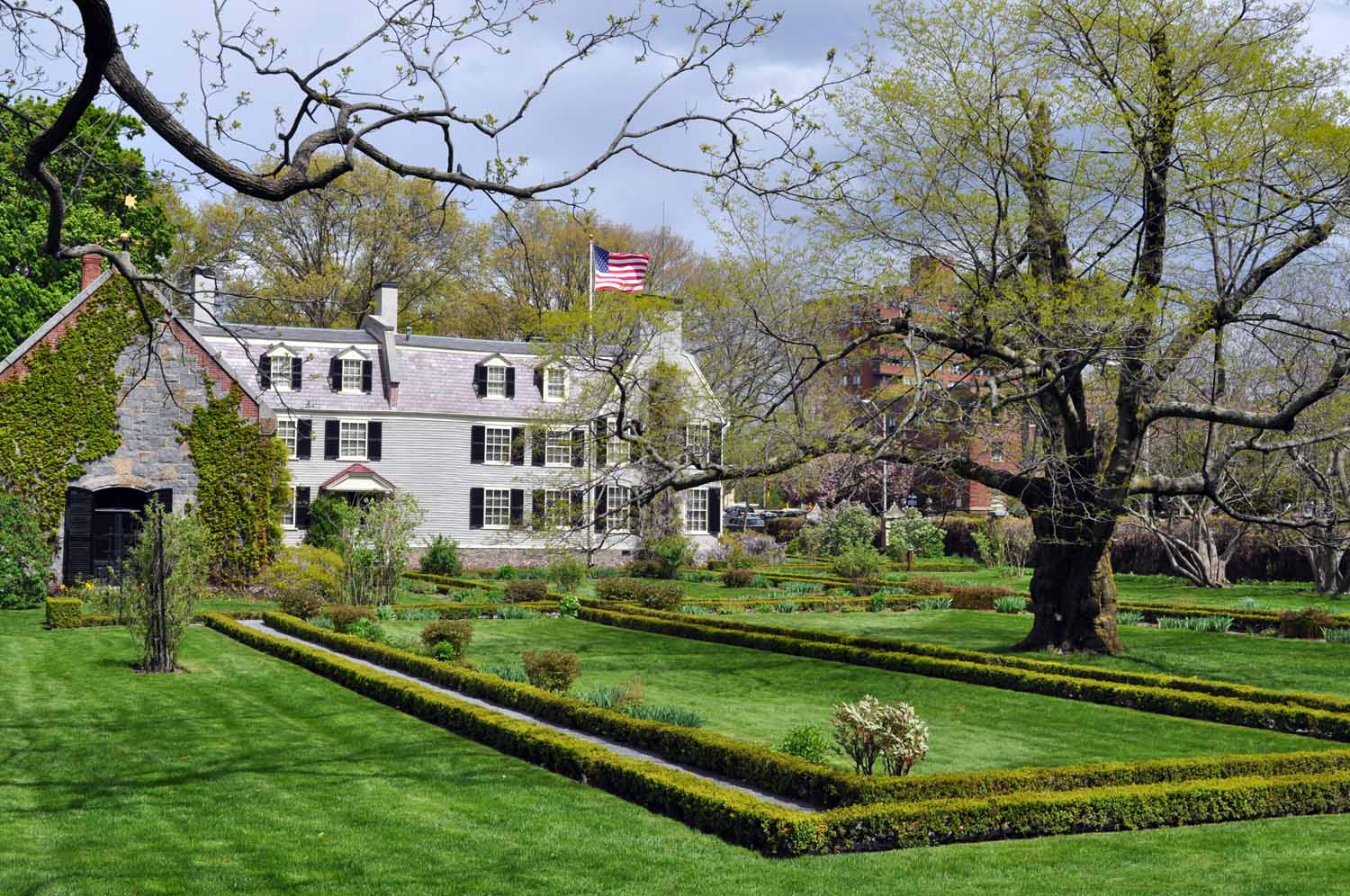
This site delivers a concentrated early American history experience. Begin at the visitor center; a park film details the Adams family narrative. A trolley then transports visitors to the historic properties. The birthplaces of John Adams and John Quincy Adams offer a modest, human scale to the founding era. The main attraction, Peacefield, is a Georgian country house. It holds original family furnishings, books, and portraits, accumulated across 140 years of continuous family occupation. Scheduled first-person interpretation and living history programs enhance the visit. The bookstore features a strong selection of American history titles. Allow two to three hours minimum for the full tour. This is a focused destination for those seeking deep historical immersion.
Who should go
This unit caters to a specific visitor. History enthusiasts, particularly those interested in the founding era, will find significant value. Families with older children who can participate in guided tours are well-suited; the Junior Ranger program offers structured engagement for younger children. The appeal here lies in guided experiences and historical interpretation. Those seeking extensive outdoor recreation, dramatic scenic landscapes, or self-directed exploration should consider other destinations. The park's reliance on structured, time-dependent guided tours may deter visitors preferring independent exploration.
When to go
Plan a visit between May and October; the historic homes are a primary draw, and they close from November through April. Summer delivers significant heat and humidity. Given the lack of air conditioning in these historic structures, early morning tours in June or a September visit provide the most comfortable experience. September and October also offer attractive fall foliage, enhanced by thinner crowds.
Highlights
- Guided tours through original, furnished Adams family homes spanning four generations
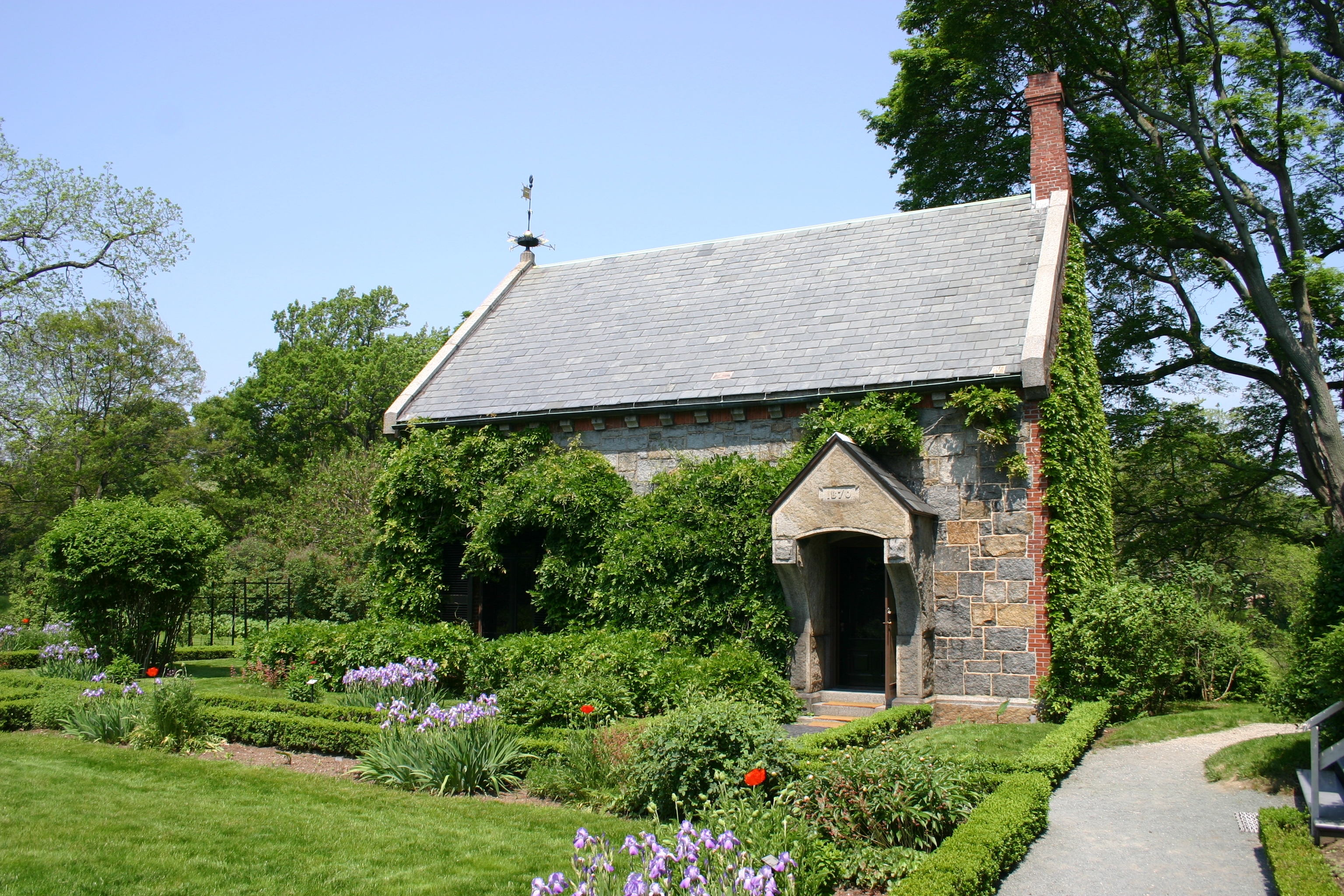
- Peacefield, a Georgian estate with 140 years of accumulated family artifacts and a notable library
- The birthplaces of two U.S. presidents within a short distance of each other
- Living history and first-person interpretation programs that bring the founding era to life
- A well-curated park bookstore strong in early American history and biography
- Junior Ranger program providing structured engagement for younger visitors
Plan ahead
At $15 per adult, access to this park is notably restricted by its operating hours. The visitor center, the departure point for all historic home tours, operates Monday through Friday, 11 AM to 4 PM; it remains closed on weekends. This schedule dictates the entire visitor experience, as trolley tours of the homes originate solely from this location. The historic homes themselves are inaccessible from November through April. A visit here requires careful planning to align with these limited hours. For what it offers, casual sightseers should look elsewhere.
Editor's tipThis is a rare National Park Service site where a weekday visit is not just preferable, but often required. The visitor center is closed on weekends. To avoid a wasted trip, plan your visit for a Tuesday through Thursday.