
parkverdict
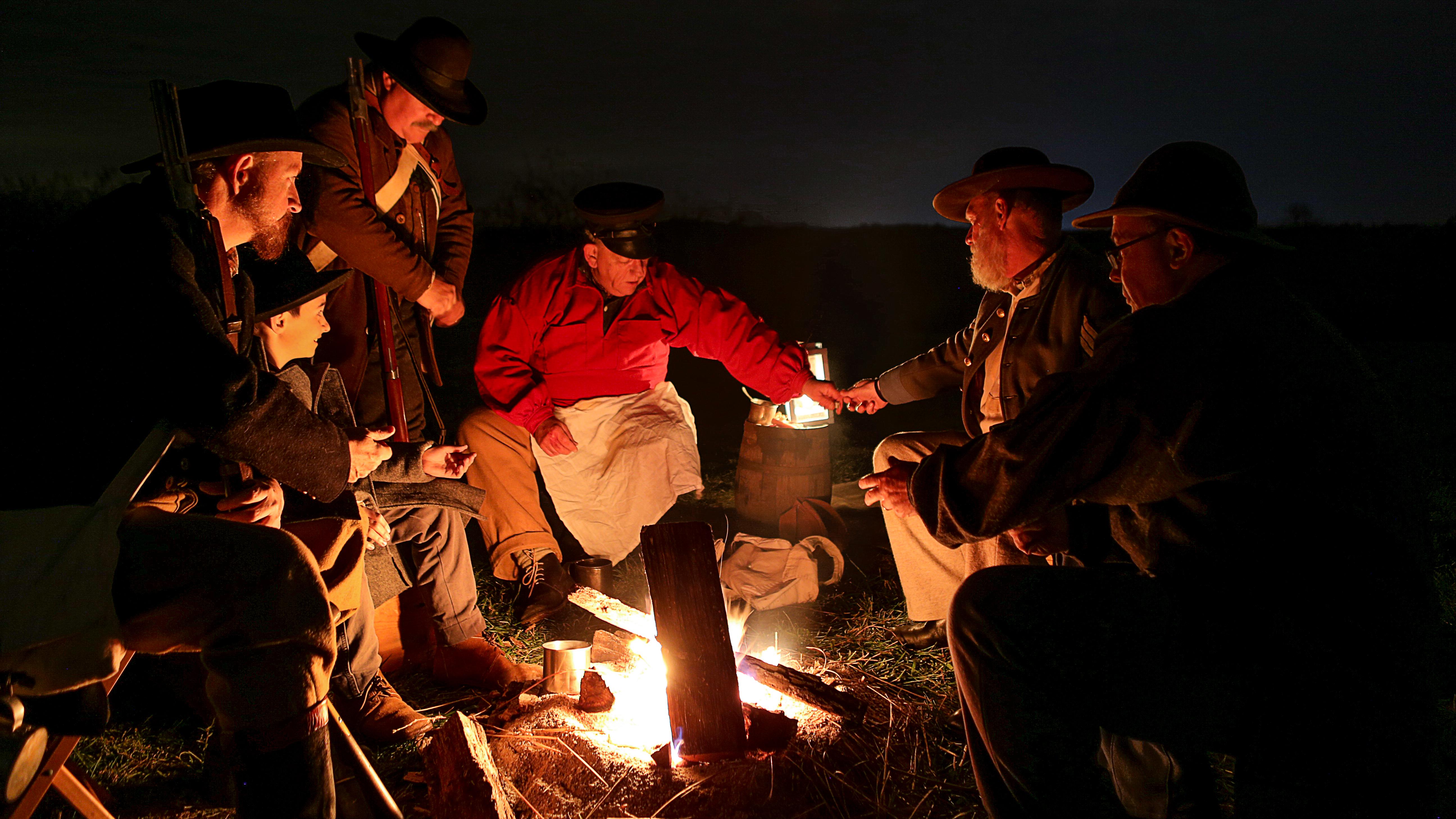
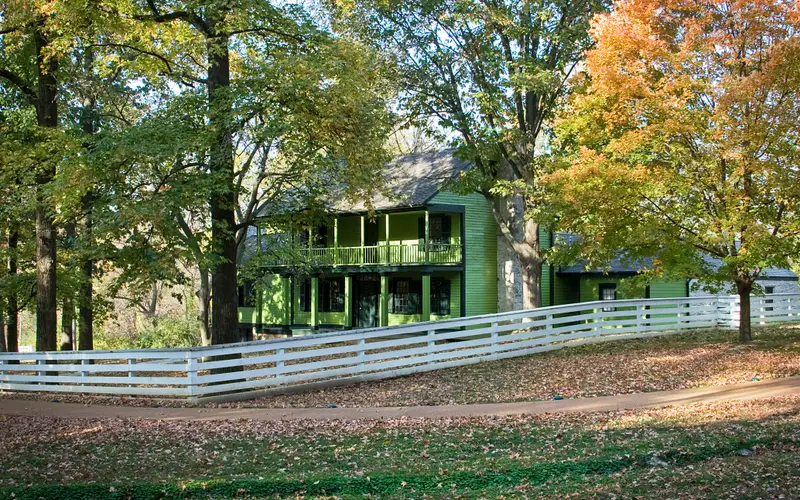
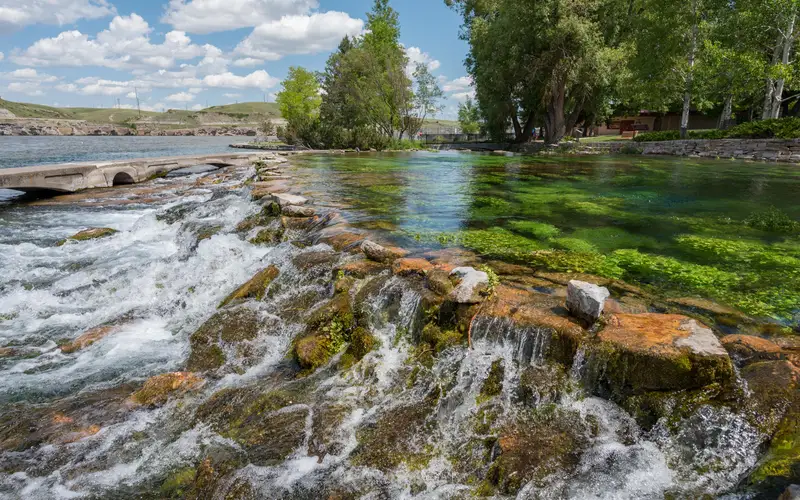
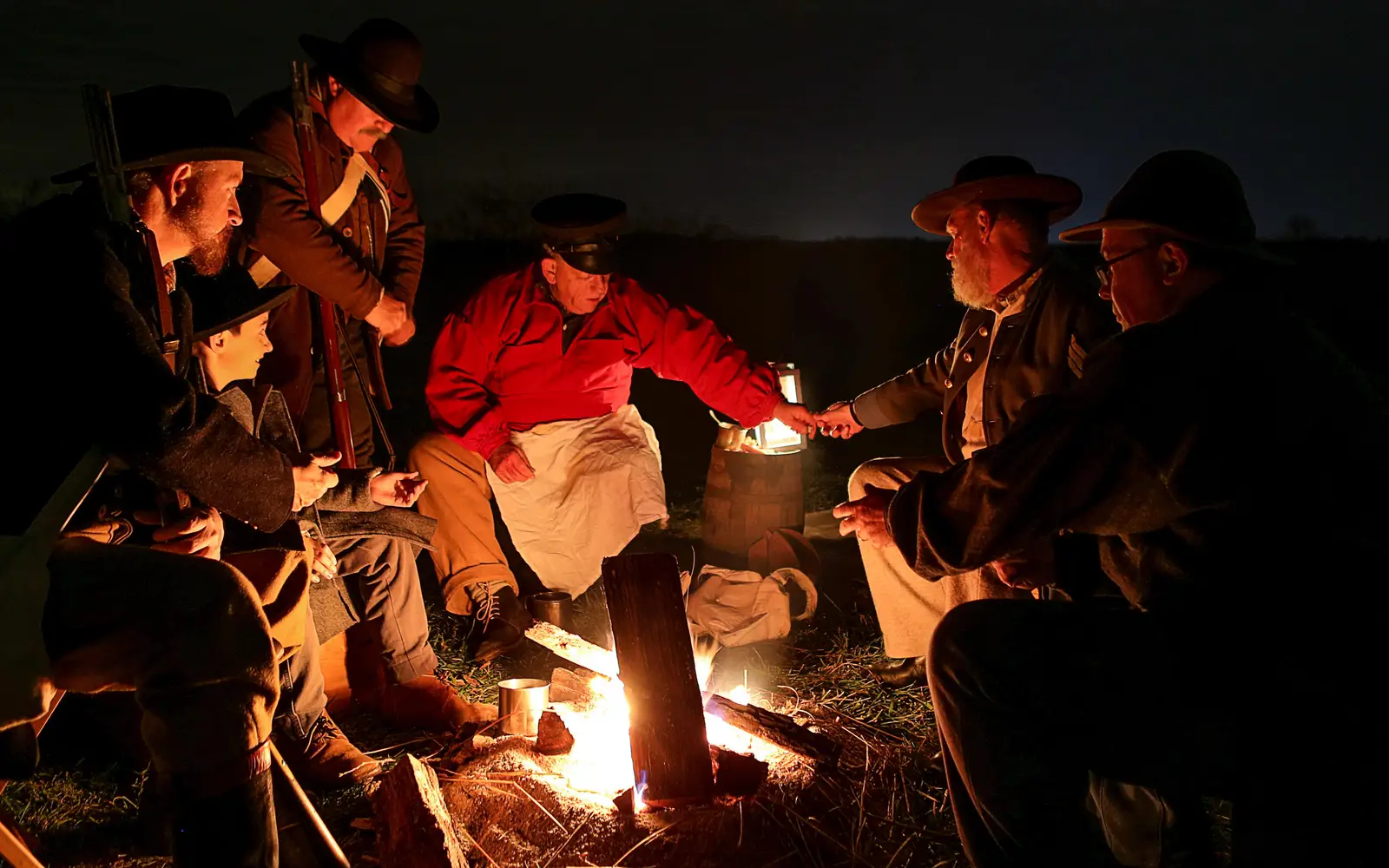
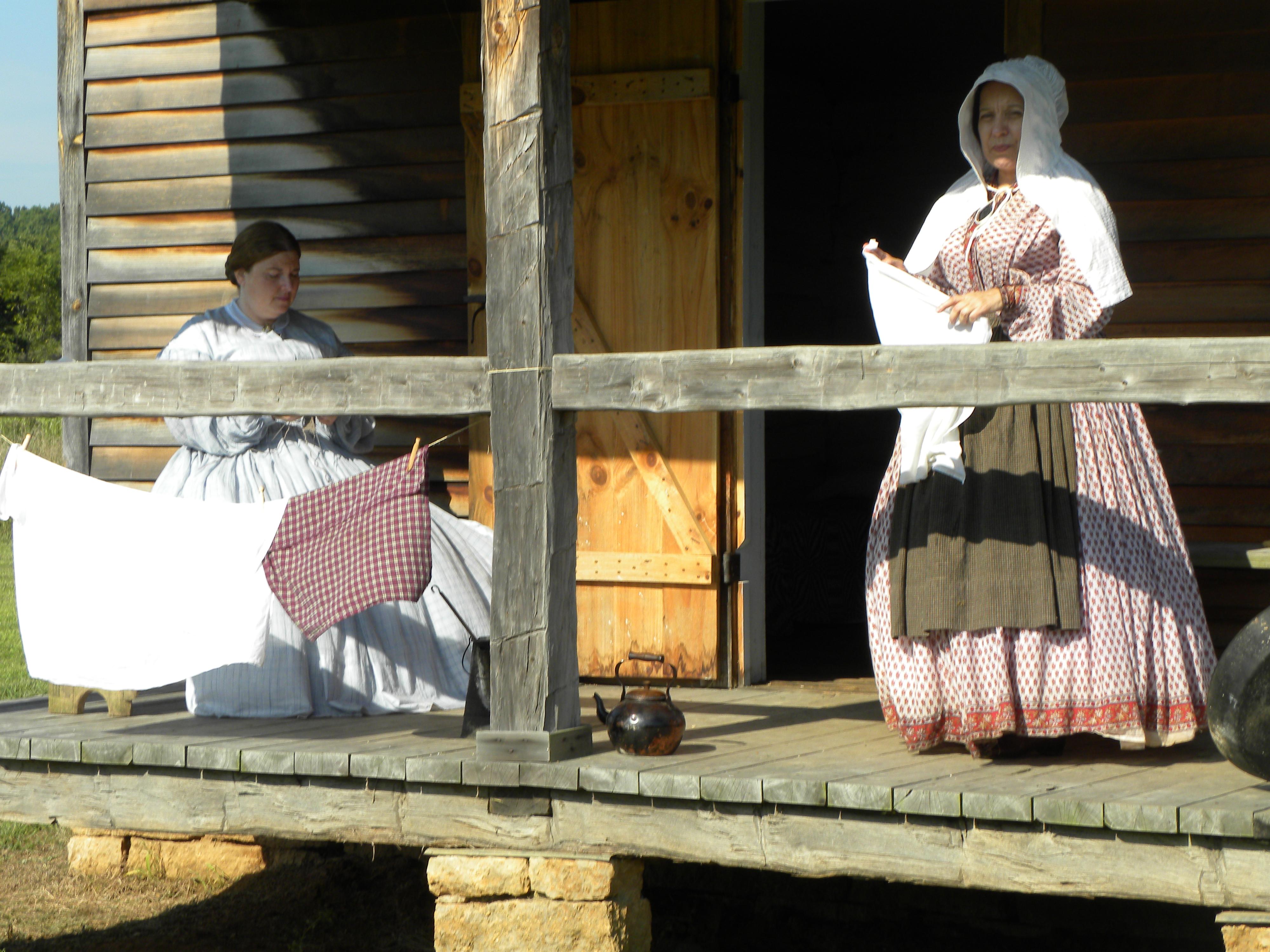
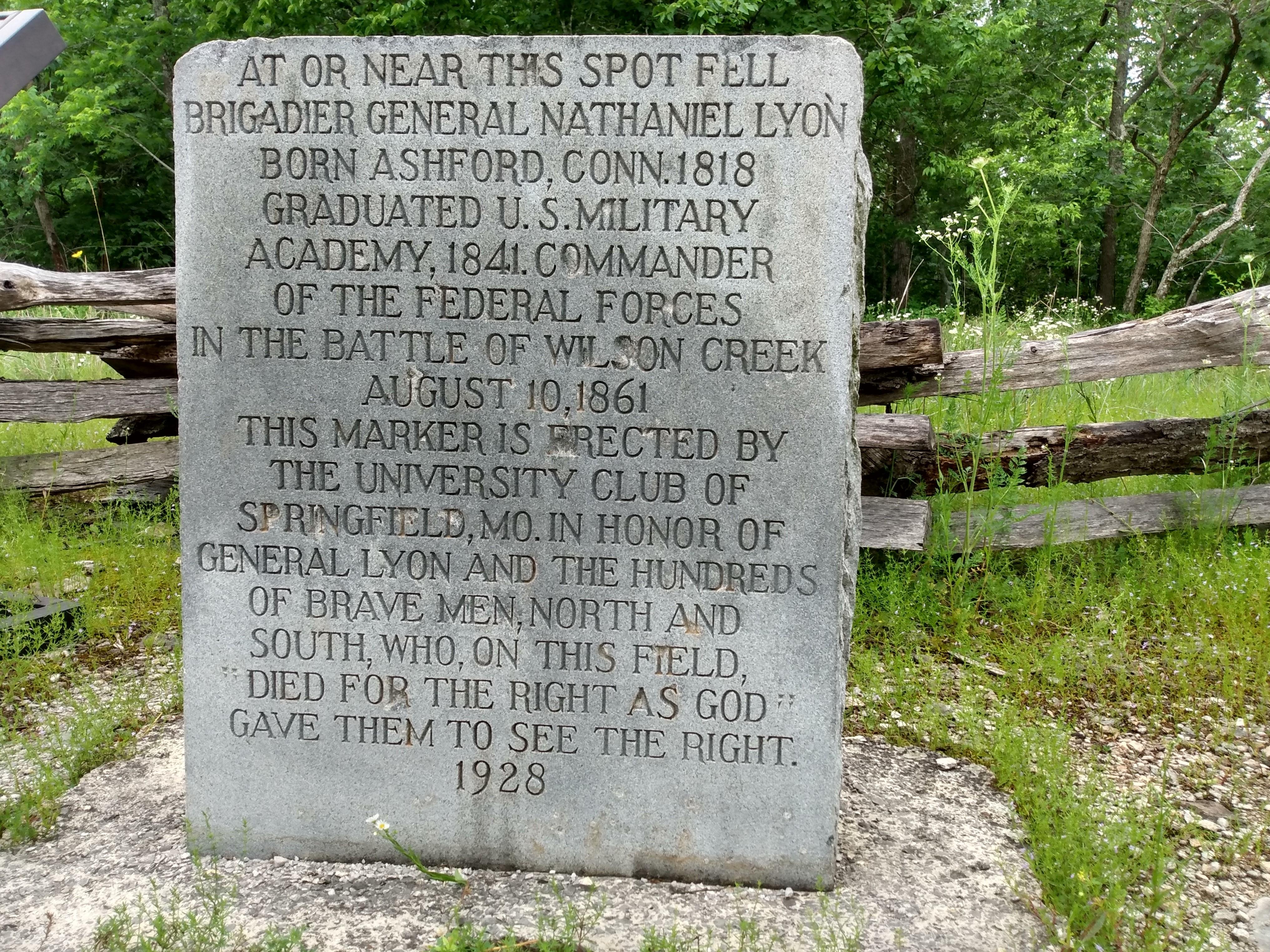
Men in reproduction uniforms talk around a campfireWomen in reproduction historic dress sit and stand on porch of old cabinA stone marker with engraving sits in front of a wooden fence and treesThe receiver of an 1864 rifle shows decorative engraving with the original owner's name
National BattlefieldMO

Wilson's Creek National Battlefield

NPS / Charles Dischinger
88/ 100DOES IT ALL
parkverdict Experience ScoreIndependent, not sponsored

88 of 100. Our independent breadth-and-access index. How we score

Our take

Is Wilson's Creek National Battlefield worth your trip?

Wilson's Creek National Battlefield sits just outside Springfield, Missouri, on the ground where Union and Confederate forces fought the Civil War's first major western engagement on August 10, 1861.

The battle killed the first Union general to die in the war and made clear that Missouri would be a serious theater of conflict. The park is compact and well-interpreted, built around a five-mile auto tour road, a solid museum, and enough walking trails to pull you off the pavement and onto the ground where men actually fought. Admission is free. For a site this focused, it rewards more than a quick drive-through: the park offers living history demonstrations, historic weapons firing, guided tours, and a film. It draws a niche crowd by nature, but it delivers far more than its size would suggest.

Why go

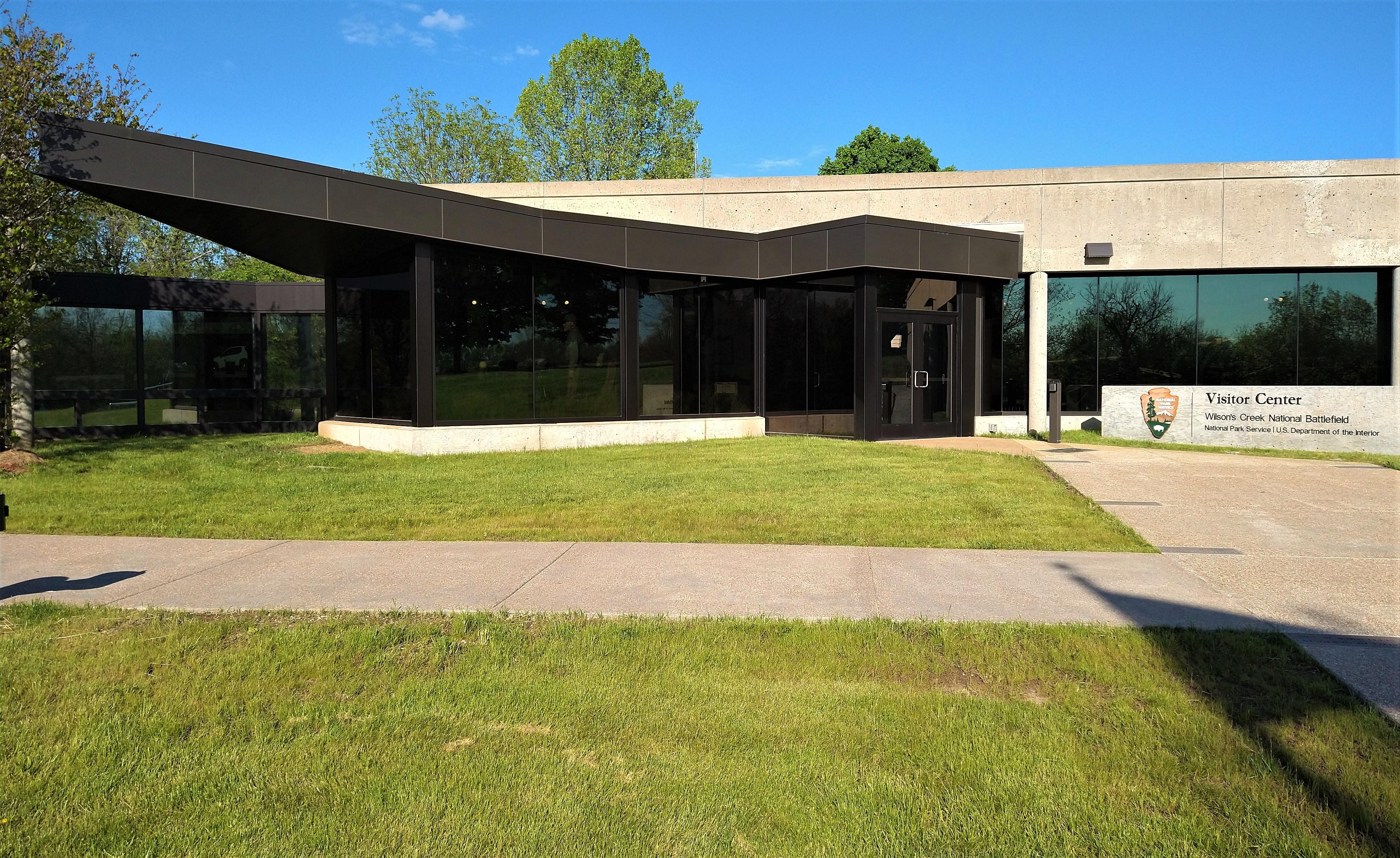
Start at the visitor center. Watch the park film, look through the museum exhibits, and get a sense of the August 1861 campaign before you head out on the five-mile tour road by car or bike. The route takes you past several interpretive stops, including the Ray House and Bloody Hill, and short front-country trails branch off so you can walk the actual ground rather than stare at it through glass. If you happen to visit on a living history weekend, the historic weapons demonstrations and first-person interpretation do something no roadside plaque can pull off: they put you on the terrain at a scale that actually registers. The open fields and creek corridor are worth slowing down for if you pay attention to birds or wildlife, and the picnic areas make it easy to break the day into pieces. Visitors who bring or arrange horses get trail access too, which is harder to find at most parks than you might expect.

Best for

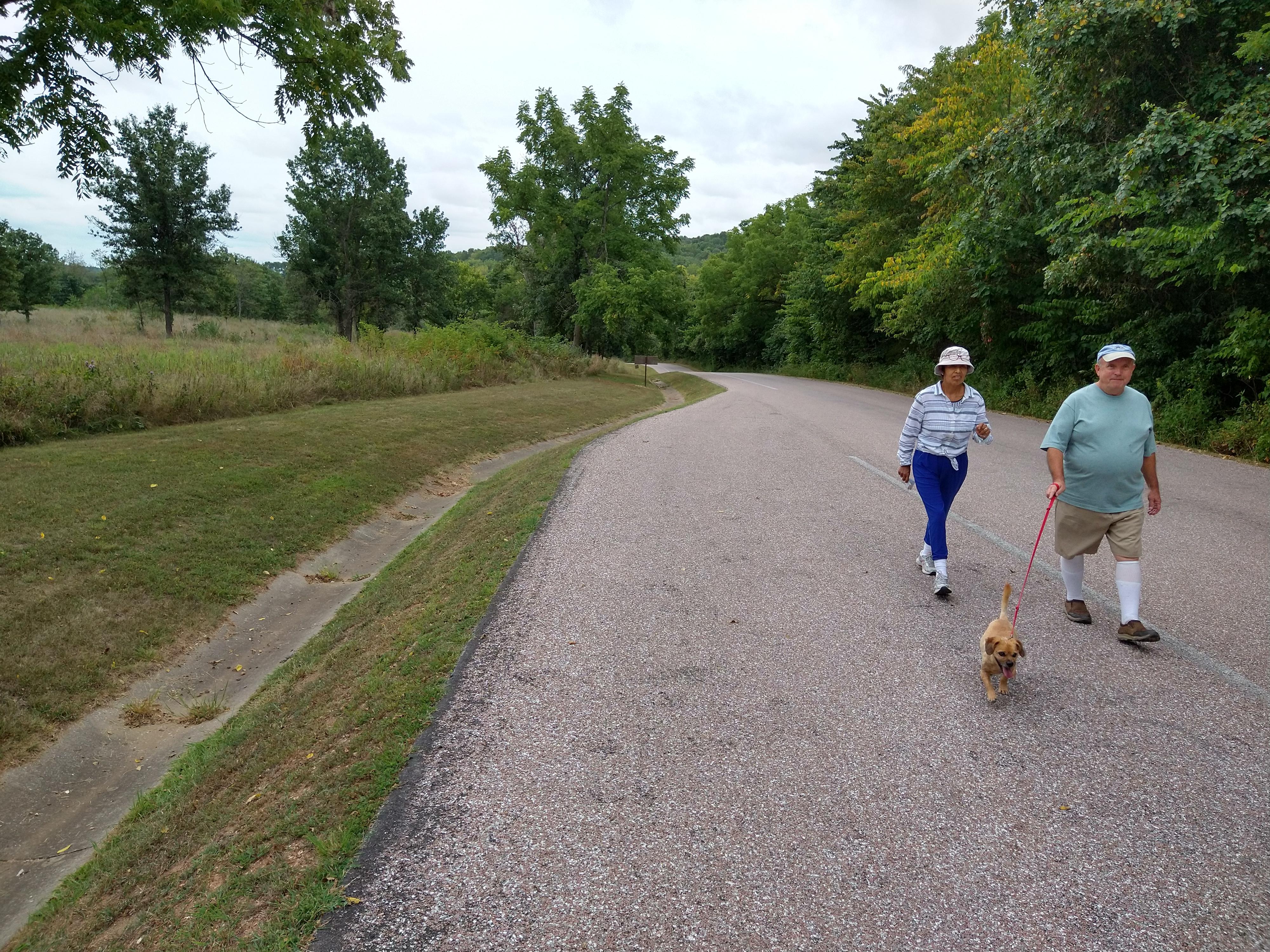
Civil War enthusiasts, especially those who follow the Trans-Mississippi theater, will find this among the better-interpreted small battlefields in the country. Families can keep kids occupied through the Junior Ranger program and periodic living history events. Cyclists looking for low-traffic roads will appreciate the tour loop. That said, if the Civil War simply does not interest you, there is not much reason to visit.

Best season

Spring and fall are the sweet spots for hiking and biking the tour road. Temperatures stay cool enough to avoid the worst of summer's heat and humidity. Summer is doable, but you need to start early and keep an eye on afternoon thunderstorms. Winter gets quiet and occasionally icy, yet the bare trees reveal terrain that foliage buries the other three seasons, and people who study the battlefield seriously tend to find that trade-off worth it.

The high points

  • Self-guided auto tour road covering the core battlefield terrain with interpretive stops
  • Museum exhibits and park film providing deep context on the Trans-Mississippi Civil War
  • Living history events with historic weapons demonstrations and first-person interpretation
  • Front-country hiking trails that put you on the actual ground of the 1861 battle
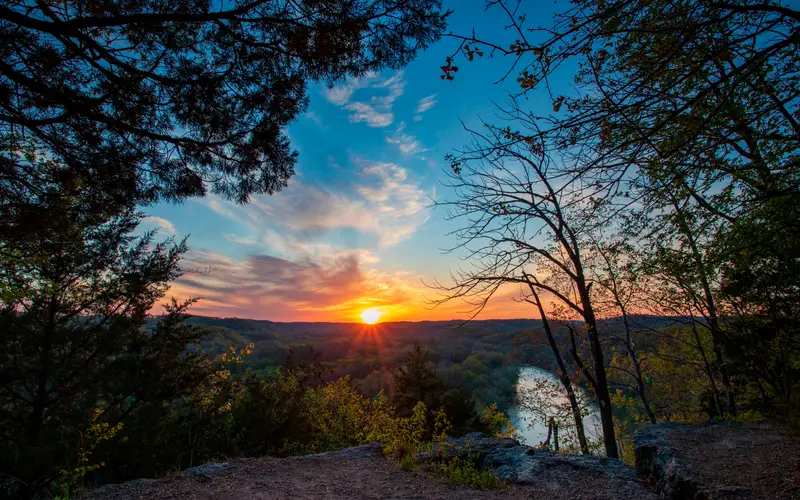
  • Birdwatching and wildlife watching along the creek corridor and open fields
  • Junior Ranger program making the history accessible and interactive for children

Know before you go

Admission is free, so it fits easily into any southwest Missouri itinerary without any budget planning. The motorized tour road opens at 8:00 am when the gate unlocks, but hikers and cyclists can get in starting a half hour before sunrise. Living history events run on a set schedule rather than every day, so check the NPS site for dates before you visit - they genuinely change what the experience is like.

One more thingShow up before the 8:00 am gate opening and you will have most of the loop to yourself. The low morning light across Bloody Hill makes that alone worth it.

How we scored it

How Wilson's Creek National Battlefield earned its 88

Where does a 88 come from? One formula, run the same on every place we cover, built only from public data on what a unit offers and how reachable it is. It says nothing about how pretty a spot is or how busy it gets. This is what fed it:

  • Activity breadth27 documented activities
  • Topic breadth31 topics
  • Official imagery6 public-domain images
  • Camping on sitenone recorded
  • Entry costfree

No number is hand-adjusted and no unit pays for placement. The full weights, the floor at 18 and a worked example are on how we score.

The honest limits

The honest blind spots

Read the score for what it is. It counts what a place documents and how reachable it is, and stops there. It will not tell you if a sunset floors you, if the crowds thin out by dusk, whether a washout closed your trail, or how a ranger tells the story. Plenty of quiet, focused spots score modestly and still win the weekend. Let the number rank what is on offer; let the verdict speak to the feel.

On offer

Documented activities

Arts and CultureCultural DemonstrationsLive MusicAuto and ATVScenic DrivingBikingRoad BikingFoodPicnickingGuided ToursSelf-Guided Tours - WalkingSelf-Guided Tours - AutoHikingFront-Country HikingHorse TrekkingHorseback RidingLiving HistoryHistoric Weapons Demonstration
The basics

Wilson's Creek National Battlefield at a glance

Wilson's Creek was the first major Civil War battle west of the Mississippi, and it was where the first Union general died in combat. The Confederate victory on August 10, 1861, cost both sides heavily and drew national attention to the fighting in Missouri. Wilson's Creek National Battlefield preserves the site and tells the story of that fight within the wider context of the war in the Trans-Mississippi West.

On documented breadth and access, Wilson's Creek National Battlefield ranks 2nd of 13 park and public-land units we score in Missouri.

Weather and seasons

Summers are hot and humid, with afternoon showers and thunderstorms showing up regularly. January and February are the coldest months, and you can expect the occasional ice storm or light snow. Spring and fall are the pleasant stretches, though neither one stays dry for long.

Common questions

Wilson's Creek National Battlefield: quick answers

Is Wilson's Creek National Battlefield worth visiting?

Wilson's Creek National Battlefield sits just outside Springfield, Missouri, on the ground where Union and Confederate forces fought the Civil War's first major western engagement on August 10, 1861.

Is Wilson's Creek National Battlefield free to visit?

Yes, there is no entrance fee.

What is Wilson's Creek National Battlefield best for?

It leans hardest toward hiking, good with kids, wildlife watching, biking, going by the 27 activities it actually documents.

When is the best time to visit Wilson's Creek National Battlefield?

Spring and fall are the sweet spots for hiking and biking the tour road.

How is the Experience Score for Wilson's Creek National Battlefield calculated?

The 88 comes straight from public data on how much the place documents and how easy it is to reach, things like activities, topics, photos, camping and whether entry is free. It says nothing about scenery or how busy it gets.