
Should you visit Ulysses S Grant National Historic Site?
Ulysses S.
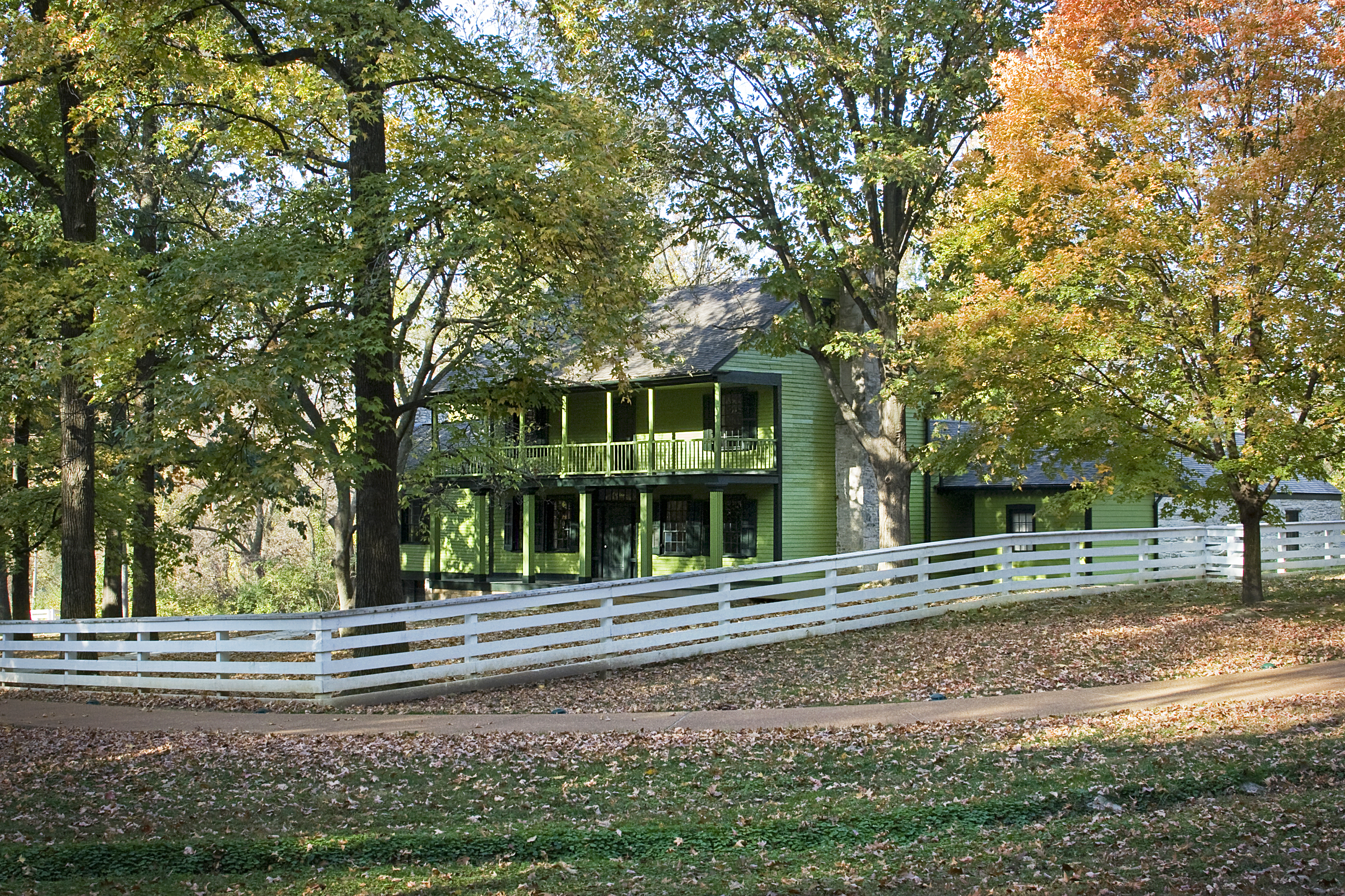
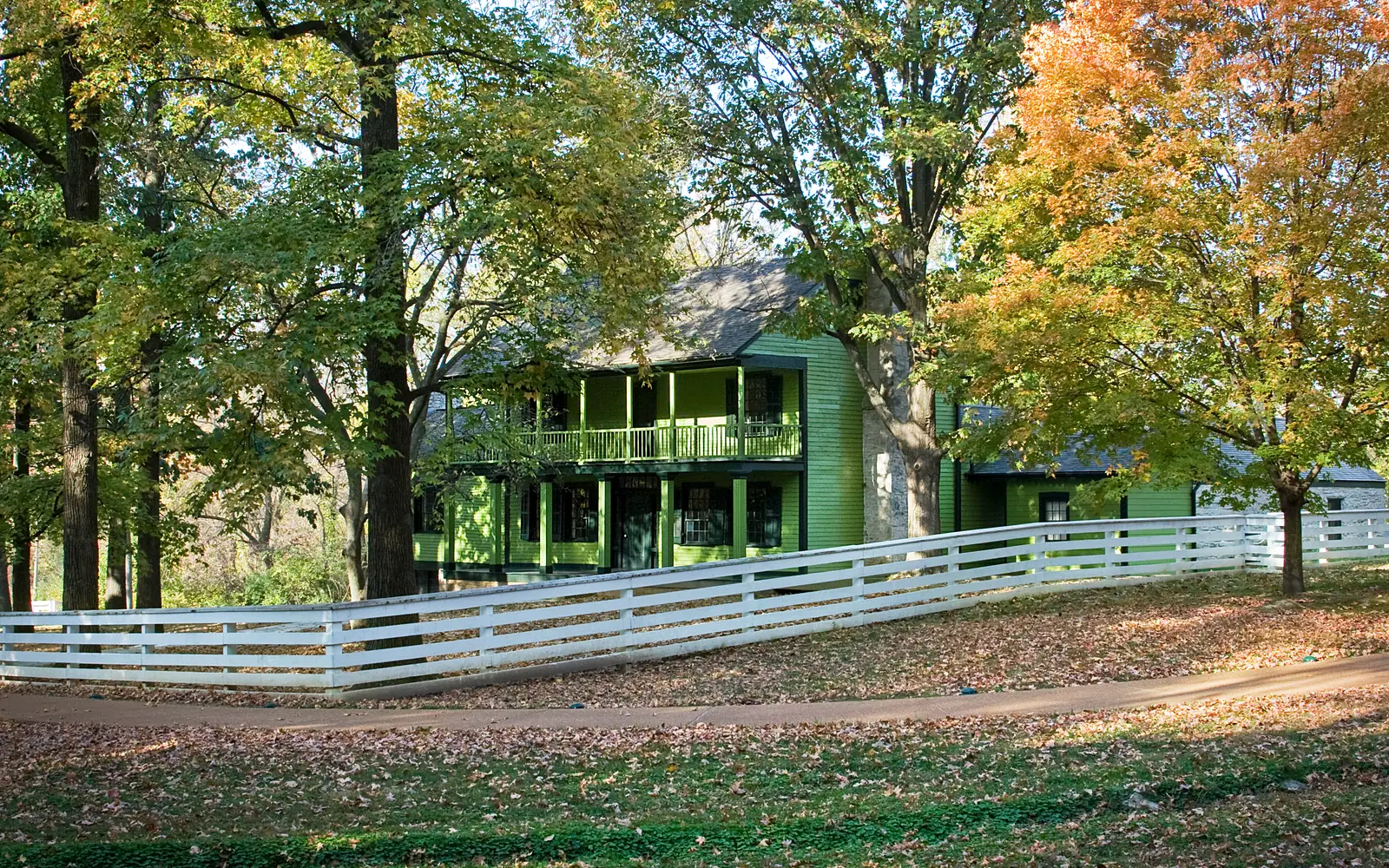
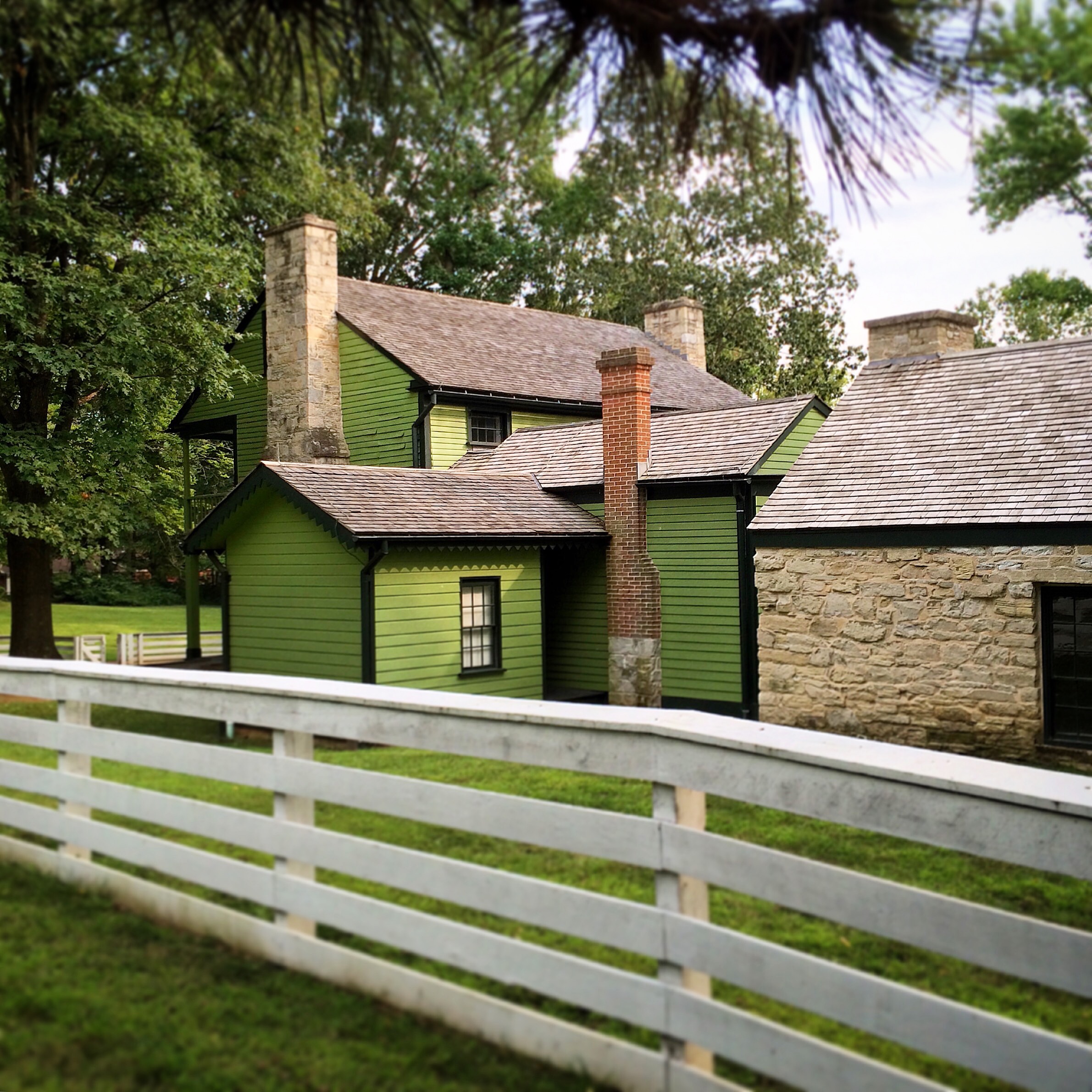
Grant National Historic Site offers significant historical depth. This St. Louis-area property, known as White Haven, housed both the Grant and Dent families between 1854 and 1859, a period during which Grant met Julia Dent. The site directly addresses the complex history of slavery alongside Grant's personal narrative and his pre-Civil War trajectory. Visitors will find a compact, walkable experience. Guided house tours form the core offering, supplemented by museum exhibits and occasional living history presentations. With a reported experience score of 78 and free admission, it offers substantial value. This is an excellent half-day destination. For those deeply interested in Civil War history or the intricate relationship between American slavery and its prominent military figures, this site provides considerable historical substance. Casual sightseers should look elsewhere.
What makes it worth it
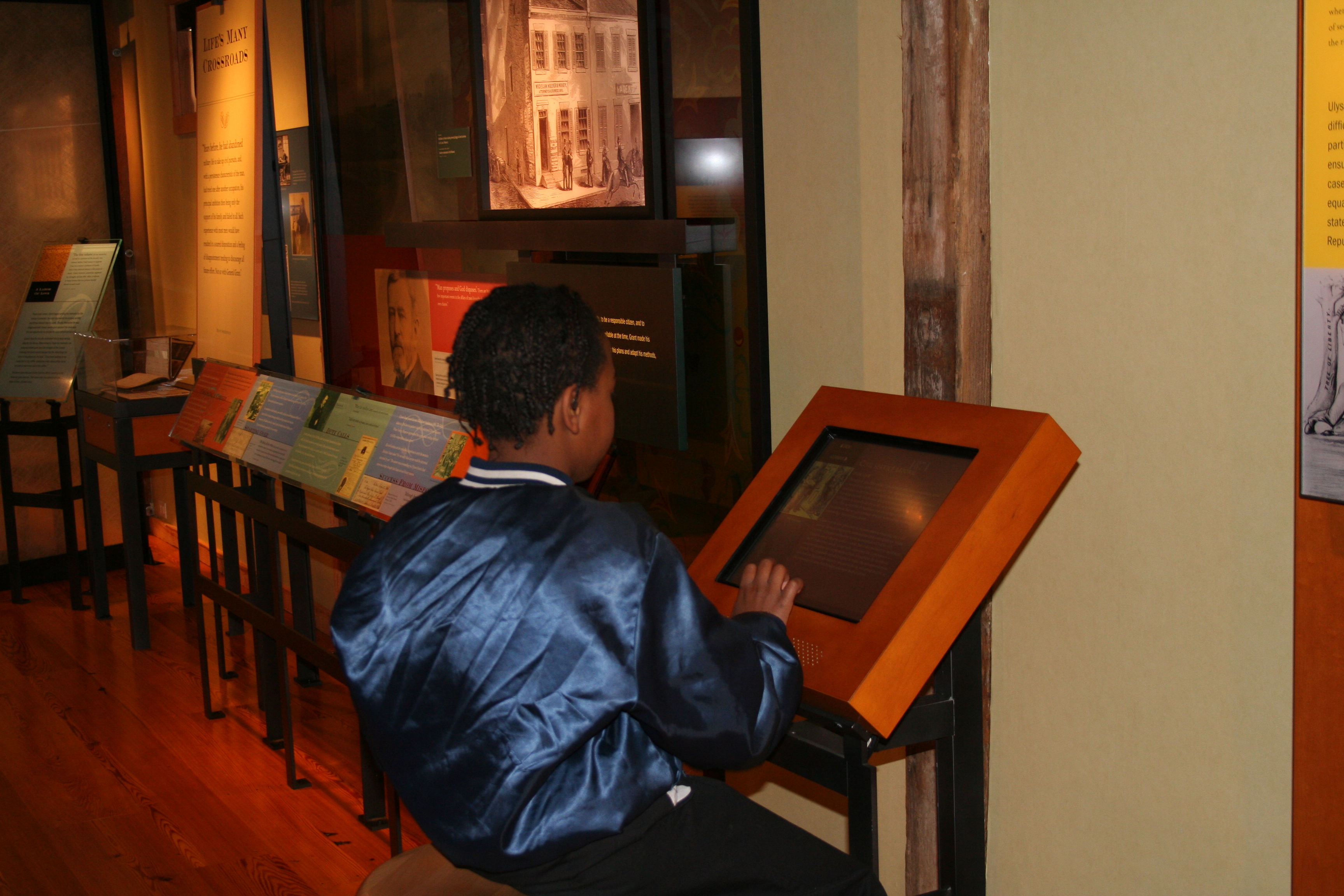
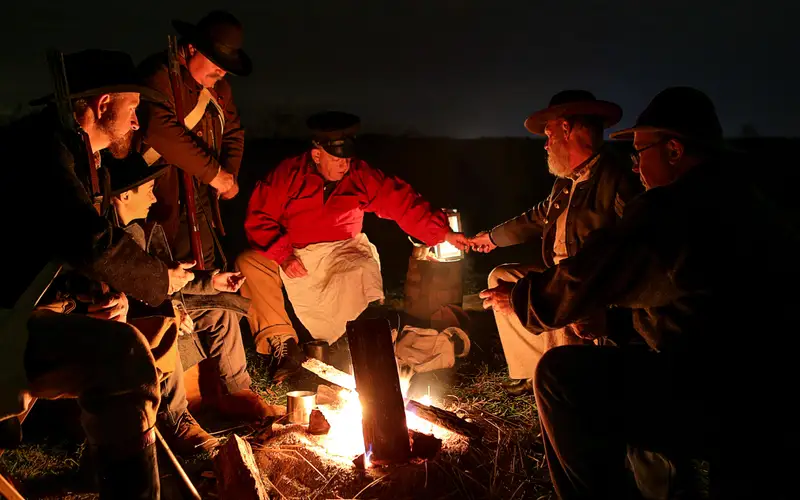
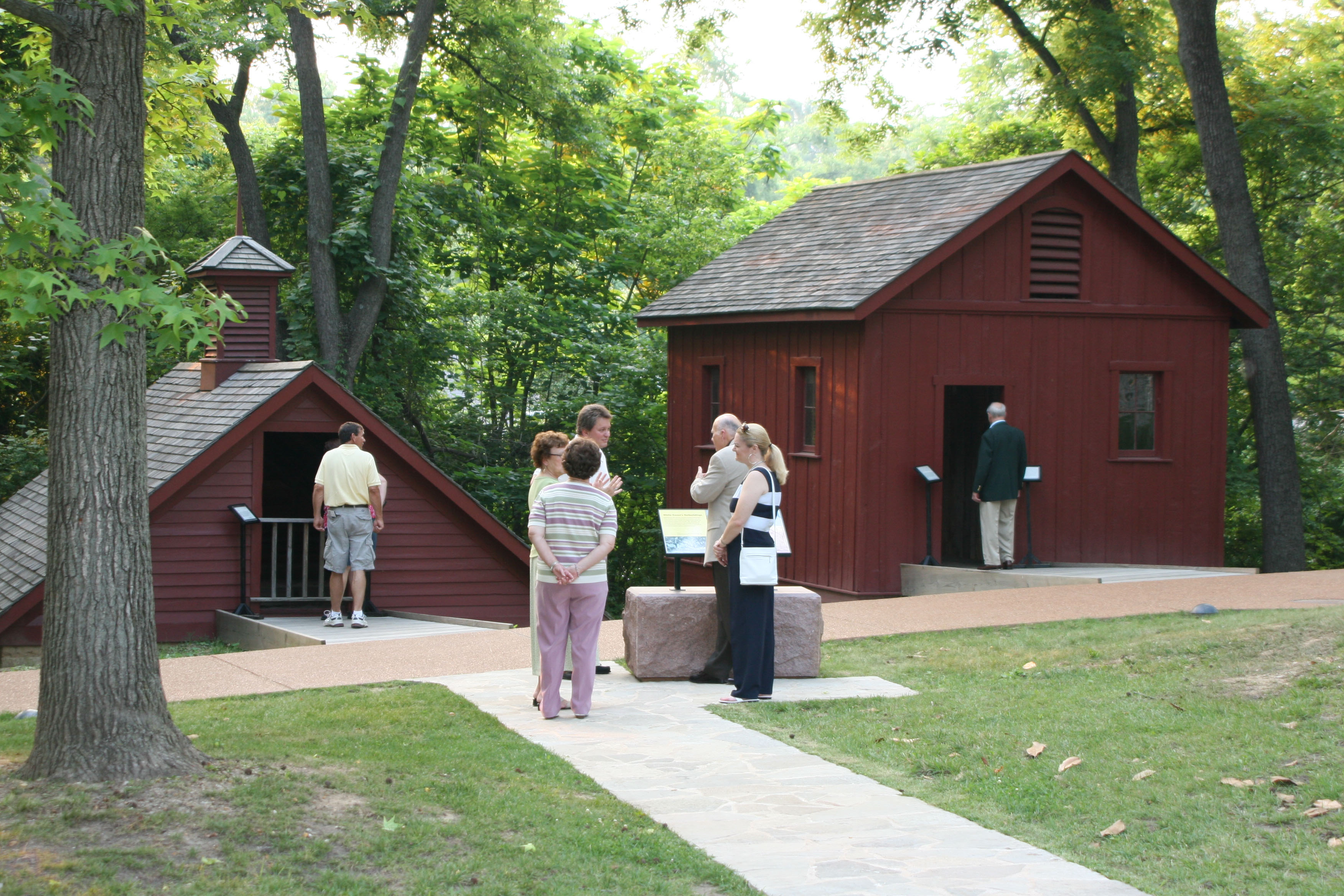
The guided tour of the historic house, concluding daily at 4 PM, forms this site's core experience, providing essential context. Beyond the house, visitors explore grounds at their own pace. Museum exhibits detail the history of Grant, the Dent family, and enslaved people on the property. Rotating living history and cultural demonstrations offer additional depth; consult the schedule beforehand. For families, birdwatching and wildlife viewing add a natural history element, complementing the cultural focus. The Junior Ranger Program effectively engages younger visitors. The park store and bookstore are notable resources, offering a strong selection of Civil War titles.
Who should go
This site offers an unusually honest and rewarding experience for Civil War history enthusiasts, readers of Grant's biography, and those examining slavery in border-state Missouri. The accessible scale benefits families with school-age children, particularly through the Junior Ranger Program. Casual visitors seeking scenery or outdoor adventure will not find it here; they should consider the Gateway Arch or Meramec State Park.
When to go
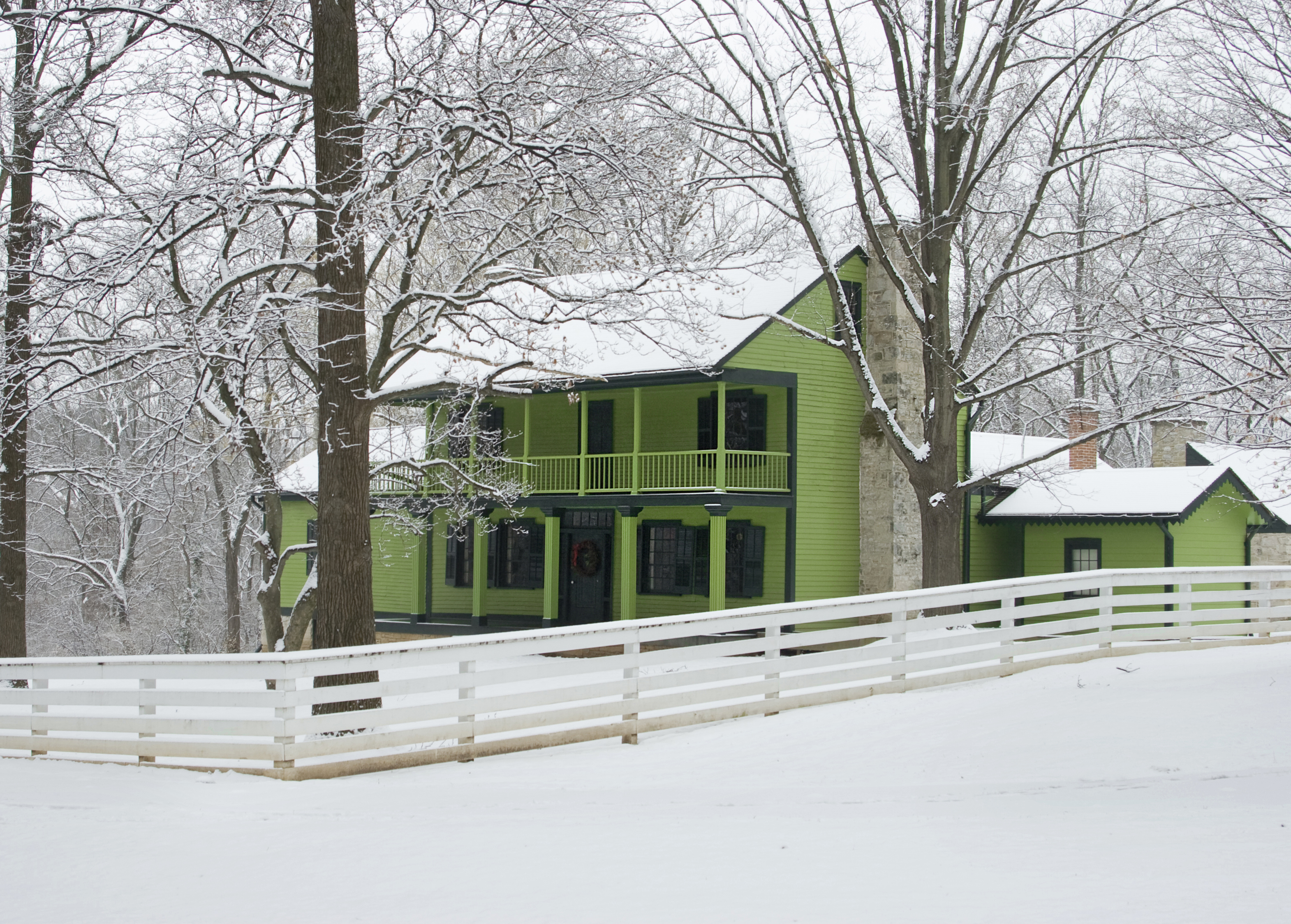
Optimal visiting seasons are spring and fall. St. Louis summers present high heat, humidity, and potential for severe thunderstorms. Winter visits are feasible, but snow and ice can impede access. Always call (314) 842-1867 for updates during inclement weather. Arrive by mid-morning to secure a spot on an early house tour; the last tour departs by 4 PM.
Highlights
- Guided tours of the historic White Haven house with interpretation covering Grant, the Dents, and the enslaved workforce
- Museum exhibits that contextualize Grant's pre-Civil War years and the site's slavery history
- Living history and cultural demonstrations on select dates
- Junior Ranger Program for families with children
- Birdwatching and wildlife watching on the property grounds
- Free admission with a well-stocked bookstore focused on Civil War and Grant history
Plan ahead
Admission is free. The site operates from 9 AM to 5 PM. However, the last house tour departs at 4 PM; late arrivals will miss the interpretive core of the visit. St. Louis weather is notably variable and can become severe in any season. Check conditions prior to arrival. Allot two to three hours for a complete visit, including the house tour and exhibits.
Editor's tipThe event calendar is essential. Self-directed visits characterize this park, but scheduled living history programs and cultural demonstrations add real depth. For optimal access to ranger interpreters and to avoid crowds, a weekday morning visit is advisable.