Should you visit Weir Farm National Historical Park?
Weir Farm is a compact, tranquil Connecticut property preserving the legacy of J.
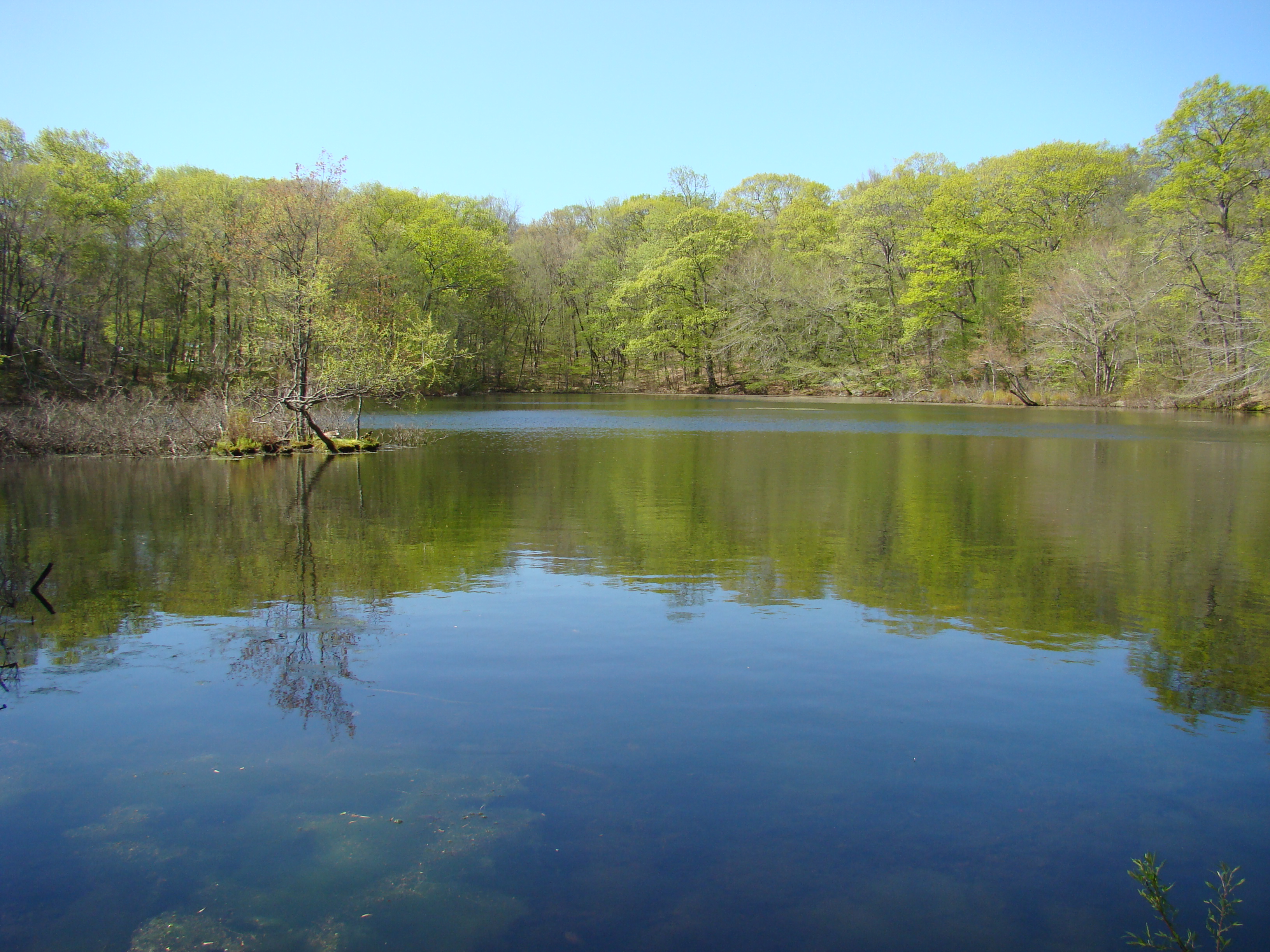
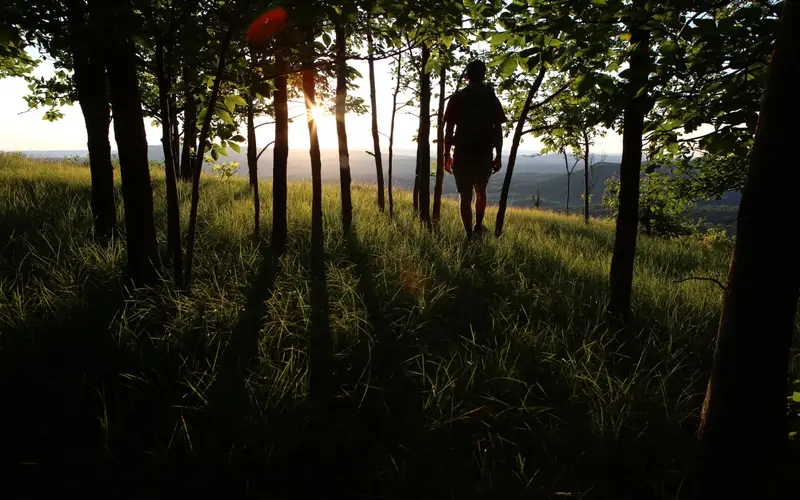
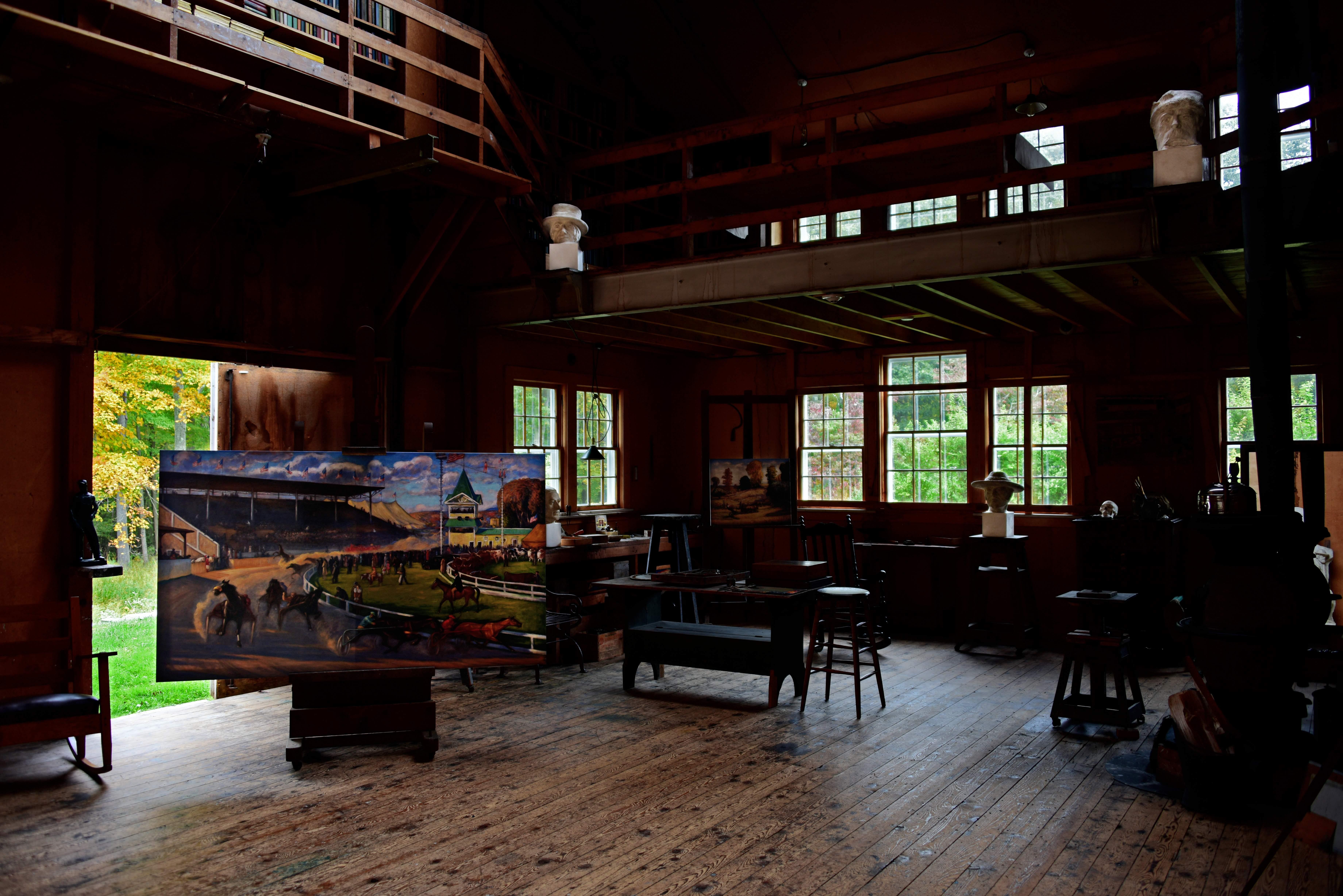
Alden Weir, a pivotal figure in American Impressionism. Its 60 acres of woods, fields, and waterways retain their historical character. The National Park Service emphasizes this continuity through hands-on art programs, guided tours, and museum exhibits. This site is not for hikers seeking dramatic scenery, nor for families expecting extensive activities. It is an intimate location where the draw is artistic heritage and the opportunity to create on historically significant grounds. With an Experience Score of 54 and free admission, it serves as an excellent half-day stop. Casual sightseers should look elsewhere. For the appropriate visitor, it offers a surprisingly profound experience.
What makes it worth it
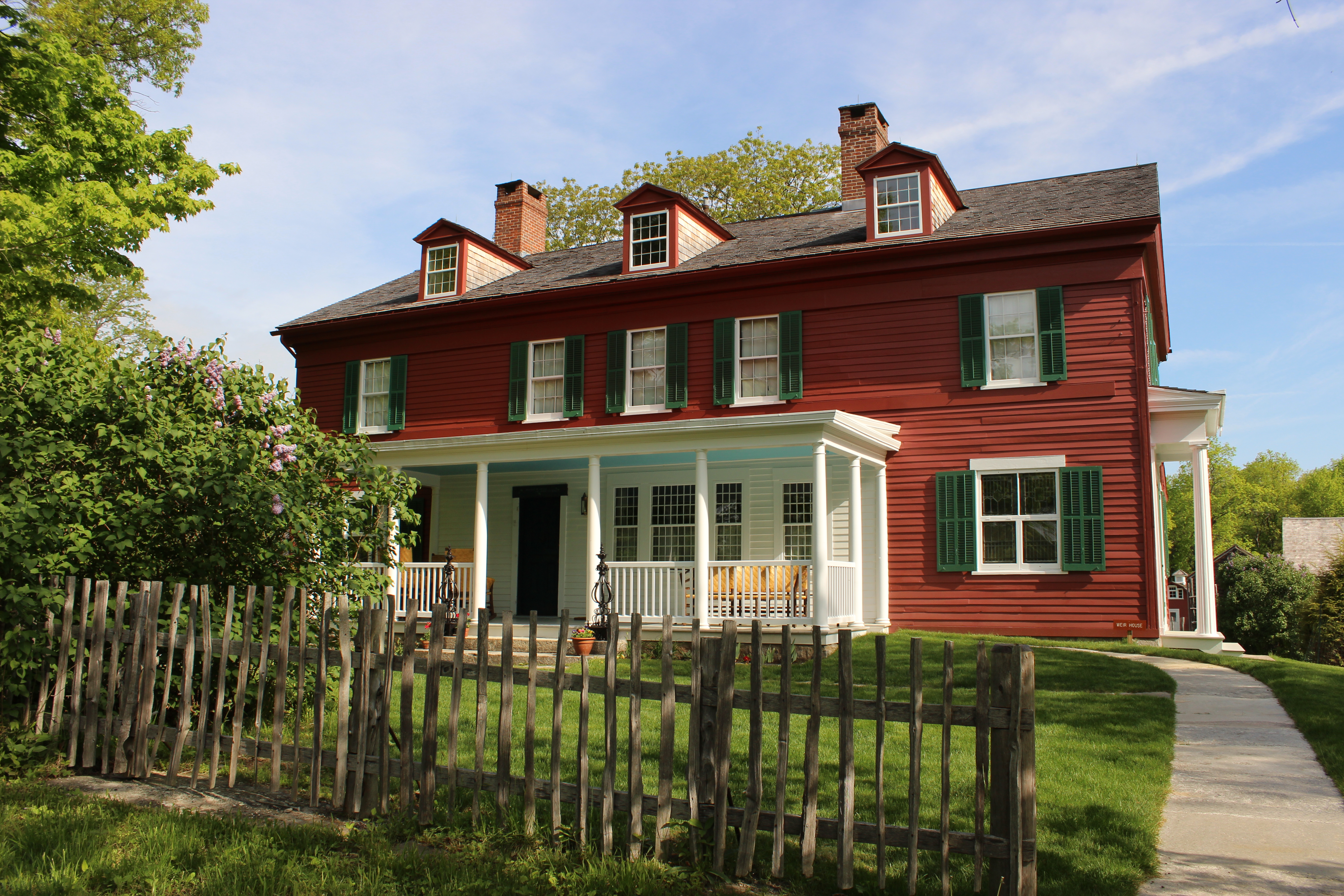
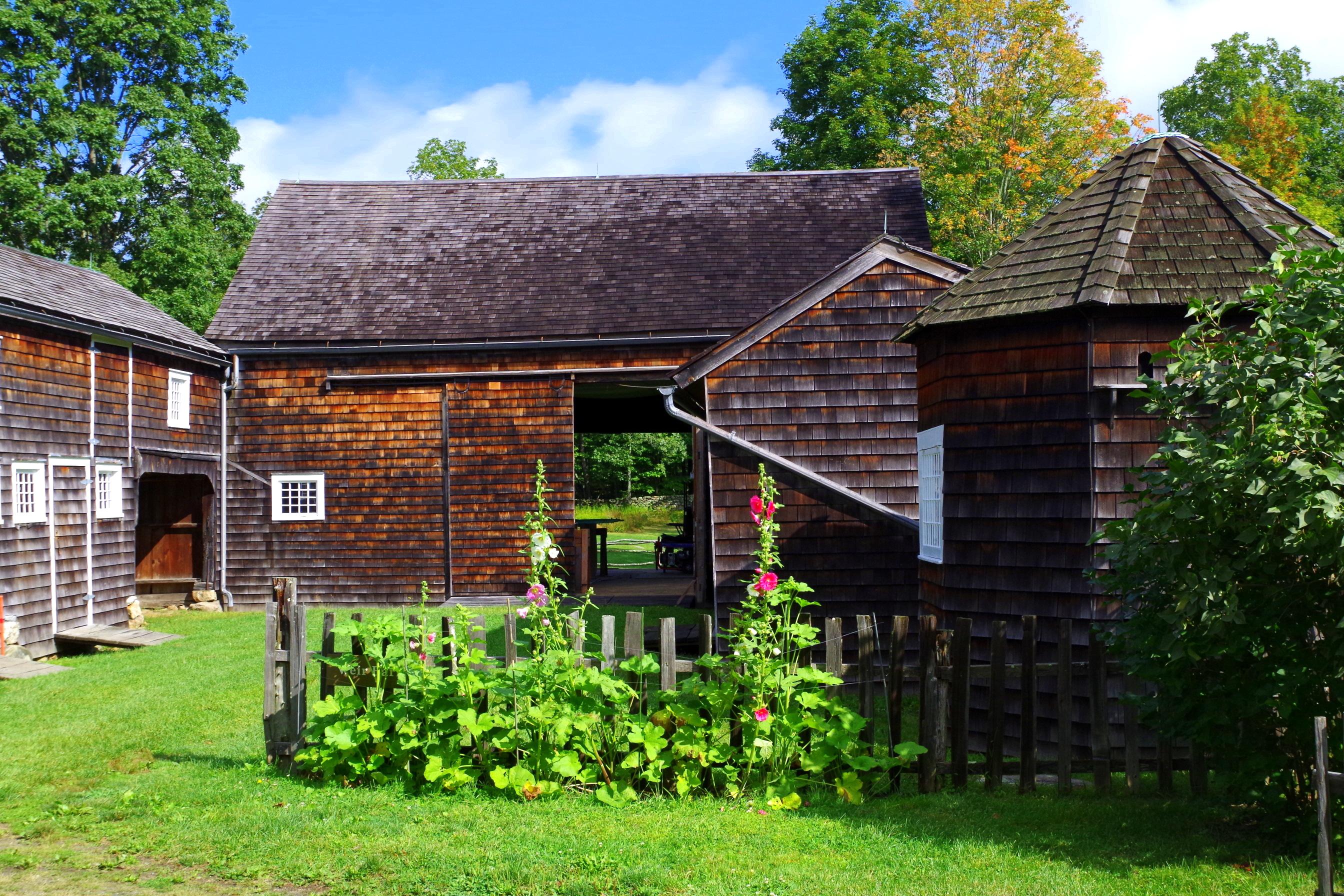
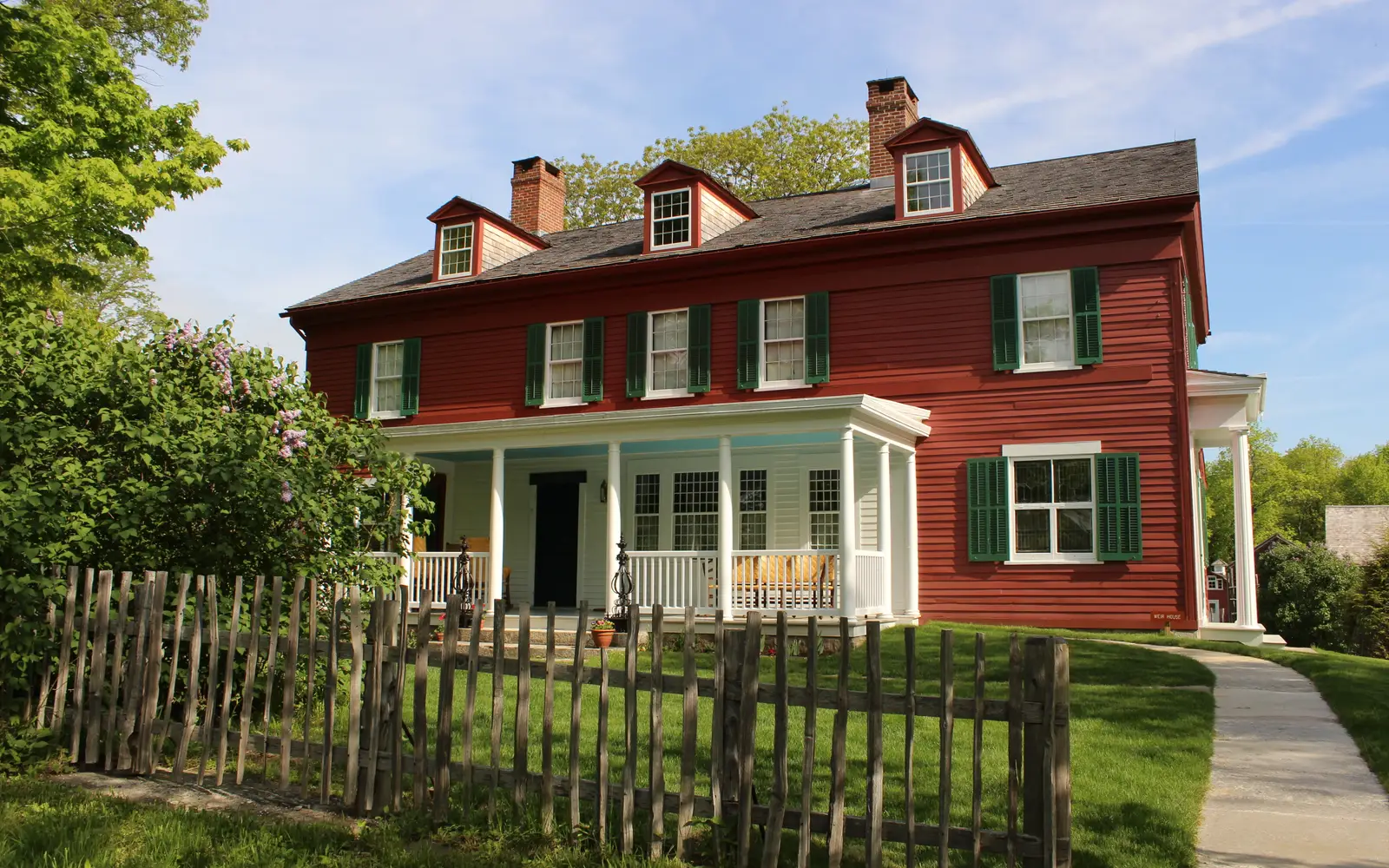
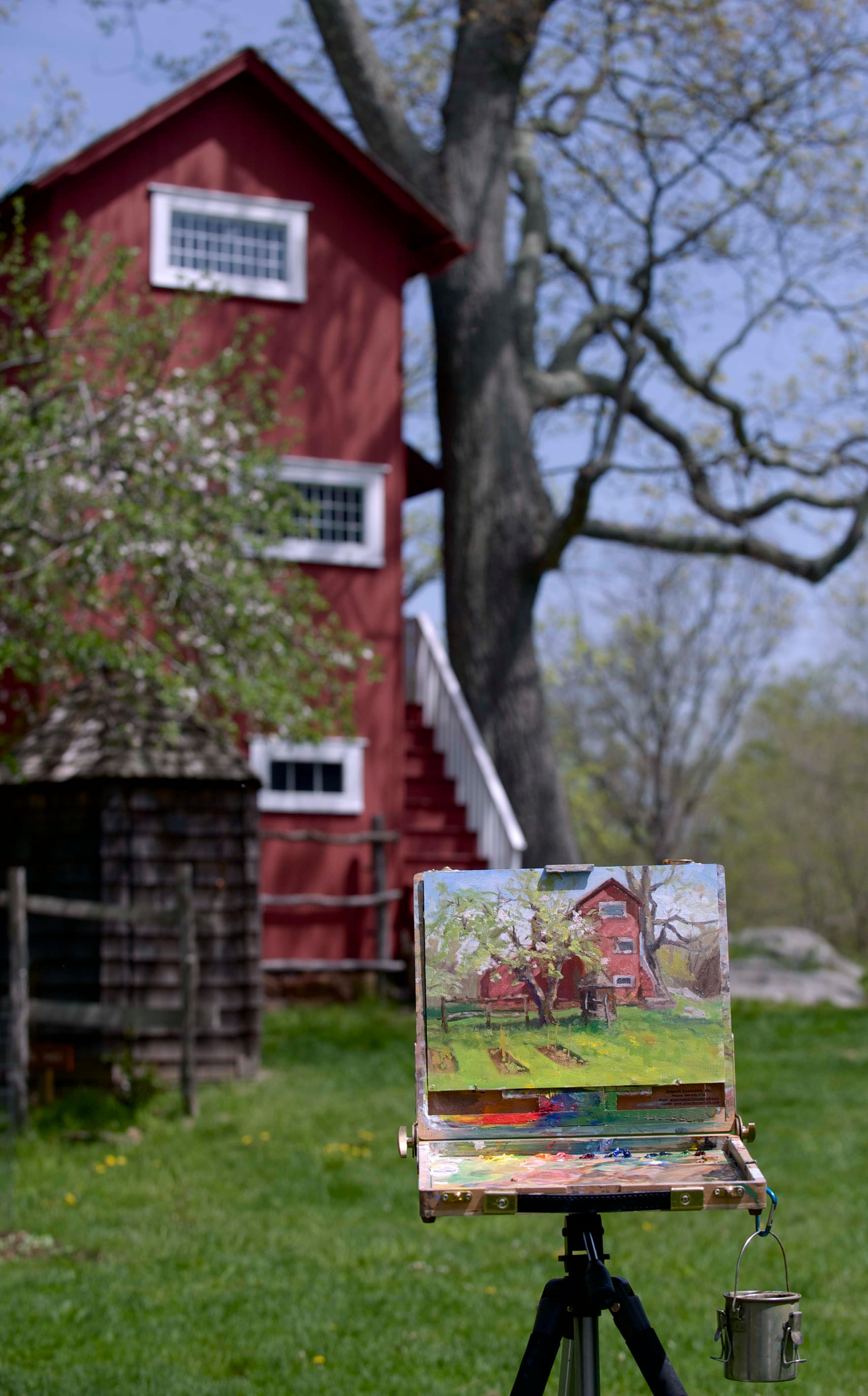
This park delivers a focused experience. A guided tour of the historic studio and farm buildings provides essential context, connecting visitors to the art and the artists. The grounds themselves are a central feature, offering wooded fields and waterways for exploration. Artistic engagement is encouraged; visitors can bring sketchbooks or watercolors, and hands-on art programming is available. Museum exhibits offer biographical and art-historical insights. For families, the Junior Ranger program provides a structured activity. A park film offers a helpful orientation. Free admission removes financial pressure, allowing for an unhurried pace that aligns with the park's offerings.
Who should go
This park is best suited for art history enthusiasts and those interested in American Impressionism, particularly visitors who sketch or paint. Families may find value in the Junior Ranger program and available hands-on activities. However, serious hikers, wildlife observers, or anyone seeking an extensive outdoor experience will find offerings elsewhere in Connecticut more compelling.
When to go
Optimal visitation spans late spring through early fall, when comfortable temperatures prevail for outdoor activities like walking and sketching. During this period, the landscape’s fields and waterways achieve peak vibrancy. Fall foliage further enhances the area’s painterly aesthetic. Winter offers quiet, but cold and storms restrict outdoor access. Spring delivers fresh greenery, though often accompanied by rain.
Highlights
- Guided tours of Weir's historic studio and farm buildings
- Hands-on art and crafts programming on the historic grounds
- 60-plus acres of woods, fields, and waterways open sunrise to sunset
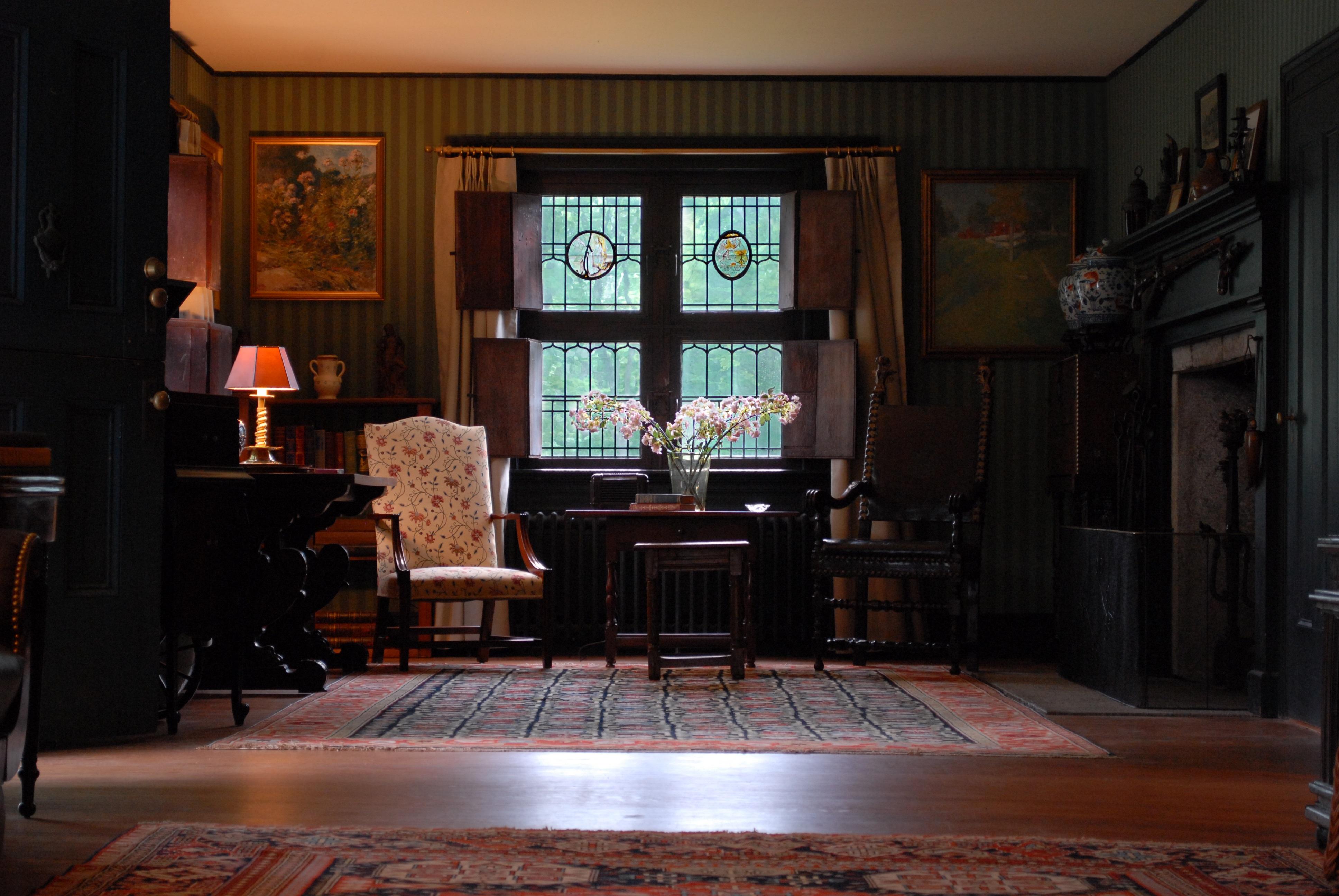
- Museum exhibits on American Impressionism and Weir's life
- Junior Ranger program for families with children
- Free admission with no reservation barrier to entry
Plan ahead
This Wilton, Connecticut, park offers free admission, with grounds and parking open sunrise to sunset daily. Building access and programming are limited; consult the NPS site for guided tours or exhibits. A car is essential, as public transit does not serve the park.
Editor's tipBring a sketchbook or watercolors. The park supports visitor art on the grounds. Drawing the landscape as Weir did offers a genuine interpretive experience.