parkverdict
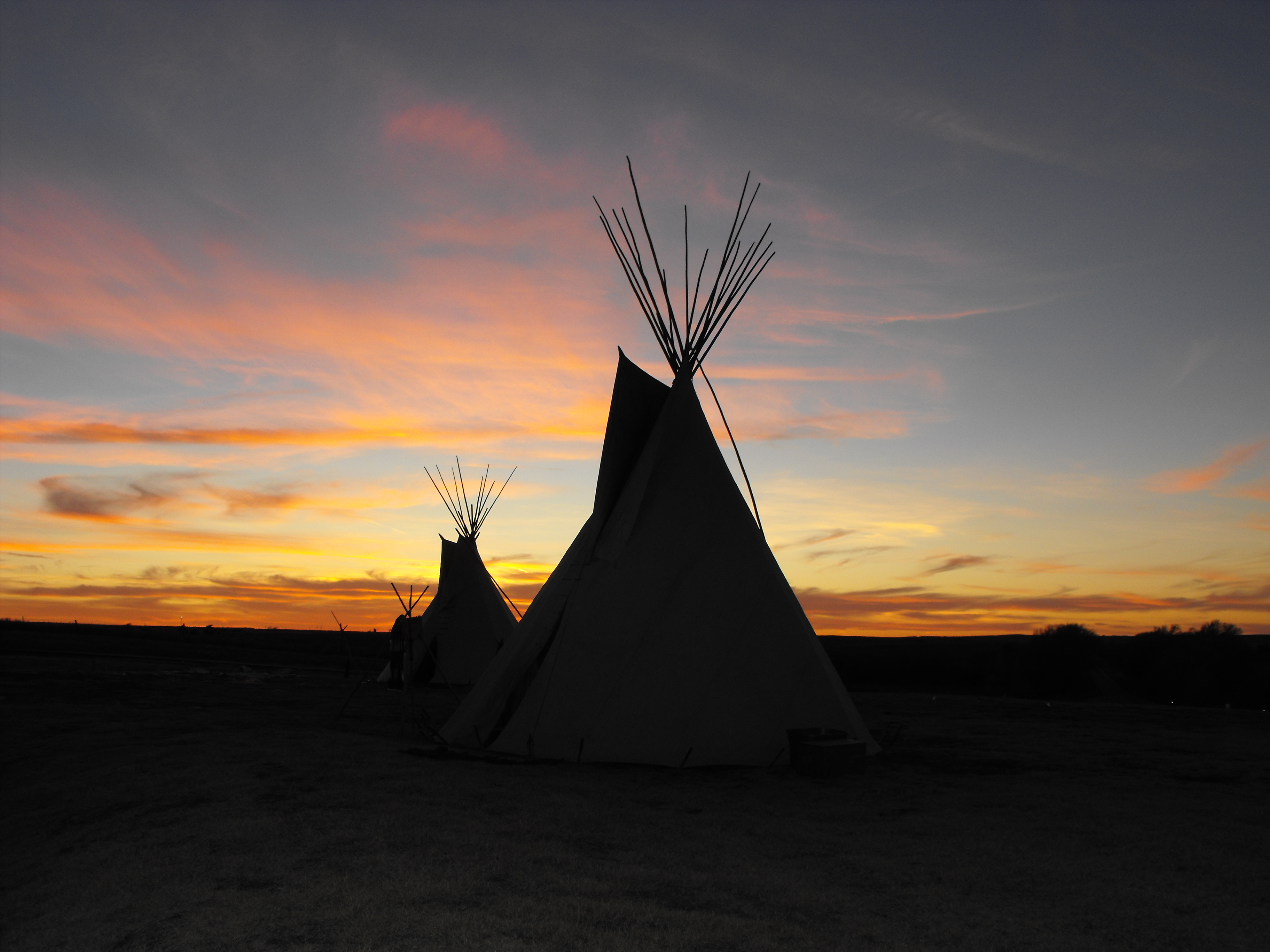
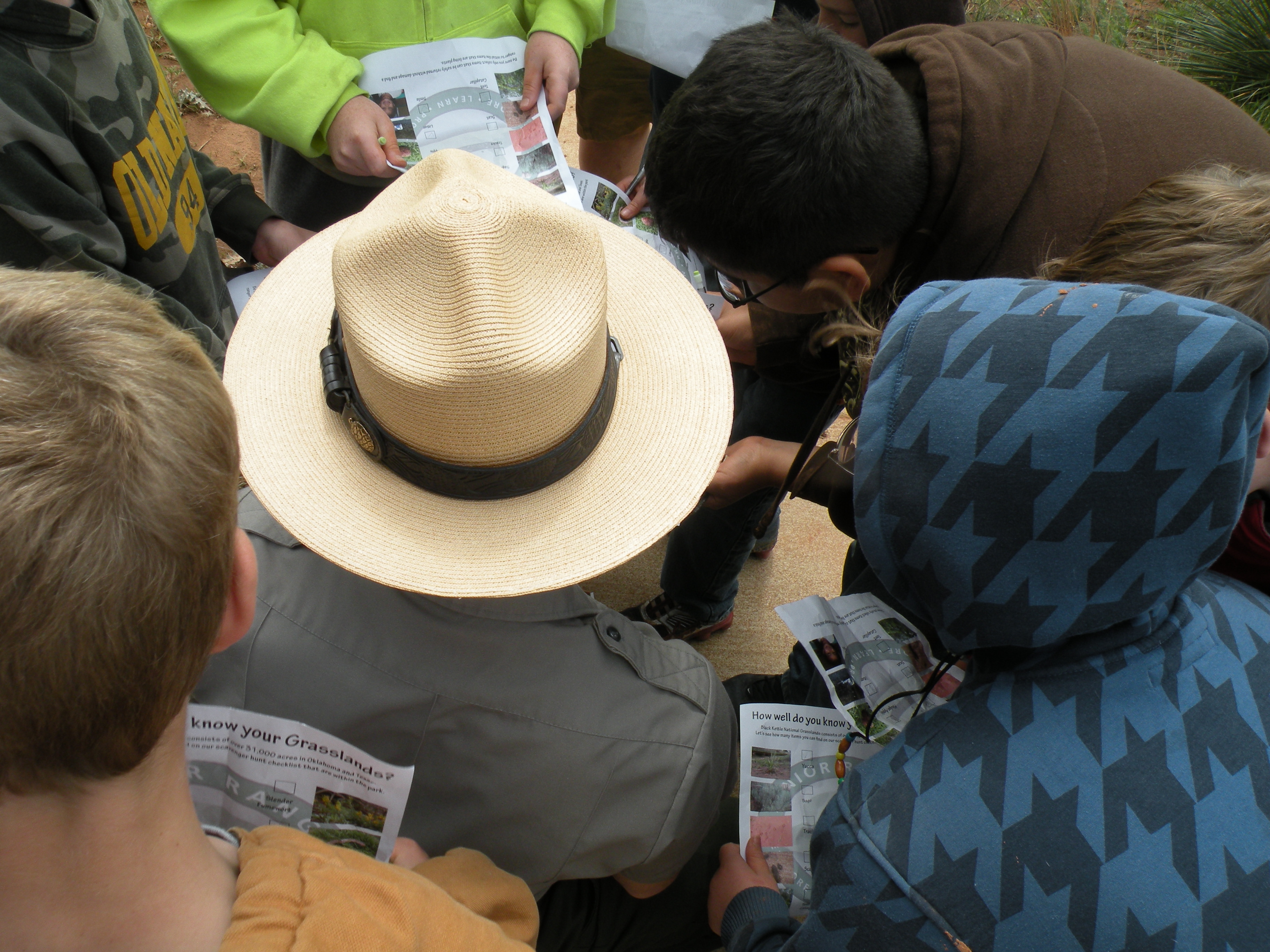
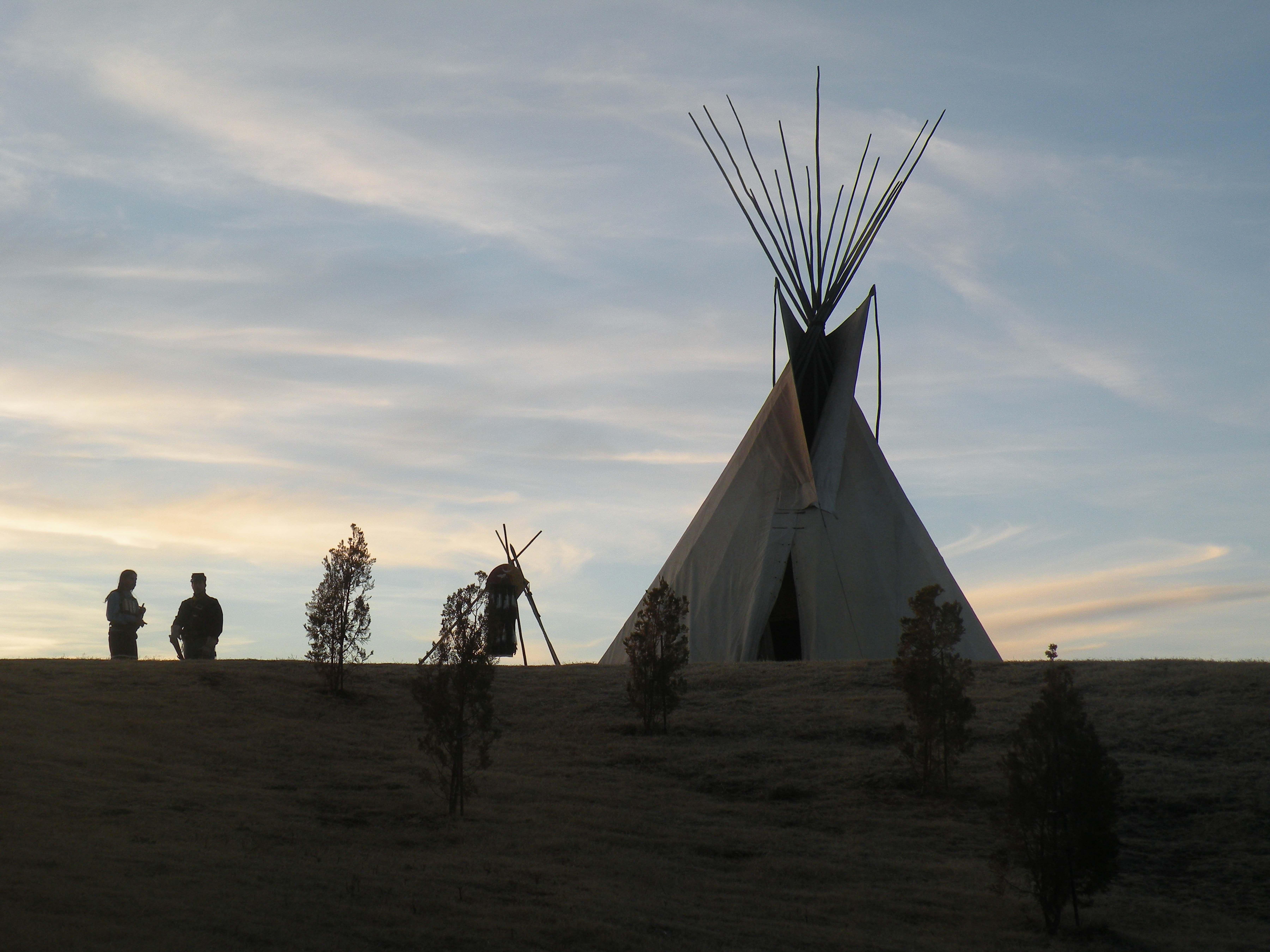
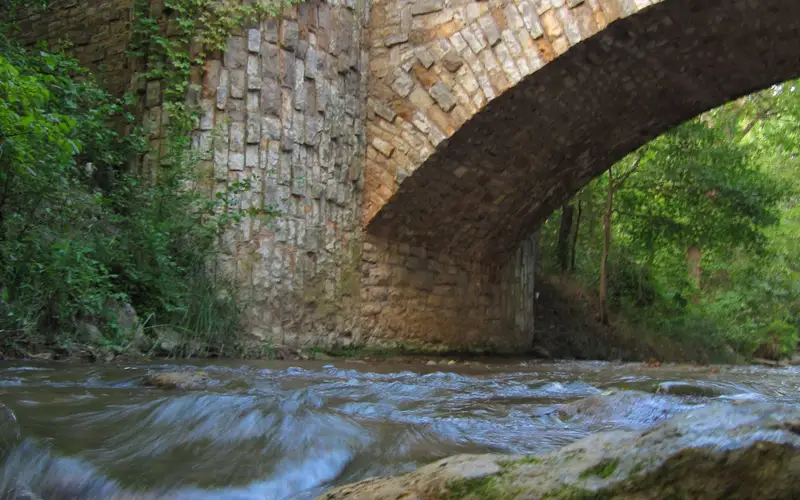
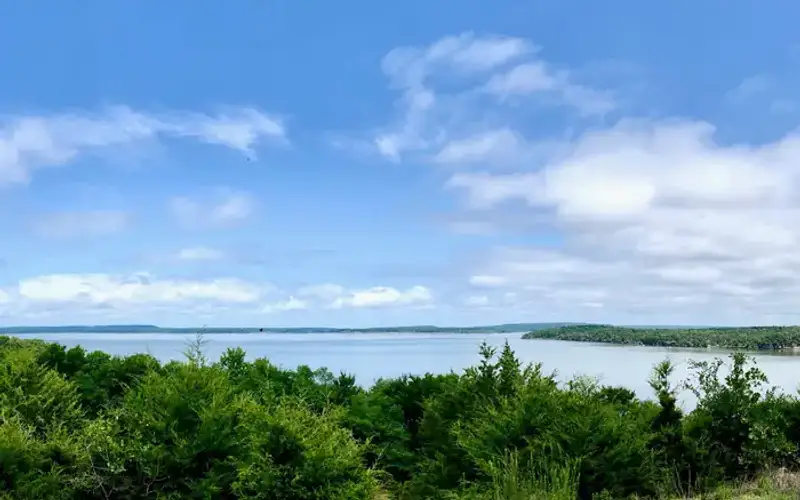
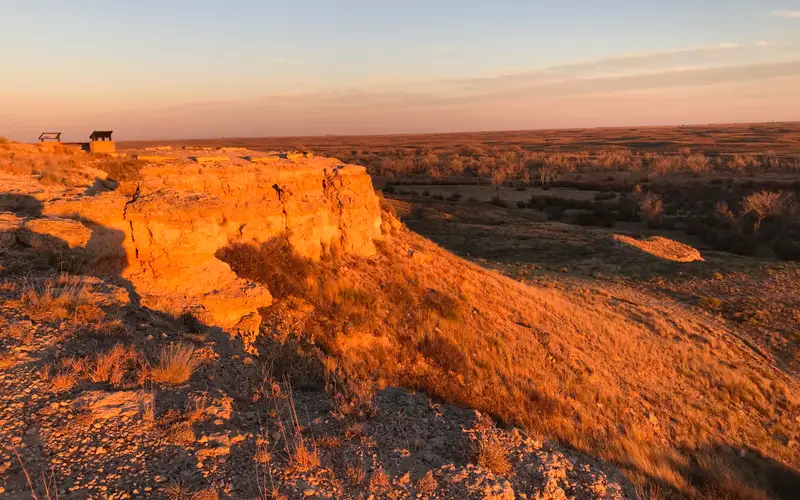
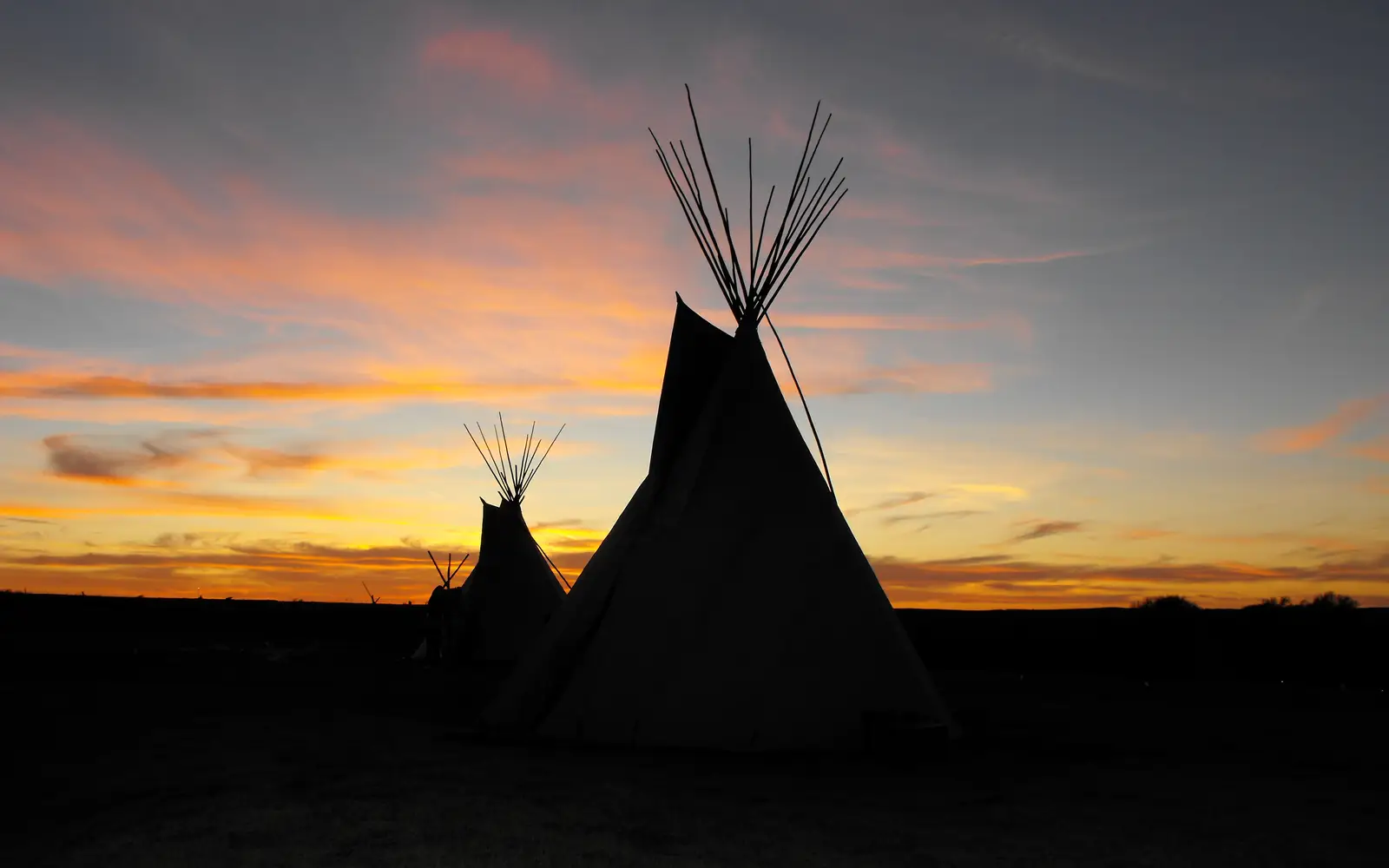
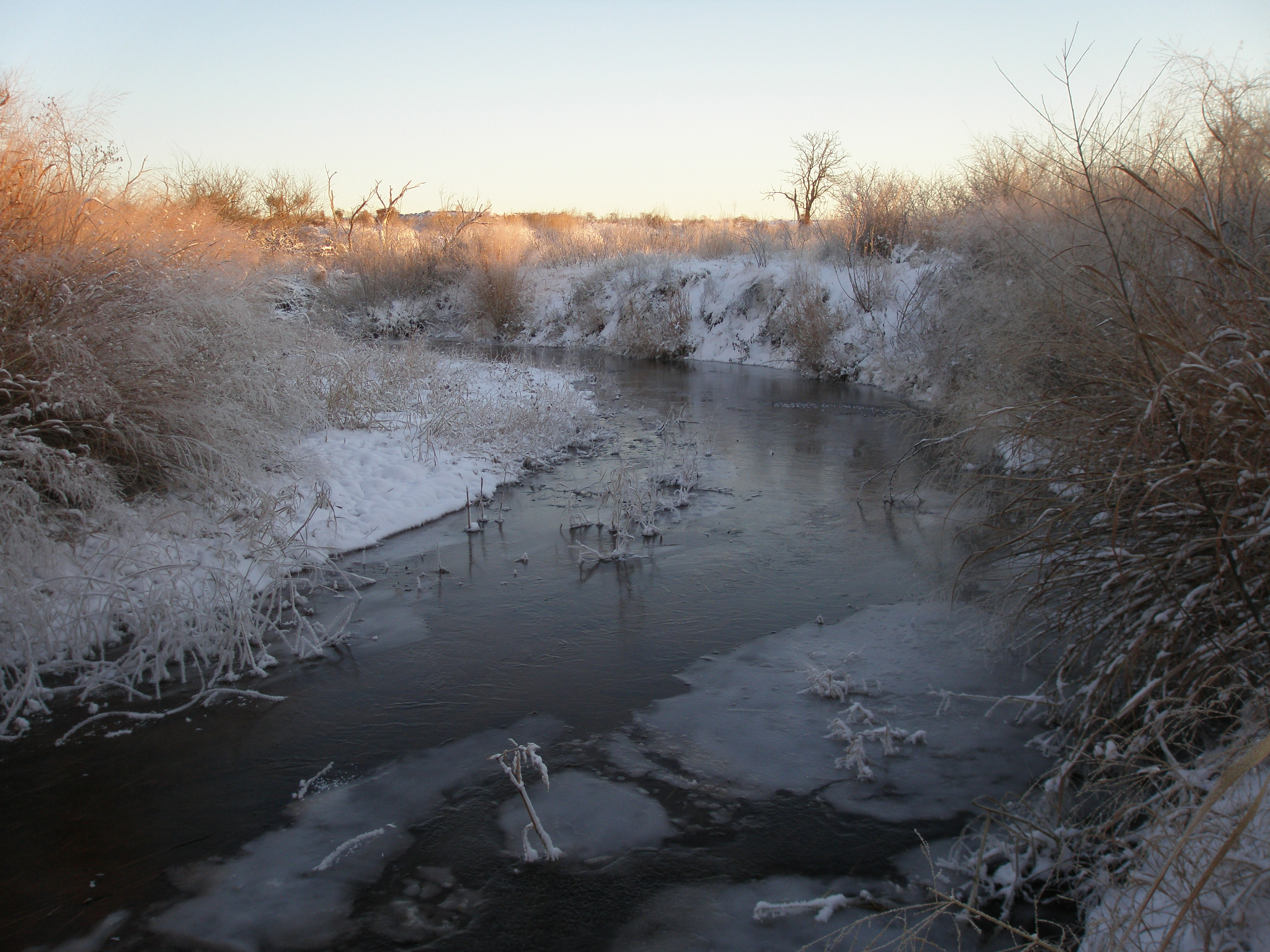
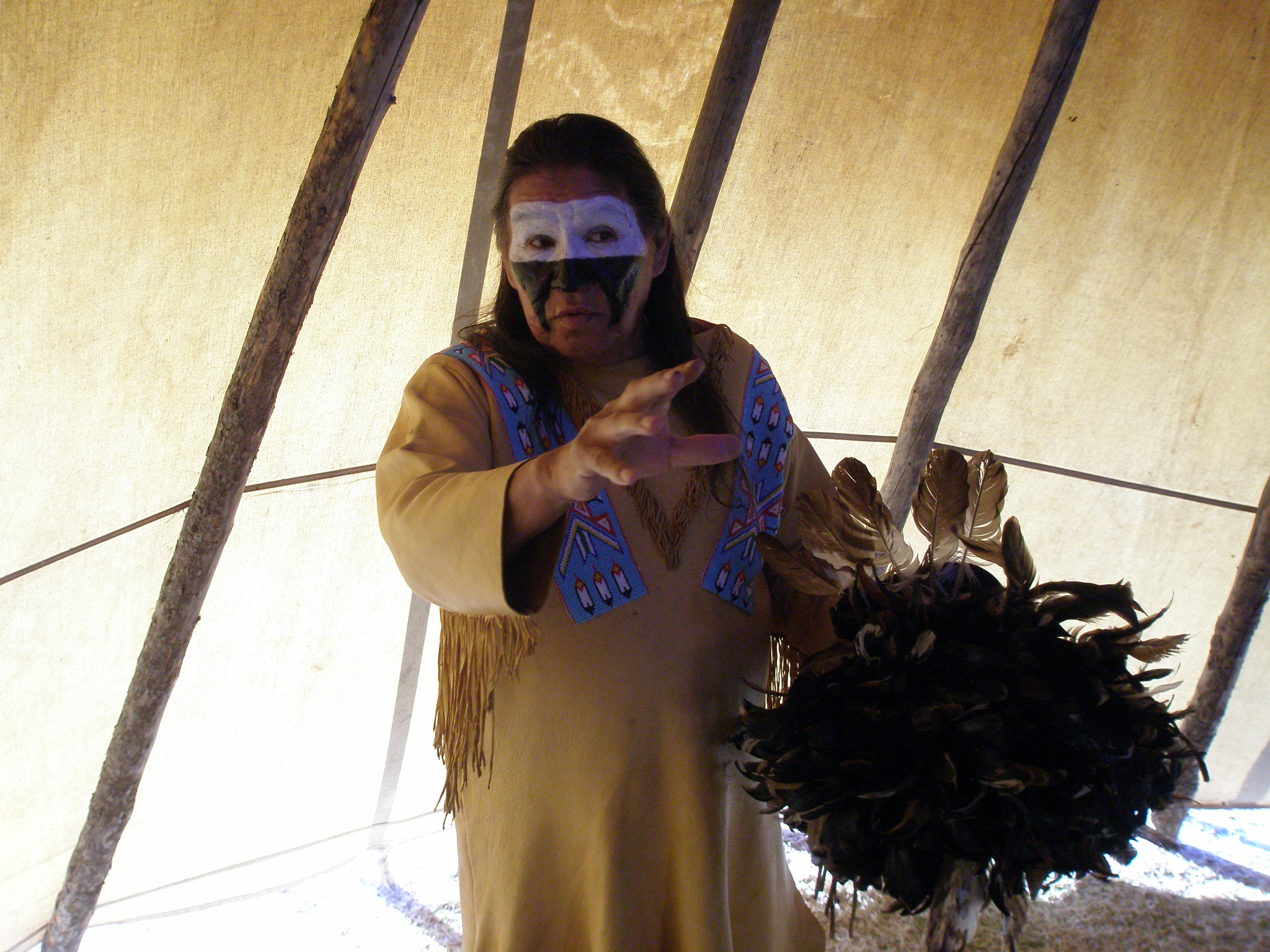
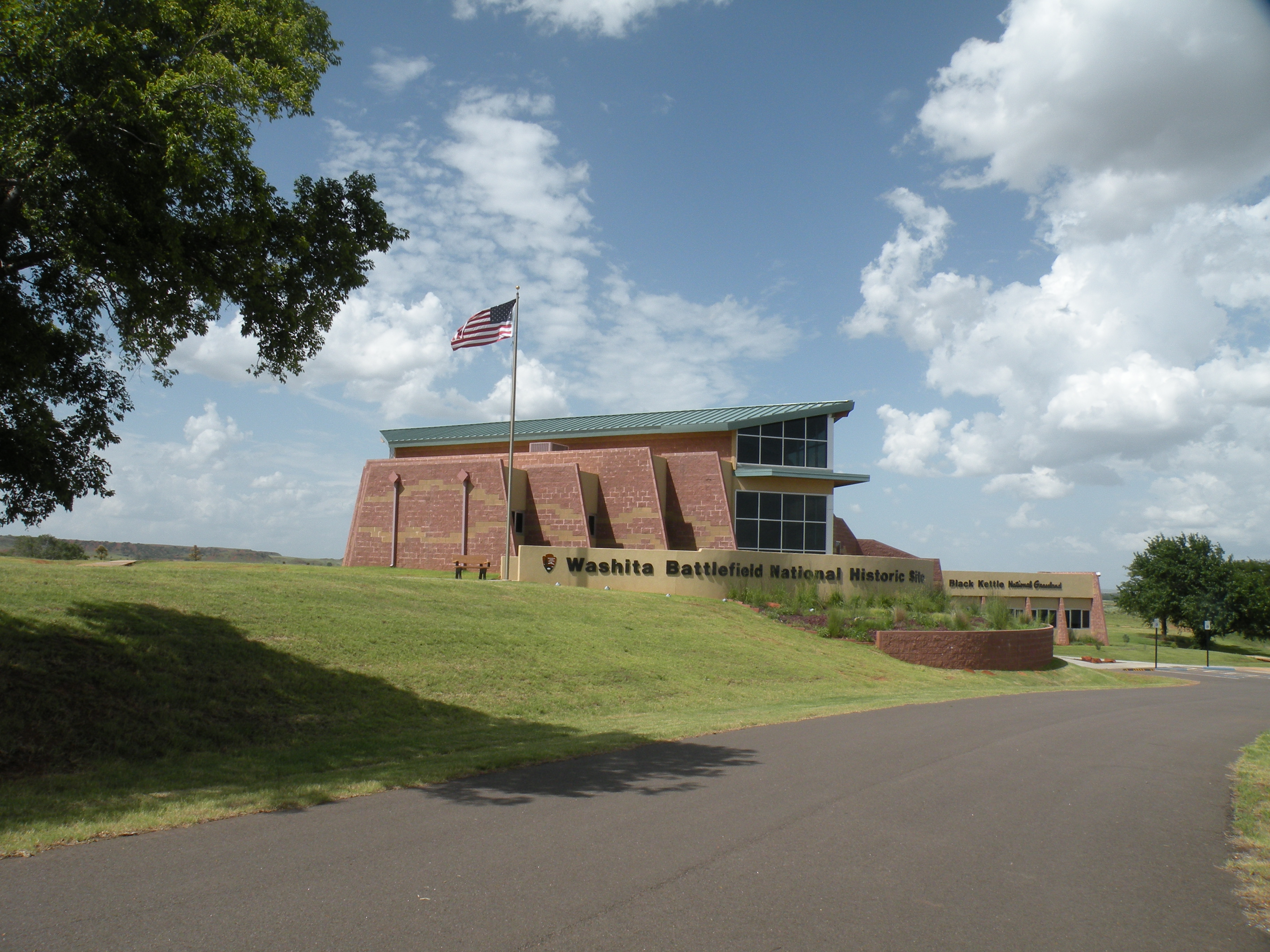
Cheyenne tipis backlite by sunsetThe Washita River in winter covered in ice and snowA Cheyenne Dog Soldier tells stories inside his tipiThe Washita Battlefield National Historic Site Visitor Center on a summer day
National Historic SiteOK

Washita Battlefield National Historic Site

NPS / NPS Photo / Gene Eakins
74/ 100WIDE RANGE
parkverdict Experience ScoreIndependent, not sponsored

74 of 100. Our independent breadth-and-access index. How we score

Our verdict

Should you visit Washita Battlefield National Historic Site?

Washita Battlefield is a quiet stretch of western Oklahoma river bottom where one of the most consequential and contested fights of the Plains Indian Wars took place.

On November 27, 1868, Custer's 7th Cavalry hit Black Kettle's Cheyenne village at dawn, killing the peace chief and dozens of others in an event that historians still argue about today. The site carries that weight without either dramatizing or scrubbing it clean. The visitor center film and museum exhibits are genuinely substantive, and the trail to the battlefield overlook packs real historical meaning into a short walk. This is not a sprawling wilderness experience. It is a focused, contemplative historic site, and the Experience Score of 74 reflects solid interpretive programming and accessible infrastructure rather than sheer scale. For anyone serious about the history of the American West, this is an honest, well-stewarded place that earns a stop.

What makes it worth it

Begin at the visitor center. The park film covers the 1868 attack, the Cheyenne perspective, and the broader Plains Wars before you step outside. Museum exhibits then fill in the detail on Black Kettle, Custer, and the political pressures bearing down on both sides. A self-guided walking trail leads to the battlefield overlook above the Washita River, and the terrain there makes the logic of the surprise attack easy to read. Guided tours and living history programs add depth when they are running. The Junior Ranger program is worth doing with kids because it is built around this site's actual history rather than generic park content. The bookstore stocks solid Plains history titles, good company for the drive home.

Who should go

History-focused travelers will get the most out of a visit here, particularly anyone tracing the Plains Indian Wars or the broader sweep of U.S. federal Indian policy. Families with older children who are ready to sit with difficult history will find real value in the Junior Ranger program and the exhibits. Casual park-collectors drawn by dramatic scenery or long trail systems should know what they are walking into. This is a place built for reflection, not recreation.

When to go

Fall is the best time to go. Temperatures are comfortable, the risk of severe weather drops sharply once summer ends, and the river bottom picks up some color. Spring is pleasant but it also means tornado season and wind that rarely lets up. Summer in western Oklahoma is brutally hot, so if you visit then, plan on early-morning outings only. Winter is doable, though ice storms can close roads and trails with almost no warning.

Highlights

  • Battlefield overlook trail with direct sightlines to the Washita River attack site
  • Visitor center film presenting multiple cultural perspectives on the 1868 event
  • Museum exhibits covering Black Kettle, Custer, and the broader Plains Wars context
  • Living history and reenactment programs that periodically bring the site's story to life
  • Junior Ranger program specifically grounded in this site's history rather than generic content
  • Free admission with a well-stocked bookstore carrying serious Plains history titles

Plan ahead

Admission is free. The overlook and trail open 30 minutes before sunrise and close 30 minutes after sunset, so plan accordingly if you want to walk the full trail. The visitor center keeps its own separate hours, so check the current NPS schedule before you make the drive out. The site is rural, and the nearest gas, food, or lodging is in Cheyenne, Oklahoma, a short distance away.

Editor's tipWhenever guided tours or living history programs happen to be running during your visit, fit them in rather than sticking to the self-guided walk on its own. The interpretive staff here speak with a candor about the battle's contested legacy that you simply will not get from a trail marker.

How we scored it

Why Washita Battlefield National Historic Site scores 74

We keep the math boring on purpose. The same handful of public-data inputs, capped so none of them dominates, decide every score. What they measure is breadth and access, not beauty and not crowd levels. For Washita Battlefield National Historic Site, they shook out like this:

  • Activity breadth14 documented activities
  • Topic breadth17 topics
  • Official imagery6 public-domain images
  • Camping on sitenone recorded
  • Entry costfree

No number is hand-adjusted and no unit pays for placement. The full weights, the floor at 18 and a worked example are on how we score.

The honest limits

What the number leaves out

Worth saying plainly: this number only knows what the data shows, which is breadth and access. It has no idea whether the scenery is jaw-dropping, whether the lot is a zoo in July, what shape the trails are in, or how good the guided walks are. So do not read a lower score as a worse day out. A focused little site can beat a big all-rounder for the right person. Compare the numbers for what is on offer, then read the verdict for who each place actually suits.

Background

The short version

Just before dawn on November 27, 1868, Lt. Colonel George Armstrong Custer rode the 7th US Cavalry into a sleeping Cheyenne village and attacked. The village belonged to Peace Chief Black Kettle. That raid has been argued over ever since, and the site still draws visitors who come to pay their respects.

On documented breadth and access, Washita Battlefield National Historic Site ranks 3rd of 6 park and public-land units we score in Oklahoma.

What the seasons are like

Weather in western Oklahoma is nothing if not extreme. Winters range from mild to genuinely punishing, and ice storms are the bigger danger there, not the cold by itself. Spring is short and often nice, but tornadoes are a real threat and strong winds show up consistently through those months. Summers are brutal, and the heat outdoors deserves real respect.

What you can do

Activities

Arts and CultureGuided ToursSelf-Guided Tours - WalkingHands-OnCitizen ScienceHikingFront-Country HikingLiving HistoryReenactmentsJunior Ranger ProgramPark FilmMuseum ExhibitsShoppingBookstore and Park Store
Common questions

Washita Battlefield National Historic Site: quick answers

Is Washita Battlefield National Historic Site worth visiting?

Washita Battlefield is a quiet stretch of western Oklahoma river bottom where one of the most consequential and contested fights of the Plains Indian Wars took place.

Is Washita Battlefield National Historic Site free to visit?

It is free to get in.

What is Washita Battlefield National Historic Site best for?

It leans hardest toward hiking, good with kids, guided tours, history & culture, going by the 14 activities it actually documents.

When is the best time to visit Washita Battlefield National Historic Site?

Fall is the best time to go.

How is the Experience Score for Washita Battlefield National Historic Site calculated?

The 74 comes straight from public data on how much the place documents and how easy it is to reach, things like activities, topics, photos, camping and whether entry is free. It says nothing about scenery or how busy it gets.