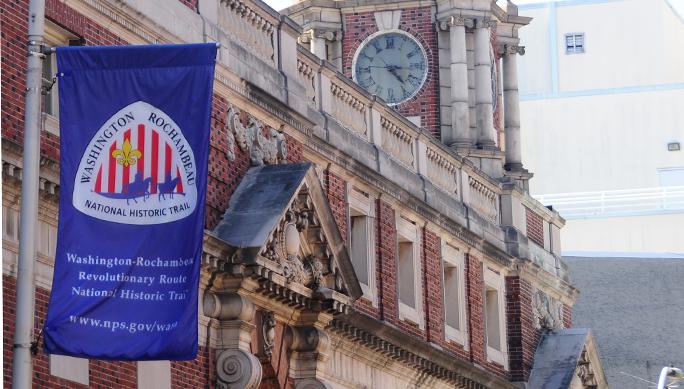
Is Washington-Rochambeau Revolutionary Route National Historic Trail worth it?
This 680-mile corridor traces the 1781 march of Washington and Rochambeau from Newport to Yorktown, the campaign that effectively ended the Revolutionary War.
But calling it a single destination is misleading. It is a framework, a connective tissue linking hundreds of independently managed sites across ten states and DC. With few standardized activities and wildly variable site access, the payoff depends almost entirely on how much research you do before leaving home. History lovers who plan carefully will find it rewarding. Casual visitors expecting a unified park experience will find mostly pavement and confusion.
Who it is for
Deep-dive history enthusiasts, Franco-American heritage travelers, and road trippers who enjoy self-directed itineraries across the Mid-Atlantic and Northeast. Families or visitors wanting a single cohesive park experience should look elsewhere.
Highlights
- Tracing the Continental Army and French Expédition Particulière route across ten states to its decisive endpoint at Yorktown
- Exploring the Franco-American alliance theme through museums and historic sites that rarely get told together in one narrative arc
- Mixing land and water trail segments across 680 miles, allowing walkers, cyclists, and drivers to engage at different levels
- Connecting federal, state, and local historic sites into a personally curated Revolutionary War journey
Editor's tipDo not show up without a plan. Contact individual sites in advance to confirm hours and access, as they vary dramatically. The NPS Washington-Rochambeau website lists anchor sites by state, which makes a solid starting framework for building a multiday itinerary.