Should you visit Virgin Islands National Park?
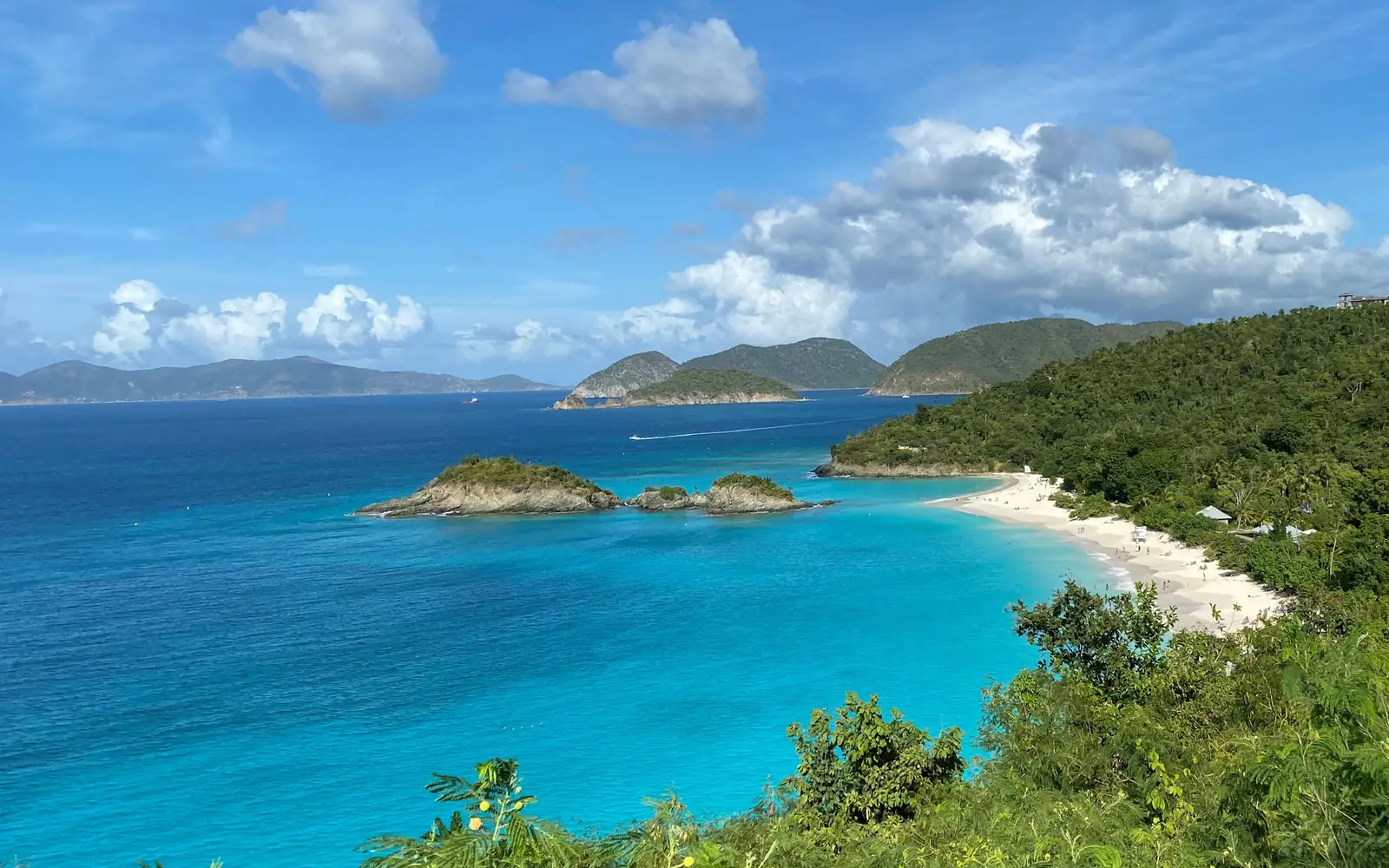
Virgin Islands National Park offers a full-scale tropical immersion.
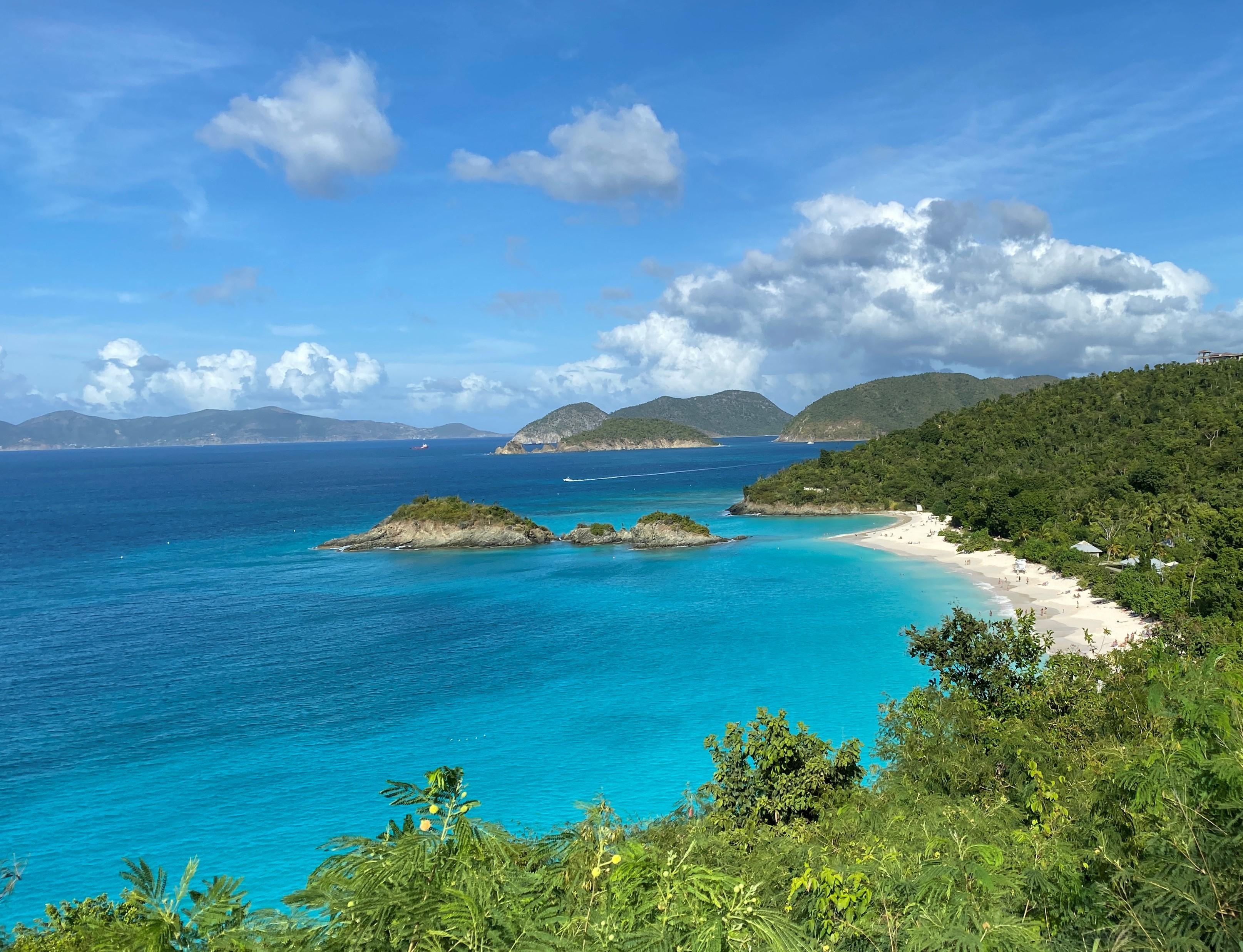
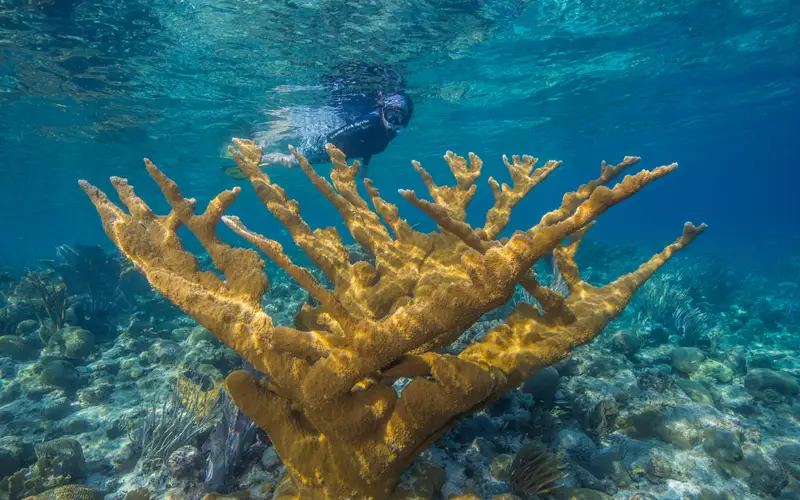
This is no mere roadside attraction. It integrates land and sea across a degree unusual in the National Park System. Visitors can snorkel coral reefs, explore colonial-era sugar plantations, and enjoy nights free of significant light pollution. The marine ecosystem and layered cultural history, including indigenous Taino life and the era of slavery, provide substantial depth beyond the immediate appeal of its beaches. With a perfect Experience Score and no entrance fee, the primary cost lies in accessing St. John via ferry from St. Thomas. For those able to navigate the logistics, this park offers a profoundly rewarding experience.
What makes it worth it
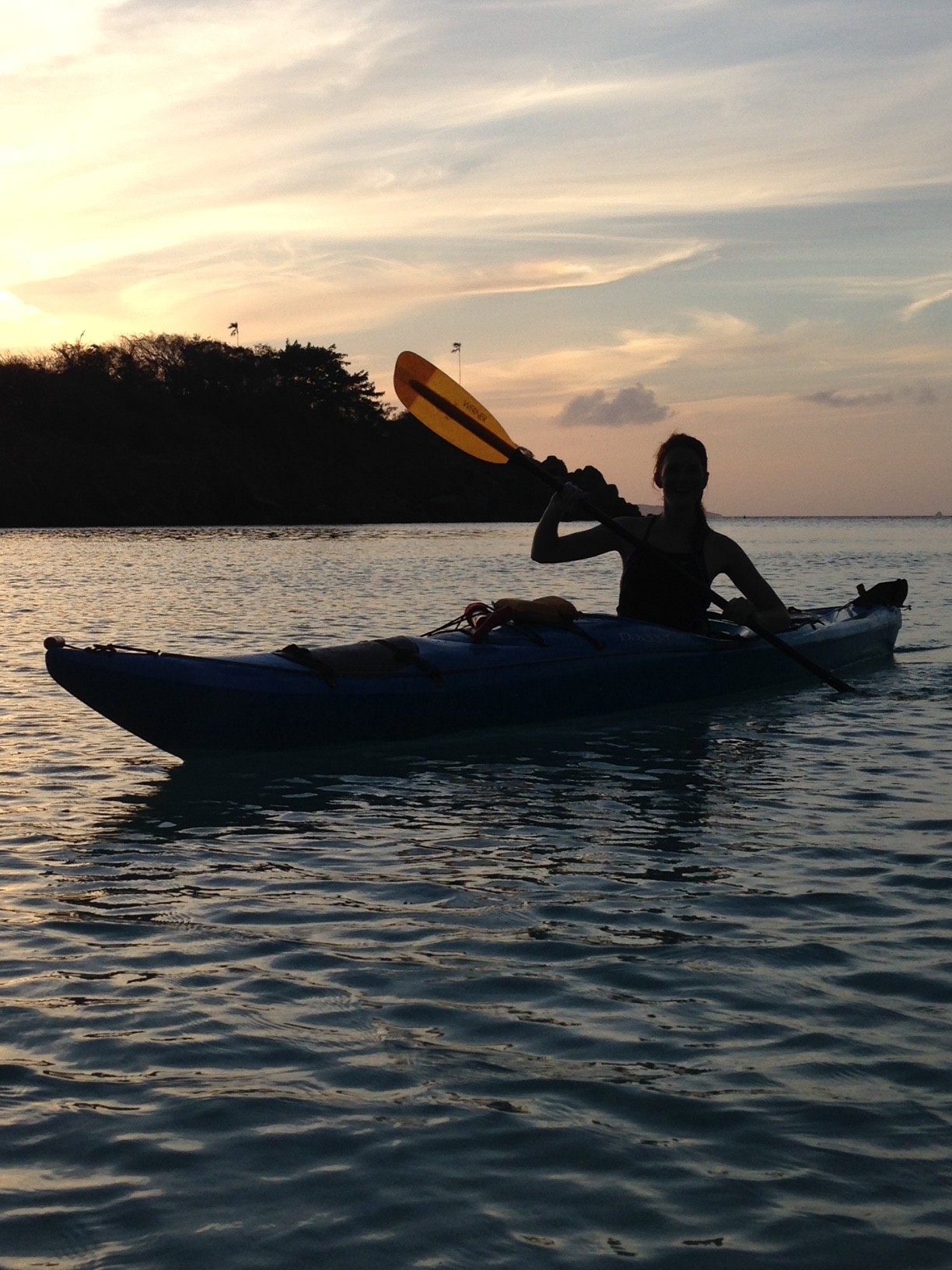
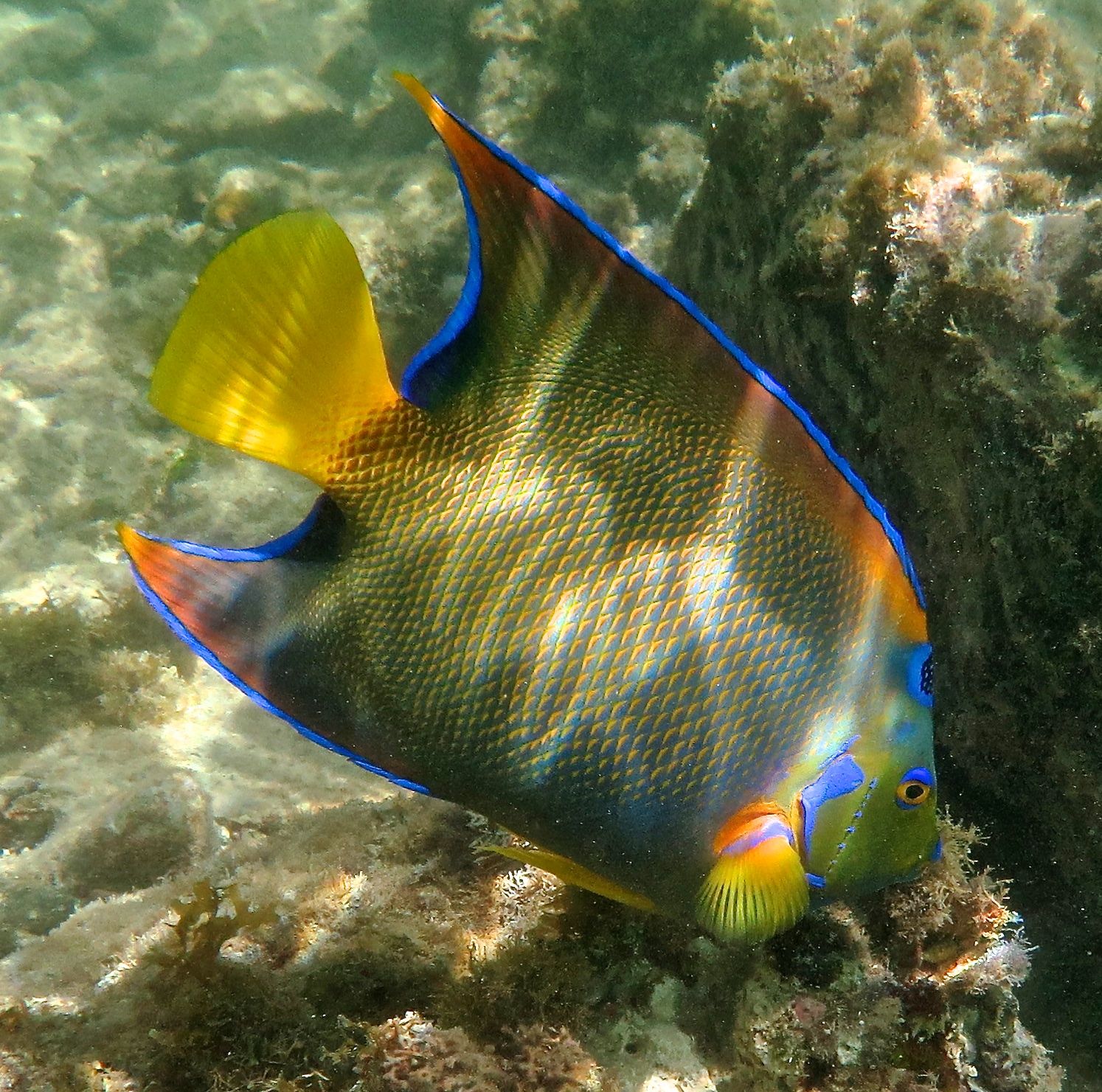
This park delivers on breadth and access. Snorkel or scuba dive among coral reefs with abundant marine life, then explore inland. Plantation ruins document a history rooted in enslaved labor. Ancient Taino petroglyphs reveal an even older human presence. Kayaking and stand-up paddleboarding offer calmer water activities. Backcountry hiking provides access to quieter, undeveloped areas. Camping lets you experience the island's natural rhythms away from day-use crowds. Guided tours enhance the cultural history experience. The convergence of marine environments, significant cultural history, and accessible wilderness on a single island is exceptional.
Who should go
This park caters to snorkelers, divers, hikers, and campers. It holds particular interest for those seeking Caribbean history, encompassing Indigenous Taino culture and the legacies of slavery and sugar production. The park rewards visitors who prioritize more than a resort experience. Those averse to ferry logistics, requiring full-service lodging within the park, or undertaking a day trip from a cruise ship will access only a fraction of its offerings.
When to go
The optimal time to visit depends on your preferred activities. For hiking and land-based exploration, the dry season from December to April provides comfortable conditions with stronger tradewinds and lower humidity. Paddlers and sailors will find lighter winds ideal during the summer months. However, summer also brings heavier rainfall and the risk of hurricanes, necessitating close attention to weather forecasts. May and November offer a potential compromise, balancing fewer crowds with generally tolerable conditions.
Highlights
- Snorkeling and SCUBA diving over coral reef ecosystems with documented marine wildlife
- Hiking to historic sugar plantation ruins that interpret the history of enslaved labor on the island
- Ancient Taino petroglyphs representing indigenous presence long before European settlement
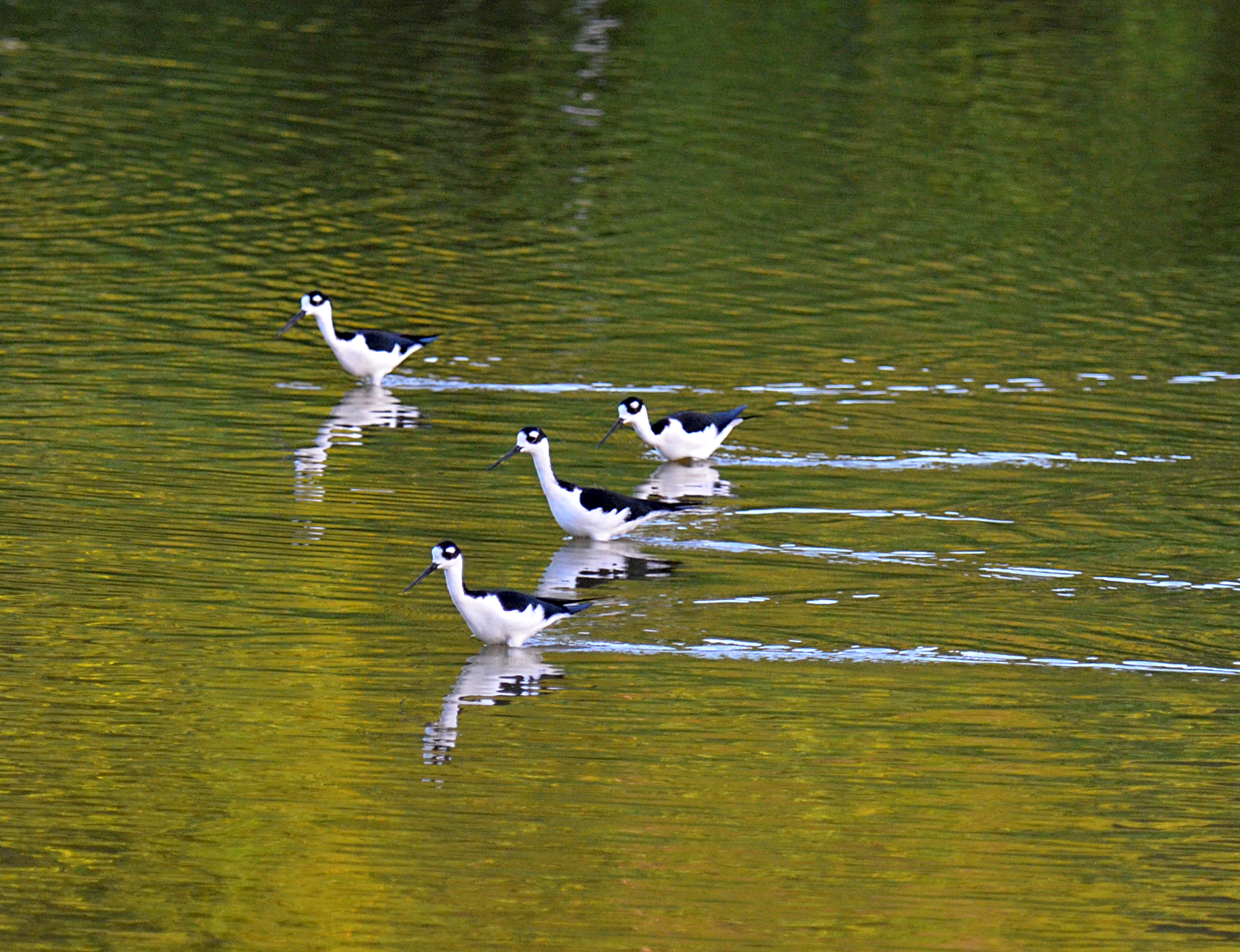
- Camping inside the park with tradewind nights and early-morning birdwatching
- Kayaking and stand-up paddleboarding in calm Caribbean waters
- Stargazing in a genuinely dark-sky tropical environment away from major light pollution
Plan ahead
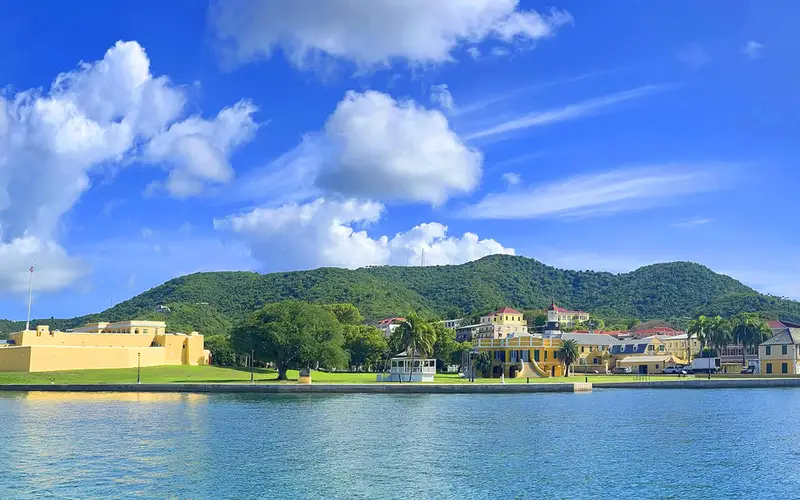
Entrance to the park is free, but getting here is not. St. John has no commercial airport, so visitors fly into St. Thomas and take a passenger or car ferry to Cruz Bay, where the visitor center is located. The visitor center is closed weekends and some holidays, so download maps and information before you arrive. Camping requires advance reservations.
Editor's tipArrive early on St. John, allowing time to check into your lodging and enter the water the same afternoon. Snorkeling early, before 9 a.m., or late, after 3 p.m., ensures clearer water. This schedule avoids the mid-morning to mid-afternoon rush of day-trippers at the most popular beach reefs.