Should you visit Salt River Bay National Historical Park and Ecological Preserve?
Salt River Bay is a quiet, water-centered unit on St.
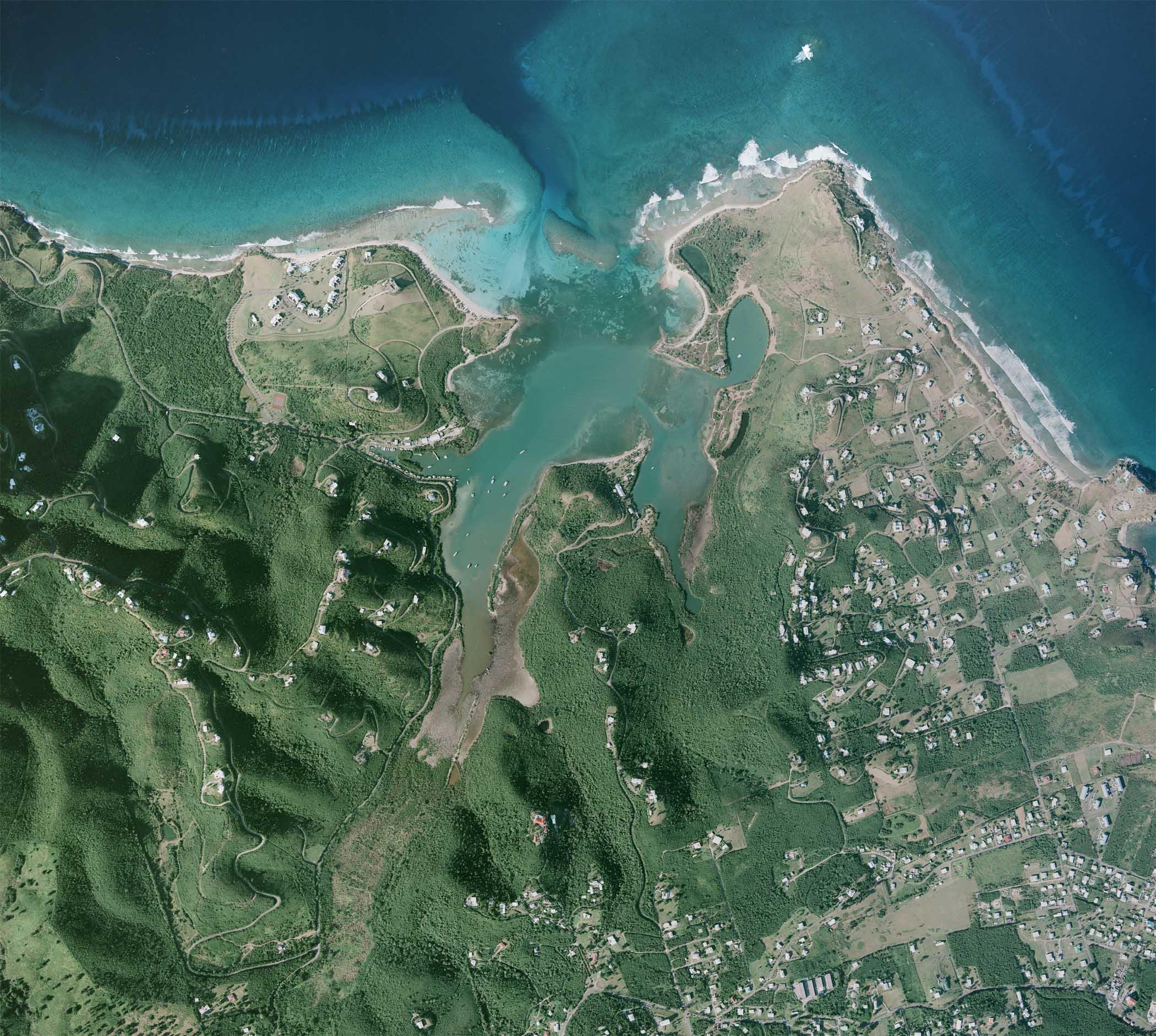
Croix in the U.S. Virgin Islands that doubles as both a layered historical site and a functioning coastal ecosystem. The bay itself was the location of a documented 1493 confrontation between Columbus's fleet and the Carib people, making it the only site under the U.S. flag where Europeans and indigenous Americans are known to have clashed during Columbus's voyages. That history is compelling on paper, but the on-site interpretive infrastructure is thin right now, with the visitor center still closed following Hurricane Maria. The real draw today is the water: the bay and its surroundings support mangroves, coral, and marine life accessible by kayak, snorkel, or dive. This is a niche unit with a score of 43, and it earns that honestly. It rewards visitors who come to paddle and explore rather than those expecting a polished museum experience.
What makes it worth it
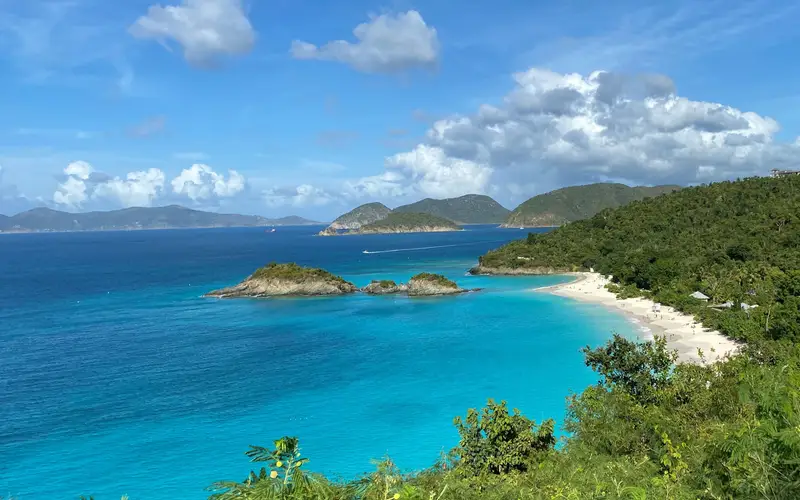
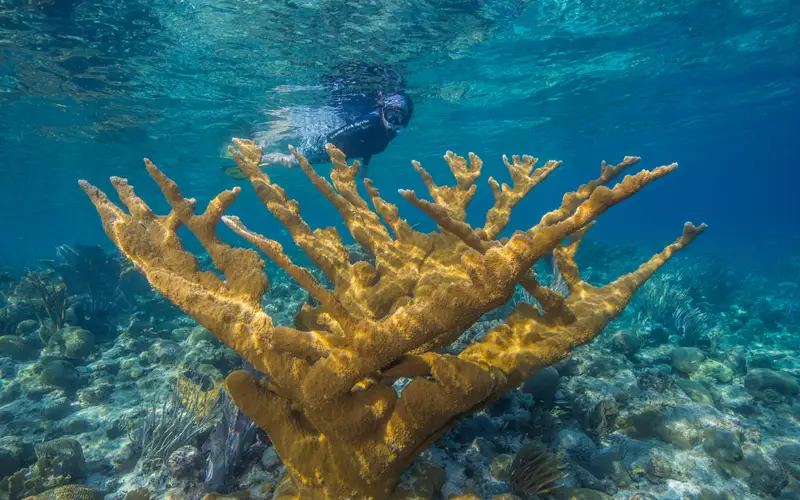
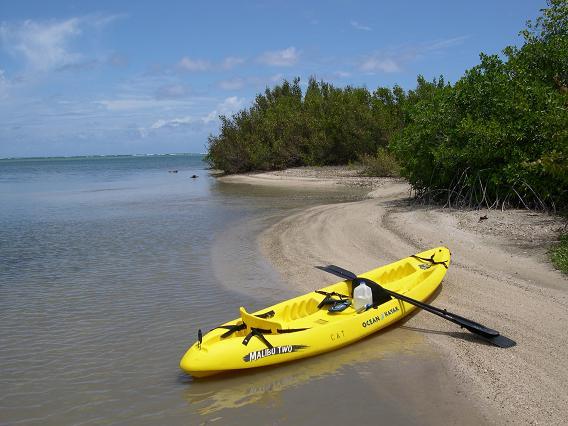
This park delivers a primarily aquatic experience. Kayakers and paddlers can explore one of the Caribbean's most intact mangrove ecosystems, vital as a marine nursery. Snorkelers and divers will find coral reef access directly from the bay. Waters are consistently warm, clear, and tropical. The location carries significant historical weight: it was the site of the first documented armed clash between Europeans and indigenous peoples in U.S. territory in 1493. This convergence of natural beauty and historical depth, free of crowds and fees, makes a compelling argument for the discerning visitor.
Who should go
This unit delivers primarily for water-sports enthusiasts, history-minded travelers already on St. Croix, and those drawn to intact coastal ecosystems. Snorkelers, kayakers, and divers will find the most to engage them. Visitors expecting a staffed, interpretive land-based experience with trails and exhibits should look elsewhere. Consider pairing a visit with Fort Christiansvaern in Christiansted for interpretive context from NPS staff.
When to go
St. Croix offers tropical conditions year-round. Consistent warm water temperatures enable diving and snorkeling across all months. The December through April dry season typically provides superior underwater visibility and calmer seas for paddling. Hurricane season, from June to November, can impact access; evidence of this persists in the currently closed visitor center.
Highlights
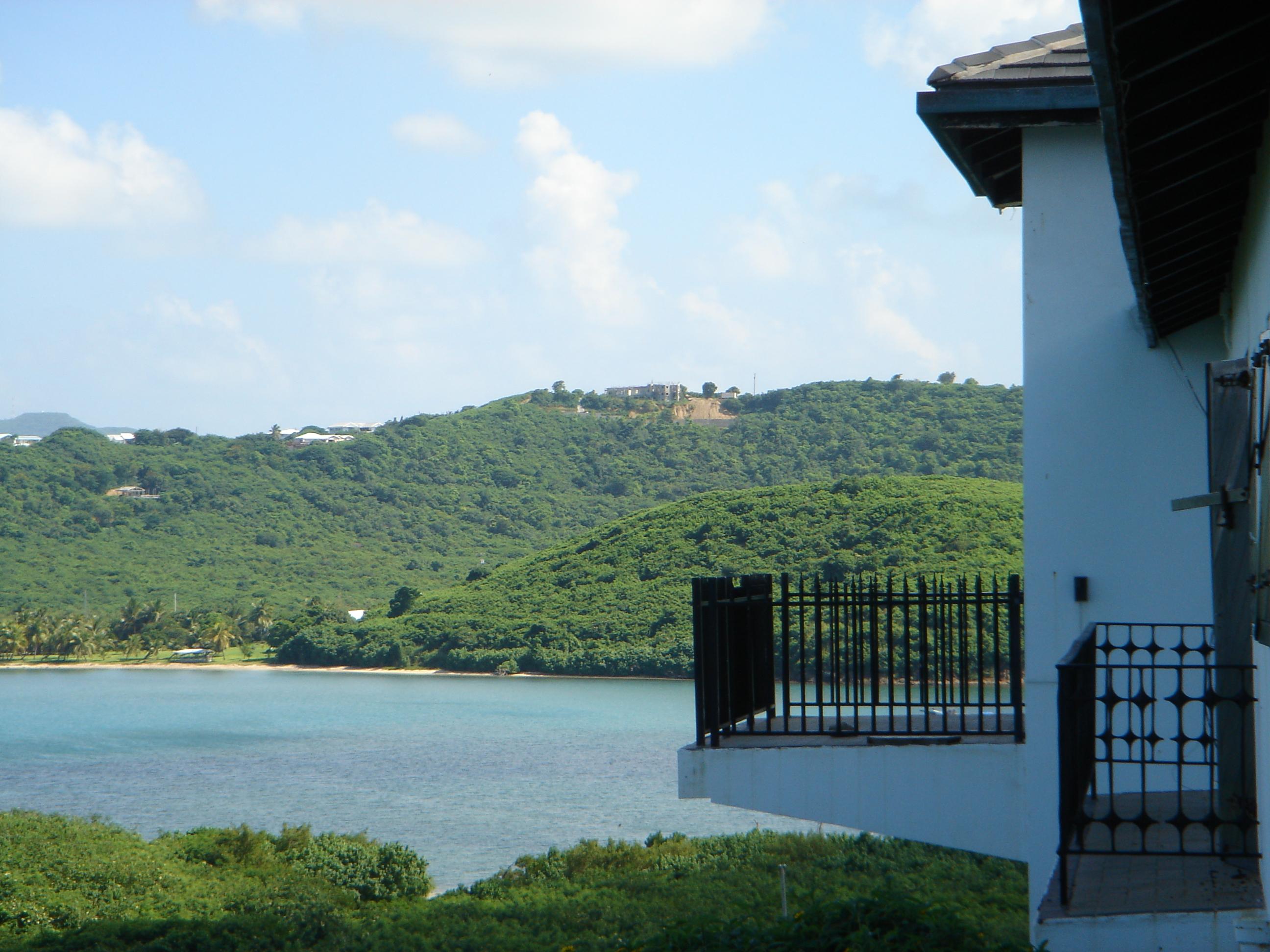
- Kayaking and paddling through a well-preserved Caribbean mangrove lagoon
- Snorkeling and SCUBA diving on coral reef systems within the bay
- The documented 1493 Columbus-Carib confrontation site, a historically singular location in the U.S.
- Free admission with no entrance fee barrier
- Warm saltwater swimming in a protected tropical bay
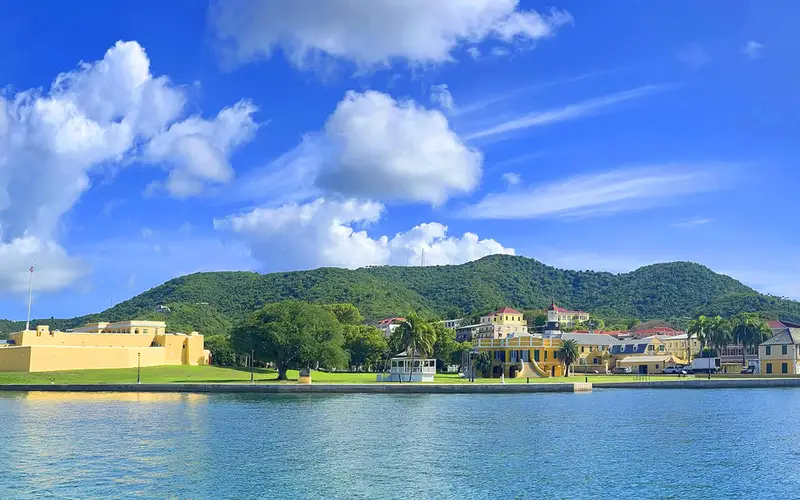
- NPS context and exhibits available at the Fort Christiansvaern visitor center in nearby Christiansted
Plan ahead
The absence of an entrance fee is welcome. However, the closed visitor center, a lingering consequence of Hurricane Maria, means interpretive materials are off-site. Travelers must journey to Fort Christiansvaern in Christiansted for context. Furthermore, the park does not offer on-site concessions, mandating that visitors arrange their own kayak or dive equipment rentals. This unit demands self-sufficiency.
Editor's tipThe mangrove lagoon and bay define the core experience here. Renting a kayak from a local outfitter in Christiansted is advisable. Approach from the water. Land entry is problematic, with minimal signage and no staffed welcome point.