Is Christiansted National Historic Site worth it?
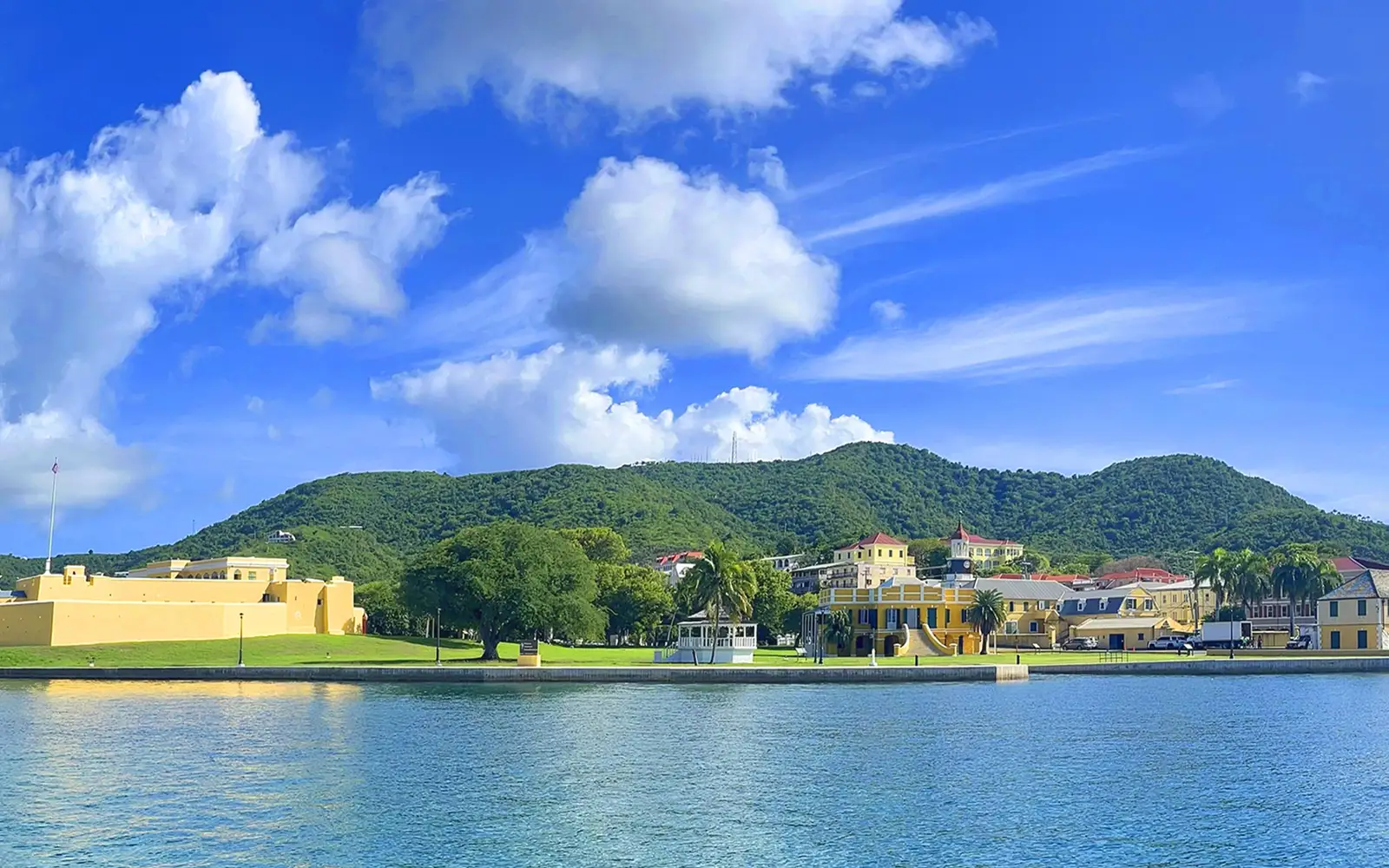
Christiansted National Historic Site offers a focused historical experience within its seven-acre footprint.
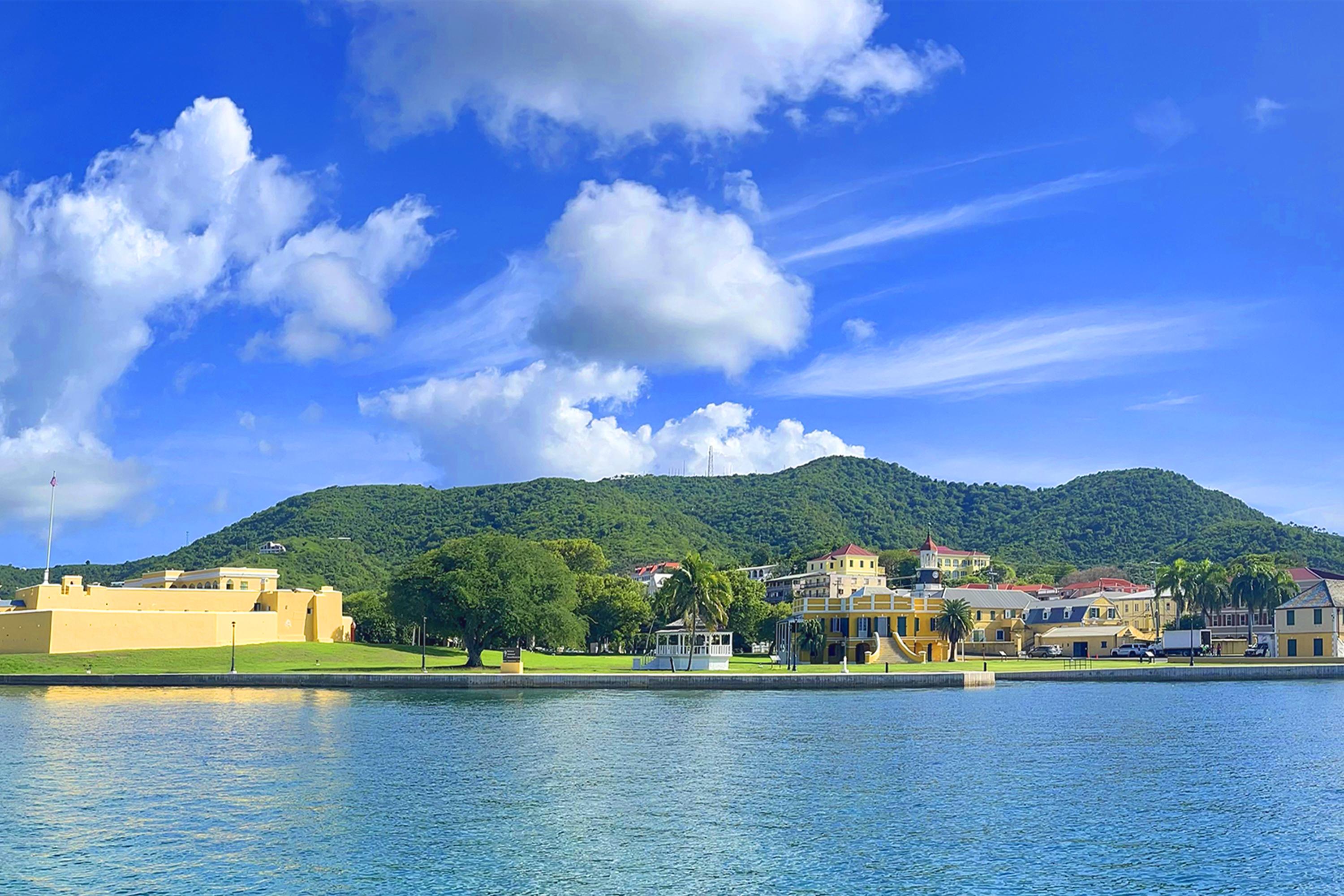
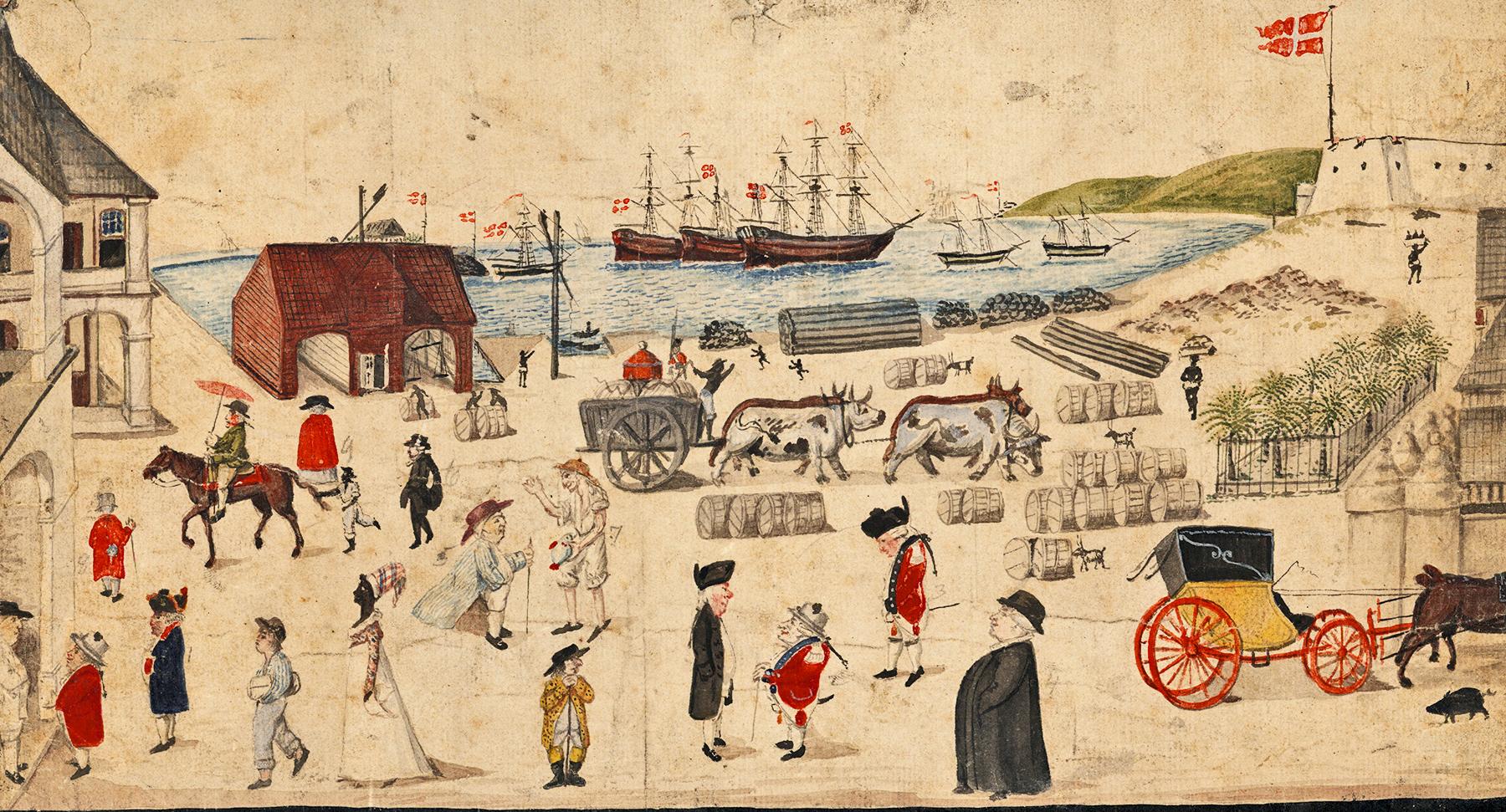
This is not a wilderness park; it is a compact, walkable collection of Danish colonial buildings in downtown Christiansted, St. Croix. The site illuminates an often-overlooked period of American colonial heritage: Danish rule of the Virgin Islands from 1734 to 1917. It details the complex interplay of European commerce, enslaved African labor, and Caribbean life during that era. The site functions best as a half-day visit, not a full-day destination. Its primary value lies in its historical context. Visitors already on St. Croix for recreation will find serious depth added to their understanding of the island. For those specifically seeking historical travel, the preserved fortifications, guided tours, and museum exhibits make Christiansted a standalone draw.
The case for it
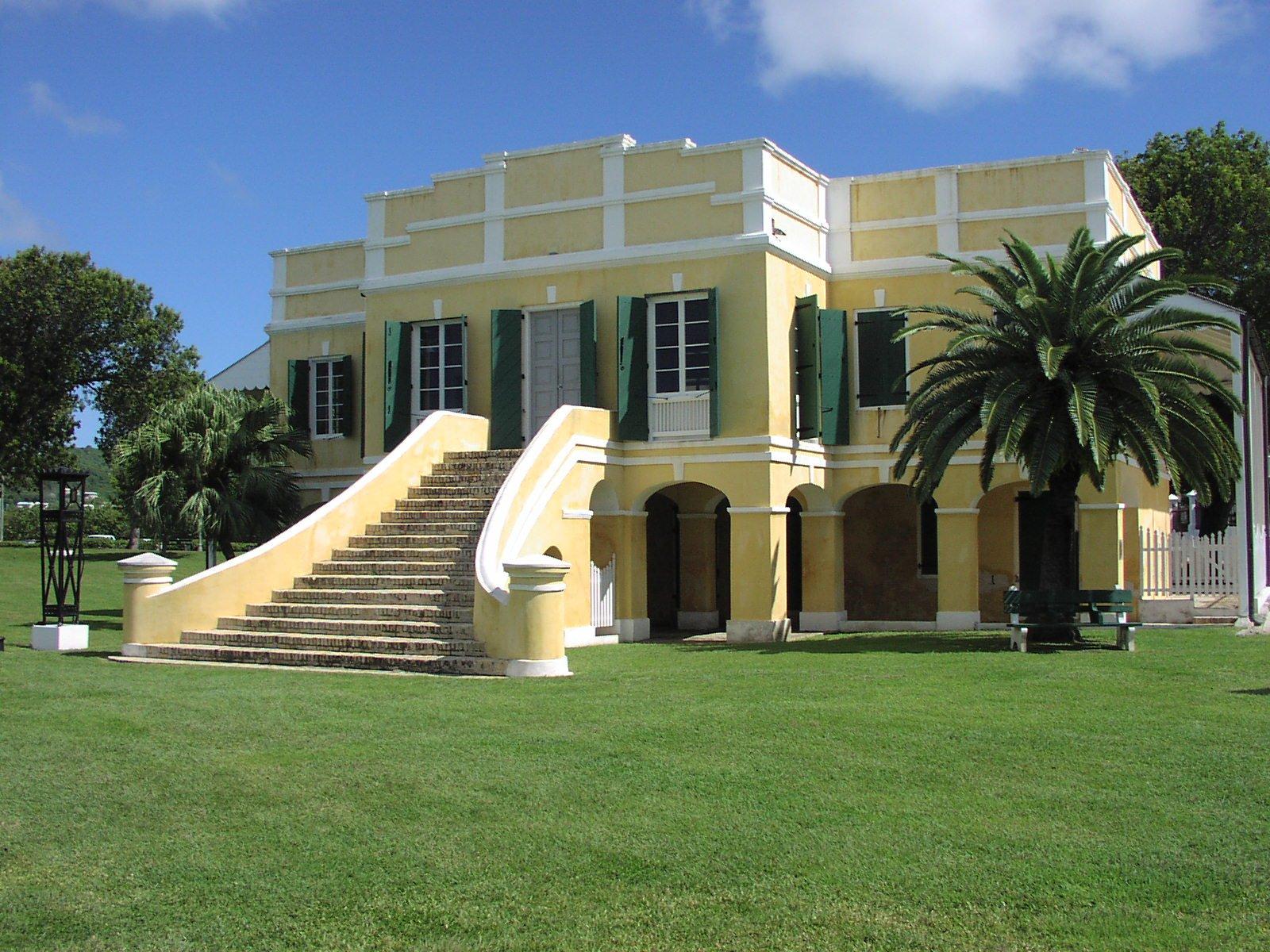
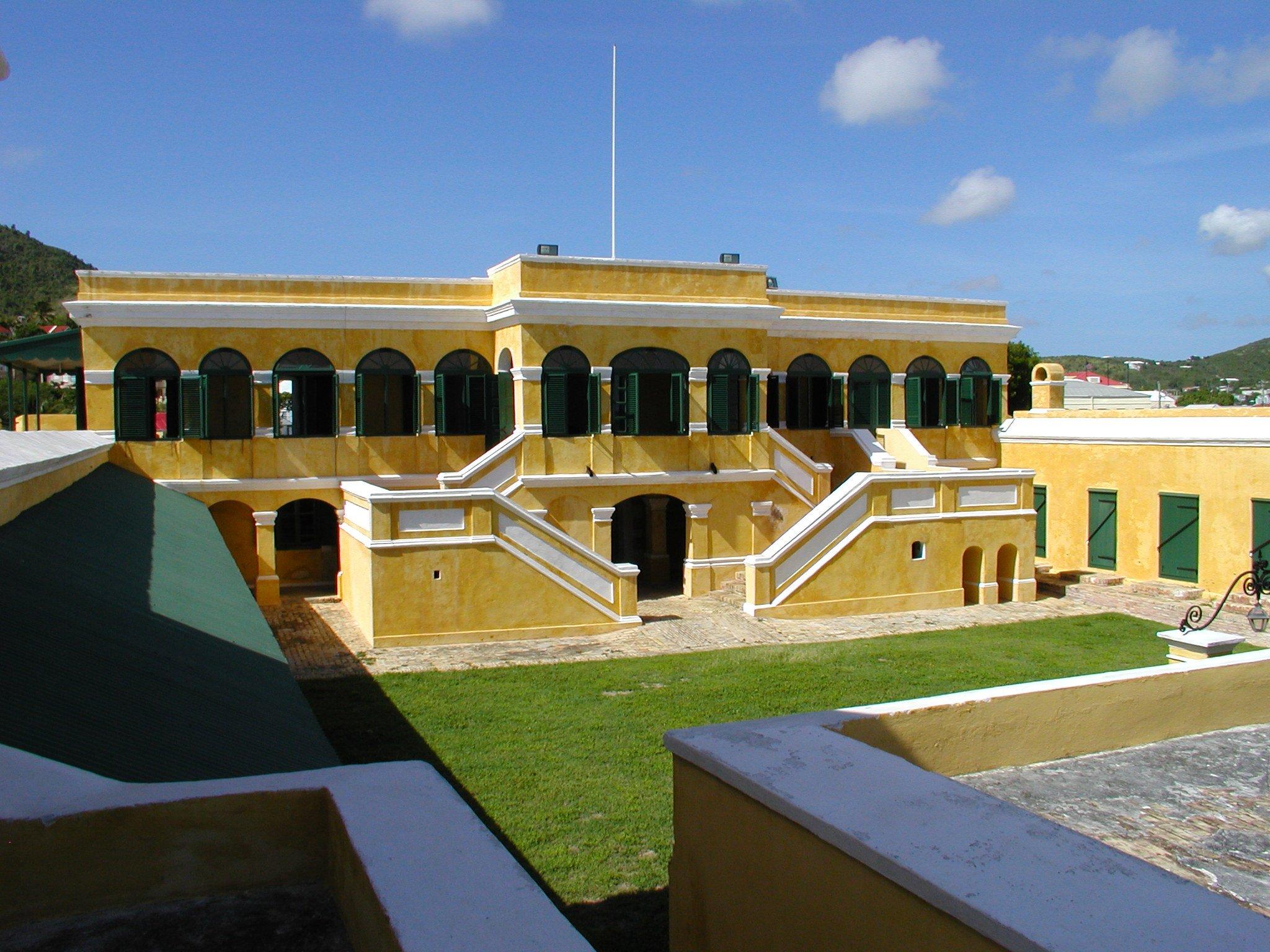
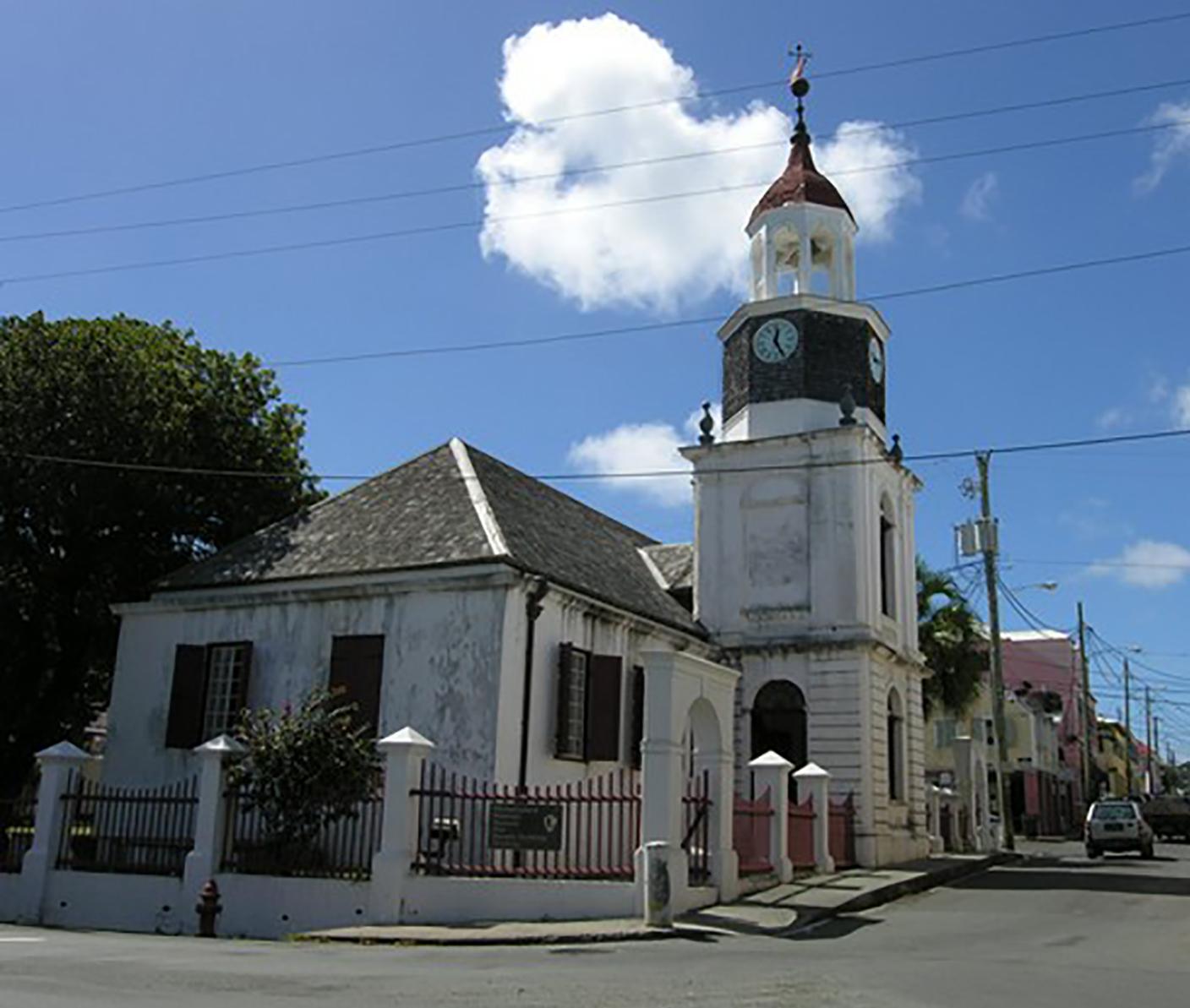
For a deep dive into St. Croix's colonial past, this unit delivers. The historic structures, original to the Danish era, are the core attraction. A ranger-led tour is essential; it provides historical context that a self-guided exploration cannot replicate. The museum exhibits further enrich understanding, detailing the sugar trade and the experiences of enslaved Africans critical to the Danish colonial economy. The waterfront atmosphere is a notable asset. The park store and bookstore offer substantive educational materials beyond typical souvenirs. Families will find value in the Junior Ranger Program, offering children structured historical engagement. Allow two to three hours for a thorough visit. This park offers a precise and substantial historical education.
Who it is for
This site offers significant appeal for history enthusiasts, particularly those focused on Danish colonialism, the African diaspora, or wider Caribbean heritage. Its documented breadth and access make a compelling case for its value. Families with children will appreciate the Junior Ranger Program and available guided tours. However, for casual beachgoers or those with limited time on St. Croix, the half-day commitment may outweigh the benefit, unless historical exploration is a primary objective.
Best time to visit
St. Croix maintains temperatures in the upper 80s throughout the year. The primary seasonal consideration is storm risk, not temperature. The Atlantic hurricane season, June through November, presents considerable travel uncertainty. December through May offers drier, calmer conditions, establishing the safest travel window. Arriving at the 8:30 a.m. opening allows visitors to experience the coolest part of the day before midday heat ascends.
Worth seeing
- Ranger-guided tours of original Danish colonial-era structures on the Christiansted waterfront
- Museum exhibits covering Danish rule, the sugar economy, and African enslaved labor from 1734 to 1917
- Self-guided walking tour option for independent visitors who want to move at their own pace
- Junior Ranger Program structured specifically for children engaging with Caribbean colonial history
- Bookstore and park store with materials on Virgin Islands and Danish colonial history well beyond standard souvenir fare
- Waterfront setting in the heart of downtown Christiansted, walkable to local food and shopping after your visit
Before you visit
The site maintains a daily schedule from 8:30 a.m. to 4:30 p.m., with closures only on Thanksgiving and Christmas. Admission is $10 per person. Visitors must note the strict 4:30 p.m. parking lot clearing; vehicles remaining past this time face towing. Located in downtown Christiansted, this unit readily integrates into a day of local dining and retail. The convenient urban setting is a significant advantage.
Our tipThe self-guided walking tour offers a reasonable overview, but consider a guided option. Park rangers contextualize the Danish colonial period within broader Atlantic history. This deepens understanding beyond what static signage provides.