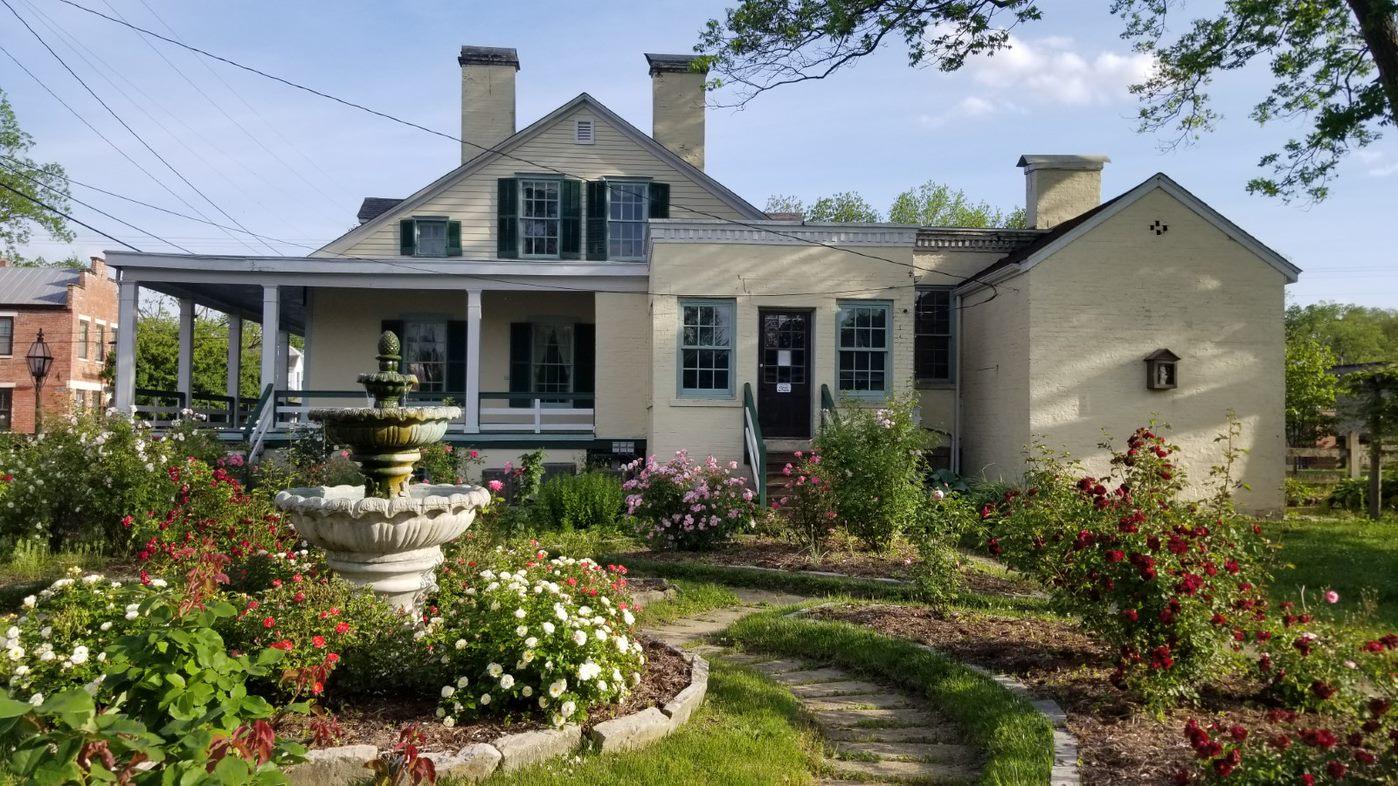
Should you visit Ste. Geneviève National Historical Park?
Ste.
Geneviève National Historical Park delivers a concentrated historical experience. This urban site, Missouri's first permanent European settlement circa 1750, focuses exclusively on French Creole architecture and colonial life. It offers a rare glimpse into an often-overlooked period of American history. Free admission makes it an accessible cultural stop. The park is not a wilderness destination. Expect no trails, no wildlife programs, and no dramatic landscapes. The core experience involves guided and self-guided tours of historic structures and museum exhibits. This is a half-day to full-day commitment for those interested in early American settlement. Casual sightseers or those seeking an outdoor adventure should adjust expectations. The historical immersion is the primary draw here.
What makes it worth it
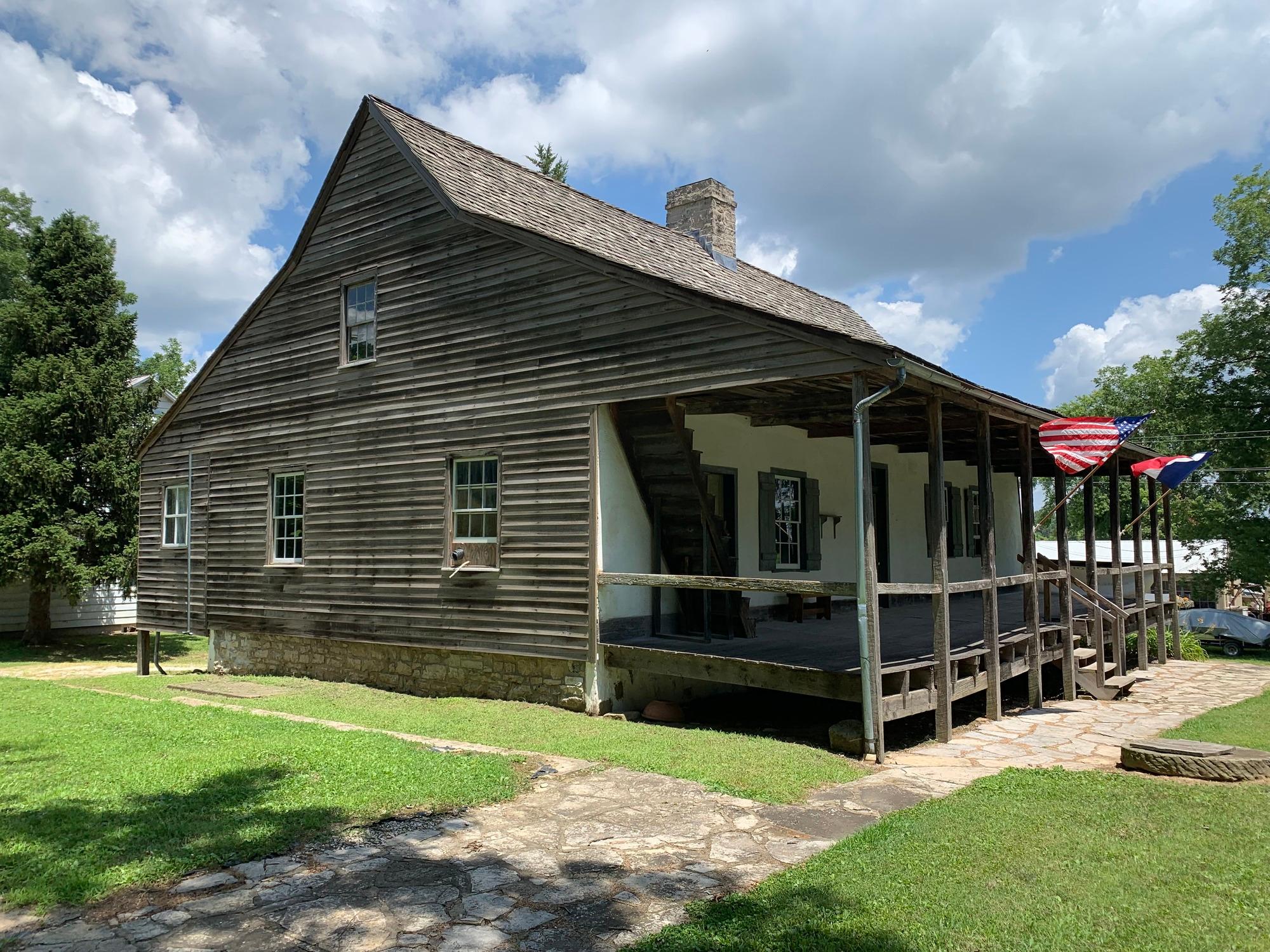
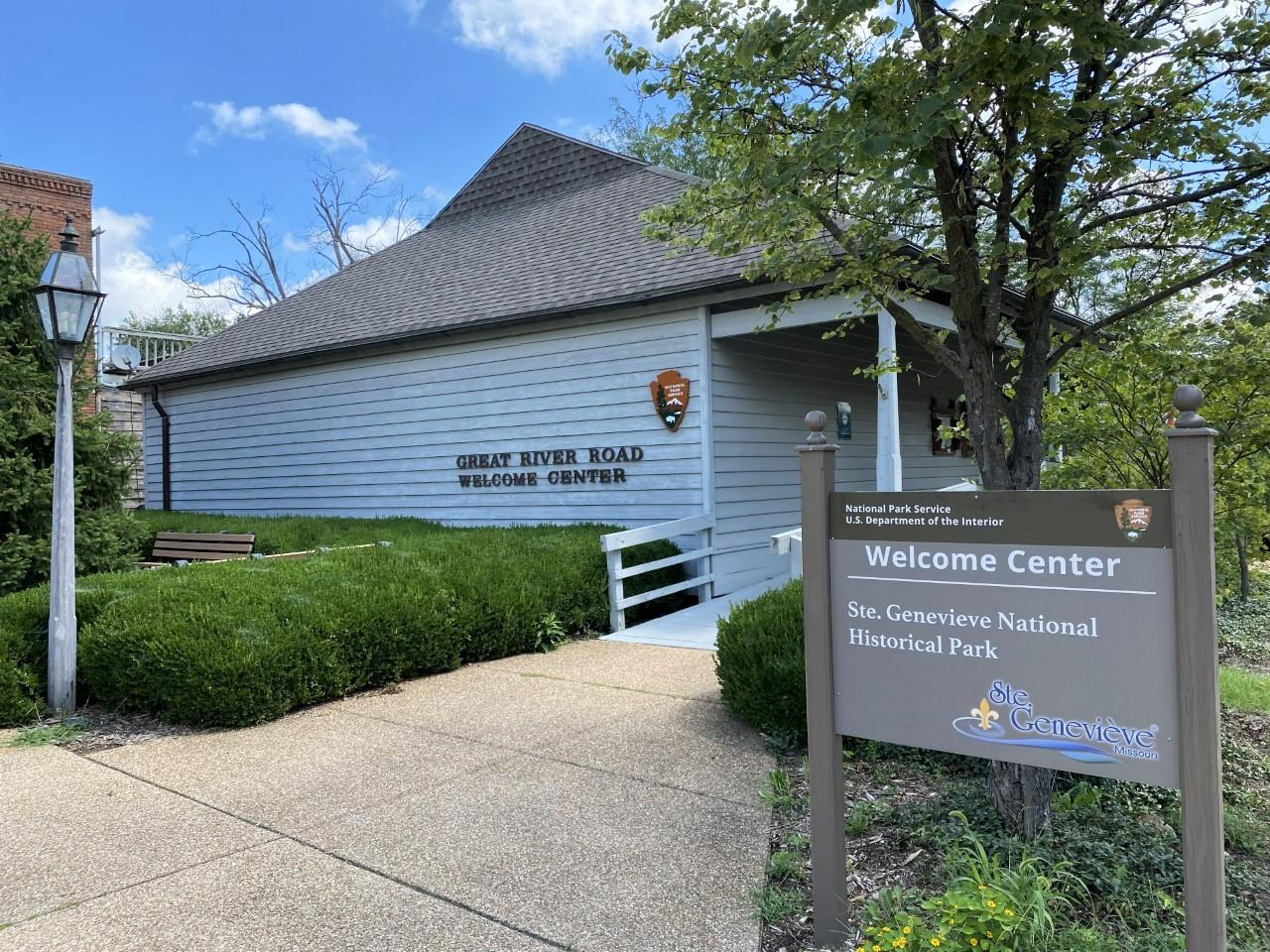
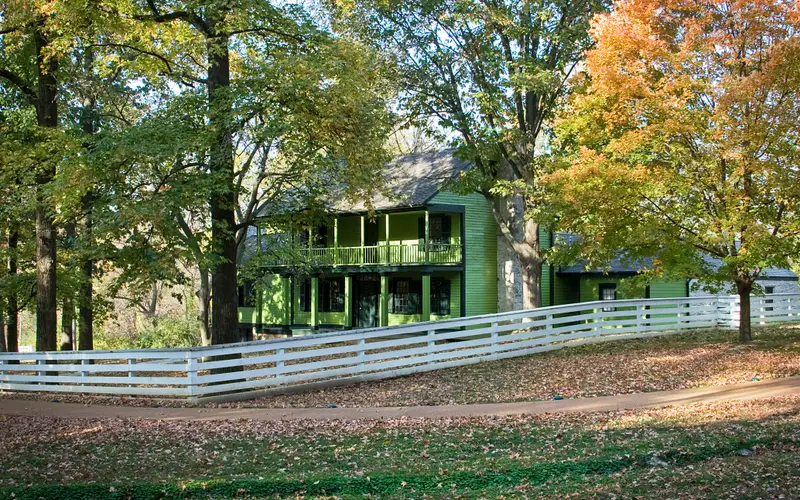
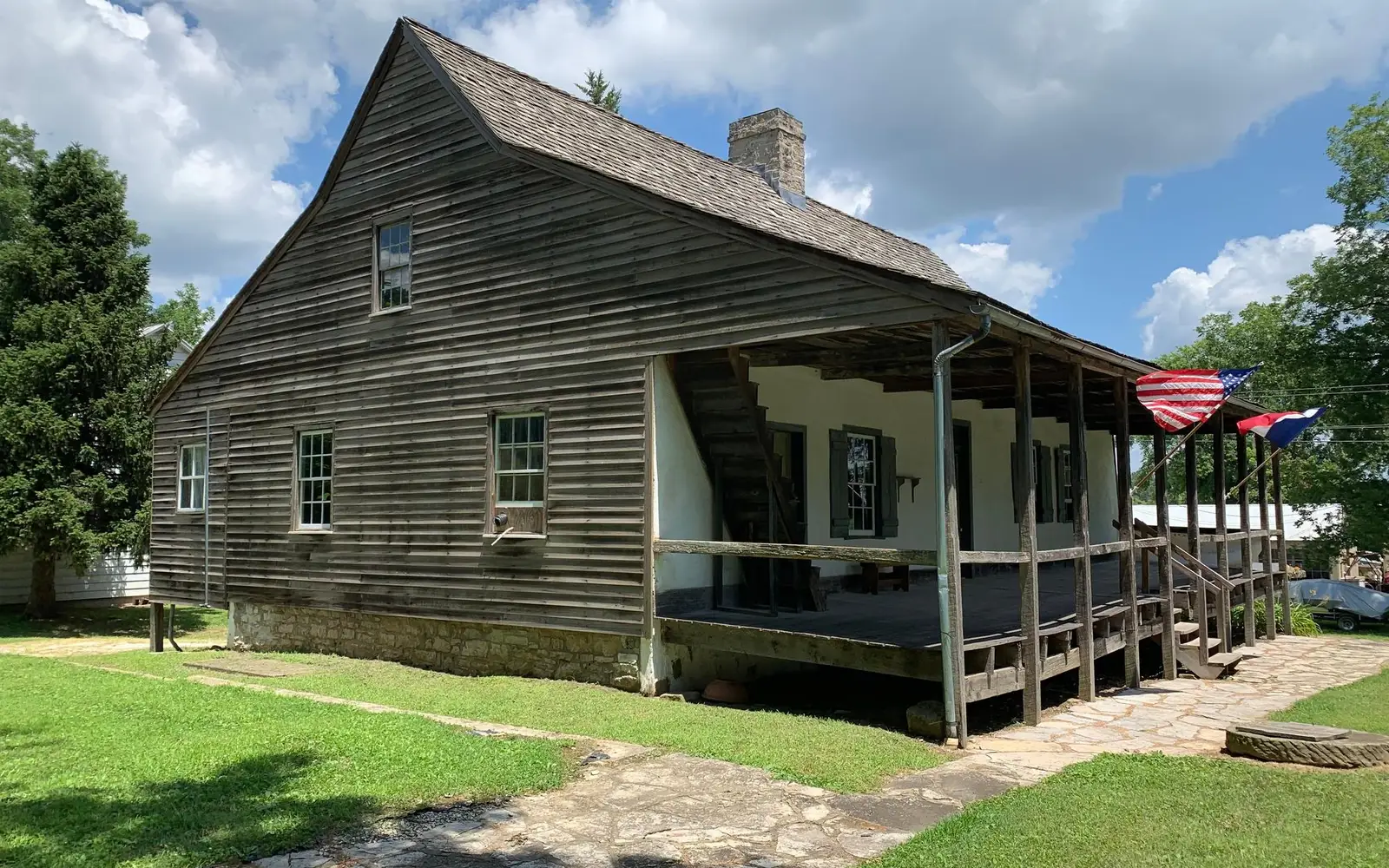
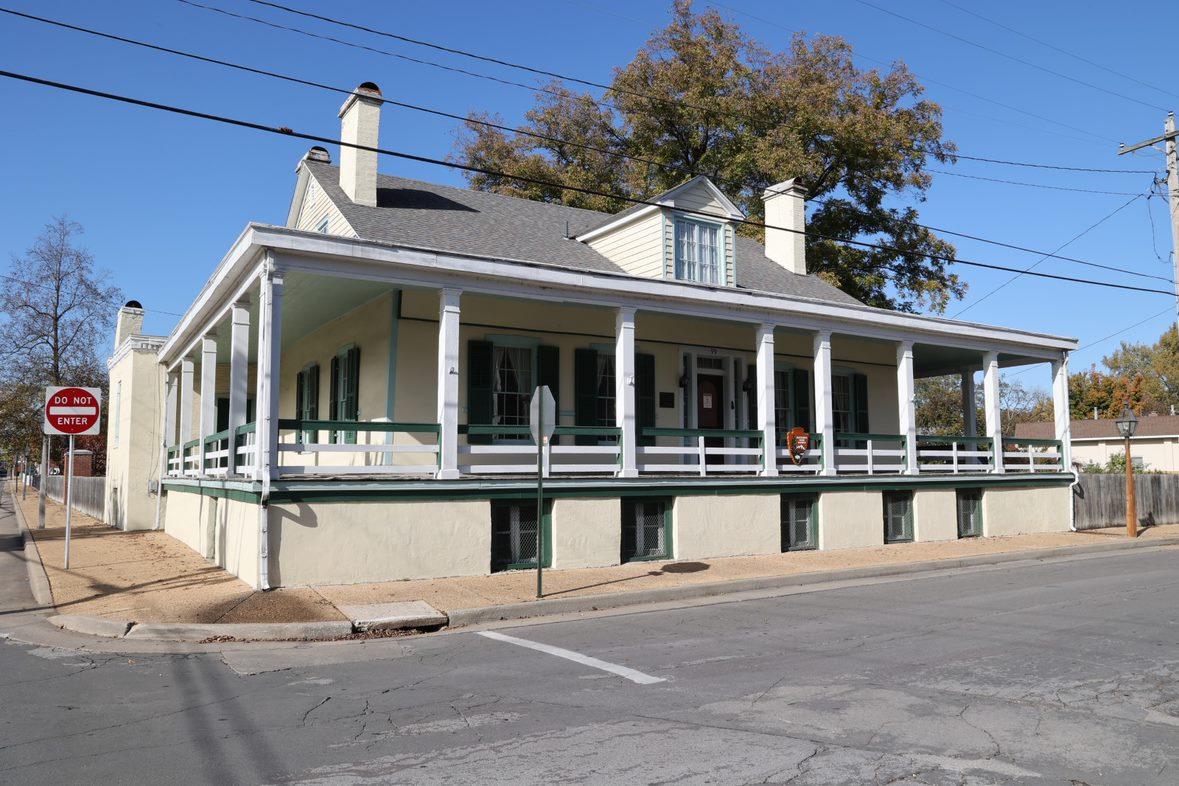
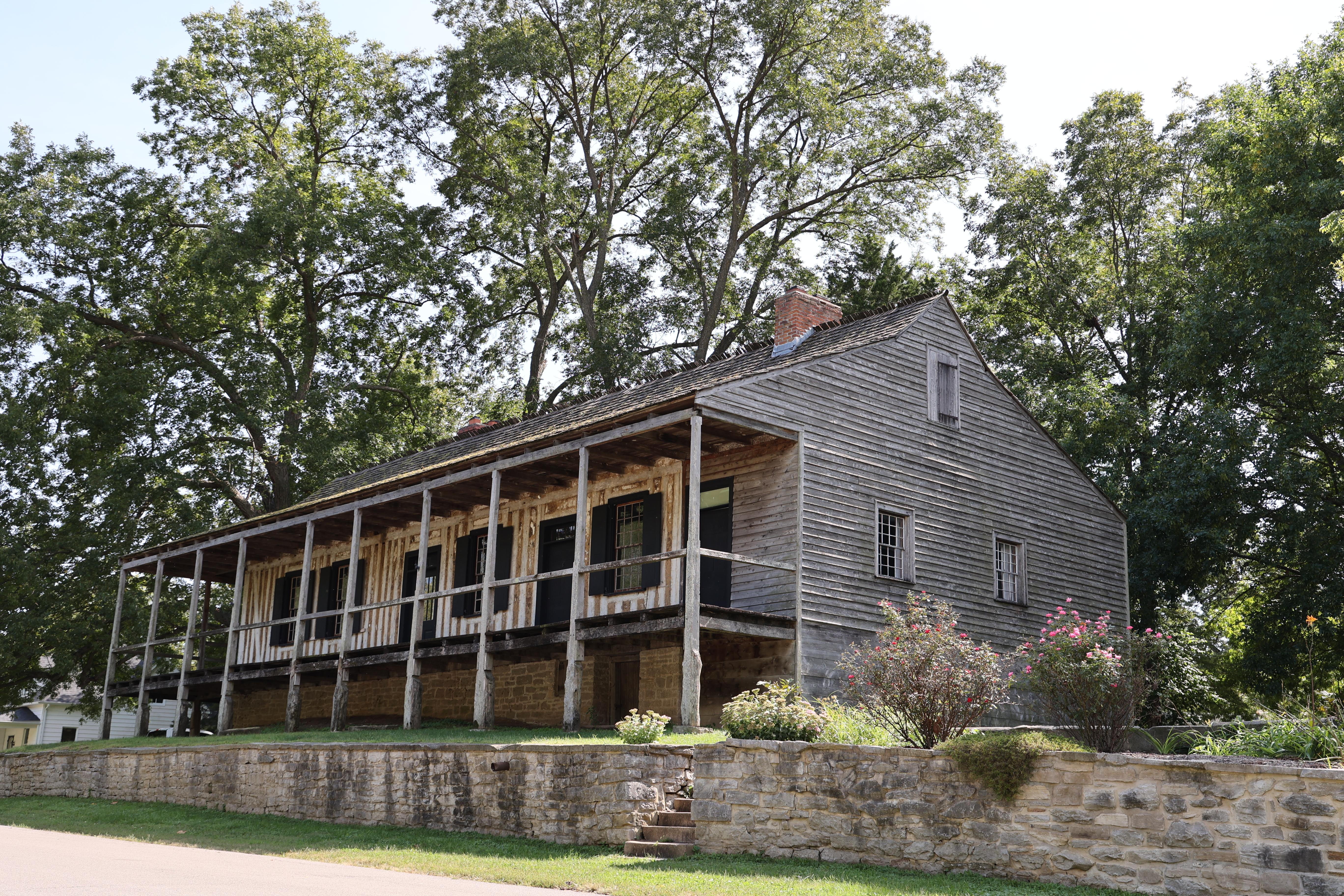
Ste. Geneviève National Historical Park offers a focused immersion in French Creole history. Its Welcome Center provides essential orientation and museum exhibits. The park distinguishes itself with ranger-guided tours of preserved French Creole structures, showcasing architectural methods like *poteaux-en-terre* and *poteaux-sur-sole* vertical log construction. These techniques are rare among American historical sites. Self-guided walking tours afford visitors flexibility within the historic district. Families will find the Junior Ranger Program engaging for children. Adults can explore the bookstore and park store, which offer regional history resources. The adjacent town of Ste. Geneviève enhances the experience with independent shops and dining. This site is ideal for those seeking deep historical and architectural insights. Casual visitors may find its scope narrow.
Who should go
For a substantive, free experience, this park delivers. History enthusiasts, architecture buffs, and families with curious children will find significant appeal. It serves well as a half-day stop, particularly for road-trippers crossing Missouri. Those seeking outdoor recreation, hiking, or wildlife should consider other options. The park offers none of those pursuits.
When to go
Optimal visiting seasons are spring and fall. These periods deliver mild temperatures, avoiding the July average high of 88 degrees and oppressive humidity. Winter lows near 22 degrees make January less inviting. Summer remains an option, but prepare for heat and thunderstorms. For winter access, confirm program and structure availability with staff beforehand.
Highlights
- Ranger-guided tours of rare French Creole vertical log structures
- Museum exhibits covering the 1750 founding and the 1785 flood relocation
- Self-guided walking tour through the historic town district
- Junior Ranger Program for families with children
- Free admission with no reservation required
- Bookstore and park store with focused regional and colonial history resources
Plan ahead
Admission is free, with the Welcome Center open daily except for three holidays. Access to the historic structures themselves relies on ranger-led programming; visitors should confirm schedules with staff. Self-guided entry is not always available. Midwestern weather patterns necessitate dressing in layers during shoulder seasons.
Editor's tipCheck ahead regarding which historic structures are open. The buildings are this park's core. Limited guided access means missing the main event entirely.