589 units scored Refreshed on a schedule Independent, no sponsored rankings
National Wildlife RefugeME
Rachel Carson National Wildlife Refuge
NPS / Bri Rudinsky - USFWS
46/ 100FOCUSED
parkverdict Experience ScoreIndependent, not sponsored
46 of 100. Our independent breadth-and-access index. How we score
The bottom line
Rachel Carson National Wildlife Refuge: our verdict
Rachel Carson National Wildlife Refuge delivers a tranquil, focused experience.
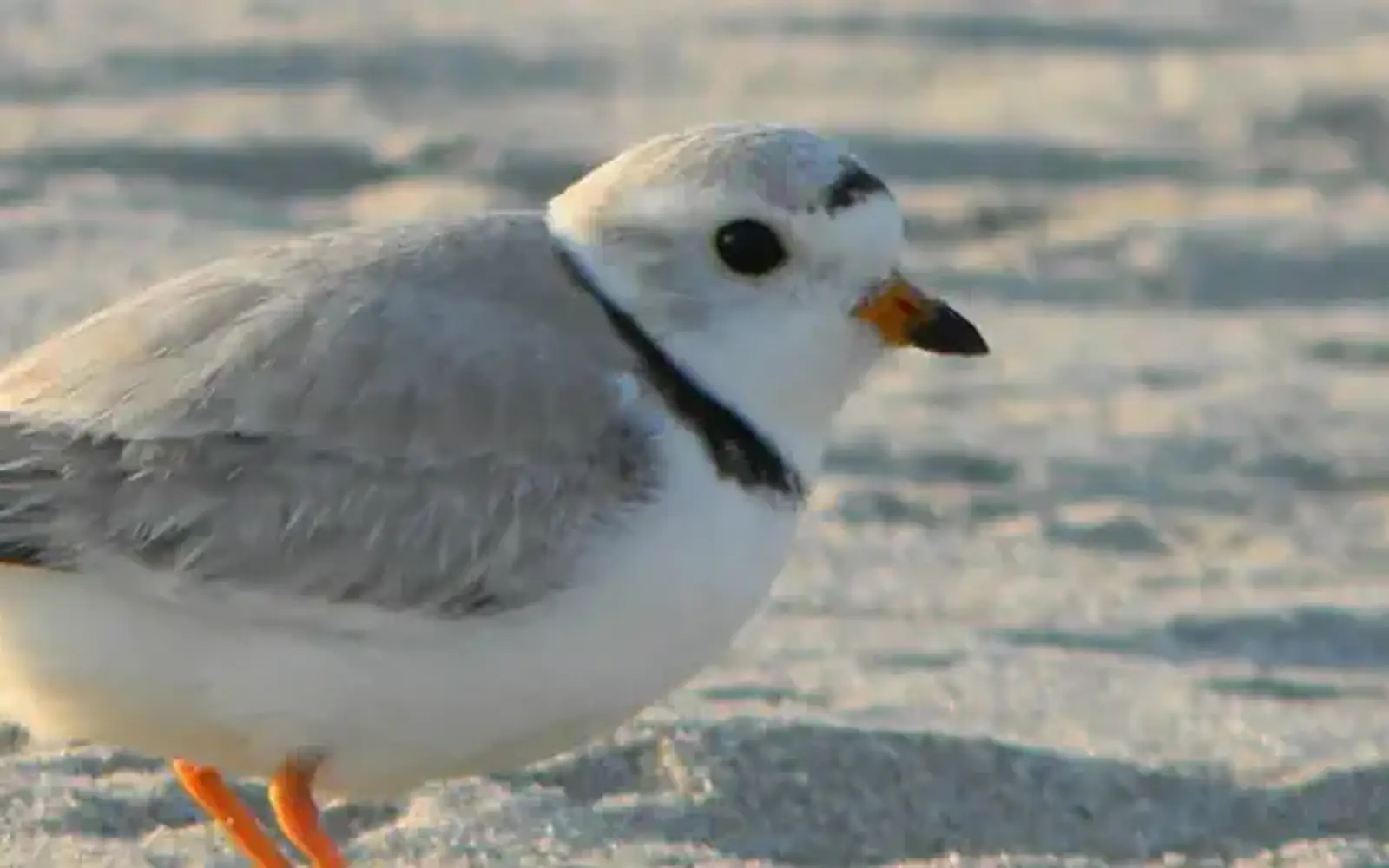
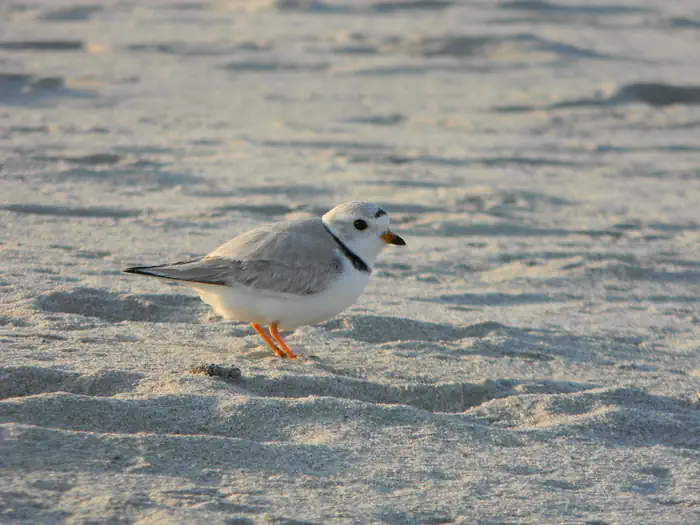
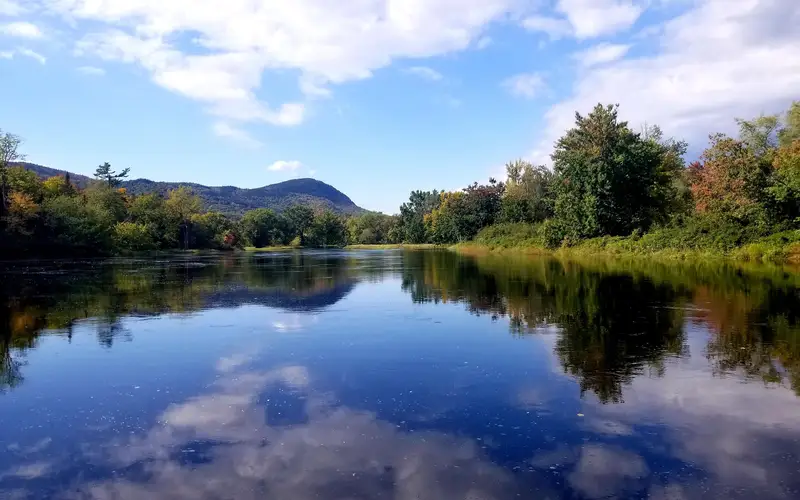
This coastal Maine refuge protects critical salt marshes and estuaries, vital habitats for migratory birds. It is not suited for visitors seeking dramatic vistas or high-adventure activities. Instead, the refuge provides profound stillness and exceptional birding opportunities. The tidal ecosystem is the undisputed star here. Entrance is free, and the atmosphere remains authentically low-key. This refuge best serves patient visitors dedicated to observing avian life and coastal environments, rather than those seeking extensive park amenities.
Who it suits
This refuge rewards particular interests. Birdwatchers, patient wildlife observers, anglers, and licensed hunters will find ample opportunity. Those seeking extensive trail systems or consistent interpretive exhibits may find it too undeveloped. Its appeal is specific.
What stands out
Birding along southern Maine coastal estuaries during migratory seasons, when shorebird and waterfowl activity peaks
Fishing and hunting opportunities tied directly to the working estuary ecosystem the refuge was designed to protect
Ranger-led interpretive programs that put the salt marsh ecology and the refuge's conservation history into real context
Hiking through tidal marsh edges, where the landscape itself is the attraction
Insider tipOptimal bird diversity and activity occur during spring or fall migration. The refuge's interpretive program schedule should be consulted beforehand. Guided walks offer the best way to comprehend the marsh ecosystem.
How we scored it
Why Rachel Carson National Wildlife Refuge scores 46
We keep the math boring on purpose. The same handful of public-data inputs, capped so none of them dominates, decide every score. What they measure is breadth and access, not beauty and not crowd levels. For Rachel Carson National Wildlife Refuge, they shook out like this:
Activity breadth6 documented activities
Topic breadth0 topics
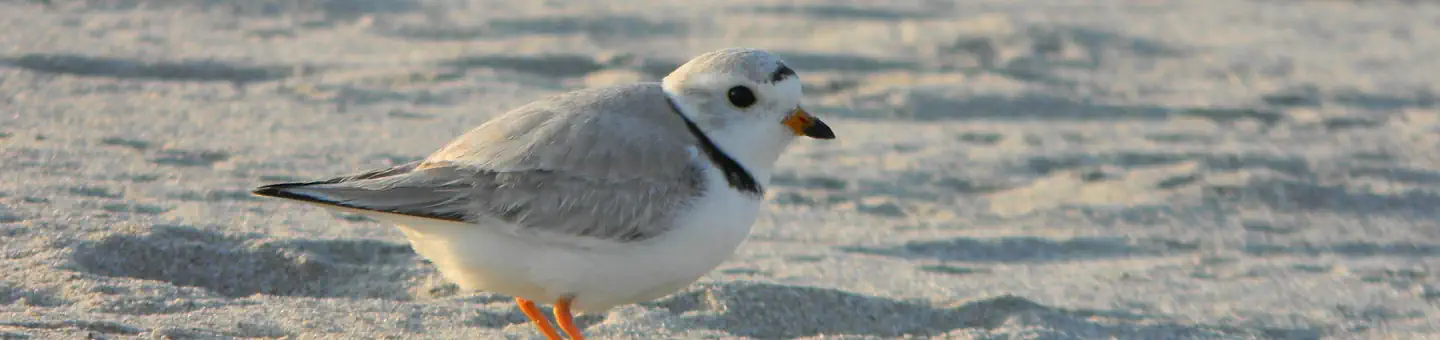
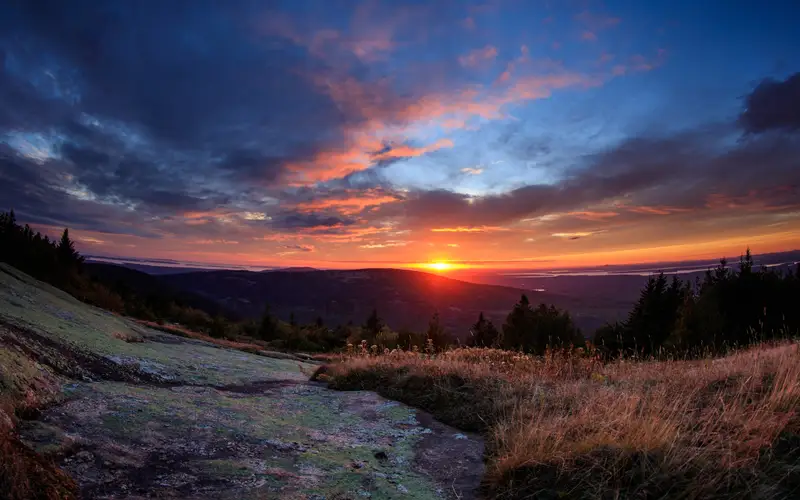
Official imagery2 public-domain images
Camping on sitenone recorded
Entry costfree
No number is hand-adjusted and no unit pays for placement. The full weights, the floor at 18 and a worked example are on how we score.
The honest limits
Where the score goes quiet
One limit to keep in mind. Everything here comes from public records on what a unit documents and how reachable it is, so the score cannot judge beauty, crowds, trail conditions, weather, or how good any single program is. That is exactly why a small, specific place can score below a sprawling park and still be your better trip. Take the number as a like-for-like look at what is on paper, and lean on the verdict for the human read.
The Rachel Carson National Wildlife Refuge protects migratory bird habitats and waterfowl migration routes. It focuses on southern Maine's coastal estuaries.
In the mid-1800s, these estuarine habitats supported abundant wildlife. The fishing industry provided livelihoods for many. Commercial hunters also made a living from the wildlife in the marshes.
The arrival of the railroad in 1842 increased recreational use of the Maine coast. This trend continued through the 19th and 20th centuries. Thousands of visitors arrived by train, trolley, and later, automobile. Seasonal and vacation homes were soon built along the salt marsh edges.
By the 1950s and early 1960s, land was highly valued by prospective landowners and conservation groups. Congress established the Coastal Maine National Wildlife Refuge on December 16, 1966. This occurred under the authority of the Migratory Bird Conservation Act.
On June 27, 1970, a formal dedication ceremony renamed the refuge. It now honors scientist and author Rachel Carson, who lived much of her life along the Maine coast.
During the mid-1970s, the refuge acquired 4,000 acres. Its boundary has expanded multiple times since then. These expansions protect coastal salt marshes from development, safeguarding vital wildlife habitat. The refuge currently stretches 50 miles along the coast. It shares land with other entities.
On documented breadth and access, Rachel Carson National Wildlife Refuge ranks 4th of 4 park and public-land units we score in Maine.
Rachel Carson National Wildlife Refuge: quick answers
Is Rachel Carson National Wildlife Refuge worth visiting?
Rachel Carson National Wildlife Refuge delivers a tranquil, focused experience.
Is Rachel Carson National Wildlife Refuge free to visit?
It is free to get in.
What is Rachel Carson National Wildlife Refuge best for?
It leans hardest toward hiking, water activities, wildlife watching, guided tours, going by the 6 activities it actually documents.
How is the Experience Score for Rachel Carson National Wildlife Refuge calculated?
The 46 comes straight from public data on how much the place documents and how easy it is to reach, things like activities, topics, photos, camping and whether entry is free. It says nothing about scenery or how busy it gets.
Reviewed by Irene A. Taranina, founding editor/Checked against official public data/Published /Updated /Independent, no sponsored rankings
Published by Mine Marketing LTD, an independent digital publisher. Not affiliated with the National Park Service.