Is Acadia National Park worth your trip?
Acadia is the rare National Park unit that earns a near-perfect experience score honestly.
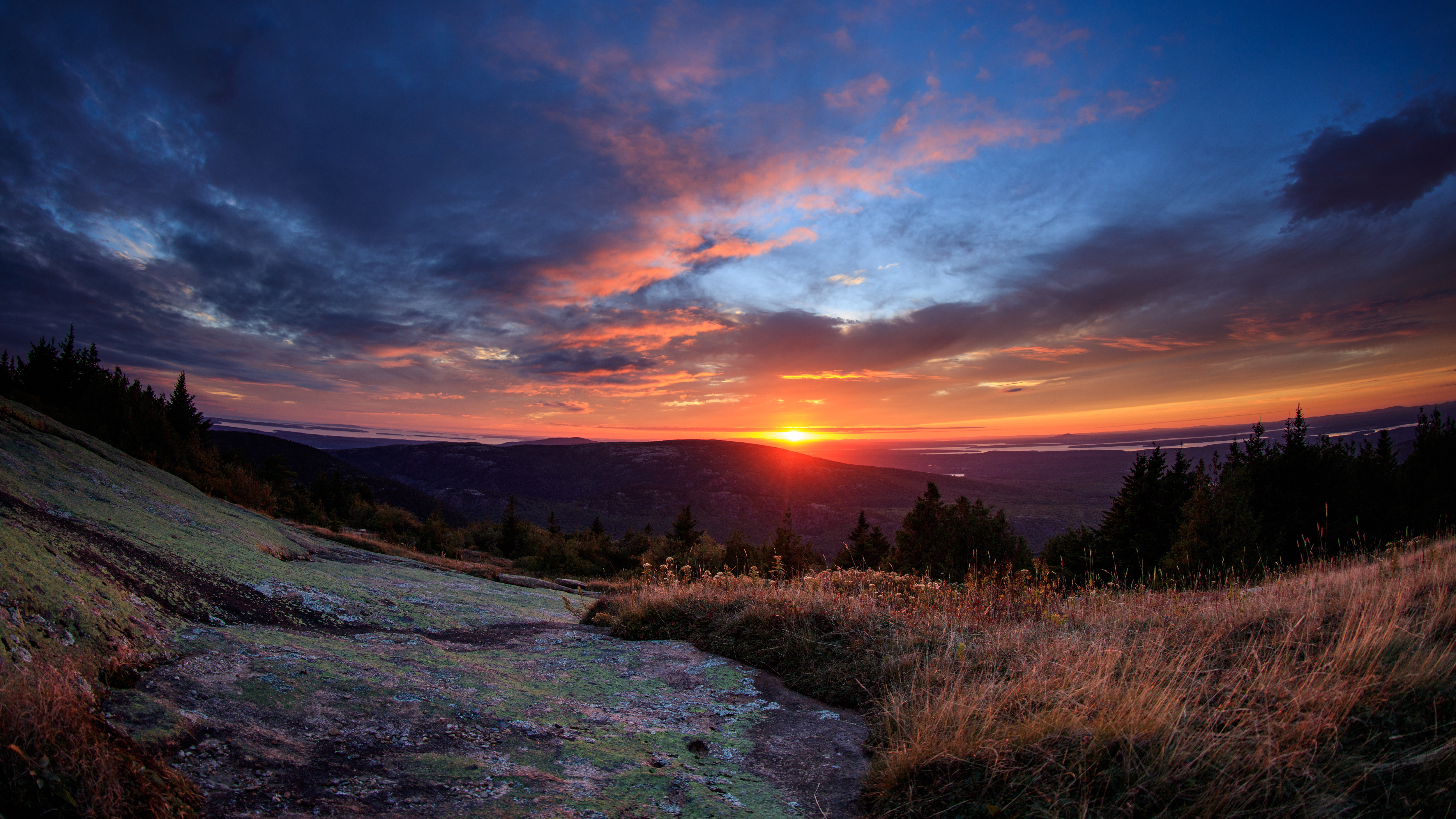
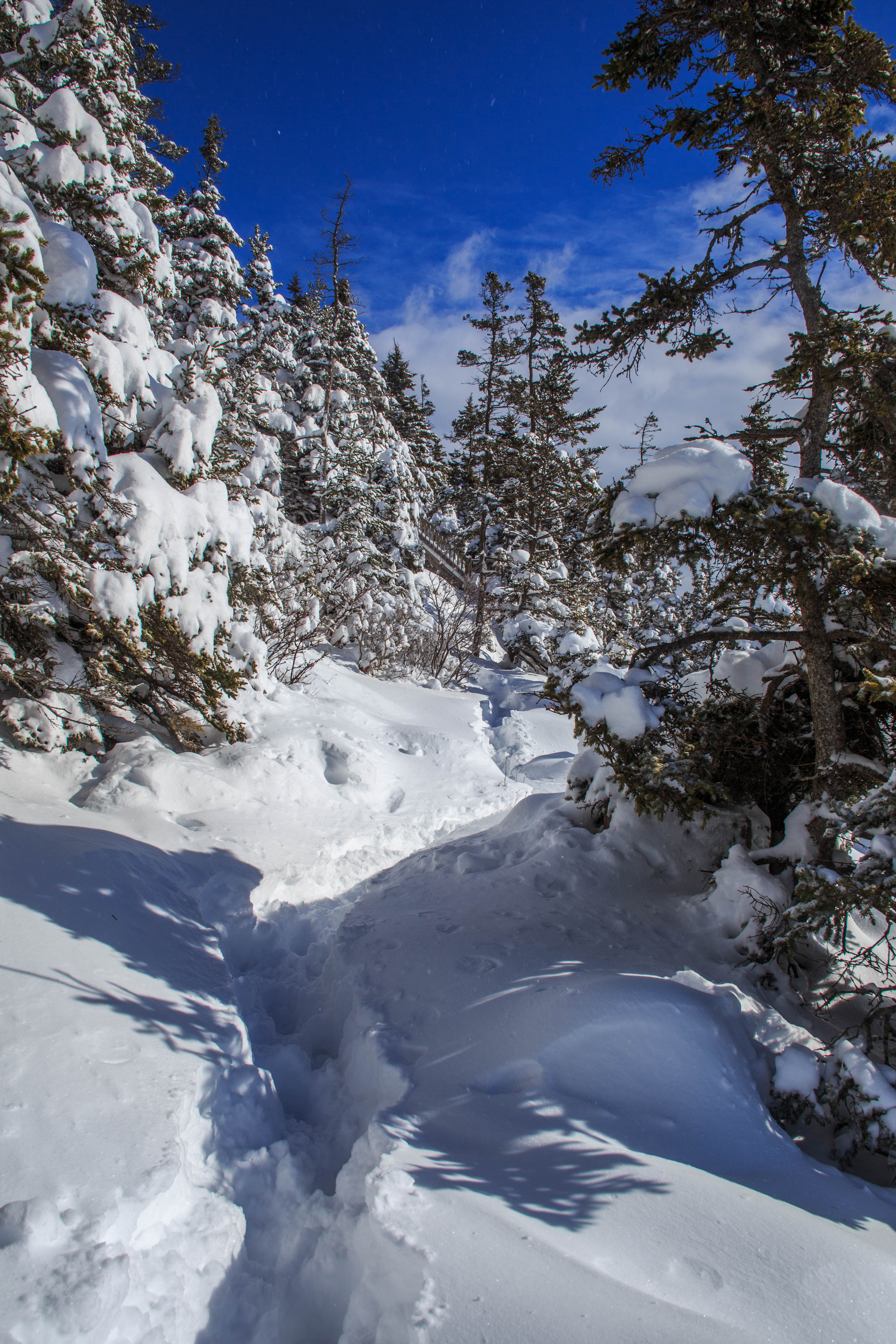
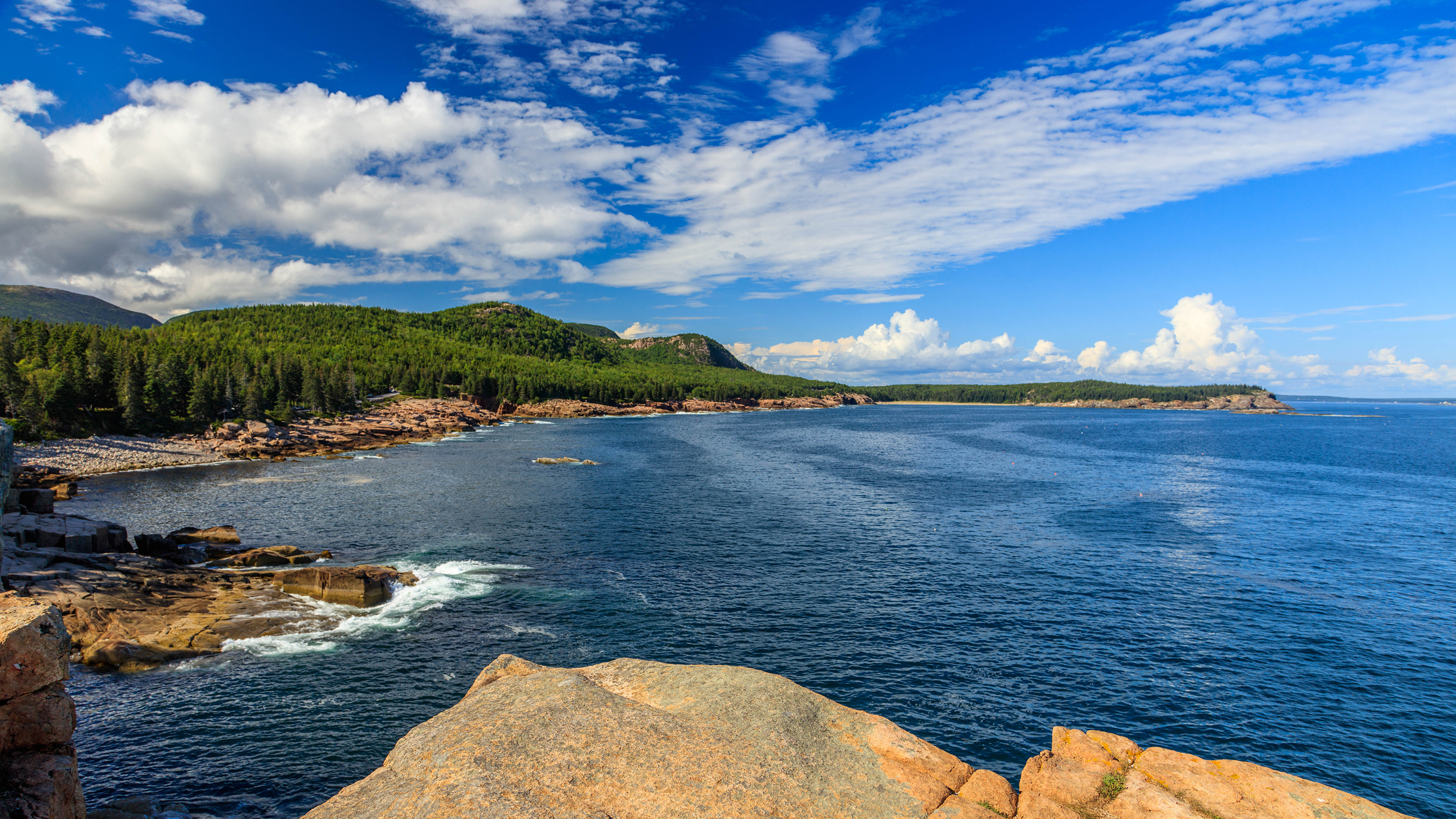
Spread across Mount Desert Island on the Maine coast, it stacks an extraordinary range of documented activities onto a relatively compact footprint: 158 miles of hiking trails, 45 miles of historic carriage roads built for biking and horseback riding, and saltwater, freshwater, and climbing terrain all within reach of each other. Summer draws massive crowds, but the park functions well across all four seasons, offering cross-country skiing and snowshoeing in winter and world-class fall foliage in October. The combination of rocky Atlantic headlands, interior ponds, and dark-sky stargazing makes this genuinely one of the most versatile park experiences in the entire NPS system. It is not a hidden gem, but its depth justifies the popularity. First-timers and repeat visitors alike consistently find more to do than a single trip allows.
Why go
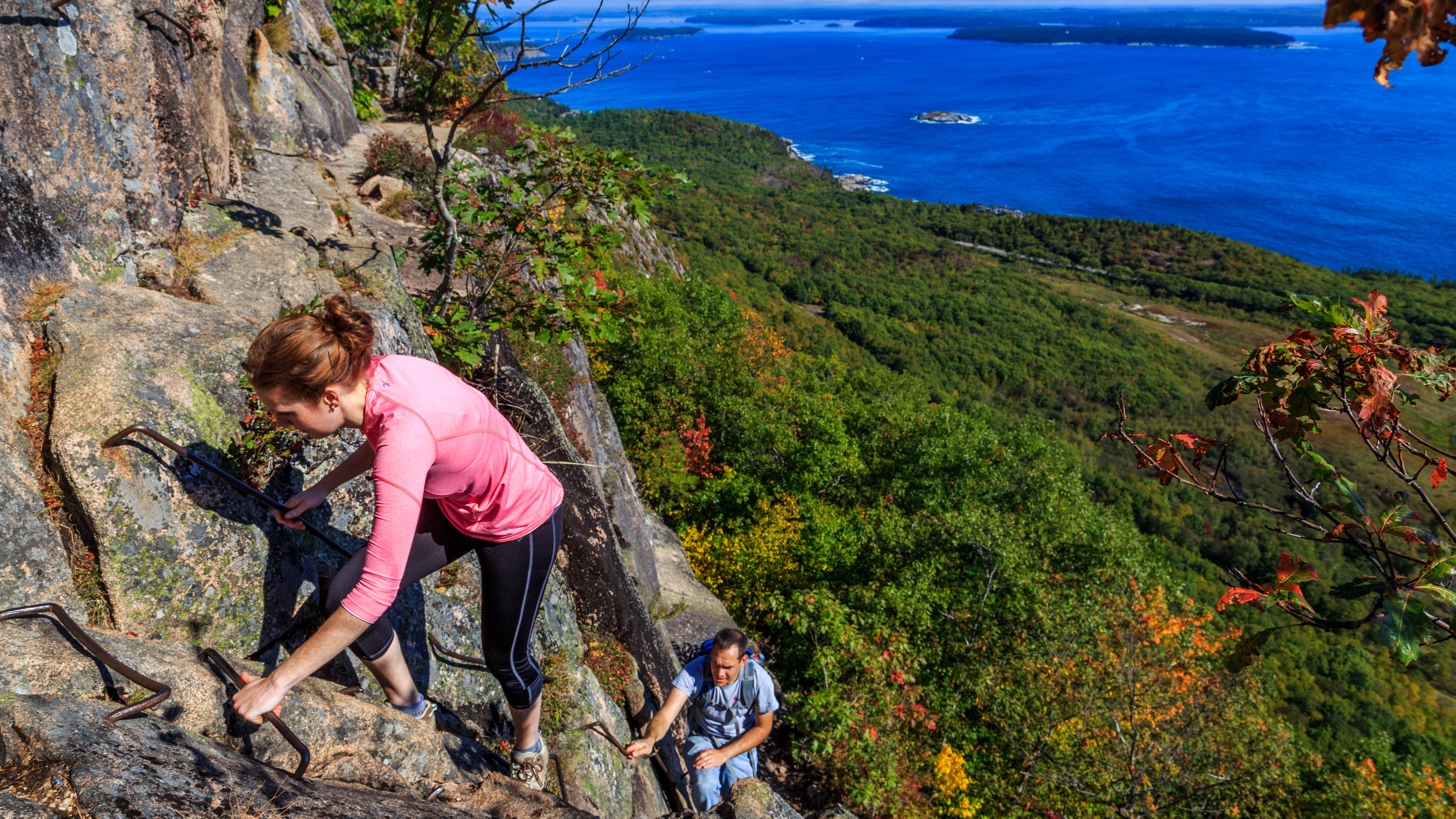
Acadia National Park presents an almost overwhelming array of activities. Visitors can readily combine a morning summit hike on the historic carriage roads with afternoon paddling on an interior pond. The documented activity list is notably extensive: rock climbing, fly fishing, saltwater swimming, birdwatching, guided boat tours, and citizen science programs complement the standard hiking and camping offerings. The park operates year-round; winter access allows for snowshoeing and cross-country skiing on the same carriage road network. For those preferring auto-touring, 27 miles of historic motor roads provide substantial access to coastal scenery. This park serves the active, multi-sport visitor exceptionally well. Casual sightseers will find ample scenic drives.
Best for
Acadia National Park presents a compelling case for a diverse range of outdoor enthusiasts. Its documented breadth of activity, encompassing hiking, paddling, and wildlife observation, caters effectively to families, active couples, and those preferring minimal transit between pursuits. However, prospective visitors should calibrate expectations regarding solitude. The park's annual visitation of 4 million makes genuine wilderness immersion improbable. Casual sightseers or those for whom crowds significantly detract from a nature experience should seek alternatives.
Best season
Optimal visitation occurs from late September to mid-October. This period features peak fall foliage and comfortable temperatures. Summer crowds also thin significantly during these weeks. June and July offer the widest array of activities.
The high points
- 158 miles of hiking trails ranging from shoreline walks to rocky summit routes
- 45 miles of historic carriage roads ideal for biking and horseback riding
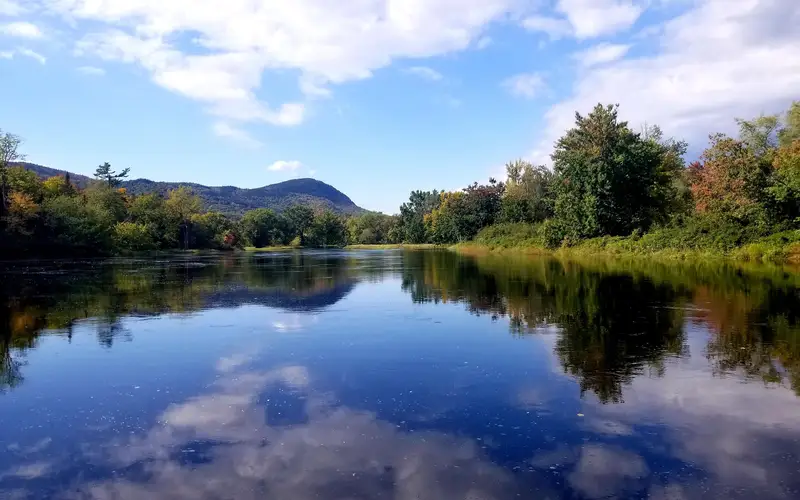
- Multi-discipline water access: kayaking, canoeing, saltwater swimming, and fishing in the same park
- Ranger-led and self-guided stargazing on a Maine island with low light pollution
- Rock climbing on Atlantic headlands, one of the few NPS units with documented coastal climbing
- Genuine four-season use including cross-country skiing and snowshoeing in winter
Know before you go
Free admission sets this park apart, a notable advantage given its substantial visitation. During peak summer, however, a timed-entry reservation system governs access to popular zones. Consult the NPS website for current operating schedules before any visit. While the park remains accessible all year, the Hulls Cove Visitor Center maintains seasonal hours. Bar Harbor, the closest town, experiences significant congestion in July and August.
One more thingAcadia's carriage roads represent a significant, often overlooked, asset. First-time visitors frequently prioritize the motor roads, missing a prime opportunity. Renting a bicycle in Bar Harbor and dedicating even half a day to this network offers substantial rewards. It provides deep access into the park's interior, creating distance from vehicular traffic. This path reveals views of ponds and wildlife unseen by most day visitors. For those seeking immersion beyond the windshield, the carriage roads are essential.