Is Pullman National Historical Park worth your trip?
Pullman National Historical Park offers a focused urban history experience.
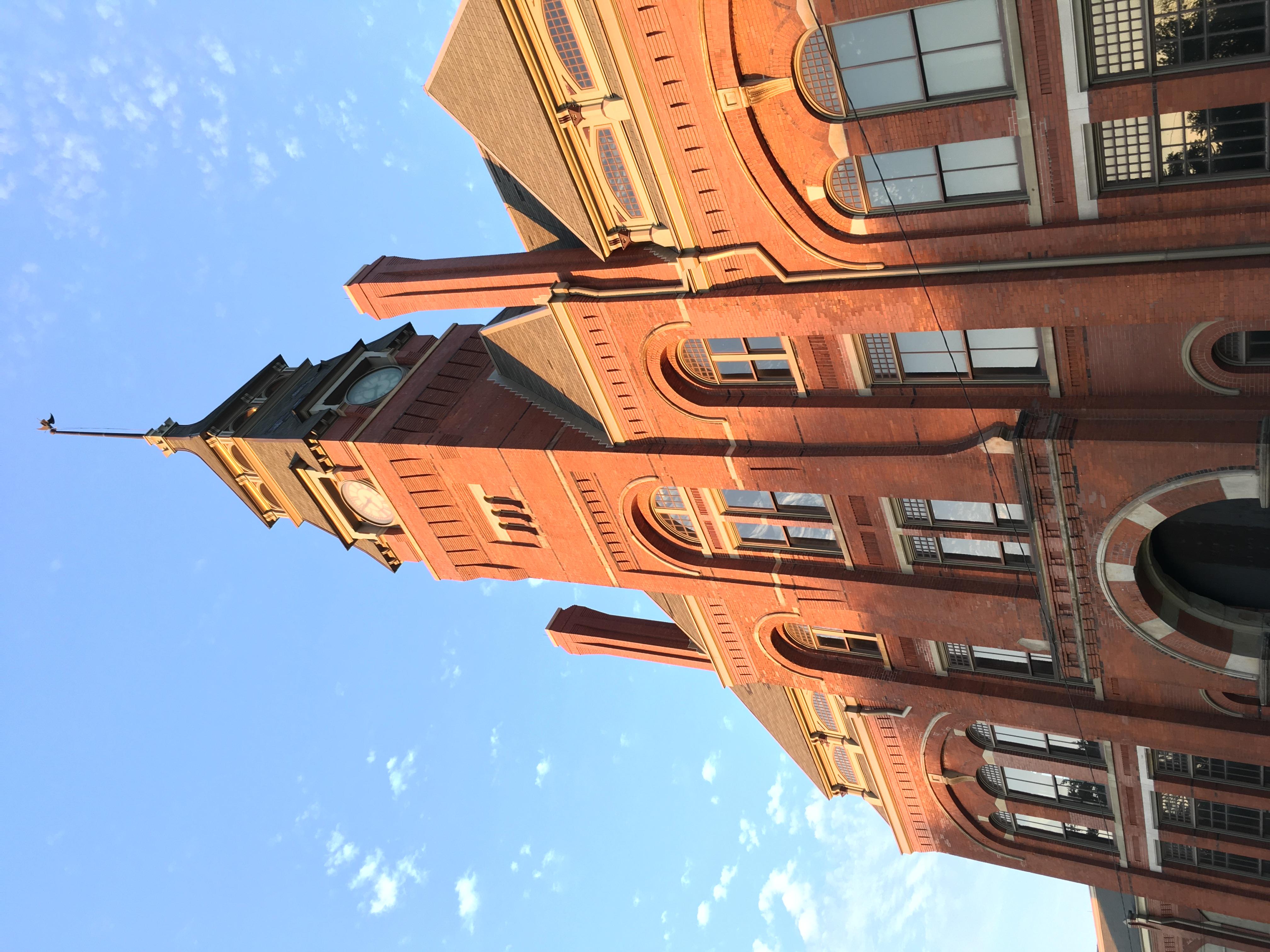
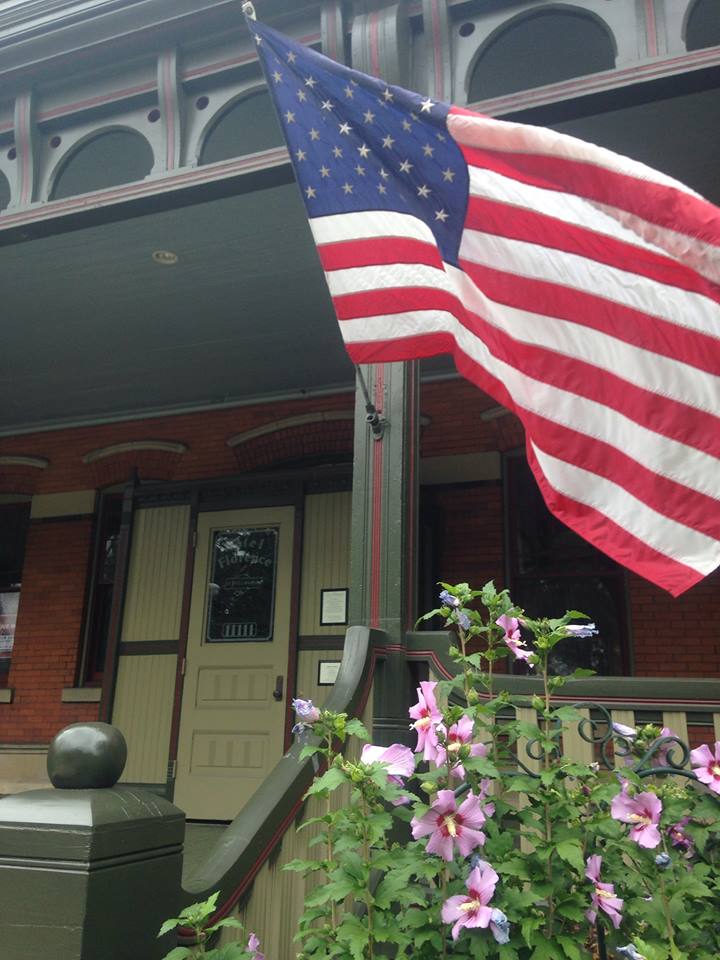
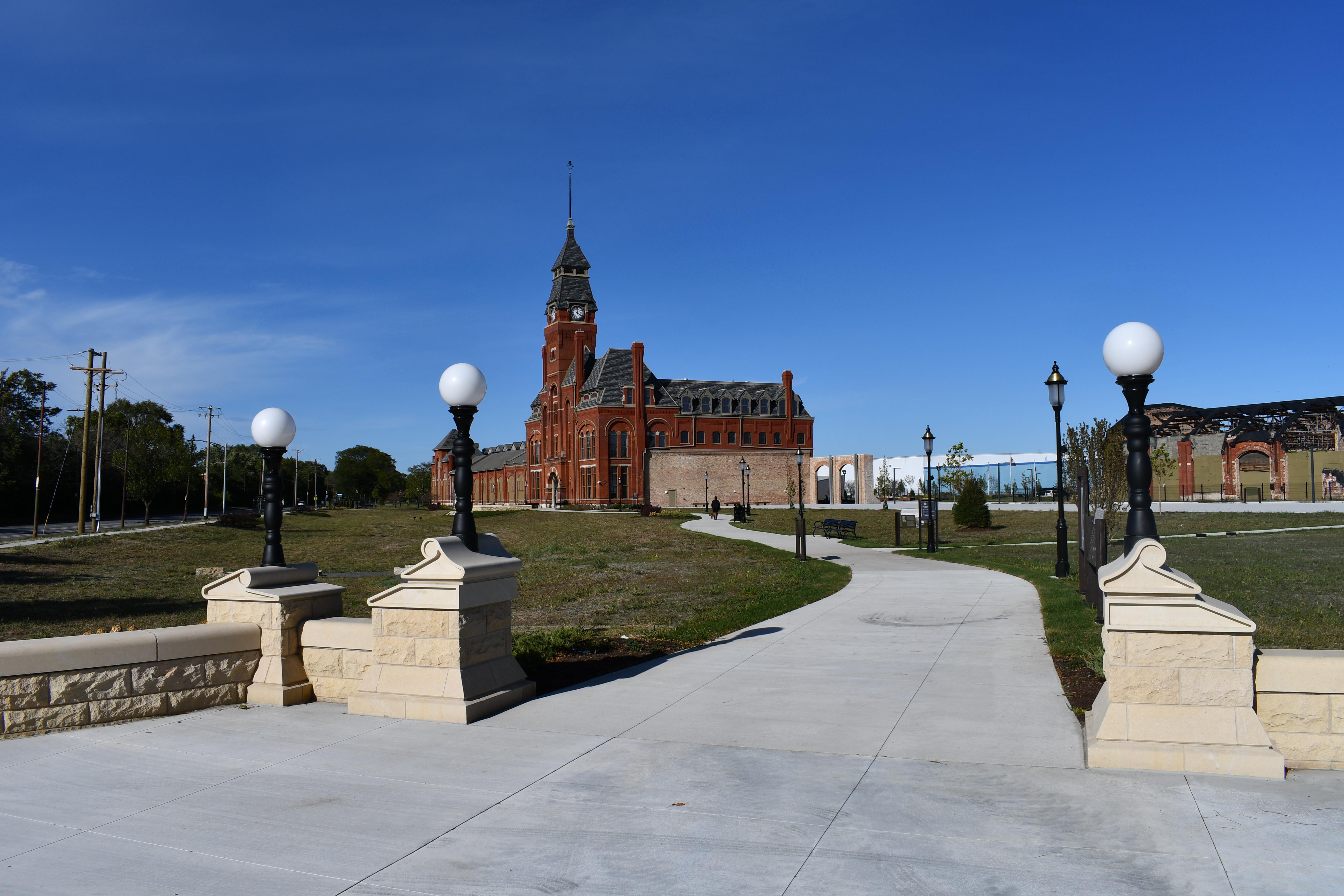
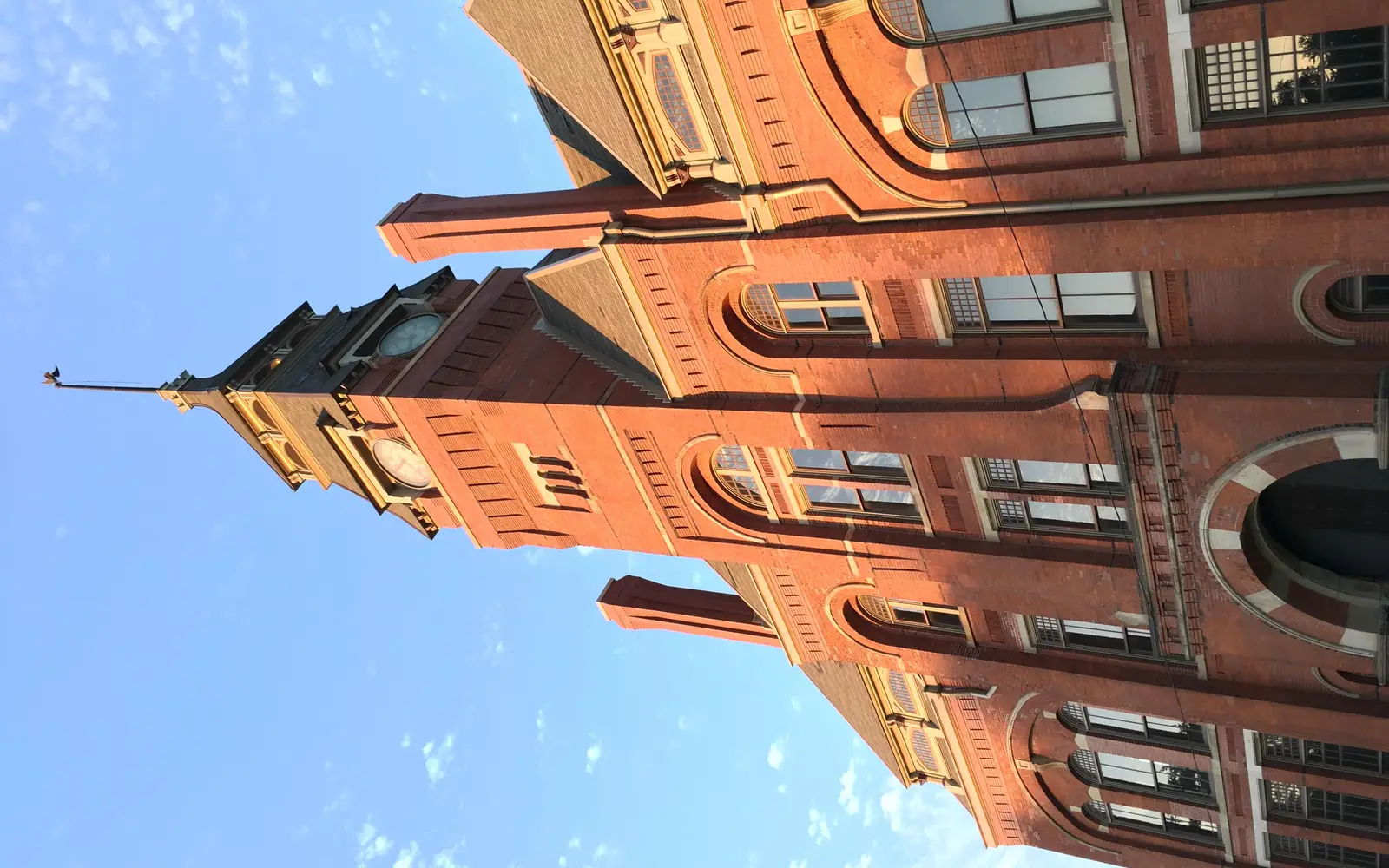
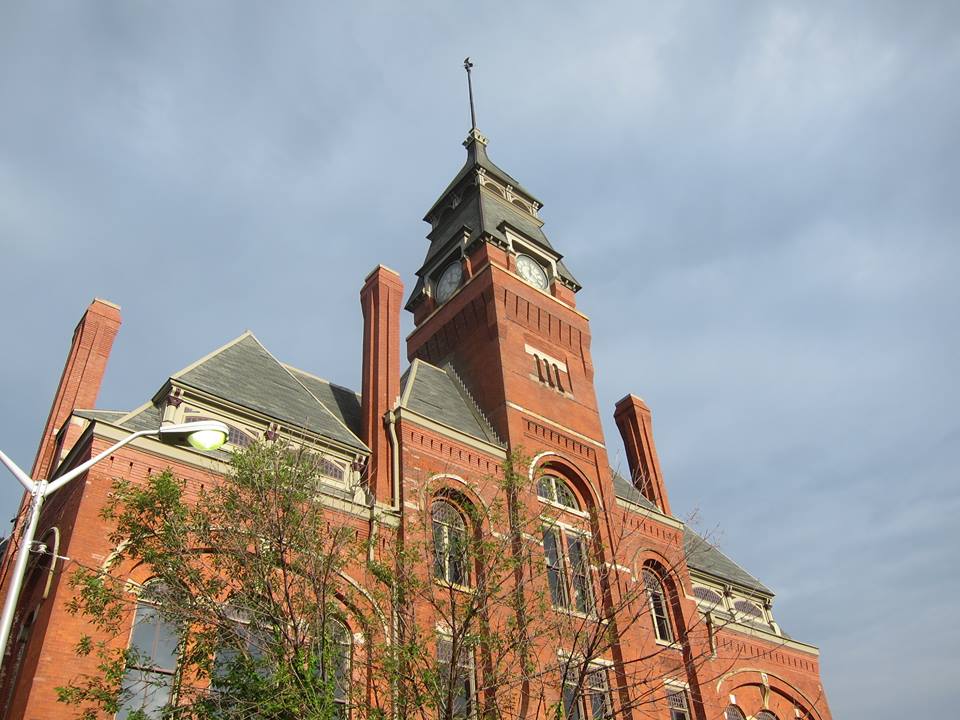
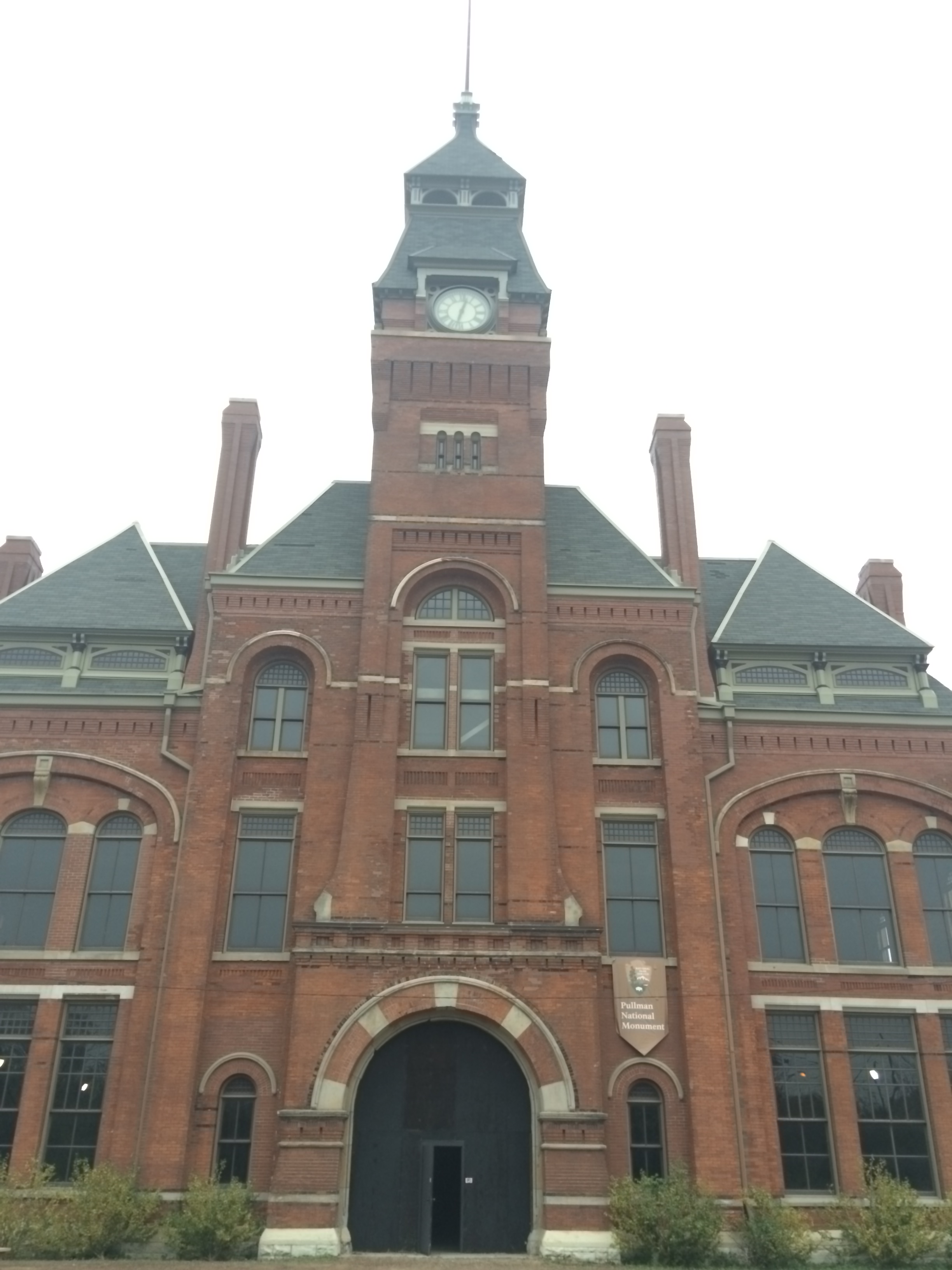
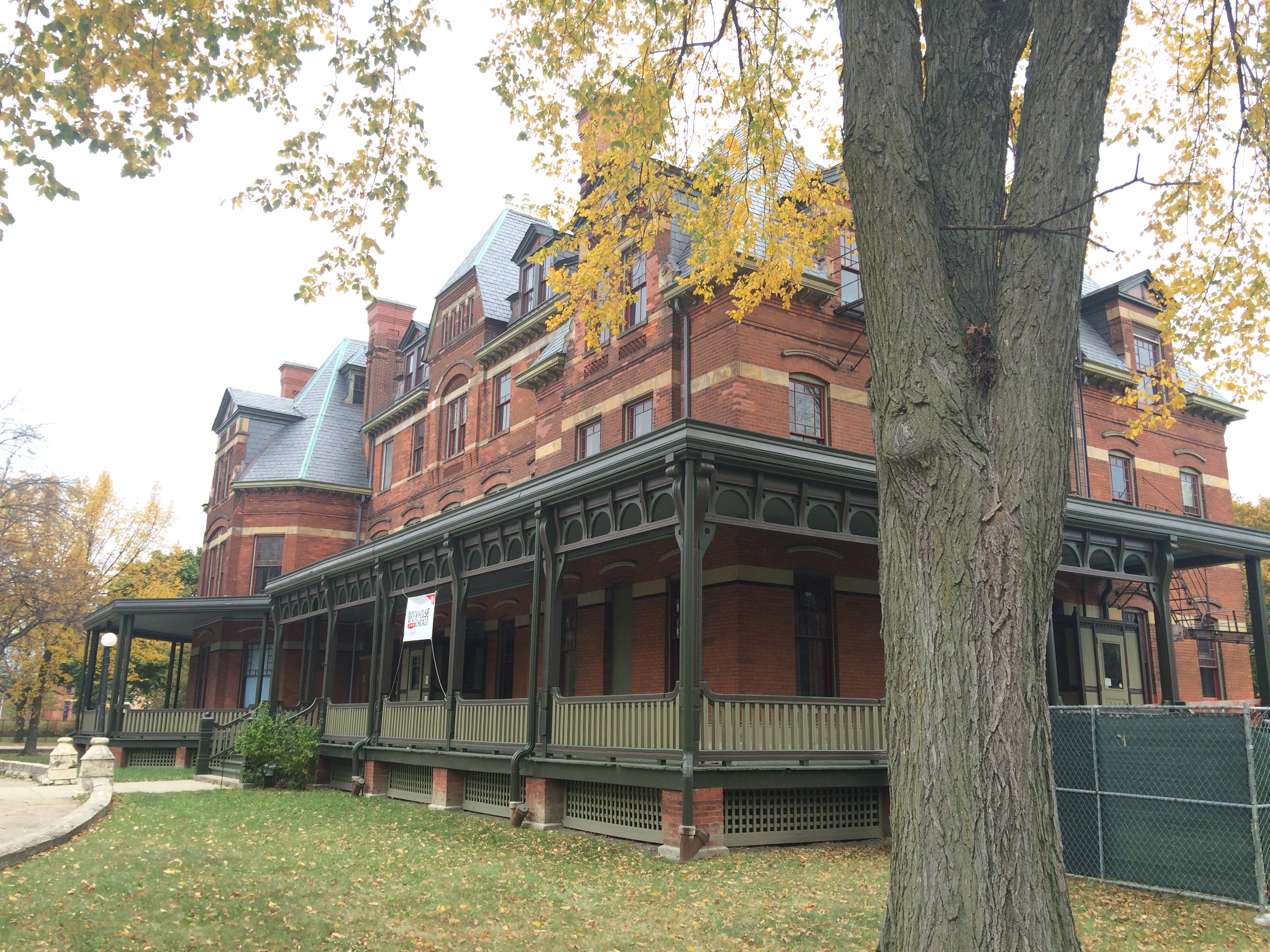
This Chicago South Side park preserves the 1880s company town built by George Pullman, featuring occupied rowhouses, the Hotel Florence, a clock tower, and original factory buildings. The interpretive experience varies, with ranger-guided tours offering depth beyond the self-guided walking guide. Admission is free. The park provides insight into labor rights, race, urban planning, and the 1894 Pullman Strike. Its experience score of 57 accurately reflects its specific appeal. This is a half-day stop for those interested in industrial and social history. It is not a multi-day destination.
Why go
This park provides a focused and immersive historical experience. A visit best illuminates the 1894 Pullman Strike and the broader story of how a planned industrial community failed. The guided tour is essential for understanding the architecture and its connection to labor history; the self-guided walk offers less depth. Museum exhibits add vital context regarding the Black workers employed as Pullman porters, a significant and often overlooked aspect of African American history within the park system. The park film effectively introduces the subject matter. Exploring the gridded streets and architecture, then grasping the reasons for worker rebellion, creates a coherent and contemplative experience. The scale is the draw here. This unit is well-suited for those interested in industrial history, labor movements, and urban planning. Casual sightseers should look elsewhere.
Best for
This unit rewards those with an interest in labor history, urban planning, or the Gilded Age. Chicagoans seeking a substantive local day trip will find exceptional value. Families with older children curious about American workers' rights will discover significant educational content. However, travelers prioritizing trails, wildlife, or outdoor recreation should direct their attention elsewhere.
Best season
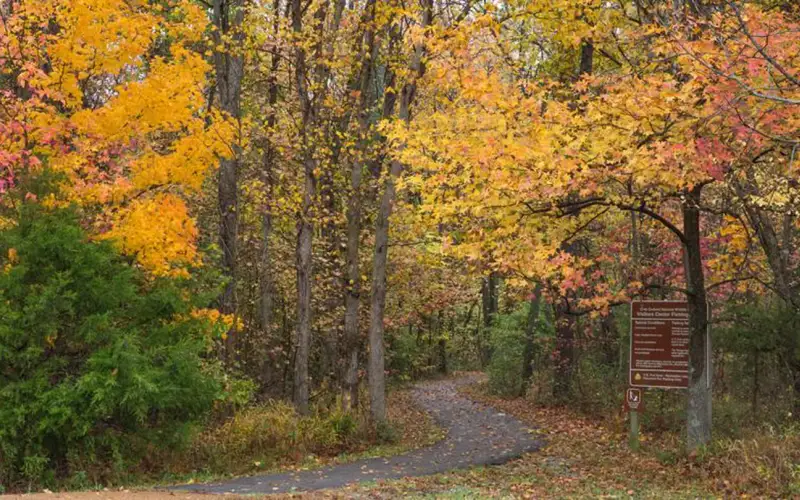
This is a seasonal destination. Optimal conditions for exploring the outdoor components are found from late spring through early fall, typically May through October. Be advised that Chicago summers bring significant heat and humidity, making morning visits in July and August a prudent choice. While winter months present cold temperatures and potential snow, which can detract from the self-guided outdoor experience, the indoor exhibits and film presentations remain accessible year-round. This suggests a primary appeal to fair-weather visitors, though some elements persist through all seasons.
The high points
- Ranger-guided tours that connect the neighborhood's architecture to the 1894 Pullman Strike and its national consequences
- Walking the original planned street grid past surviving 19th-century rowhouses, still occupied today
- Museum exhibits covering Pullman porters and the role of Black labor in the company's history
- The park orientation film, a useful anchor before exploring the broader site
- Self-guided auto and walking tour options that let you set your own pace through the historic district
- Free admission, making it one of Chicago's most accessible history destinations
Know before you go
Admission is free. The visitor center offers a solid starting point for maps, an introductory film, and tour schedules. Most of the site functions as an active residential neighborhood, allowing open access for exploration. However, ranger-led tours operate on a fixed schedule. Consult NPS.gov to ensure you catch the most informative programming.
One more thingThe annual House Tour, typically held in October, opens private historic homes to the public. This event grants interior access to architecture otherwise off-limits.