Should you visit Crab Orchard National Wildlife Refuge?
Crab Orchard offers a rare breadth of activity for a Midwest federal refuge.
This 44,000-acre southern Illinois property charges no admission, functioning with a scope akin to a national park unit. Three large lakes provide water recreation. Habitat diversity is genuine, spanning oak-hickory forest, wetlands, and cropland, alongside a 4,050-acre designated wilderness area. This is not a pristine nature preserve. The refuge integrates hunting, wood cutting, and agriculture with birding, backpacking, and paddling. This operational blend may challenge visitors seeking only recreation. Yet for a full outdoor menu, free of crowds and fees, Crab Orchard delivers. Its 96 experience score reflects documented reality: few federal units offer this range of outdoor pursuits.
What makes it worth it
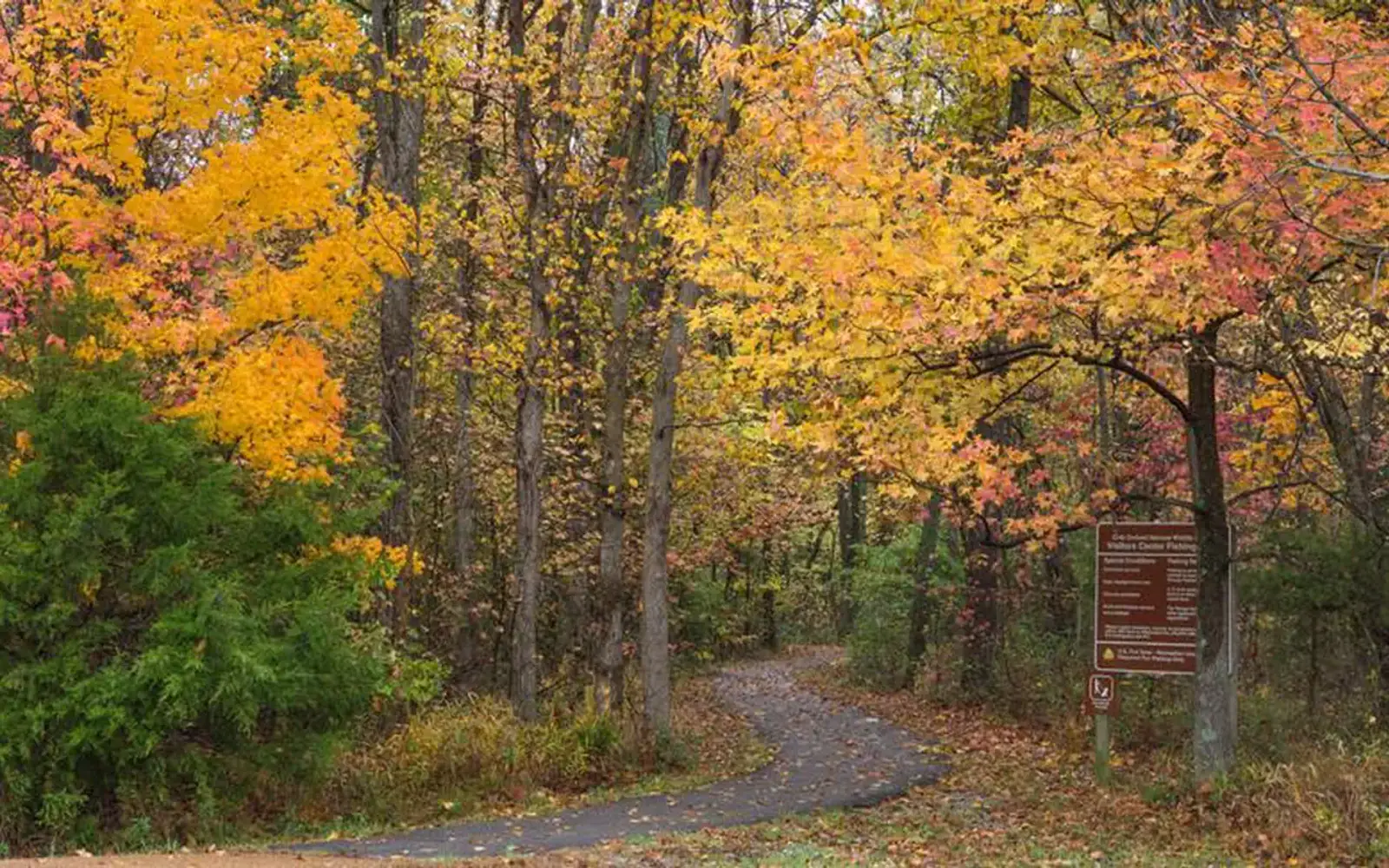
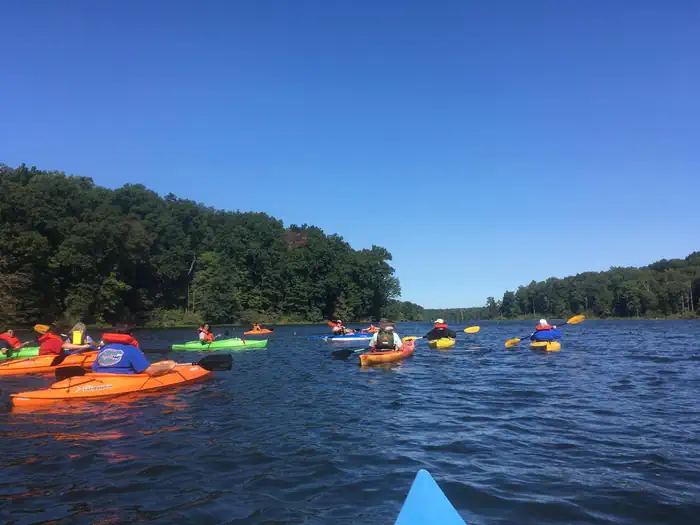
This refuge suits visitors seeking active, self-directed engagement. Kayakers and canoeists will find abundant morning lake access. Anglers can target bass and crappie from shore or boat through the afternoon. Dusk offers prime viewing of waterfowl and shorebirds for walkers and bikers along refuge roads. A 4,050-acre wilderness area provides solitude. Hikers and backpackers should venture beyond popular lake access points. Birders will appreciate the habitat diversity, with distinct species congregating in oak-hickory uplands, bottomland hardwoods, prairie patches, and open water, all easily accessible by car. Horseback riders and archery hunters also have dedicated access. For what it offers, this is a comprehensively equipped refuge.
Who should go
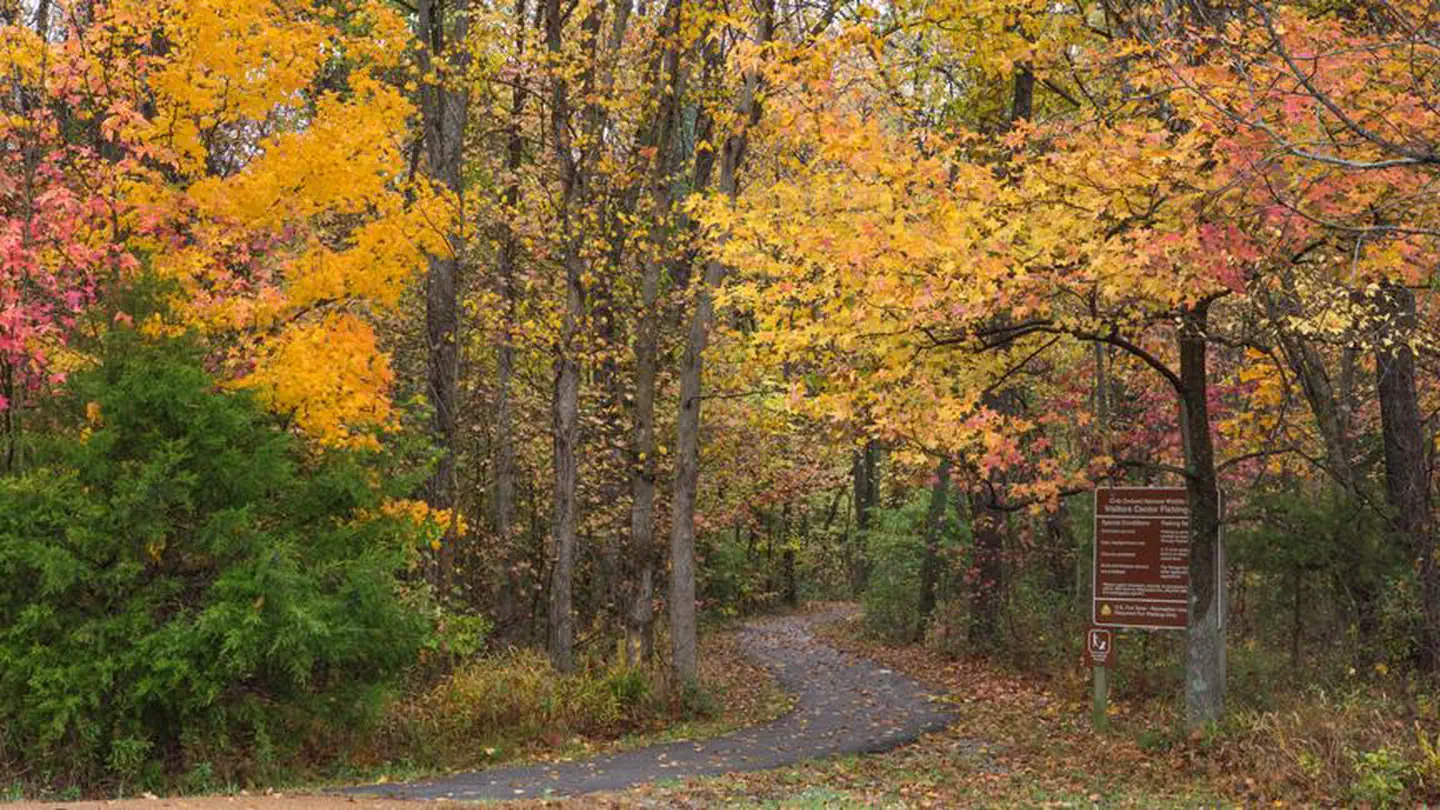
This expansive Midwest refuge suits general outdoor enthusiasts, birders, anglers, paddlers, and hunters. It offers serious acreage and habitat variety, free of entrance fees or heavy crowds. Families comfortable with a working refuge atmosphere will also find it excellent. This is a functional, wild, and rewarding destination. Do not expect paved interpretive loops, iconic scenery, or a national-park visitor experience. Casual sightseers should look elsewhere. It is not photogenic in a dramatic landscape sense.
When to go
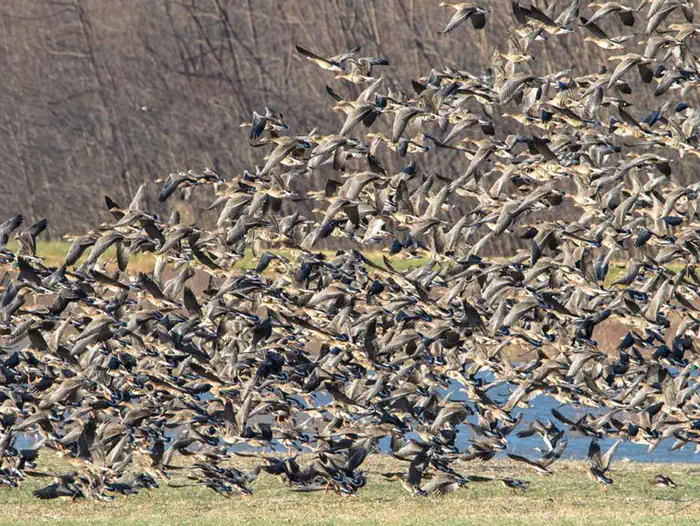
Optimal viewing for this unit centers on spring and fall migration, when wetland and lake habitats draw significant concentrations of waterfowl and shorebirds. Summer offers boating, fishing, and camping, though visitors should anticipate southern Illinois's characteristic heat and humidity. Non-hunting visitors planning a fall or winter trip must consult the refuge hunting calendar.
Highlights
- Three sizable lakes supporting motorized and non-motorized boating, fishing, and paddling
- 4,050-acre congressionally designated wilderness area for hiking and backpacking
- Exceptional habitat mosaic spanning wetlands, prairie, bottomland hardwood, and oak-hickory uplands
- One of the broadest legal activity menus of any NPS-affiliated unit, including hunting, archery, and wood cutting
- Strong birding potential across multiple distinct habitat types within a single property
- Free entry with camping available, making multi-day visits accessible and affordable
Plan ahead
Entry to this unit is free. While managed by the U.S. Fish and Wildlife Service, operating under the National Park Service umbrella, its regulations diverge from standard national parks. Hunting and wood-cutting necessitate permits, strictly limited to specific seasonal windows. Prospective visitors must consult the refuge website prior to arrival. Confirming open recreational zones for specific dates is essential, given the rotational closures affecting various areas.
Editor's tipFor birders, the period between late October and mid-November is optimal. This window offers peak waterfowl migration over the lakes. Simultaneously, bottomland hardwoods remain active with late-season songbirds. This short, high-density period is ideal for wildlife viewing.