parkverdict
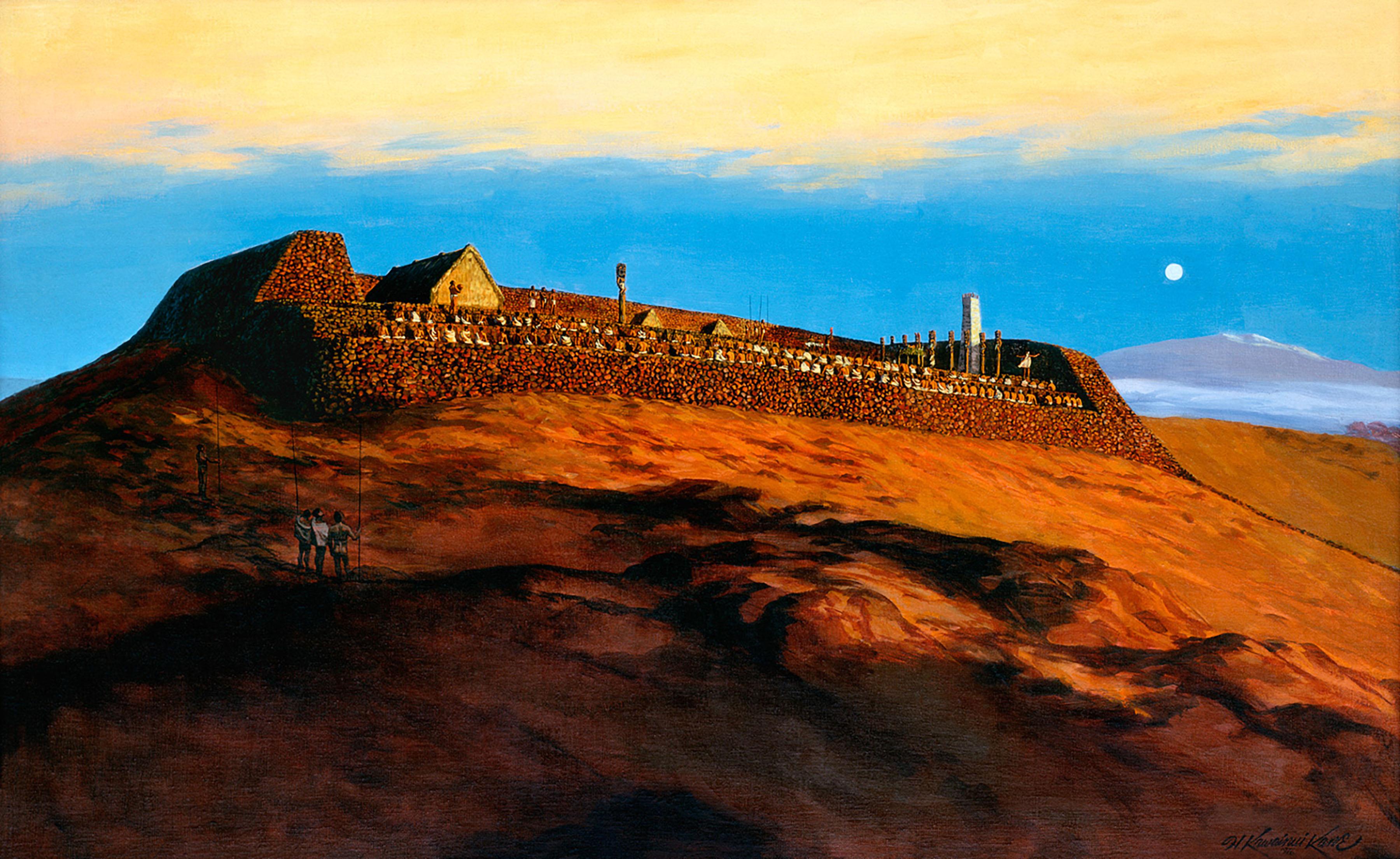
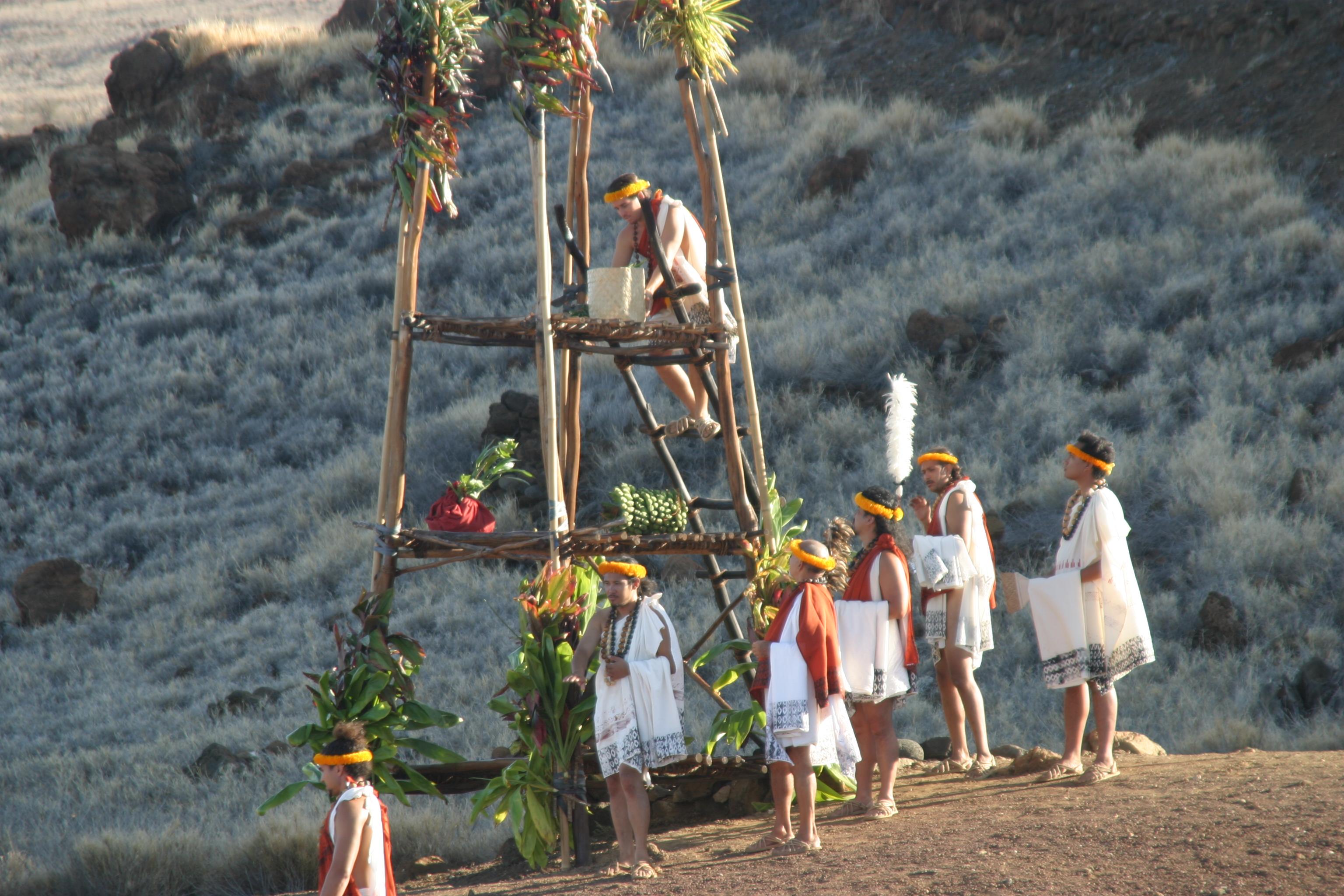
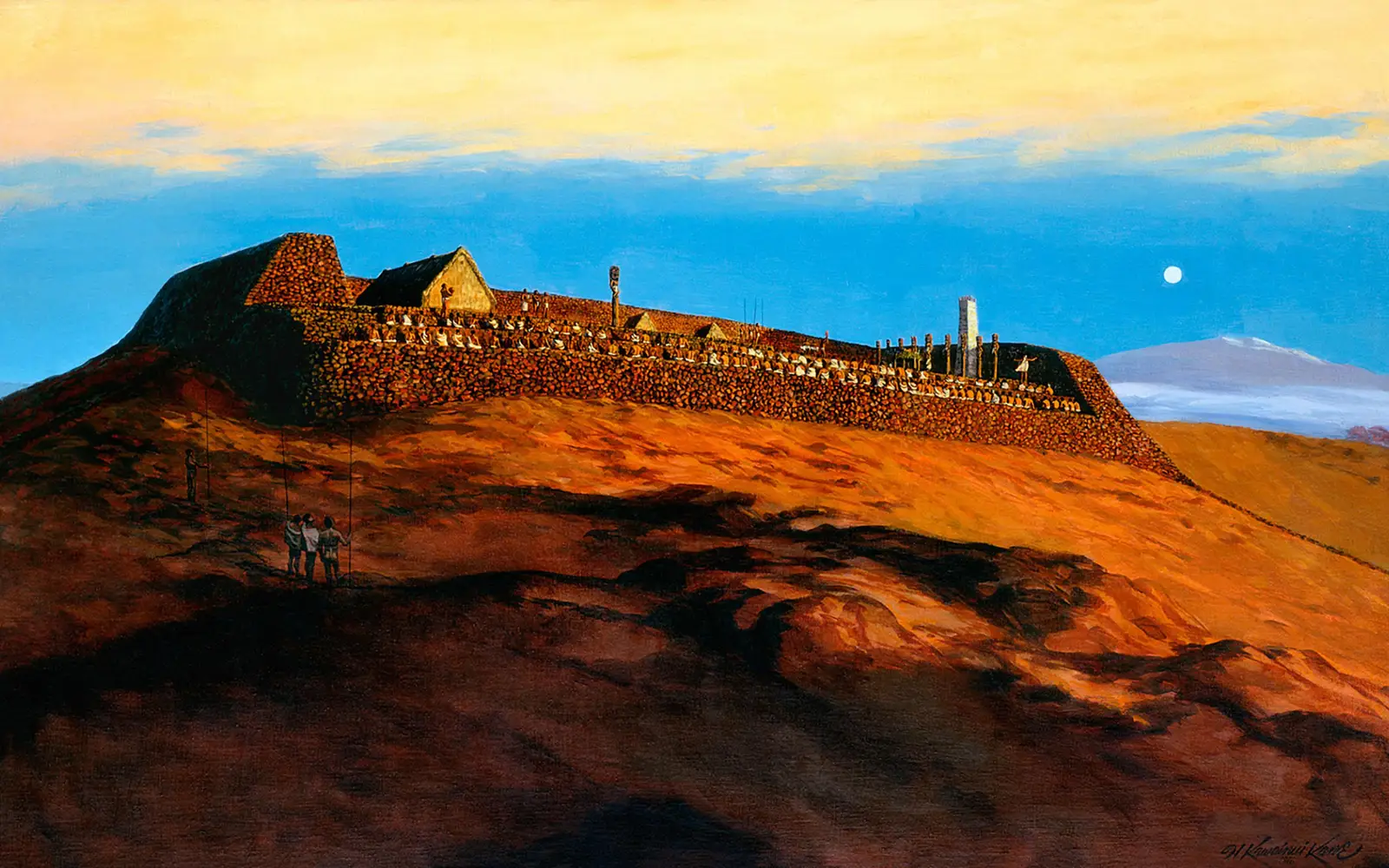
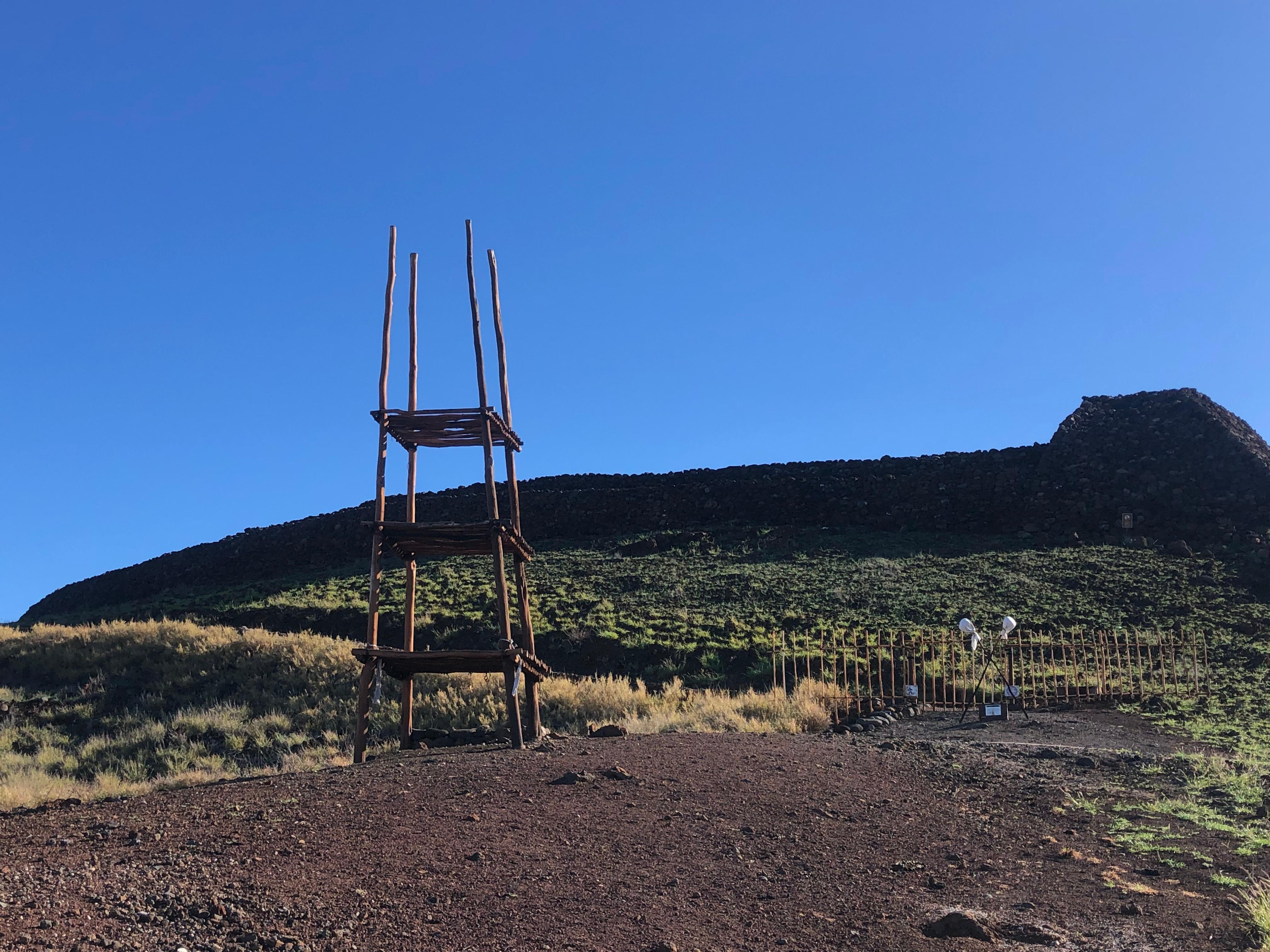
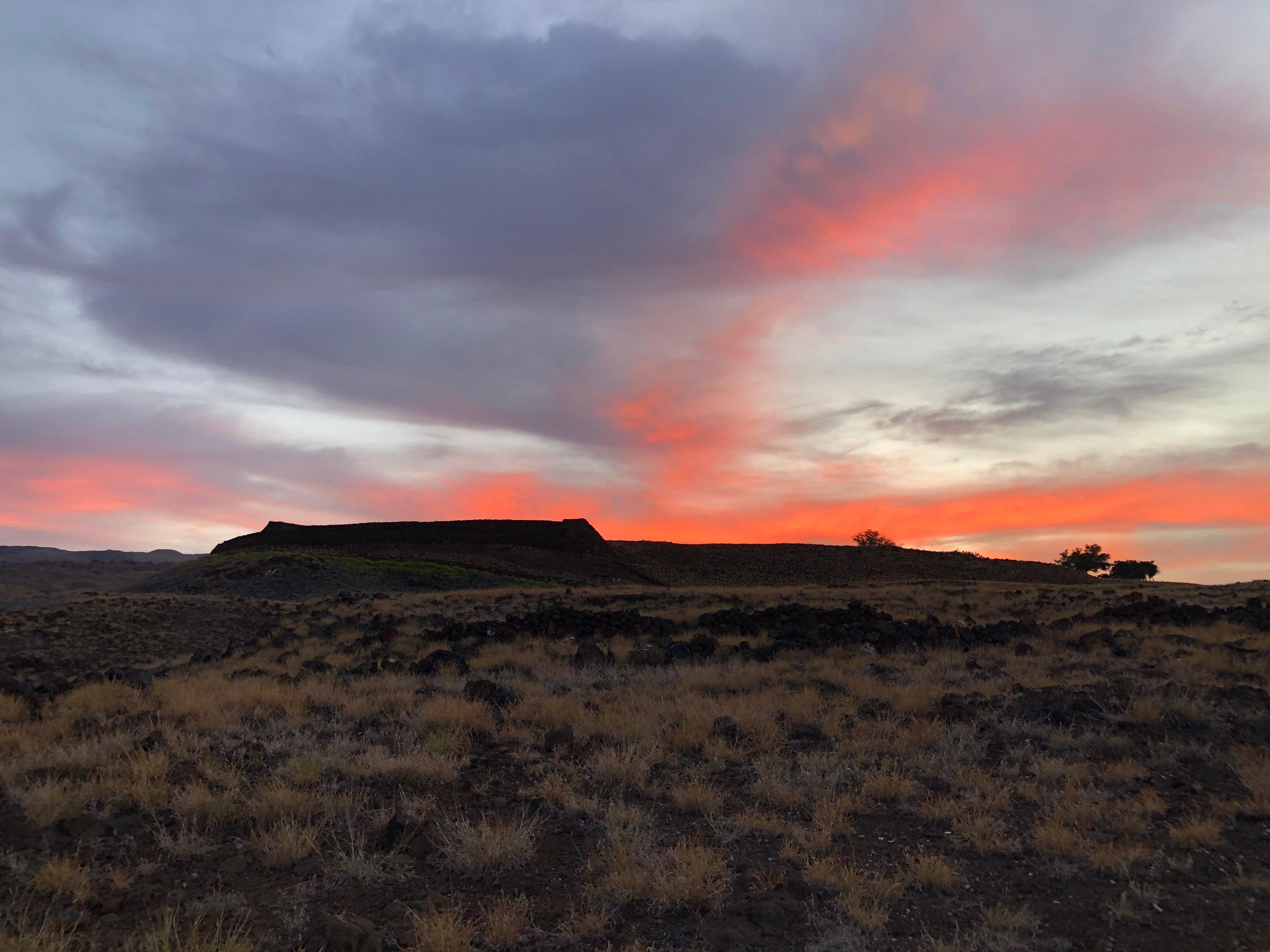
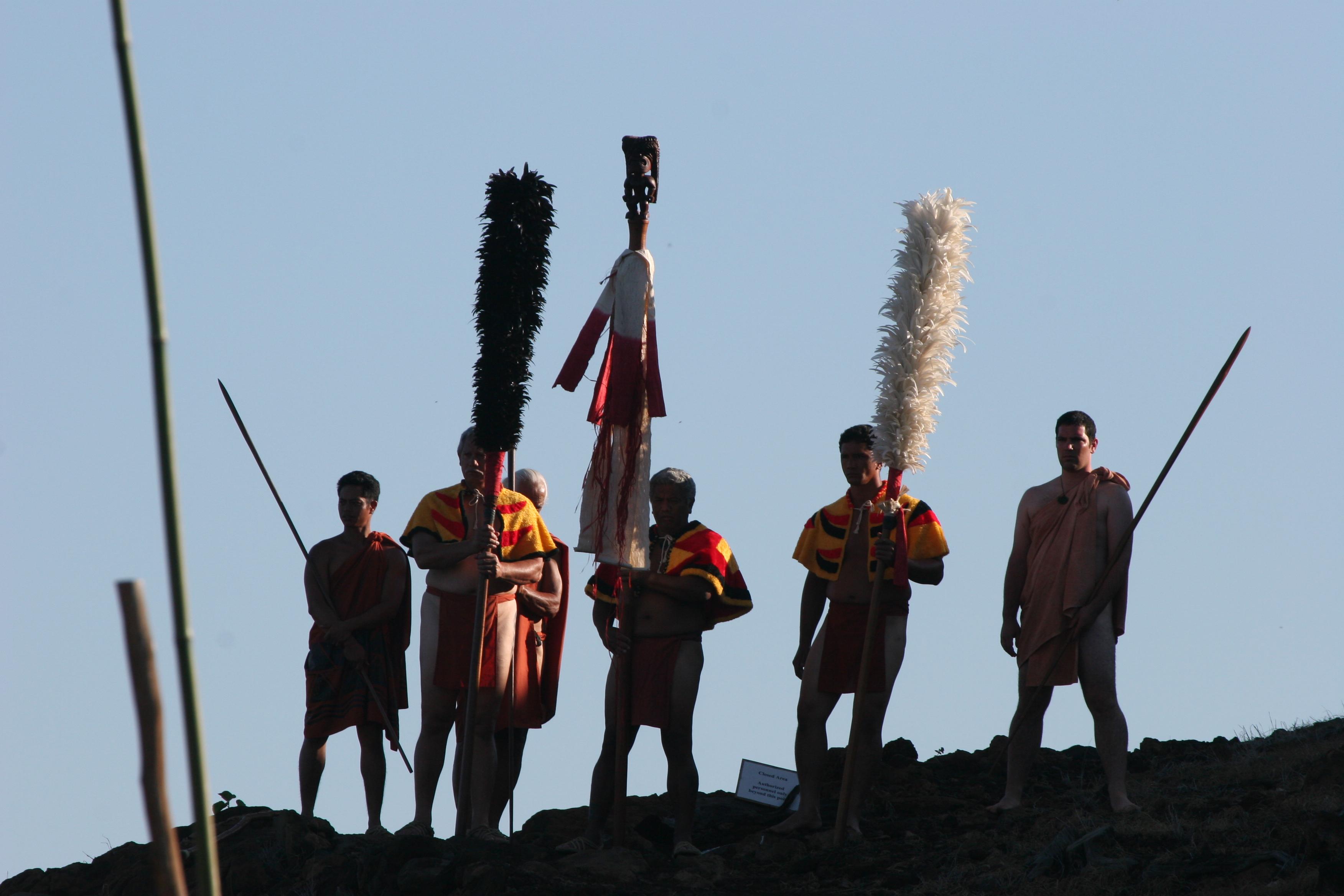
Painting of historic ceremony at Puʻukoholā HeiauA Lele (offering tower) set below Pu'ukoholā Heiau NHSSunrise over Pu'ukoholā Heiau in mid September.War god Kū and His Warriors
National Historic SiteHI

Puʻukoholā Heiau National Historic Site

NPS / Herb Kane
83/ 100WIDE RANGE
parkverdict Experience ScoreIndependent, not sponsored

83 of 100. Our independent breadth-and-access index. How we score

Worth it?

Is Puʻukoholā Heiau National Historic Site worth it?

Puʻukoholā Heiau National Historic Site protects the massive stone temple Kamehameha the Great built in the 1790s to fulfill a prophecy and consolidate his rule over the Hawaiian Islands.

It sits on the dry, sun-baked Kohala Coast of the Big Island, covering a focused stretch of shoreline rather than any kind of sprawling wilderness. You come here to stand in front of one of the most historically consequential structures in Hawaiian history, absorb what it meant politically and spiritually, and watch the sharks that regularly patrol the submerged ruins of a second temple just offshore. For anyone genuinely interested in Hawaiian history and culture, it is a rare stop worth making. For visitors hoping for a full-day outdoor adventure, keep in mind the footprint is small and most people are done in two to three hours.

The case for it

Walk the self-guided coastal trail first, then join a ranger-led tour to understand how the heiau was actually built and what Kamehameha's unification campaign looked like on the ground. The craft demonstrations and museum exhibits here cover things no roadside historical marker comes close to touching. And the sharks, they genuinely circle the submerged Mailekini Heiau, which is one of those wildlife moments you will not find anywhere else on the island. Watch the visitor center film before you head out onto the grounds since it fills in enough background to make everything click. If you have kids who are curious about Hawaiian culture, the Junior Ranger Program alone is worth stopping for. Fishing is allowed in the area, and the coastal setting adds a scenic layer to what is already a visit packed with cultural and historical depth.

Who it is for

Anyone drawn to Hawaiian history, Indigenous Pacific culture, or the story of how Kamehameha united the islands will find this place genuinely rewarding. Families with curious kids have enough structured programming to keep everyone engaged. If you're after a strenuous backcountry day, though, you'll need to look elsewhere on the Big Island.

Best time to visit

Get there early, ideally by 9 AM, before the Kohala Coast heat climbs into the upper 80s. The park runs daily from 8:30 AM to 4:30 PM, but the parking lot closes at 4:00 PM, so showing up late just cuts into your time there. The climate is dry and sunny year-round, which means no particular season is a bad pick, though mornings are noticeably more comfortable than afternoons.

Worth seeing

  • Standing at the massive stone walls of Puʻukoholā Heiau, built by Kamehameha the Great as a fulfillment of prophetic instruction
  • Watching sharks patrol the shallow waters above the submerged Mailekini Heiau directly offshore
  • Ranger-guided and self-guided walking tours that trace the political and spiritual significance of the site
  • Cultural craft demonstrations that connect visitors to living Hawaiian traditions
  • Museum exhibits and a park film providing deep historical context on Hawaiian unification
  • Junior Ranger Program offering a structured, hands-on experience for children

Before you visit

Admission is free. The visitor center lanai is open every day from 8:30 AM to 4:30 PM, but note that the upper parking lot gate closes at 4:00 PM, so give yourself enough time. The coastal grounds have almost no shade, so bring sunscreen and water. The site is near Kawaihae on the west side of the Big Island, roughly 30 to 35 minutes north of the Waikoloa resort area.

Our tipBefore heading out, check the NPS site or call ahead to confirm when craft demonstrations and ranger-led tours are running. The guided tour gives you context a solo walk just cannot match, and it tends to be the part of the trip you remember long after the photos stop meaning much.

How we scored it

How Puʻukoholā Heiau National Historic Site earned its 83

Where does a 83 come from? One formula, run the same on every place we cover, built only from public data on what a unit offers and how reachable it is. It says nothing about how pretty a spot is or how busy it gets. This is what fed it:

  • Activity breadth13 documented activities
  • Topic breadth23 topics
  • Official imagery6 public-domain images
  • Camping on sitedocumented
  • Entry costfree

No number is hand-adjusted and no unit pays for placement. The full weights, the floor at 18 and a worked example are on how we score.

The honest limits

What the score cannot tell you

A quick honest note. The score tracks how much a place has going on and how easy it is to reach, both pulled from public records. What it cannot see is the stuff that often makes or breaks a day: whether the views stop you cold, how packed it gets in season, what the trails are like after rain, or whether you catch a great ranger talk. A small, single-focus site can land below a sprawling park here and still be the better call for your trip. Use the number to compare what places offer on paper, and the verdict up top to tell if it is your kind of place.

The basics

Puʻukoholā Heiau National Historic Site at a glance

Few places in America let you walk ground where a king once stood. At Pu'ukohola Heiau, a stranded sailor rose to become chief of an entire island, a people's long-foretold moment played out on this very soil, and sharks still pass over a submerged temple just offshore. Nothing else in the country comes close.

On documented breadth and access, Puʻukoholā Heiau National Historic Site ranks 3rd of 8 park and public-land units we score in Hawaii.

Weather and seasons

The park gets hot and sunny, with daytime temperatures typically in the upper 80s. Your best bet is to go in the morning or late afternoon, when things cool off a bit. Hours run 8:30 a.m. to 4:30 p.m. daily, though high winds or dangerous storms can force a closure on short notice.

On offer

Documented activities

Arts and CultureCraft DemonstrationsCampingFishingGuided ToursSelf-Guided Tours - WalkingHikingJunior Ranger ProgramWildlife WatchingPark FilmMuseum ExhibitsShoppingBookstore and Park Store
Common questions

Puʻukoholā Heiau National Historic Site: quick answers

Is Puʻukoholā Heiau National Historic Site worth visiting?

Puʻukoholā Heiau National Historic Site protects the massive stone temple Kamehameha the Great built in the 1790s to fulfill a prophecy and consolidate his rule over the Hawaiian Islands.

Is Puʻukoholā Heiau National Historic Site free to visit?

Yes, there is no entrance fee.

What is Puʻukoholā Heiau National Historic Site best for?

It leans hardest toward hiking, camping, good with kids, water activities, going by the 13 activities it actually documents.

When is the best time to visit Puʻukoholā Heiau National Historic Site?

Get there early, ideally by 9 AM, before the Kohala Coast heat climbs into the upper 80s.

How is the Experience Score for Puʻukoholā Heiau National Historic Site calculated?

The 83 comes straight from public data on how much the place documents and how easy it is to reach, things like activities, topics, photos, camping and whether entry is free. It says nothing about scenery or how busy it gets.