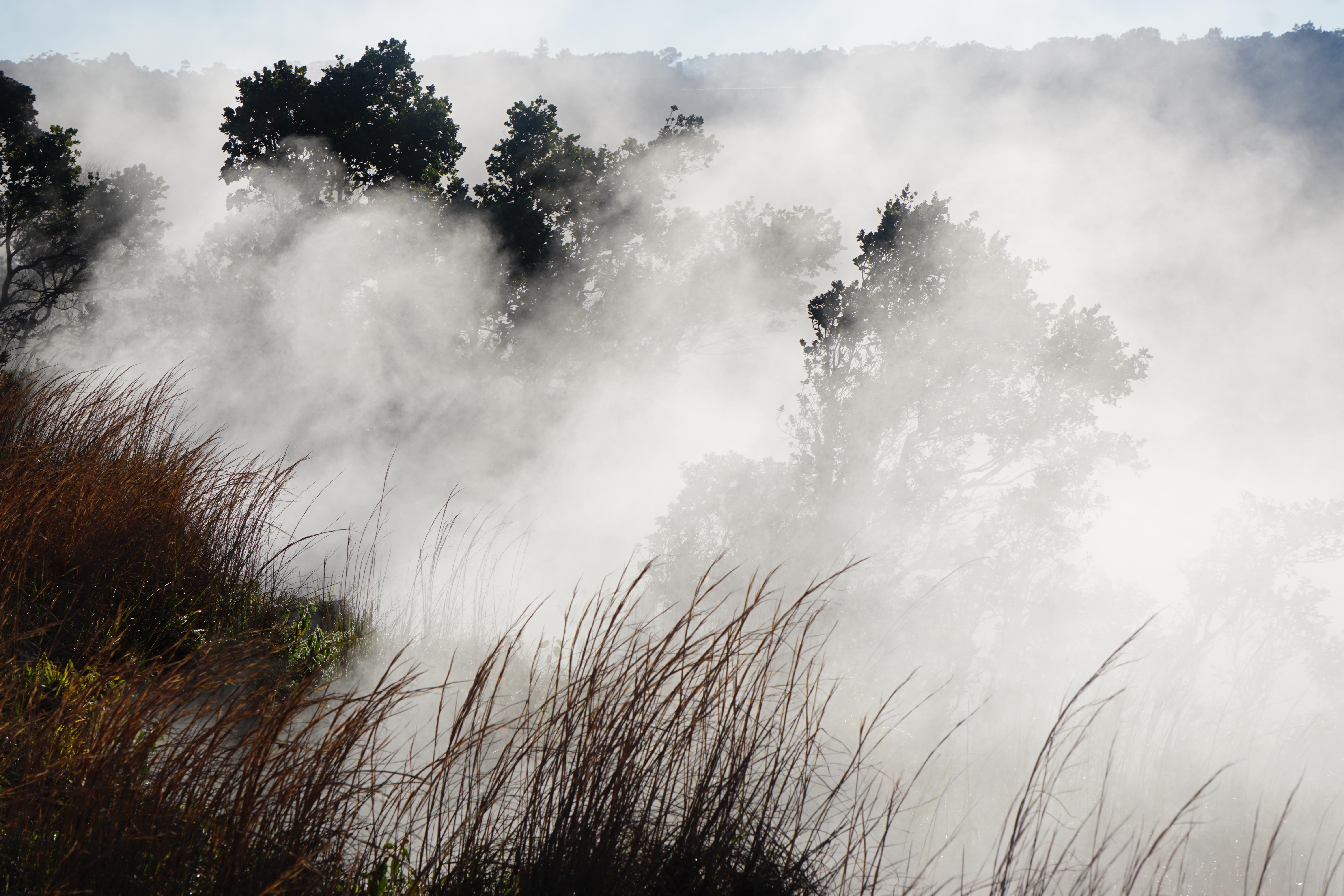
Is Hawaiʻi Volcanoes National Park worth it?
Hawaii Volcanoes National Park presents an extraordinary case among national parks.
Spanning from sea level to over 13,000 feet, it encompasses two of the world's most active volcanoes: Kilauea and Mauna Loa. The landscape is visibly and measurably alive. For those seeking engagement, the park offers substantial rewards. Entry is $15. The documented breadth and access set it apart. Opportunities exist to stand on an active caldera rim, traverse hardened lava fields, and descend from alpine zones to a coastal plain. These activities are all possible within a single day. The park's 24-hour access policy provides unusual flexibility. This is a destination for immersive exploration, not a quick stop. Its geology, endemic birdlife, and the cultural history of Native Hawaiian connection to the land all demand significant time and attention. Casual sightseers should look elsewhere.
The case for it
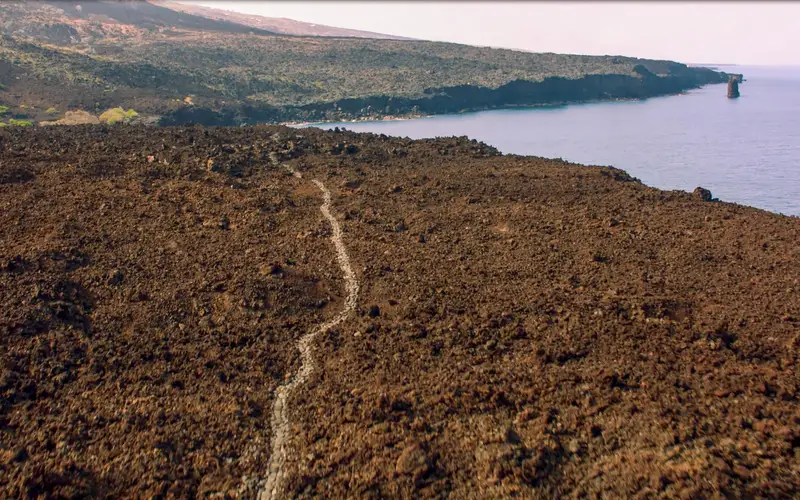
This park prioritizes the dramatic elevation changes that define it. Begin at the Kilauea summit. Museum exhibits and a park film provide essential geological context before exploring the caldera rim. Chain of Craters Road descends toward the coast, transitioning from forest to an exposed, wind-scoured lava plain. Deeper immersion is available. Backcountry camping and multi-day hiking reveal terrain most visitors miss. Birdwatchers will find value here; the park protects endangered native Hawaiian species within rare intact forest zones. Guided tours enhance understanding of volcanic and cultural themes. Biking offers a way for non-hikers to cover significant ground. The 24-hour access allows for varied experiences, from early morning light to nocturnal viewing. This park rewards those seeking active engagement with its singular environment.
Who it is for
This destination offers substantial rewards for geology enthusiasts, serious hikers, and campers, alongside families with inquisitive children. Birdwatchers, in particular, will find a compelling draw in its endemic Hawaiian species. Travelers seeking a passive, comfort-focused experience should consider the terrain and variable weather conditions. This is not a park for a hurried visit.
Best time to visit
This park remains open every day of the year. Effective planning for weather is essential here; microclimates create significant variation. Kilauea's summit, at nearly 4,000 feet, often presents with cool, rainy conditions. Conversely, the coastal plain accessible via Chain of Craters Road is notably hot and dry. Layered clothing is a must. Consult current volcanic activity reports before any visit.
Worth seeing
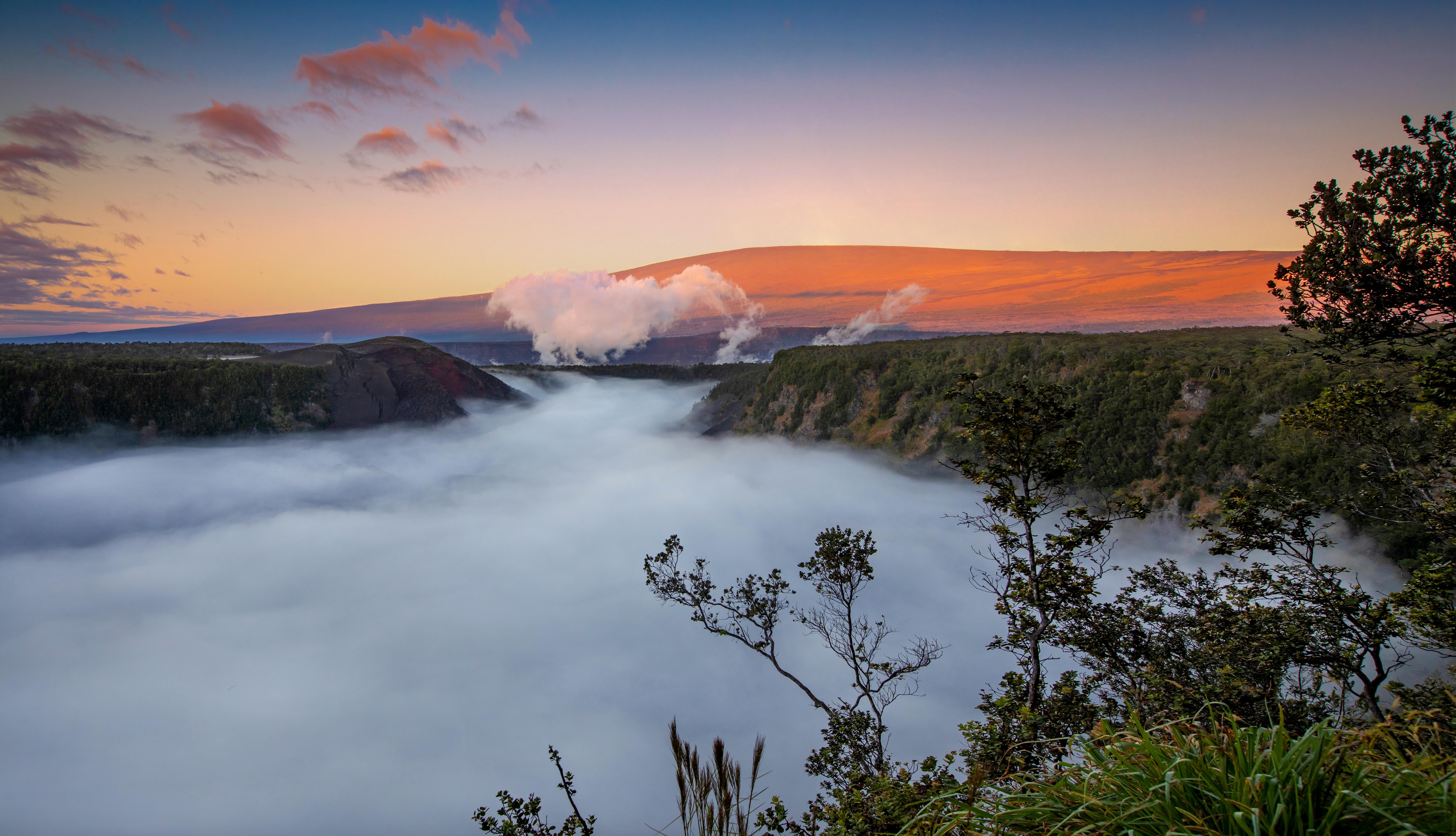
- Standing on the rim of the active Kilauea caldera, one of the most dynamic volcanic landscapes on Earth
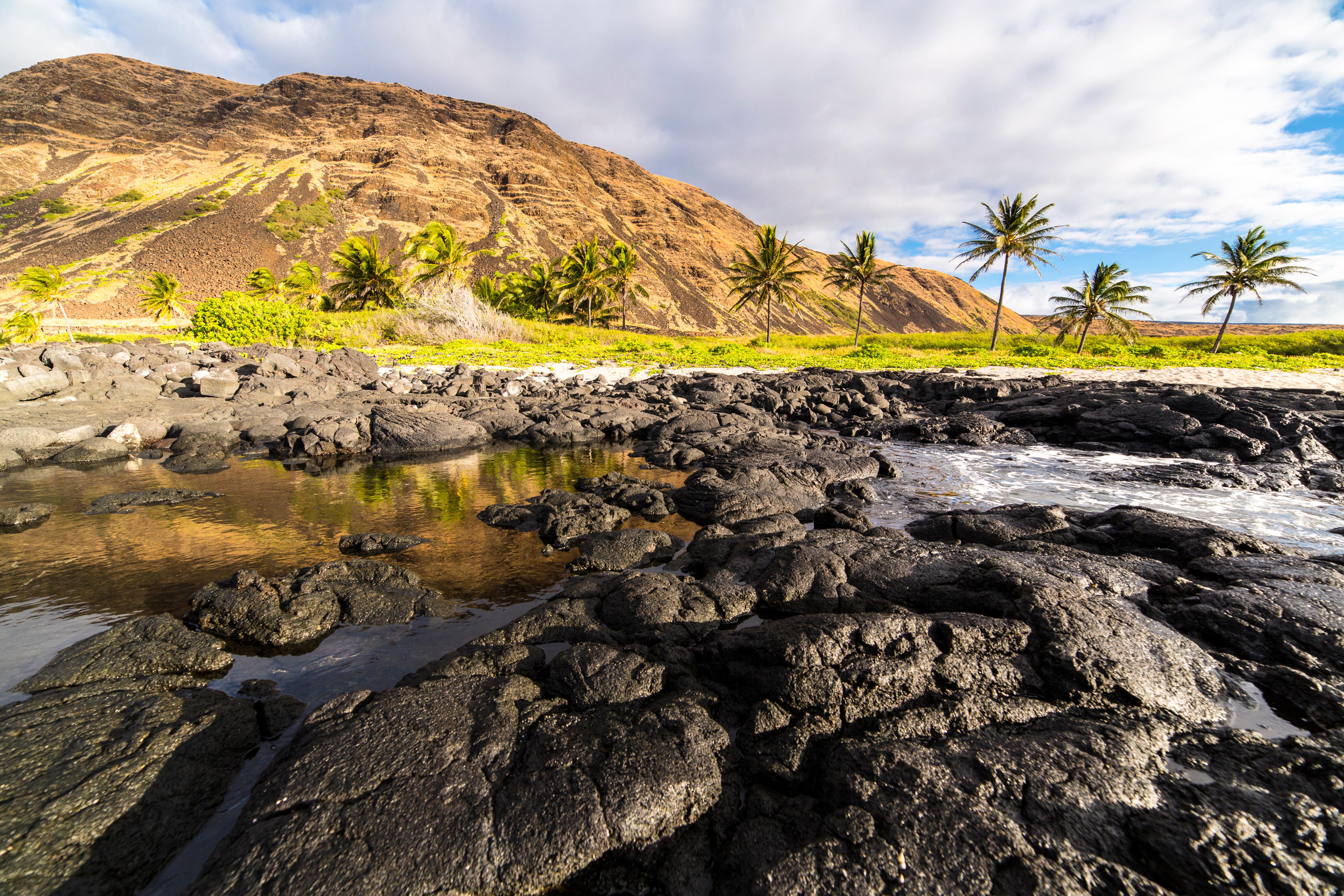
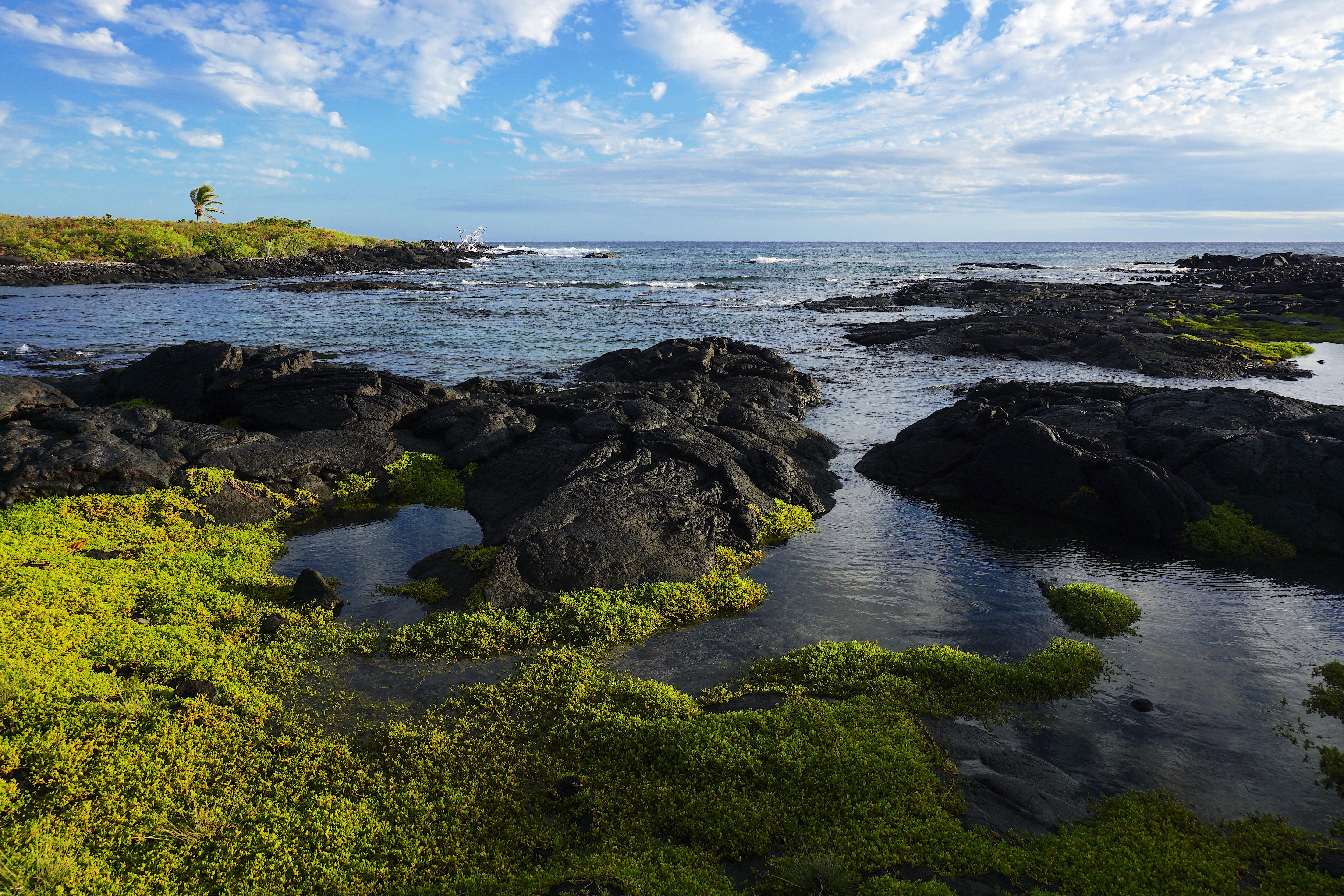
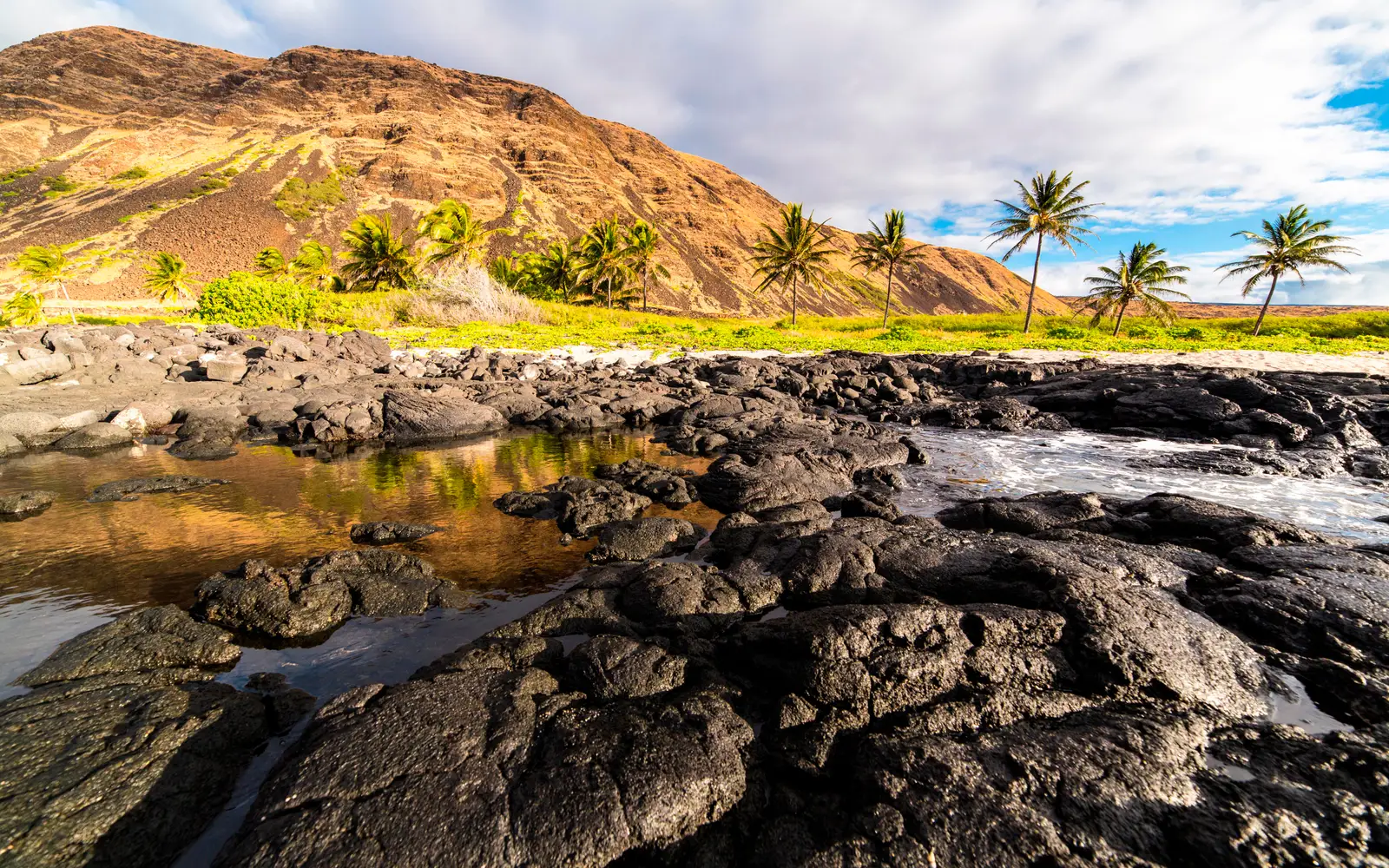
- Driving Chain of Craters Road through a full elevation and climate transition from forest to lava coast
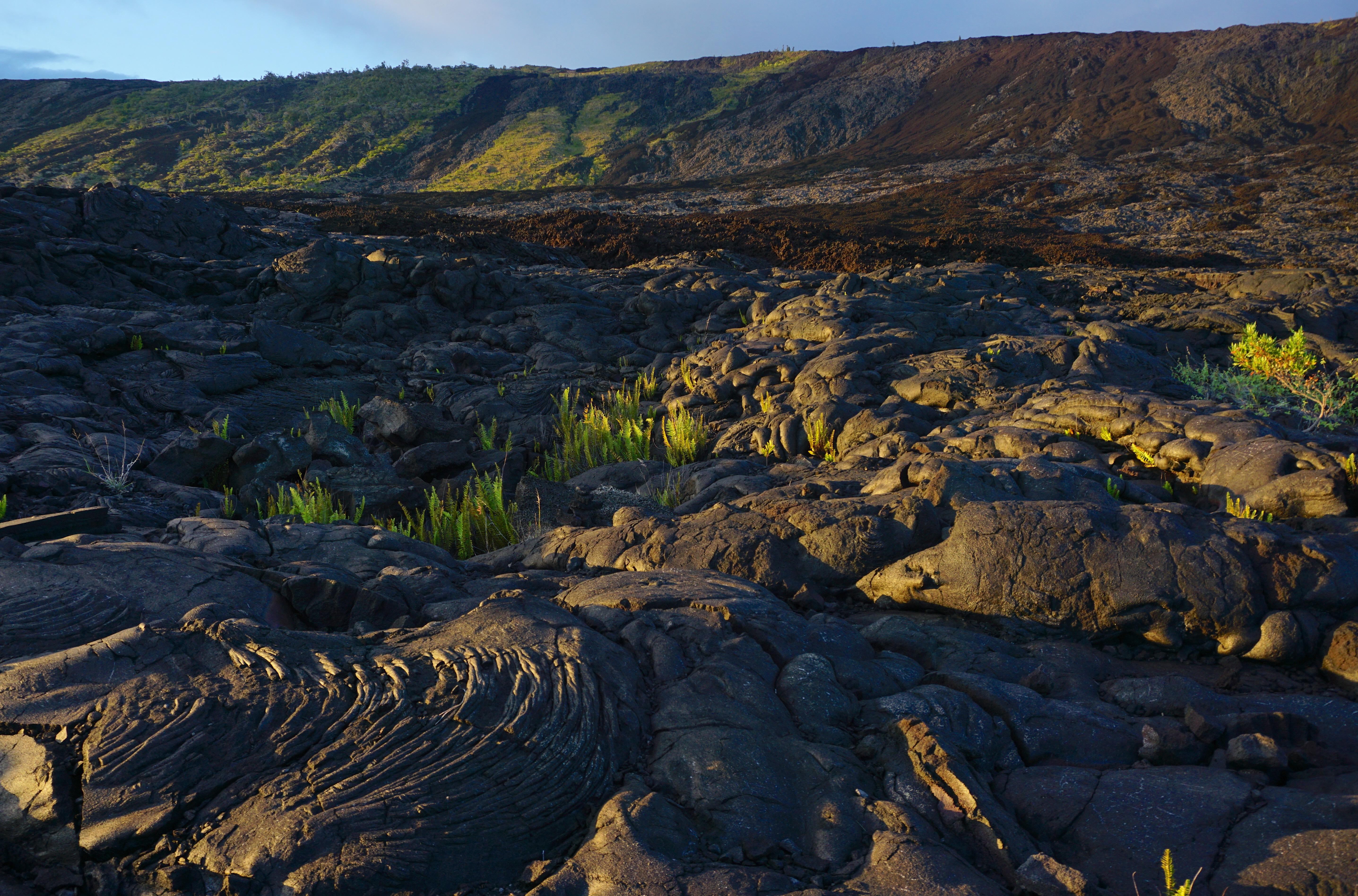
- Backcountry hiking and camping in terrain shaped by recent eruptions
- Birdwatching for endangered endemic Hawaiian species in protected native forest
- Museum exhibits and a park film that ground the geology and Native Hawaiian cultural significance
- 24-hour park access allowing dawn, dusk, and nighttime visits with dramatically different atmosphere
Before you visit
Entrance is $15 per vehicle and the park runs 24 hours a day, every day of the year. Cell service is limited in large sections of the park. The temperature difference between the summit area and the coastal plain can exceed 15 degrees, so carry layers even on a warm day. Check current volcanic activity and trail conditions on the NPS site before you go, as access points can change.
Our tipThe Kilauea summit area demands a late afternoon or evening visit. Its caldera and surrounding features transform after dark. With 24-hour access, visitors can experience this dramatic shift without rushing. Prioritize an evening arrival to fully appreciate the park's nocturnal display.