Puʻuhonua o Hōnaunau National Historical Park: our verdict
Puʻuhonua o Hōnaunau is a compact but genuinely compelling Hawaiian historical park on the Big Island's Kona coast, built around the concept of the puʻuhonua, a sacred place of refuge in ancient Hawaiian society.
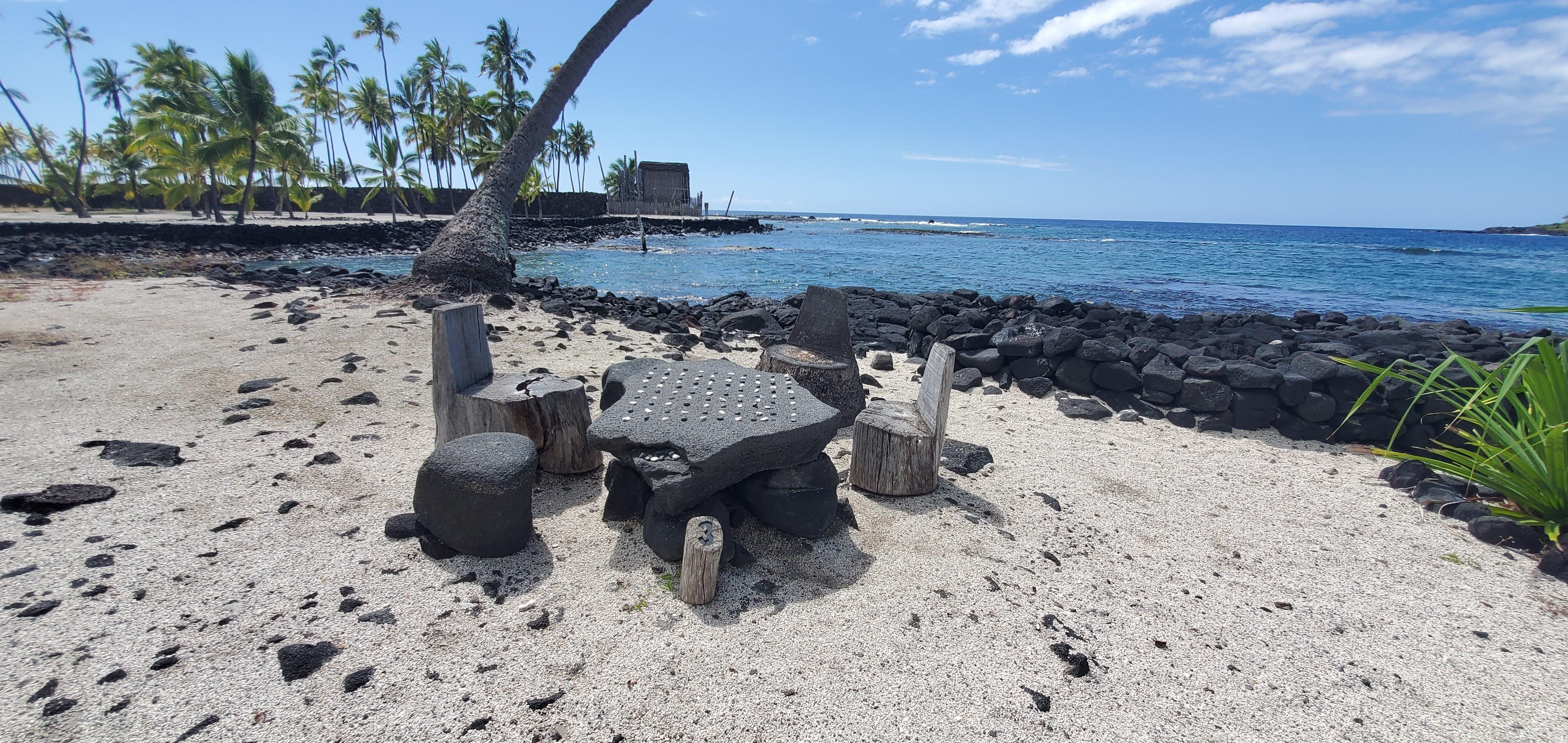
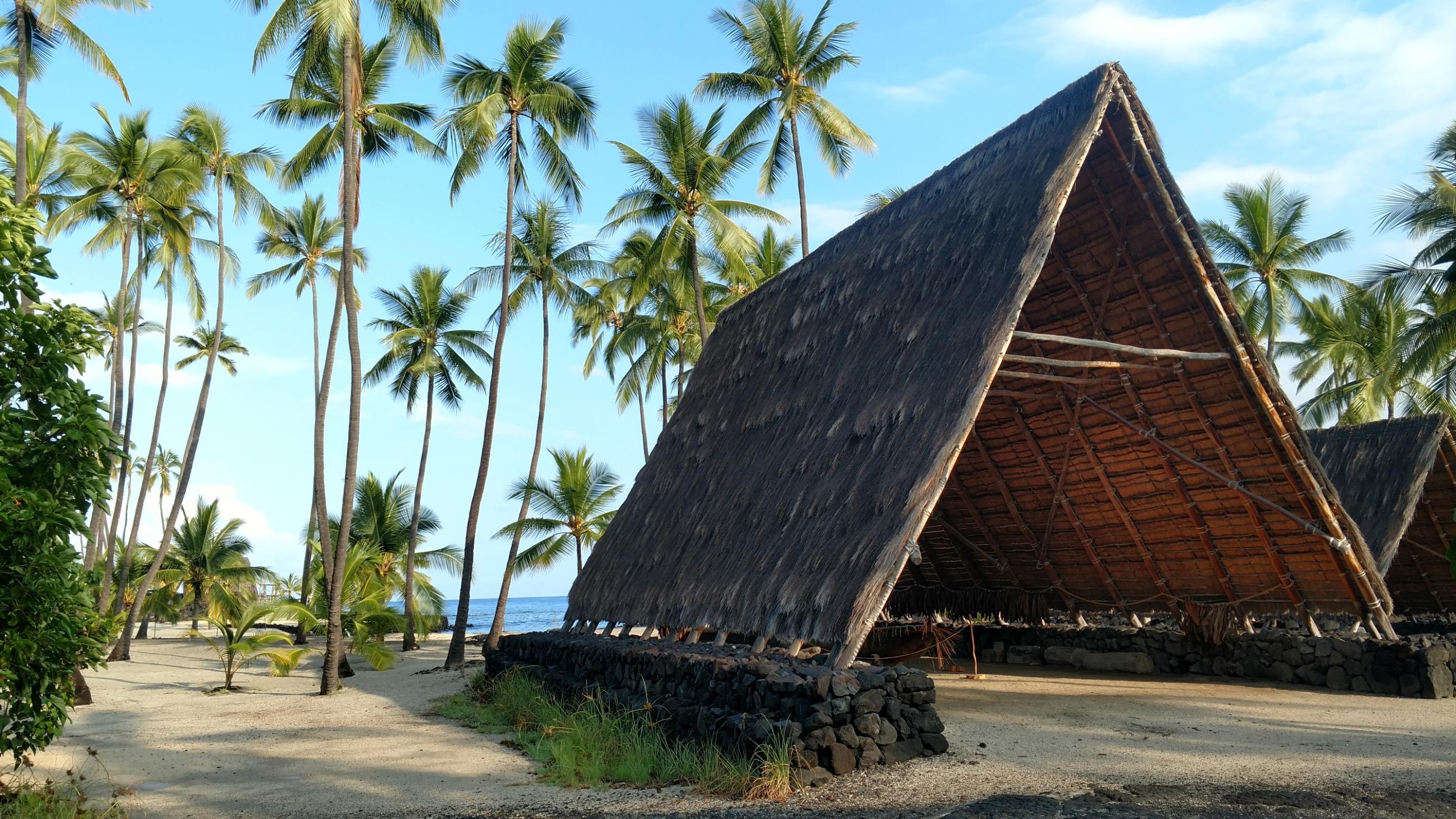
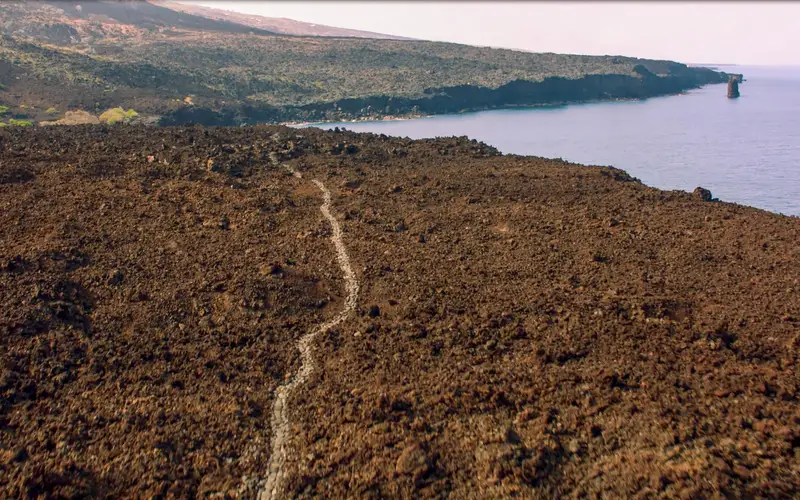
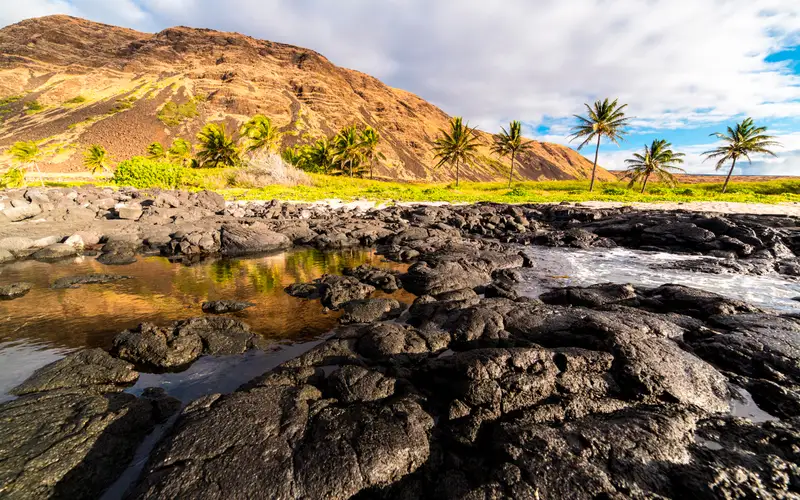
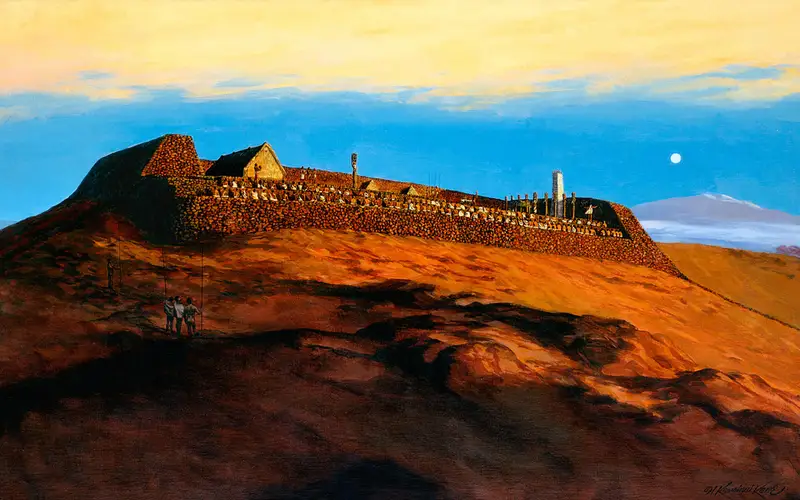
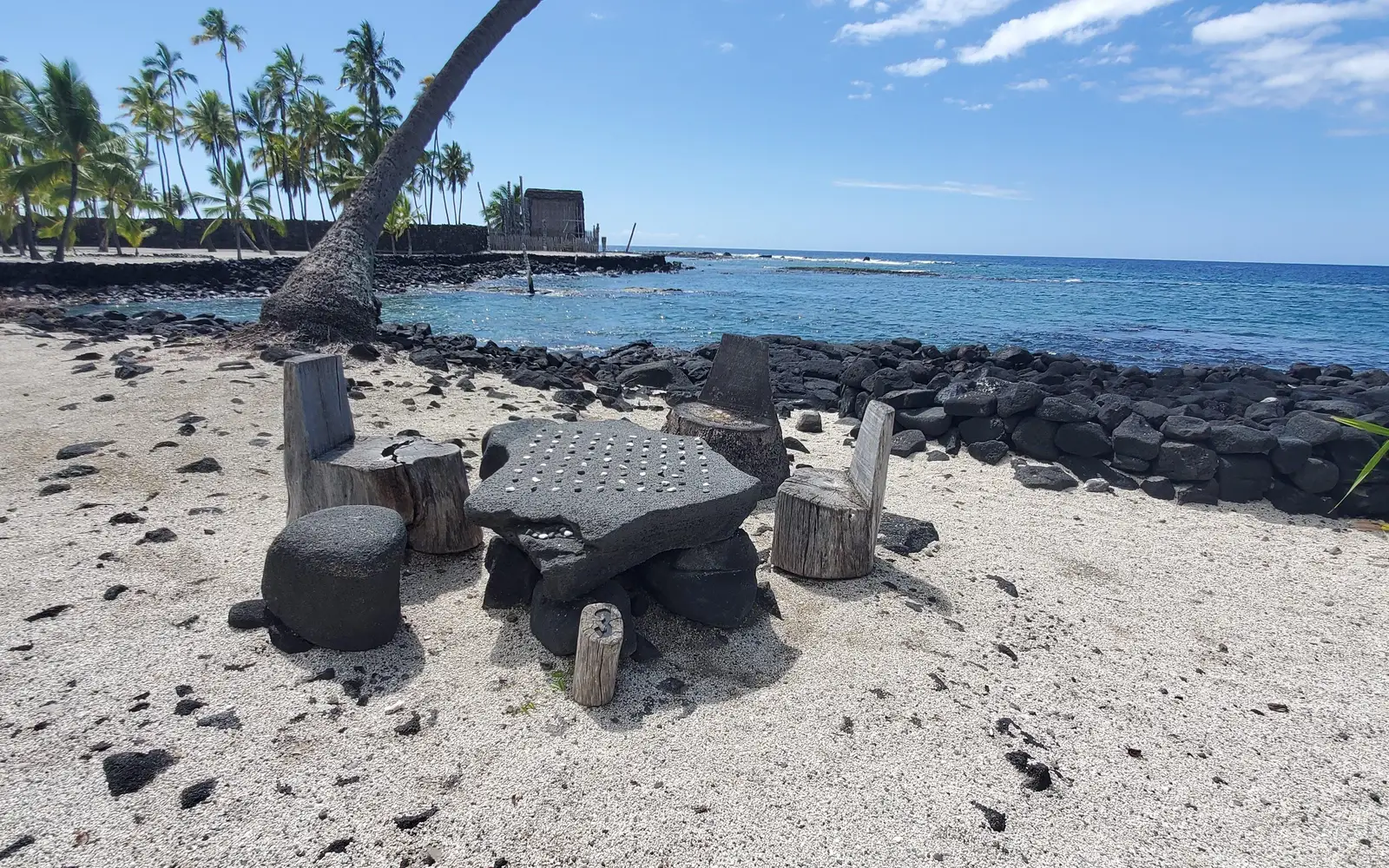
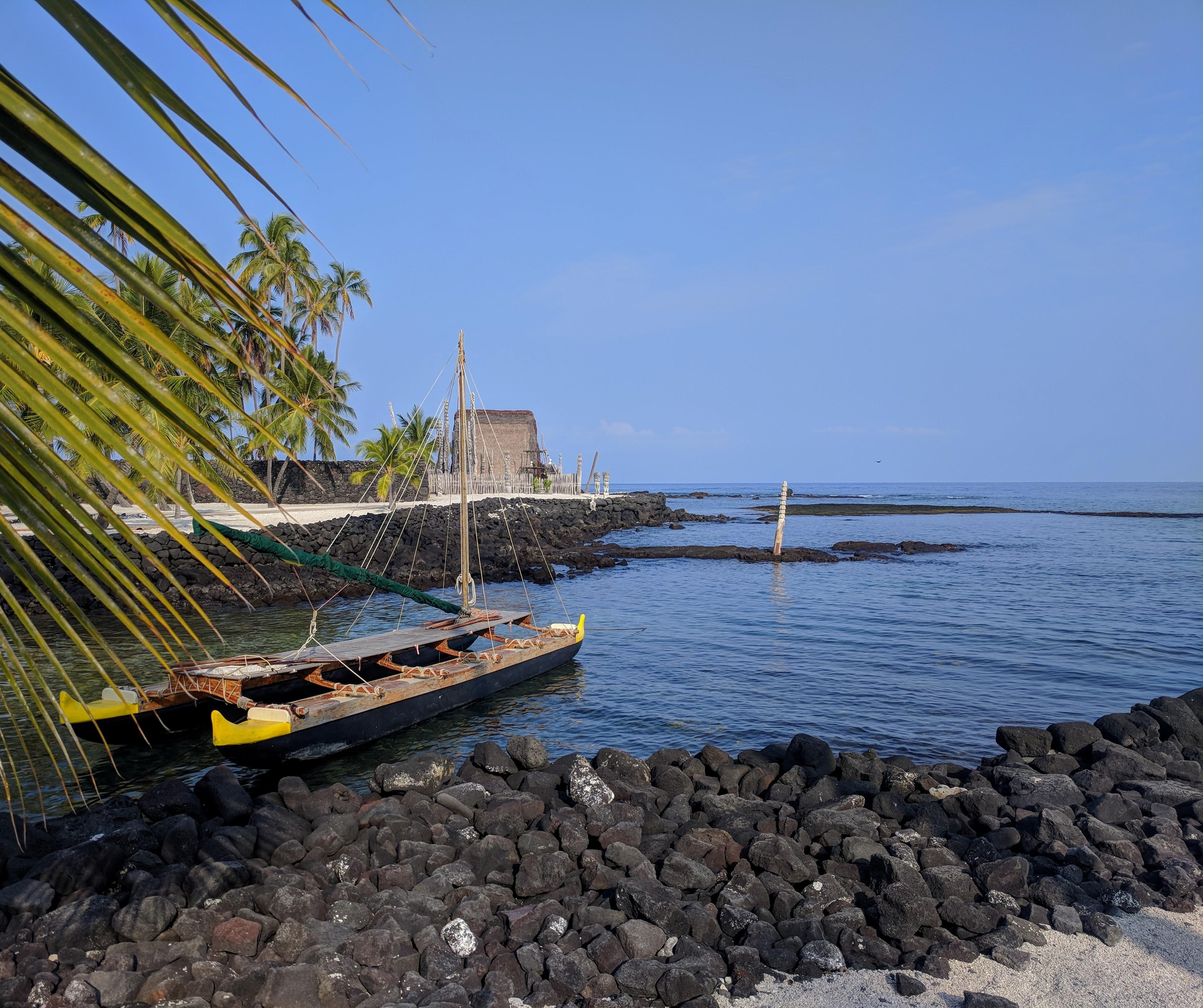
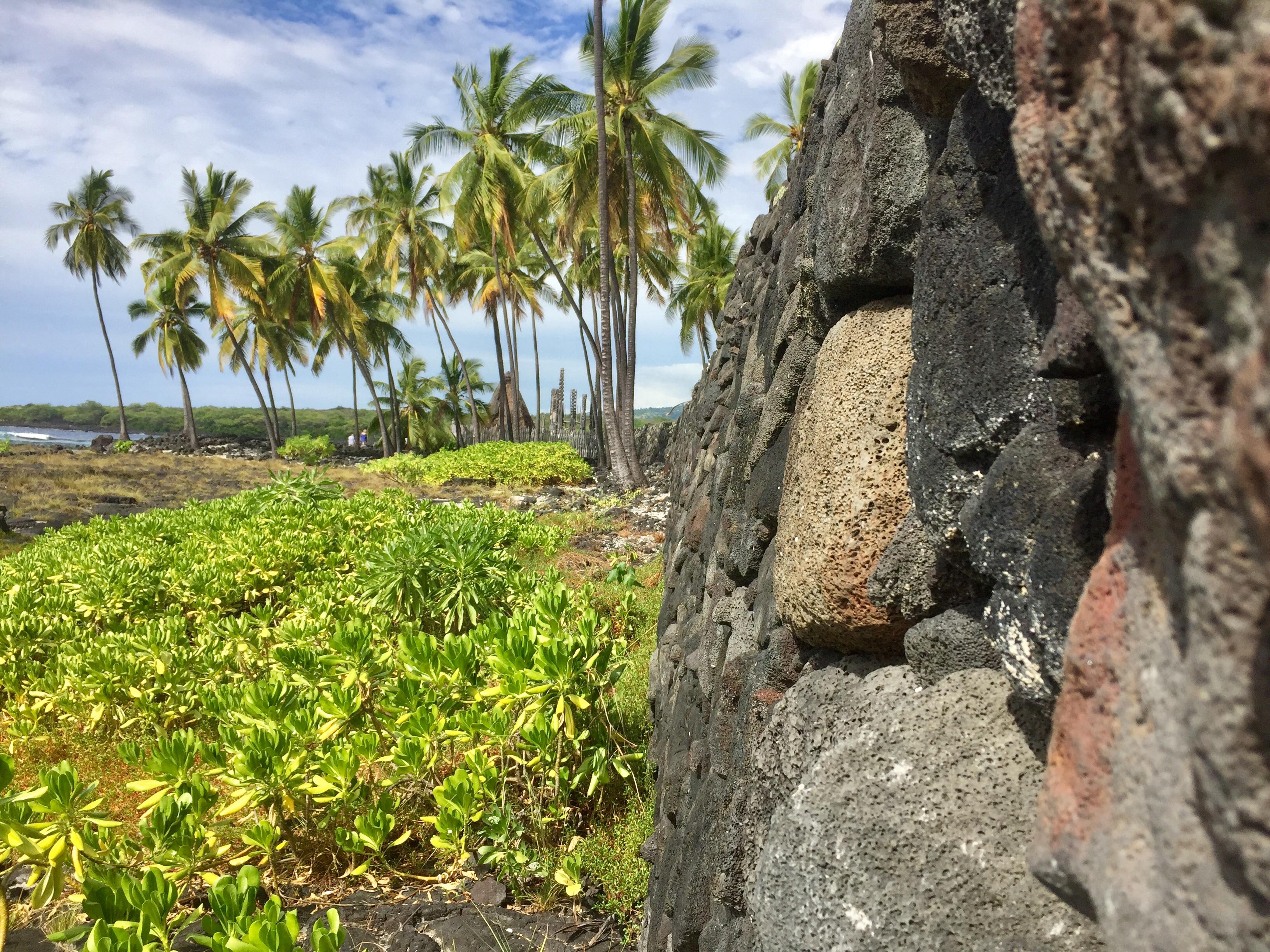
The grounds preserve royal fishponds, carved ki'i akua (wooden deity figures), stone walls, and ceremonial platforms within a few walkable acres of dramatic lava coastline. It is not a hiking destination in the traditional sense, but the combination of cultural demonstrations, snorkeling in the adjacent bay, wildlife watching, and well-interpreted self-guided walking makes for a rich half-day to full-day visit. With free admission and a beach-adjacent setting, it punches well above its physical size. History-focused visitors and families will get the most out of it, though casual beachgoers drawn purely by the water will find the cultural layer impossible to ignore.
Why visit
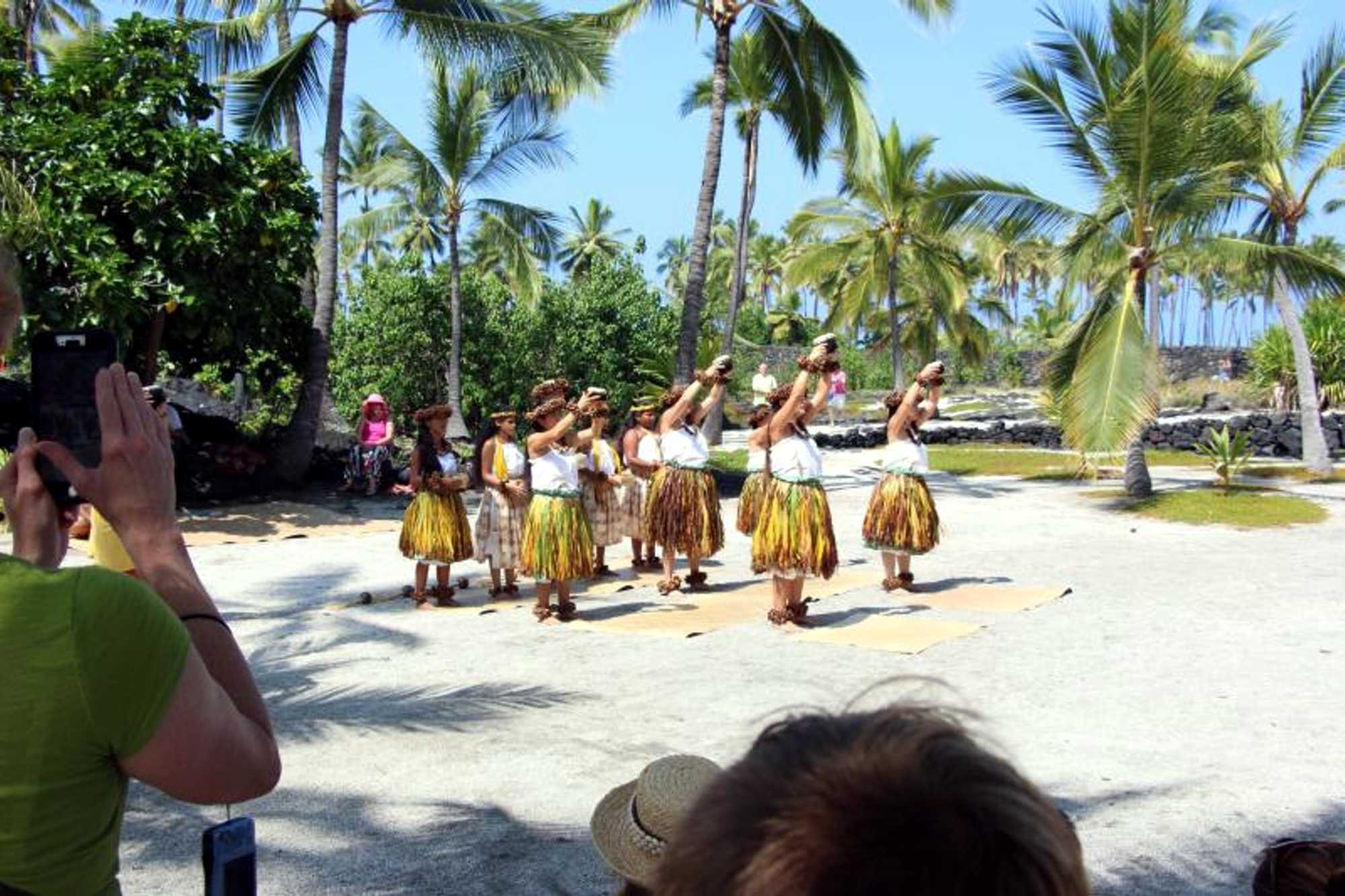
This park rewards an early start. Begin at dawn, when cooler temperatures and striking light enhance the lava rock landscape. Take your time exploring the self-guided grounds, including reconstructed temple platforms and the royal enclosure. Seek out cultural demonstrations where rangers and practitioners illustrate traditional Hawaiian practices. Snorkeling offshore is excellent, with clear water and accessible coastal entry points. For a quieter experience, the shoreline offers rewarding birdwatching for coastal Hawaiian species. Inside the visitor center, museum exhibits add historical depth. A park store offers books and cultural items. With free admission, there is no need to hurry.
Who it suits
This park caters effectively to history and culture enthusiasts. Families with children will appreciate the hands-on demonstrations and the Junior Ranger program. Snorkelers gain a free, uncrowded alternative to resort beaches. This location is a poor choice for visitors seeking strenuous hiking or backcountry adventure. Those desiring a purely passive beach experience may find the interpretive focus exceeds their expectations.
Timing your visit
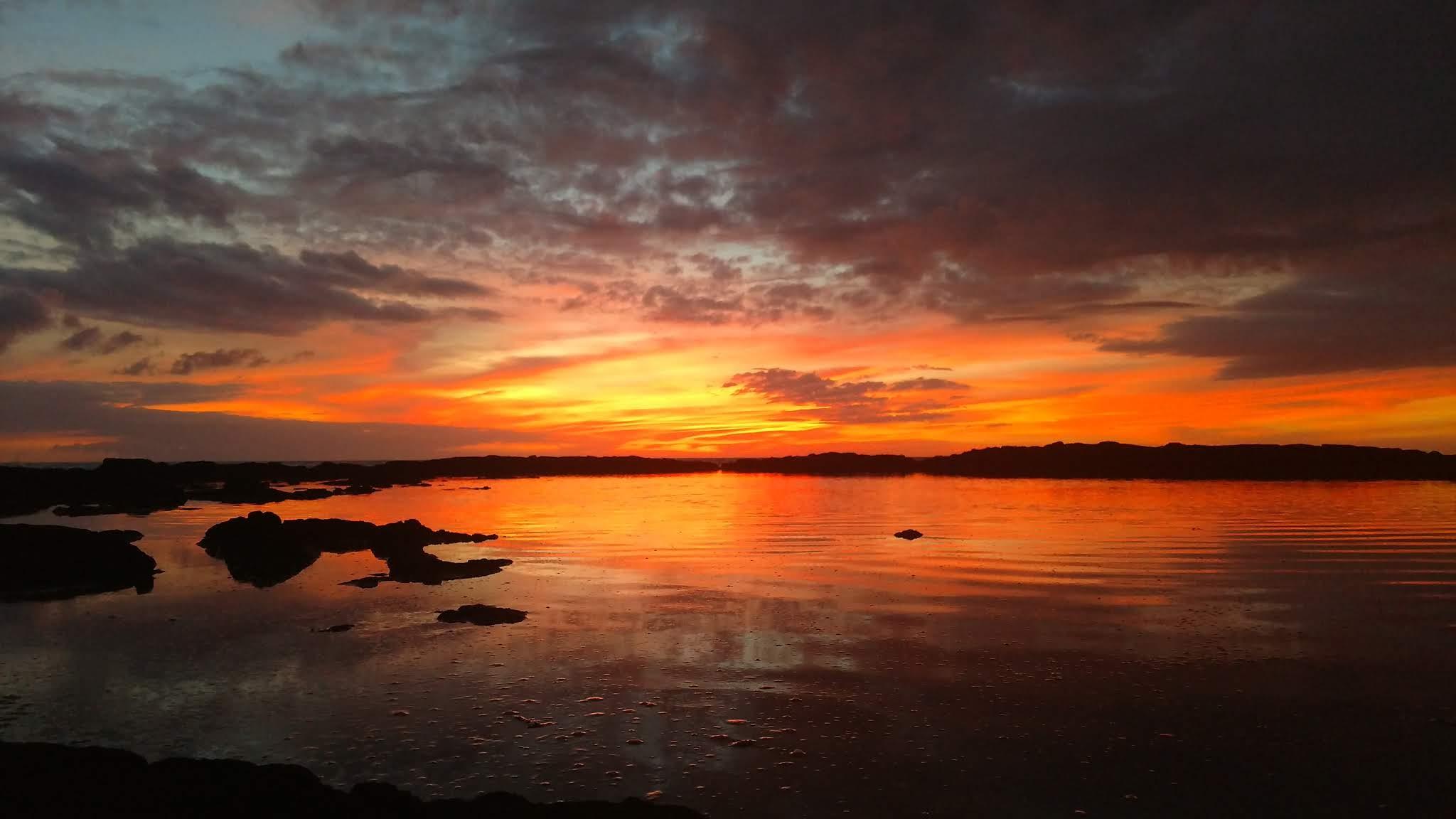
Morning visits are strongly recommended, especially given consistent daytime highs in the upper 80s. Late afternoon offers another prime viewing window before sunset closures, which vary seasonally. Consult the park's official Facebook page or call ahead for precise closing times. Be aware that sudden high winds or storms on the Kona coast can lead to park closures.
What stands out
- Walking the reconstructed royal grounds and ceremonial platforms on a self-guided tour along the lava coastline
- Live cultural demonstrations connecting visitors to traditional Hawaiian practices
- Free snorkeling access in the clear, protected waters directly adjacent to the park
- Wildlife and birdwatching opportunities along the rocky shoreline
- Museum exhibits providing historical context for the puʻuhonua refuge system
- Junior Ranger program making the cultural history accessible and engaging for children
Good to know
Admission is free, a rarity for a site of this caliber. Located on the Big Island's south Kona coast, approximately 20 miles south of Kailua-Kona, the park necessitates a dedicated drive. Closing times vary with sunset; these are often not clearly posted. Consult the visitor center or the park's Facebook page before a late-afternoon visit.
Insider tipSnorkeling requires personal equipment; the park provides no rentals. Rocky entries mean reef shoes are a practical necessity for comfortable water access.