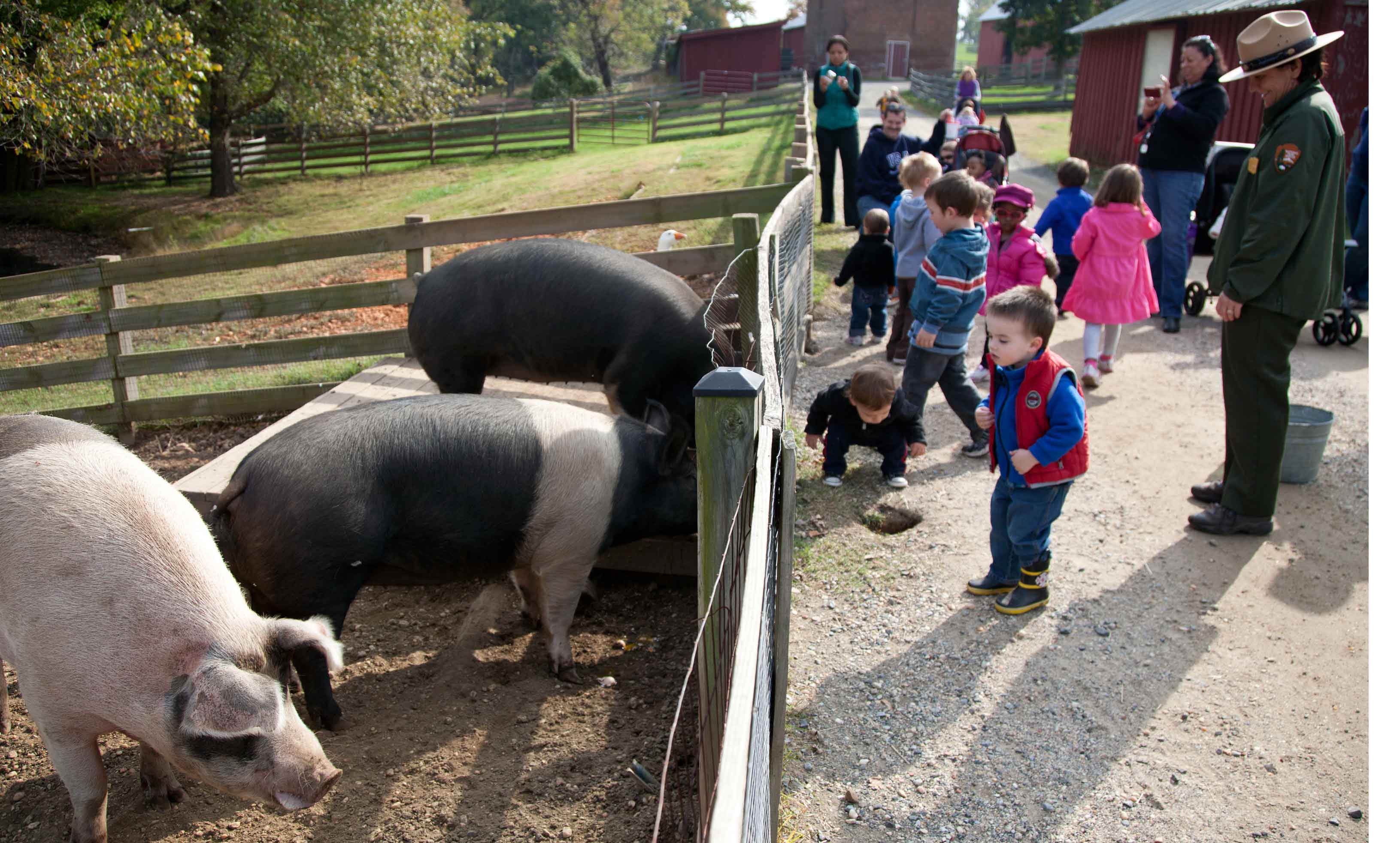
Oxon Cove Park & Oxon Hill Farm: our verdict
Oxon Cove Park and Oxon Hill Farm offers a distinctive, family-oriented experience focused on agricultural heritage, not wilderness.
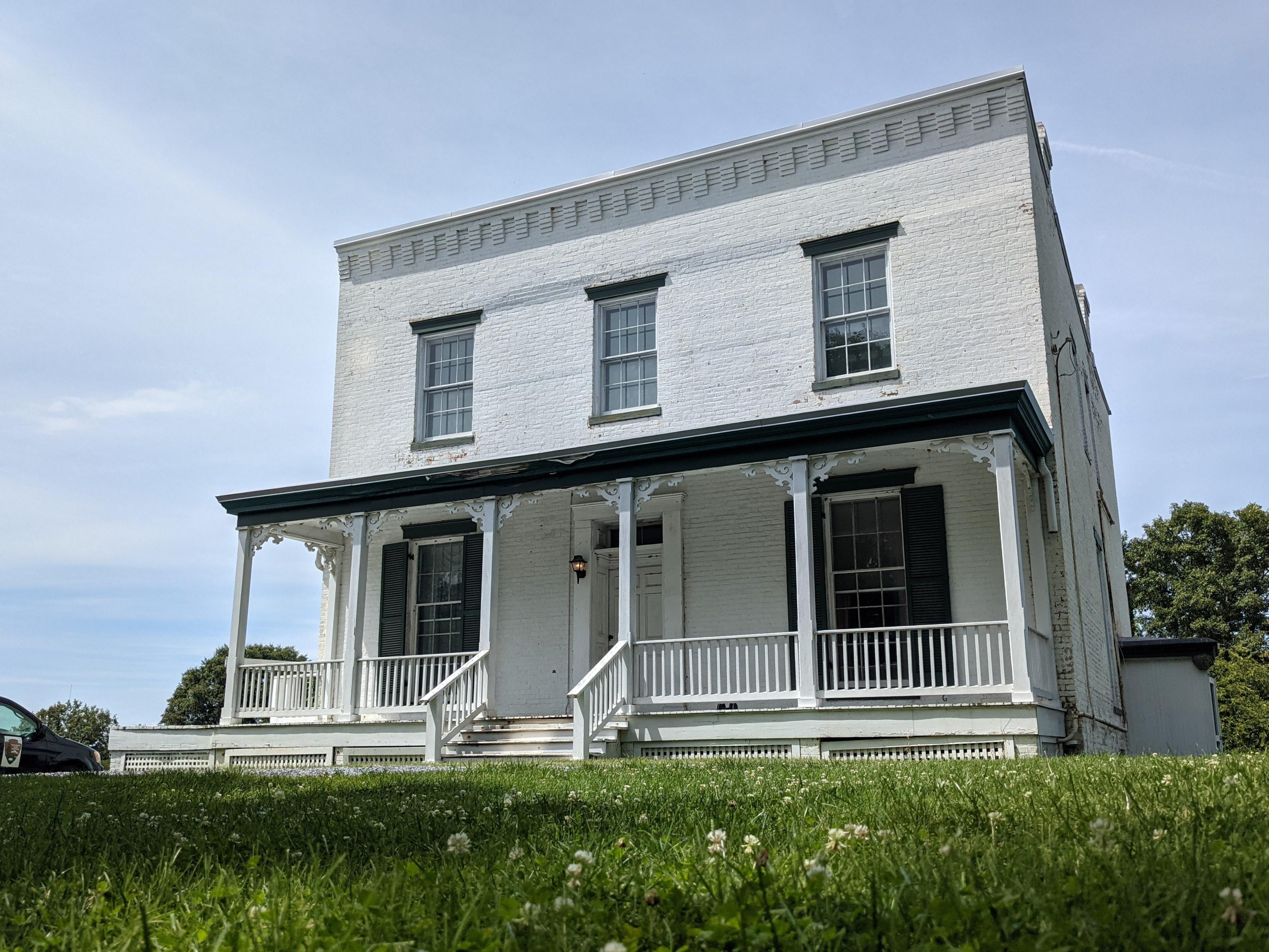
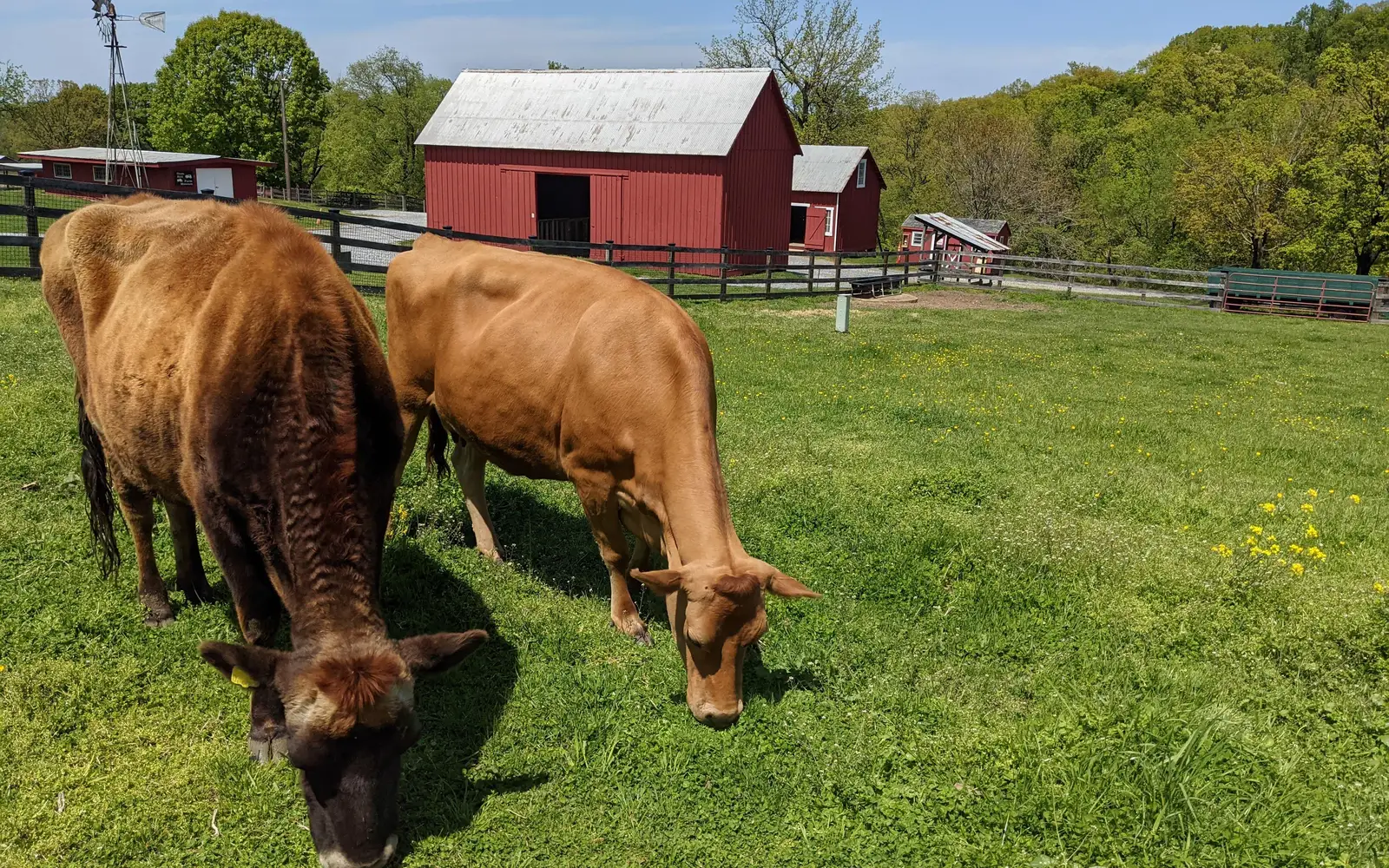
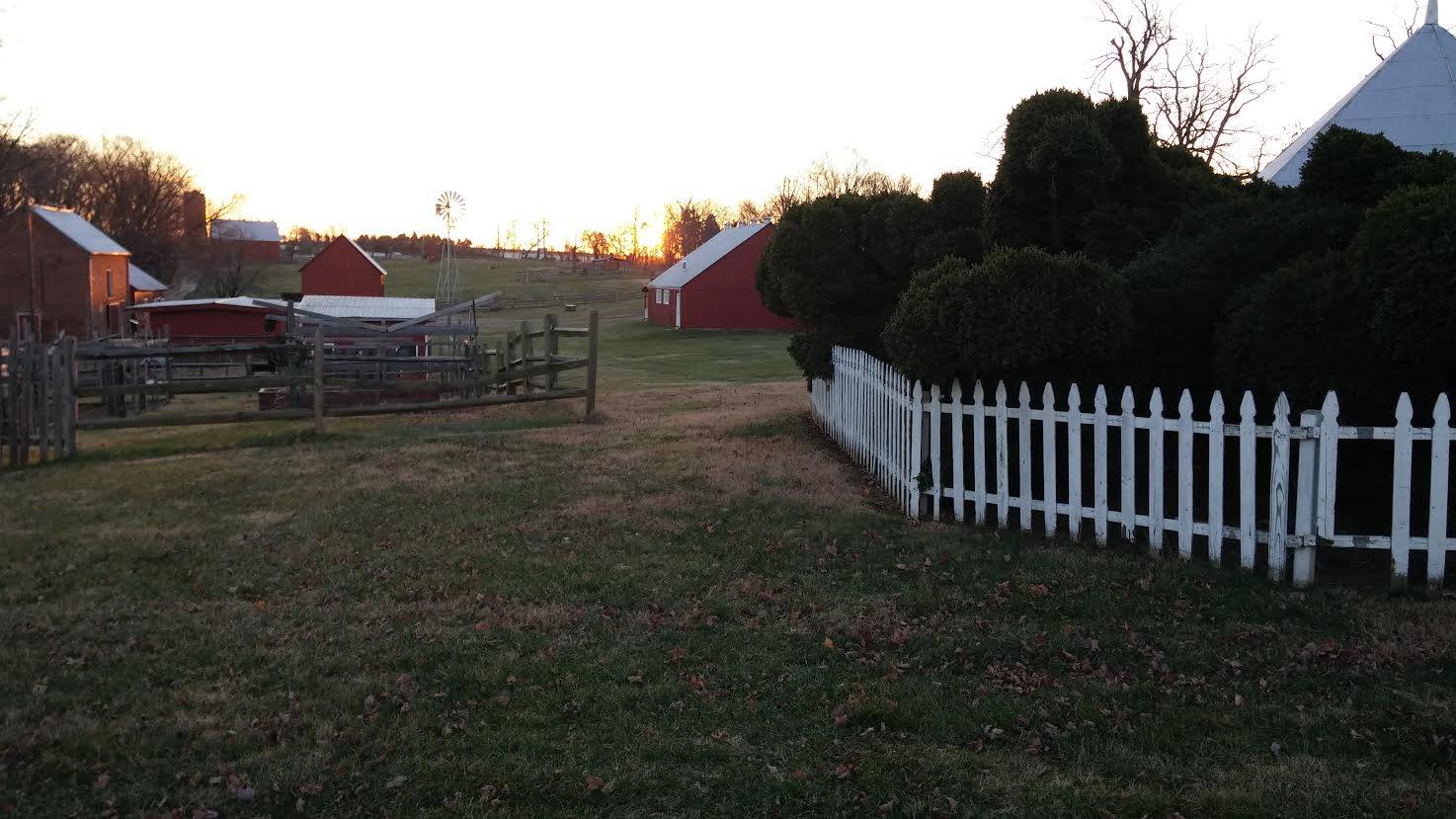
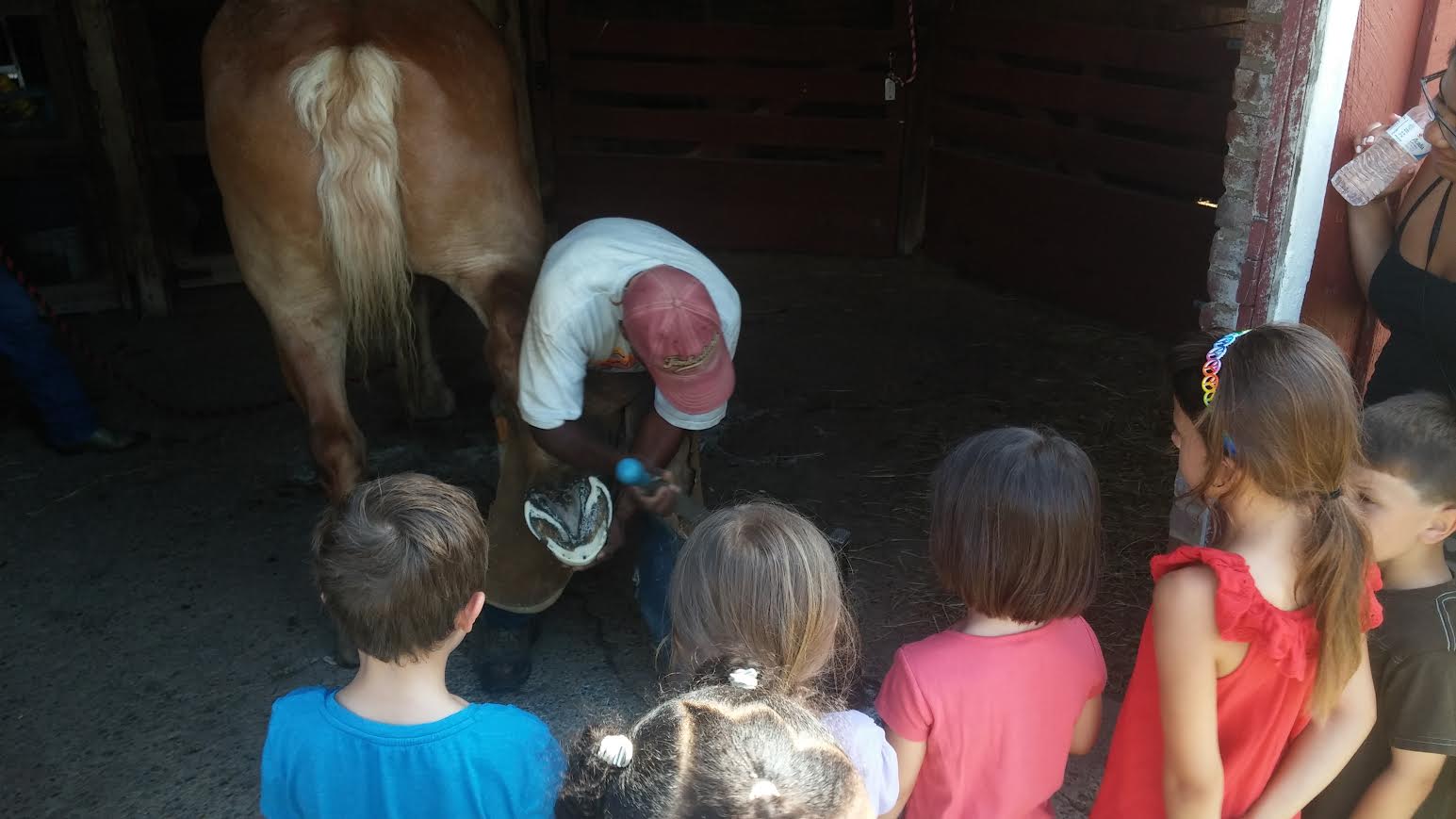
Situated in Maryland, this free NPS unit provides a tangible link to history, evolving from a plantation to a Civil War hospital farm before becoming a public park. This layered past imbues the site with significant historical weight, elevating it beyond a simple petting zoo. Visitors can expect to explore farm grounds, observe or participate in hands-on agricultural demonstrations, and engage in birdwatching along the cove. Children have opportunities to interact with animals and complete the Junior Ranger program. The park operates on a half-day schedule, closing daily at 4:30 p.m. For Washington D.C.-area families or those with a specific interest in agricultural history, it presents a low-cost, tactile option. Interstate travelers should consider it as part of a broader regional itinerary.
Why visit
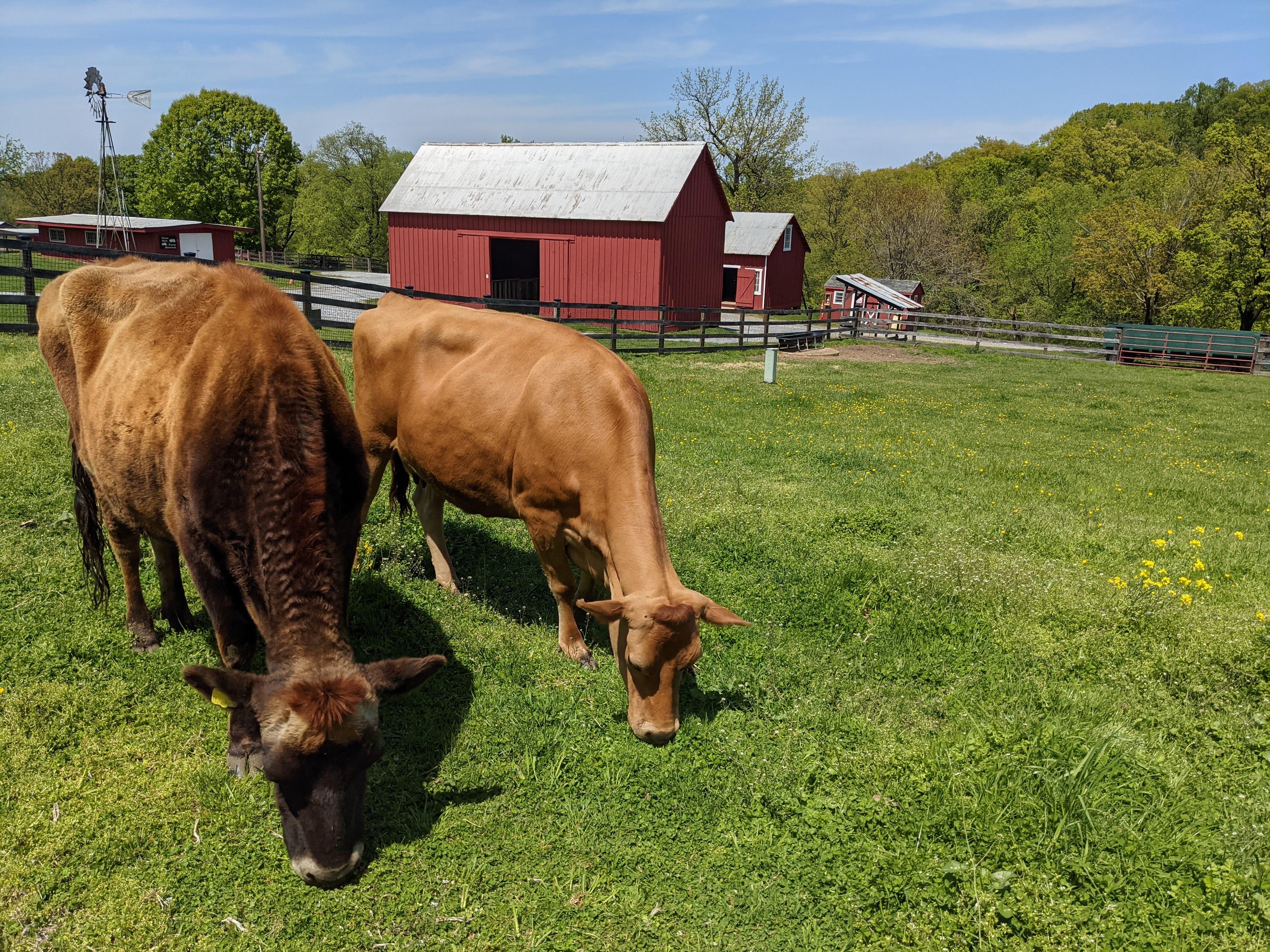
This unit's primary appeal lies in its active farm programming, a living exhibit maintained by the National Park Service. A substantive visit could encompass a guided tour detailing the site's evolution from plantation to hospital farm to public land. Subsequent exploration by foot or bike around the cove is recommended. Birdwatching along the waterfront offers a tranquil contrast to the farm'
Who it suits
This park caters to D.C.-area families with young children and school-aged kids interested in hands-on farm and nature programming. History enthusiasts will find Maryland's agricultural and institutional past well-represented. Hikers or wildlife photographers seeking remote or expansive terrain will be disappointed. For out-of-state visitors, this unit functions best as an add-on to a broader D.C.-area trip, not a standalone destination.
Timing your visit
Cooler days in spring and fall present the best visiting conditions, especially for observing active farm animals. Summer visits are viable, but high heat and humidity necessitate early morning arrival, ideally before midday, given the 8:00 a.m. opening. Winter access remains possible. Dress warmly. Expect reduced outdoor animal activity.
What stands out
- Hands-on farm programming tied to the site's real working-farm history
- Guided tours covering the park's evolution from plantation to hospital farm to NPS unit
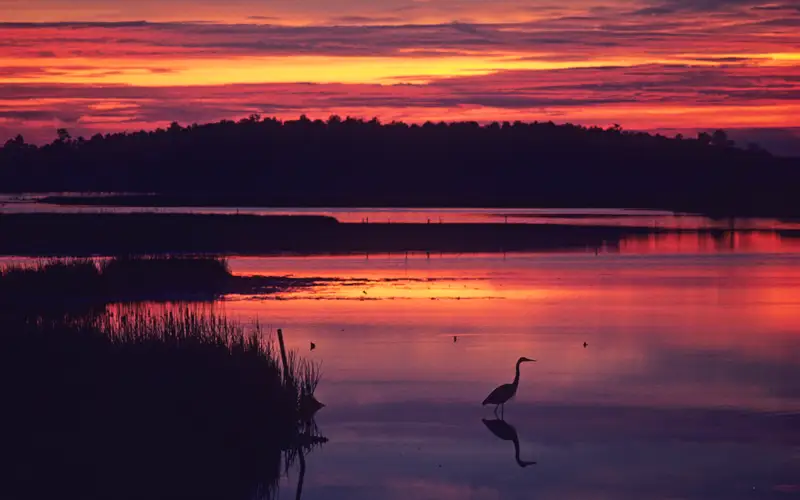
- Birdwatching and wildlife watching along Oxon Cove
- Junior Ranger program providing structured engagement for children
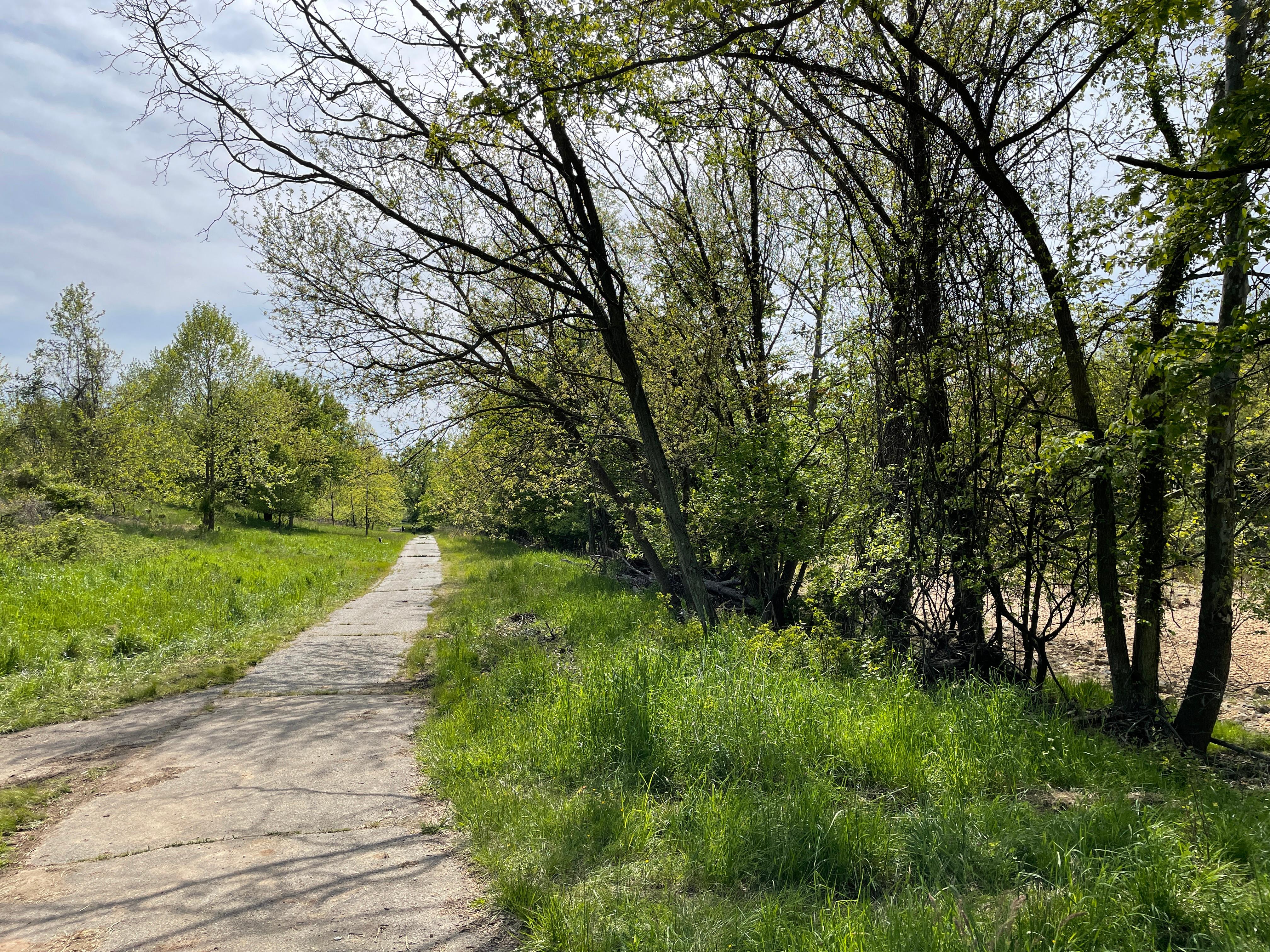
- Biking and self-guided walking on farm and cove grounds
- Free admission with picnic areas for a relaxed family outing
Good to know
Admission is free, with daily hours from 8:00 a.m. to 4:30 p.m. Plan your arrival to allow ample time for tours or programs. Closed-toe shoes are recommended attire for the farm environment. A bookstore and park store are available. Consult the NPS website for current program schedules, as hands-on demonstrations vary by day.
Insider tipThe National Park Service suggests cooler temperatures enhance farm animal activity. Optimal viewing conditions, reduced crowding, and increased staff availability are probable on a crisp weekday morning in October or early November. Summer weekends will present a different experience.