Is Monocacy National Battlefield worth your trip?
Monocacy National Battlefield commemorates the July 9, 1864 Civil War battle that delayed a Confederate advance on Washington, D.C.
This strategic significance forms the core of the park's offerings. It provides a free, well-maintained site with a visitor center, a self-guided auto tour, and walking trails along the Monocacy River. Living history programming occurs regularly. This is not a wilderness park. The footprint is modest. However, for Civil War history enthusiasts, families seeking an educational outing near the D.C. metro area, and paddlers desiring a calm river run with historical context, Monocacy delivers. Free admission makes it an accessible choice.
Why go
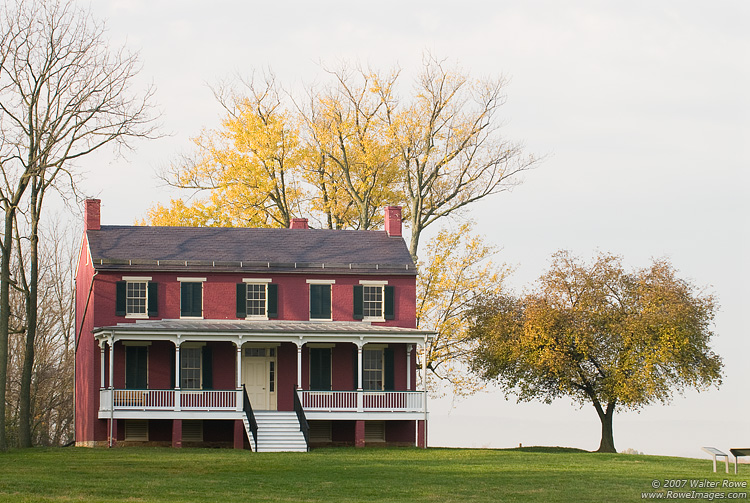
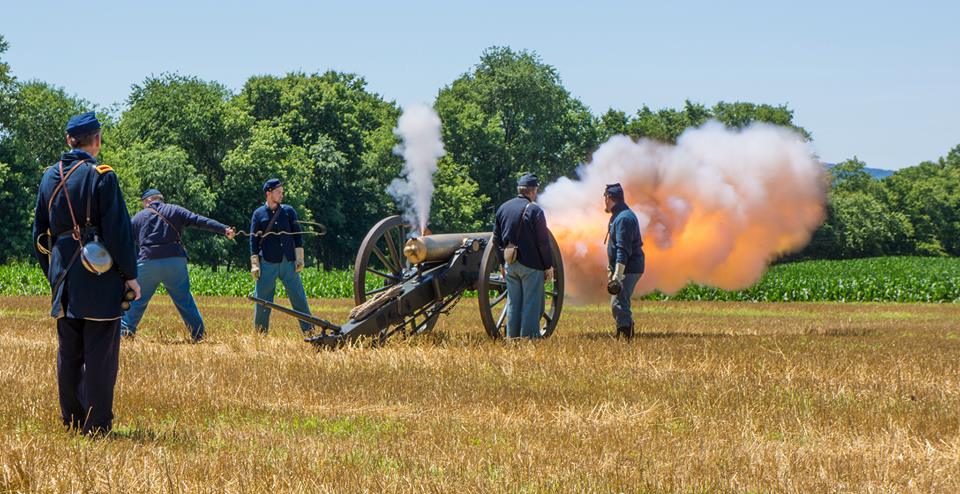
A visit here best integrates multiple activities. Drive the self-guided auto tour to grasp battlefield topography and key positions. Afterwards, walk the river-corridor trails for a closer look at the Monocacy, where direct fighting occurred. Weekend living history events and historic weapons demonstrations elevate the interpretive experience. These provide first-person accounts of outnumbered Federal soldiers, surpassing static signage. For paddlers, canoeing or kayaking the Monocacy offers a distinct vantage point of the historic landscape. The park store and bookstore offer extensive resources on the 1864 Maryland Campaign. The Junior Ranger program engages younger visitors effectively.
Best for
This unit offers substantial educational value, particularly for Civil War history enthusiasts and families within the D.C. and Frederick vicinity. For those seeking calm, flatwater paddling enriched by historical context, it presents a compelling option. However, visitors prioritizing dramatic mountain scenery or extensive backcountry hiking will find it wanting. This is a focused historical and interpretive site. It does not provide a multi-day outdoor adventure experience.
Best season
Optimal visitation occurs in spring and fall. Highs in the upper 60s provide comfortable walking. October brings notable fall foliage to the Monocacy River corridor. Summer averages 87 degrees; early arrival is essential for any midday activity. Consult the park schedule for living history and weapons demonstration events, which are not daily occurrences.
The high points
- Self-guided auto tour covering the battlefield terrain where Federal troops held against a force three times their size
- Walking trails along the Monocacy River corridor, putting visitors directly on the ground where the fighting occurred
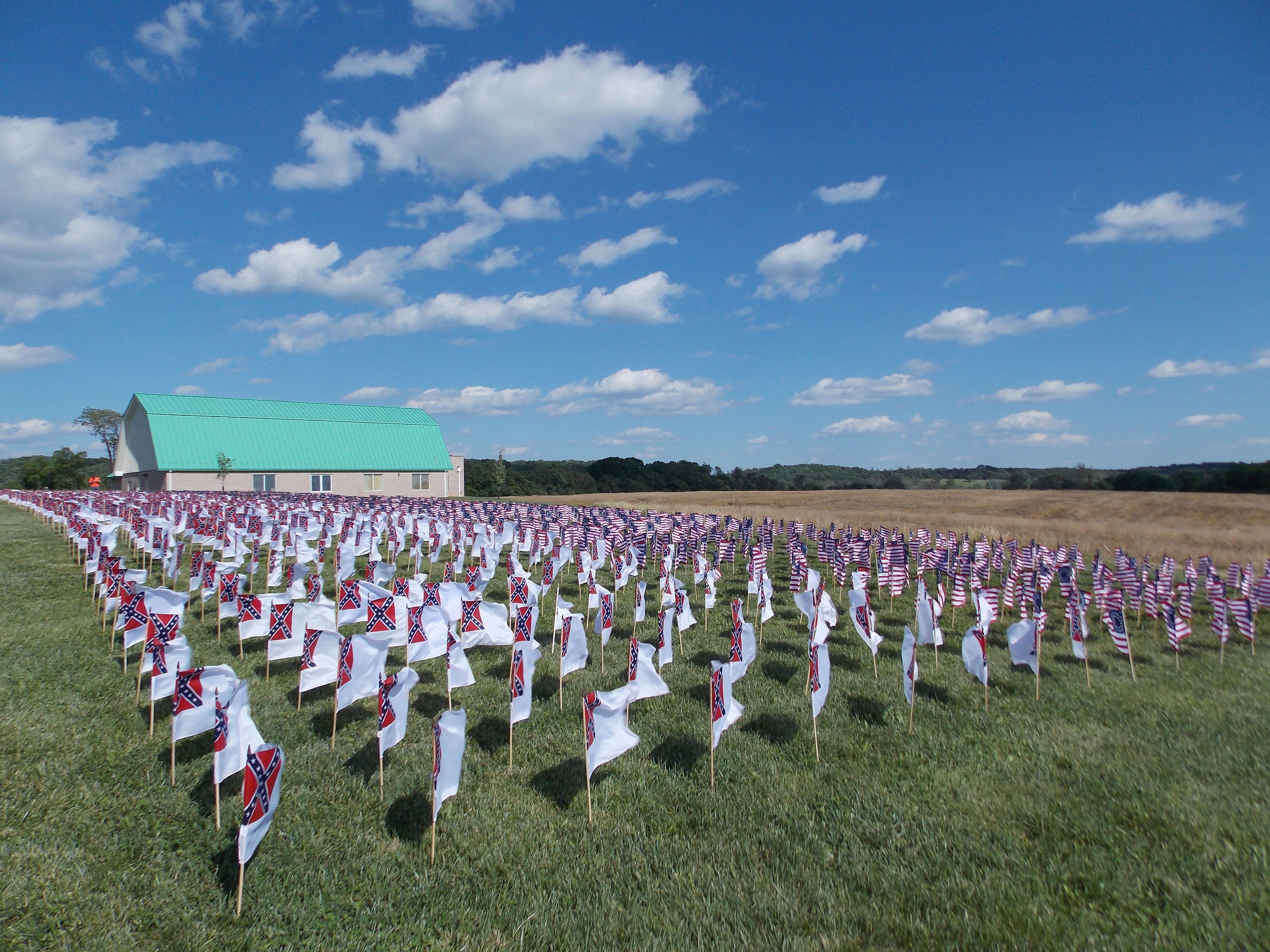
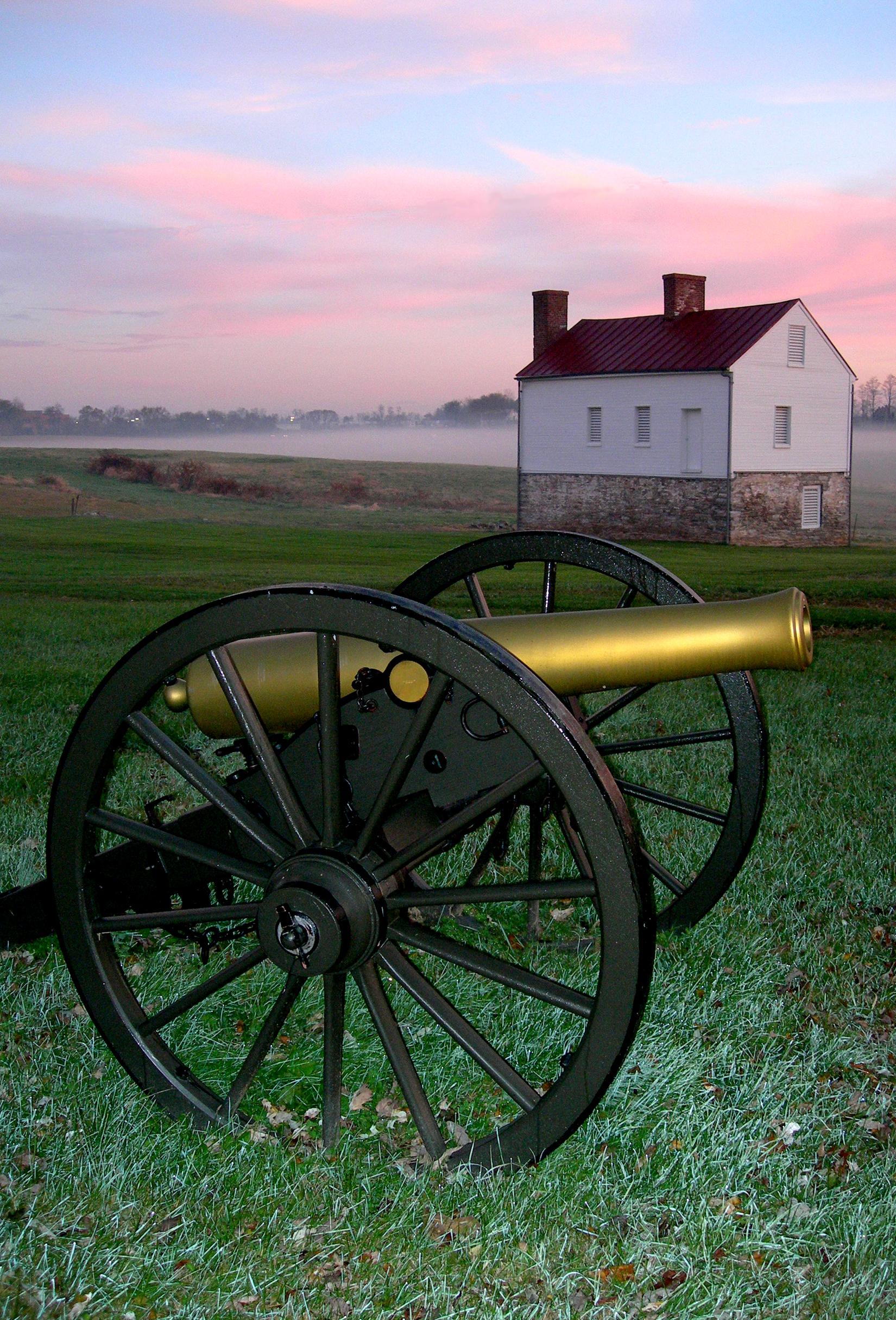
- Living history and historic weapons demonstrations that bring the July 1864 engagement to life
- Paddling the Monocacy River by canoe or kayak for a water-level view of the battlefield landscape
- Visitor center museum exhibits explaining the strategic stakes of the battle and its impact on the 1864 election
- Free admission with no entrance fee, making it an easy add-on or standalone half-day destination
Know before you go
Admission carries no fee. Grounds operate daily from 7:30 a.m. until 20 minutes past sunset. Visitor center hours are distinct; confirm current schedules if exhibits or staff programs are central to your visit. Living history events are seasonal, not daily. Verify the schedule on the NPS website if these programs are a priority for your trip.
One more thingVisitors planning an excursion on a day without a scheduled living history event should secure self-guided tour materials from the visitor center. While individual interpretive signage provides useful information, the complete tactical context of the site becomes clear only when following the documented sequence of positions on the ground.