Should you visit Kaloko-Honokōhau National Historical Park?
Kaloko-Honokohau National Historical Park on the Big Island’s Kona coast offers a free, accessible encounter with ancient Hawaiian ingenuity.
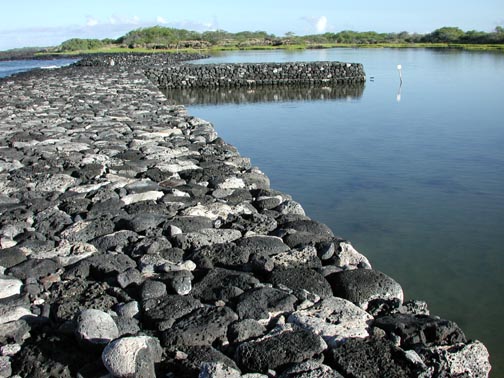
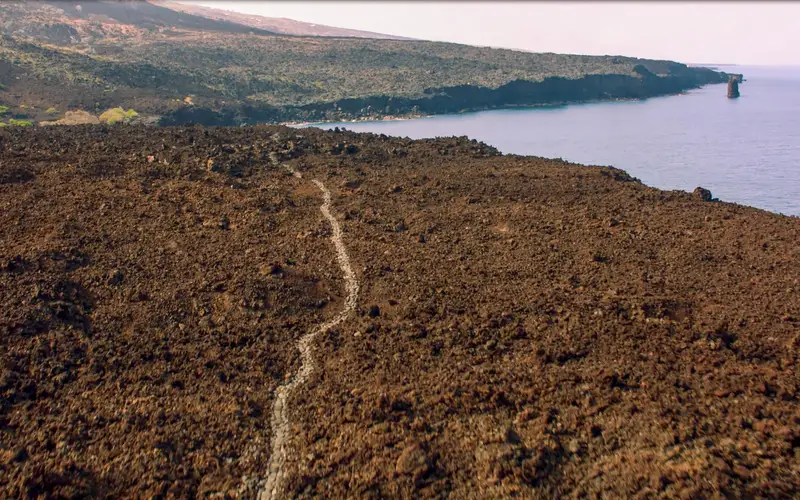
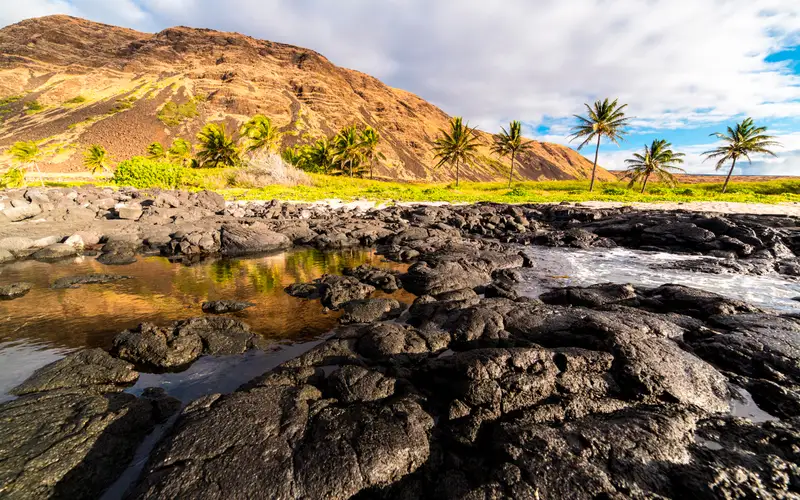
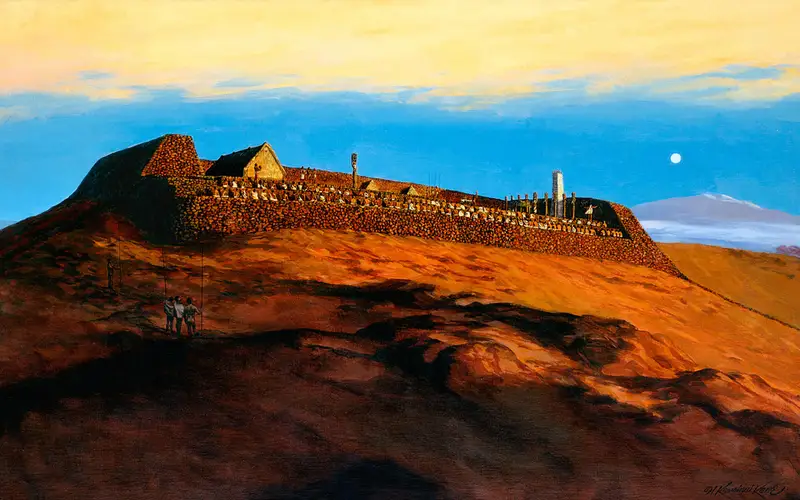
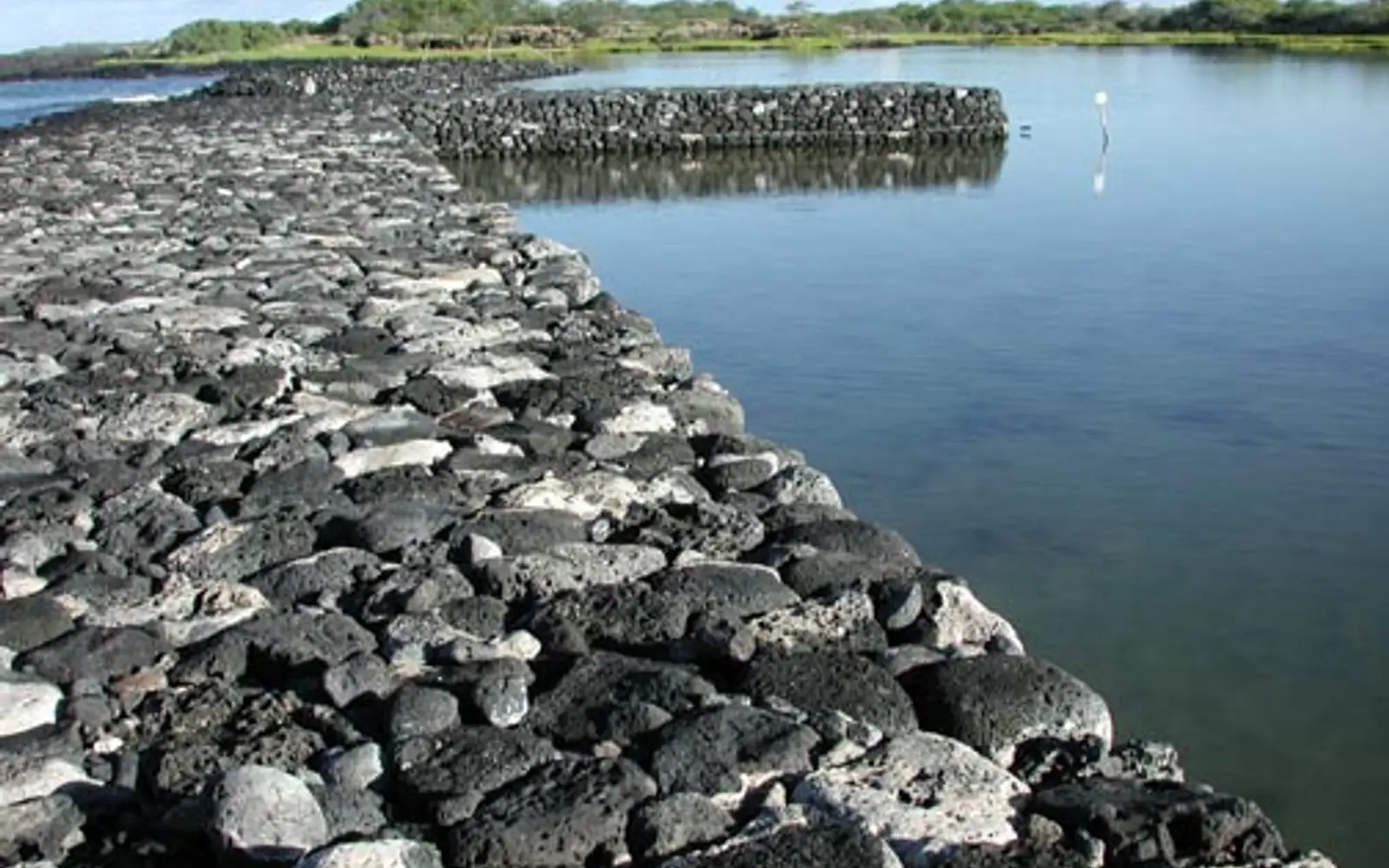
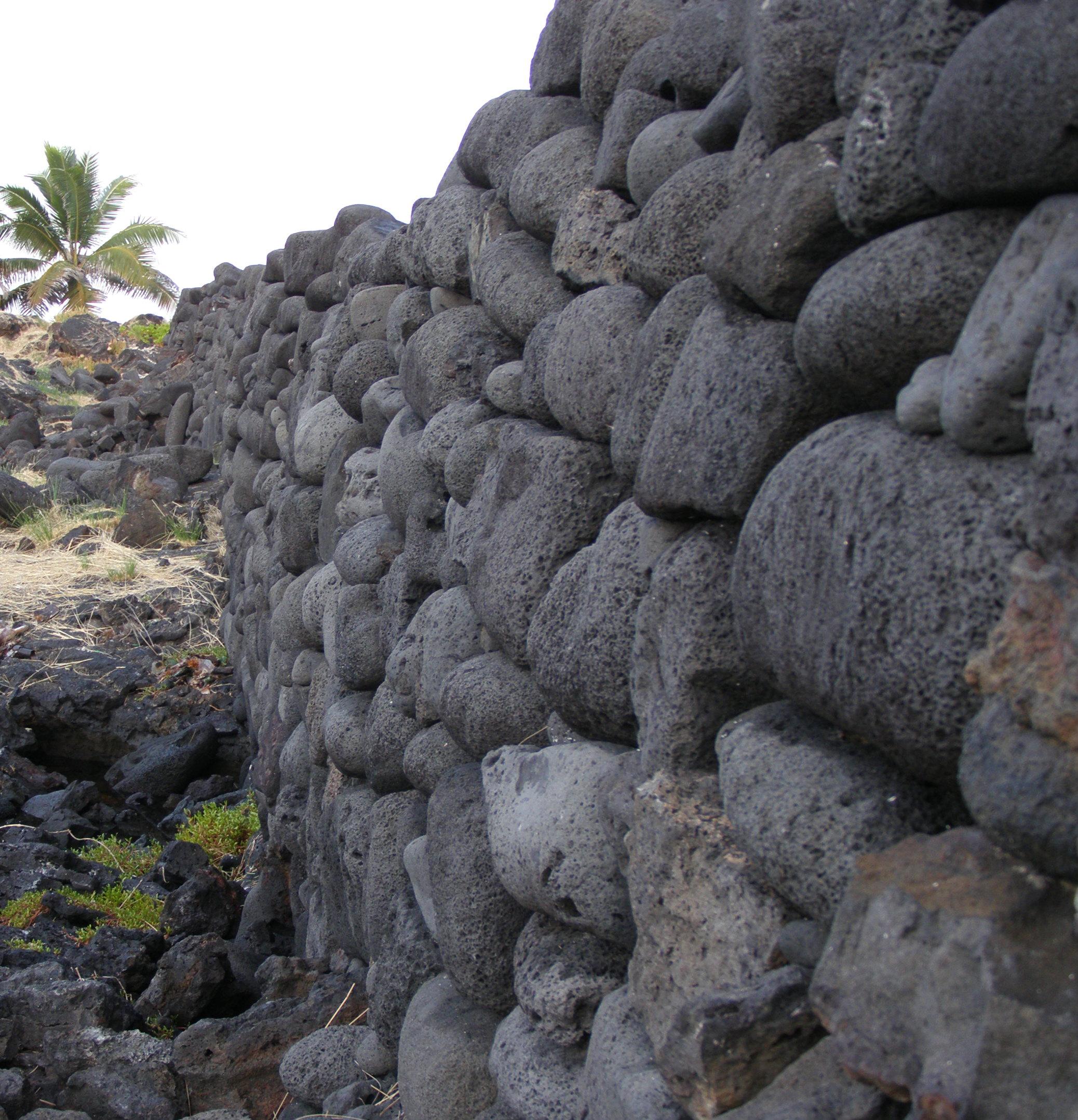
The landscape features jagged aa lava meeting the Pacific, a setting for significant historical resources. Ancient fishponds, heiau (temples), and petroglyphs are preserved here. This park is not about dramatic vistas or strenuous hikes. Its appeal lies in a quieter, more reflective experience. Visitors can trace the sophisticated aquaculture systems engineered by pre-contact Hawaiians within this challenging environment. The park also provides genuine natural appeal. Wildlife watching includes coastal birds and sea turtles near the fishponds. With a 60 out of 100 experience score, its breadth is sufficient without being overwhelming. Half a day is ample to cover its core offerings. This park represents a clear recommendation for those on the Big Island interested in Hawaiian history, ecology, or coastal wildlife. Admission is free.
What makes it worth it
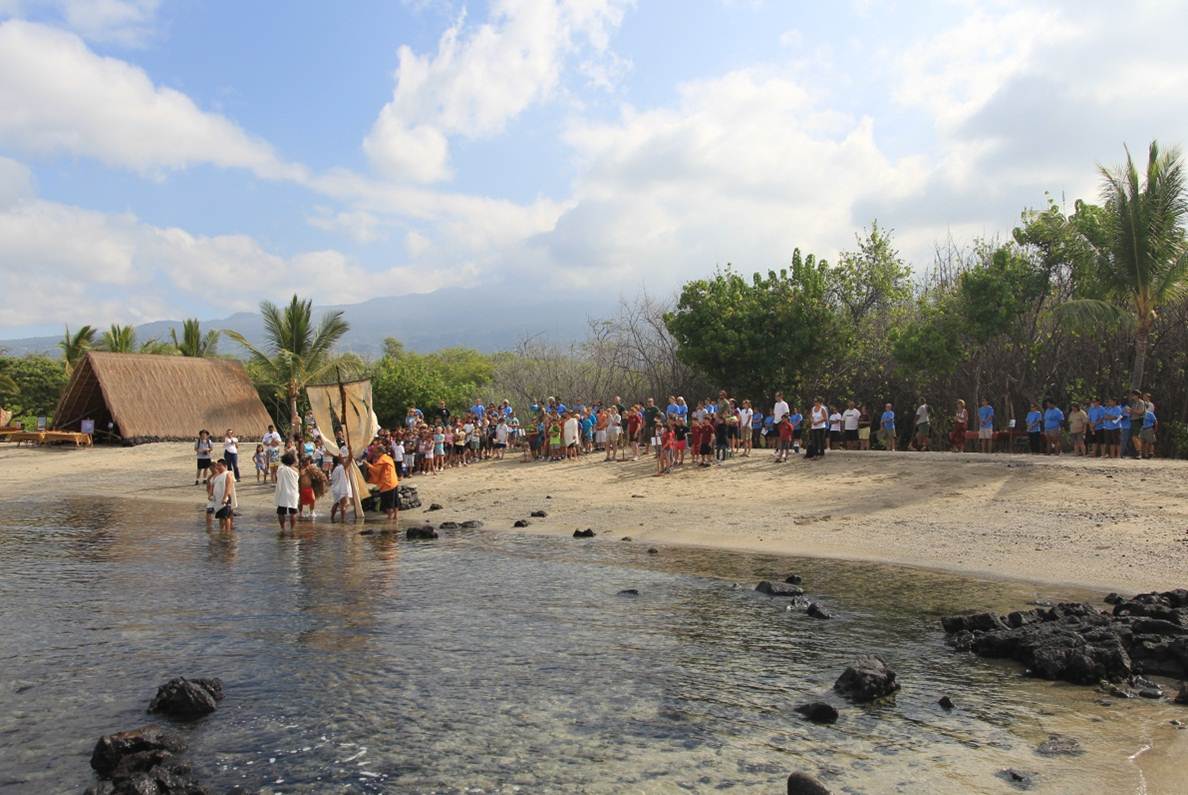
Kaloko-Honokohau National Park offers a nuanced blend of natural beauty and profound cultural heritage. The park film provides necessary orientation. A self-guided walk along the lava coast, linking the Kaloko and Honokohau fishponds, reveals remarkably preserved examples of ancient Hawaiian aquaculture engineering. Coastal birdwatching proves genuinely rewarding; waterbirds frequently use these fishpond areas for habitat. Sea turtles rest on the beach near Honokohau Harbor with notable regularity. The landscape's cultural significance is not always immediately apparent. Guided tours enhance the experience with essential interpretive depth. Designated areas permit fishing. Biking provides an efficient means to cover more ground. The park store serves as a good entry point for learning materials. While a full day is not required to experience its core offerings, the integration of wildlife and coastal scenery makes the visit a worthwhile endeavor.
Who should go
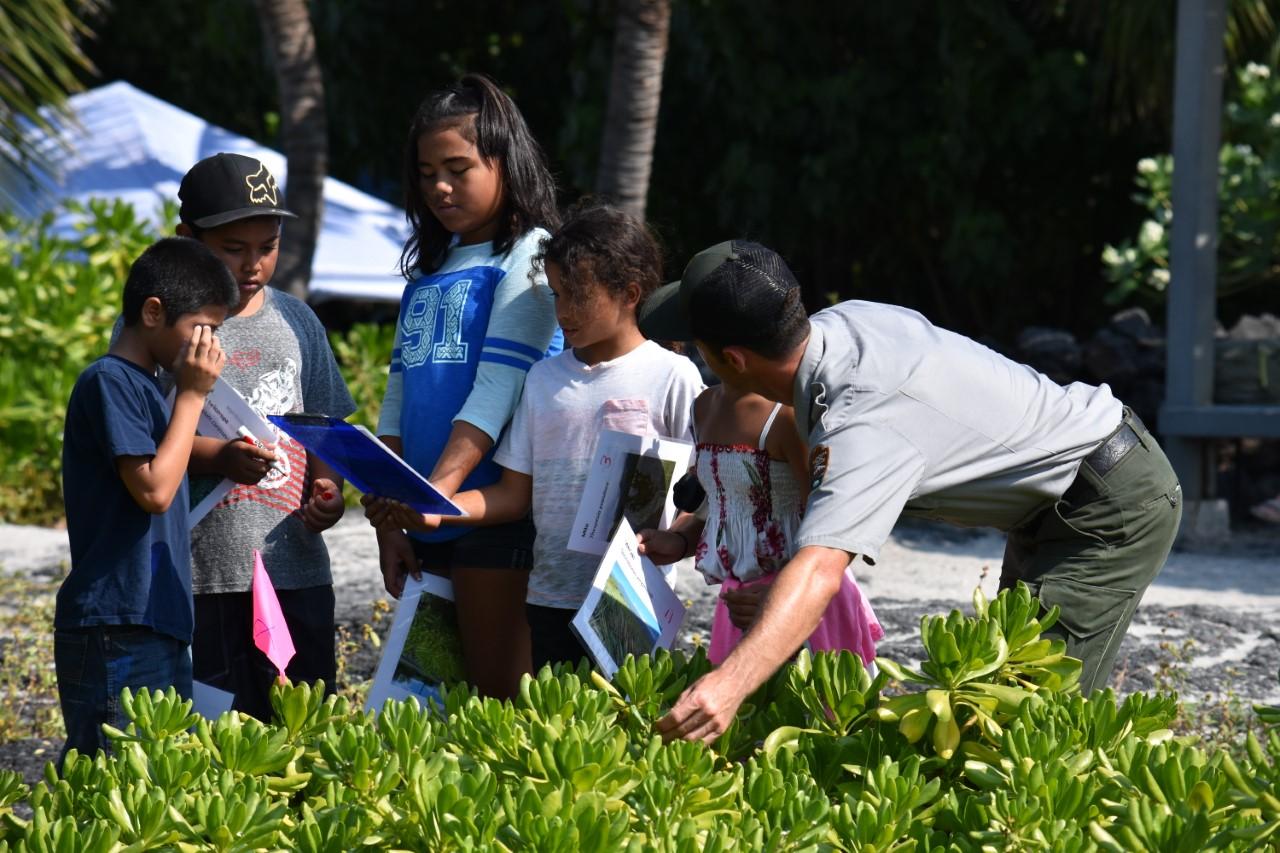
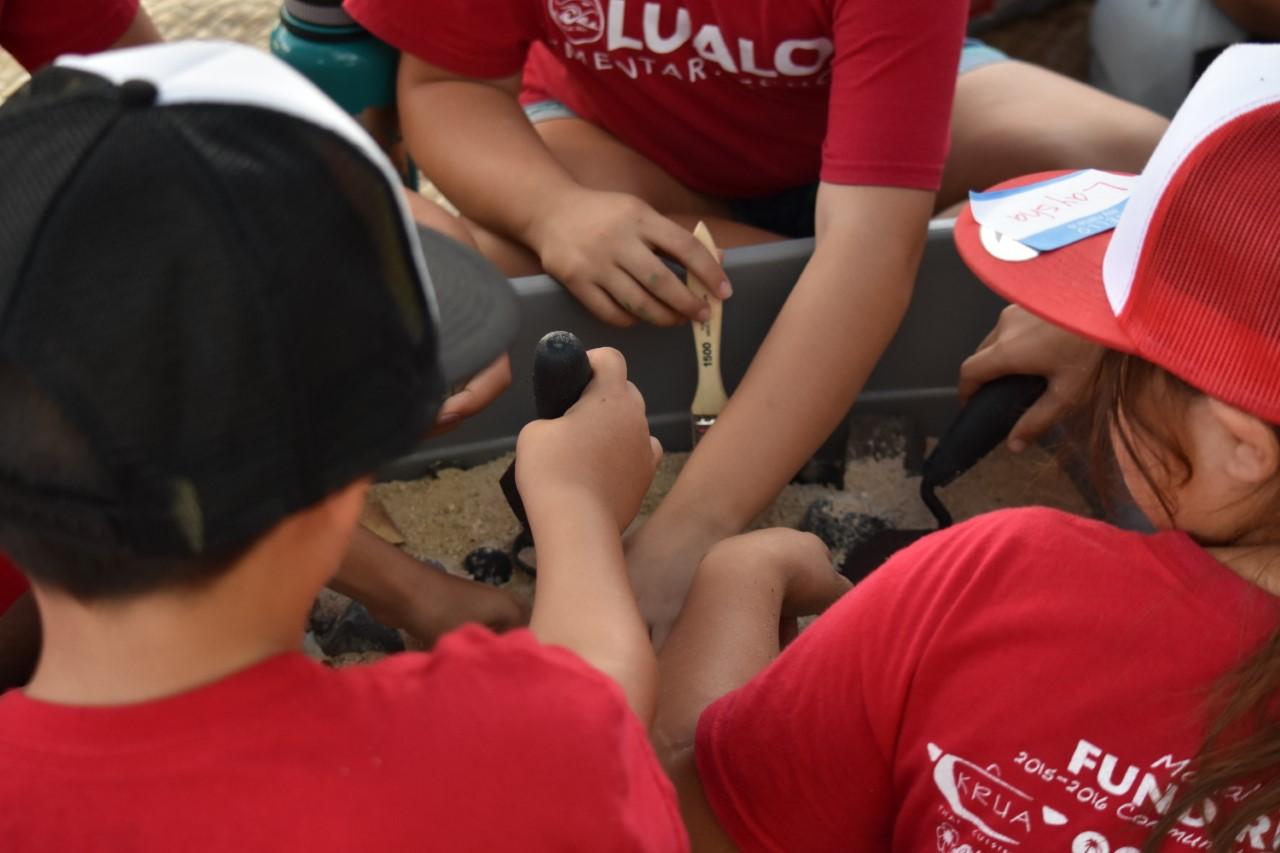
This unit primarily serves those on the Big Island seeking a deeper engagement with Hawaiian culture and history, extending beyond typical resort or volcanic attractions. It is a strong destination for birdwatchers and other wildlife observers keen on coastal Hawaiian ecosystems. Families will find value in its Junior Ranger Program. Travelers prioritizing dramatic scenery or strenuous hiking will not find it here; such visitors should consider Hawaii Volcanoes National Park instead.
When to go
This park on the Kona coast offers relentless heat, with temperatures consistently in the upper 80s year-round. Shade is minimal on exposed lava. Early morning visits are thus not
Highlights
- Ancient Hawaiian fishponds that remain structurally intact and still support aquatic life
- Consistent sea turtle sightings along the coastal beach areas
- Coastal birdwatching with waterbirds concentrated around the fishpond habitat
- Petroglyphs and heiau accessible via self-guided walking routes across lava terrain
- Free admission with a guided tour option that adds real interpretive value
- Junior Ranger Program making it a workable stop for families with children
Plan ahead
With free admission and a convenient location north of Kailua-Kona off Highway 19, this park makes an accessible addition to any Big Island itinerary. Expect minimal shade on trails. Wear closed-toe shoes; the a'a lava is sharp and uneven. Bring water and sun protection.
Editor's tipThis park rewards preparation. A ranger-guided tour is essential to fully appreciate its complex history and significant fishpond engineering. Without context, much of the landscape appears as unremarkable lava and scattered rocks.