Herbert Hoover National Historic Site: our verdict
The Herbert Hoover National Historic Site in West Branch, Iowa, presents a focused experience.
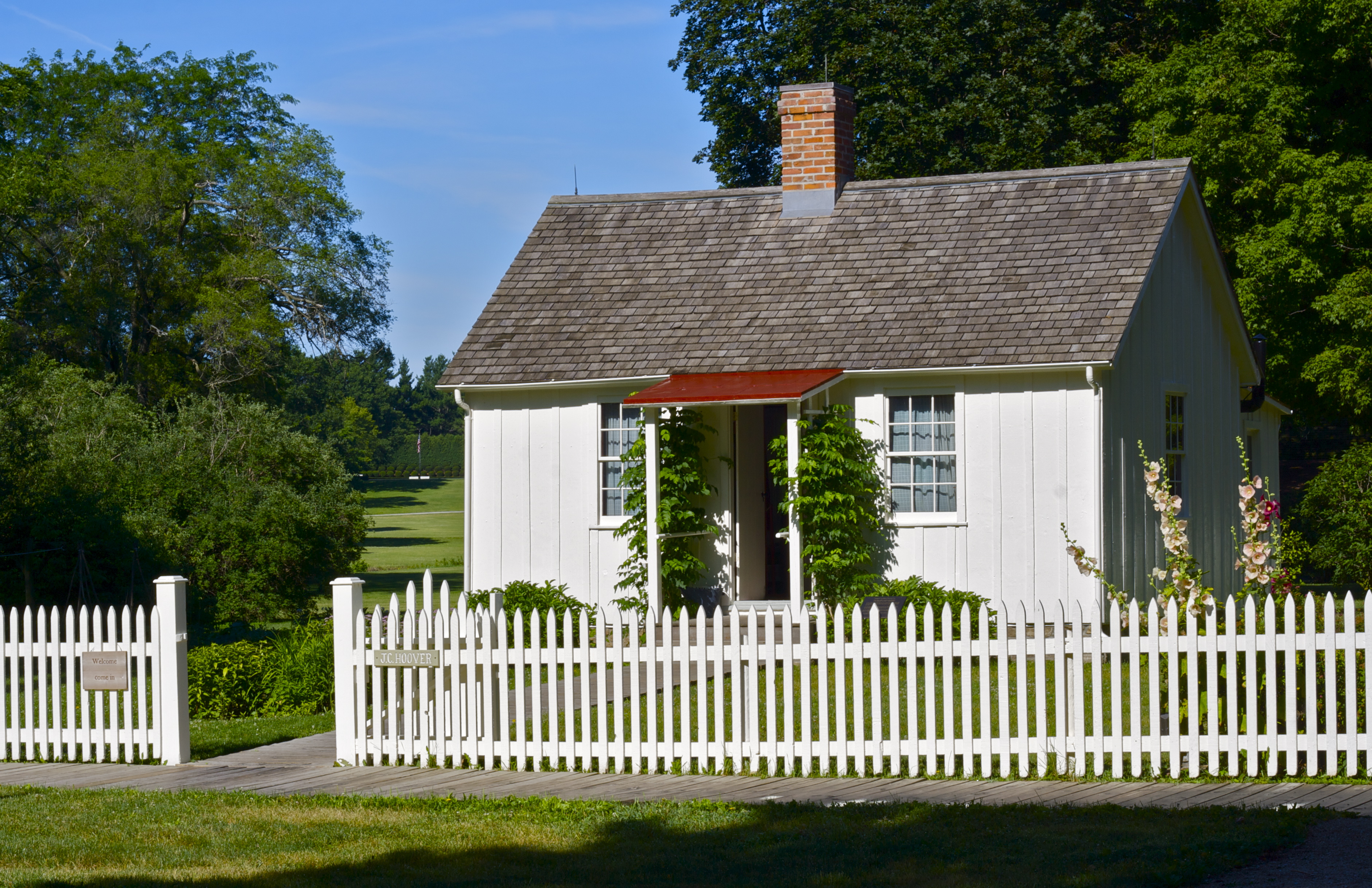
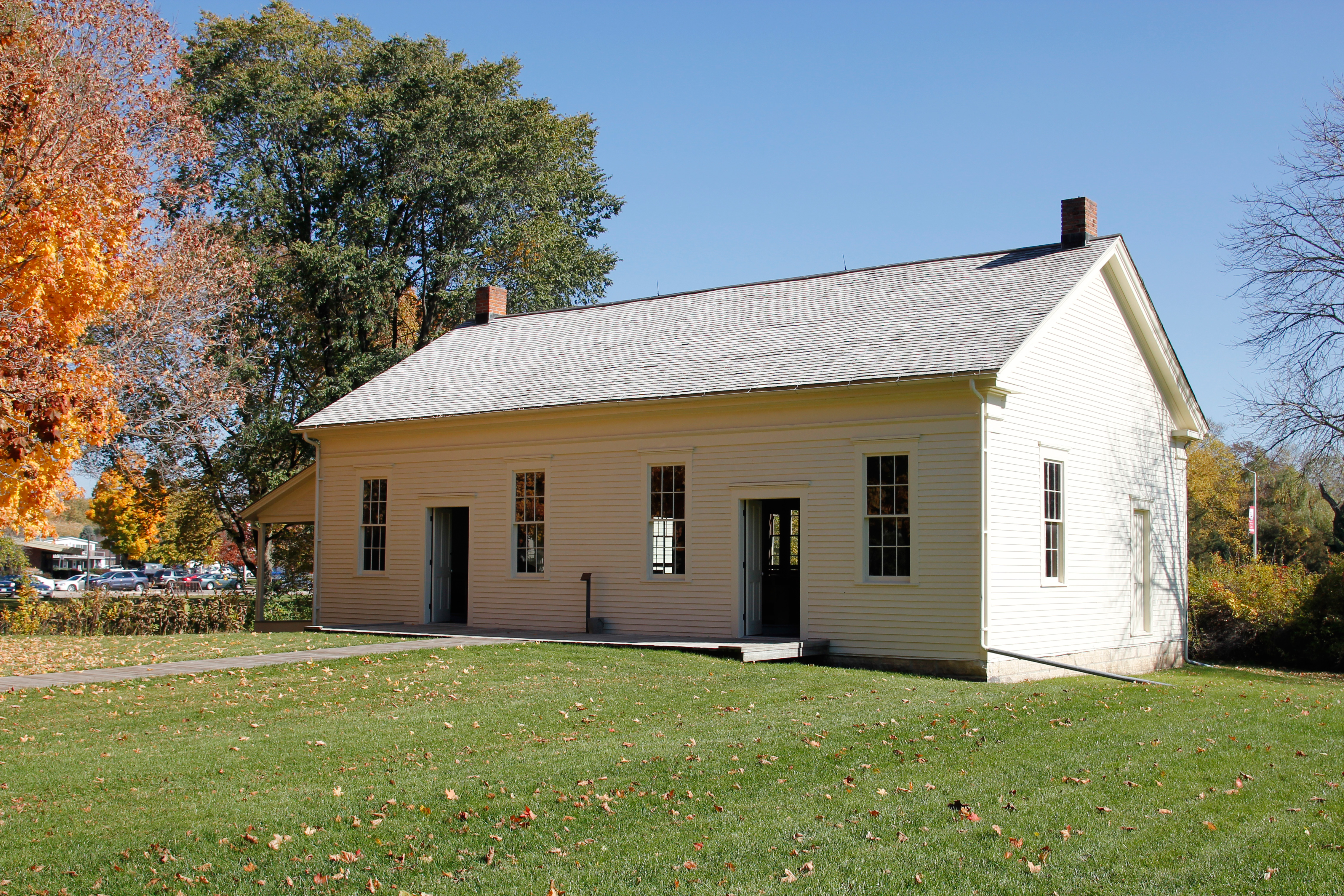
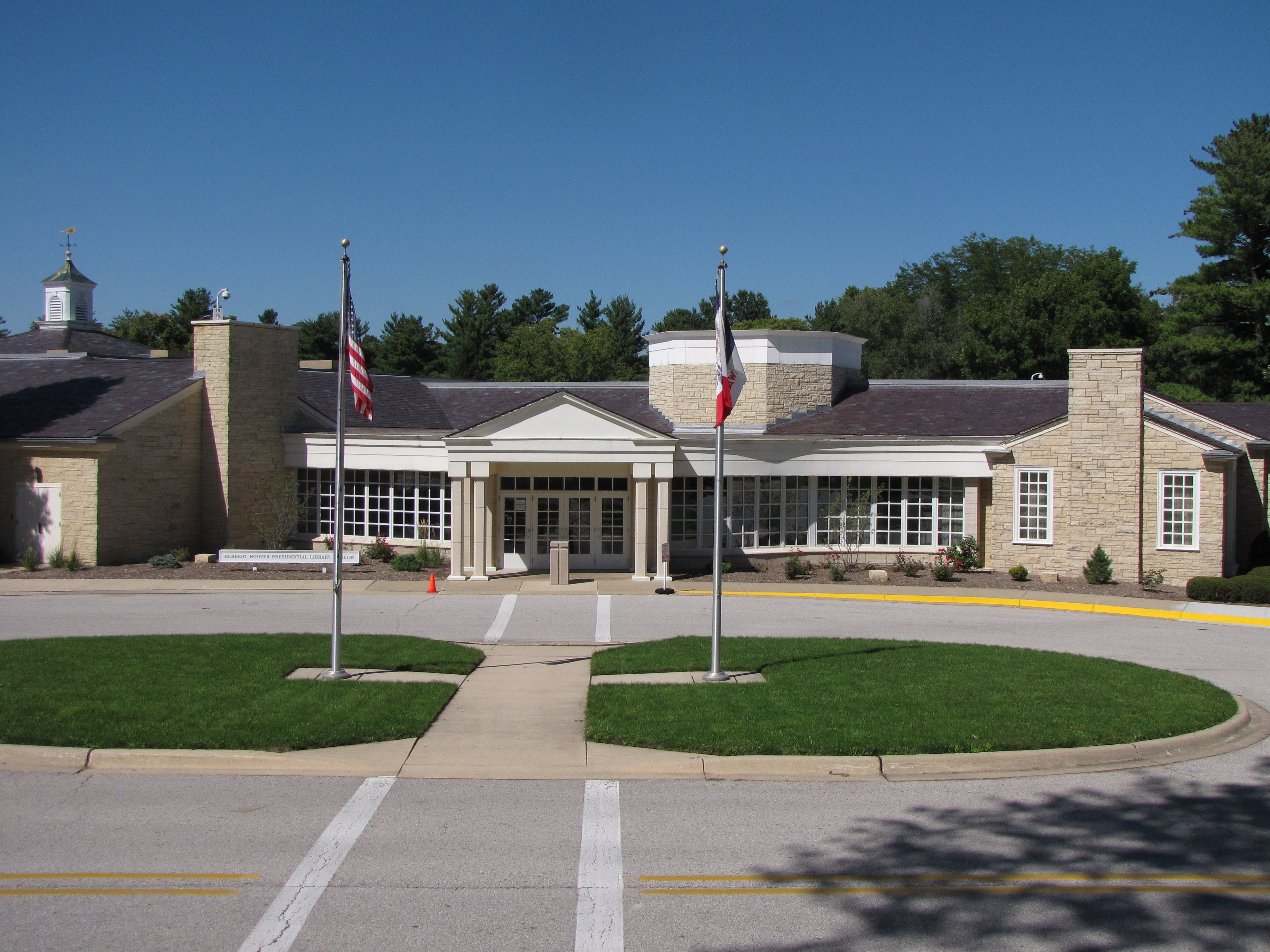
This compact site centers on the 31st president's birthplace and early environment, combining a small preserved cottage, a presidential library and museum, and a Quaker meetinghouse. Walking trails through a restored prairie landscape provide additional dimension. The site is free and well-staffed, welcoming to families. This is not a grand scenic park; it is a human-scale exploration of a specific American story. The Hoover narrative, detailing a self-made orphan's rise to global humanitarianism before his presidency, offers more nuance than many anticipate. For those traveling I-80 through eastern Iowa, this is an accessible, rewarding stop. Visitors making a dedicated long-distance trip should pair it with other regional attractions to fully warrant the journey.
Why visit
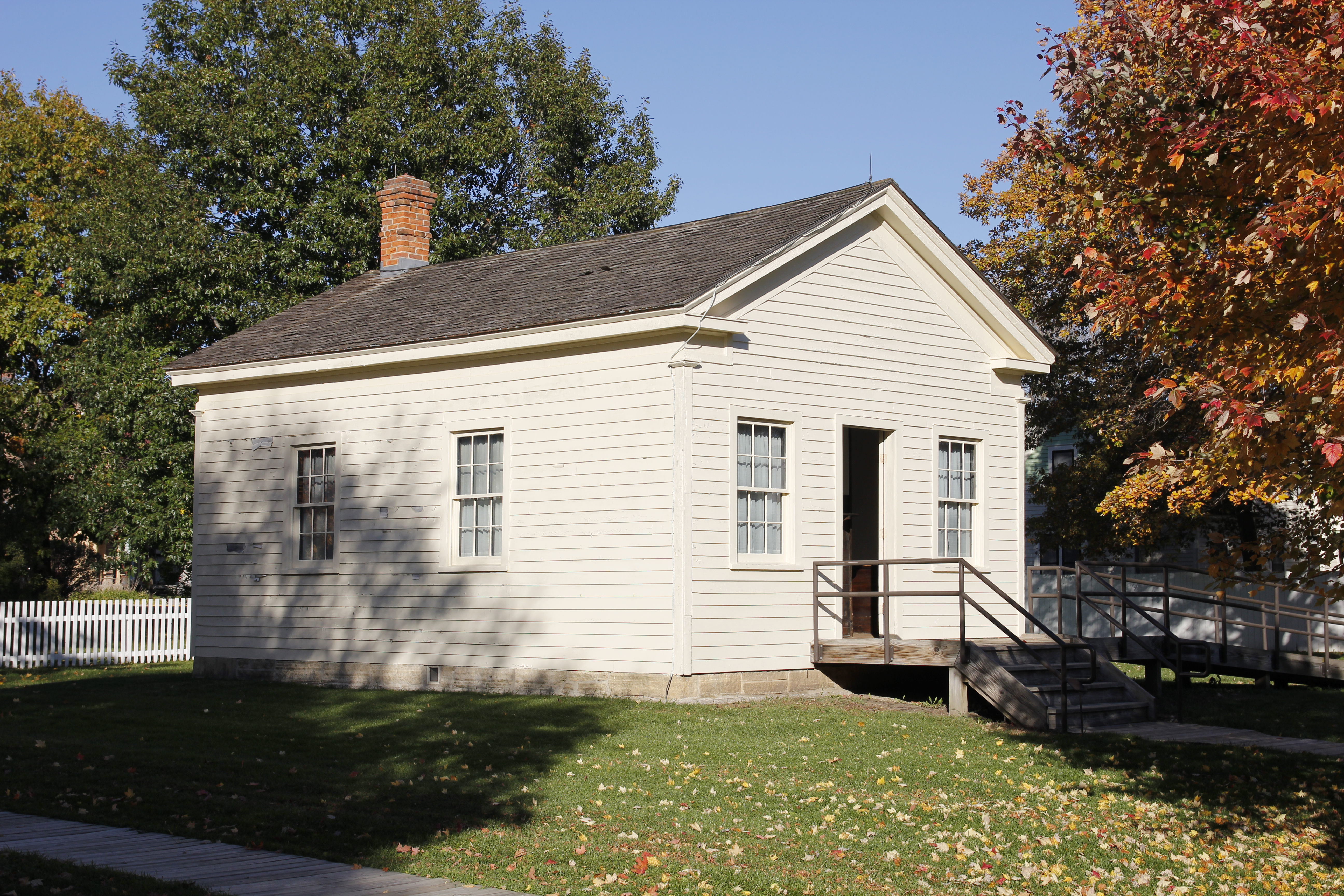
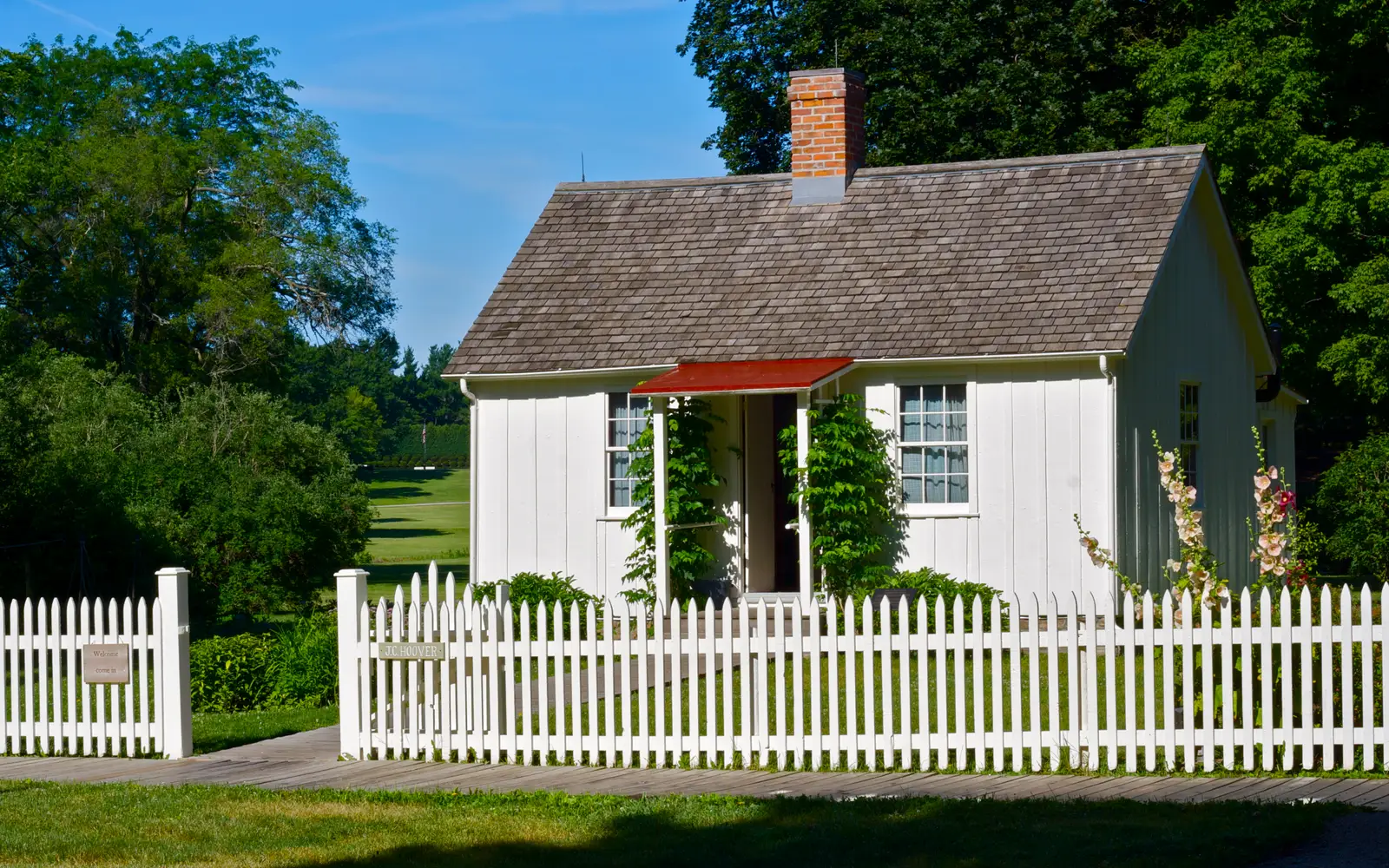
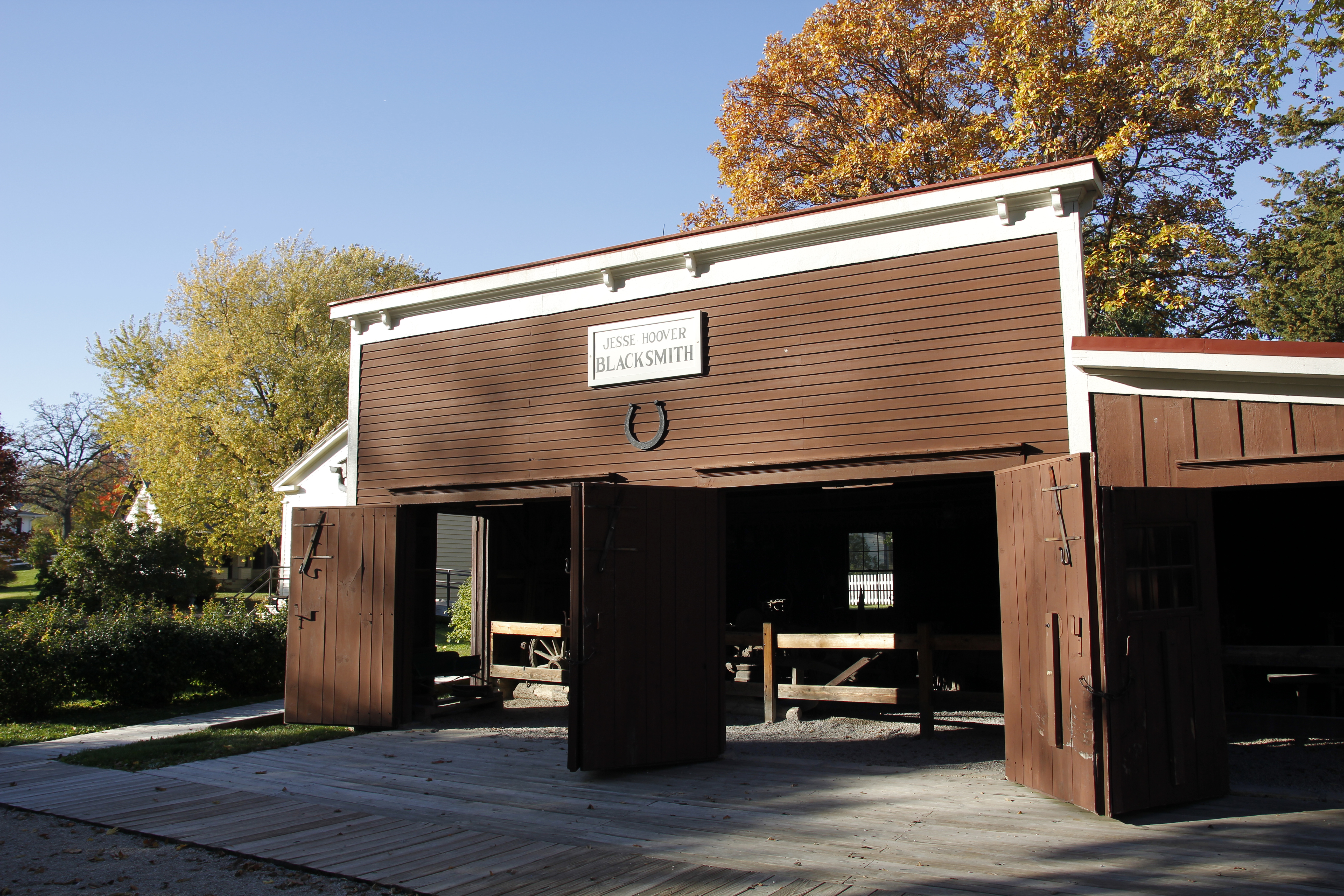
This half-day destination offers a clear trajectory: from the visitor center's film and museum exhibits, detailing Hoover's life, into the historic grounds. The 1874 birthplace cottage presents a strikingly immediate experience. Guided tours elevate understanding beyond self-guided exploration. Prairie restoration provides genuine outdoor texture, with walking trails for bird and wildlife viewing. Seasonal craft demonstrations and food programs add varied interest. The Junior Ranger program engages younger visitors. The co-located presidential library and museum, a separate National Archives operation, extends the historical scope beyond the immediate NPS purview.
Who it suits
This unit offers real value for history-focused travelers, families with school-age children, and those interested in presidential biography beyond the most famous names. Birders and prairie enthusiasts will find a small but legitimate bonus. Visitors seeking dramatic scenery, strenuous hiking, or a full multi-day outdoor experience should look elsewhere.
Timing your visit
Spring and fall offer ideal conditions for this destination. Temperatures in the 50s and 60s make the outdoor walking paths and prairie sections pleasant for exploration. Summer brings 85-degree heat and humidity, which can detract from the experience by midday. Winter hours are abbreviated, and the landscape enters dormancy, though the indoor museum and visitor center remain accessible.
What stands out
- Hoover's two-room birth cottage, preserved and interpreted on-site
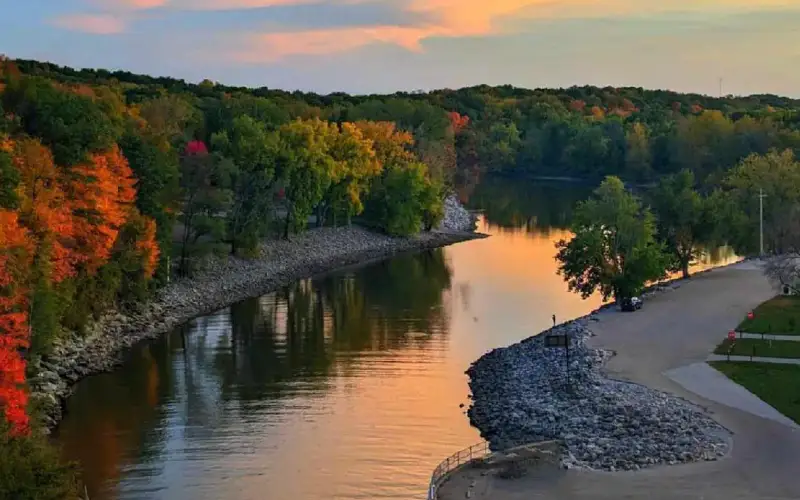
- Restored tallgrass prairie landscape with walking trails for birdwatching and wildlife watching
- Park film and museum exhibits framing Hoover's full life, including his humanitarian work
- Guided tours of the historic buildings with ranger interpretation
- Junior Ranger program structured around the presidential history themes
- Seasonal craft demonstrations and food programming tied to the site's living history approach
Good to know
Entry to the NPS site and its grounds is free. Although the adjacent presidential library and museum charges a separate admission, the park itself offers accessible history without cost. Situated directly off I-80 in West Branch, it makes a convenient stop for travelers. Allocate two to three hours minimum to experience the film, a guided tour, and the walking trails.
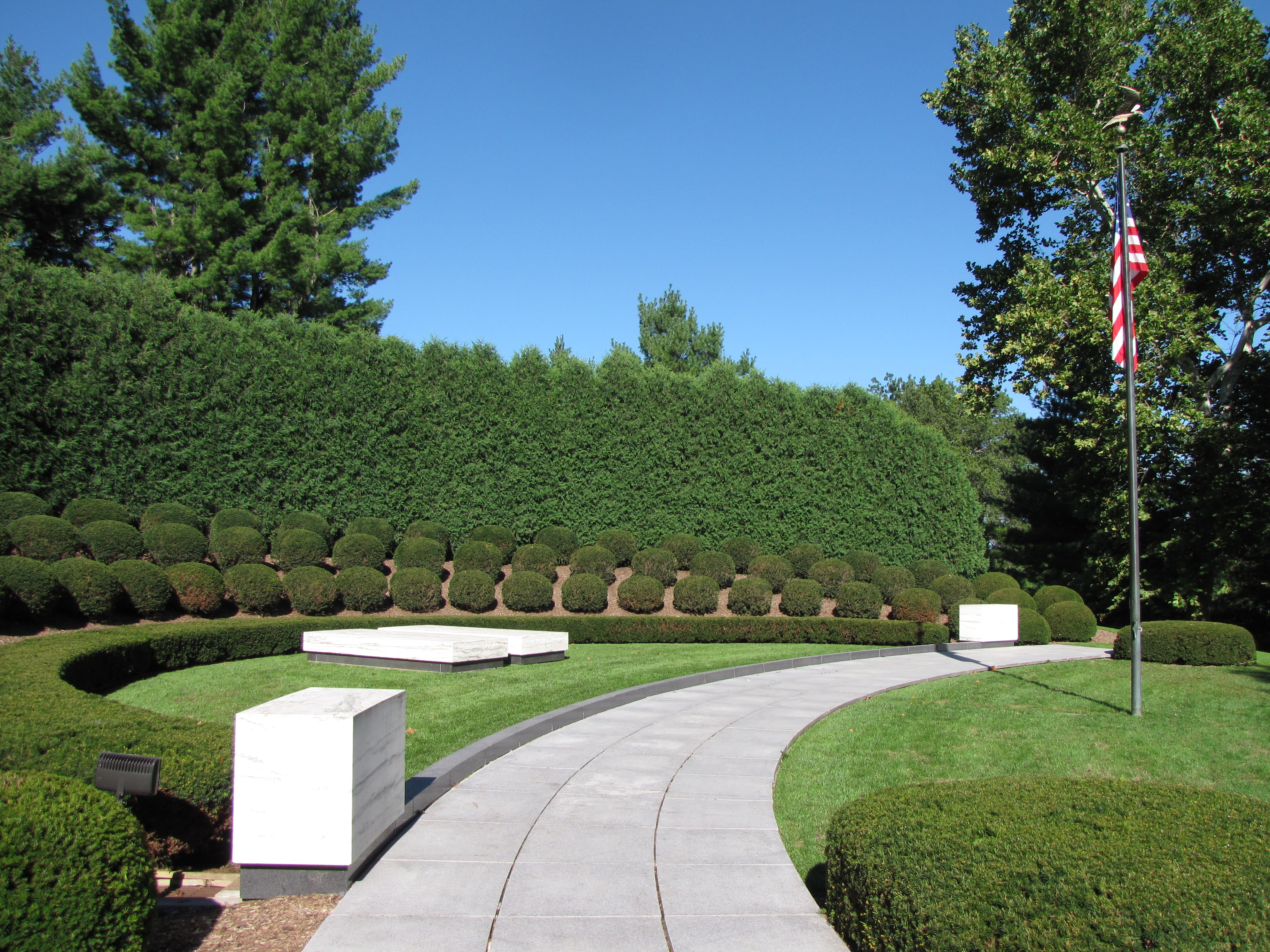
Insider tipThe prairie walking trail, though easily underestimated, delivers a powerful closing statement. Its restored landscape, encircling the Hoover grave site, offers a quieter, more lasting reflection than the indoor exhibits alone. This trail is essential to completing the interpretive narrative.