Is DeSoto National Wildlife Refuge worth your trip?
DeSoto National Wildlife Refuge, an 8,365-acre floodplain refuge on the Iowa-Nebraska border, focuses primarily on migratory birds.
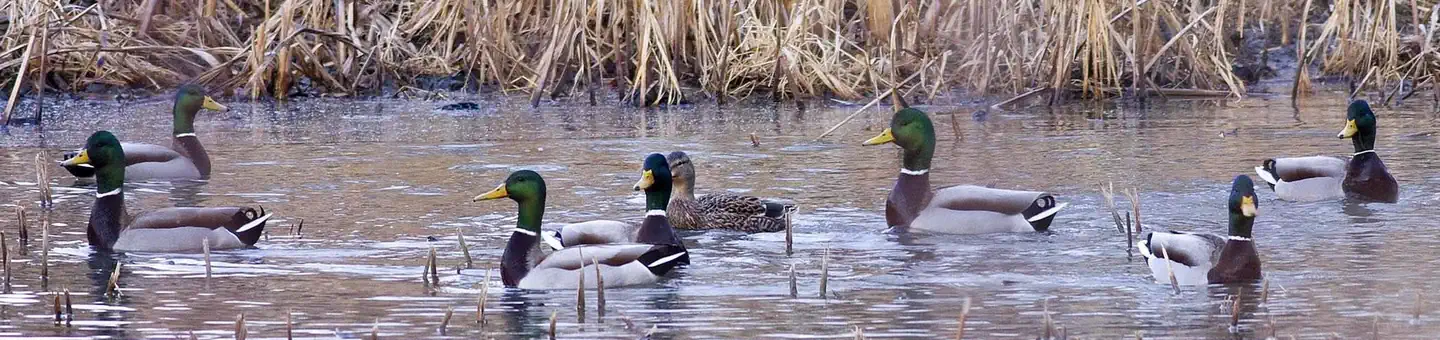
The experience here is seasonal and wildlife-driven. Fall brings the most impressive spectacle: snow geese and other waterfowl staging on the refuge lake. Birders will find this a destination event. Beyond peak migration, it becomes a quieter, more utilitarian outdoor space. It offers solid options for fishing, hunting, and biking the auto tour route. Casual wildlife watching is available. The visitor center provides historical depth, displaying artifacts from the *Bertrand*, a steamboat that sank in the Missouri River in 1865. Free entry and diverse activities give it broad appeal. However, the experience peaks dramatically during migration season.
Why go
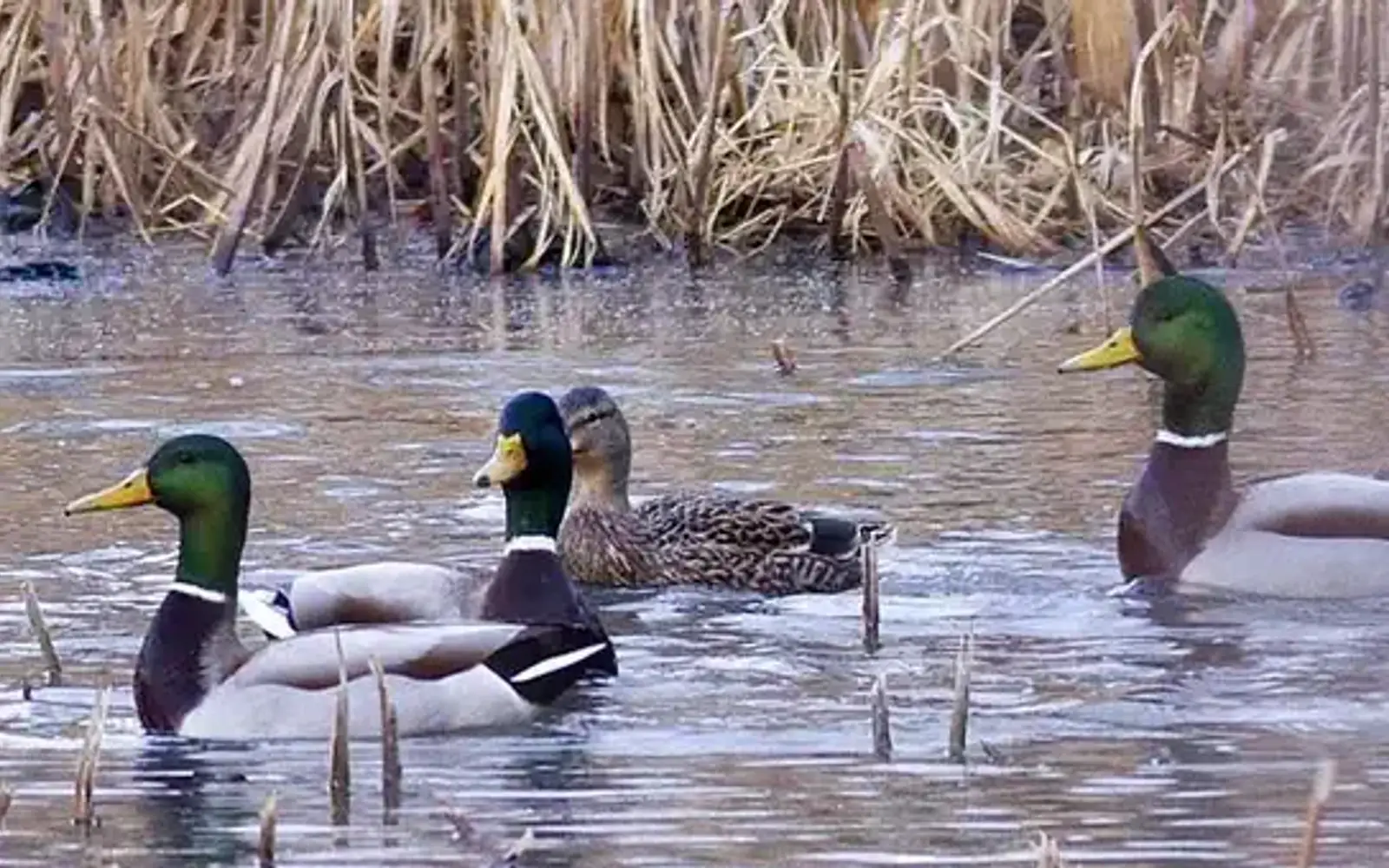
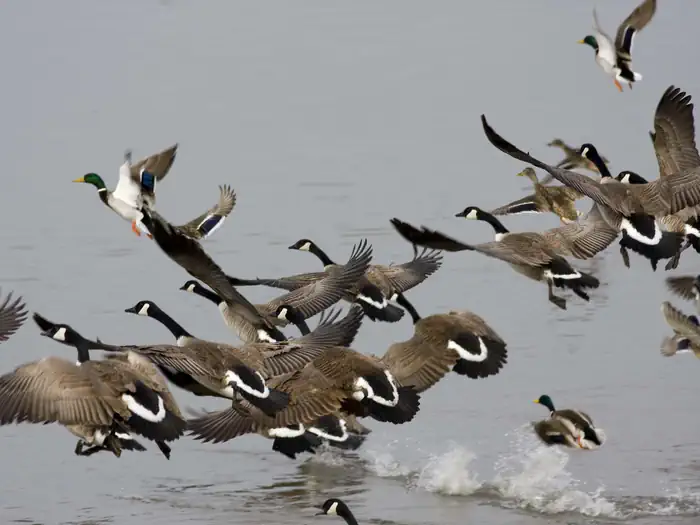
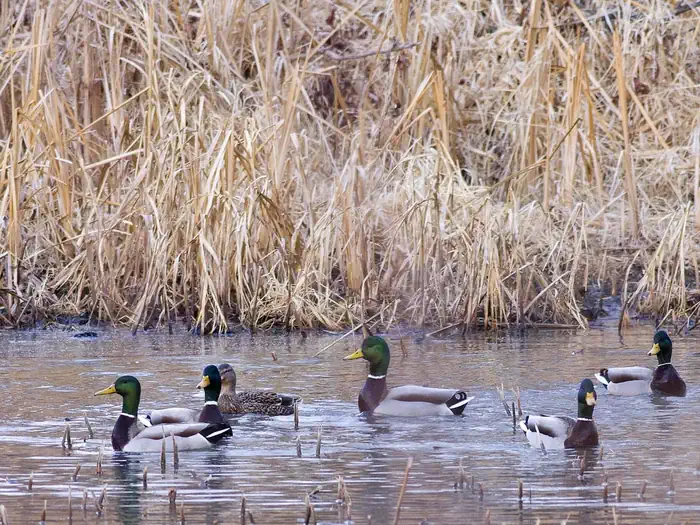
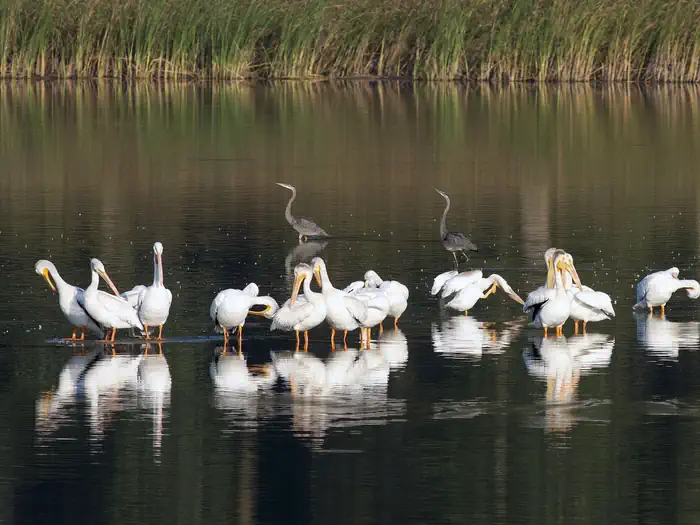
This park unit offers a diverse experience. A driving tour along the auto loop provides access to prime waterfowl, shorebird, and wading bird observation points. During fall migration, snow geese can number in the hundreds of thousands, a significant natural event. Anglers and boaters have direct access to the refuge waters, with ice fishing extending the season. The visitor center exhibits cargo from the 1865 Bertrand steamboat wreck, adding a historical dimension. Hikers, snowshoers, and birders can utilize the trails and dike roads. The documented presence of rare species such as the pallid sturgeon and piping plover enhances its ecological value. Year-round recreational access and varied habitats make for a surprisingly full day here.
Best for
This unit excels as a destination for specific interests. Birders, particularly those focused on waterfowl migration, will discover a world-class experience during peak weeks. For hunters, anglers, and families seeking free, low-key outdoor recreation, the value here is substantial. The Bertrand steamboat collection alone offers history enthusiasts a compelling reason to visit year-round. However, those anticipating dramatic vistas or extensive backcountry trails will find this location unsuitable.
Best season
Optimal wildlife viewing occurs during the fall migration, specifically October through November, as immense flocks of snow geese and other waterfowl congregate. Spring provides opportunities for observing shorebirds and neotropical migrants. While summer supports fishing and boating, significant wildlife spectacles are less frequent. Winter conditions allow for ice fishing and snowshoeing. The visitor center remains accessible and relevant throughout the year.
The high points
- Fall waterfowl migration with snow goose concentrations that can reach hundreds of thousands of birds
- Bertrand steamboat artifact collection at the visitor center, one of the most intact 19th-century river cargo recoveries in the country
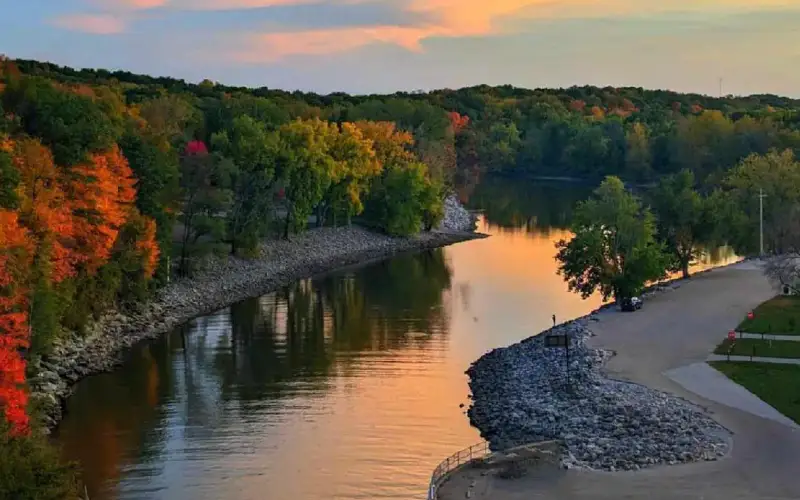
- Auto touring the refuge loop through Missouri River floodplain habitats
- Fishing and motorized or non-motorized boating on refuge waters
- Year-round birding for rare and threatened species including piping plover and least tern
- Winter recreation including ice fishing and snowshoeing on a largely uncrowded refuge
Know before you go
Free admission removes a common barrier for repeat visits. This refuge straddles the Iowa-Nebraska border; confirm facility and access point locations when planning. The visitor center serves as a key orientation point for new arrivals. Its Bertrand collection is a significant draw. Be aware that hunting seasons will restrict trail access on specific dates.
One more thingTiming a visit for fall migration demands careful planning. Snow goose staging varies week to week with weather fronts. Call the visitor center or check refuge social media directly before arrival. The peak can offer a singular spectacle; missing it by even a few days may mean an empty lake.