Is Haleakalā National Park worth it?
Haleakalā presents two distinct experiences.
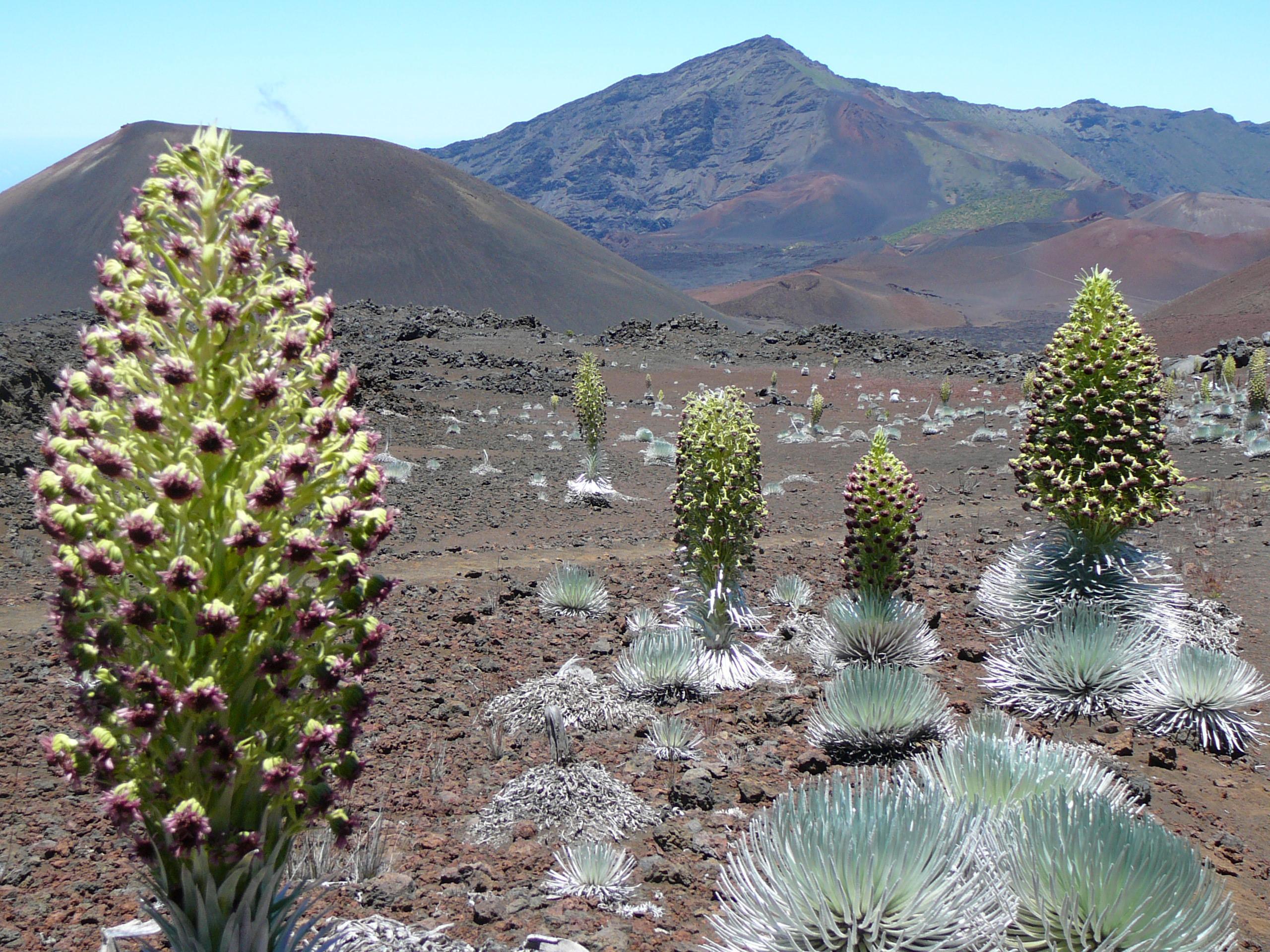
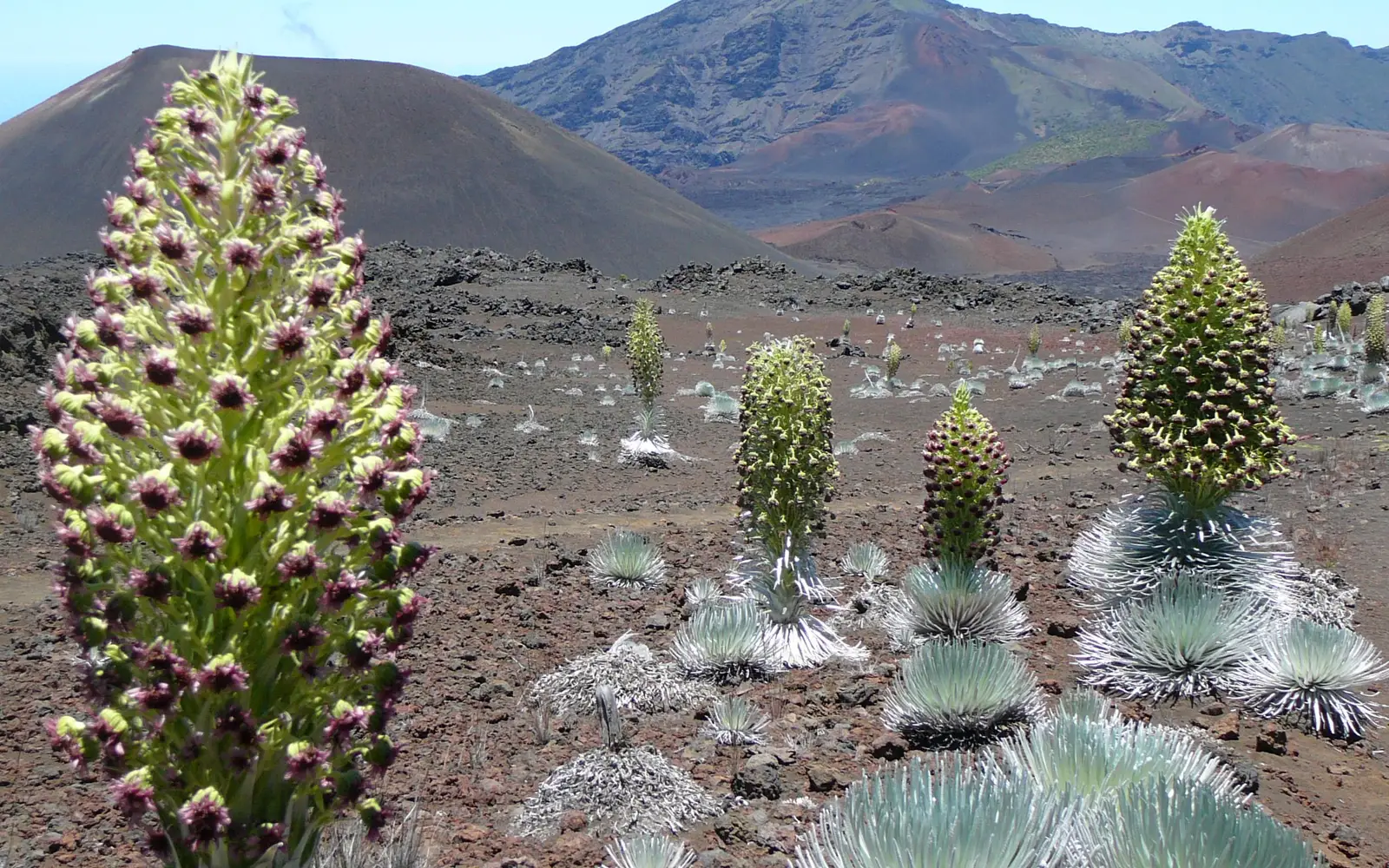
The summit district, over 10,000 feet high, offers a stark, high-altitude volcanic landscape. This cold, silent crater environment feels otherworldly. The park's $1 entry fee provides exceptional value. An Experience Score of 52 reflects the logistical separation of its two districts and a limited breadth of documented activities. This score does not diminish its profound impact. Haleakalā rewards serious advance planning.
The case for it
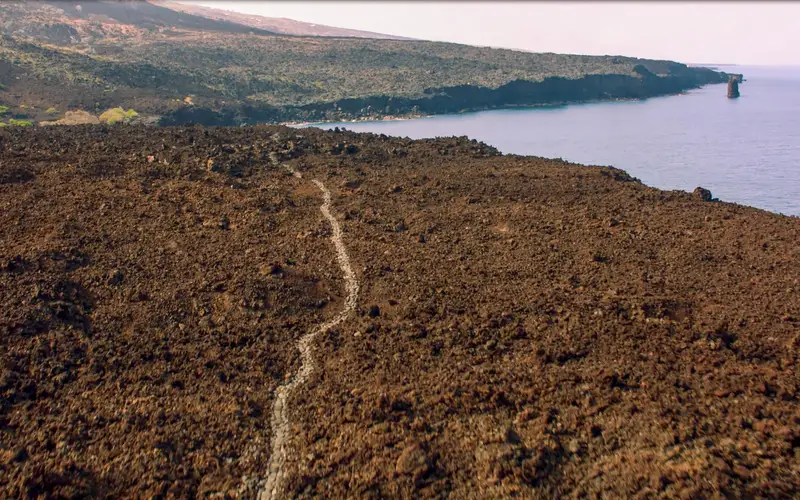
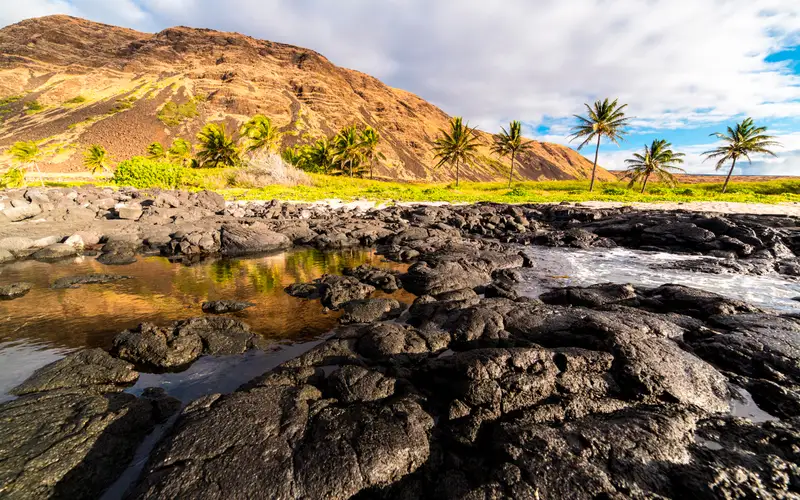
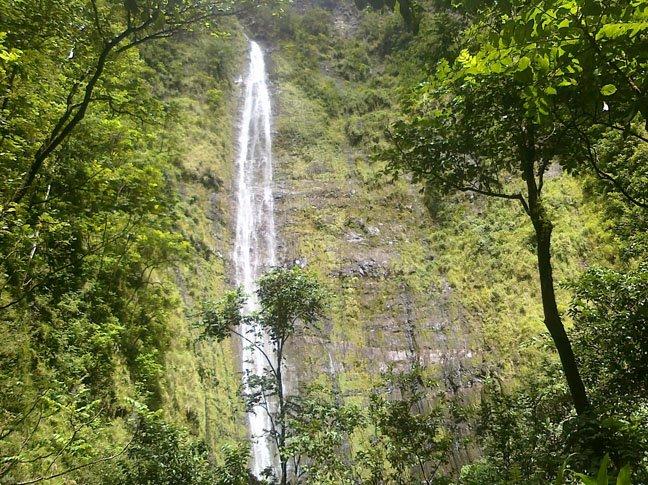
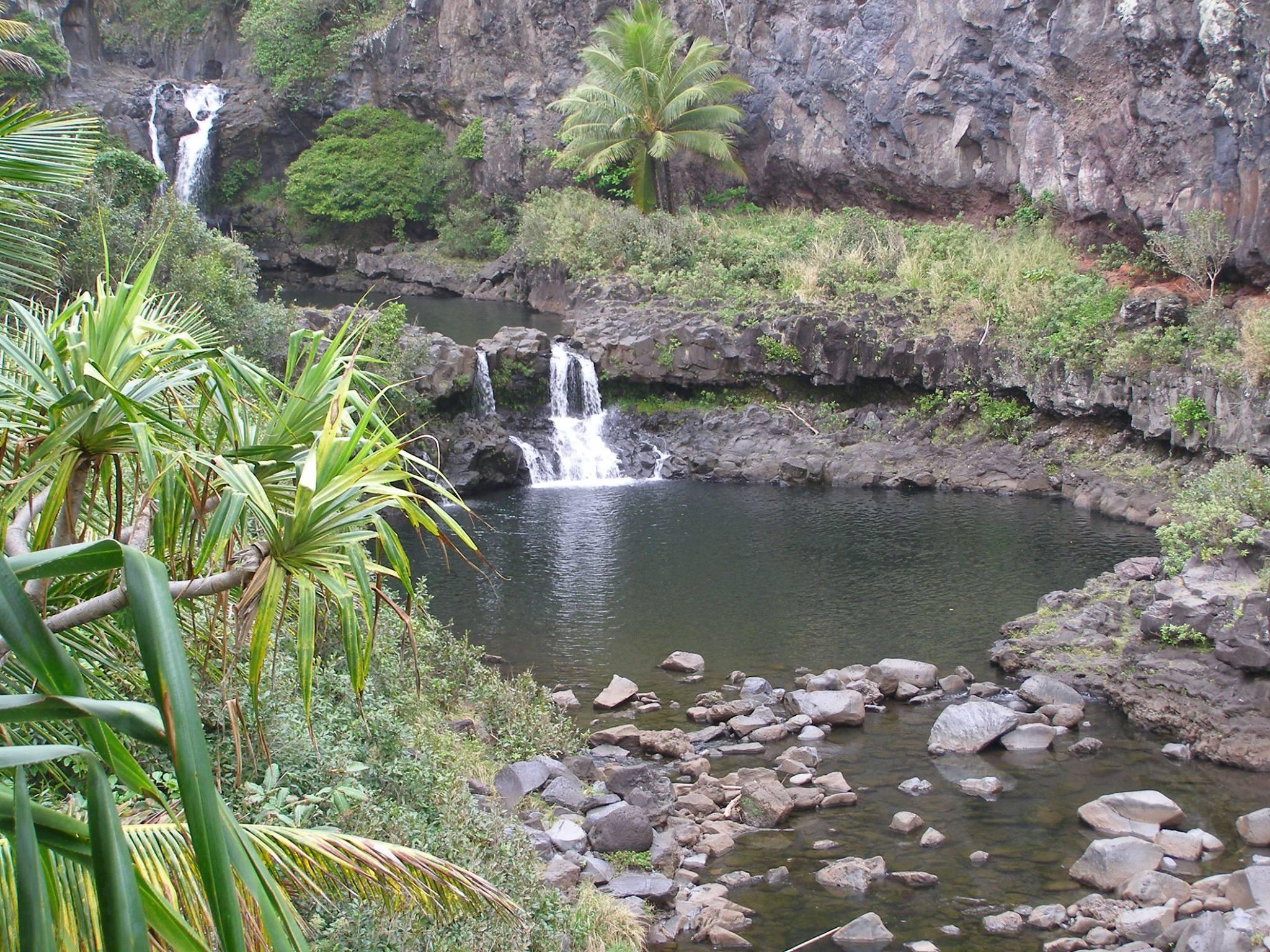
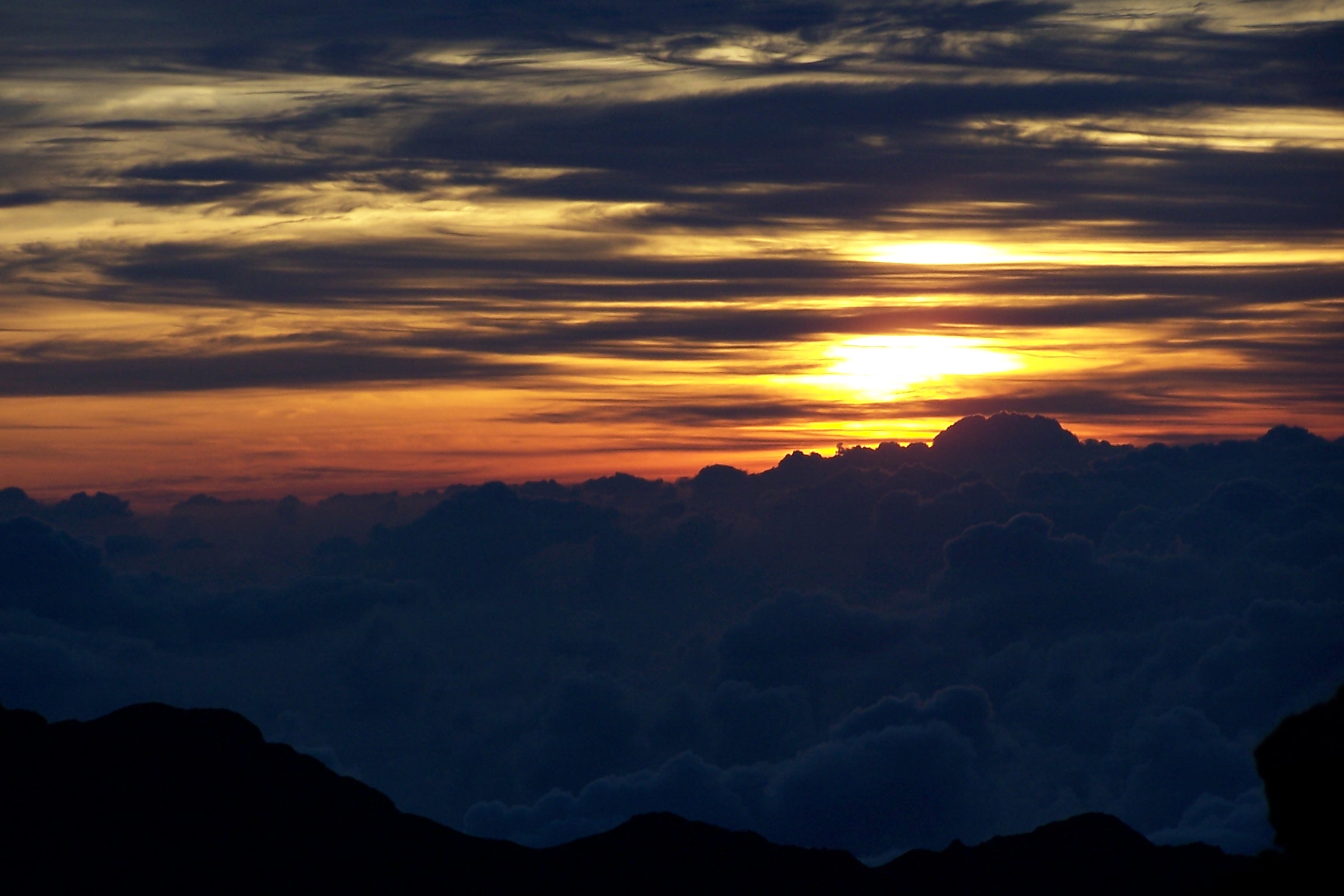
This park delivers two distinct experiences. The summit provides a high-altitude, pre-dawn spectacle; a timed 3 AM to 7 AM entry reservation is essential for sunrise viewing. The volcanic wilderness offers significant hiking and isolated backcountry camping opportunities within the crater. Kīpahulu presents a stark contrast. Here, freshwater stream-fed swimming holes and a rainforest environment define the district. Guided tours are available. Families can engage with the Junior Ranger program across both areas. For those disinclined to self-drive the challenging roads, guided and shuttle bus tours offer alternatives.
Who it is for
This park is best suited for hikers, photographers pursuing summit sunrises, and backcountry campers seeking remote experiences. Families ready to navigate two distinct environments will also find it rewarding. Only skip it if unwilling to plan for sunrise reservations or uncomfortable with significant elevation changes and unpredictable summit cold. This is not a casual drive-through park.
Best time to visit
Weather here is famously unpredictable. While spring and fall offer the most stable conditions, the summit can drop to 30°F on any day of the year. Kīpahulu, conversely, might register 80°F the same afternoon. Summer increases visitor numbers and competition for sunrise reservations. Winter brings ice and wind to the summit. Layering is essential for summit visits, regardless of season.
Worth seeing
- Sunrise from the summit above 10,000 feet, one of the most visually striking experiences in any national park
- Backcountry camping inside the volcanic crater, among the most remote overnight options in the park system
- Swimming in the freshwater pools of the Kīpahulu district, a complete contrast to the summit landscape
- Guided and shuttle tours for visitors who prefer not to navigate steep mountain roads independently
- Junior Ranger programming that spans both the summit and coastal districts
- The rare chance to move between a near-freezing volcanic summit and a subtropical rainforest in a single day
Before you visit
With a $1 entrance fee, this park offers exceptional value. Its two main districts are not internally connected; both require separate drives via Maui's public roads. Sunrise viewing at the summit mandates a reservation for the 3 a.m. to 7 a.m. window, often fully booked weeks ahead. Visitors should not arrive underdressed for the summit, regardless of season.
Our tipFor those seeking a sunrise summit, reservations are essential; book precisely when the 60-day window opens on recreation.gov, as availability is extremely limited. There is no walk-up option for the pre-7 AM period. However, the summit becomes accessible after 7 AM. The scenery remains notable throughout the morning hours, typically before the regular cloud cover obscures views. Casual sightseers should plan for a later start.